
Best for: Culture and architecture buffs


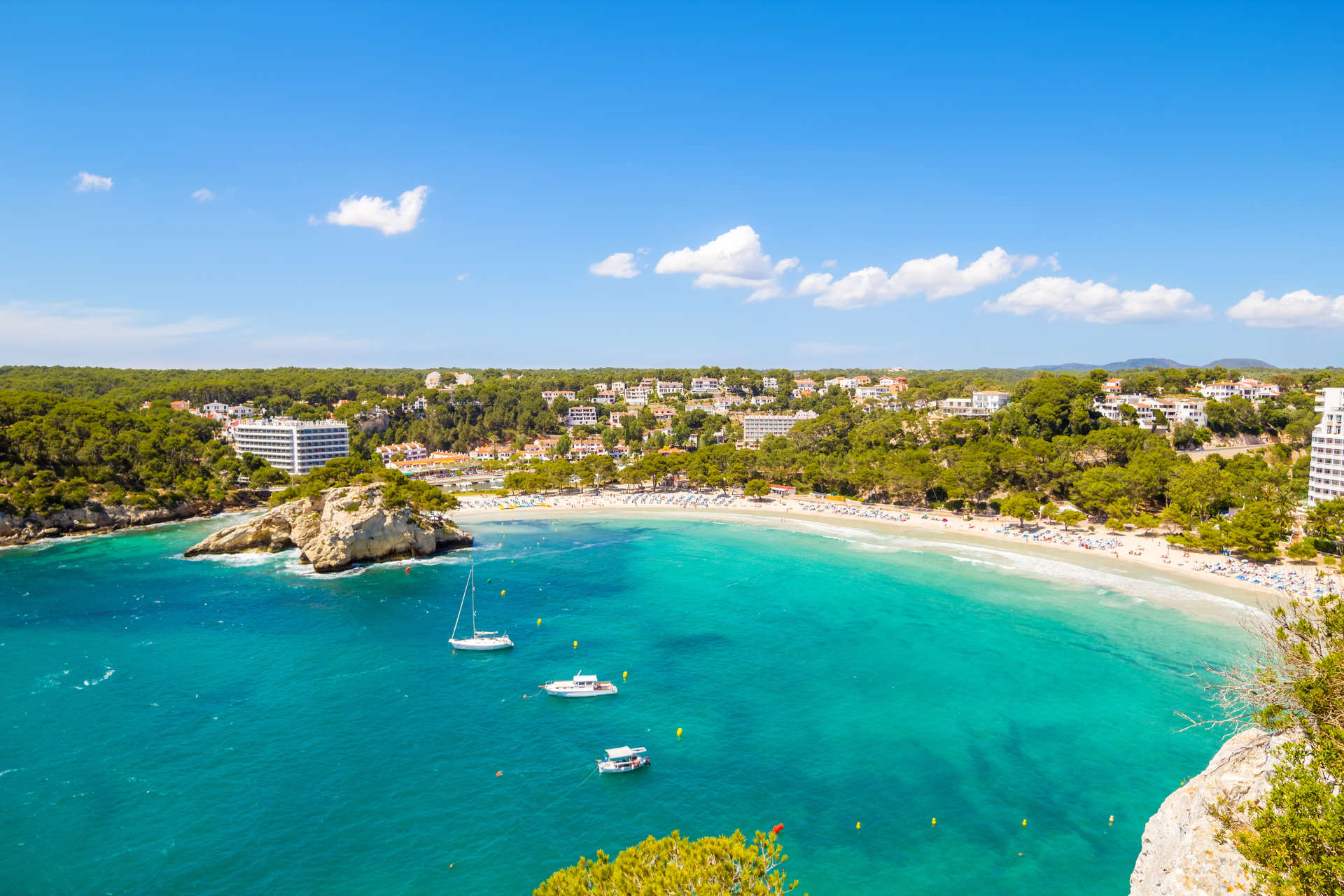
You’ll never be short on things to do in Menorca. It’s an island brimming with unique prehistoric sites and tiled with labyrinths of ancient lanes, with more pristine coves than you can shake a bucket and spade at. Well, what are you waiting for? Lace your boots, pack your swimmers and dive right in.
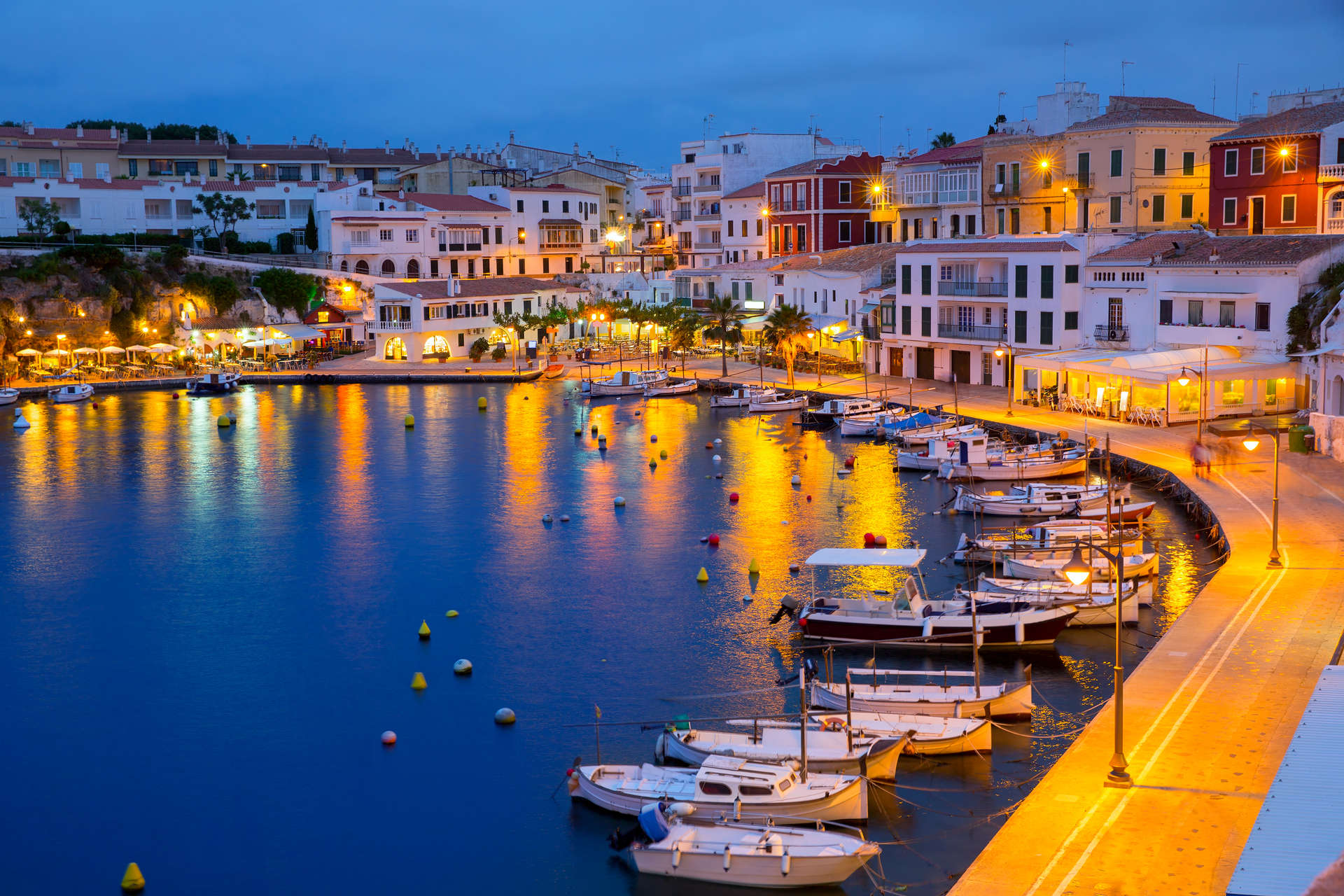
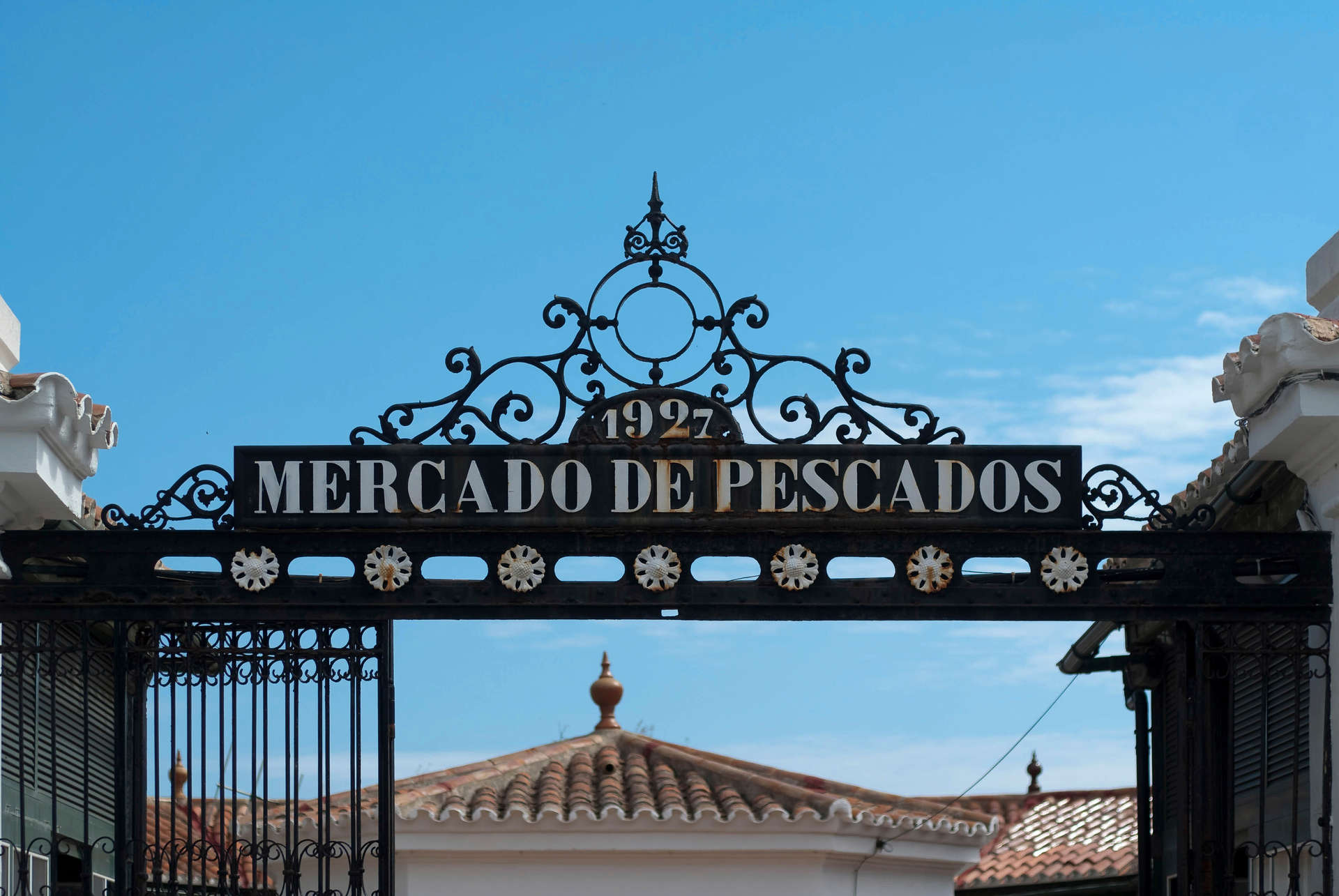
The labyrinthine lanes and alleys of Menorca’s engaging capital ramble along the top of a ridge, high above its deep and long harbour - the largest natural harbour in the Med. Despite its status as island capital, Maó has a sociable, small-town feel. Wandering around its ancient centre, with its long-established cafés and dinky little shops, is a relaxing and enjoyable way to pass a few hours. You’ll also find handsome houses, an amenable little 1920s fish market and the massive eighteenth-century Església del Carme. What’s not to love?
Best for: Culture and architecture buffs

Top tip: Don’t bother hunting for nightlife here: there’s no steamy side to Maó. Nightlife is limited to a few bars and clubs near the ferry terminal.
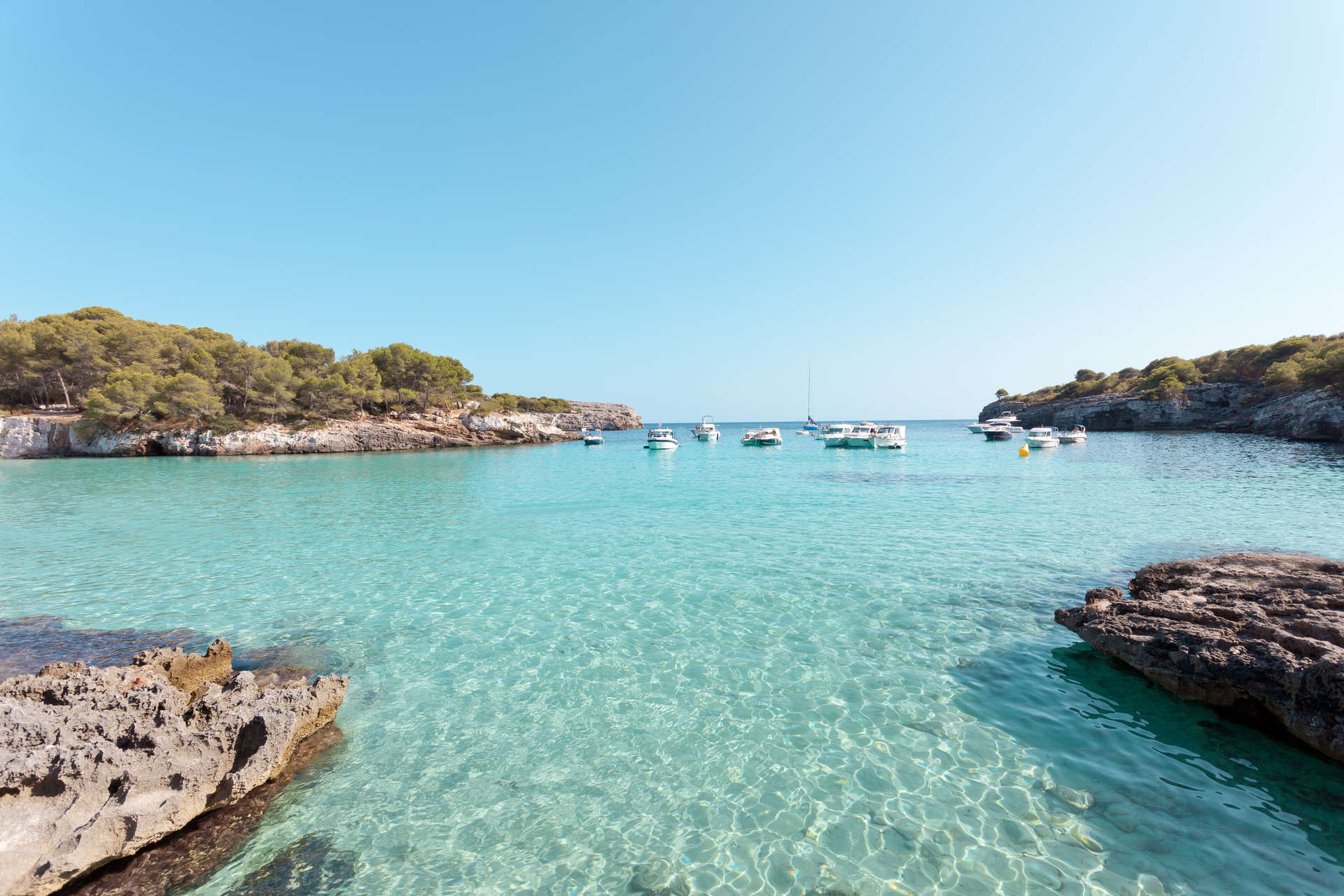
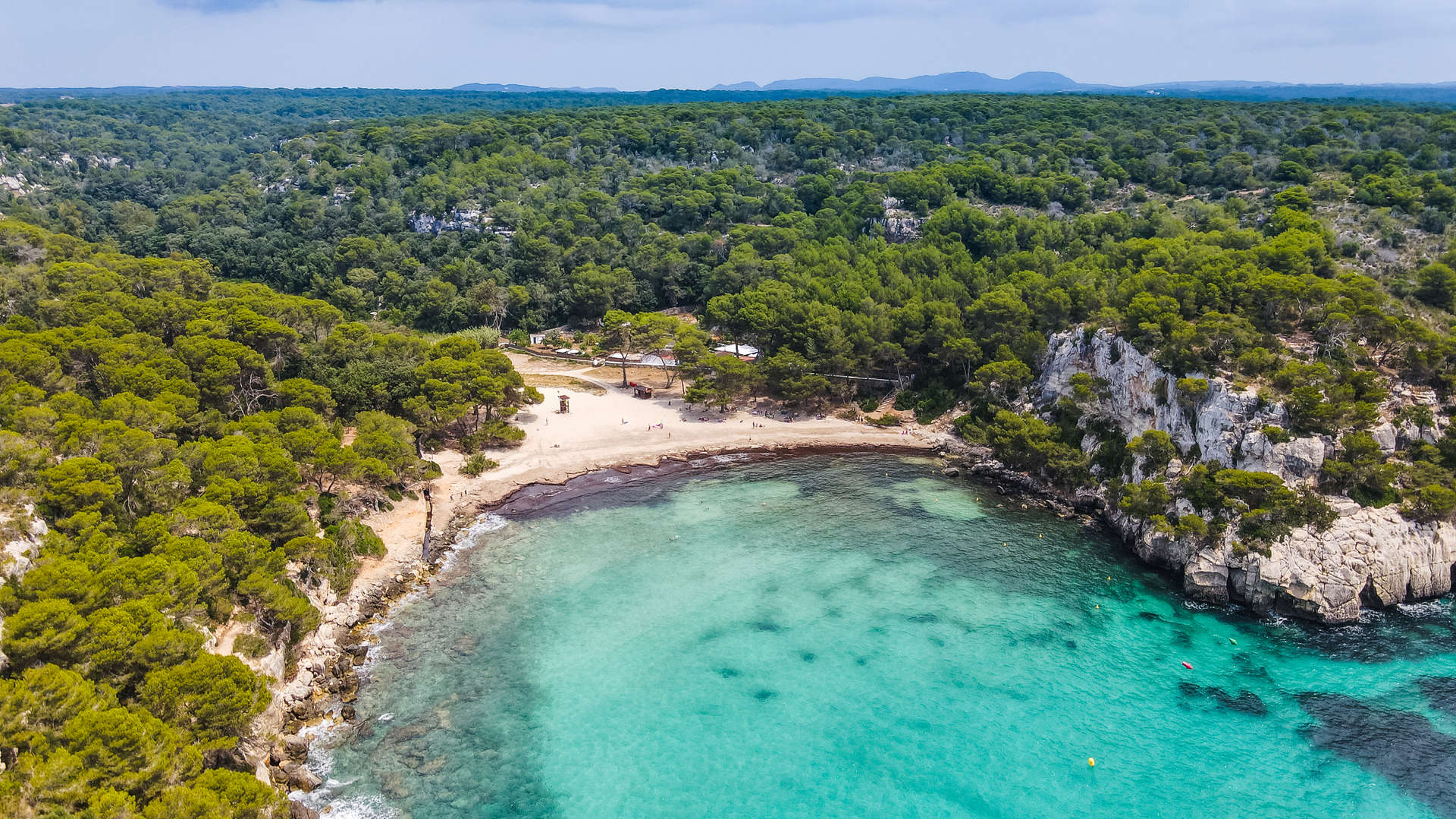
The island has a clutch of unspoilt cove beaches - so if you’re at a loss for what to do in Menorca, make for one without delay. Menorcans are keen to avoid the overdevelopment, and a recently created chain of conservation areas now protects about half of the island, including its pristine coves. Cala Turqueta is one of the finest, with a band of fine white sand and set between wooded limestone cliffs and crystal-clear waters. It’s a popular spot, so arrive early to beat the crowds.
Best for: Beach babes - the sand slopes gently into the sea, making it ideal for bathing.
Top tip: Although a beach bar sometimes appears, sometimes it doesn’t - so bring your own food and water.
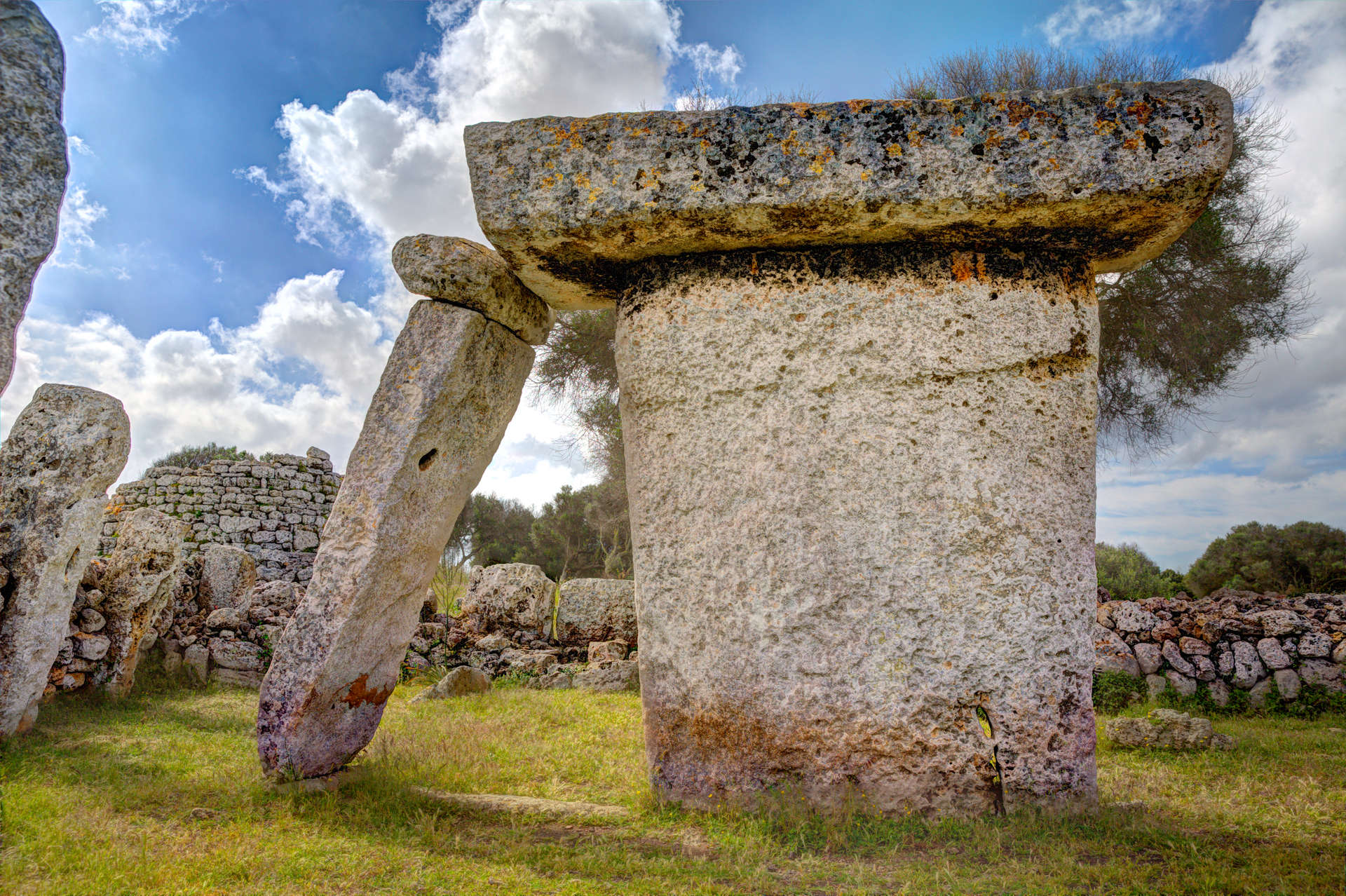
Of the several Talayotic sites in the vicinity of Maó, easily the pick is the rustic remains of Talatí de Dalt - a trip here is one of the best things to do on Menorca. Partly enclosed by a Cyclopean wall, the site features an imposing taula - a T-shaped structure comprising two huge stones - set within a circular precinct. Three subterranean chambers complete the picture. The site’s rural setting is charming - olive and carob trees abound and a tribe of hogs roots around the undergrowth. Budding archaeologists delight.
Best for: Archaeology enthusiasts
Top tip: The site is not served by public transport - you'll have to drive or hire a taxi from Maó.
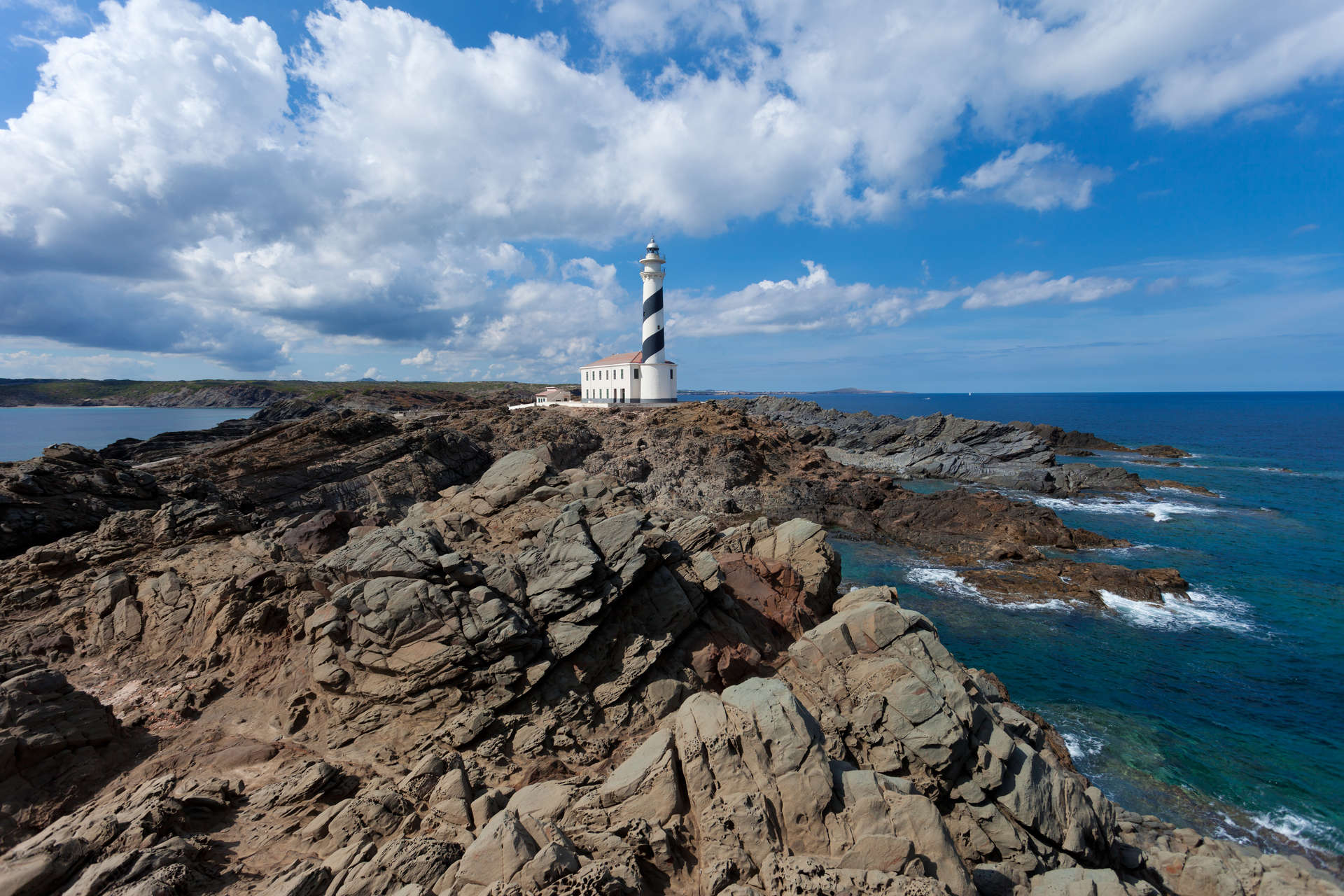
Ever felt like you’re on the edge of the world? To get that awesome feeling, make for Cap de Favàritx. The road cuts along a wide valley and slips through dumpy little hills, but before long the landscape becomes barer and the grass gives way to succulents and bare rock. At the cape itself, even the succulents can’t survive. The lighthouse shines out over a bare lunar-like landscape of tightly layered, crumbly slate. The views out over the coast are dramatic and if you fancy a scramble, you can pick your way along the adjacent rocks.
Best for: That end-of-the-world feeling
Top tip: A fine daylong coastal walk from Es Grau to Sa Torreta passes the lighthouse, traversing one of the wildest sections of the Menorca seaboard.
Scaling Monte Toro is one of the best things to do in Menorca for those with sure feet and a head for heights. From the summit, expect superlative views over the island. A shrine was erected here in the thirteenth century - housing a statue of the Virgin, the Verge del Toro - and Monte Toro has been a place of pilgrimage ever since. If you’re lucky enough to come on the first Sunday of May, you’ll catch the ceremonial highlight: the Festa de la Verge del Toro begins with a special Mass at the peak and continues with a knees-up down in Es Mercadal.
Best for: Long views over Menorca
Top tip: You can climb from Es Mercadal - a steep 3.2km ascent along a serpentine road. If you want to save your energy, it’s easily drivable.
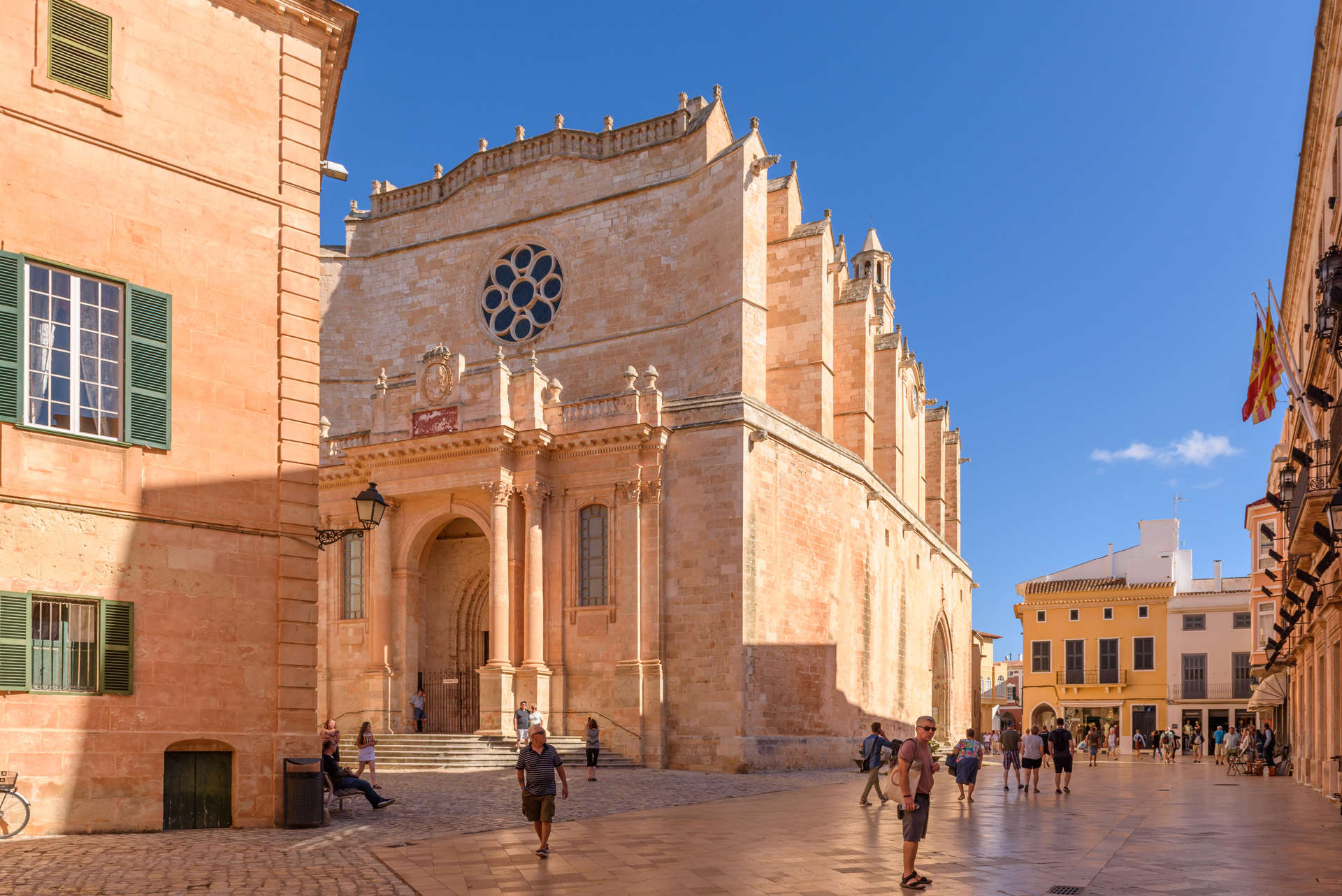
Got a penchant for pretty old towns? Swayed by narrow, cobbled streets? Romanced by beautiful churches and handsome stone facades? Make yourself at home in Ciutadella. Its compact town centre has barely been touched by modern developments, its cobblestone streets flanked by old and distinguished mansions and a fine set of Baroque and Gothic churches - all very much in the grand Spanish tradition. An ambitious renovation programme has further enhanced the centre, restoring most of the old stone facades to their honey-coloured best.
Best for: Wandering about town
Top tip: Although the whole ensemble gives Ciutadella its appeal, rather than any specific sight, the cathedral is a real Gothic highlight and the stately Plaça d’es Born is undoubtedly the finest plaza.
While you’re on the island be sure to make a trip to one of the pleasant inland market towns of Migjorn Gran, Es Mercadal and Ferreries. By accident and design, these little towns have escaped full-on modernization and each holds an attractive ensemble of antique houses dating back to the eighteenth century.
Best for: Soaking up the small-town atmosphere
Top tip: If you’re into walking, ask around about the fine hiking routes that leave from each of these towns.
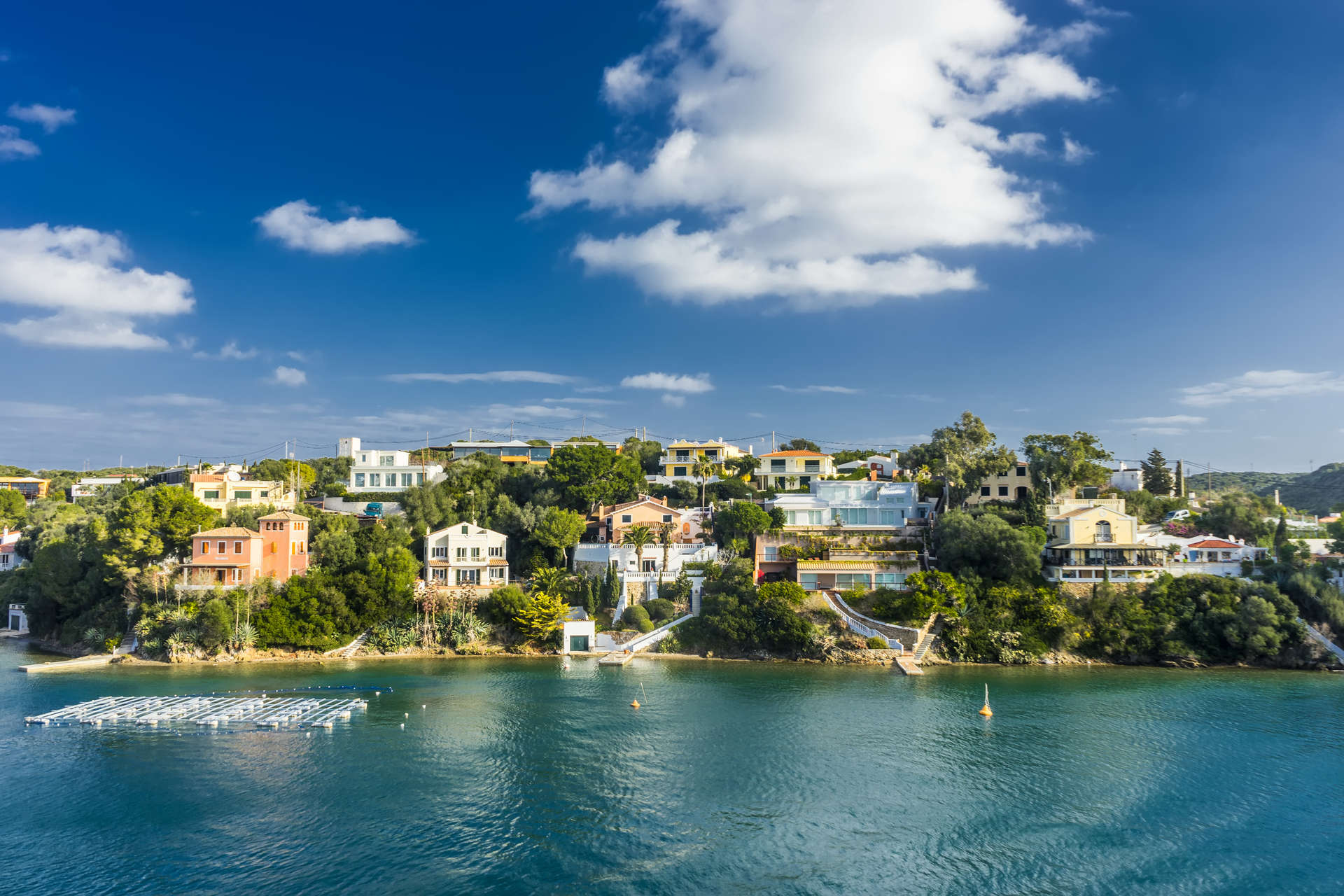
One of the best appointed of Menorca’s resorts is Cala Galdana, a burgeoning resort - but still of manageable proportions - set beneath severe, pine-clad sea cliffs. Despite its expanding high- and low-rises, its beach and pint-sized rocky promontory are still very appealing. Desperate to get active? You can rent all sorts of watersports equipment here, from pedalos and water scooters to windsurfing boards and snorkeling tackle. Interested in staying in Cala Galdana? There are plenty of Menorca holiday packages to choose from.
Best for: Families and water-sports fans
Top tip: Escape the crowds by hiking west of east along the coast to more secluded coves.
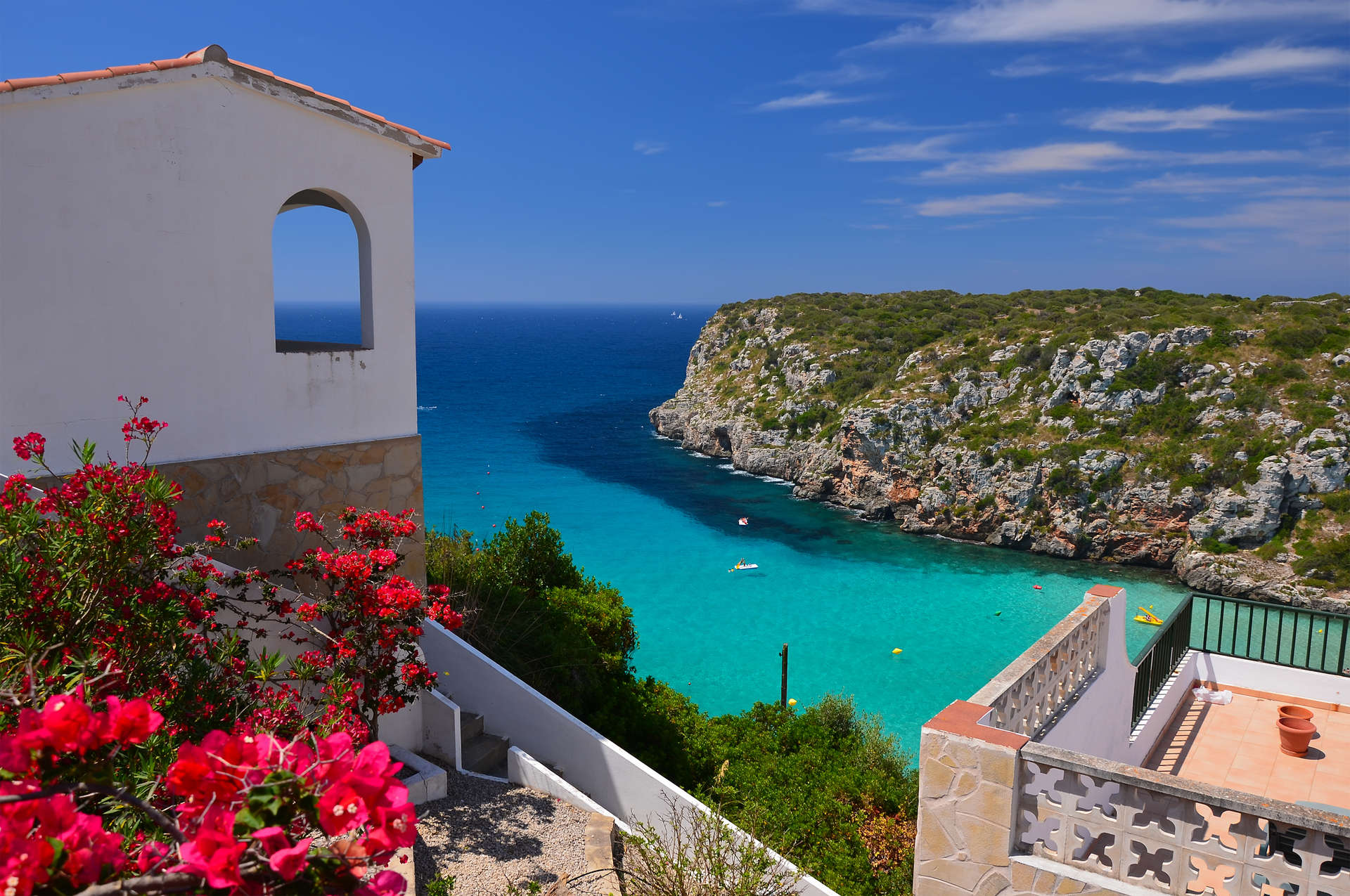
Looking for a unique place to rest your head? The Balearics are dotted with old stone fincas (farmhouses), many of which have been turned into holiday homes and hotels. The largest are effectively rural places that have become tourist attractions in their own right, but the bulk offer lodgings - mostly at the top end of the market. A prime example is the Hotel Biniarroca, near Sant Lluís. In part, the charm of staying in a finca lies in the solidity and simplicity of its architecture.
Best for: Traditional lodgings
Top tip: Look out for the raft of buildings that surround most fincas. These were originally specialist buildings, from olive presses and workshops through to barns and storehouses.

We'll send you exclusive offers and sneak peeks of our best deals,
plus travel tips and the latest advice on where you can go.