
Best for:
Amazing views, historic pier and poetic inspiration.


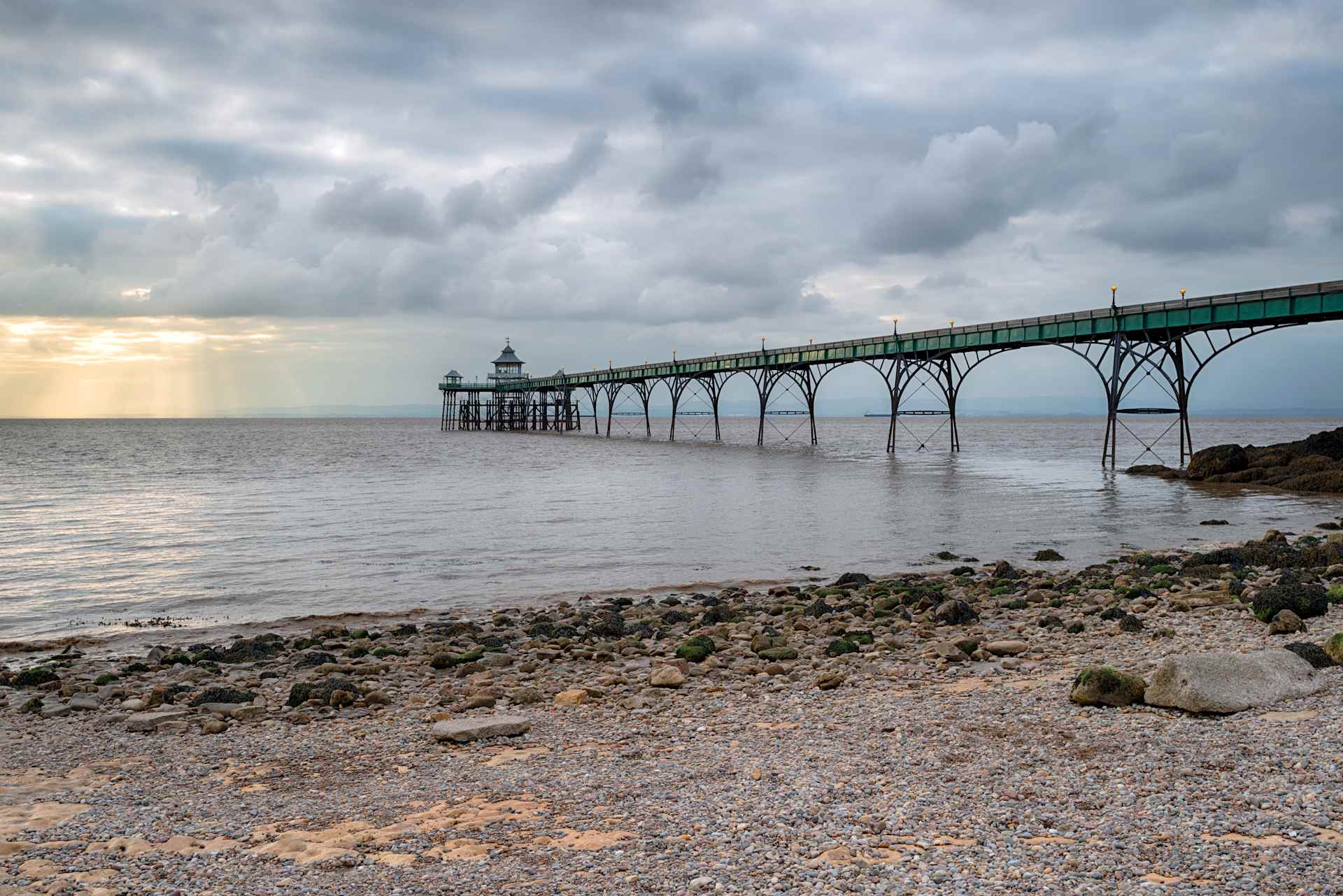
One of the nearest beaches to Bristol, Clevedon is centred on hills slightly inland from the sea. Its jaunty seafront promenade is the most compelling part of town, with wind-bent trees and views across the Bristol Channel to the isles of Steep Holm and Flat Holm, and beyond to the coast of Wales. The focal point is its elegant Victorian pier but the whole beachfront invites a stroll, not least the promontory at its southern end, which shelters Clevedon Marine Lake, an open-air seawater pool, and from where the Poet’s Walk (said to have provided inspiration for Tennyson and Coleridge) offers pleasant perambulations around the headland.
Best for:
Amazing views, historic pier and poetic inspiration.

How to get there:
There’s a regular bus service connecting Bristol to Clevendon; or 30 minutes by car from Bristol.
Best for:
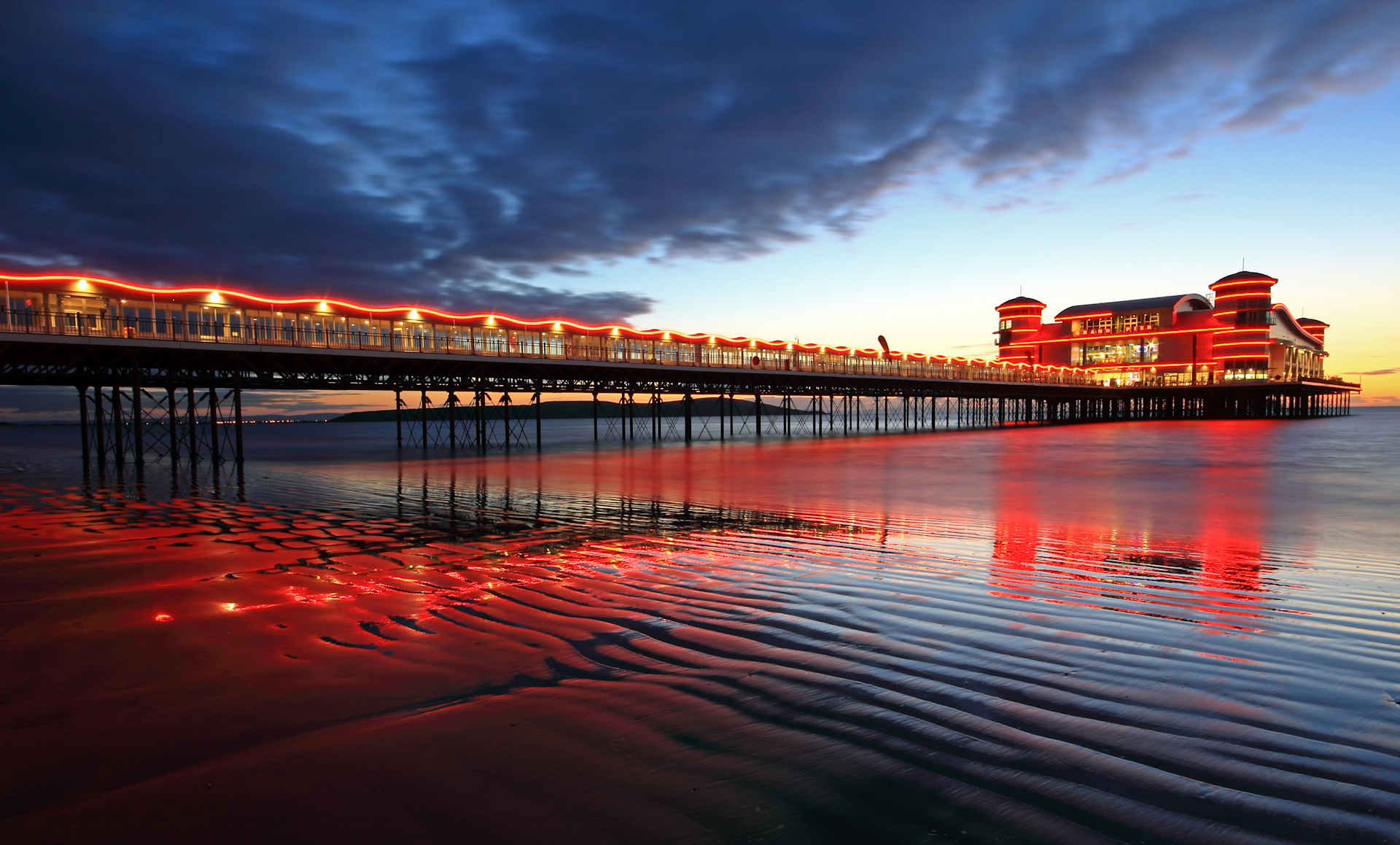
Its incredible Grand Pier and Ferris wheel.
How to get there:
Weston’s train station lies a 10min walk from the seafront on Station Rd; 40 minutes by car from Bristol
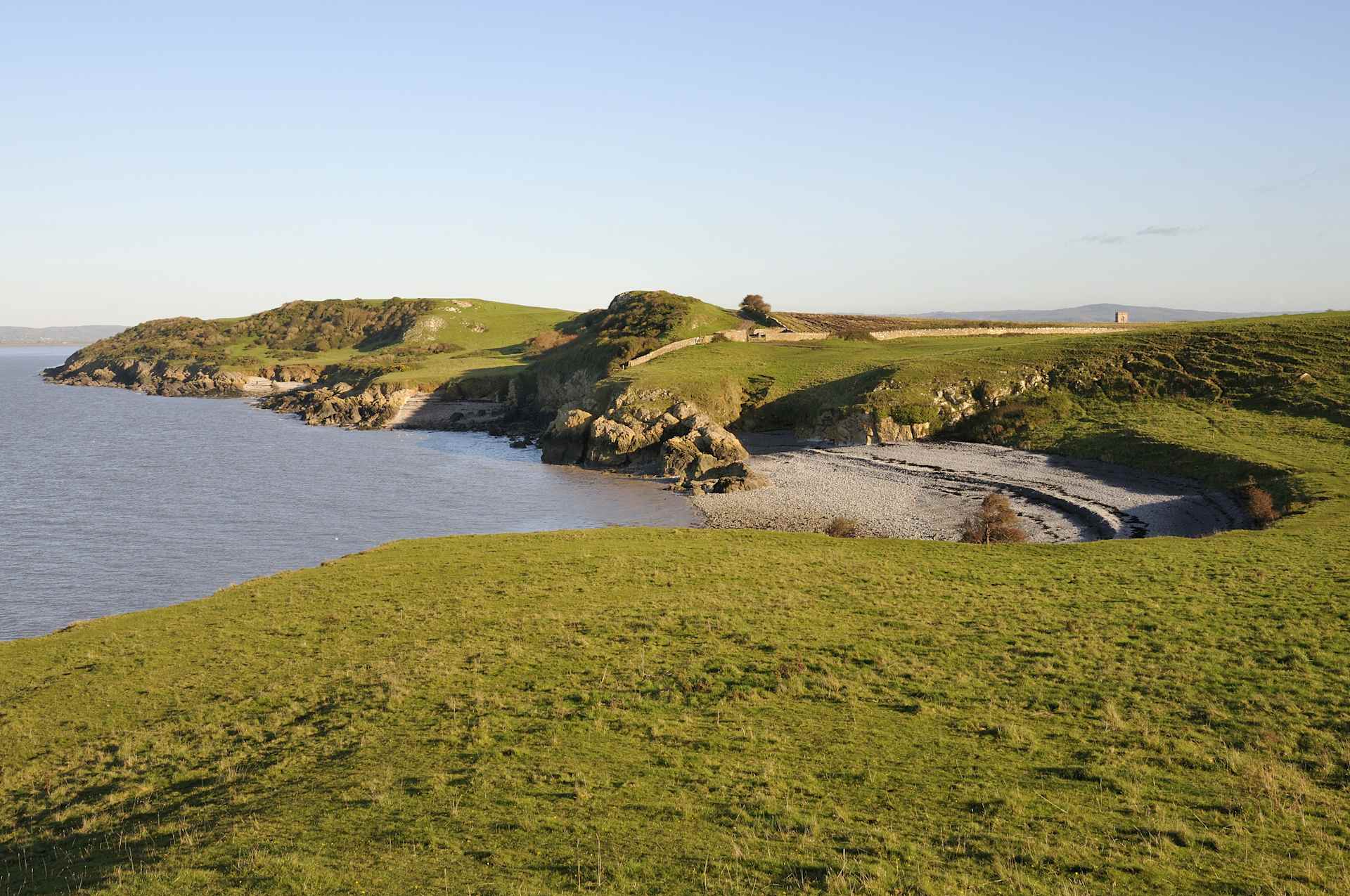
If Weston’s crowds get oppressive, you can always climb up to Worlebury Hill, a breezy, much quarried and mined limestone elevation to the north of the main beach. Here you can see the scant remains of an Iron Age hillfort and hut circle, and there are numerous trails running through Weston Woods, which thickly cover a large part of the hill. Continuing further north will bring you to Sand Bay, virtually undeveloped and a nice contrast to the bustle of Weston Bay. The beach here is bounded to the north by Sand Point, a headland maintained by the National Trust.
Best for:
Quiet alternative to the hustle and bustle of Weston-super-Mare Beach.
How to get there:
A short walk from the main beach, itself 10 minutes from the train station; 40 minutes by car from Bristol.
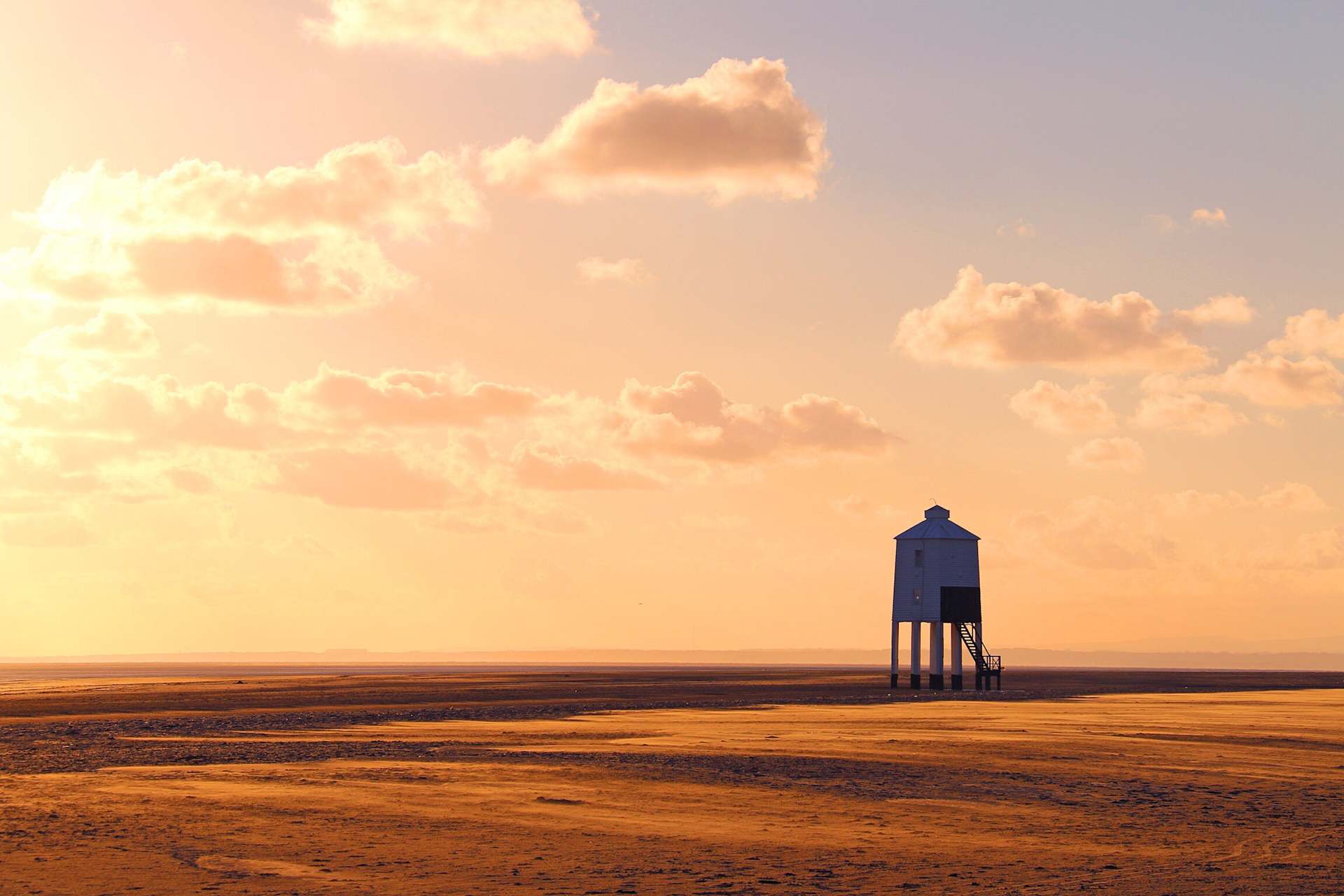
A long, picturesque expanse of sand, stretching north as far as Brean Down and west along Somerset’s north coast, Burnham-on-Sea has one of the best sandy beaches near Bristol. As well as the perfect place to sunbathe, the view from the Esplanade, across the sands to Wales, has an intensely still, almost mesmerizing quality. The Esplanade itself claims to have Britain’s shortest pier, dating from 1911–14, which is now occupied by a great amusement arcade. Further up the beach, you’ll spot what is Burnham’s oddest feature, the Low Lighthouse, also known as the Lighthouse-on-the-Sands or the Lighthouse-on-Legs due to its construction on stilts on the beach.
Best for:
Vast sandy beach and great views out to the Bristol Channel.
How to get there:
Highbridge & Burnham train station lies a couple of miles south of Burnham-on-Sea’s seafront, linked by frequent local buses; 45 minutes by car from Bristol.
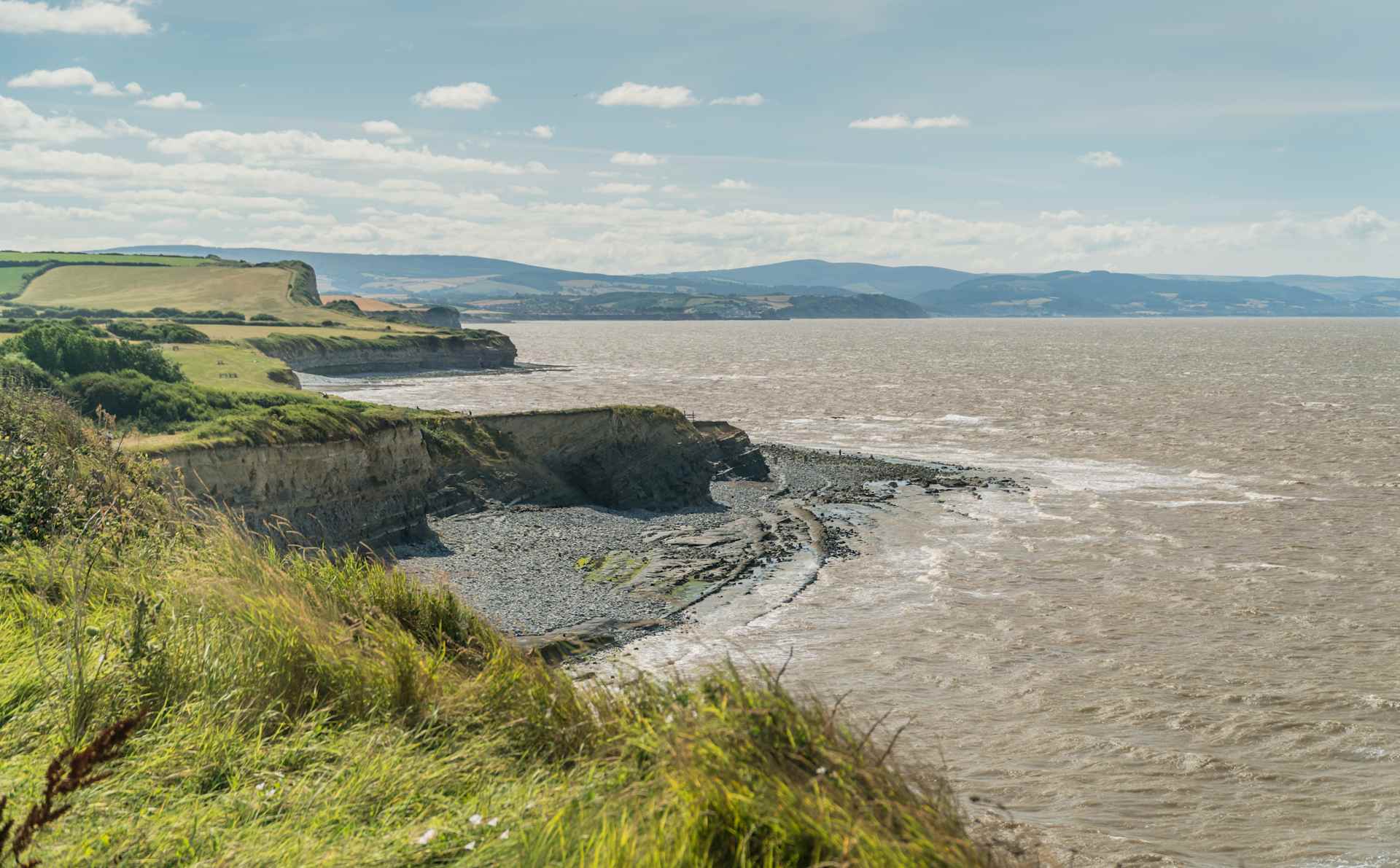
Best for:
Fossicking – that is, looking for fossils – and picturesque walks.
How to get there:
You can catch a train to nearby Watchet and walk up the coast to Kilve Beach; or 1 hour 20 minutes by car from Bristol.
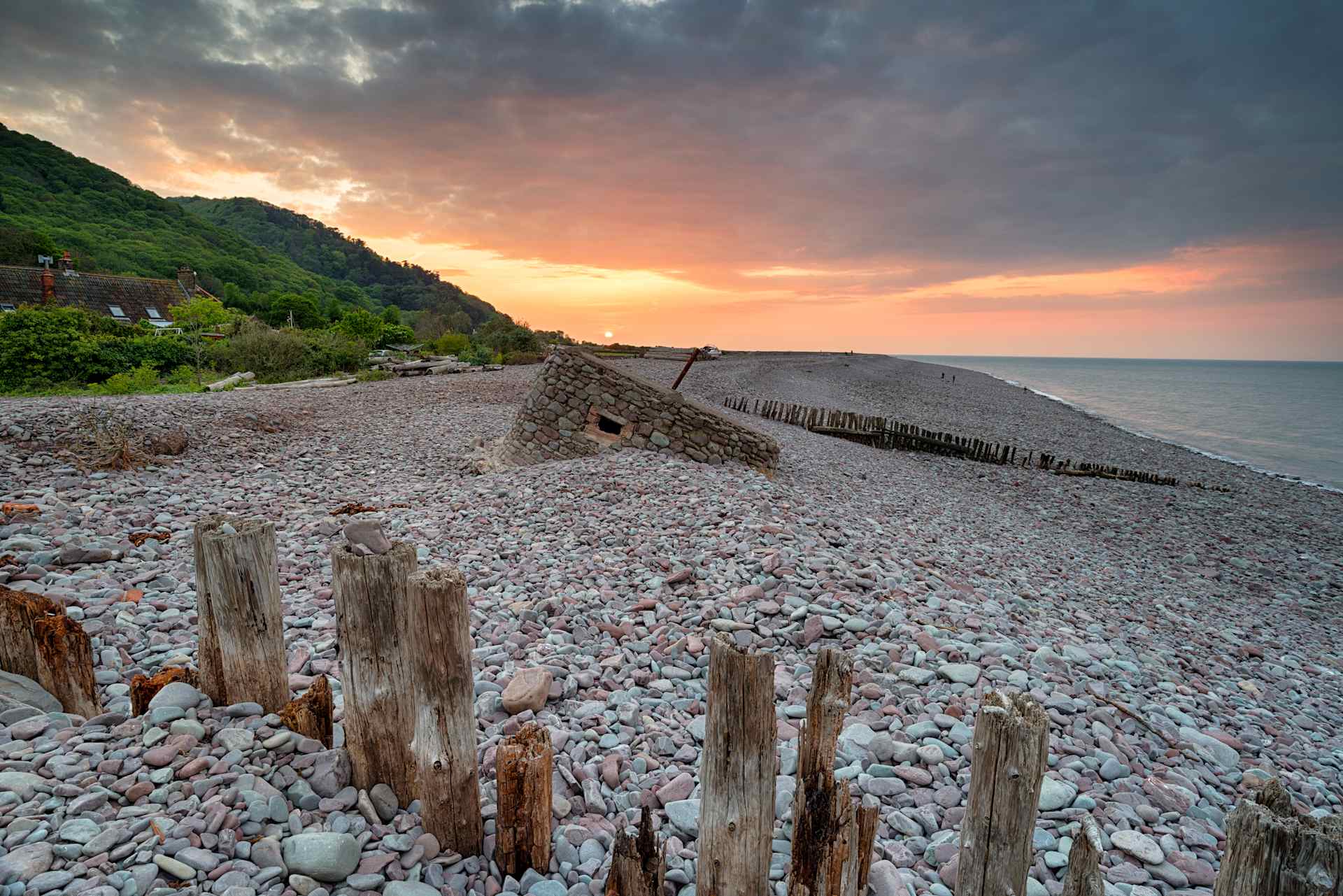
Minehead’s traditional bucket-and-spade character is also flavoured by its proximity to Exmoor and the wild coastline extending west from here. Minehead’s wide, sandy beach is backed by a jaunty promenade that is popular in the holiday season. Away from the sea, the town preserves some residue of its Victorian character and the slopes of North Hill offer splendid views across the Bristol Channel – the hotels are perfect for a weekend break. Steep lanes link the quarter with Quay Town, the harbour area at Minehead’s western end, where a few fishing vessels still operate. Science fiction fans may wish to make an odyssey to author Arthur C. Clarke’s house, born at 13 Blenheim Gardens, off The Parade.
Best for:
Fantastic beach and interesting town.
How to get there:
Minehead has its own train station, operated by West Somerset Railway; 1 hour 40 minutes by car from Bristol.