In collaboration with
Rough Guides


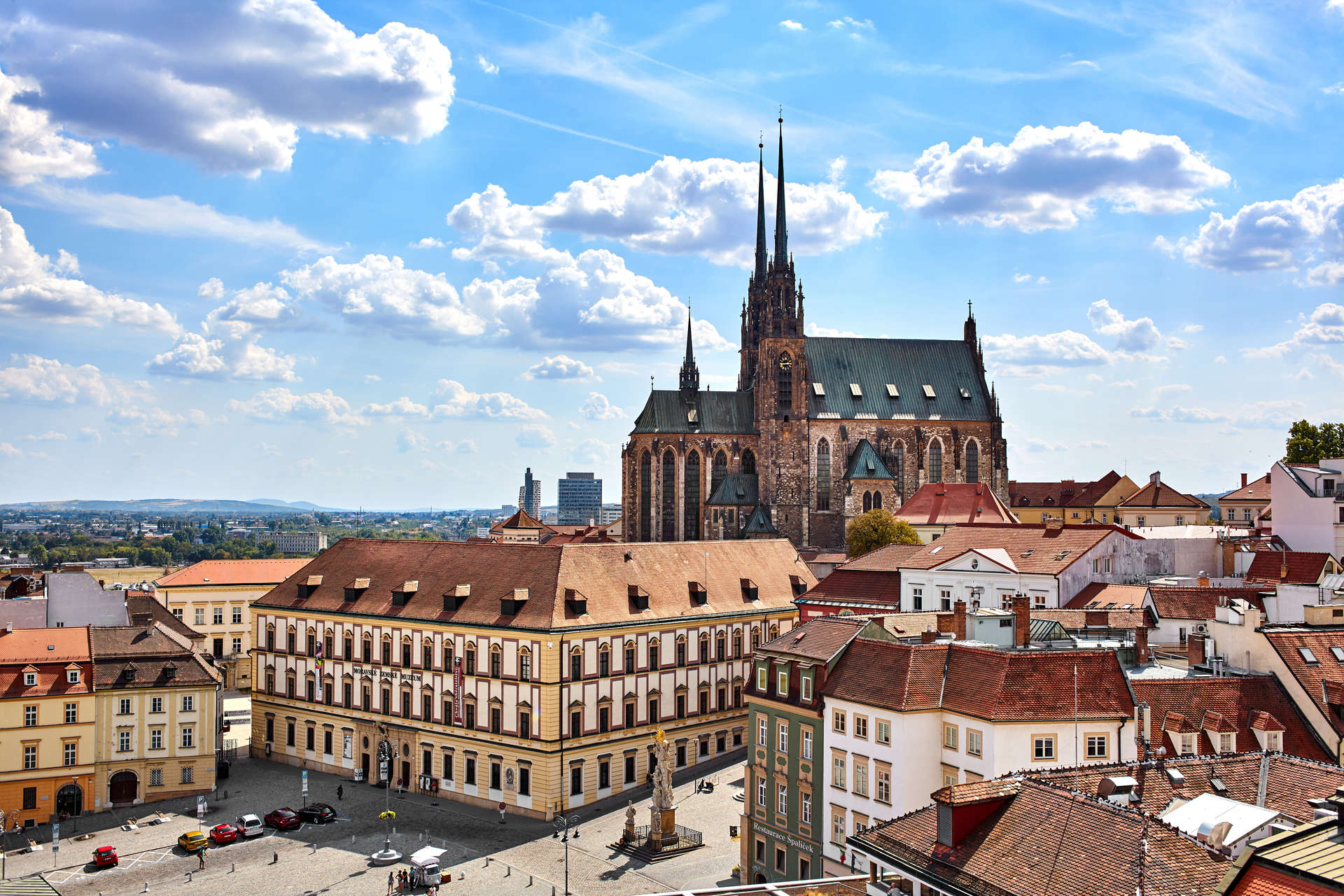
Whatever type of trip you’re after, you’ll find it in Poland. Want dazzling architecture? Try Wroclaw. Fancy a ski trip? Head to the Tatra Mountains. In it for the vibrant nightlife? There’s Warsaw. For the best things to do in Poland, look no further.
In collaboration with
Rough Guides
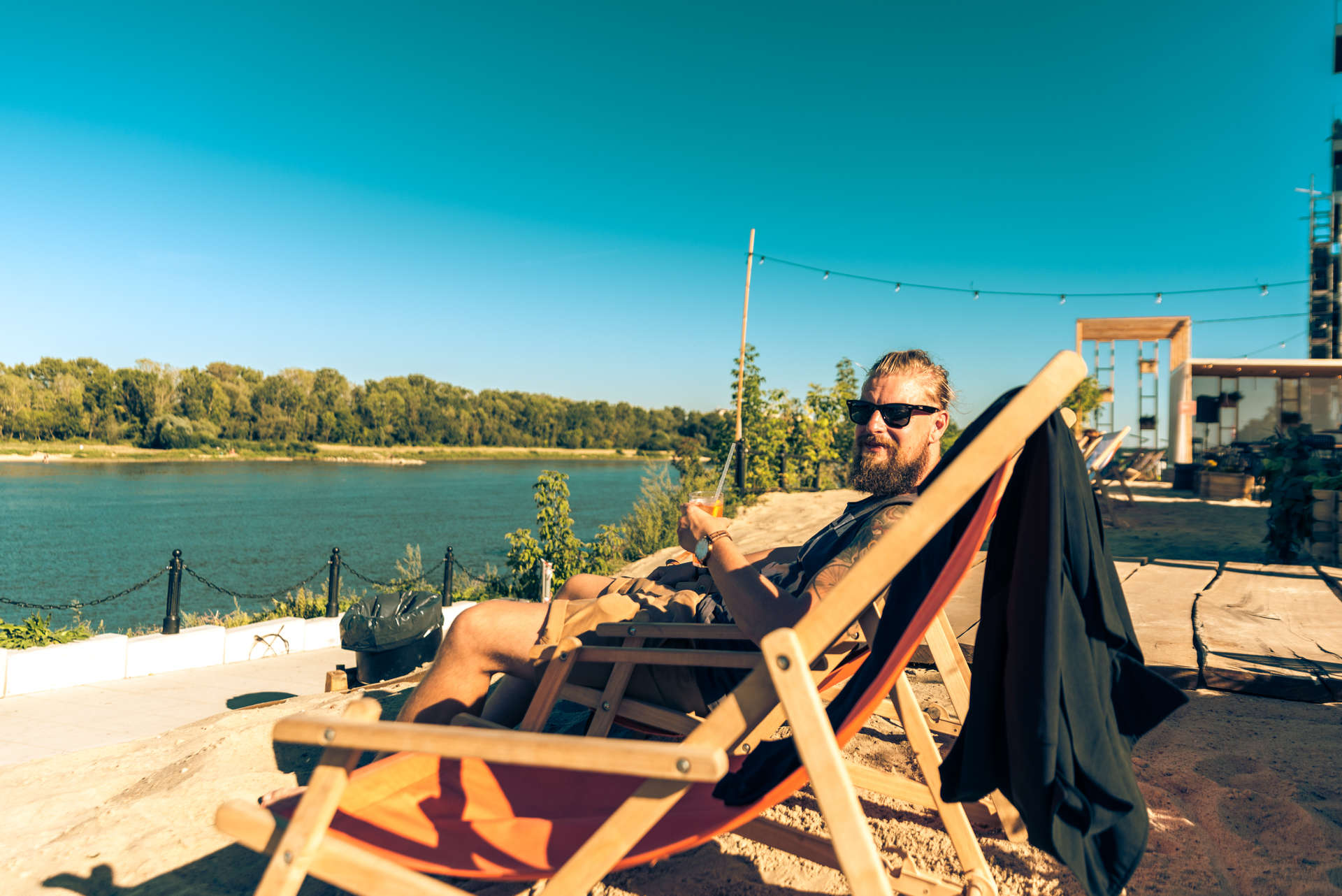
If you’re wondering what to do in Poland that involves a spot of sun and some relaxation, head to Sopot. This is Poland’s trendiest coastal resort and even boasts Europe’s longest wooden pier at 512m long - this is where you can take boat tours from (May to September only). Otherwise, kick back on the broad stretch of golden sand and relax.

Best for: Feeling a rare sea-breeze in Poland

While you’re there: Enjoy an evening at Atelier, a seafront bar-club, with casual fairylights and indie, retro disco and hip hop to dance to.
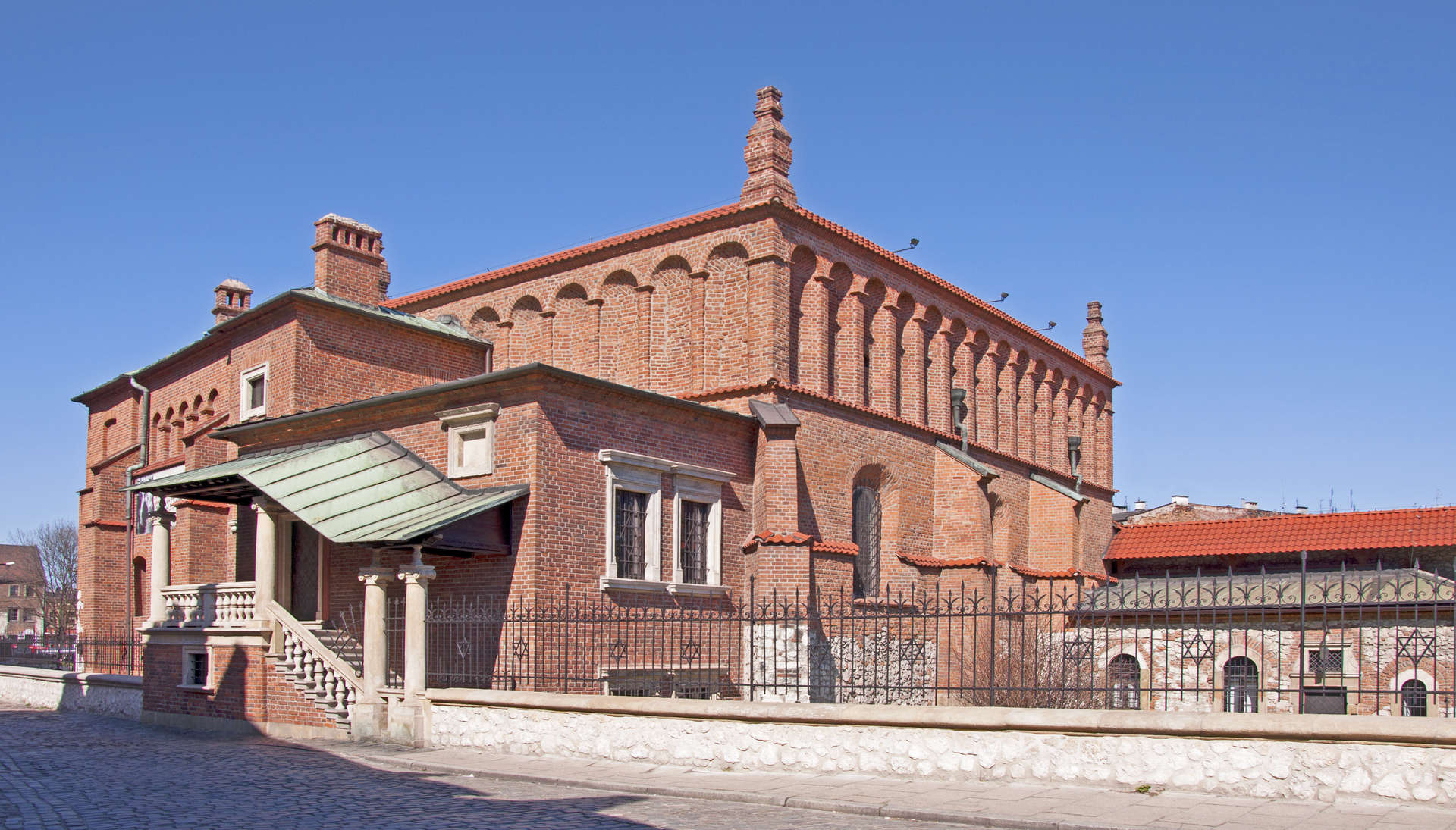
Kazimierz, a neighbourhood in Krakow, has been a significant Jewish centre since the 14th century. Today, it’s a hip, fashionable place to hang out, with colourful squares and chic cafes, intriguing synagogues and local art (both modern and old).
Best for: Hipsters with a hunch for heritage
While you’re there: Just over the river is Drukarnia, a bar with differently styled rooms, as well as a nightclub in the basement.
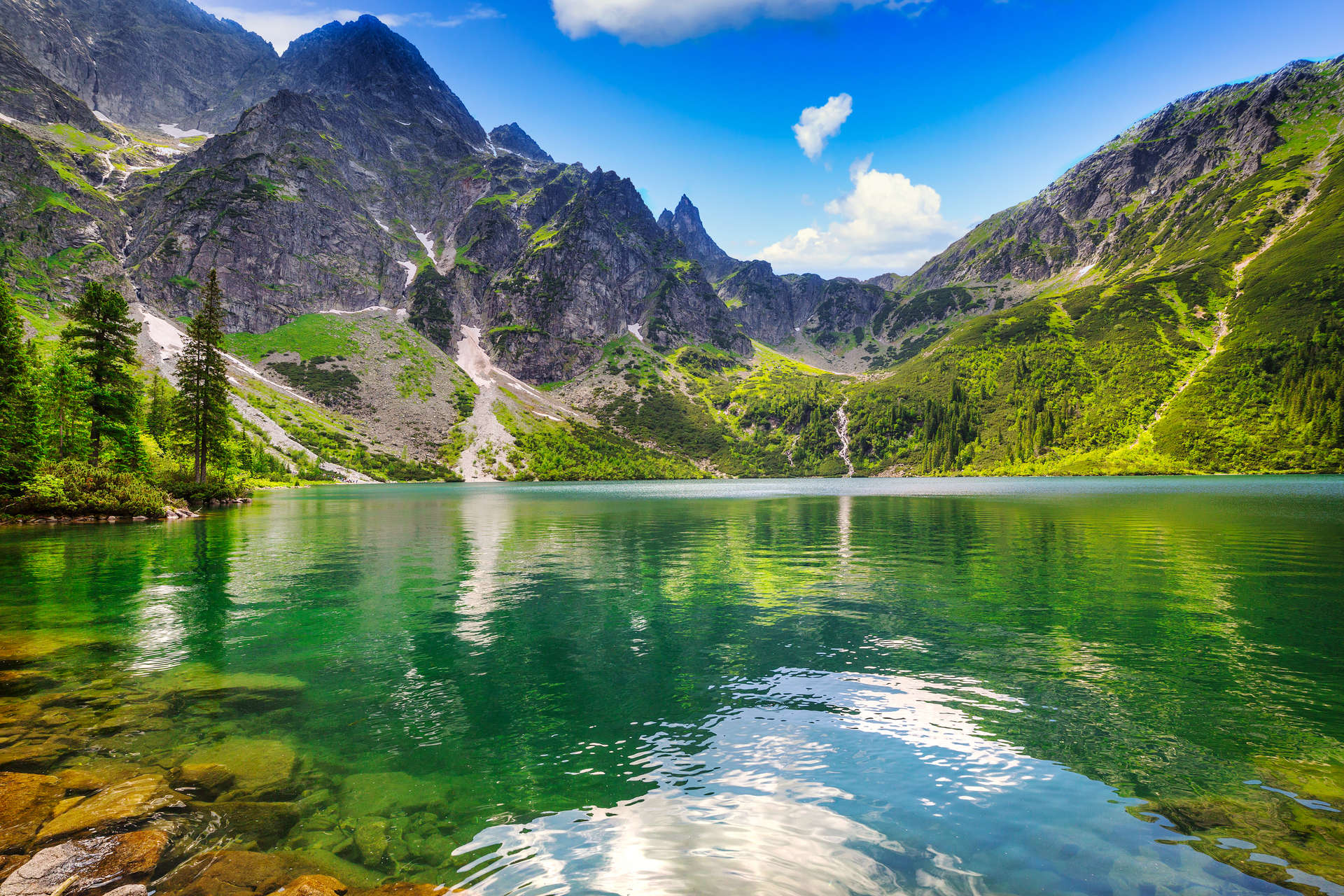
The Tatra mountains are some 80km long and offer breathtaking, windswept peaks up to 2500m high. The mountains are a protected national park with boulder-strewn trails and gentle streams, making it perfect hiking territory. Or if you want to cover more ground, you can also take various cycling routes through the stunning natural scenery, too. It’s a different place altogether come winter, when you should give skiing a go!
Best for: losing yourself in nature
While you’re there: If you want a more secluded trail, avoid the lovely but busy Morskie Oko Lake in the high season.
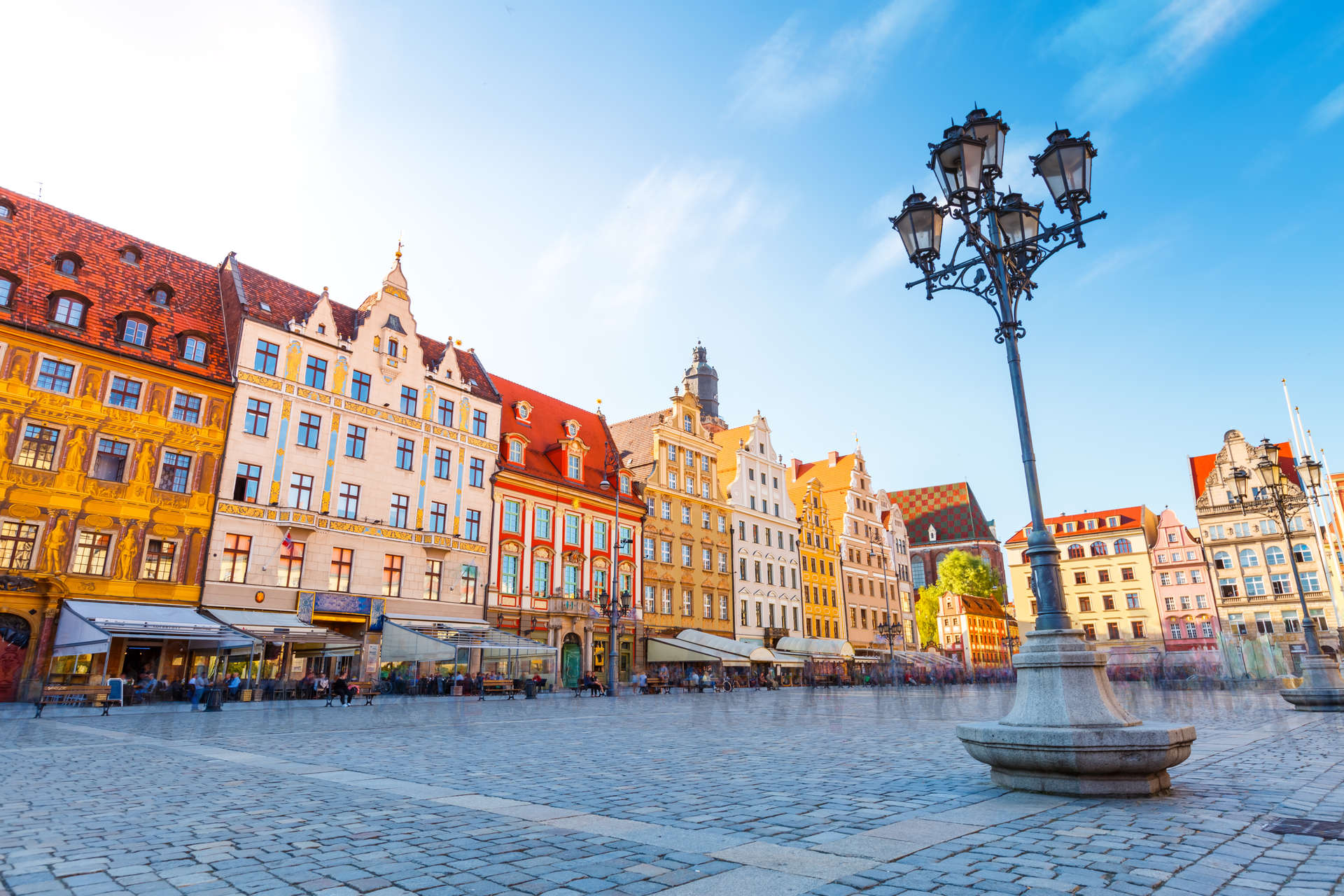
Once a European Capital of Culture, this should tell you all you need to know about Wroclaw’s beauty: mammoth Germanic churches, Flemish-style mansions and Baroque palaces. In the heart of the town is the vast Market Square and the 13th-century town hall, with some pretty spectacular, ornate facades. Check out the Panorama of the Battle of Racławice (mid-April to Sept daily 9am–5pm; Oct Tues–Sun 9am–5pm; Nov to mid-April Tues–Sun 9am–4pm; 30zł, including entrance to the National Museum), a colossal painting whose ticket price also gets you entry into the nearby National Museum.
Best for: Seeing the glittering arts hub of Poland.
While you’re there: At the National Museum, there’s over 830,000 works to take in – and is housed in a striking Modernist building.
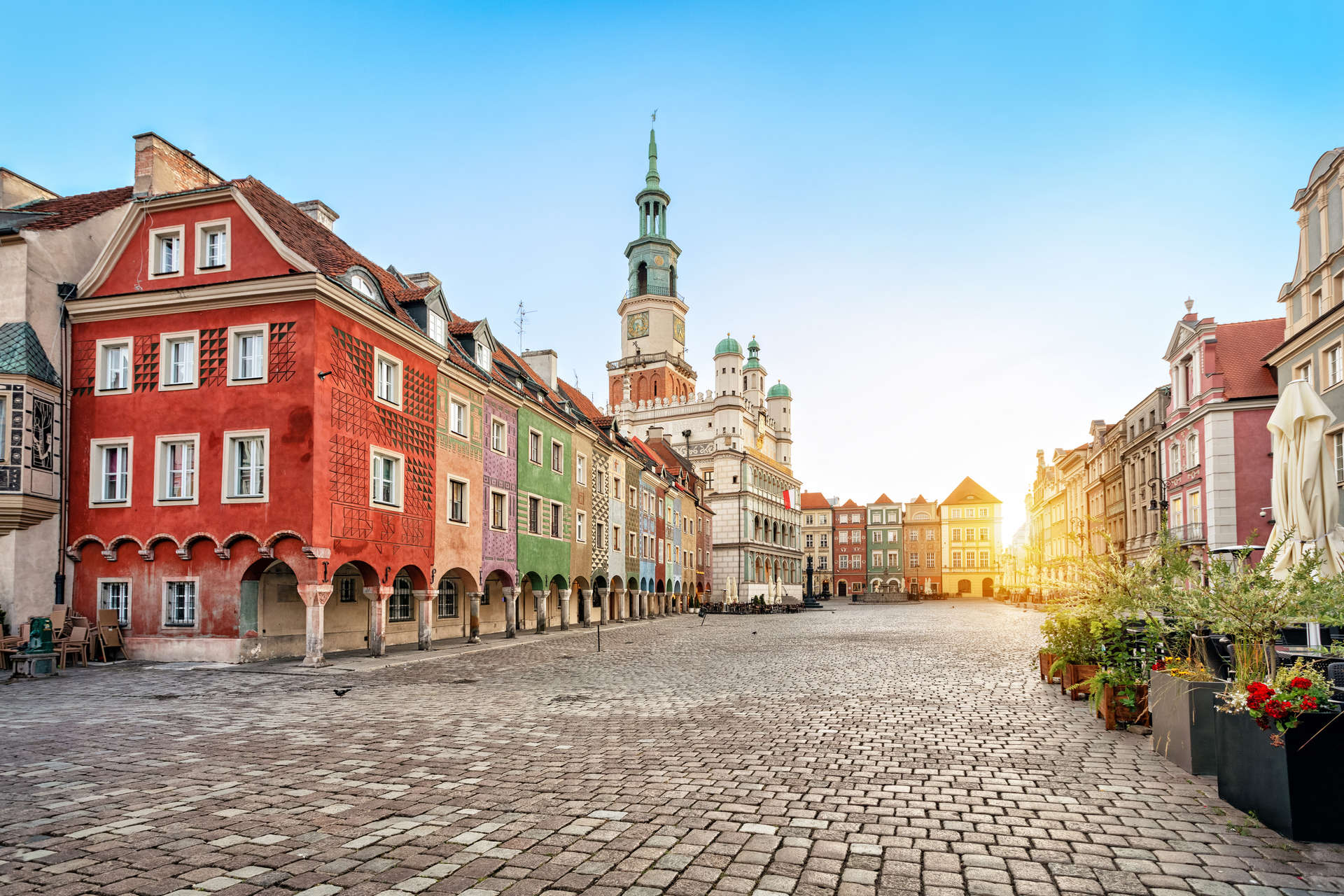
Poznan is a city of great diversity, encompassing tranquil medieval quarters, a fine main square, dynamic business districts and an arty-bohemian subculture. Once you’ve taken in the main museums, churches and mingled in the throbbing hipster dwellings, chill out in a beer garden with a pint of piwo.
Best for: Chilling out with the art-to-mad-professor set.
While you’re there: For ultimate Poznan, look no further than Za kulisami, a small bar-pub filled with vintage oddments and old books.
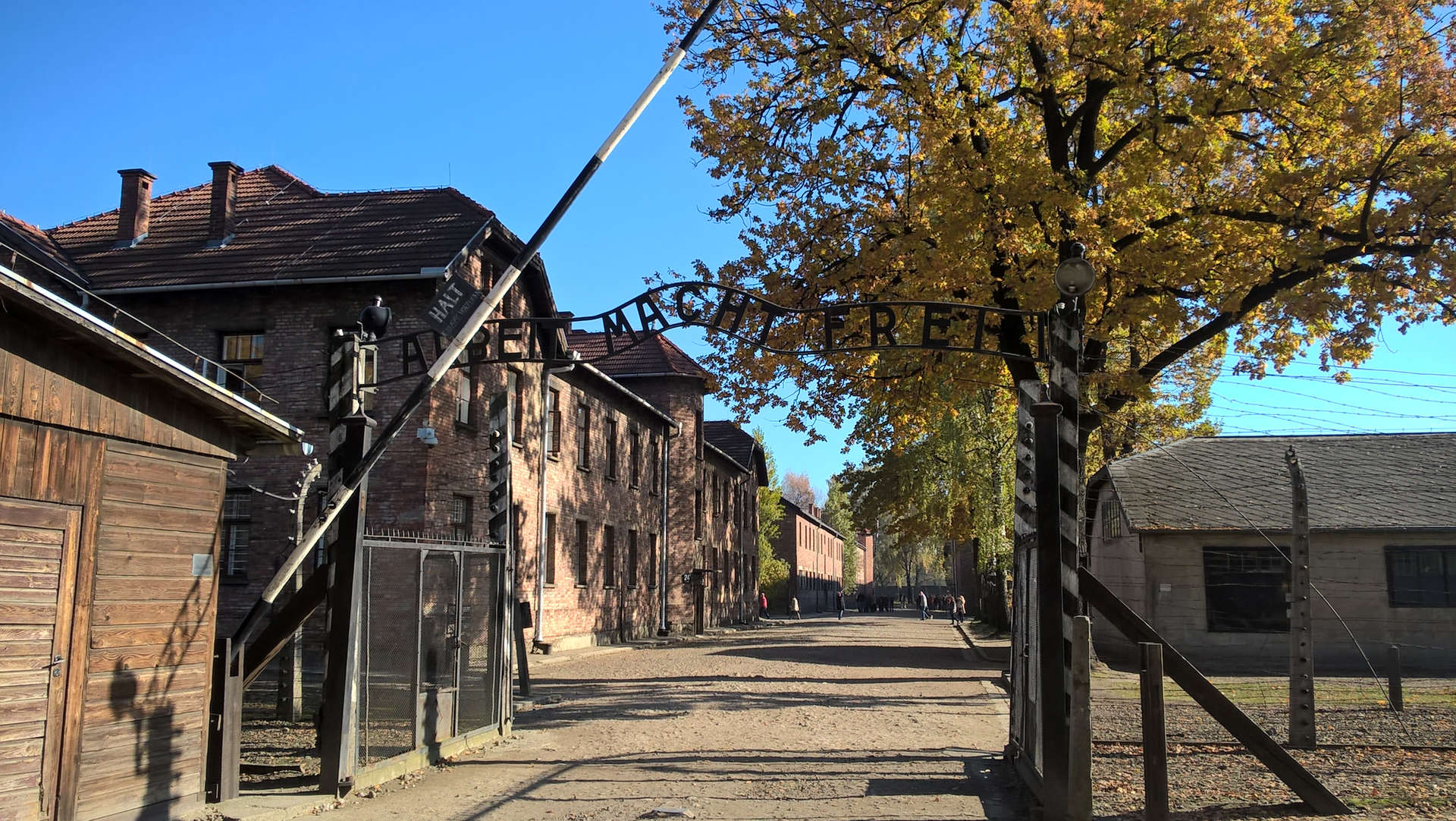
Lying 70km west of Krakow and within easy day-trip range, the concentration campsAuschwitz and Birkenauhas become synonymous with World War II and the Holocaust. The camps lie on the western fringes of Oswiecim, which is in all other respects a perfectly nondescript middlesized Polish town. There are regular buses to the main Auschwitz site from Krakow’s main bus station, or an hourly shuttle-bus service to the Birkenau section from the car park at Auschwitz.
Best for: Seeing first-hand devastations of history.
While you’re there: Alternatively, you can walk there; it provides a further historical insight as the route covers former by-camp premises.
Malbork was a fortress, built as the headquarters of the Teutonic Order in the 14th century. It’s a pretty intimidating sight over such a sleepy town; to enter, cross over the moat and in through the main gate into the courtyard. There’s also the High Castle and Castle Church that you can visit. Take an English audio-guide for a three-hour self-guided tour.
Best for: Feeling like you’ve stepped back in time.
While you’re there: In July and August, you can opt for a live tour as well as the self-guided tour – both are included in the same ticket.
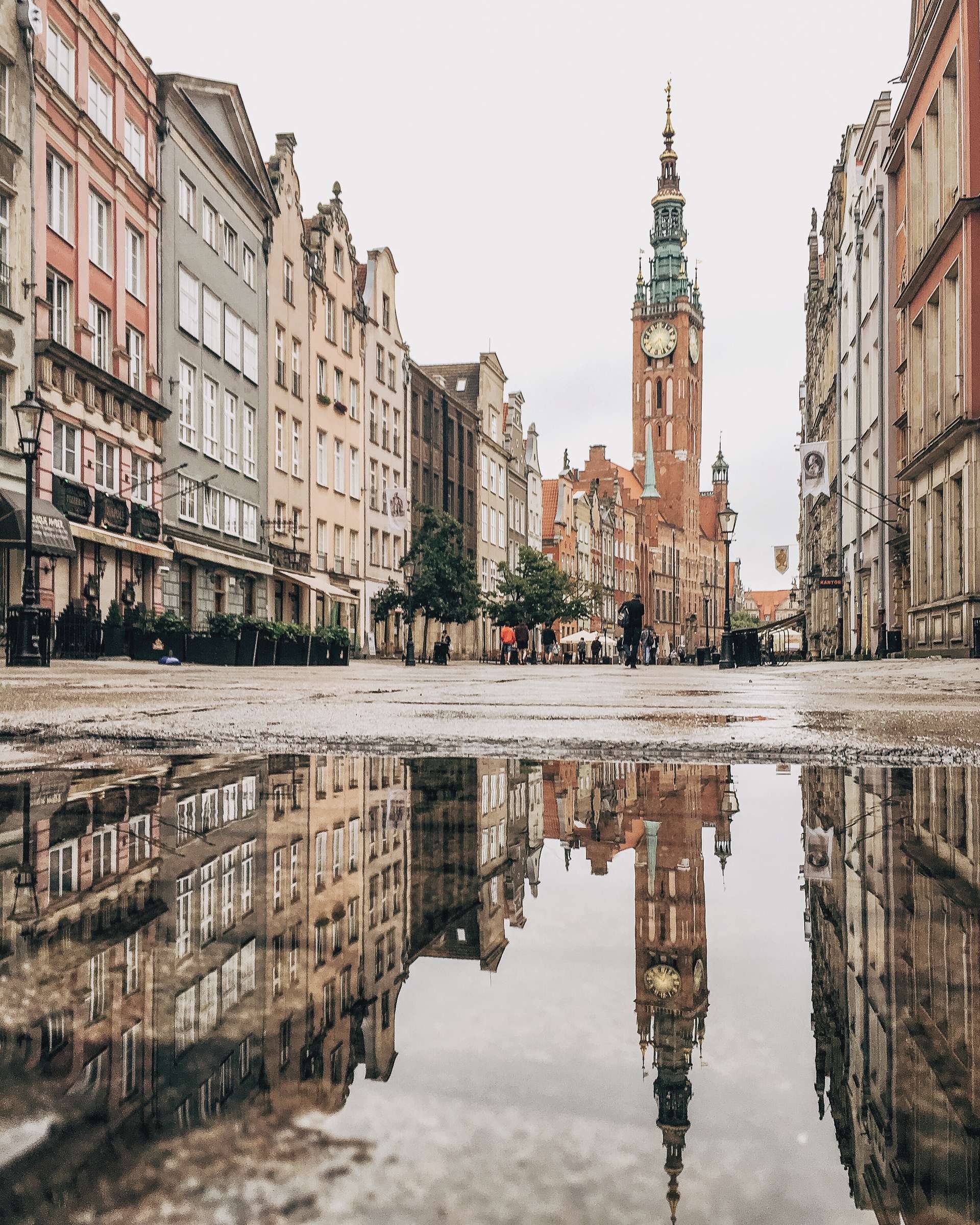
With its medieval brick churches and narrow 18th-century merchants’ houses, Gdańsk certainly looks ancient. But by 1945, the core of the city lay in ruins, and so the present buildings are almost complete reconstructions. If you’re looking for cheap holidays to Gdansk, take a look at our best deals for you.
Best for: Getting a nautical understanding of Poland’s seafaring past.
While you’re there: The Maritime Culture Centre has four floors of interactive displays, from storms to boats from around the world.