|
|
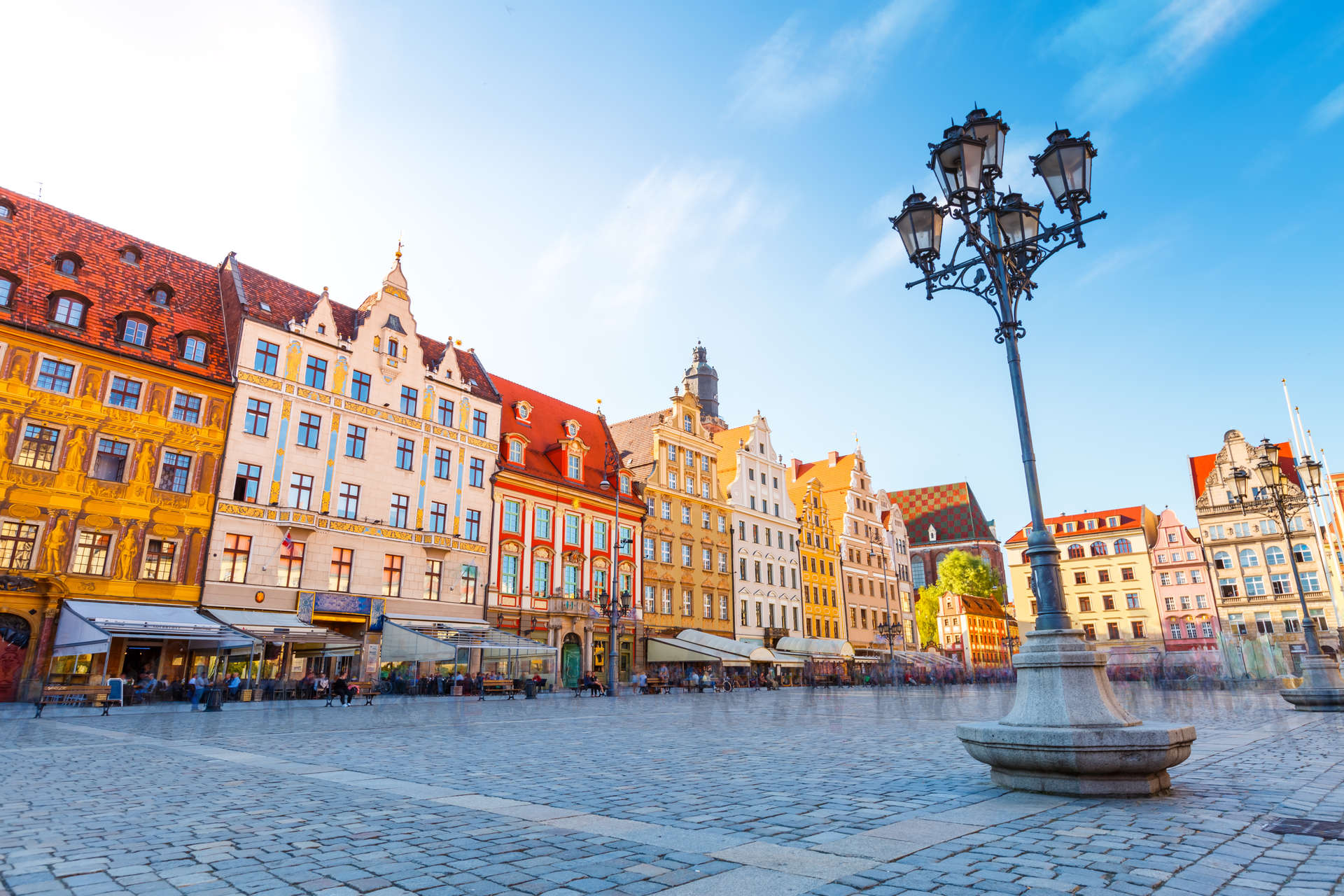
Experience a captivating blend of history, culture, and charm on holidays to Wroclaw. This vibrant city is renowned for its colorful architecture, scenic islands, and whimsical gnome statues. Whether you're exploring the stunning Market Square, unwinding along the Oder River, or delving into history at the Centennial Hall, Wroclaw offers something for every traveler. With a variety of affordable travel deals, it's an ideal destination for a budget-friendly city break. Discover one of Poland’s most enchanting cities by booking your Wroclaw holiday today.
Enjoy access to special prices, only available on package deals.
Choose from thousands of flights, hotels and stays.
Book with a small deposit and pay the rest later.
Quickly add insurance, luggage, rental cars and more.
You are protected
Book the best deals on holidays to Wroclaw today!
Flight time: Flights to Wroclaw from London take about 2 hours 30 minutes.
Transfer time: From Wroclaw Copernicus Airport, 10km west of the centre, bus #106 takes 40 minutes to reach the centre, dropping passengers off on ul. Podwale, near the Old Town, before terminating at the train station.
Price:
Bus tickets cost around PLN 4.60 (less than £1), making them the most budget-friendly option.
Taxis from the airport are typically priced between PLN 40 and 70 (£8–14).
Think about what you want to do during your holidays to Wroclaw. While the weather is more pleasant during the spring and summer, autumn and winter have their own particular attractions.
March to May: Spring is one of the loveliest times to explore Wroclaw, with the Old Town squares and parks coming into their own. Average temperatures range from 6°C in March to 16°C in May, with 30–60mm of rainfall and up to 8 hours of sunshine daily.
June to August: Summer is Wroclaw’s peak season. Temperatures hover between 18°C and 24°C, with occasionally even hotter weather. Rainfall averages 60–80mm per month, but with up to 9 hours of sunshine daily, it’s ideal for experiencing the outdoor cafés and lively riverside.
September to November: Autumn offers a quieter, more picturesque experience with golden foliage lining the streets and parks. Temperatures dip from 15°C in September to 5°C in November, with moderate rainfall (40–70mm) and 4–7 hours of daily sunshine.
December to February: Winter in Wroclaw is magical, especially during the festive period when the Christmas markets transform the city into a wonderland. Average temperatures are chilly, ranging from -2°C to 3°C, with shorter days offering about 3–5 hours of sunshine.
Spoken languages: Polish is the official language but English is widely spoken in the city.
Local habits and customs: Tipping is customary, with 10 percent considered standard in restaurants. Traditionally, visitors to Polish churches are expected to dress modestly – no shorts for men, no bare arms for women. It is considered rude for visitors to look around churches during Mass.
Currency: The currency is the Polish złoty (PLN). Credit and debit cards are accepted almost everywhere, but it’s a good idea to carry some cash for smaller shops or market stalls.
Getting around: The tram and bus network provides comprehensive coverage for Wrocław. Tickets are bought in advance from newspaper kiosks and cost PLN 4.60 each; a 15-minute ticket for short journeys costs PLN 3.20; while a 24-hour ticket costs PLN 15.
Electricity and plug types: Poland uses standard European 220-volt power with two-pin plugs. UK travellers need a continental adaptor.
Time zone: Poland is on Central European Time, 1 hour ahead of GMT, and observes Daylight Saving Time.

Wrocław brings together pretty much everything that’s good about contemporary Poland: a thoroughly modernised cross-section of attractions, a sack full of historical influences and an increasingly varied dining and nightlife scene.
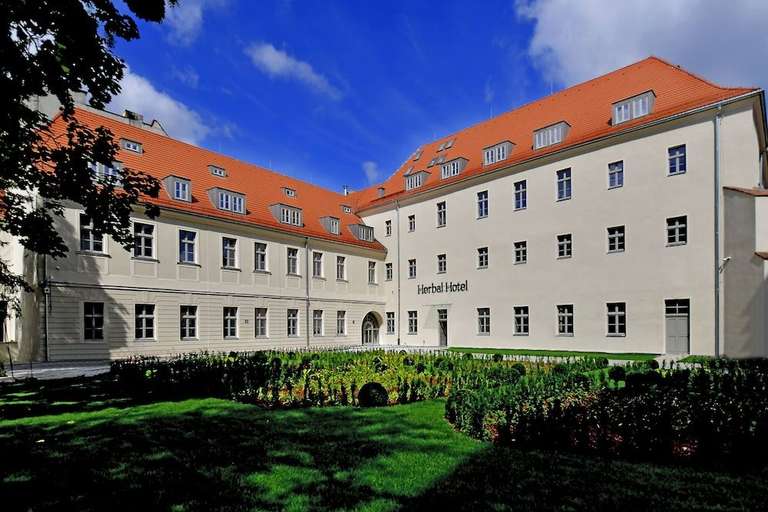
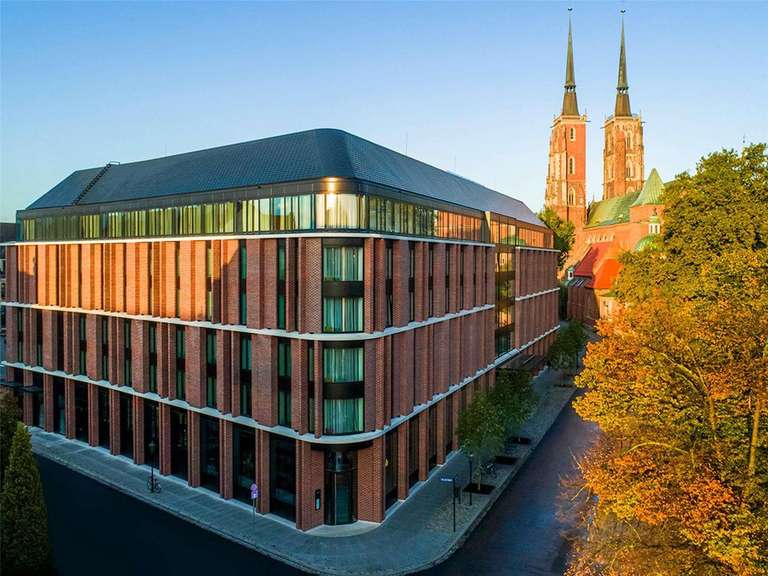
Wroclaw Cathedral Tower: Climb the tower of Wroclaw Cathedral in the Ostrów Tumski area for incredible views of the city and the Oder River.
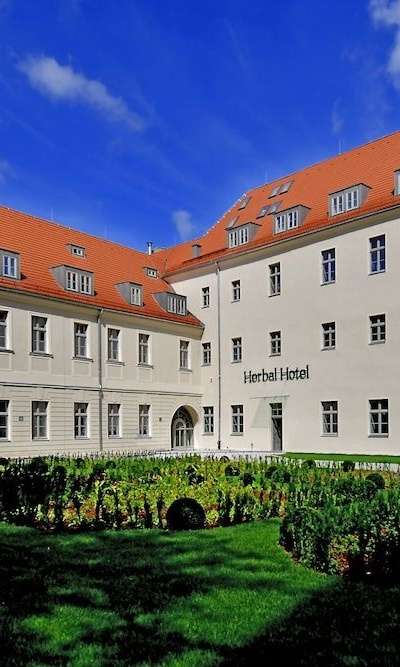
Mathematical Tower of the University of Wroclaw: This lesser-known viewpoint offers a unique perspective on the city, along with a chance to explore one of its most historic institutions.
Rynek (Market Square): A spacious quadrangle of handsome merchants’ houses surrounds a town hall bristling with turrets and an accompanying ensemble of municipal buildings.
Wyspa Słodowa: Aka Malting-House Island, this area is used for impromptu picnics by the city’s sizeable youth and student population, while indie rock and dub reggae are pumped out by the converted barge café-bars moored nearby.
Nadodrze: A sprawling, up-and-coming residential suburb with a reputation for boho-meets-working-class authenticity; it’s a rewarding place to stroll if you want to get away from the tourist-poster Poland of ryneks and cathedrals.
Pan Tadeusz Museum: An ambitious multimedia affair occupying a gorgeous Baroque house, the main body of the museum presents a magnificent panorama of Polish society in the 19th century.
Museum of Architecture: Making excellent use of the former monastery church, with a display of models and photos documenting the historic buildings of the city, many of which perished in the war.
Szczytnicki Park: With fountains, gardens and some amazing modern architecture, this is one out-of-the-centre destination that fully merits the tram ride.
Botanical Garden: Set over several acres, the gardens include a small lake, cactus and palm houses, a plant shop and café, and great views of Ostrów Tumski’s towering spires.
Wroclaw Town Hall: Symbol of the city, the magnificent town hall owes its present appearance to the 15th-century high point of local prosperity, when the south aisle was added and the whole thing decorated in an elaborate late-Gothic style.
The Ossolineum: Founded by Józef Maksymilian Ossoliński in Lwów in 1817, this famous library was moved to Wrocław in 1947, where it took up residence in the Baroque former convent where it remains today.
Centennial Hall: A vast rotunda built in 1911–13 to celebrate the centenary of the liberation of the city from Napoleon, it combines traditional Prussian solidity with a modernistic dash.
Karpacz: This popular holiday village gives direct access to the hiking trails of the Karkonosze, and is also home to one of the most unusual churches in Poland.
Jelenia Góra: Gateway to the Karkonosze mountains and an enthralling small city in its own right.
Ksiaz Castle: One of the most evocative castles in the country, perched on a hilltop above the winding River Pełcznica.
Świdnica and Jawor: The beautiful UNESCO-listed timber-framed Churches of Peace in Świdnica and Jawor are the largest of their kind.
There are several days' worth of family-friendly activities to keep you occupied, which includes the opportunity to go dwarf spotting…
Dwarf spotting: These little dudes began appearing in 2005 and have grown to number over 350 in a municipally-supported project to brighten up the streets and amuse tourists – maps available from the tourist office help you find your way from dwarf to dwarf; a great activity for the young ‘uns.
Interactive museums: The Hydropolis water museum is a fascinating place for children to learn about the science of water through fun, hands-on exhibits; the nine different exhibition zones contain plenty of technology-aided visual drama, including the chance to descend to the bottom of the ocean in a virtual submarine.
Aquariums and zoos: The Afrykarium is a state-of-the-art aquarium complex bang in the middle of Wrocław Zoo. With different zones covering various parts of the African continent, the aquarium includes recreated rainforests, deserts, seacoasts and swamps.
Travellers looking to save money shouldn’t find it too tricky to hunt down free activities in Wroclaw.
Multimedia Fountain: Splurting its stuff from the middle of an artificial lake behind the Centennial Hall is the huge Wrocław Multimedia Fountain. The sound-and-light show is at its most impressive at dusk or after dark, when the spurting waters are coordinated with rock-show lighting and projected visuals.
Free events: Look out for open-air concerts and cultural festivals in Rynek, particularly during the summer months. The Christmas markets in winter are a particular delight.
Wroclaw’s mix of urban greenery and riverside charm makes it an inviting destination for nature enthusiasts and outdoor adventurers.
Hiking: A short drive from Wroclaw brings you to the stunning Table Mountains National Park, with its unique rock formations and walking trails; for more challenging hikes, make for the Karkonosze Mountains.
Cycling: Wroclaw has a decent network of cycle paths, including trails that run along the river. E-Bikes can be hired from See Wrocław at the tourist information centre, while the Wrocław City Bike scheme has bike-hire stands situated throughout the city; download its app to register.
Kayaking and paddleboarding: For a more active river experience, hire a kayak or try stand-up paddleboarding. Both are popular year-round activities on the Oder.
You’ll love eating out on your Wroclaw holidays, thanks to trademark Polish staples like pierogi, potato pancakes, pork chops and roast joints of poultry.
Pierogi: Poland’s iconic dumplings are a must. Filled with options like potato and cheese, minced meat or seasonal fruits, they’re delicious boiled or fried.
Żurek: A sour rye soup containing sausage, potatoes, hard-boiled eggs and sometimes bacon.
Bigos: A filling stew comprising a mixture of meats, cabbage, mushrooms and spices.
Gołąbki: Cabbage leaves stuffed with rice and meat, this is a popular domestic dish, although served in many restaurants too.
Zapiekanka: A baguette-like piece of toasted bread topped with cheese, mushrooms and a choice of other toppings.
Obwarzanek: Chewy bread snack similar to a pretzel that’s sprinkled with sesame or poppy seeds.
Pączki are jam-filled doughnuts found in bakeries all over the city, but for something a little more decadent, try sernik, a Polish cheesecake made with a creamy quark base.
Vodka: The national drink with varieties including Żubrówka, made in eastern Poland and flavoured with the local bison grass, and Żołądkowa Gorzka, an amber-coloured herbal vodka that is relatively sweet to taste.
Piwo: The craft beer scene in Wroclaw is thriving, with local breweries like Browar Stu Mostów producing excellent ales and lagers.
Kompot: A non-alcoholic fruit drink made by stewing seasonal fruits. Warming, comforting and delicious.
The most popular places to visit in Wroclaw are: Centennial Hall, Wroclaw University, Cathedral of St. John the Baptist.
Wroclaw is the ideal destination for city breaks.
The exact flight duration to Wroclaw varies depending on the departure airport in the UK. It takes approximately 1h59m to fly from London to Wroclaw.
Booking a flight + hotel package to Wroclaw with lastminute.com offers several advantages. By booking both services together, you can take advantage of exclusive deals and choose from thousands of flights and accommodations for the perfect combination. Additionally, you can secure your vacation with a deposit and pay the remaining amount later. You also have the flexibility to add other travel extras such as insurance, rental cars, and luggage to the flight + hotel package as per your preferences.
Before travelling from the UK to Wroclaw, ensure your passport is valid for the duration of your stay. To get the latest Visa information for Wroclaw, please check travel advice on GOV.UK.
Travel with us
Secure payment