|
|
Warsaw holidays offer a perfect blend of culture, history, and affordable fun. Whether wandering through the vibrant streets of the Old Town, delving into Poland's past at its renowned museums, or savoring traditional dishes at local markets, this lively city caters to all. With a variety of budget-friendly holiday packages, Warsaw is an excellent option for a city break that won't break the bank. Book your Warsaw getaway now and prepare to explore a capital that seamlessly combines tradition with modern vitality.
Enjoy access to special prices, only available on package deals.
Choose from thousands of flights, hotels and stays.
Book with a small deposit and pay the rest later.
Quickly add insurance, luggage, rental cars and more.
You are protected
Book the best deals on holidays to Warsaw today!
Flight time: Flights to Warsaw from London take about 2 hours 30 minutes.
Transfer time: From Frederic Chopin Airport, 8km southwest of the city, the centre is just 20 minutes away by train, or bus #175 runs to Warsaw Old Town in about half an hour.
Price: Both the train and bus cost around PLN 5 (about £1). By taxi, a trip to the centre will cost PLN 60–75 (£12-15), 50 percent more at night.
Warsaw holidays have much to offer all year round; deciding when to take your trip will depend on whether you want to focus on outdoor activities or if you’d like to experience cultural attractions when they’re less crowded.
March to May: Spring breathes fresh life into the city, with temperatures gradually climbing from 6°C in March to a mild 15°C by May. Rainfall varies from 25mm to 60mm, and sunshine hours increase from 4 to 8 daily. It’s a good time to start venturing into the city’s many parks.
June to August: Summer is peak tourist season, when alfresco eating and drinking take place all over the city and festivals are at full throttle. There’s plenty of sunshine and temperatures hover around 20°C–25°C. Rainfall is minimal, around 40mm monthly.
September to November: Autumn can be a spectacular time to explore Warsaw’s museums and cultural landmarks at a relaxed pace. Temperatures range from 15°C in September to 5°C in November, with rainfall between 40–70mm and 4–7 hours of sunshine. It’s a great time to explore Warsaw’s museums and cultural landmarks at a relaxed pace.
December to February: In winter the temperature drops rapidly, ranging from -3°C to 2°C. Snowfall is common, adding a fairytale vibe to the Old Town. Rainfall averages 30–50mm per month, and sunshine is limited to around 2–3 hours daily. Still, holidays to Warsaw at this time have their charm, with Christmas markets and a lively outdoor ice-skating scene.
Spoken languages: Polish is the official language but English is widely spoken in the city.
Local habits and customs: Tipping is customary, with 10 percent considered standard in restaurants. Traditionally, visitors to Polish churches are expected to dress modestly – no shorts for men, no bare arms for women. It is considered rude for visitors to look around churches during Mass.
Currency: The currency is the Polish złoty (PLN). Credit and debit cards are accepted almost everywhere, but it’s a good idea to carry some cash for smaller shops or market stalls.
Getting around: Warsaw operates an integrated bus, tram, metro (two lines) and SKM suburban train network, with ZTM tickets valid for all four modes of transport. Tickets (bilety) can be bought from any newspaper or tobacco kiosk sporting the “MZK” logo, from ticket machines at some central stops, and inside most trams, buses and overground trains. Single-fare tickets valid for any journey lasting up to 75 minutes cost PLN 4.40; a 20-minute version costs PLN 3.40. It’s more economical to buy a 24-hour pass (bilet dobowy; PLN 15).
Electricity and plug types: Poland uses standard European 220-volt power with two-pin plugs. UK travellers need a continental adaptor.
Time zone: Poland is on Central European Time, 1 hour ahead of GMT, and observes Daylight Saving Time.
Required travel documentation: UK travellers only need a valid passport for trips under 90 days, with no visa required.

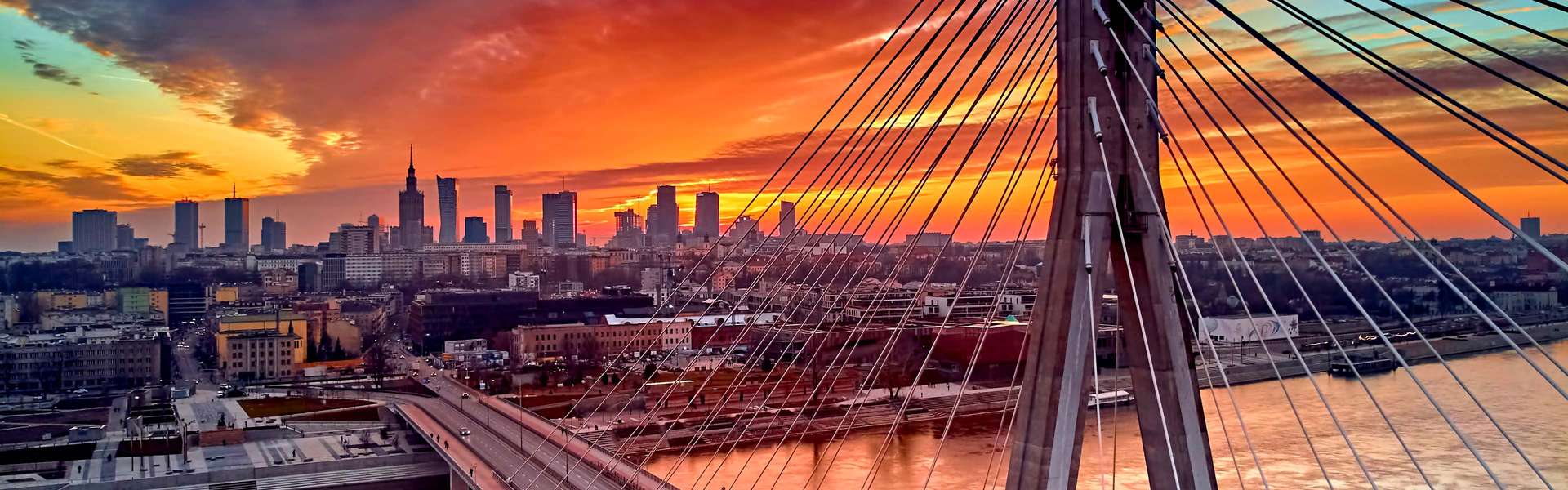
Warsaw is changing fast, with bold contemporary buildings, state-of-the-art museums, destination restaurants and bar-filled bohemian quarters the new landmarks of a restless metropolis.
National Stadium: An unusual one this: lording it over Warsaw’s riverscape from its shoreside perch in southern Praga, it is particularly impressive at night when lights play across its surface to mesmerising effect. On non-match days, visitors are allowed access to a viewing point up in the stands for superb views over the pitch.
Warsaw University Library Roof Garden: Not only does this rank as one of the city’s most unusual gardens, there are great views of Warsaw.
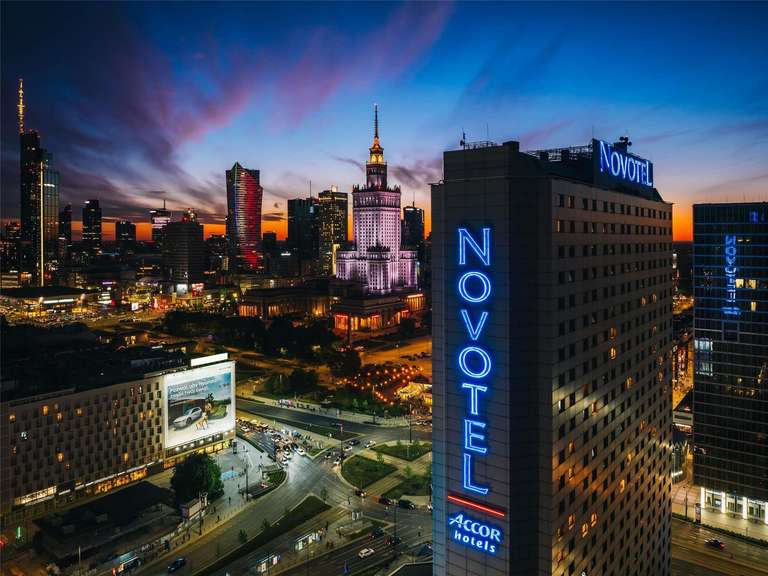
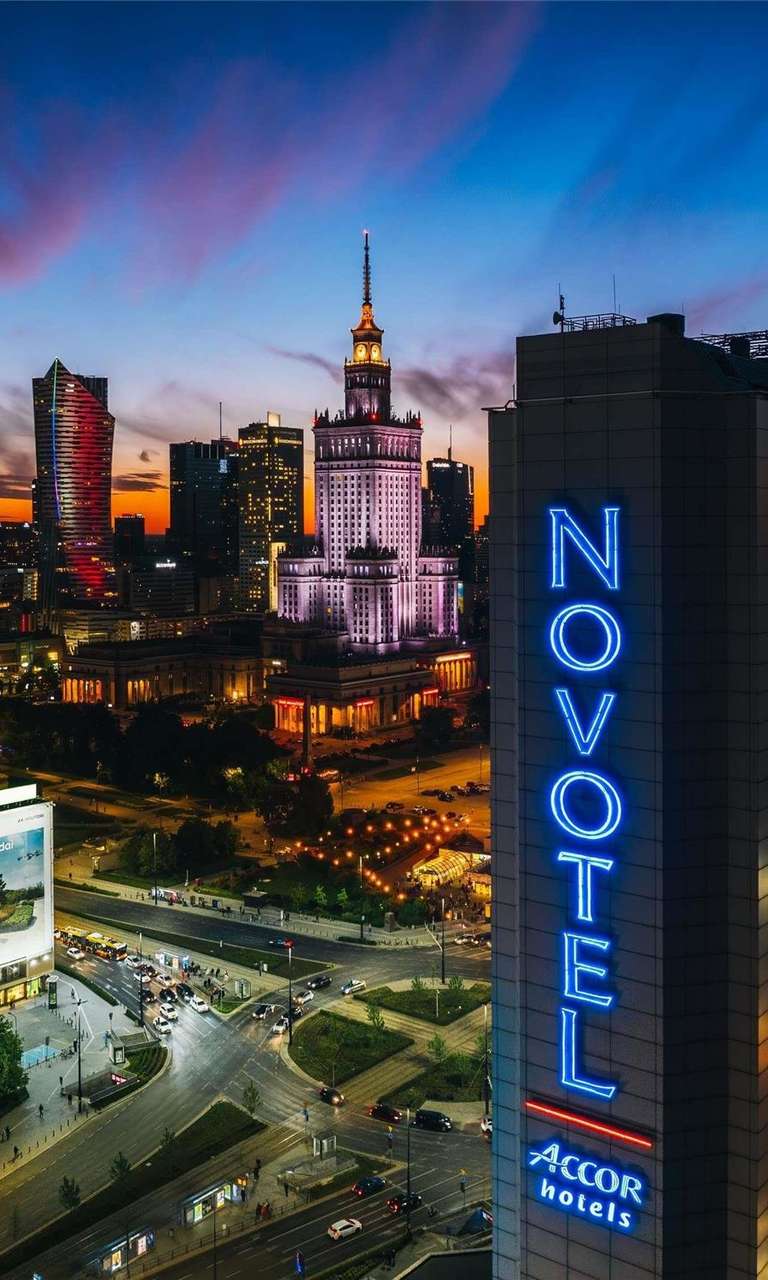
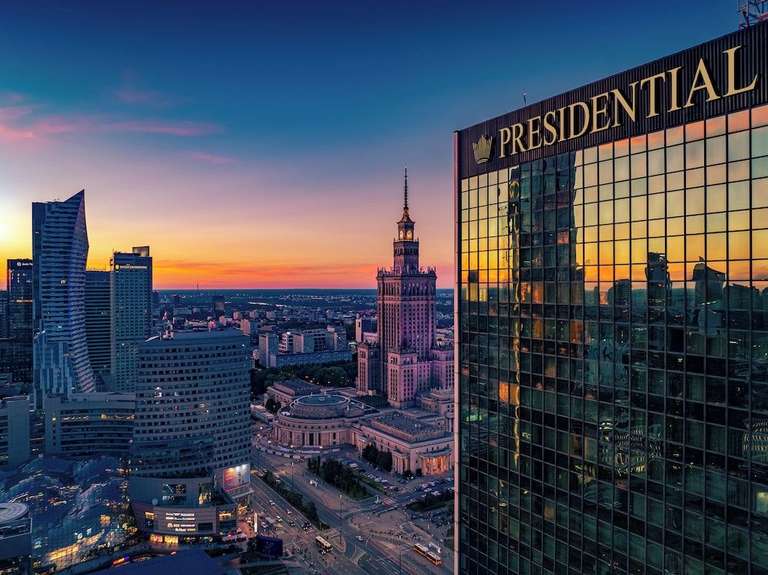
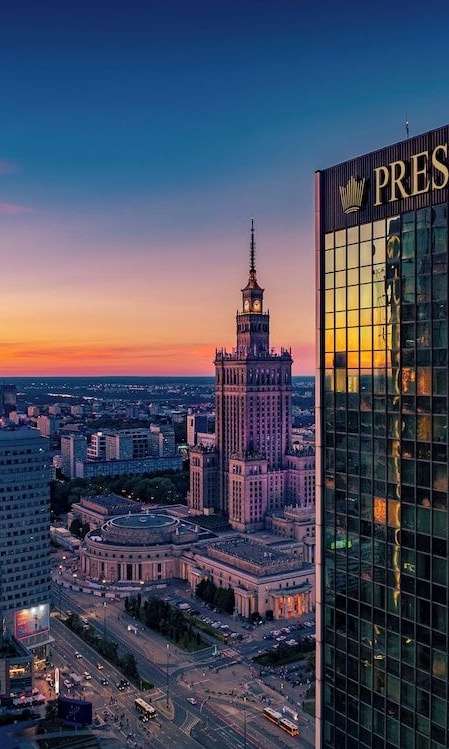
Palace of Culture and Science: Warsaw’s tallest building - an imposing Soviet-era structure - offers an unbeatable view from its 30th-floor observation deck.
Vistula Riverbank: Centre of the capital’s social life come summer, when city folk descend to stroll, sunbathe or sup the evening away in the waterside bars and clubs.
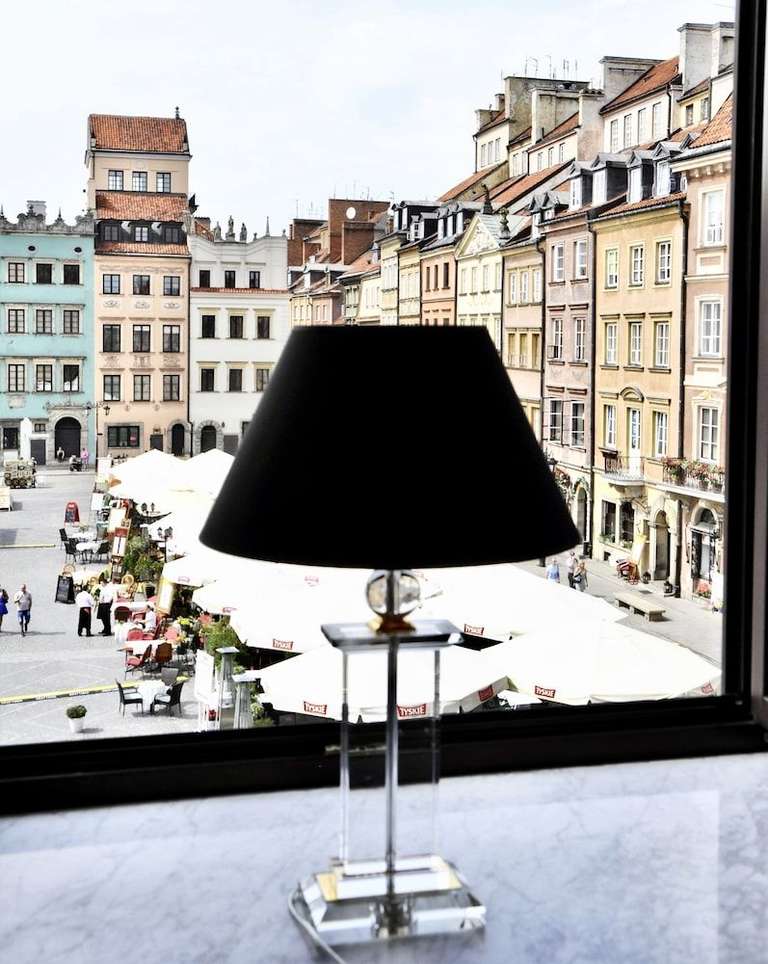
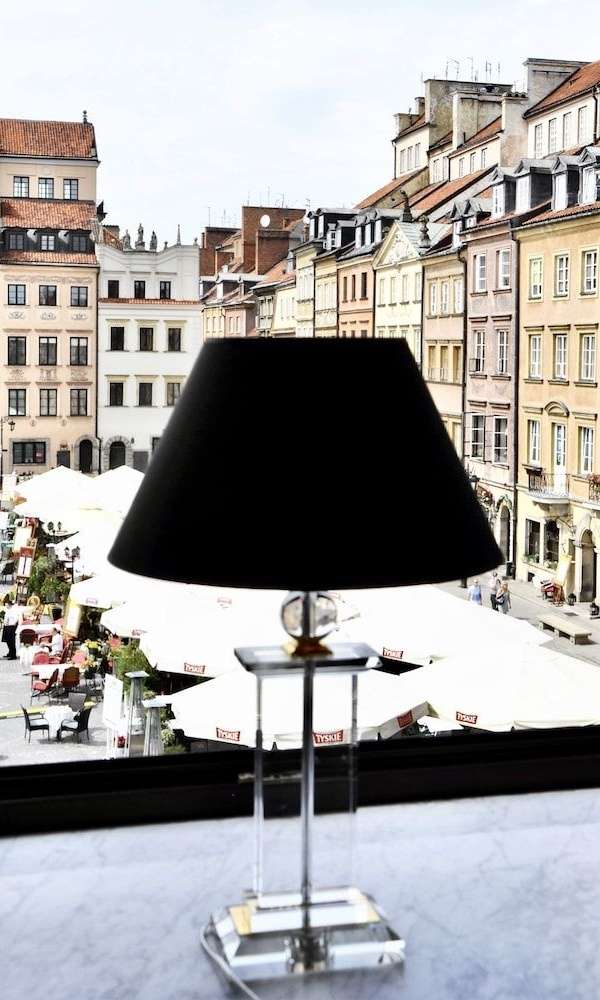
Old Town (Stare Miasto): A testament to Poland’s efforts to rebuild itself after World War II, this historic core was recreated from almost nothing after being razed by the Nazis.
Praga: Praga retains its gritty sense of otherness; cobbled streets and former factories contribute to a post-industrial aesthetic, and the area’s cafés and pubs still seem a touch more underground than those elsewhere.
Neon Museum: The soft glow of neon is very much a Polish visual trademark; this unique collection of neon signs is a tribute to its enduring allure.
POLIN Museum of the History of the Polish Jews: Epic in scale, and a beautiful piece of architecture to boot.
Warsaw Uprising Museum: A powerful tribute to the city’s resistance during WWII. The interactive exhibits and immersive displays bring history vividly to life.
Łazienki Park: Arguably Warsaw’s most luxuriant public space, this is the most elegant of Poland’s urban parks, crisscrossed with oak-lined promenades.
Saxon Garden: Making up a handsome chunk of west-central Warsaw, highlights here are an elegant 19th-century fountain pool; the water tower built by Marconi in the 1850s; and a fine crop of trees, more than 100 species in all.
Wilanów Palace: The most beautiful of Warsaw’s palaces, this 17th-century royal residence is packed full of opulent furnishings and old masters.
Nożyk Synagogue: A stately ochre structure opened in 1902, the Nożyk’s refined interior is full of Moorish design details: delicate arcades and balustrades, and oriental-inspired furnishings.
Żelazowa Wola: Birthplace of Frédéric Chopin, you can explore the composer’s childhood home and the surrounding park in this delightful village just an hour away.
Modlin Fortress: A sprawling 19th-century fortress near the Vistula and Narew rivers, it’s a fascinating slice of military history.
Warsaw has plenty to keep families entertained, including lots of green spaces, but best of all, one of Europe’s finest science museums.
Interactive museums: The Copernicus Science Centre is one of the most spectacular children’s play centres ever conceived anywhere in Europe - kids will be enthralled.
Multimedia Fountain Park: By day, the spurting waters provide entertainment for strollers and kids. On weekend nights, the fountain becomes the scene of a multimedia spectacle powered by choreographed curtains of water, coloured lights, lasers and pounding amplified music - usually with a folk tale or children’s story narrative too.
Zoos: Warsaw Zoo in Praga offers an entertaining day out, with over 500 species of animals to discover, including a butterfly house and a reptile enclosure.
Travellers on a budget will find plenty of free activities in Warsaw, from cultural landmarks to vibrant festivals.
Summer beaches: Several sandbanks along the eastern side of the Vistula become deckchair-covered beaches in summer, while the winding foot and cycle path that runs almost uninterrupted along the eastern bank of the river is popular year-round.
Free events: Warsaw has a busy year-round programme of festivals. One of the best is Jazz in the Old Town, a summer-long season of free concerts on the Rynek Starego Miasta every Saturday at 7 pm.
Free museums: Many museums, including the POLIN Museum and the Royal Castle, offer free entry on specific days of the week.
Despite its dense urban core, Warsaw’s river and its hundreds of acres of green space provide possibilities for all kinds of outdoor activities.
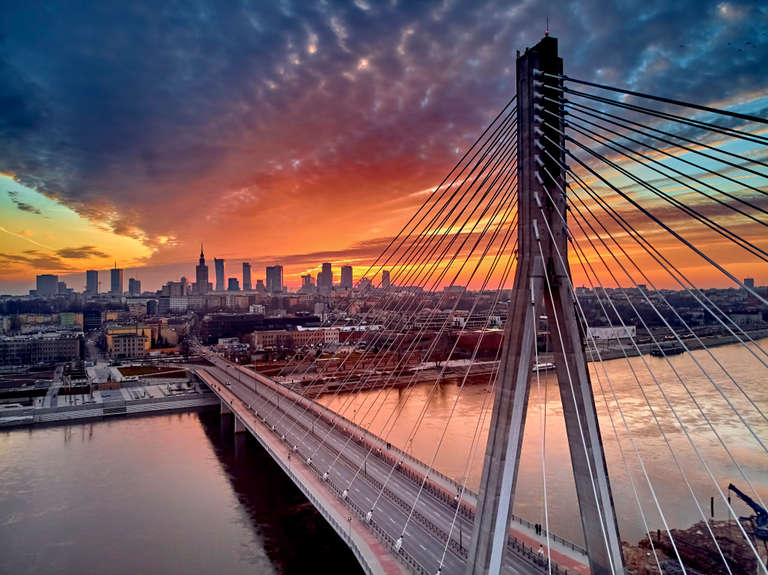
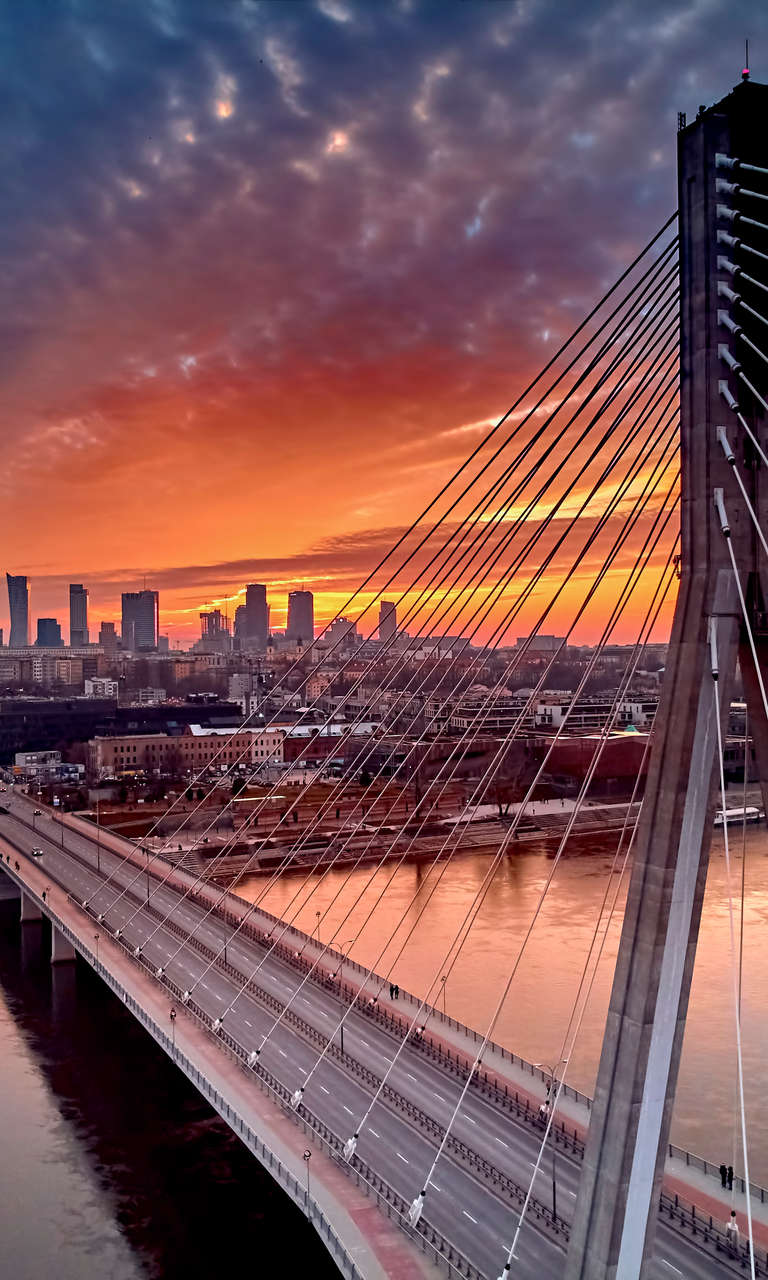
Urban hikes: The eastern bank of the Vistula has a fabulous semi-woodland trail that runs under dramatic bridges and offers expansive views of the city centre. The stretch from northern Praga to Saska Kępa makes for an easy hour-long stroll.
Cycling: Warsaw has invested in an excellent network of cycling paths, making it easy to explore the city and beyond on two wheels; the Vistula Bike Route is especially popular.
Wildlife watching: Just outside the city, Kampinos National Park has many trails that wind through forests and wetlands, offering the chance to spot deer, beavers and a variety of bird species.
Warsaw’s cuisine has undergone something of a culinary revolution in recent years, with a burgeoning interest in modern Polish cuisine dovetailing nicely with a growing fascination with Mediterranean, Far Eastern and fusion food.
Pierogi: Poland’s iconic dumplings are a must. Filled with options like potato and cheese, minced meat or seasonal fruits, they’re delicious boiled or fried.
Bigos: Known as hunter’s stew, this dish combines sauerkraut, fresh cabbage and meats in a rich, slow-cooked blend.
Pyzy: Soft potato dumplings filled with minced pork or beef, you’ll find these on any menu worth its salt.
Bigos: A filling stew comprising a mixture of meats, cabbage, mushrooms and spices.
Gołąbki: Cabbage leaves stuffed with rice and meat, this is a popular domestic dish, although served in many restaurants too.
Sledź w Oleju: Marinated herring served in oil with onions and often accompanied by bread or potatoes.
As far as desserts are concerned, cheesecake (sernik) and apple pie (szarlotka) both have the status of national culinary institutions, while pancakes (naleśniki) filled with a variety of sweet fillings also crop up on pretty much every menu. During winter, don’t miss makowiec, a moreishly rich poppy seed roll.
Vodka: Very much the national drink, varieties include Żubrówka, made in eastern Poland and flavoured with the local bison grass, and Żołądkowa Gorzka, an amber-coloured herbal vodka that is relatively sweet in taste. Wiśniówka (cherry vodka) is another popular shot.
Polish beer (piwo): The mass-market breweries (such as Żywiec, Tyskie and Lech) are being increasingly challenged by characterful ales and craft brews made by small, local producers such as Trzech Kumpli and Pinta.
The most popular places to visit in Warsaw are: National Stadium, Palace of Culture and Science, Warsaw Ghetto.
Warsaw is the ideal destination for City break.
The exact flight duration to Warsaw varies depending on the departure airport in the UK. It takes approximately 2h15m to fly from London to Warsaw.
Booking a flight + hotel package to Warsaw with lastminute.com offers several advantages. By booking both services together, you can take advantage of exclusive deals and choose from thousands of flights and accommodations for the perfect combination. Additionally, you can secure your vacation with a deposit and pay the remaining amount later. You also have the flexibility to add other travel extras such as insurance, rental cars, and luggage to the flight + hotel package as per your preferences.
Before travelling from the UK to Warsaw, ensure your passport is valid for the duration of your stay. To get the latest Visa information for Warsaw, please check travel advice on GOV.UK.
Travel with us
Secure payment