Food & drink in Rwanda
When planning a holiday, food and drink play a massive role in the overall experience, and Rwanda is no exception. Nestled in the heart of Africa, Rwanda offers a culinary journey as rich and varied as its stunning landscapes. From traditional dishes that have stood the test of time to modern fusion cuisine, there’s something to tickle every taste bud. So, let's dive into the delectable world of Rwandan food and drink experiences.
Traditional Rwandan cuisine
Staple ingredients and dishes
Rwandan cuisine is a delightful blend of flavours, with a heavy reliance on local produce. The staple food in Rwanda is ugali, a type of maize porridge, often paired with a variety of sauces and stews. Cassava, sweet potatoes, and beans also feature prominently on the Rwandan plate. For those with a sweet tooth, there’s matoke, a dish made from steamed bananas that’s both comforting and delicious.
Popular Rwandan meals
A typical Rwandan meal might include isombe, a dish made from cassava leaves, or brochettes, skewered meat often served with a spicy pepper sauce. For something heartier, ibihaza, a pumpkin dish, is a must-try. It's the type of comfort food that warms the soul.
Dining experiences in Rwanda
Local restaurants and eateries
Dining in Rwanda provides a wonderful opportunity to explore its culinary traditions. From bustling restaurants in Kigali to quaint eateries in rural areas, there are countless spots to enjoy authentic Rwandan cuisine. Many establishments pride themselves on using fresh, local ingredients, ensuring every dish bursts with flavour.
Street food culture
Street food in Rwanda is a vibrant part of the local dining scene. Vendors sell an array of treats, from grilled maize and samosas to the ever-popular brochettes. Exploring these street stalls is a fantastic way to sample the flavours of Rwanda without breaking the bank, with most items costing just a few pounds.
Beverages in Rwanda
Traditional drinks
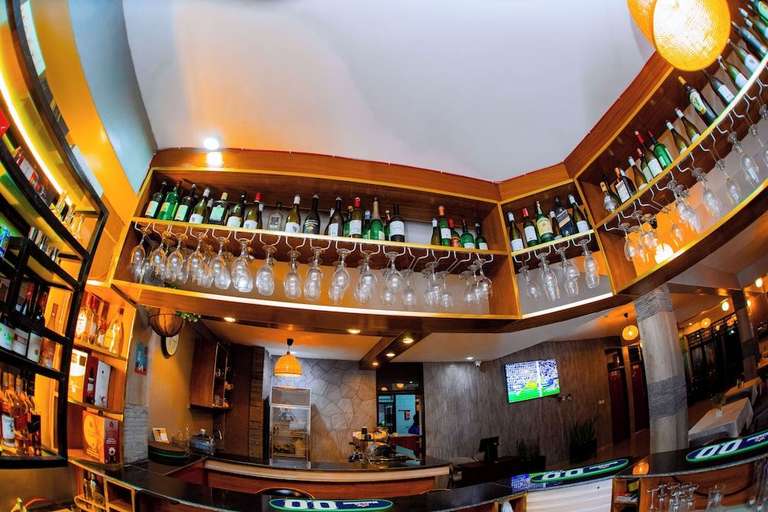
Rwandan beverage specialities include urwagwa, a traditional beer made from bananas. This sweet and slightly tangy drink is often enjoyed during celebrations and gatherings. Another local favourite is ikivuguto, a fermented milk drink that's both refreshing and nutritious.
Coffee and tea culture
Rwanda is renowned for its coffee and tea, with lush plantations dotting the countryside. Rwandan coffee is known for its rich, full-bodied flavour, making it a perfect souvenir for coffee lovers. Tea, often served with a splash of milk, is a common accompaniment to meals and a delightful way to unwind.
Food festivals and events
Annual food events
Rwanda hosts several food festivals and events throughout the year, celebrating its rich culinary heritage. These gatherings are a fantastic opportunity to indulge in traditional dishes, learn about local cooking techniques, and immerse oneself in the vibrant Rwandan culture.
Cultural significance of food festivals
Food festivals in Rwanda are more than just a feast for the senses; they’re a celebration of community and tradition. These events bring people together, fostering a sense of unity and preserving the country’s culinary traditions for future generations.
Fusion and modern cuisine
Influences from other cultures
Modern Rwandan cuisine is a fusion of traditional flavours and international influences. The vibrant dining scene in Kigali showcases dishes inspired by European, Asian, and other African cuisines, offering a diverse culinary landscape for adventurous foodies.
Notable contemporary dining spots
Kigali is home to numerous contemporary dining spots where chefs experiment with bold flavours and innovative presentations. These restaurants are a testament to Rwanda's evolving food scene, attracting both locals and tourists eager to explore the country's culinary diversity.
Sustainable and farm-to-table practices
Organic and local food movements
Rwanda is at the forefront of the organic and farm-to-table movement. Many restaurants and markets focus on sustainable practices, sourcing ingredients locally and embracing eco-friendly initiatives. This commitment to sustainability not only supports local farmers but also ensures that diners enjoy the freshest produce available.
Community-driven food initiatives
Community-driven food initiatives are gaining traction in Rwanda, with cooperatives and local groups working together to promote sustainable agriculture and food security. These initiatives not only benefit the environment but also strengthen community ties and empower local farmers.
In conclusion, the food and drink scene in Rwanda is as diverse and captivating as its landscapes. Whether savouring traditional dishes, exploring street food stalls, or dining in contemporary restaurants, visitors are sure to find something that delights their palate. So, pack your bags and get ready to embark on a culinary adventure in the heart of Africa.