|
|
Slovenia holidays present a delightful blend of nature, culture, and adventure. Renowned for its breathtaking landscapes like Lake Bled and the Julian Alps, Slovenia is an outdoor enthusiast's haven. Discover charming towns, the lively capital, and a rich historical tapestry, or unwind in the renowned thermal spas. Whether hiking through scenic mountains, cycling the wine routes, or exploring cultural landmarks, Slovenia guarantees a unique and unforgettable travel experience.
Enjoy access to special prices, only available on package deals.
Choose from thousands of flights, hotels and stays.
Book with a small deposit and pay the rest later.
Quickly add insurance, luggage, rental cars and more.
You are protected
Book the best deals on holidays to Slovenia today!
Flight time: Flights to Slovenia from London and other major UK airports take about 2 hours 15 minutes.
Transfer time: From Ljubljana’s Jože Pučnik airport in Brnik, 25km north of the city, the bus takes 50 minutes to reach the centre, or there’s the quicker shuttle bus, which takes around 30 minutes.
Price: The regular bus costs €4.50 while the airport shuttle bus costs around €10. Taxis cost around €35–40.
This will depend on what you want to do during your holidays to Slovenia; some activities are seasonal, and the weather may also play a part in your decision.
April to May:
Spring sees average countrywide temperatures of 15°C–20°C, with rainfall around 70–100mm, and 6–8 hours of sunshine per day.
This is the ideal time to strike out into the mountains, or to enjoy pursuits like white water rafting with the rivers at their highest following the winter melt.
June to August:
Most visitors come on their holidays to Slovenia during the summer, when the weather is at its most reliable (average temperatures sit around 25°C), all the tourist sights are open and the country’s myriad festivals are in full swing.
September to October:
During autumn, the countryside colours are at their most resplendent, hotel prices (at least in the resort areas) are slightly lower and the crowds are a little thinner.
Average daytime temperatures dip to around 17°C, with around 70–100mm of rain and 5–7 hours of sunshine daily.
November to March:
Winters can be cold, especially in the Julian Alps where heavy snowfall attracts skiers to resorts like Kranjska Gora.
Temperatures range from -5°C in the mountains to about 3°C in the cities.
Rain and snowfall average 80–110mm, with between 3 and 5 sunshine hours daily.
Spoken languages: Slovene is the official language, but English is spoken to a very high level here.
Local habits and customs: The predominant religion is Catholicism, and respectful attire (no sleeveless tops or above-the-knee skirts) should be worn inside churches and around religious sites. Although tipping is not obligatory, it is polite to round the bill up to a convenient figure in restaurants and when taking a taxi.
Currency: Slovenia uses the Euro. ATMs are plentiful in the cities, and credit cards are accepted almost everywhere.
Getting around: On the whole, trains and buses are clean, reliable and inexpensive, the latter covering a far greater number of destinations. All that said, the country’s overwhelmingly rural nature is perfect for driving.
Electricity and plug types: The standard voltage is 230V, and plugs are the European two-pin type. UK travellers will need a plug adaptor.
Time zone: Slovenia is on Central European Time (CET), which is 1 hour ahead of GMT, and observes Daylight Saving Time.
Slovenia is a tiny country of endless variety, a magical landscape embracing imperious limestone mountains, sparkling lakes and a craggy coastline punctuated with historic coastal resorts.
Vršič Pass: Slovenia’s most spectacular mountain pass incorporates 50 hairpin bends, with sensational views at every turn.
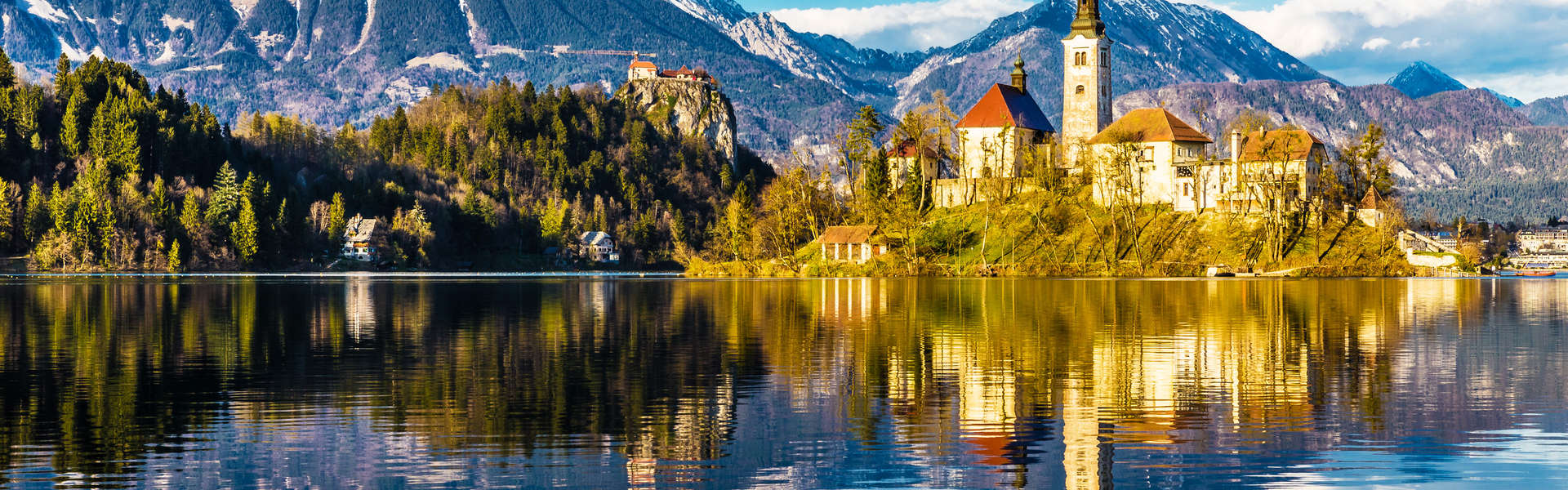
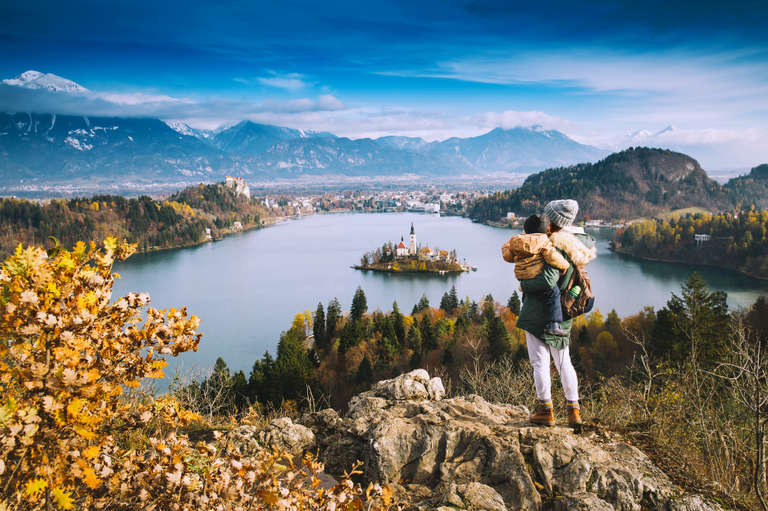
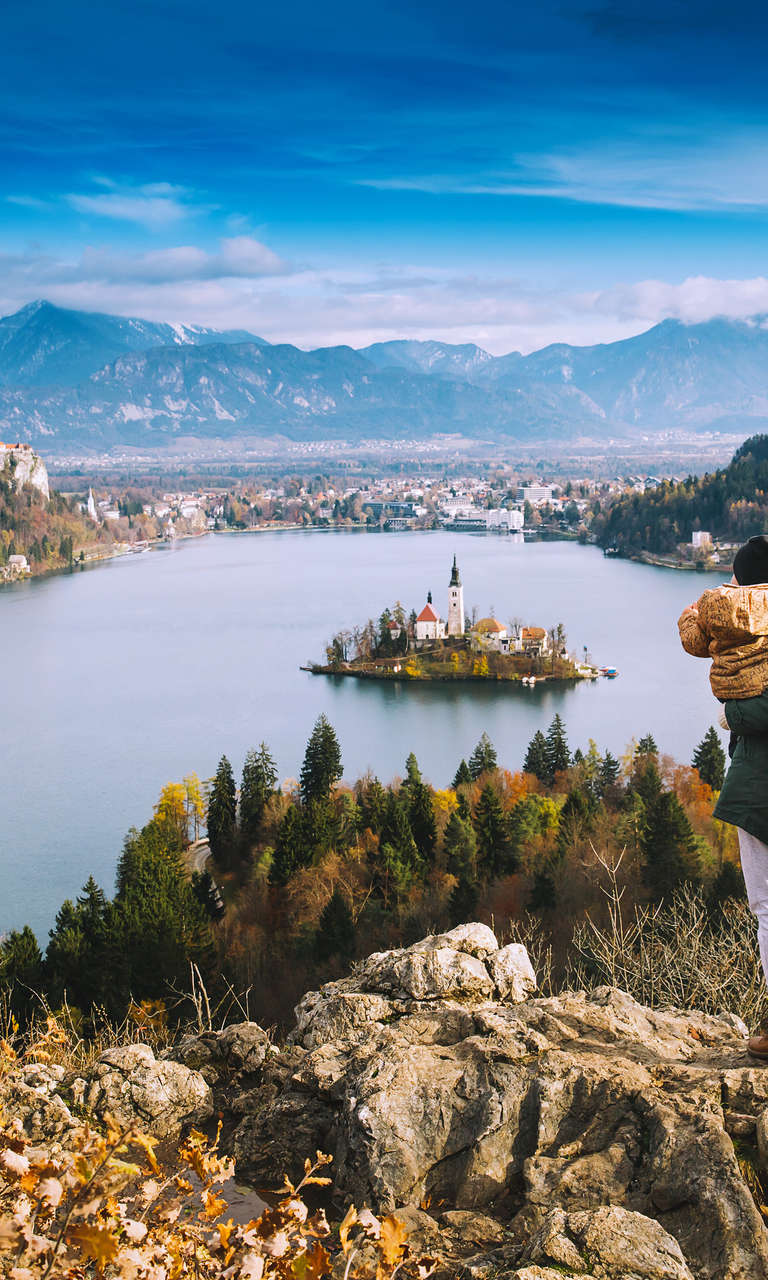
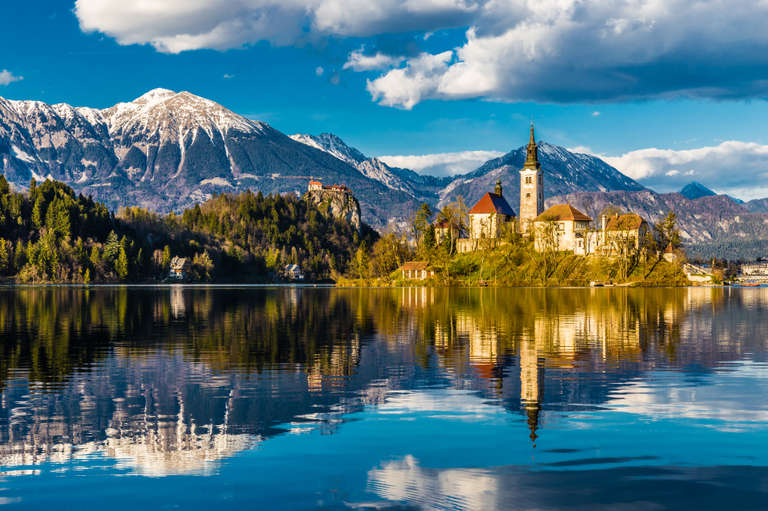
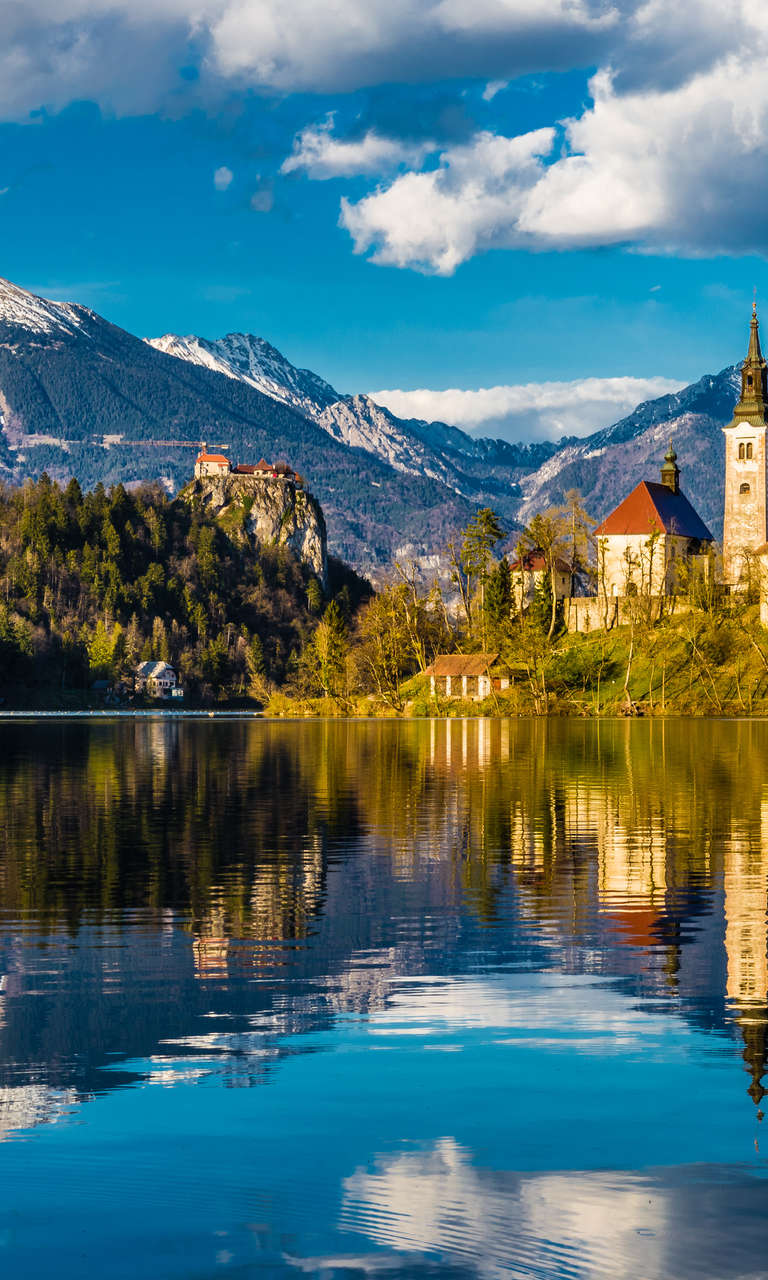
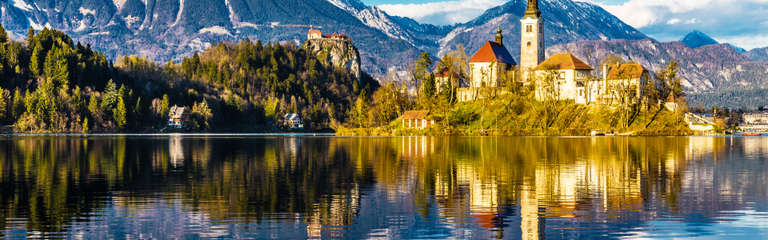
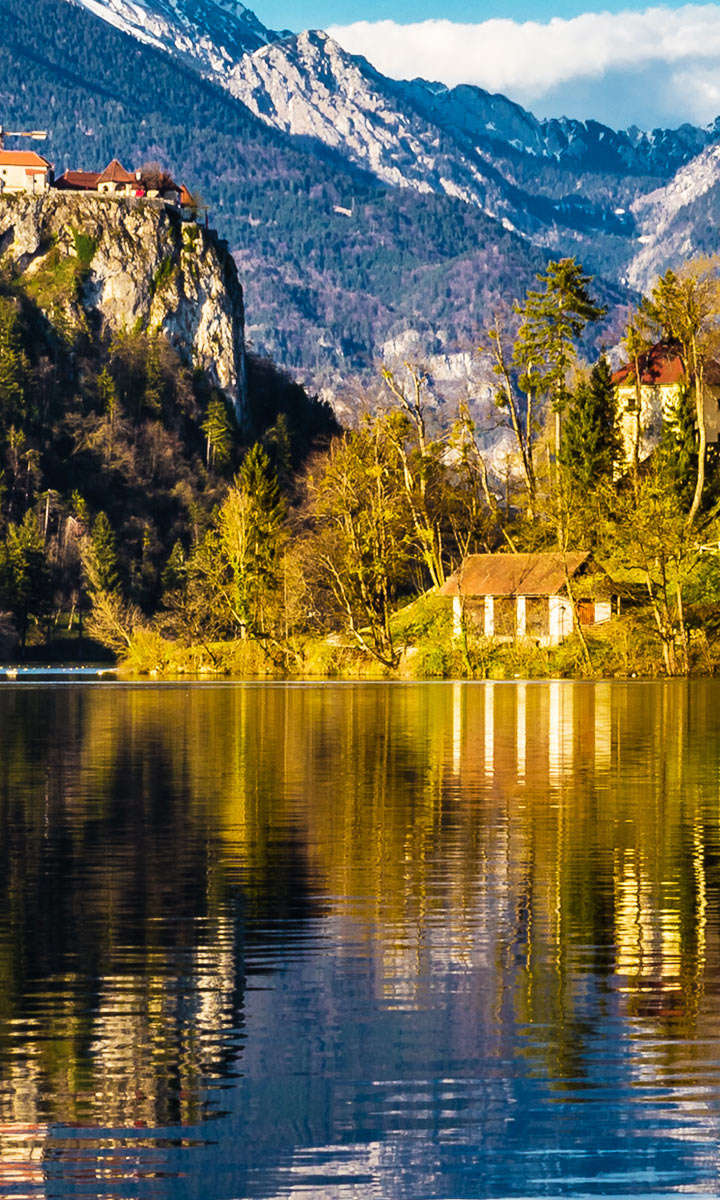
Lake Bled: Slovenia’s most iconic sight, Lake Bled is as picturesque as it gets; with its crystal-clear waters, a medieval castle perched on a cliff and a tiny island with a church in the middle, it’s the perfect spot for postcard-worthy photos.
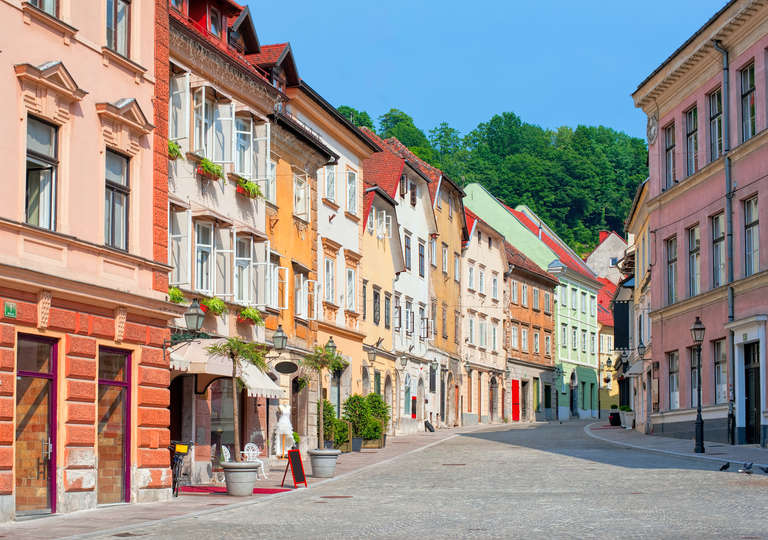
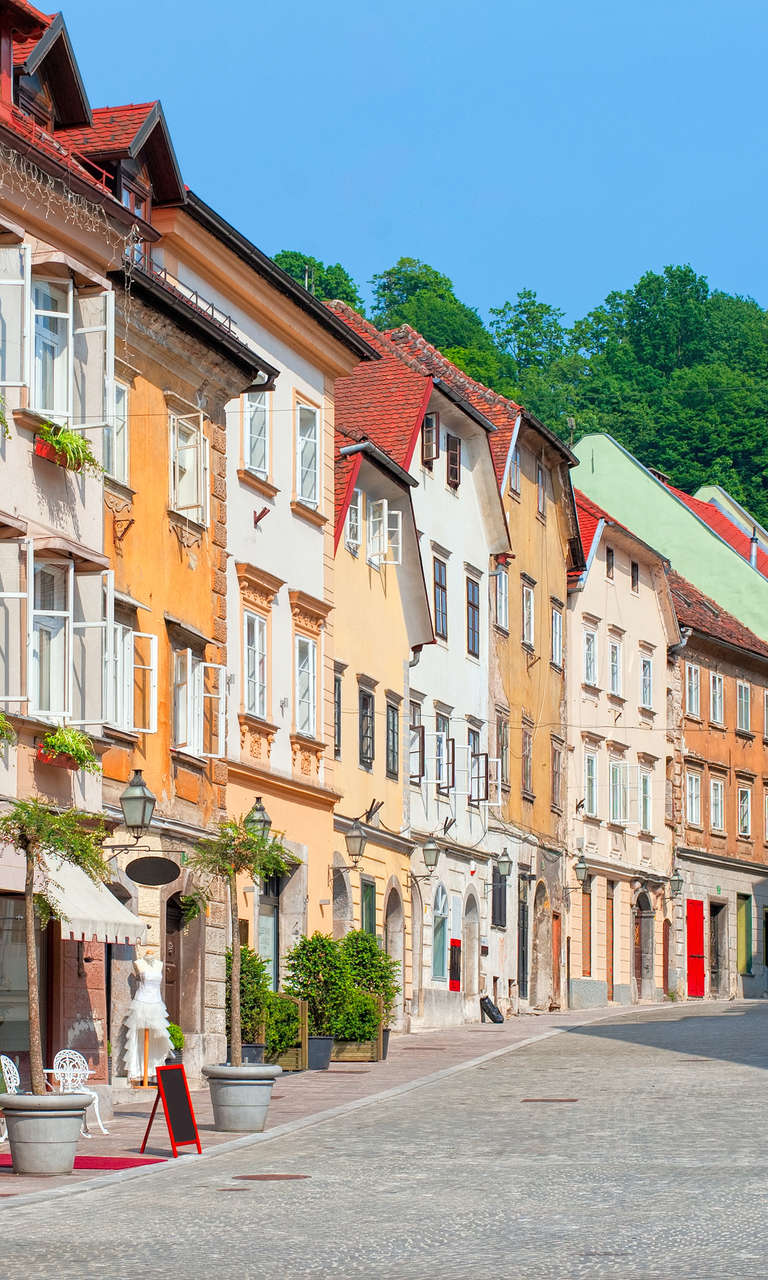
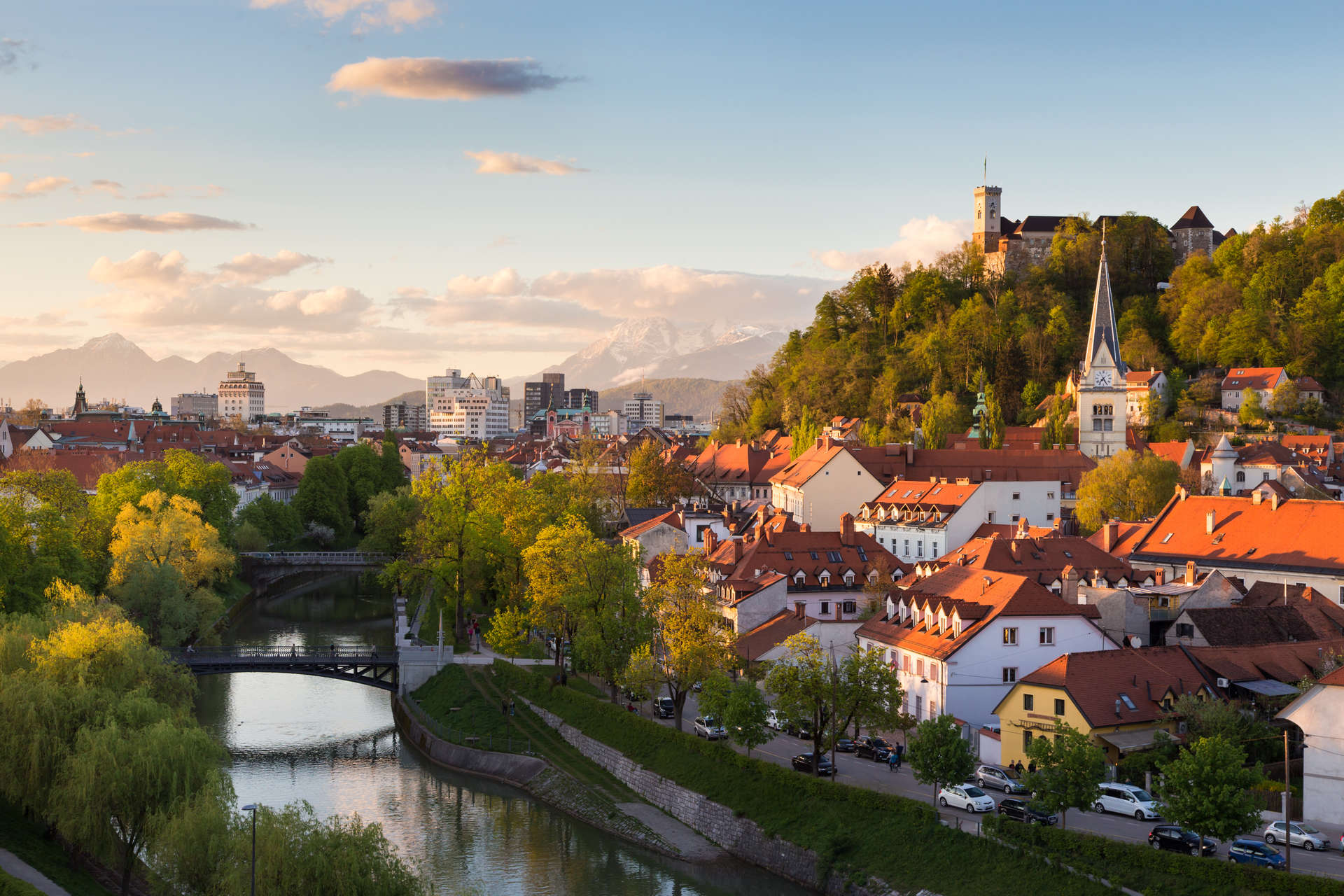
Old Town Ljubljana: Defined by a tangle of narrow streets, handsome orange-and-red-roofed townhouses, and neat rows of compact pavement cafés and restaurants, Ljubljana’s fabulous Old Town is for many the most enjoyable part of the city.
Lent District, Maribor: The Lent district along the Drava River is at the heart of the city’s wine culture. Its star attraction, and the city’s most celebrated symbol, is the 400-year-old Stara trta, reputedly the world’s oldest vine.
Beekeeping Museum, Radovljica: Superb museum charting the development and tradition of Slovenian apiculture from the 18th century to the present day.
Kobarid Museum: Compelling and moving museum documenting the region’s World War I mountain battles.
Tivoli Park, Ljubljana: Elegant Tivoli Park is an expanse of lawns and tree-lined walkways leading to dense woodland, a lovely retreat from the busy city centre.
Volčji Potok Arboretum: Slovenia’s largest and most important horticultural park is home to more than 3,000 species of plants, shrubs and trees, all sensitively assimilated into the surrounding woodland.
Predjama Castle: The fabulously dramatic setting of Predjama Castle – pressed into a huge cavern hollowed out of the high, flat rock face above the karstic swallow hole of the Lokva stream – is as unforgettable as it is improbable.
Pleterje Monastery: Visit the atmospheric church and grounds of Slovenia’s only functioning Carthusian monastery.
Church of the Holy Trinity, Hrastovlje: Acquaint yourself with the Dance of Death fresco, alongside many other terrific wall paintings, in this sun-baked Romanesque church.
Karst: Explore intriguing dry-stone villages, including pretty hilltop Štanjel, and head underground to a mysterious world of rivers, streams and caverns.
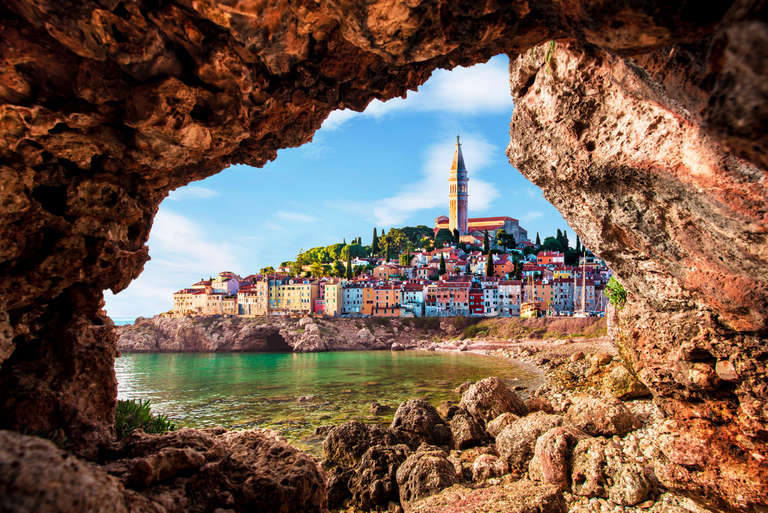
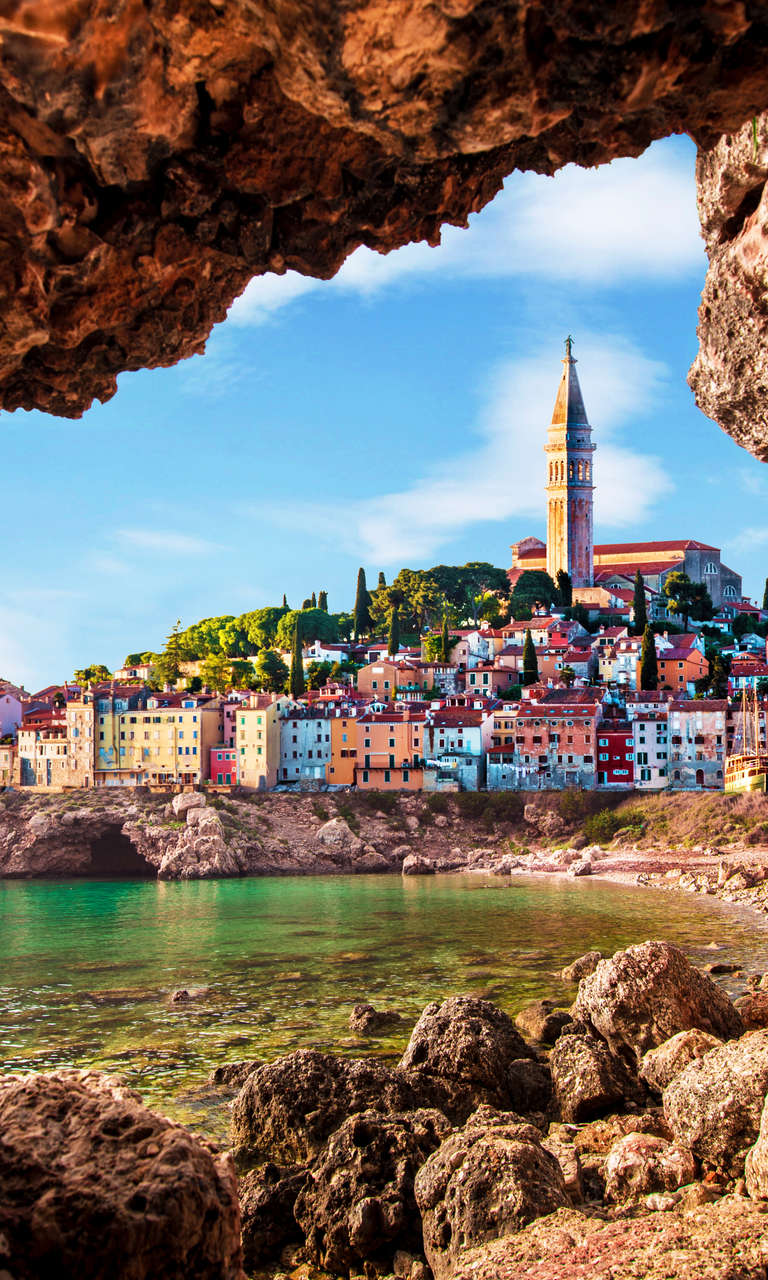
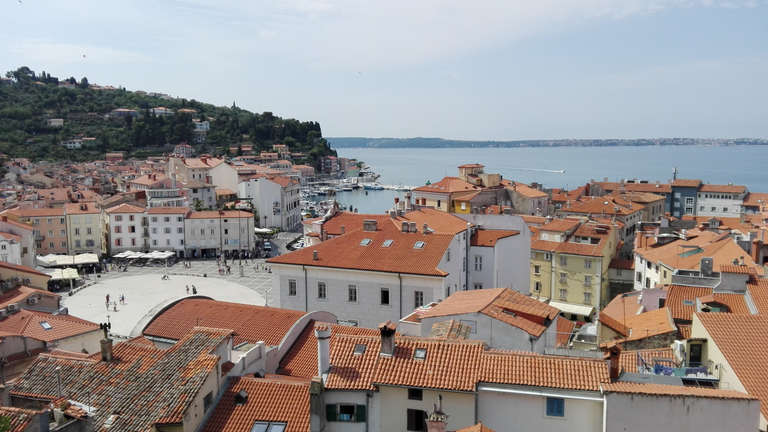
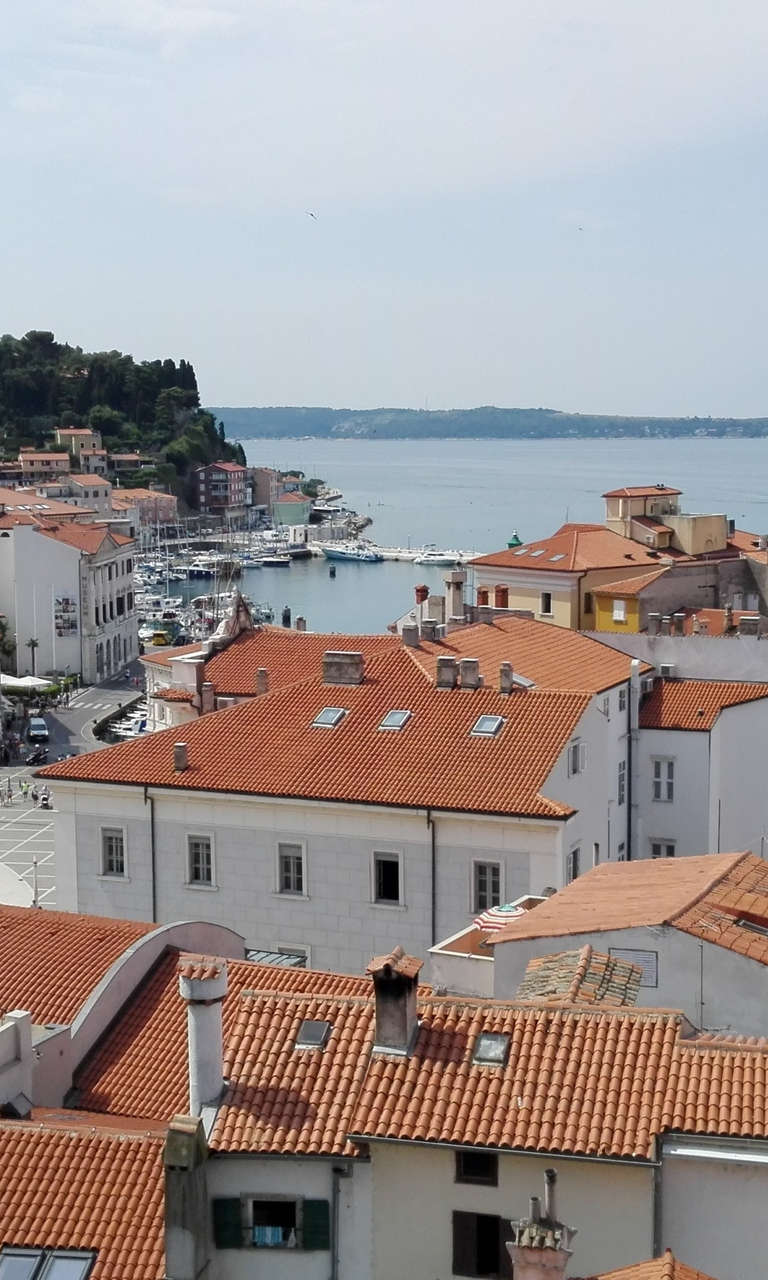
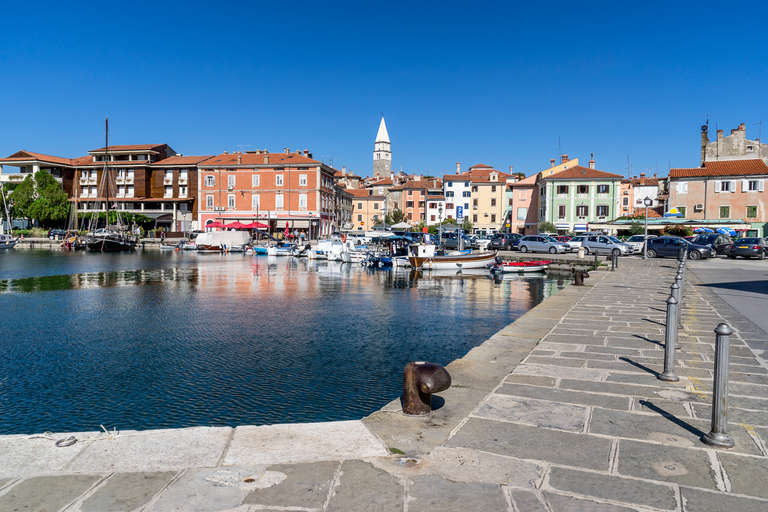
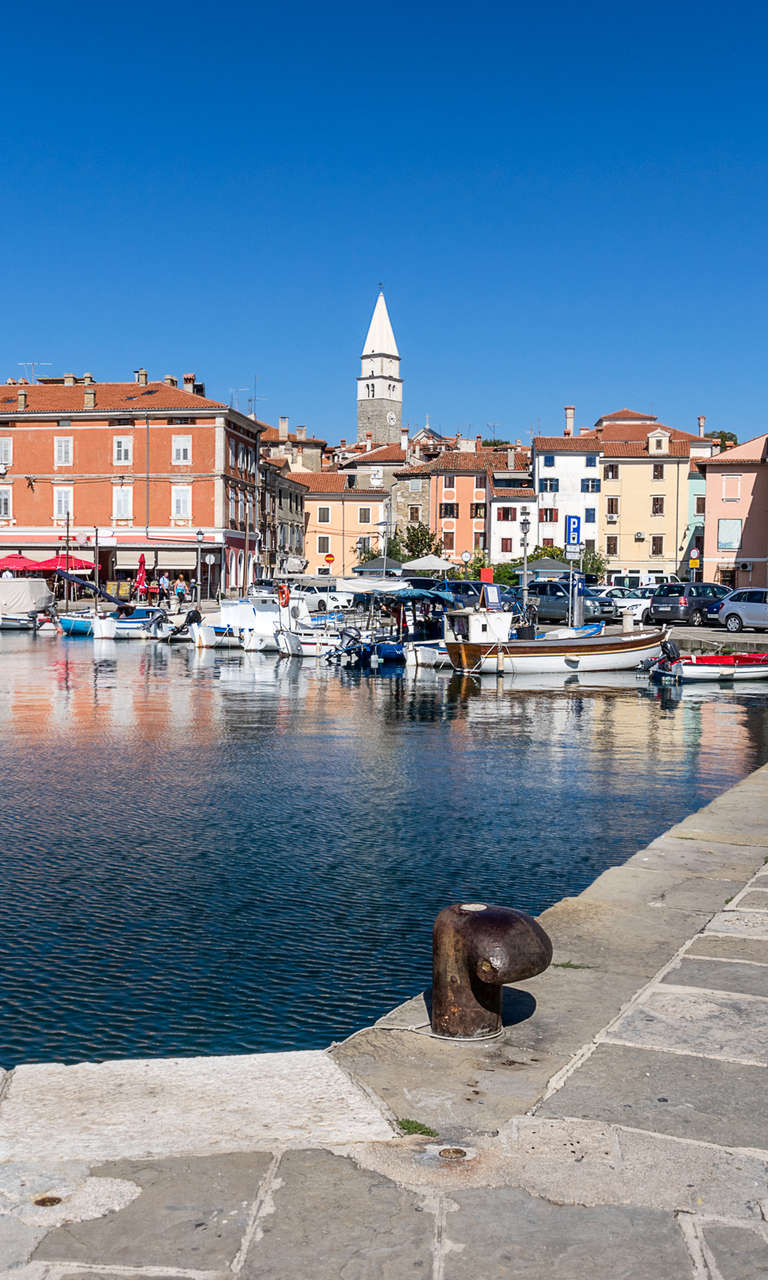
Coast: The country’s most alluring coastal town, Piran is strewn with gorgeous Gothic-Venetian architecture, pretty little churches and quaint squares.
Prekmurje: Lush green fields, picturesque villages dotted with storks’ nests and a distinct culinary tradition characterise Slovenia’s intriguing easternmost region.
Slovenia is a wonderful destination for families, particularly if the outdoors - or the underground - is your, or their, thing.
Caves: Slovenia’s myriad show caves are always a hit with kids, especially Postojna, with its miniature train that whizzes you deep underground; also very cool is Križna, one of Europe’s finest water caves and home to all kinds of cave-bear bones.
Beaches: Slovenia’s beaches are, on the whole, clean and safe (most bathing areas are roped off), while many have grassy areas with sporting and play facilities; there are also waterparks in Ljubljana, Bohinjska Bistrica and Čatež.
Puppetry: Another thing that might appeal to kids (and adults) is puppetry, a popular and well-regarded form of entertainment in Slovenia; there are particularly good theatres in Ljubljana and Maribor.
From year-round festivals to strolling around the country’s magnificent lakes, Slovenia holidays aren’t necessarily about having to break the bank.
Free festivals: The Slovenian calendar is studded with some marvellous festivals and events. Many are free, such as Kurentovanje Ptuj, the most famous of Slovenia’s pre-Lent Pusts, or carnivals, featuring riotous displays of masked revelry; there’s also the Ana Desetnica Festival of Street Theatre, with colourful and enjoyable street theatre performances in Ljubljana’s Old Town.
Lake walks: Lakes Bled and Bohinj are Slovenia’s twin pearls, the former celebrated for its cliff-bound castle and gorgeous island church, the latter more serene but no less resplendent. Stay in Bled and take a day trip to Bohinj.
The country’s mountains, forests, hills, rivers and lakes offer unlimited potential to indulge in a wide range of outdoor pursuits – hiking and skiing in the Julian Alps, whitewater rafting or kayaking in the Soča Valley, cycling through the rolling hills of Dolenjska and riding through the Logarska Dolina Valley.
Hiking: Slovenia is traversed by more than 7000km of marked paths; for the majority of climbers and hikers the main destination is the Julian Alps, at the heart of which is Mount Triglav (2864m), the country’s highest peak. Along with the Julians, the Karavanke mountains and the Kamniške-Savinja Alps (both of which count numerous peaks topping the 2500m mark) offer the country’s most varied and challenging climbs and hikes.
Skiing: The country hosts more than a dozen major resorts, the best and most popular of which are Kranjska Gora, a good family resort and international competition venue near the Austrian border, Krvavec, near Kranj, Vogel, near Bohinj and Pohorje, on the outskirts of Maribor.
Adrenaline sports: Without question, the major draw is the magnificent Soča River, whose fast, foaming waters offer the perfect setting for whitewater rafting, canoeing and kayaking, as well as more extreme pursuits including canyoning and hydrospeed.
Bear-watching: If you go down to the woods today… a rare opportunity to see these magnificent beasts up close in the wild, thankfully from the safety of a hideout.

Slovene cuisine draws on Austrian, Italian and Balkan influences, but there’s a native tradition too based on age-old peasant recipes, which you may encounter at tourist farms across the country.
Kranjska klobasa (Carniolan sausage): A smoky, juicy sausage, this is best accompanied by a side of mustard, bread and pickles.
Štruklji: This versatile dish can be sweet or savoury, with variations including cheese, walnut, apple or tarragon.
Ajdovi žganci: A buckwheat or maize porridge seasoned with crackling and usually served with sauerkraut.
Žlikrofi: A speciality of the Idrija region, these are small, boiled dumplings filled with potato, onion and bacon.
Jota: Reflecting Slovenia’s rustic culinary traditions, this is a hearty stew made with sauerkraut, beans, potatoes and sometimes meat.
Trout: Slovenia’s rivers and lakes are home to excellent trout, best served grilled with garlic, herbs and a squeeze of lemon.
Salt-baked fish: All along the coast, you’ll find fresh fish baked in a thick crust of salt, which seals in the moisture and flavour.
Kremšnita: Also known as the Bled cream cake, this creamy delight is packed with layers of custard and whipped cream sandwiched between crispy pastry. You’ll find variations throughout Slovenia, but it’s especially famous in Bled.
Prekmurska gibanica: Rich, sweet, and slightly crumbly, this multi-layered pastry features poppy seeds, apples, raisins and walnuts.
Potica: A rolled pastry filled with nuts, poppy seeds or honey, Potica goes down a treat with a cup of coffee.
Slovenian wines: Slovenia is known for its excellent wines, with regions like Goriška Brda and the Vipava Valley producing a range of stunning whites and reds. Rebula and Teran are good starting points.
Slovenian beer: The two main breweries are Laško, producer of Zlatorog (named after the mythical chamois), and the Ljubljana-based Union; both produce light and temno pivo (literally “dark beer”), a Guinness-like stout. Of the mushrooming microbreweries, look out for Pelicon from Ajdovščina and Humanfish from Vrhnika just outside Ljubljana.
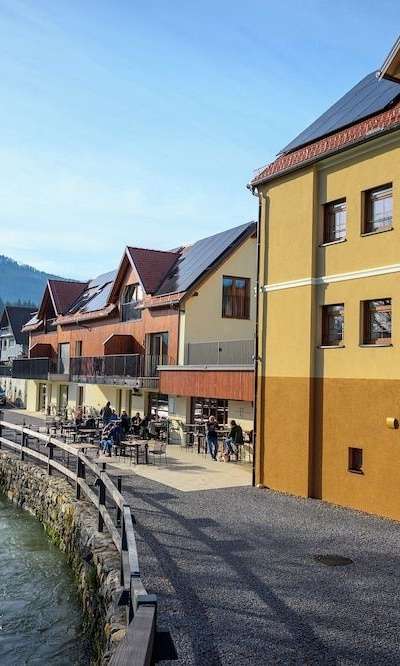
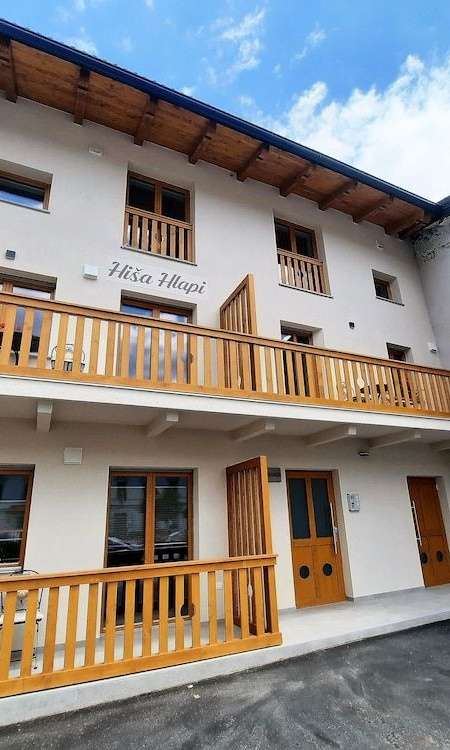
Booking a flight + hotel package to Slovenia with lastminute.com offers several advantages. By booking both services together, you can take advantage of exclusive deals and choose from thousands of flights and accommodations for the perfect combination. Additionally, you can secure your trip with a deposit and pay the remaining amount later. You also have the flexibility to add other travel extras such as insurance, rental cars, and luggage to the flight + hotel package as per your preferences.
Slovenia offers a range of stunning holiday spots for every type of traveller. Discover some of the best areas to stay in, like Piran, Portorož, Ljubljana, Lake Bled, Kranjska Gora .
Before travelling from the UK to Slovenia, ensure your passport is valid for the duration of your stay. To get the latest Visa information for Slovenia, please check travel advice on GOV.UK.
Travel with us
Secure payment