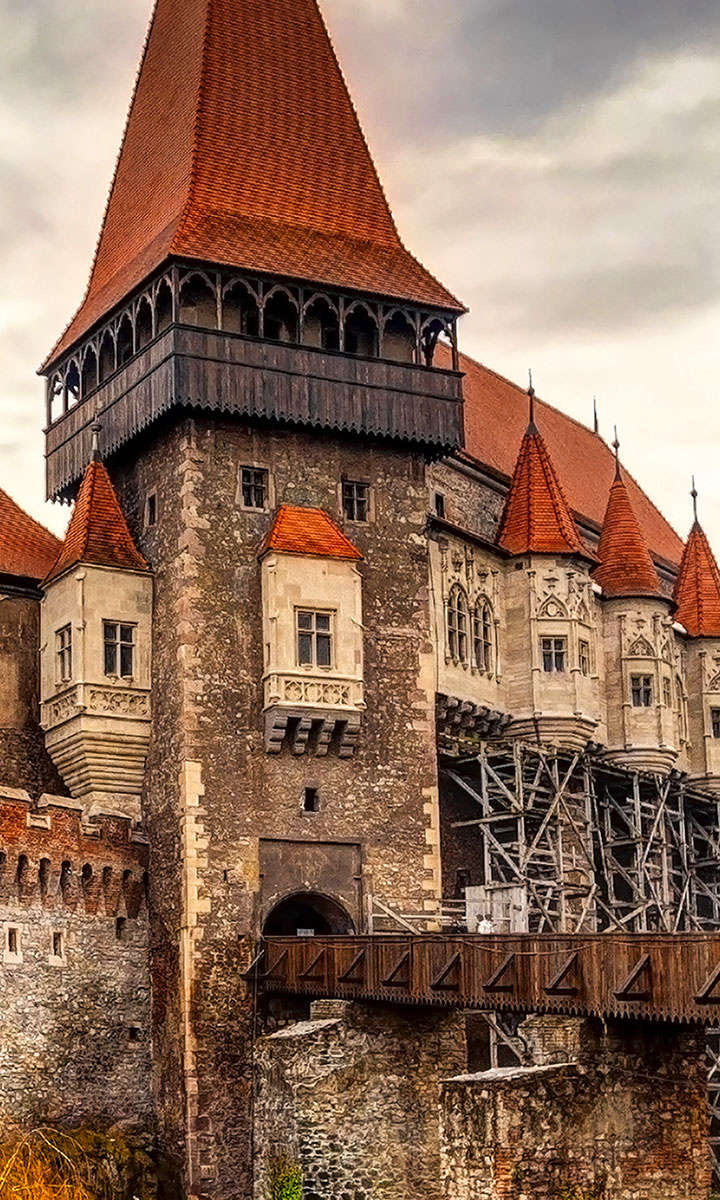
|
|
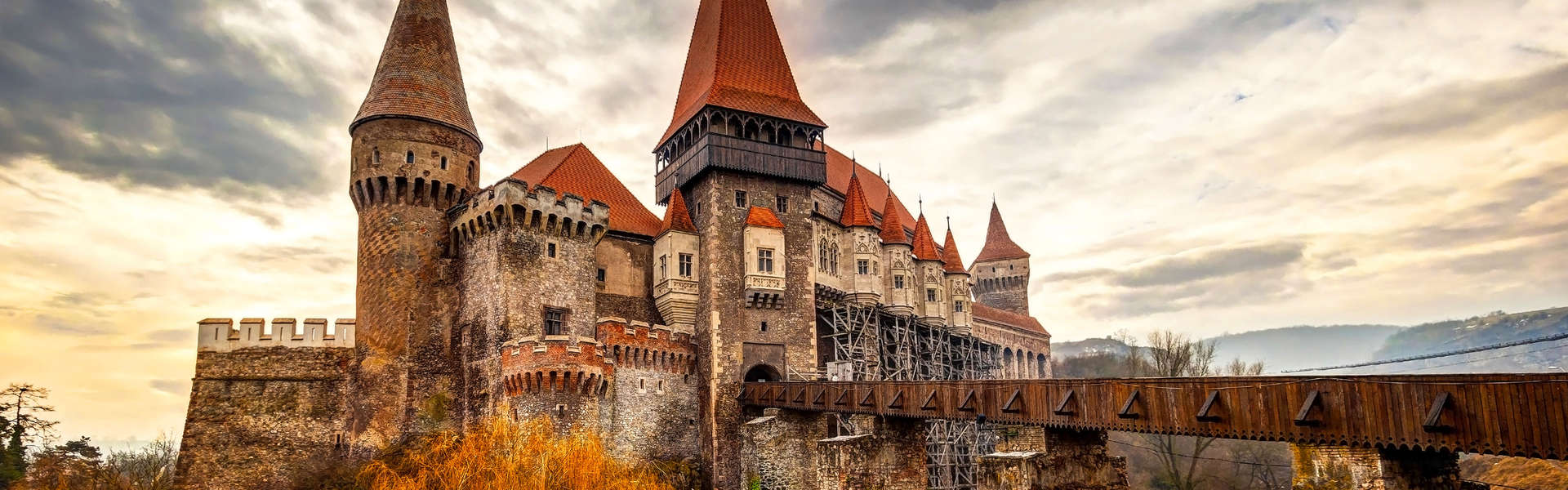
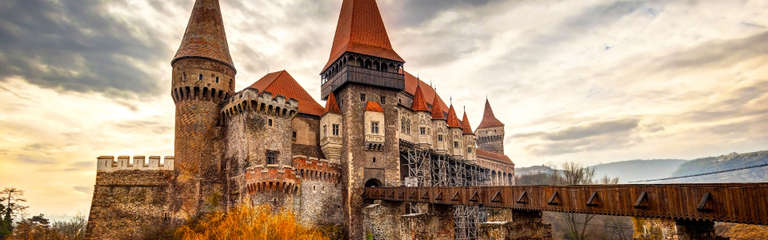
Romania is an enchanting holiday destination that boasts a unique blend of medieval charm and natural beauty. Explore the vibrant streets of Bucharest, wander through the historic castles of Transylvania, and immerse yourself in the stunning landscapes of the Danube Delta. With rich traditions, delicious cuisine, and friendly locals, Romania promises an unforgettable experience for every type of traveler. For an incredible adventure, check out our holidays in Romania and start planning your journey through this beautiful country.
Enjoy access to special prices, only available on package deals.
Choose from thousands of flights, hotels and stays.
Book with a small deposit and pay the rest later.
Quickly add insurance, luggage, rental cars and more.
You are protected
Book the best deals on holidays to Romania today!
Flight time: Flights to Romania from London and other major UK airports take around 3 hours, depending on your destination within the country. Cities with flights to the UK include Bucharest, Cluj-Napoca, Timișoara, and Iași.
From Bucharest’s Henri Coandă International Airport, 17km north of the city centre, the quickest way to get to the city is by train to Gara de Nord station, which takes about 20 minutes. There’s also express bus #100, which takes about 45 minutes.
Price:
The bus costs around 4 RON (approximately £0.70) for a one-way ticket, while the train costs around 5 RON (around £0.90).
If you opt for a taxi, the fare from the airport to the city centre is usually between 30 to 40 RON (roughly £6 to £8).
Deciding when to take your Romania holidays will depend on many factors including whether the emphasis of your trip is on outdoor activities in warm weather, or taking in urban areas when milder conditions may be more comfortable.
April to June: Spring brings wildflowers to the mountains and the softest of blue skies over Bucharest and also prompts a great migration of birds through the Delta. Temperatures range from 15°C in April to 25°C in June. Rainfall is moderate, around 40-70mm, with 7-10 hours of sunshine daily.
July to August: Although by far the hottest time of the year, summer is the perfect time to investigate Transylvania’s festivals and hiking trails, though brief but violent thunderstorms are common in the Carpathians during this period. Temperatures can soar to 30°C, making it ideal for visits to the Black Sea coast; however, this is peak crowd time. Rainfall is minimal, so expect long, sunny days with up to 12 hours of sunshine.
September to November: Autumn is a fantastic time for holidays to Romania as the weather cools, with temperatures ranging from 25°C in September to 10°C in November. The autumn colours in the Carpathian Mountains are spectacular, making it a great time for hiking, especially in September. Rainfall increases slightly to 50-80mm, but there are still plenty of dry, crisp days.
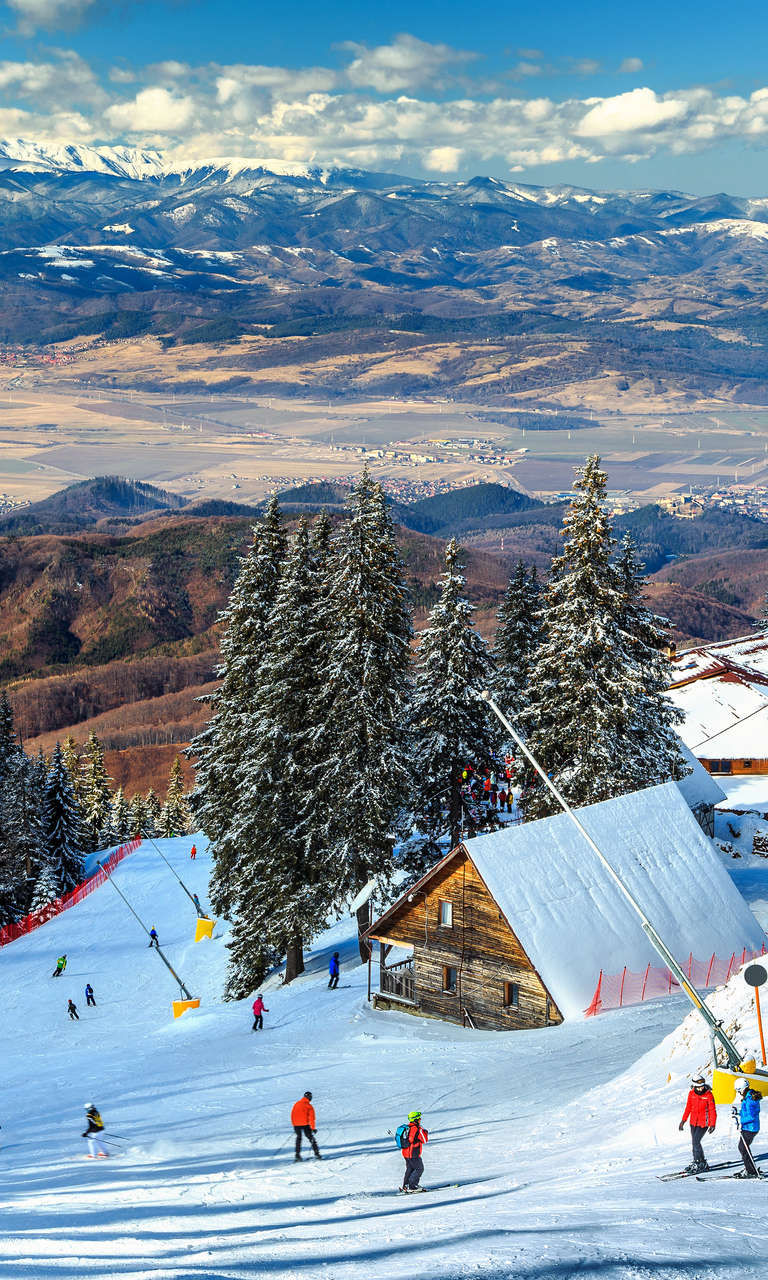
December to March: Winters can be brutal – snow blankets much of the country, temperatures of -15°C to -20°C are not uncommon, and a strong, icy wind (the crivaţ) sweeps down from Russia. Daytime temperatures in cities like Bucharest range from 0°C to 5°C, while the mountains offer excellent skiing opportunities.
Spoken languages: Romanian is the official language, but English is widely spoken throughout the cities, much less so in rural areas.
Local habits and customs: Romanians are known for their hospitality and warmth. It’s customary to greet people with a handshake and use formal titles until invited to use first names. When visiting churches or monasteries, dress modestly, covering shoulders and knees. Tipping is common, especially in restaurants, where 10 percent is standard.
Currency: The official currency is the Romanian Leu (RON), although many things are priced in Euros. ATMs are readily available, and credit cards are accepted in most hotels, restaurants and shops. However, it’s wise to carry some cash for smaller transactions or in more rural areas.
Getting around: Most Romanian towns are easily reached by bus or maxi taxi (minibus), both long-distance services and local connections. The rail network has many wonderfully scenic routes, and it remains an incredibly cheap way of getting around. Driving can be an attractive, if frustrating, proposition, allowing you to visit anywhere you please.
Electricity and plug types: Romania uses the standard European two-pin plug with 230 volts. UK travellers will need a plug adaptor to use their devices.
Time zone: Romania operates on Eastern European Time (EET), which is 2 hours ahead of GMT.

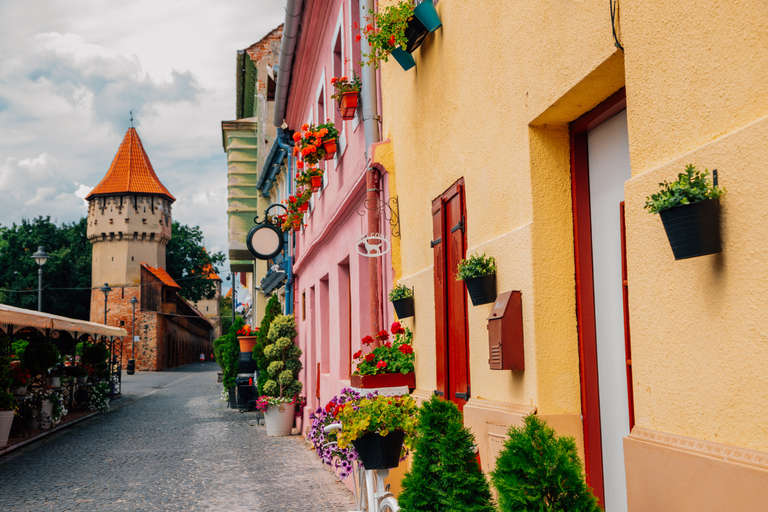
As fascinating as the urban centres are – such as the capital Bucharest, Braşov, Sighişoara, Timişoara and, most enchantingly, Sibiu – Romania’s true charm lies in the remoter regions, from the majestic peaks of the Carpathian mountains and the verdant, rolling hills of Bucovina to the extraordinary wetlands of the Danube Delta.
Transfăgărășan Road: Snaking its way for some 90km across the southern section of the Carpathians, the spectacular Transfăgăraşan Highway offers sensational views at every turn.
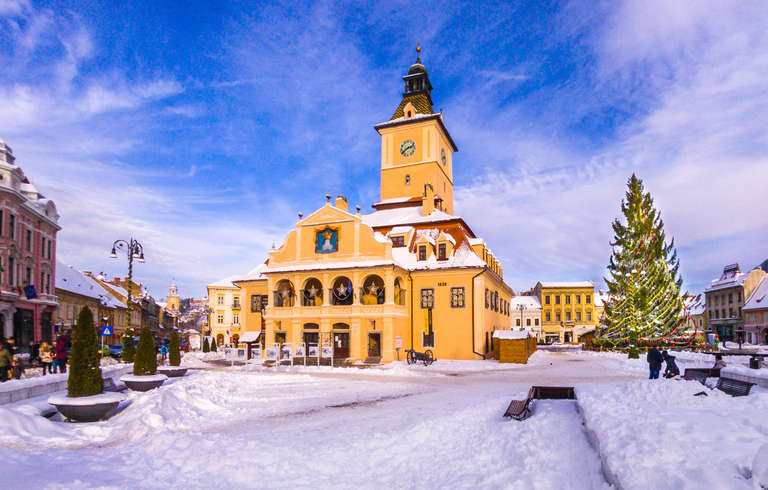
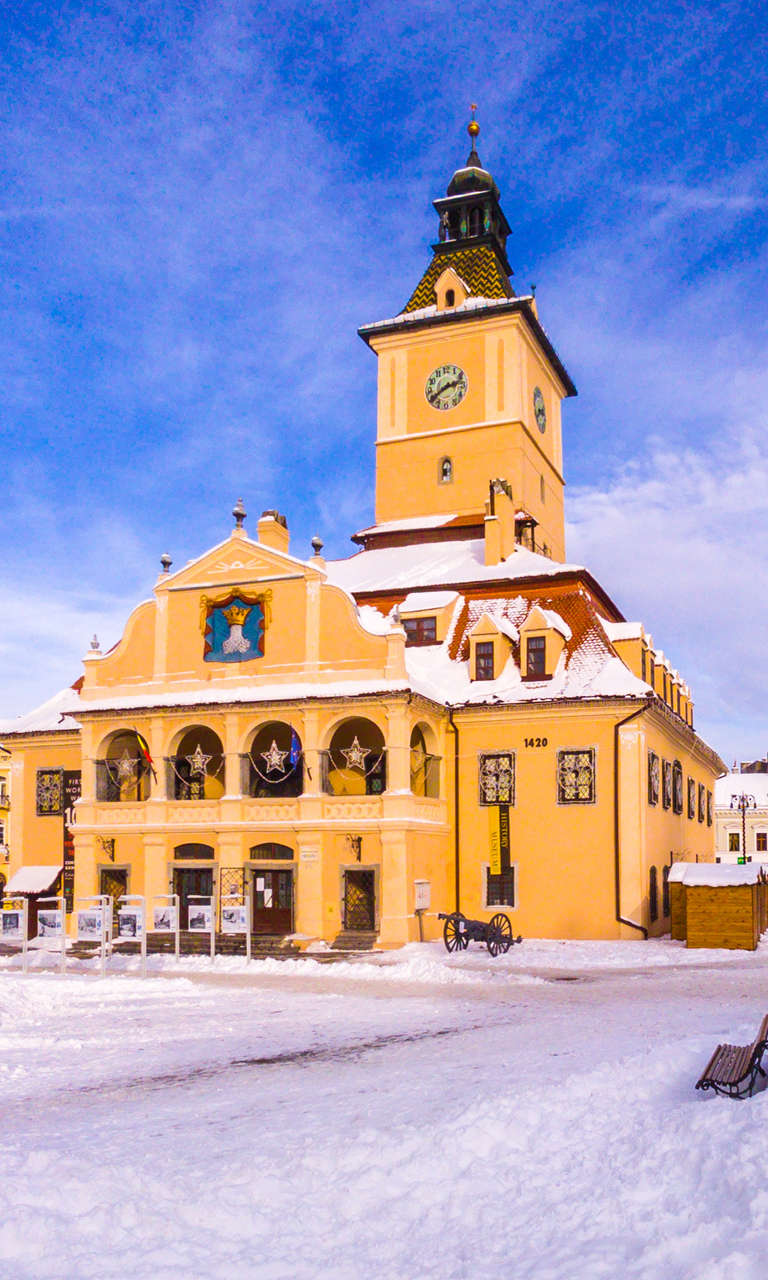
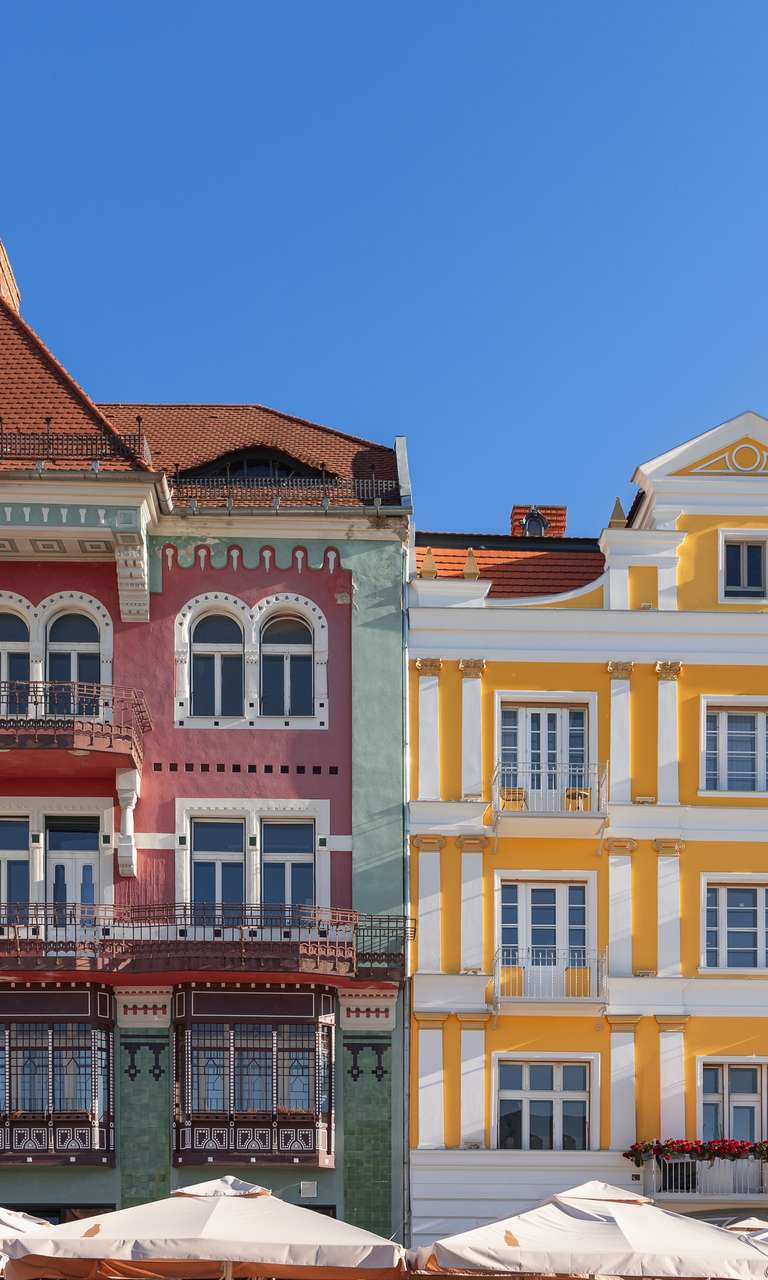
Brașov: Situated in the heart of Transylvania, Brașov is a picturesque city surrounded by mountains. The old town is a maze of cobbled streets, colourful houses and Gothic architecture. Don’t miss a visit to the Black Church, the largest Gothic church in Romania, or a ride on the Tampa Cable Car for panoramic views of the city.
Sighişoara: This place of medieval towers and needle spires is a suitably spooky setting for the birthplace of Vlad Ţepeş, aka Dracula.
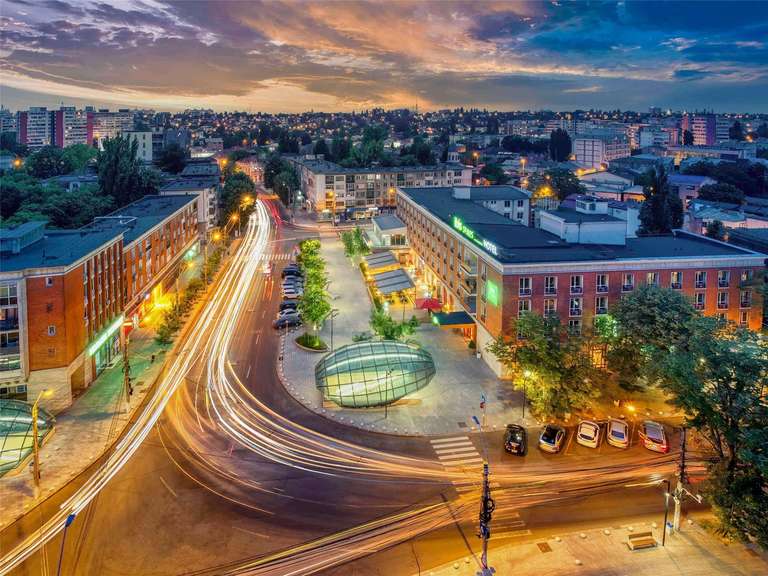
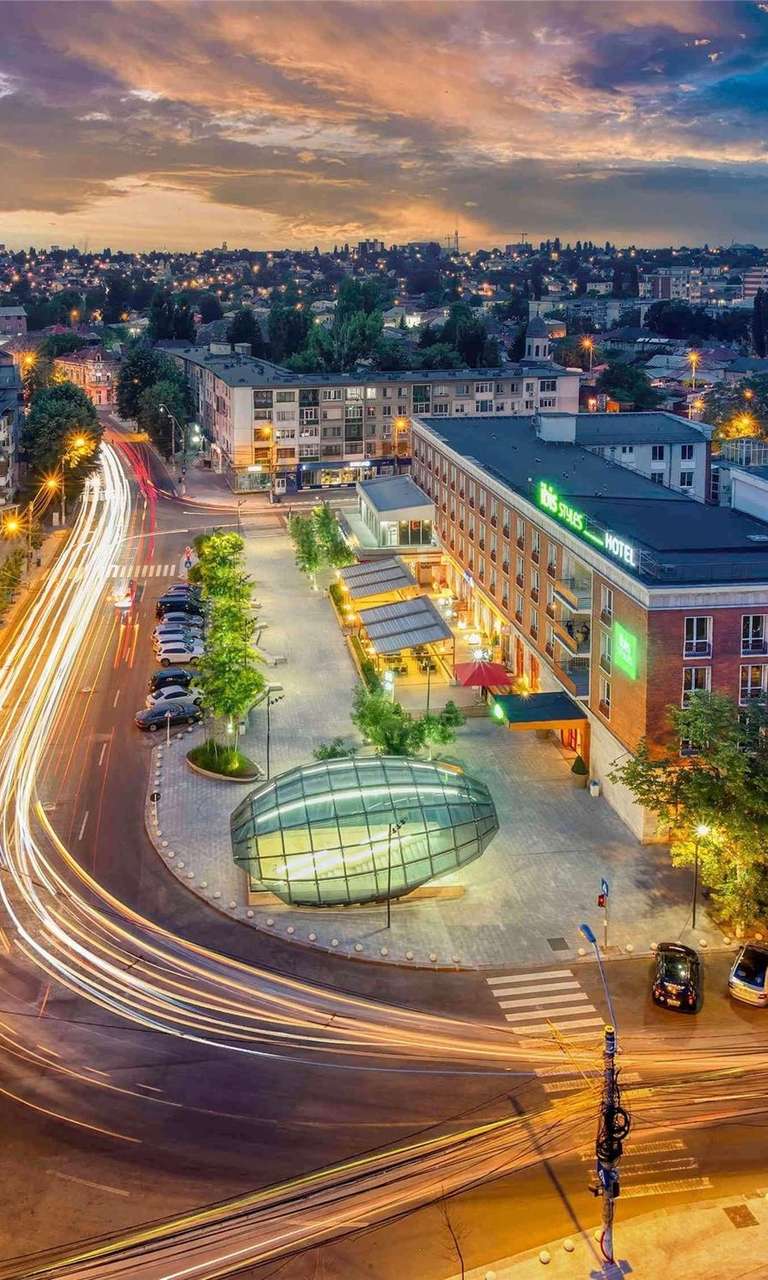
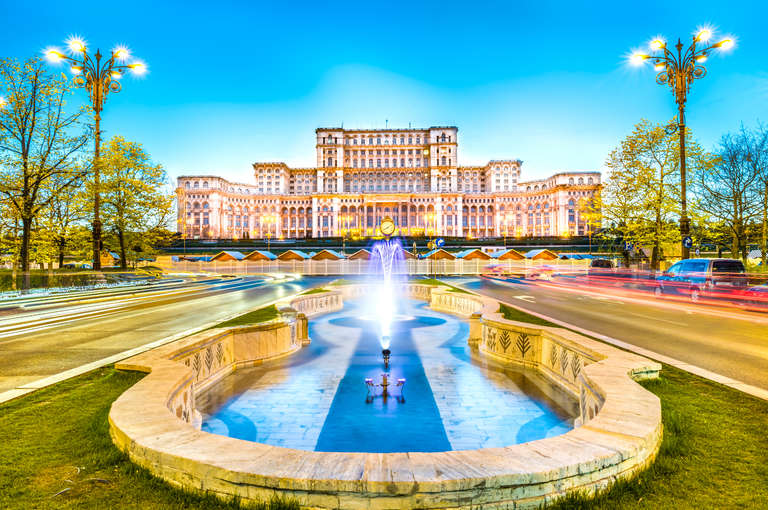
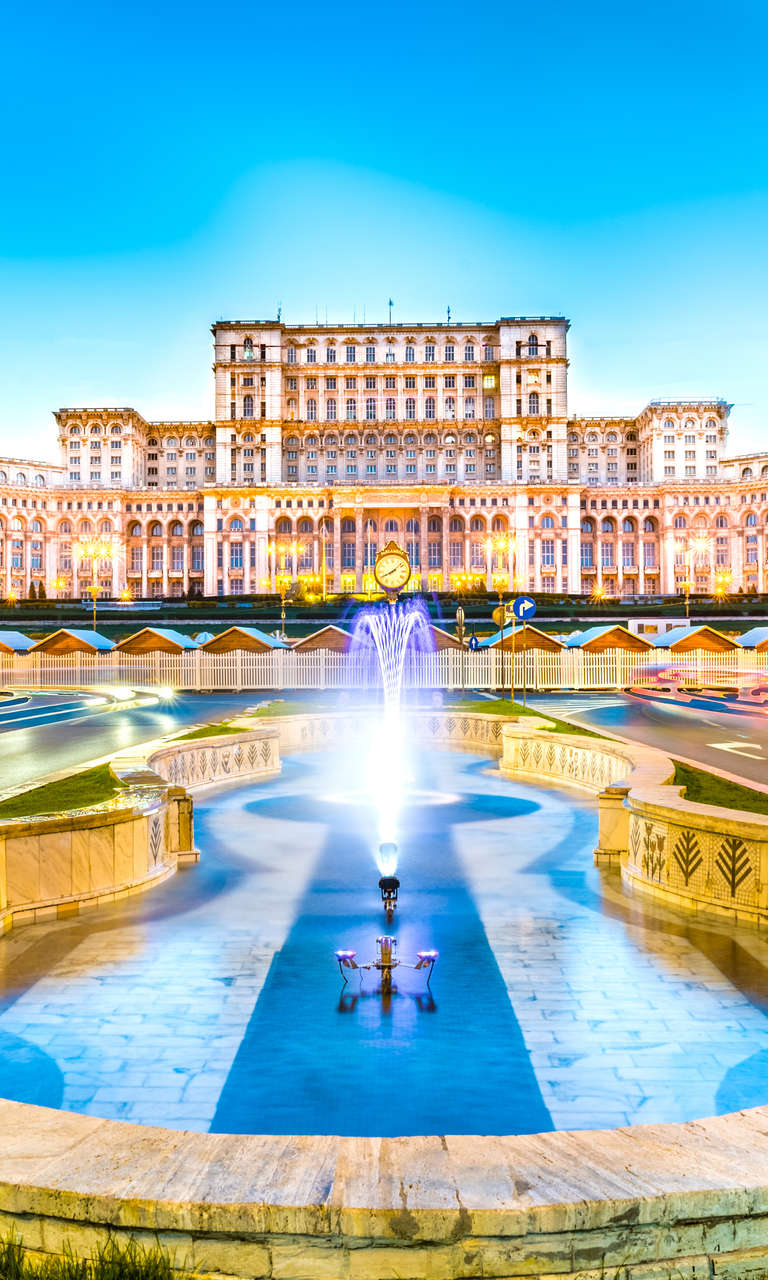
Bucharest: From the monochrome concrete jungle of the Centru Civic and its compellingly monstrous Palace of Parliament, to French-inspired buildings like the magnificent Atheneum, the Romanian capital is endlessly fascinating.
Museum of Traditional Folk Civilisation, Sibiu: Romania’s best open-air museum offers a fantastic insight into Romanian rural life, with almost 150 structures divided into themed areas.
Museum of the Romanian Peasant, Bucharest: A must-see, giving an insight into the country’s varied rural traditions, with exhibits on everything from costume and textiles to painted glass icons.
Herăstrău Park: Combine a leisurely stroll through Bucharest’s largest and greenest park with a cruise on the adjoining lake.
Saxon churches, Transylvania: Transylvania’s Saxon villages are defined by their fortified churches, such as the one at Biertan, a commanding structure set in rings of walls, and the delightful example at Mălâncrav.
Painted monasteries, Bucovina: The so-called Moldavian style – integrating Gothic and Byzantine – is showcased to spectacular effect in these ancient monuments, typically featuring a large enclosure with thickset walls and an imposing entrance gate.
Maramureş: Romania’s remote, northernmost region is also its most enchanting, with villages seemingly lost in time and ancient customs still thriving.
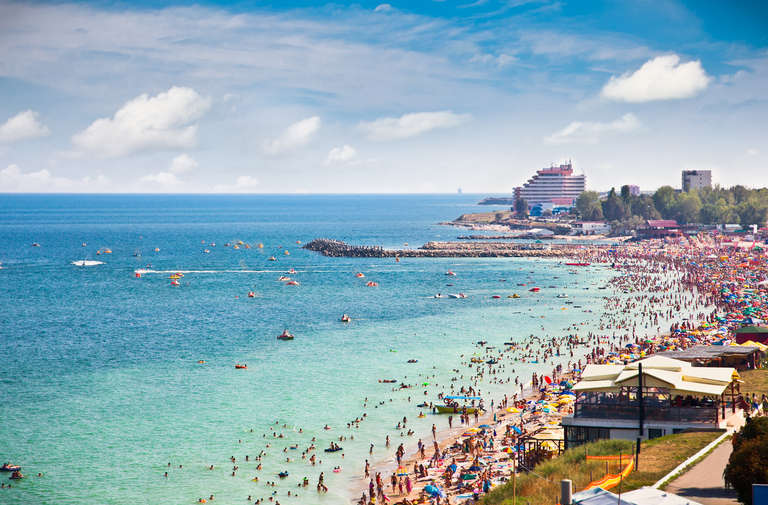
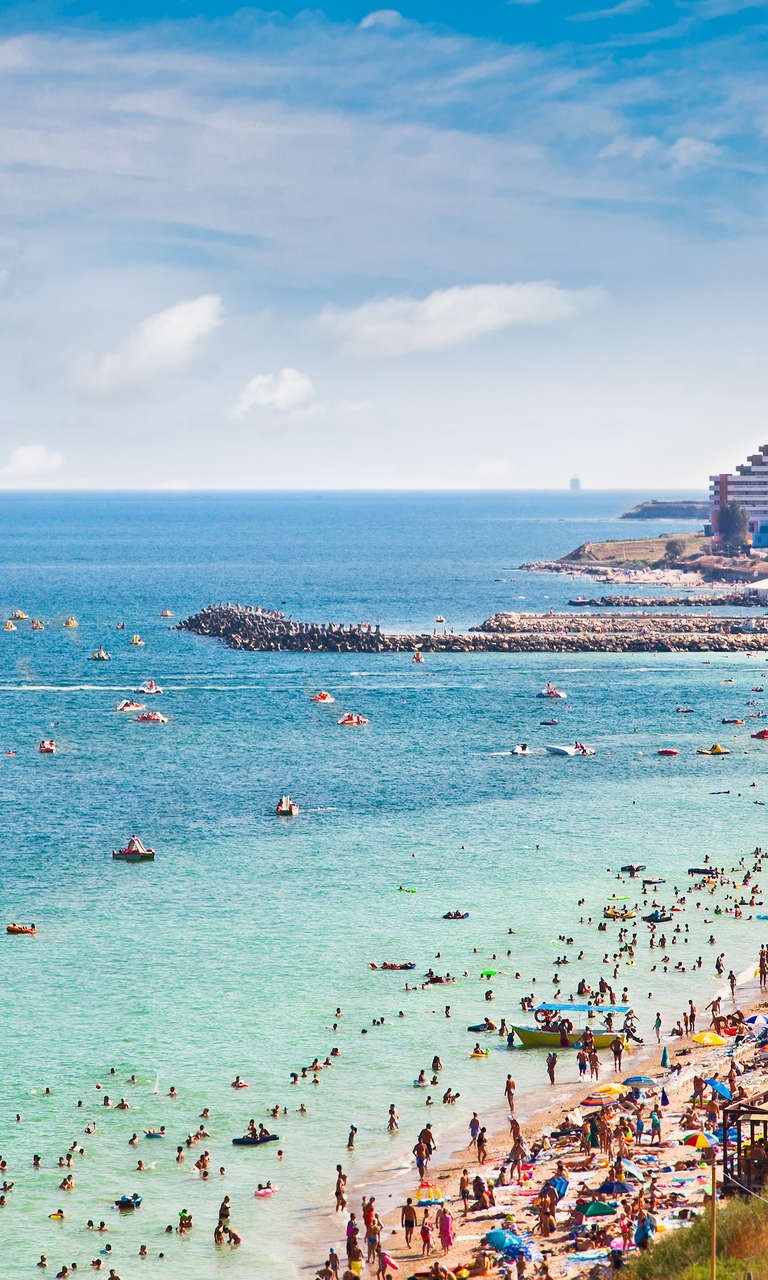
Black Sea Coast: Bountiful sun, sea and sand combine to make the Romanian coastline the perfect spot to rest up for a day or two.
Danube Delta: One of Europe’s most evocative landscapes, the Delta offers an array of birdlife unmatched anywhere else on the continent – stunning during migration season.
Romania’s great outdoors is where you’ll discover the most exciting family things to do, from days out in the mountains to tracking down the country’s legends.
Bear- and wolf-tracking: Spend a day trailing Romania’s largest carnivores – if you’re lucky, you may see one of these magnificent creatures up close - the little ones must be quiet though!
Train rides: Jump aboard the early-morning logging train for a meandering ride up the picturesque Vaser Valley.
Dracula hunting: You’ve read the book - now go seek him out. The Princely Court at Târgovişte and Poienari Castle are just two of the many sites linked to the Dracula legend.
Romania is one of Europe’s cheapest destinations, but if you really want to save those pennies, there are many ways you can do this.
Festivals: Romania has an excellent spread of local festivals based around strongly rooted seasonal traditions, such as Braşov’s Pageant of the Juni on the first Sunday after Easter, a colourful parade in which the town’s youth don elaborate costumes and ride through town on horseback, accompanied by brass bands; and the Measurement of the Milk Festival in Ciucea, a hugely entertaining gathering in which shepherds compete to see who has the most productive flock.
Free museums: Many of Romania’s museums offer free entry on specific days, such as the National Museum of Art in Bucharest, which is free on the first Wednesday of each month. Similarly, the Brukenthal National Museum in Sibiu offers free admission on certain occasions.
Romania’s landscape is dominated by the spectacular Carpathian Mountains. A continuation of the Alps, they encircle Transylvania and provide the country with a rocky backbone perfect for activities ranging from hiking and skiing to caving and wildlife watching.
Hiking: Romania’s classic trek is the five-day Făgăraş ridge, but there’s also the knife-edge of the Piatra Craiului, and the stunning peaks and lakes of the Retezat massif.
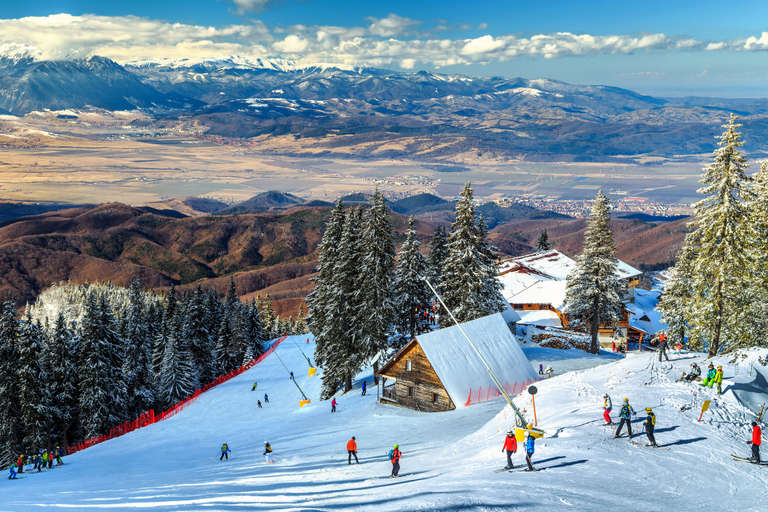
Skiing: The superior slopes and facilities of Poiana Braşov exert the greatest pull, though there’s also terrific skiing at Buşteni, Predeal and Sinaia.
Caving: The karst zone of the Apuseni offers fabulous possibilities to explore subterranean wonders such as Meziad and the even more spectacular “Bears’ Cave” at Chişcău.
Wildlife watching: Explore forests looking for markings made by large carnivores – there’s a good chance of spotting bears from purpose-made hideouts, though wolves are more elusive.
Water sports: The coast provides all manner of possibilities for fun-filled diversions, such as wakeboarding, waterskiing and kayaking.
Romanian cuisine tends to be filling and wholesome, with menus dominated by meat in common with the rest of the Balkans, but there are exciting gastronomic scenes in Bucharest and Cluj.
Sarmale: Cabbage leaves stuffed with rice, meat and herbs, usually served (or sometimes baked) with sour cream or horseradish; they are sometimes also made with vine leaves.
Ciorbă: Romanian soups, known as ciorbă, are a staple in local cuisine; variations include ciorbă de burtă (tripe soup) and ciorbă rădăuțeană (chicken soup with vegetables), though all are usually served with sour cream and a dash of vinegar.
Tochitură: A rich dish made from diced pork, sausages and liver, cooked in a tomato sauce and served with mămăligă and a fried egg on top.
Muşchi ciobanesc: “Shepherd’s sirloin” is pork stuffed with ham, covered in cheese and served with mayonnaise, cucumber and herbs.
Covrigi: Plain or seeded bread rings straight from the oven, sold as a bunch and tied to a piece of string, you’ll find these everywhere.
Mittitei: More commonly known as mici, these are succulent grilled beef rissoles served with a dollop of mustard and a hunk of bread.
Papanasi: Sweet, rich and utterly indulgent, these are fried or boiled doughnuts served with sour cream and topped with fruit preserves, typically made from blueberries or cherries.
Cozonac: A sweet, leavened bread filled with nuts, poppy seeds or Turkish delight, often enjoyed during holiday seasons.
Tuică: A tasty, powerful brandy usually made of plums, taken neat. In rural areas, homemade spirits can be fearsome stuff, often twice distilled to over fifty percent!
Wine: Romania’s best wines are Grasa (white) and Feteasca Neagră (red), and the sweet dessert wines of Murfatlar.
Booking a flight + hotel package to Romania with lastminute.com offers several advantages. By booking both services together, you can take advantage of exclusive deals and choose from thousands of flights and accommodations for the perfect combination. Additionally, you can secure your trip with a deposit and pay the remaining amount later. You also have the flexibility to add other travel extras such as insurance, rental cars, and luggage to the flight + hotel package as per your preferences.
Before travelling from the UK to Romania, ensure your passport is valid for the duration of your stay. To get the latest Visa information for Romania, please check travel advice on GOV.UK.
Travel with us
Secure payment