How to reach Sri Lanka
Flight time: Direct flights to Sri Lanka are available from London, and typically take around 11 hours. Flying from other airports will include a stopover in Europe or the Middle East, adding at least two hours.
Transfer time: Upon landing at Bandaranaike International Airport, the most common way to reach central Colombo is by taxi or airport bus. The journey by taxi, Uber or PickMe (the local ride-hail app) takes about 45 to 75 minutes (using the faster expressway), while the bus takes slightly longer – all depending on traffic. Destinations outside Colombo are best served by taxis.
Price: The buses into Colombo city centre cost from around Rs500 (£1.30), whereas a taxi will be Rs3,000–Rs6,000 (£8–£16).
Best time to visit Sri Lanka
Being located close to the equator, Sri Lanka enjoys pretty constant temperatures throughout the year, and also high humidity, but different regions of the island experience quite diverse weather. Here’s a breakdown of what to expect throughout the year on Sri Lanka holidays.
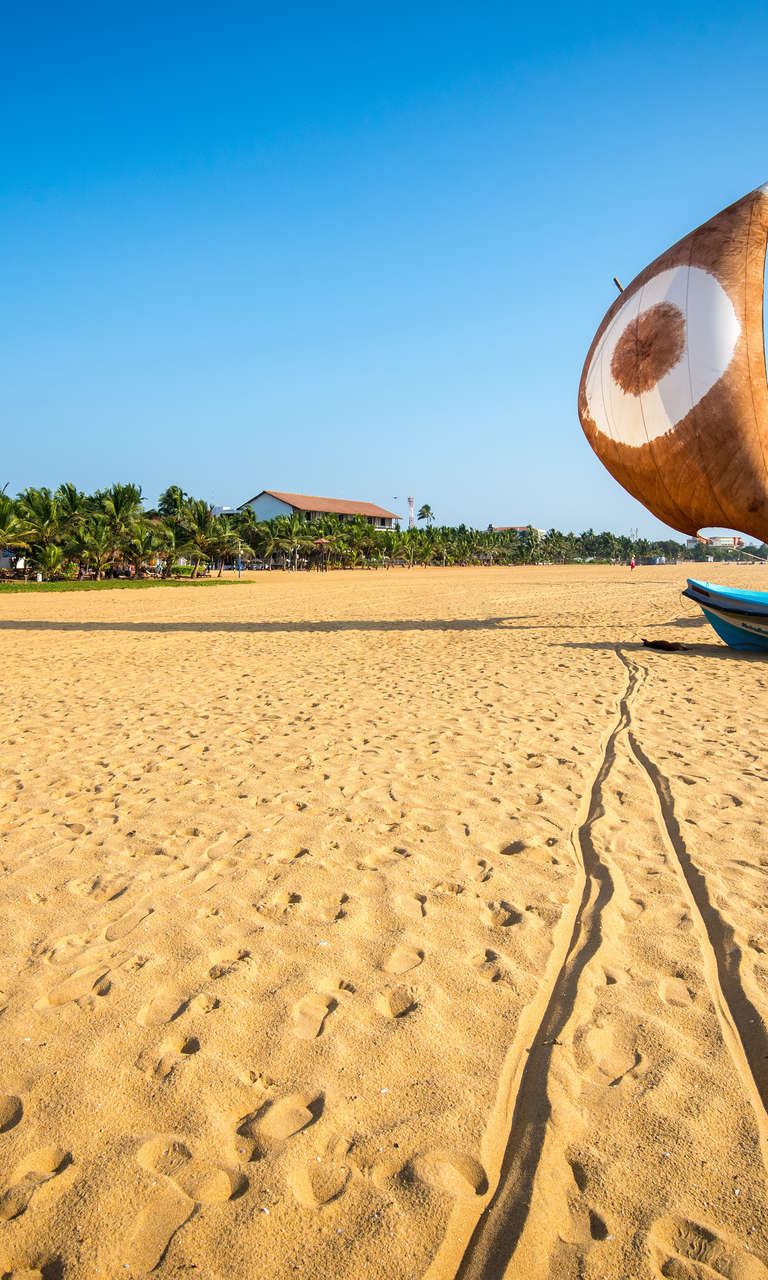
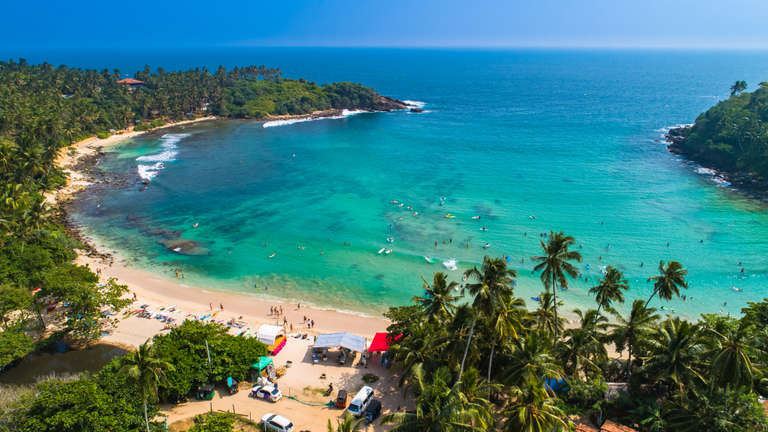
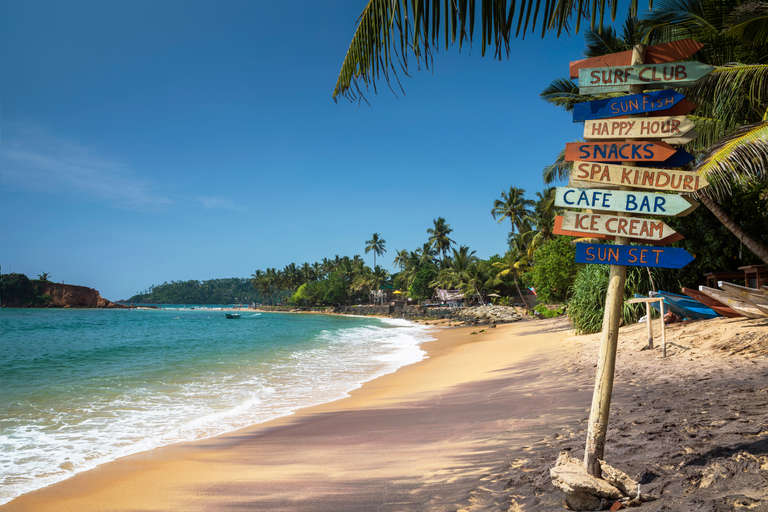
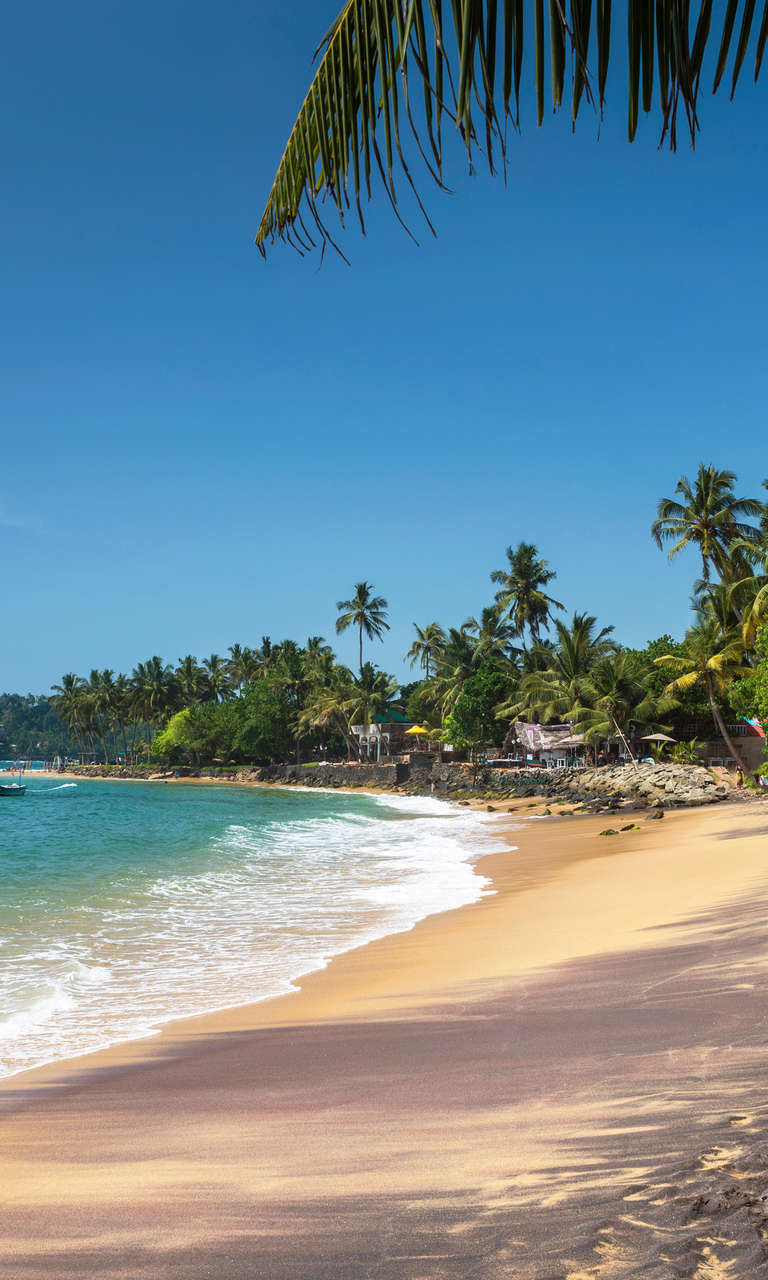
December to March: This is the best season for the west and south coast, as well as Colombo and the hill country. You can expect dry weather and maximum temperatures ranging from 30°C to 32°C, so it’s the perfect time for beach holidays at southern shores. Areas inland and higher up, such as Kandy and Nuwara Eliya, can be much cooler than down on the coast. On the east side of the island, the northeast monsoon brings some rain and storms in these months.
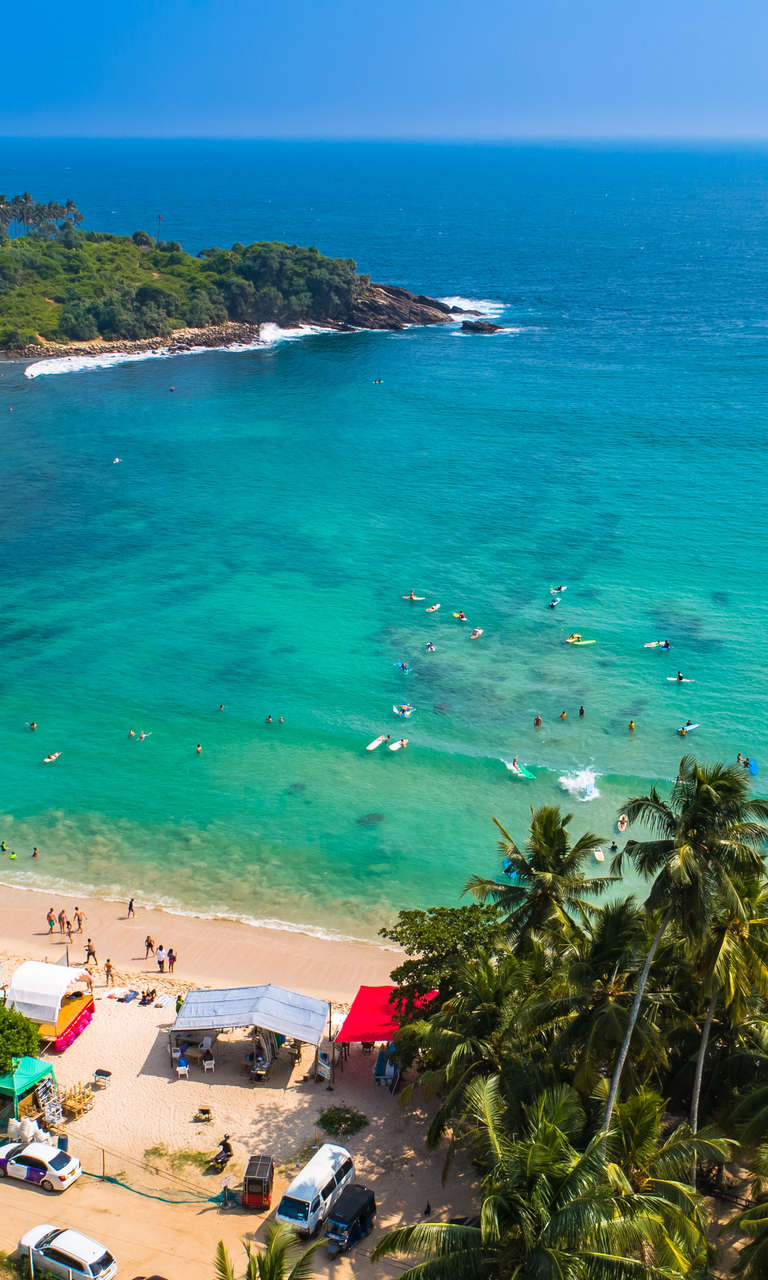
April to September: This is the best period for the east coast, particularly Trincomalee and Arugam Bay, with sunny days and highs of 33°C to 35°C – great for surfers and sun worshippers. However, during this time the southwest monsoon hits the west and southwest coasts, and the hill country inland.
October to November: In between the main monsoon seasons, many parts of the island also experience an inter-monsoon period, with heavy rain and thunderstorms possible in these months. But it can be a good time to avoid crowds and enjoy lush landscapes.
Practical information
Spoken languages: Sinhala and Tamil are Sri Lanka’s main languages, but English is widely understood by many people in urban areas and popular tourist destinations. Knowing a few basic phrases in Sinhala can go a long way.
Local habits and customs: Sri Lankans are generally polite and reserved, so a respectful demeanour is appreciated. When visiting temples, remember to remove your shoes and cover your shoulders and knees.
Currency: The local currency is the Sri Lankan rupee (Rs). ATMs are widely available in cities, and major credit or debit cards are accepted in most hotels and restaurants. Cash is useful for smaller purchases, especially in the lower denominations.
Getting around: Buses are the most useful form of transport, while trains offer a more relaxed way to travel, particularly on scenic routes to places like Kandy and Ella. Tuk-tuks are a fun way to get around in cities and for shorter journeys – just agree on a price before you set off. Driving is not recommended, but hiring a car and driver allows you the freedom to create your own itinerary.
Electricity and plug types: Sri Lanka’s electricity runs at 230–240V and uses a mix of plug types, including predominantly three round-pin plugs. UK visitors should bring a universal adaptor.
Time zone: Sri Lanka is 5 hours 30 minutes ahead of GMT, with no daylight saving time.