How to reach St Lucia
Flight time: Flights to St Lucia from London’s Gatwick Airport typically take around 8 to 9 hours. Major airlines (including British Airways and Virgin Atlantic) offer direct flights to St Lucia’s Hewanorra International Airport (UVF), located in the southern part of the island.
Transfer time:
From Hewanorra, the drive to the popular resorts in the north takes between 90 minutes and 2 hours.
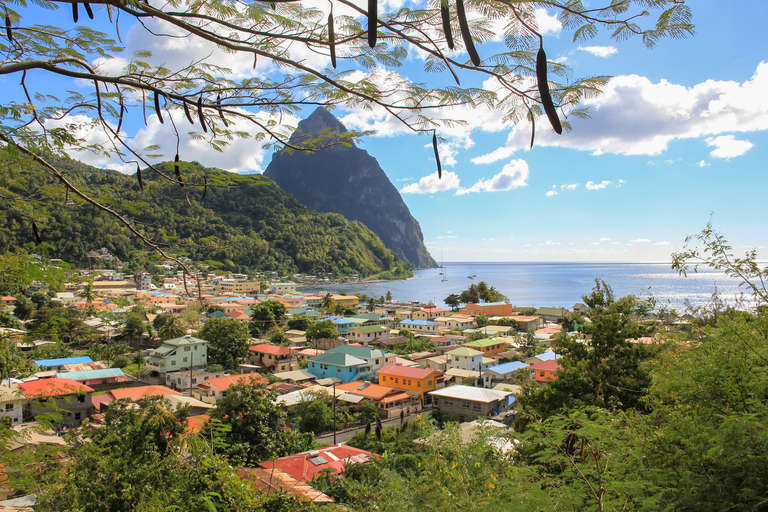
For those heading to the nearby towns in the south, such as Soufrière, the transfer time is closer to 45 minutes.
Price:
A standard taxi from the airport to the main resort areas in the north (such as Rodney Bay or Castries) will cost approximately $80 to $100 (USD).
If you're staying in Soufrière or close to it, expect to pay around $50.
Shared minibus shuttles are a bit cheaper, costing between $30 and $50 per person.
Best time to visit St Lucia
The island enjoys tropical weather year-round, making it a great destination whenever you want to visit. That said, the island does experience a high and low season, so it’s worth timing your St Lucia holidays to fit your preferences.
December to April is the high season in St Lucia. The weather is drier, with temperatures ranging from 25°C to 30°C. Rainfall is limited to short, sharp showers and there’s plenty of sunshine, with around 9 hours a day. Expect slightly higher prices and busier resorts, especially around Christmas and Easter.
May to June offers a pleasant shoulder season. The weather remains warm, hovering around 27°C to 31°C, and the island sees fewer tourists. There’s a bit more rainfall (about 80mm per month), but the deals on flights and accommodation more than make up for this.
July to October is the low season. This is also the official hurricane season, although direct hits are rare. Rain showers are more frequent and last longer (expect up to 150mm of rain in the peak months), but temperatures remain warm, between 26°C and 31°C.
November sees temperatures ranging from 26°C to 29°C, with rainfall dropping significantly and the island begins to liven up again as visitors return. This is a good time to enjoy St Lucia without the large crowds and you’ll still get plenty of sunshine, with around 7 to 8 hours a day.
Practical information
Spoken languages: English is the official language of St Lucia, but you’ll also hear locals speaking Saint Lucian Creole (Kwéyòl) – a French-based dialect.
Local habits and customs: Dress codes are casual, but swimwear should be reserved for the beach or pool areas. Tipping is common in St Lucia, especially in restaurants and for services like taxis and tours – 10 to 15 percent is generally appreciated.
Currency: The Eastern Caribbean Dollar (XCD) is the official currency, but US dollars are equally (if not more widely) accepted. ATMs are available in most tourist areas and credit cards are accepted in larger hotels and restaurants. It’s useful to carry a bit of cash for smaller purchases, markets and taxis.
Getting around: While taxis are the most convenient way to get around, especially if you’re staying in a resort, St Lucia has a decent public transport system of minibuses. Minibus fares are cheap, ranging from $2–$5 depending on the distance, but the schedules can be a bit unreliable. You can also hire a car, but be prepared for some winding, narrow roads. Car hire starts at around $50 per day and UK drivers can use their British licence.
Electricity and plug types: St Lucia uses 240 volts with British-style three-pin plugs, so you shouldn’t need an adaptor if you're travelling from the UK.
Time zone: St Lucia operates on Atlantic Standard Time (AST), which is 4 hours behind GMT. Daylight saving time is not observed.