|
|
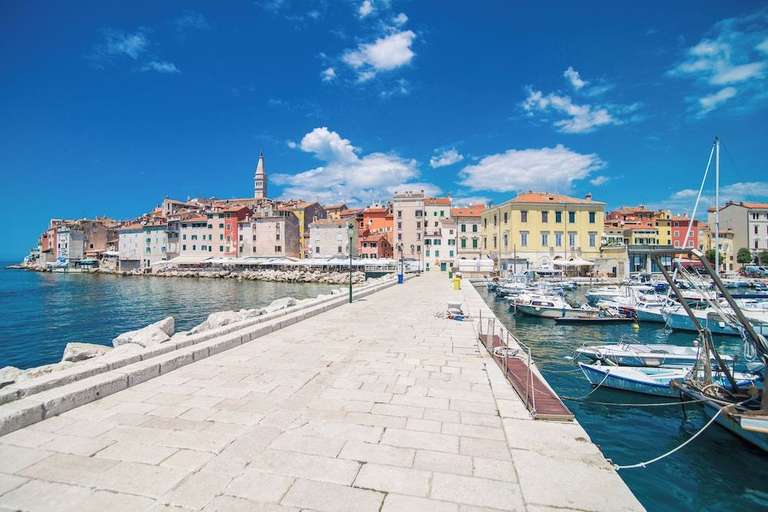
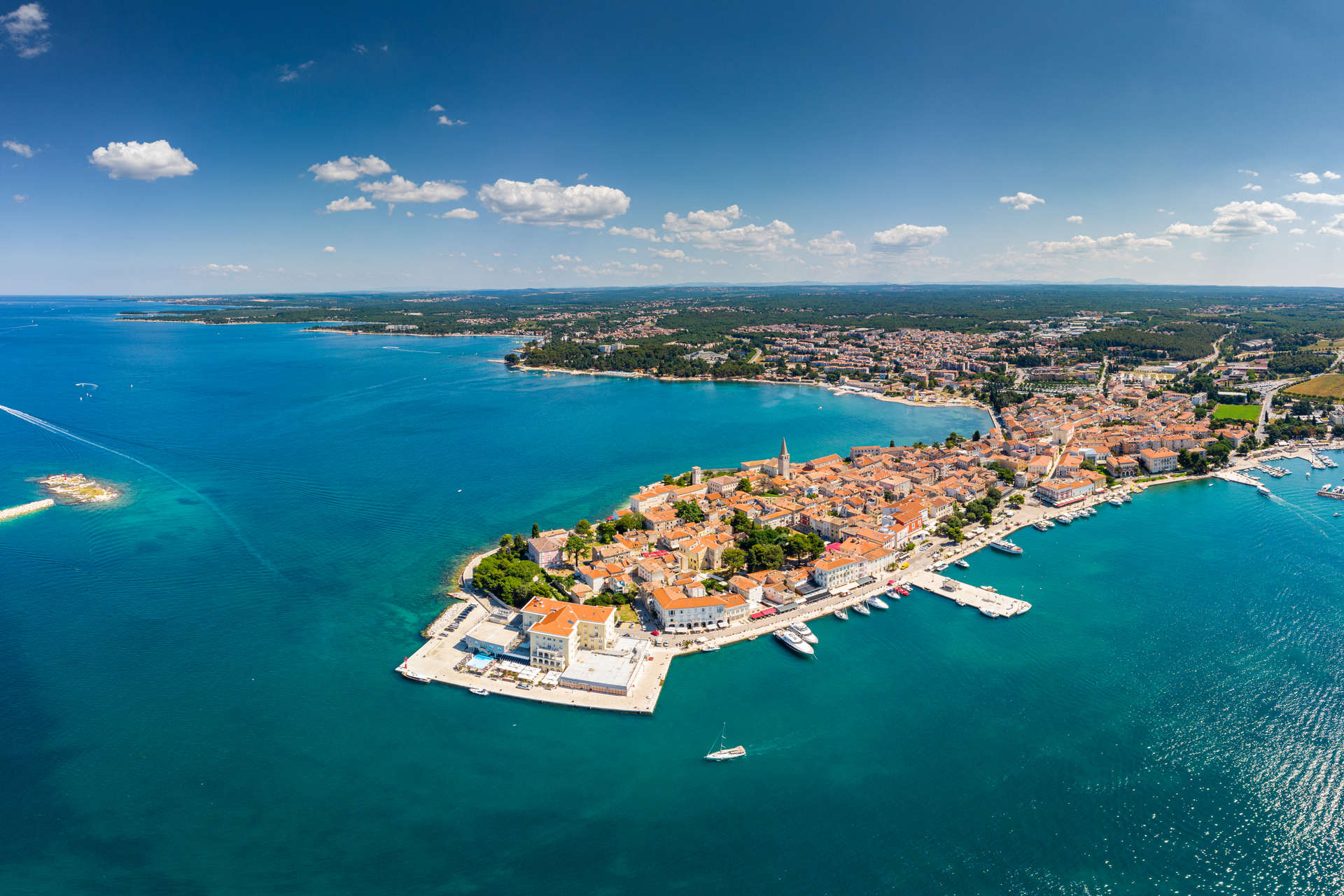
Rovinj, on Croatia's Istrian Peninsula, captivates with its stunning coastal views, historic old town, and vibrant arts scene. This charming town offers a perfect mix of relaxation and adventure, featuring beautiful beaches, lively markets, and excellent dining options. Explore the narrow, winding streets of the old town, enjoy a day on the water, or savor the local cuisine. Rovinj promises a memorable holiday experience. Plan your perfect getaway and discover all that this beautiful town has to offer.
Enjoy access to special prices, only available on package deals.
Choose from thousands of flights, hotels and stays.
Book with a small deposit and pay the rest later.
Quickly add insurance, luggage, rental cars and more.
You are protected
Book the best deals on holidays to Rovinj today!
Flight time: There are no flights to Rovinj. Flights to Pula, the nearest airport, take about 2 hours 15 minutes from London. There are also flights available from other major UK airports.
Transfer time:
From Pula Airport, the bus journey to Rovinj takes around 40 minutes.
A taxi directly to Rovinj takes about 30 minutes.
Price:
The airport bus costs around €25 one-way.
A taxi fare ranges from €40 to €50.
This depends on your tolerance for heat and crowds, and whether you wish to soak up the festival atmosphere during peak season, or prefer a quieter time to take in the town’s historical aspects.
April to June:
A wonderful time to visit Rovinj if you enjoy fewer tourists but don’t mind the heat, with temperatures typically from 18°C to 25°C.
There’s plenty of sunshine (8 to 10 hours daily) and minimal rainfall (20–50mm).
July to August:
Peak season when temperatures can soar to 30°C or higher.
There are around 12 hours of daily sunshine and rainfall is rare.
The city is busy with visitors during these months, especially during events such as the Salsa Festival.
September to October:
Although still fairly busy, the shoulder season remains a good time to visit Rovinj, with the full range of attractions still open for business.
Temperatures typically range from 18°C to 26°C and you can expect about 7 to 9 hours of sunshine.
Rainfall increases slightly, ranging from 50mm to 100mm.
November to March:
Although still mild, with temperatures around 10°C to 15°C, rainfall is slightly higher (60–120mm).
However, the town is much quieter and accommodation prices are lower.
Spoken languages: Croatian is the official language but Italian is also widely spoken - street signs here are bilingual.
Local habits and customs: Croatians are welcoming and gregarious. Greeting people with a smile and saying “dobar dan” (good day) will be much appreciated. Tips (napojnice) are not obligatory, but if you’ve had a round of drinks or a full meal, it’s polite to round up the bill by 10 percent or to the nearest convenient figure.
Currency: The official currency is the Euro. ATMs are widely available, and credit cards are accepted in most places.
Getting around: Rovinj is small enough to be easily walkable, but bikes and scooters are good fun and can be rented from Planet, Sveti Križ 1.
Electricity and plug types: Wall sockets in Croatia operate at 220 volts and take round, two-pin plugs. British and US travellers should bring a continental adaptor.
Time zone: Rovinj is in the Central European Time (CET) zone, which is 1 hour ahead of GMT, and observes Daylight Saving Time.
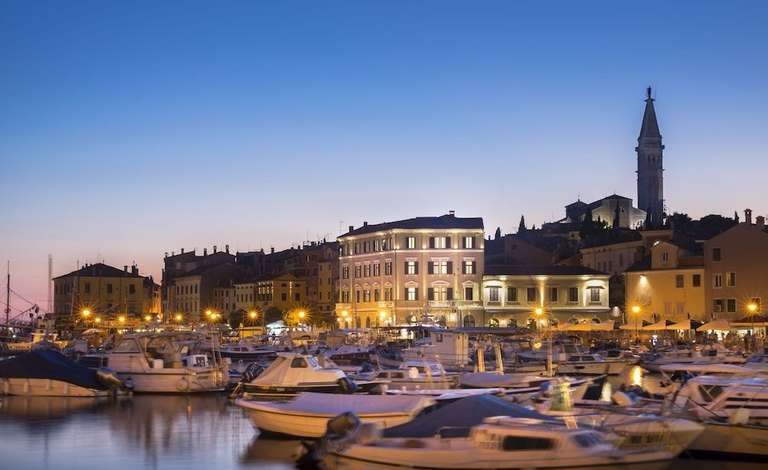
A pretty peninsula town of sloping alleys, Venetian architecture and lip-smacking seafood, Rovinj is the most laid back and chic of the settlements along the tourist-thronged Istrian coast.
St. Euphemia's Church: Presiding over the summit of Rovinj’s peninsula is the 18th-century St Euphemia’s Church, whose 58m-high tower – said to be modelled on that of St Mark’s in Venice – affords sweeping views from the top of its stumpy peninsula.
Sveta Katarina: Head across to this diminutive island for sensational sunset views of the Old Town.
Gisia and the Old Town: Rovinj’s most famous thoroughfare, Grisia, passes through a cute Baroque archway before climbing steeply through the heart of the Old Town, where most atmospheric streets can be found.
Town Museum: Despite some marvellous archaeological oddments, model ships and antique furniture, it’s the wide-ranging art collection that stands out.
The Batana House: Honouring the tiny, flat-bottomed fishing boats in which Rovinj fishermen used to ply their trade, this is a masterful example of how to pay tribute to a local community and its living heritage.
Zlatni rt Forest Park: Planted by the local Hütterott family in the early 20th century and crisscrossed by walking and cycling trails, the Golden Cape is a lovely strolling area.
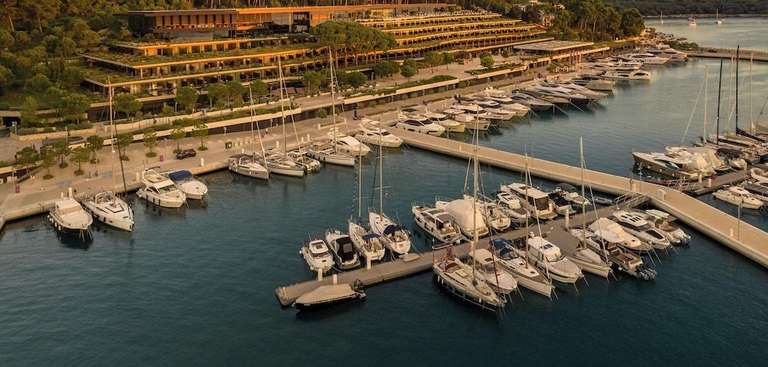
Rovinj’s harbour: While not a traditional park, the harbour area is beautifully landscaped with palm trees and flowers - a lovely place to sit and watch the boats drift in and out.
Franciscan Monastery: Fashioned in a dramatic Baroque style atop a mound, the monastery’s highlights include its museum, which is home to more than 200 18th- and 19th-century paintings and a collection of old robes and other ecclesiastical artefacts.
Balbi’s Arch: A simple structure with much historical resonance, this elegant arch dates back to Venetian times and is a great spot for a photo.
Pula: Scattered with Roman-era oddities, including one of the best-preserved amphitheatres in the Mediterranean, Istria’s self-possessed port city never feels like a resort. Discover our deals on holidays to Pula.
Brijuni Islands: The Brijuni archipelago lies off Istria’s west coast, a 15-minute boat journey from Fažana, just north of Pula – this idyllic offshore paradise once served as President Tito’s personal holiday resort.
Although a relatively small town, there is still plenty for families to do on holidays to Rovinj, whether in the town itself, along the coast or in the interior.
Beaches: Paths on the south side of Rovinj’s busy harbour lead around the headland and past the Monte Mulini and Lone hotels to Lone Bay, a sequence of small pebbly inlets and rocky slabs lapped by clear water.
Aquarium and zoos: Dominating the waterfront on the northern side of Rovinj, the town aquarium dates back to 1891, making it one of the oldest in Europe. It’s also one of the better examples of a marine tourist attraction with serious educational intent.
Boat trips: Sign up for one of the numerous boat excursions to the Limski Canal, which usually includes a fish picnic en route.
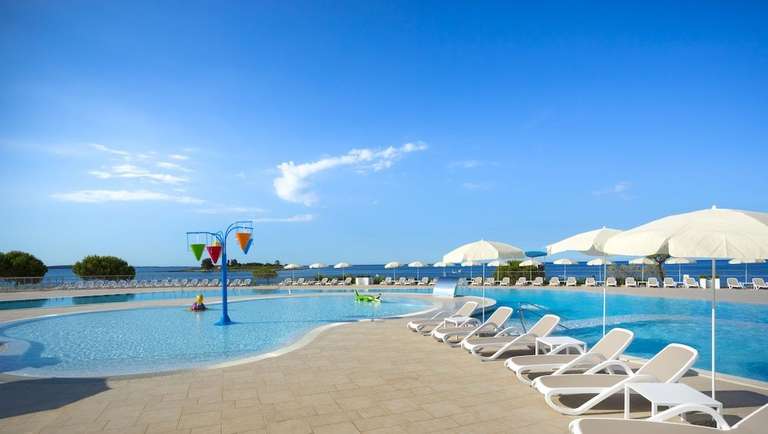
Aquaparks: The huge pools and splashy attractions of the Istralandia aquapark represent a fun family outing: from large shallow-water pools to additional thrills in the shape of the “Kamikaze” (the highest waterslide in Croatia), this is an absolute blast.
With gorgeous beaches, promenade strolls and festivals, there are many ways to enjoy your Rovinj holidays for free.
Beaches: A couple of fantastic free bathing spots can be found on the two islands just offshore from Rovinj – Sveta Katarina, the nearer of the two, and Sveti Andrija (connected by a causeway to the smaller Crveni otok or Red Island); both can be reached by ferry.
Free tours: Free Spirit Walking Tours offer 90-minute long guided tours of the town, taking in all the key sites; gratuities are optional.
Free events: Rovinj’s cultural calendar is packed with free events, though by far the most fun is the Salsa Festival in June, featuring live concerts, open-air dancing, instructor workshops and beach and boat parties.
Whether it’s big walks, big waves or a deep sea dive, Rovinj is well geared up for those seeking a more adventurous holiday.
Hiking: Rovinj lies within striking distance of numerous ranges, though most people rate the Limjski Fjord – a submerged river valley – for its superb treks.
Snorkelling and diving: The crystal clear waters off Zlatni rt are ideal for a spot of snorkelling, but if it’s a serious adrenaline rush you seek, the Puffer Dive Centre offers escorted dives down to the wreck of the Baron Guatsch, a Habsburg passenger ship sunk during World War I.
Catamaran trips: Fancy a quick side trip to Italy? During high season Venezia Lines runs a weekly catamaran service from Rovinj to Trieste and Venice.
Zipline: Adrenaline junkies should head to Pazin, bang in the middle of the Istrian peninsula and the site of a 220m-long zipline running high above the gorge.
Rovinj, located on the stunning Istrian Peninsula, offers a variety of beautiful beaches perfect for sunbathing, swimming, and enjoying the clear Adriatic waters. Here’s a guide to some of the top beaches you can explore during your Rovinj holidays:
Mulini Beach is one of Rovinj's most popular beaches, located near the town centre and close to the luxurious Monte Mulini hotel. This beach features a combination of smooth concrete and natural rocks, providing a unique and comfortable sunbathing experience. It’s also equipped with a beach bar, restaurants, and various water sports facilities, making it ideal for a fun and relaxing day by the sea.
Situated within the picturesque Zlatni Rt Forest Park, Lone Bay Beach is a favourite among both locals and tourists. This pebbly beach is surrounded by fragrant pine forests and offers a serene environment for swimming and sunbathing. The clear waters are perfect for snorkelling, and there are facilities like deck chair rentals and a small beach bar for refreshments.
Zlatni Rt Beach, also known as Golden Cape, is part of the Zlatni Rt Forest Park and is one of the largest and most visited beaches in Rovinj. The beach features a mix of rocks and pebbles, with plenty of shaded areas provided by the surrounding pine trees. It’s a great spot for families and those looking to enjoy nature while swimming in the calm, clear waters.
Located about 4 kilometres from the old town, Borik Beach offers stunning views of Rovinj and a tranquil setting. This pebbly beach is popular for its clear water and well-maintained surroundings. Behind the beach, you’ll find several restaurants and bars, as well as facilities like sun loungers and umbrellas for hire, making it a convenient and enjoyable beach destination.
Punta Kriz is a more secluded and peaceful beach, perfect for those looking to escape the crowds. Located on a rugged peninsula north of the old town, this beach is accessible mainly by foot or bicycle, adding to its charm and tranquillity. The rocky shoreline and clear waters make it an ideal spot for picnics and watching sailboats drift by.
Cisterna Beach, though more remote, offers a serene and picturesque setting with its smooth, white stones and turquoise waters. It’s accessible by car and provides a quiet escape with beautiful views, especially at sunset. The beach is popular for its calm waters, making it suitable for paddleboarding and wading.
Each of these beaches offers something unique, ensuring that your Rovinj holidays are filled with memorable beach experiences. Whether you prefer bustling beaches with plenty of amenities or secluded spots surrounded by nature, Rovinj has a beach for every type of traveller.

There are more seafood restaurants in Rovinj than you can shake a fishing line at, some of which have an Istria-wide reputation for good food.
Truffles: A subterranean fungus whose delicate taste – part nutty, part mushroomy, part sweaty sock – has made it a highly prized delicacy among the foodie fraternity.
Pasta: Nowhere is the Italian influence more obvious than in its Fuži (pasta twists) and njoki (gnocchi) dishes, often freshly made by hand in the more traditional country inns.
Istrian maneštra: A gut-busting vegetable stew at the heart of which are beans and potatoes - with a bit of meat occasionally thrown in.
Pršut: This dry-cured ham is a local delicacy, often served thinly sliced. It pairs beautifully with cheese and olives.
Ombolo: A traditional Istrian pork loin that is cured and then grilled, served with sauerkraut or polenta.
Brodet: A mouthwatering fish stew comprising various types of fish, to which tomatoes and wine are added. It is typically served with polenta.
Oysters: Much prized here in Istria, oysters (oštrige) from the Limski Canal are, according to many, the finest in Croatia.
Burek: A flaky pastry packed with minced meat, cheese or spinach that’s perfect for a quick snack on the go – and it’s hugely filling too.
Fritule: Small doughnuts flavoured with rum and citrus zest and dusted with powdered sugar – the perfect sweet street treat.
Kroštule are deep-fried pastry twists dusted with powdered sugar, often enjoyed during festive occasions, while perennial favourites are palačinke, thin pancakes filled with various sweet fillings like chocolate, jam and nuts.
Biska: A typical Istrian spirit, this aphrodisiac mistletoe brandy is associated with the region around Buzet and Hum.
Istrian wine: Best known of Istria’s wines is the crisp white Malvazija, produced all over the peninsula. Equally drinkable is Teran, a characterful indigenous red.
Rakija: The rakija here is slightly different to the rest of Croatia, in that it comes in honey and mistletoe varieties, and is renowned for its sweet flavour and yellow-brown tint.
The most popular places to visit in Rovinj are: St Thomas Church, Church of St. Benedict, Balbi's Arch.
Rovinj is the ideal destination for Beach.
The exact flight duration to Rovinj varies depending on the departure airport in the UK. It takes approximately 2h5m to fly from London to Rovinj.
Booking a flight + hotel package to Rovinj with lastminute.com offers several advantages. By booking both services together, you can take advantage of exclusive deals and choose from thousands of flights and accommodations for the perfect combination. Additionally, you can secure your vacation with a deposit and pay the remaining amount later. You also have the flexibility to add other travel extras such as insurance, rental cars, and luggage to the flight + hotel package as per your preferences.
Before travelling from the UK to Rovinj, ensure your passport is valid for the duration of your stay. To get the latest Visa information for Rovinj, please check travel advice on GOV.UK.
Travel with us
Secure payment