|
|
Discover the fascinating appeal of Pula on your next holiday. This horizon-expanding city presents an abundance of history, culture, and natural beauty. Nestled along Croatia's Istrian Peninsula, Pula is known for its impressive first-century Roman amphitheater, a unique site that hosts lively concerts and film festivals in the modern era. Dive into the clear Adriatic Sea, or relax on the warm pebbly beaches. Explore the lush Sijana Forest Park with diverse plant and animal life and various trekking trails. Don't miss the Temple of Augustus, a testament to Roman architectural prowess. Sample freshly caught seafood, paired with the region's renowned wine at local eateries. Pula's unique blend of cultural history and natural wonders makes it a captivating choice for holiday seekers, offering unforgettable memories.
Enjoy access to special prices, only available on package deals.
Choose from thousands of flights, hotels and stays.
Book with a small deposit and pay the rest later.
Quickly add insurance, luggage, rental cars and more.
You are protected
Book the best deals on holidays to Pula today!
Flight time: Flights to Pula from London typically take about 2 hours 30 minutes, with flights from other UK airports also available.
Transfer time: From Pula Airport, the airport shuttle bus takes about 15 minutes to reach the city centre. Taxis are another option, taking approximately 15–20 minutes.
Price:
The airport shuttle bus costs €6 one way.
A taxi from the airport to the city centre will cost around €20–€25.
April to June
A wonderful time to visit Pula if you enjoy fewer tourists but don’t mind the heat, with temperatures typically from 18°C to 25°C.
There’s plenty of sunshine (8 to 10 hours daily) and minimal rainfall (20–50mm).
July to August
Peak season when temperatures can soar to 30°C or higher; there are around 12 hours of daily sunshine and rainfall is rare.
The city is very busy with visitors during these months, especially during the various festivals.
September to October
Although still fairly busy, the shoulder season remains a good time to visit Pula, with the full range of attractions still open for business.
Temperatures typically range from 18°C to 26°C and you can expect about 7 to 9 hours of sunshine.
Rainfall increases slightly, ranging from 50mm to 100mm.
November to March
Although still incredibly mild, with temperatures around 10°C to 15°C, rainfall is slightly higher (60–120mm).
However, the city is much quieter and accommodation prices are lower.
Spoken languages: Croatian is the official language, but Italian is also widely spoken here. As one of Croatia’s most popular destinations with foreigners, English is spoken throughout the city.
Local habits and customs: Croatians are welcoming and gregarious. Greeting people with a smile and saying “dobar dan” (good day) will be much appreciated. Tips (napojnice) are not obligatory, but if you’ve had a round of drinks or a full meal, it’s polite to round up the bill by ten percent or to the nearest convenient figure.
Currency: The official currency is the Croatian Kuna (HRK). ATMs are widely available, and credit cards are accepted in most places.
Getting around: Pula is small enough to be easily walkable but, should you need them, city buses use the main bus terminal – although most also run through the central street, Giardini. Single journey tickets are bought from the driver.
Electricity and plug types: Wall sockets in Croatia operate at 220 volts and take round, two-pin plugs. British and US travellers should purchase a continental adaptor before leaving home.
Time zone: Pula is in Central European Time (CET), which is one hour ahead of GMT. Daylight Saving Time is observed.
Scattered with Roman-era oddities, including one of the best-preserved amphitheatres in the Mediterranean, Pula is an engaging combination of working port and brash Riviera town.
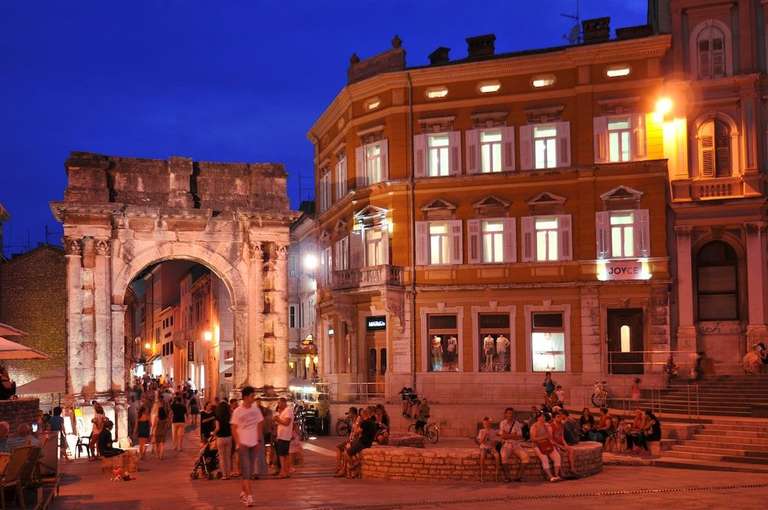
Amphitheatre: The chief reminder of Pula’s Roman heritage is the immense amphitheatre, a huge grey skein of connecting arches whose silhouette dominates the city skyline.
Via Sergia: The historic heart of Pula, running beneath a pyramidal hill, Via Sergia is packed cheek-by-jowl with Roman treasures.
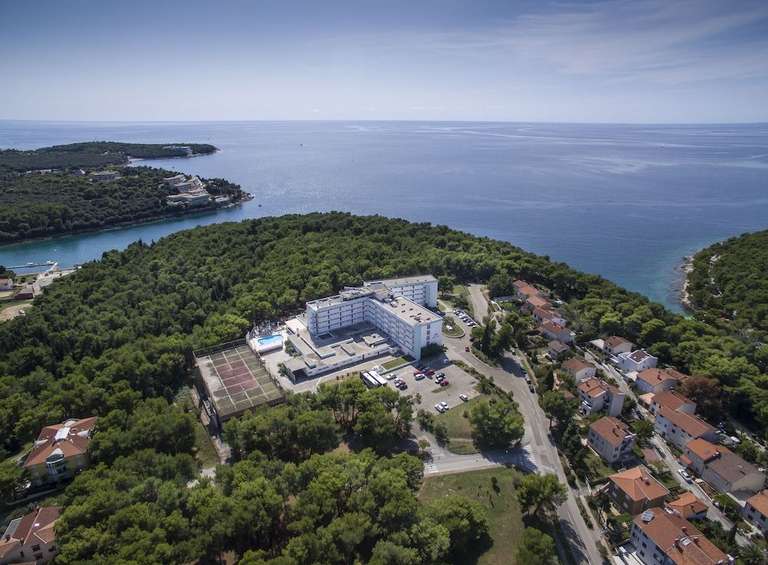
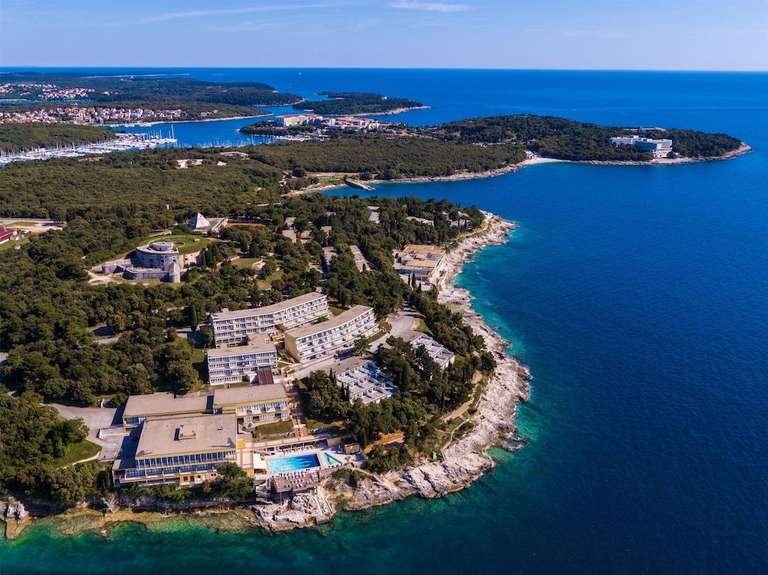
Verudela: The wooded Verudela peninsula is bordered to the east by the lovely Verudski Kanal inlet, home to Pula’s marina, but is otherwise a very pleasant area to roam.
MEMO: Museum of Good Memories: An innovative multimedia museum of social history, MEMO presents daily life from the 1950s to the 1980s as told through the eyes of an imaginary local family.
Sveta Srca: This outstanding gallery space occupying the restored former Church of the Hearts of Jesus and Mary hosts a wide variety of exhibitions, from local history to contemporary art.
Pula Amphitheatre: Imperial Rome’s greatest gift to the eastern Adriatic, this awesome arena still serves as the venue for pack-’em-in summertime concerts.
Post Office: Pula’s main post office is a celebrated piece of modernist architecture designed by Angiolo Mazzoni in 1933 – the architect’s Futurist leanings are evinced by the staircase spiralling awesomely upwards from the dark red vestibule.
Temple of Augustus: One of the finest Roman temples outside Italy, with an imposing facade of high Corinthian columns – and, inside, a permanent exhibition of the best of Pula’s Roman finds.
Brijuni Islands: The Brijuni archipelago lies off Istria’s west coast, a 15-minute boat journey from Fažana, just north of Pula – this idyllic offshore paradise once served as President Tito’s personal holiday resort.
Cape Kamenjak: A bleak, scrub-covered finger of land some 13km beyond the city limits at the southernmost tip of the Istrian peninsula, Kamenjak is protected as a Nature Park, and boasts a variety of secluded coves and beaches.
Rovinj: In this eminently enjoyable medieval port, tall stone houses overlook cobbled alleys and dappled piazzas, while the harbour is a likeable mix of fishing boats and swanky yachts. Discover the best deals on holidays to Rovinj.
Pula holidays have a great deal to offer families, whether it’s those with kids fascinated by Roman history or those whose family members are seeking more leisurely pursuits.
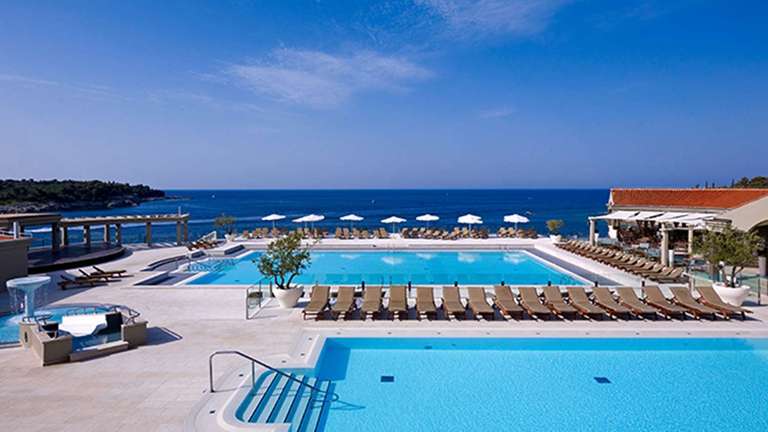
Beaches: Pula boasts numerous family-friendly beaches with shallow waters and plenty of amenities: the pick of these are Ambrela Beach and Hawaii Beach in Verudela.
Historical monuments: Kids will love the awe-inspiring amphitheatre, especially when it hosts gladiator-themed tours and events – though nothing beats an open-air film on a balmy evening.
Interactive Museums: The family-oriented Museum of Good Memories takes visitors through themes such as work, play, domestic life, food, sport and entertainment. It’s definitely a bit of a nostalgia-fest, but it’s educational and eye-opening at the same time.
Aquariums and zoos: Uniquely located in the Verudela Fortress, this aquarium runs educational programmes alongside its regular duty of presenting Adriatic, European and tropical marine and freshwater sea life.
Parks and gardens: Pula is replete with fabulous green spaces, but with its swings, slides and a well-equipped playground, Tito Park is the one the locals gravitate to.
One of the great joys of holidays to Pula is the opportunity to soak up the city’s Roman history, for which you won’t have to pay a penny, and there are many other ways in which you can go easy on your wallet.
The Lighting Giants: The cranes of the old Uljanik shipyard are illuminated on the hour every summer evening, with musical accompaniment on special occasions to produce a unique, industrial son et lumière – an unmissable, and free, spectacle.
Beaches: Pula’s best free beaches are at Verudela, although the rocky shores of Valkane and Valsaline are also popular with the locals.
Free events: Pula’s calendar is packed with free cultural events and open-air concerts throughout the year, the big one being the Pula Film Festival, which does have a few free screenings. February’s carnival is a more riotous affair – don’t expect to get much sleep.
Visit the markets: Take a gander through Pula’s historic Market Hall to experience the local culture and perhaps take the opportunity to try some free food tasters.
Whether it’s big walks, big waves or cave exploration by kayak, Pula is well geared up for those seeking a more adventurous holiday.
Hiking: Pula lies within striking distance of numerous ranges, though most people rate the Limjski Fjord – a submerged river valley – for its superb treks.
Water sports: Head to nearby Medulin where you can learn how to sail, windsurf, waterski or dive – if all that sounds like too much hard work, you can jump on an inflatable banana boat instead!
Zipline: Adrenaline junkies should head to Pazin, bang in the middle of the Istrian peninsula and the site of a 220m-long zipline running high above the gorge.
Cave Exploration: Formed through natural erosion over millennia, the Deep Water Boulder Cave’s atmospheric caverns can be visited on a guided tour, but if you’re feeling brave enough, go it alone in a kayak.
Pula, a picturesque coastal town in Istria, Croatia, is known for its stunning beaches that attract visitors from around the world. Whether you’re looking for a lively beach with plenty of amenities or a secluded cove for a peaceful retreat, Pula offers a variety of beach experiences to suit all preferences. Here’s a guide to some of the best beaches you can explore during your Pula holidays.
Located on the Verudela Peninsula, Ambrela Beach is one of Pula’s most popular spots. This pebble beach is well-equipped with amenities, including sun loungers, parasols, showers, and changing rooms. The clear, shallow waters make it ideal for families with children, and there’s a lifeguard on duty for added safety. Nearby, you’ll find cafes and restaurants where you can enjoy refreshments and local cuisine.
Histria Beach, also situated on the Verudela Peninsula, offers a mix of pebbles and rocky areas, providing a unique beach experience. The crystal-clear waters are perfect for swimming and snorkelling, allowing you to explore the vibrant marine life. The beach is surrounded by lush greenery, creating a scenic and tranquil environment. Facilities include sunbeds, parasols, and a beach bar for snacks and drinks.
For those seeking a lively beach atmosphere, Valkane Beach is a great choice. Located near the city centre, this beach offers a blend of pebbles and concrete sunbathing areas. It’s popular among both locals and tourists, providing a vibrant and energetic environment. Valkane Beach is accessible for people with disabilities and offers a range of activities such as beach volleyball, water sports, and a playground for children.
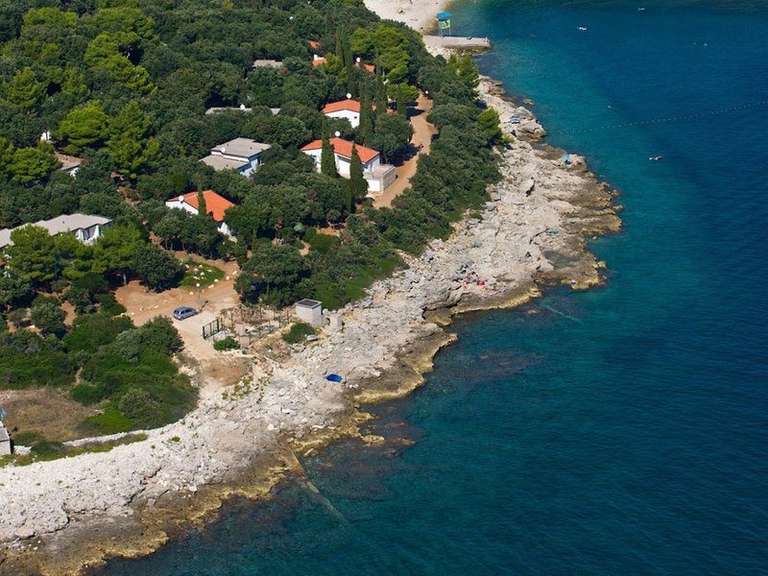
Hawaii Beach, also on the Verudela Peninsula, is known for its stunning turquoise waters and dramatic rocky landscape. This beach is perfect for those who enjoy a more rugged and natural setting. It’s a great spot for snorkelling and diving, thanks to the rich underwater life. While the beach is less commercialised, it offers a peaceful escape from the busier beaches in Pula.
Gortanova Uvala, located near the Lungomare promenade, is a beautiful bay offering a mix of pebbles and rocky shores. This beach is surrounded by pine forests, providing natural shade and a refreshing atmosphere. The calm and clear waters are ideal for swimming, and the scenic surroundings make it a perfect spot for a relaxing day by the sea.
Sun Protection: The Croatian sun can be intense, so make sure to use sunscreen, wear a hat, and bring sunglasses to protect yourself.
Water Safety: Always pay attention to local safety signs and guidelines, especially if you’re not familiar with the area.
Amenities: Many beaches in Pula offer rental services for sun loungers and parasols. Bringing some cash can be useful as not all vendors accept cards.
Snorkelling Gear: If you enjoy snorkelling, consider bringing your own gear to explore the underwater beauty of Pula’s beaches.
Pula’s beaches offer a perfect blend of natural beauty, recreational activities, and relaxation. Whether you’re looking to lounge on a sunbed, explore the underwater world, or simply enjoy the stunning coastal views, Pula has a beach for everyone. Plan your visit to these beautiful beaches and make the most of your Pula holidays.

The Istrian peninsula is a cornucopia of culinary riches, with the coastal seafood melding with the hearty meat-based dishes of Central Europe; culinary standards are high and ingredients are first class.
Truffles: The most celebrated of Istria’s gastronomic delights, this smelly fungus deserves to be tasted at least once.
Pasta: Nowhere is the Italian influence more obvious than in its Fuži (pasta twists) and njoki (gnocchi) dishes, which are often freshly made by hand in the more traditional country inns.
Peka: A traditional dish of meat (often lamb or octopus) and vegetables cooked under a bell-like dome covered with hot coals, resulting in tender, flavourful fare.
Pršut: This dry-cured ham is a local delicacy, often served thinly sliced. It pairs beautifully with cheese and olives.
Brodet: A mouthwatering fish stew comprising various types of fish, to which tomatoes and wine are added. It is typically served with polenta.
Oysters: Much prized here in Istria, oysters (oštrige) from the Limski Canal are, according to many, the finest in Croatia.
Burek: A flaky pastry packed with minced meat, cheese or spinach that’s perfect for a quick snack on the go – and it’s hugely filling too.
Fritule: Small doughnuts flavoured with rum and citrus zest and dusted with powdered sugar – the perfect sweet street treat.
Kroštule are deep-fried pastry twists dusted with powdered sugar, often enjoyed during festive occasions, while perennial favourites are palačinke, thin pancakes filled with various sweet fillings like chocolate, jam and nuts.
Biska: A typical Istrian spirit, this aphrodisiac mistletoe brandy is associated with the region around Buzet and Hum.
Istrian wine: Best known of Istria’s wines is the crisp white Malvazija that is produced all over the peninsula, but equally drinkable is Teran, a characterful indigenous red.
Rakija: The rakija here is slightly different to the rest of Croatia, in that it comes in honey and mistletoe varieties, and is renowned for its sweet flavour and yellow-brown tint.
The most popular places to visit in Pula are: Pula Arena, Temple of Augustus, Brijuni National Park.
Pula is the ideal destination for beach holidays.

The exact flight duration to Pula varies depending on the departure airport in the UK. It takes approximately 2h5m to fly from London to Pula.
Booking a flight + hotel package to Pula with lastminute.com offers several advantages. By booking both services together, you can take advantage of exclusive deals and choose from thousands of flights and accommodations for the perfect combination. Additionally, you can secure your vacation with a deposit and pay the remaining amount later. You also have the flexibility to add other travel extras such as insurance, rental cars, and luggage to the flight + hotel package as per your preferences.
Before travelling from the UK to Pula, ensure your passport is valid for the duration of your stay. To get the latest Visa information for Pula, please check travel advice on GOV.UK.
Travel with us
Secure payment