Spoken languages: French is the official language, but you will also hear Corsican spoken. English is not as widely understood, so learning a few basic French phrases can be helpful.
Local habits and customs: Corsicans value their traditions and a relaxed pace of life; for example, siestas are common, and many shops close in the early afternoon.
Health and safety: Whilst Corsica does have a reputation for crime, this is generally confined to local gangs. But still be wary in busy tourist areas. Emergency services can be reached by dialling 112.
Currency: The Euro is used in Corsica. ATMs are widely available, and credit cards are accepted in most places.
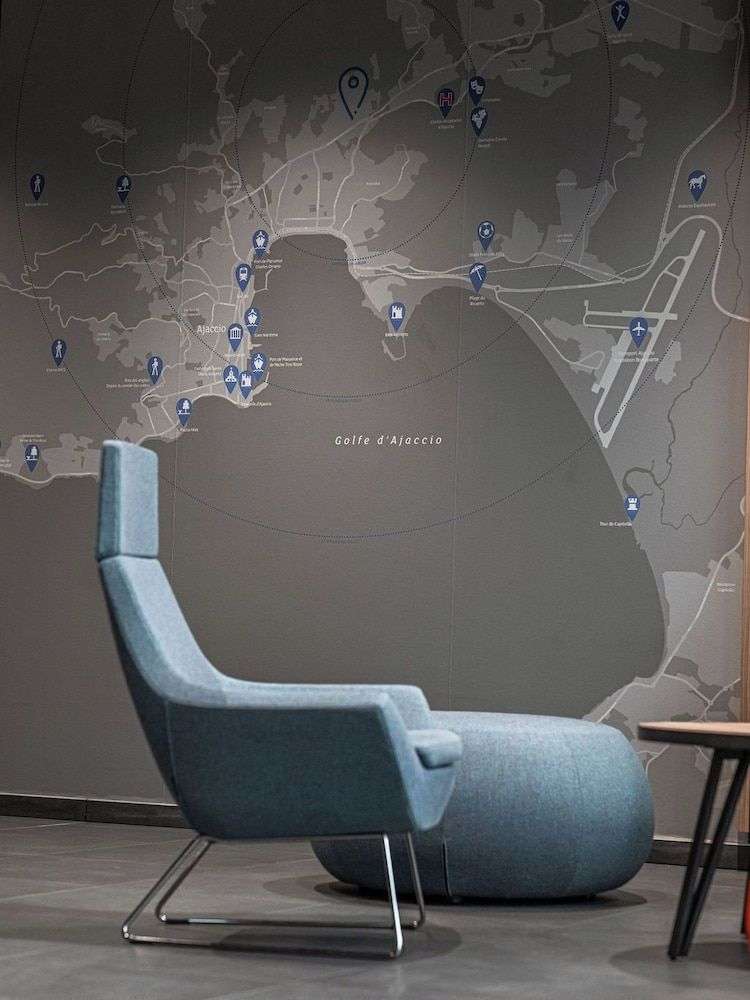
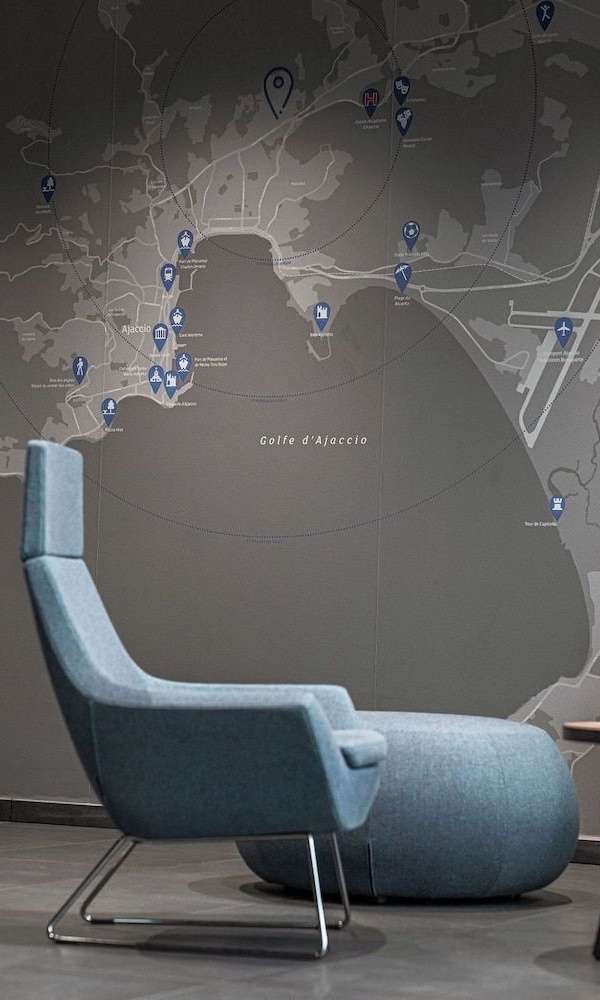
Getting around: The city is walkable, with attractions like Maison Bonaparte and the cathedral within easy reach. Public buses cost €1.50 per trip, and multi-day passes are available at local ticket offices. Line 5, which crisscrosses the city, runs a few times hourly from place de Gaulle to Parata, for the Îles Sanguinaires. There are regular buses to Bonifacio and Porto Vecchio, and the regional train service runs to Bastia and Calvi, but renting a car is the best way to explore off the beaten track.
Electricity and plug types: Corsica uses the standard European 220V supply with two-pin plugs. UK travellers need a plug adaptor.
Time zone: Corsica is in the Central European Time zone (CET), which is 1 hour ahead of GMT. Daylight Saving Time is observed.
Required travel documentation: UK travellers need a valid passport to enter France. No visa is required for stays under 90 days within a 180-day period.