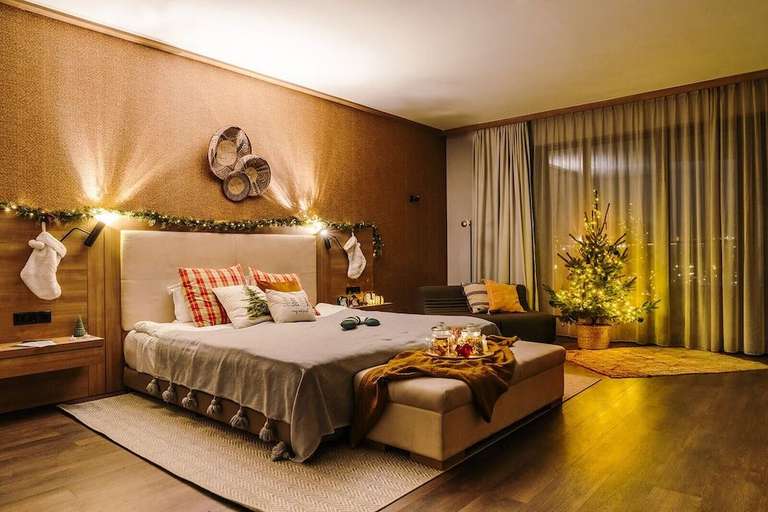
Celebrate cosy season — travel for up to £100 less this autumn with our vouchers.
Holidays to Sofia 2026/2027
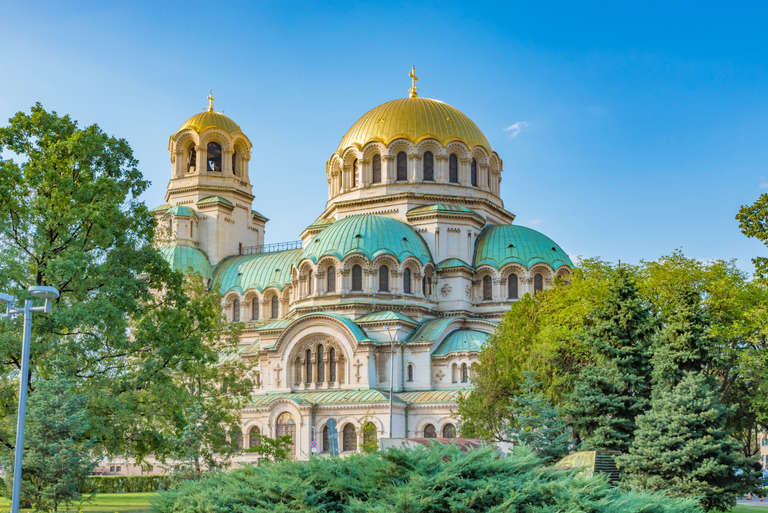
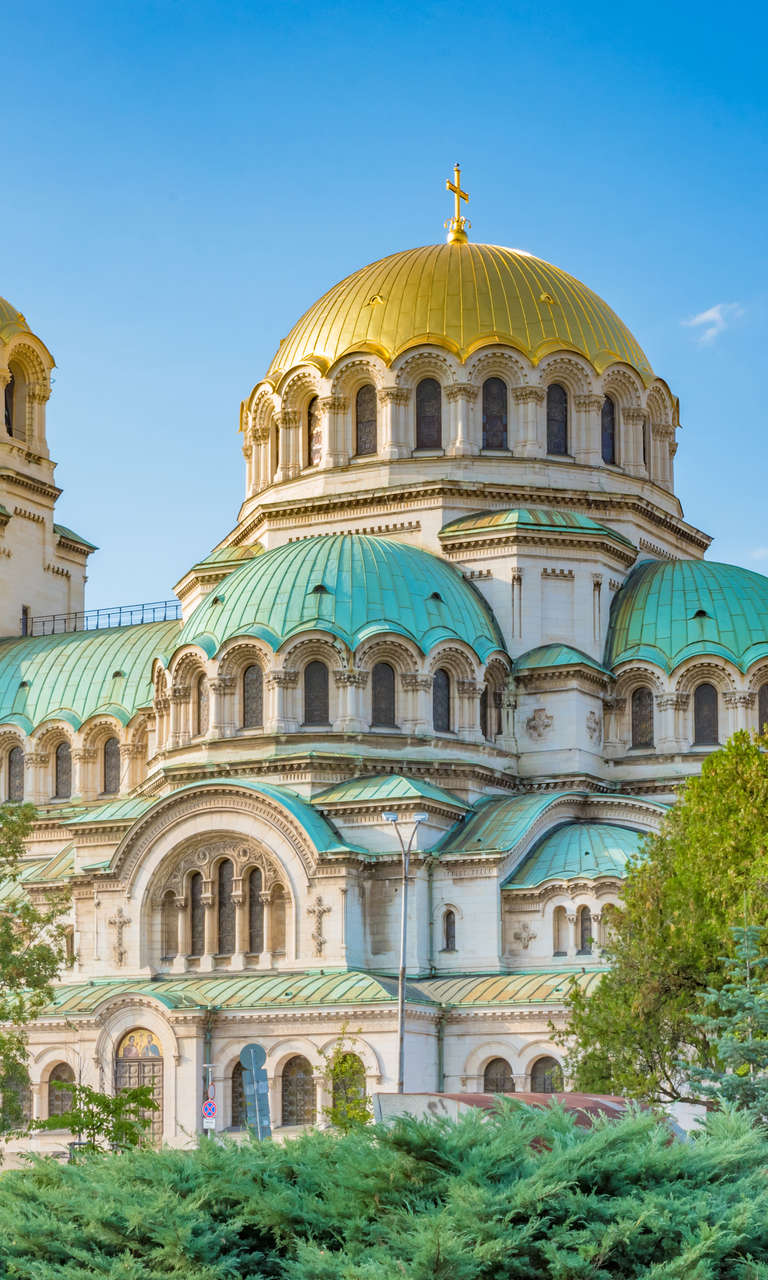
Planning a trip to Sofia? This dynamic city will captivate your imagination and steal your heart with its wide array of activities and sights. Sofia, the capital of Bulgaria, offers a blend of history, culture, and entertainment for all ages. Wander through streets echoing tales from Roman times and visit the iconic Alexander Nevsky Cathedral, a defining symbol of Sofia. Vitosha Boulevard, filled with boutiques and cafes, is a must-visit for shoppers. Savor traditional Bulgarian delicacies at diverse restaurants. For adventure seekers, hike the scenic Vitosha Mountain nearby. A holiday in Sofia promises an unforgettable experience!
How does booking Flight + Hotel make travel even better?
Combine and Save
Enjoy access to special prices, only available on package deals.
Tailor-made trips
Choose from thousands of flights, hotels and stays.
Spread the cost
Book with a small deposit and pay the rest later.
Everything you need
Quickly add insurance, luggage, rental cars and more.
Flight time:Flights to Sofia from London take about 3 hours. There are frequent flights from other major UK airports as well, including Manchester and Birmingham.
Transfer time: The best way to get into the city centre is to catch the metro from Terminal 2, which takes around 20 minutes, while bus #84 takes around 30 minutes.
Price: A taxi from Sofia Airport to the city centre costs approximately 20-25 BGN (£9-£11). The metro is a more economical choice, with tickets costing about 1.60 BGN (£0.70), which is the same price as the airport bus.
Weather and best time to visit Sofia
Sofia suffers from climatic extremes, with winters usually bitterly cold and summers often extremely hot. Deciding on when to take your Sofia holidays will depend on how much you enjoy the heat and the company of your fellow tourists.
April to June: This is one of the best times to visit, with mild and pleasant weather and temperatures ranging from 15°C to 25°C. Rainfall is moderate and you can expect around 8-10 hours of sunshine daily.
July to August: Peak summer season with temperatures often reaching 30°C or higher, yet despite the heat it’s a great time for al fresco dining in the city's many squares. There’s plenty of sunshine, with around 10-11 hours daily and minimal rainfall.
September to November: Autumn offers a more relaxed atmosphere, with temperatures cooling to a comfortable 15°C to 25°C, perfect for sightseeing without the summer crowds. Rainfall is relatively low, and there are about 6-8 hours of sunshine.
December to March: Cold winters with lots of snow are the norm in Sofia, with temperatures ranging from -5°C to 5°C. It is, though, an excellent time for winter sports in the nearby mountain resorts.
Practical information
Spoken languages: Bulgarian is the official language, but English is widely understood in tourist areas.
Local habits and customs: Bulgarians shake their heads when they mean “yes” and nod when they mean “no” Confusing? Absolutely. Dress modestly when visiting religious sites.
Health and safety: Sofia is generally safe, but the usual precautions against pickpocketing should be taken in crowded places. Healthcare facilities are good and pharmacies are widely available.
Currency: Bulgaria uses the Bulgarian Lev (BGN). ATMs are plentiful and credit cards are widely accepted.
Getting around: There’s a flat fare of 1.60 BGN on all urban routes, whether by bus (avtobus), trolleybus (troleibus), the two-line metro system, or tram (tramvai). Tickets (bileti) are sold from street kiosks and can be bought from machines on board trams or from the driver on buses.
Electricity and plug types: The standard continental 220 volts with two-pin plugs. UK travellers will need an adaptor.
Time zone: Sofia is in Eastern European Time (EET), which is 2 hours ahead of GMT and observes Daylight Saving Time.
Required travel documentation: UK travellers need a valid passport. No visa is required for short stays.
Read moreRead less
Best things to do in Sofia
The vibrant capital of Bulgaria, Sofia is a surprisingly energetic city, especially on fine days, when its lush public gardens and pavement cafés buzz with life.
Viewpoints and panoramas
Vitosha Mountain: Take the Simeonovo cable car to the top of this impressive wooded granite mass for superlative views.
The best districts
Vitosha Boulevard: Sofia’s main shopping street, Vitosha has long been a centre of commerce. Shops, cafés, street traders and surprisingly wide pavements make a stroll along this elegant boulevard a real joy.
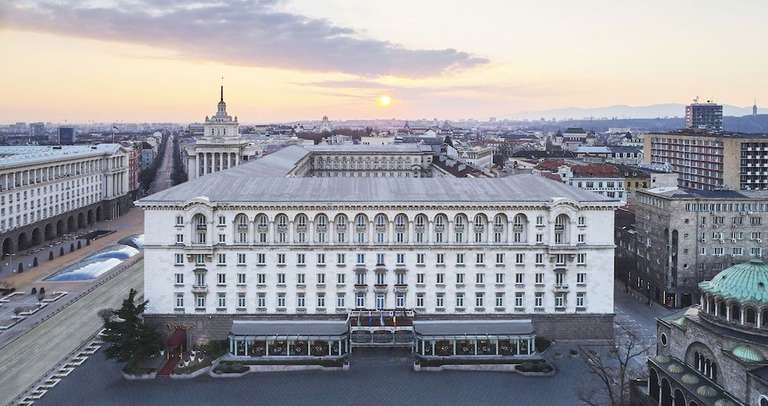
The Largo: An elongated plaza flanked on three sides by severe monumental edifices built in Soviet Classicist style, including the towering monolith of the former Party House.
Museums
Sofia History Museum: Highlights of its absorbing collection include a gleaming 1905 Mercedes owned by Prince Ferdinand I and an ornamental clock he received as a gift from Queen Victoria in the late 19th century.
Rakia Museum: In homage to the national beverage, here you can learn all about the history of the Bulgarian spirit and, naturally, taste various alcoholic elixirs at the same time.
Parks and gardens
Borisova Gradina: The largest park in Sofia has a rich variety of flowers and trees, outdoor bars, a couple of football stadiums and two huge Communist monuments.
Historical monuments
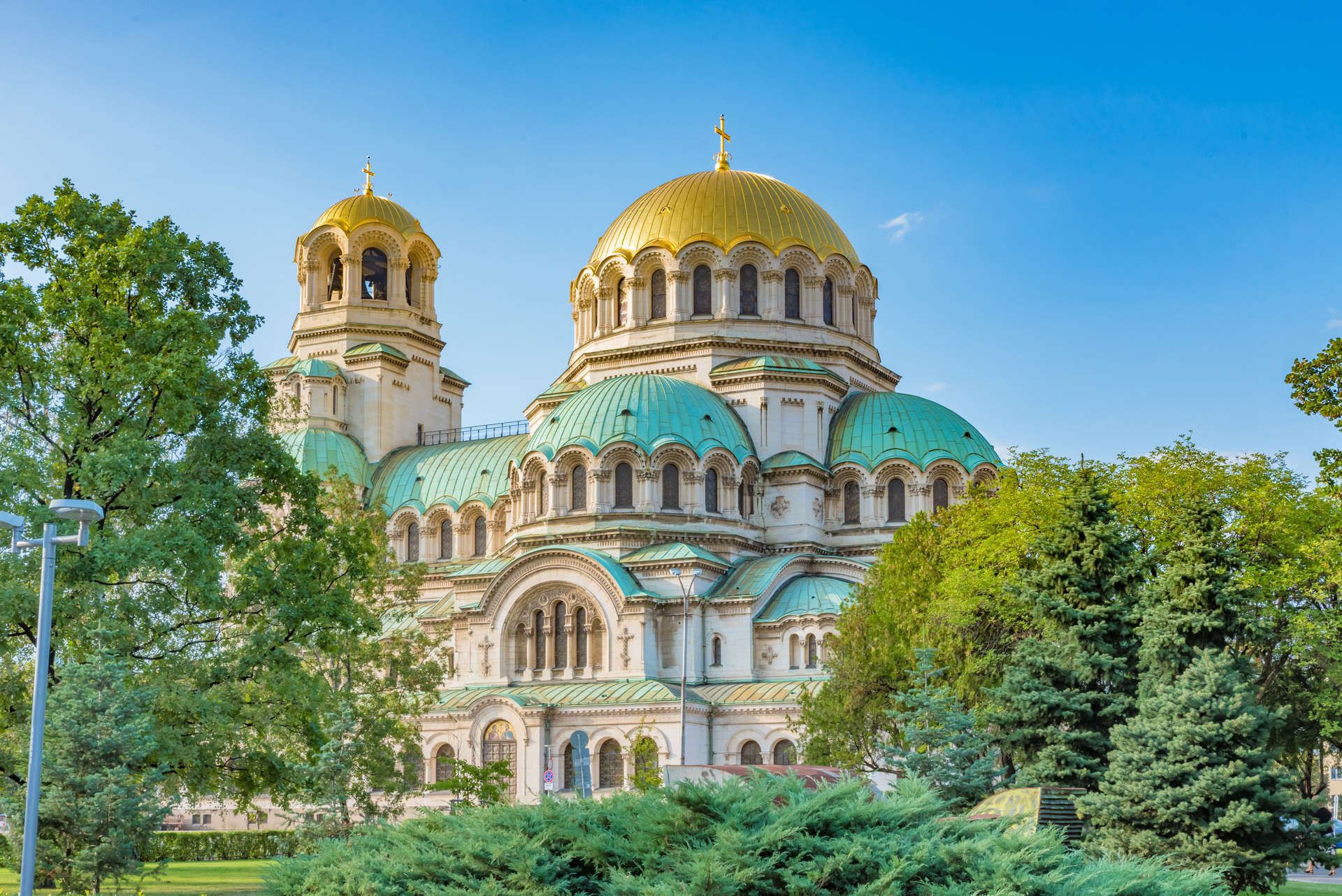
Aleksandar Nevski Cathedral: One of the finest pieces of architecture in the Balkans, it’s a magnificent structure, bulging with domes and semi-domes and glittering with gold leaf.
Banya Bashi Mosque: Built in 1576 by Mimar Sinan, who also designed the great mosque at Edirne in Turkey, the mosque is not officially open to tourists, but modestly dressed visitors may visit outside of prayer times.
Day trips in the area
Rila Monastery: A UNESCO World Heritage Site, this is the most celebrated of Bulgaria’s religious sites, famed for its fine architecture and mountainous setting. Unmissable.
Plovdiv: An easy day trip, Bulgaria’s second city possesses an old quarter stuffed with a wonderful mixture of National Revival mansions and classical remains.
Activities for families in Sofia
Holidays to Sofia are richly rewarding for those with kids, its mix of museums, parks and playgrounds complemented by a couple of attractions specifically aimed at families.
Interactive Museums: The pick of the city’s many family-friendly museums is the Museum of Illusions, an exceptional educational experience that’s enriched by interactive entertainment such as drawing with light, creating shadows and viewing the world upside down.
Parks and playgrounds: Yuzhen (or South) Park is a large green space popular with dog walkers, but throughout you can find various children's play areas, featuring bouncy castles, carousels and so on.
Adventure parks: At the Kokolandia Adventure Park in Borisova Gradina kids can work their way around an obstacle course high up in the trees while secured with ropes. There are also bouncy castles, trampolines and mini-golf if they fancy something a little less daunting.
Aquariums and zoos: Although a Socialist-era construct, the animals - including lions, tigers, panthers, elephants, rhinos and bears - are well looked after here.
Free things to do in Sofia
As a big city, there’s no shortage of free things to do, whether that’s joining a guided tour to get your bearings or having a gander around the local markets.
Walking tours: The best way to get a handle on the city is to take a guided walking tour with Free Sofia Tour, which offers daily two-hour sightseeing walks.
Parks and gardens: City Garden is a small park in the city centre close to the National Theatre where you can watch local chess players, listen to buskers or just chill at one of several cafés in the park area.
Markets: The city’s markets are great (free) fun: Zhenski bazaar is the city’s oldest and best outdoor market, where trinkets, fresh fruit, vegetables and other goodies can be browsed or bought on the cheap.
Nature and outdoor activities in Sofia
The city itself may not be a natural playground, but you don’t have to go far to find exciting adventures, not least in the neighbouring mountains.
Hiking: A wooded granite mass 20km long and 16km wide, Mount Vitosha is where Sofians go to hike; the ascent of its highest peak, the 2290m Cherni Vrah, has become a traditional test of stamina, so go on, give it a go.
Horse riding: Some of the trails in the nearby Rila Mountains pass through untouched forest areas and alongside staggering glacial lakes; there are also some seriously rocky options for experienced or adventurous riders.
Water sports: An artificial lake on the city outskirts, Pancharevo is a serious water sports hub, with kayaking, paddleboarding and sailing all potential activities for those so inclined.
Read moreRead less
Local dishes in Sofia
The city’s cuisine – a mix of Balkan, Turkish and Slavic influences – can appear meat-heavy at first, but on closer inspection, it’s tasty, great value and healthy.
Some typical dishes
Gyuvech: The best-known traditional dish is a rich stew comprising peppers, aubergines and beans, to which is added either meat or meat stock.
Kiselo mlyako: Bulgarians consider their yogurt the world’s finest, and hardly miss a day without consuming it. As well as being tasty, it’s renowned for its probiotic qualities.
Shopska salad: The combination of tomatoes, peppers, cucumbers, onions and feta, or Bulgarian sirene (white brine) cheese, is hard to beat - and a rare treat for vegetarians.
Meat dishes
Sarmi: Stuffed cabbage or vine leaves filled with minced meat, rice and spices, then slow-cooked to perfection.
Shkembe chorba: A hearty tripe soup that’s seasoned with garlic, paprika and vinegar - a local favourite, it’s well known as a hangover cure.
Street food
Kebapcheta: Grilled minced meat rissoles usually served with a hunk of bread and pickles - popular variations include shishche (shish kebab) and kyofteta (meatballs).
Semki: Sunflower seeds are eaten as though they were the last food in the world. Go to a football match in Sofia and by the end of the game you will be knee-deep in sunflower seed shells.
Sweets and desserts
Bulgarian desserts tend to consist of very sweet Turkish derivatives, such as baklava or revane, while Halvitsa, a kind of nougat, is also popular. Ice cream sellers litter the city’s streets all summer long.
Local drinks
Rakia: This traditional fruit brandy, often made from grapes or plums, is strong and usually served as an aperitif - best sipped to avoid a sore head.
Bulgarian wine: The local wines are constantly improving, and among the best reds are the heavy, mellow Melnik and rich, dark Mavrud, while Dimyat is a good dry white.
Bulgarian craft beer: Produced in abundance, leading local brands are Boliarka from Veliko Tarnovo, Astika from Haskovo and Zagorka from Stara Zagora. Boliarka also produces a bizarre stout called Stolichno.
Your Sofia questions answered
What are the most popular places to visit while in Sofia?
The most popular places to visit in Sofia are: National Assembly, Royal Palace, Sofia University.
What kind of holidays does Sofia offer?
Sofia is the ideal destination for city breaks.
How long does it take to fly from the UK to Sofia?
The exact flight duration to Sofia varies depending on the departure airport in the UK. It takes approximately 3h5m to fly from London to Sofia.
Why should I book a flight & hotel package to Sofia on lastminute.com?
Booking a flight + hotel package to Sofia with lastminute.com offers several advantages. By booking both services together, you can take advantage of exclusive deals and choose from thousands of flights and accommodations for the perfect combination. Additionally, you can secure your vacation with a deposit and pay the remaining amount later. You also have the flexibility to add other travel extras such as insurance, rental cars, and luggage to the flight + hotel package as per your preferences.
Do I need a Visa to go to Sofia?
Before travelling from the UK to Sofia, ensure your passport is valid for the duration of your stay. To get the latest Visa information for Sofia, please check travel advice on GOV.UK.