|
|
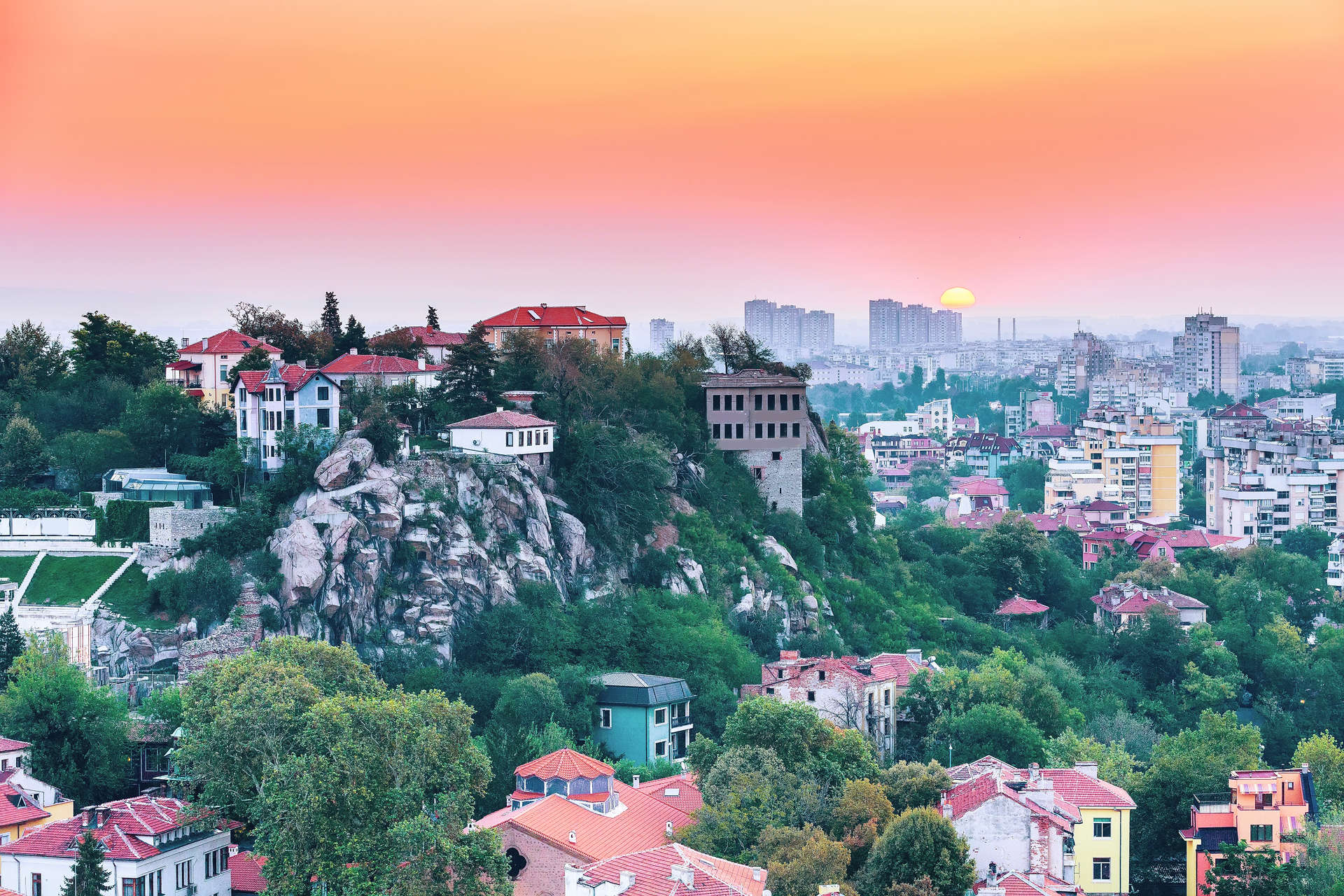
Discover the captivating allure of Plovdiv, Bulgaria's second-largest city, where history and culture intertwine. Holidays to Plovdiv promise an unforgettable journey through time, with highlights like the ancient Roman amphitheatre at the city's core. Wander through Kapana, known as the 'Trap', where trendy bars, cafes, and galleries showcase local talent. On your Plovdiv holidays, explore the Old Town's cobblestone streets and vibrant 19th-century houses. Delight in Bulgarian cuisine and the magical evening fountains in Tsar Simeon’s Garden. Experience the city’s artistic spirit in its many museums and galleries, and end your day with a sunset over the Rhodope mountains. Plovdiv awaits with an unforgettable travel experience!
Enjoy access to special prices, only available on package deals.
Choose from thousands of flights, hotels and stays.
Book with a small deposit and pay the rest later.
Quickly add insurance, luggage, rental cars and more.
You are protected
Book the best deals on holidays to Plovdiv today!
Flight time: Flights to Plovdiv from London and other major UK airports typically take around 3 hours 30 minutes.
Transfer time: From Plovdiv Airport, you can reach the city centre in about 20-30 minutes by taxi or bus, which runs regularly throughout the day.
Price:
The bus from Plovdiv Airport to the city centre costs about 5-10 BGN (roughly £2-£4).
A taxi ride will set you back around 20-30 BGN (£8-£13).
Plovdiv suffers from climatic extremes, with winters usually bitterly cold and summers often extremely hot. Deciding on when to take your Plovdiv holidays will depend on whether you’re looking to ski, take in some culture or soak up the summer sun.
April to June: This is one of the best times to visit, with mild and pleasant weather and temperatures ranging from 15°C to 25°C. Rainfall is moderate, and you can expect around 8-10 hours of sunshine daily.
July to August: Peak summer season with temperatures often reaching 30°C or higher, yet despite the heat it’s a great time for enjoying the city’s outdoor cinema and theatre venues. There’s plenty of sunshine, with around 10-11 hours daily, and minimal rainfall.
September to November: Autumn offers a more relaxed atmosphere, with temperatures cooling to a comfortable 15°C to 25°C, perfect for sightseeing without the summer crowds. Rainfall is relatively low, and there are about 6-8 hours of sunshine.
December to March: Cold winters with lots of snow are the norm in Plovdiv, with temperatures ranging from -5°C to 5°C. It is, though, an excellent time for winter sports in the nearby mountain resorts.
Spoken languages: Bulgarian is the official language, but English is widely understood in tourist areas.
Local habits and customs: Oddly, Bulgarians shake their heads when they mean “yes” and nod when they mean “no”. Dress modestly when visiting religious sites.
Currency: Bulgaria uses the Bulgarian Lev (BGN). ATMs are plentiful and credit cards are widely accepted.
Getting around: Although walkable, the city’s sights are fairly dispersed, so on a hot day you may wish to jump on a bus. A single journey costs about 1-2 BGN (£0.45-£0.90). Taxis are affordable, but make sure to use licensed ones.
Electricity and plug types: Bulgaria uses the standard European 220 volts with two-pin round plugs. UK travellers will need an adaptor.
Time zone: Plovdiv operates on Eastern European Time, which is 2 hours ahead of GMT, and observes Daylight Saving Time.

Bulgaria’s second-largest city and perhaps the most picturesque, Plovdiv is a genuine rival to Sofia in terms of historical importance, as well as its range of cafés, bars and restaurants, go-ahead cultural scene, and access to the Rhodopes.
Interested in more travel ideas? Check out our holidays to Sofia for another incredible experience.
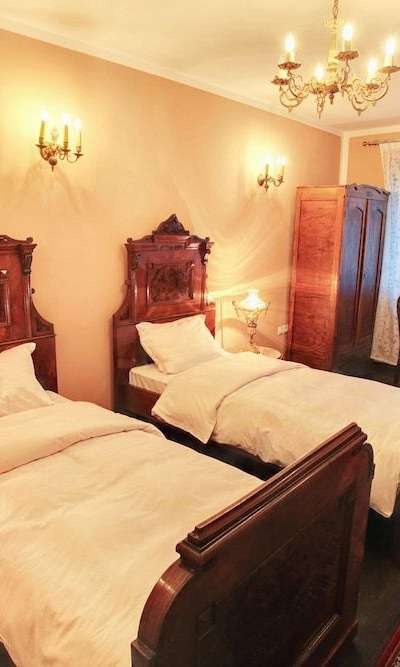
Nebet Tepe: One of the hills surrounding the city, it was here that human settlement in these parts began, with ruins dating back to 4000 BC - stunning views of Plovdiv’s Old Town and the surrounding area to boot.
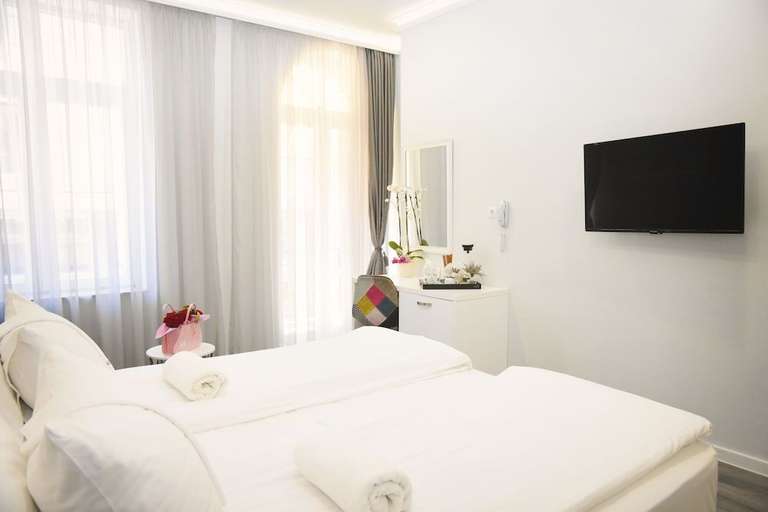
Ploshtad Dzhumaya: Thronged with promenading Plovdivians and lined with shops, cafés and bars, this is the place to see and be seen.
Old Quarter: Covering one of Plovdiv’s three hills with its cobbled streets and colourful mansions, the Old Quarter is a painter’s dream.
Kapana: The tangle of narrow streets behind the mosque is known as “The Trap” and has in recent years become a cultural and nightlife hub.
City Gallery of Fine Arts: Holds an extensive collection of 19th- and 20th-century Bulgarian paintings, including some fine portraits by renowned National Revival realist painter Stanislav Dospevski.
Ethnographic Museum: Folk costumes and crafts are on display on the ground floor; upstairs, the elegantly furnished rooms reflect the former owner’s taste for Viennese and French Baroque.
Museum of National Liberation: The former home of a wealthy Turkish merchant, this engaging museum is an excellent primer on the Bulgarian National Revival and struggle for liberation.
Tsar Simeon Garden: Lovely small park popular for its ‘singing fountain’; a good spot, too, for some respite from the searing summer sun.
Roman Stadium: The substantial ruins of this ancient arena could hold 30,000 spectators in its day - and it’s still used for performances today, albeit slightly less gladiatorial.
Dzhumaya Mosque: With its diamond-patterned minaret and lead-sheathed domes, this is the city’s architectural show-stealer; it’s believed that the mosque dates back to the reign of Sultan Murad II (1359–85).
Bachkovo Monastery: The most attractive destination around Plovdiv is Bachkovo Monastery, Bulgaria’s second-largest, founded in 1038 by two Georgians in the service of the Byzantine Empire.
Assenovgrad: Renowned for the quality of its vineyards, its fine medieval fortress - perched on a cliff with a fabled history of command and conquest, not to mention breathtaking views - is the main reason to venture here.
Plovdiv is a wonderfully rewarding destination for those with kids, thanks to its mix of ancient monuments, parks, playgrounds and several more invigorating activities.
Skiing: The most developed of Bulgaria’s ski centres, Pamporovo is a great choice for families, its gentle slopes far more suited to beginners than other Bulgarian resorts.
Parks and gardens: The city’s most family-friendly park is Tsar Simeons Garden, which boasts colourful new play areas, a singing fountain and a weekly music and light display.
Historical monuments and sites: Both young and old will appreciate the city’s Roman ruins, many of which double up as atmospheric summer-time venues for cinema and theatre.
Guided tours, festivals, museums, parks and playgrounds are just some of the ways in which you can enjoy holidays to Plovdiv whilst spending the bare minimum.
Free events: The annual Verdi Festival, usually held during the first week of July, is the city’s major annual happening, but the Plovdiv Night of Museums and Galleries is also a popular event when all the city’s museums and galleries grant free access.
Free guided tours: Free Plovdiv Tour conducts excellent guided walks by young, enthusiastic locals taking in all the main city sights starting in front of the Municipality building. No fee required, but gratuities are appreciated.
Museums: Most of the city’s museums - of which there are many - offer free entry on the first Thursday of the month. Plovdiv’s churches are all free to visit too.
Encircled by mountain ranges, skiers and hikers will be in their element, but perhaps surprisingly, there are quite a few water-bound activities available here in Plovdiv.
Skiing: The most developed of Bulgaria’s ski centres, Pamporovo offers superb skiing, and although mostly suited to beginners and intermediates, has one short black run called ‘The Wall’, recognised as the toughest piste in the country.
Hiking: The Rhodopes, which spread out from the plain in a generally southerly direction, are a meandering range of mountains that offer an abundance of well-worn hiking trails. Pamporovo, too, has some terrific trails open once the ski season is over.
Wakeboarding: Park X offers wakeboarding (and other watersports) on a freshwater lake just northeast of the city, with qualified instructors on hand to see you on your way.
Swimming: A well-run city-centre public facility, the Neptun Swimming Complex has three good-sized pools including an Olympic-length one, plus loungers and umbrellas for protection.
The city’s cuisine is essentially a mix of Balkan, Turkish and Slavic influences, all tasty and great value. The most atmospheric restaurants are in the old town, many occupying elegant old houses and serving good, traditional Bulgarian food.
Gyuvech: The best-known traditional dish is a rich stew comprising peppers, aubergines and beans, to which either meat or meat stock is added.
Kiselo mlyako: Bulgarians consider their yogurt the world’s finest, and hardly miss a day without consuming it. As well as being tasty, it’s renowned for its probiotic qualities.
Shopska salad: The combination of tomatoes, peppers, cucumbers, onions and feta, or Bulgarian sirene (white brine) cheese, is hard to beat - and a rare treat for vegetarians.
Tarator: A chilled soup made from yoghurt, cucumbers, garlic, dill and walnuts - perfect for hot summer days.
Sarmi: Stuffed cabbage or vine leaves filled with minced meat, rice and spices, then slow-cooked to perfection.
Kebapcheta: Grilled minced meat rissoles usually served with a hunk of bread and pickles - popular variations include shishche (shish kebab) and kyofteta (meatballs).
Kozunak: A sweet bread typically sold by street vendors, especially around Easter, but available year-round.
Bulgarian desserts tend to consist of very sweet Turkish derivatives, such as baklava or revane, while Halvitsa, a kind of nougat, is also popular. Ice cream sellers litter the city’s streets all summer long.
Rakia: This traditional fruit brandy, often made from grapes or plums, is strong and usually served as an aperitif - best sipped to avoid a sore head.
Menta: A sweet, mint-flavoured liqueur that’s either mixed with soda water or consumed on its own.
Bulgarian craft beer: Produced in abundance, leading local brands are Boliarka from Veliko Tarnovo, Astika from Haskovo and Zagorka from Stara Zagora. Boliarka also produces a bizarre stout called Stolichno.
Plovdiv is the ideal destination for city breaks.
The exact flight duration to Plovdiv varies depending on the departure airport in the UK. It takes approximately 3h8m to fly from London to Plovdiv.
Booking a flight + hotel package to Plovdiv with lastminute.com offers several advantages. By booking both services together, you can take advantage of exclusive deals and choose from thousands of flights and accommodations for the perfect combination. Additionally, you can secure your vacation with a deposit and pay the remaining amount later. You also have the flexibility to add other travel extras such as insurance, rental cars, and luggage to the flight + hotel package as per your preferences.
Before travelling from the UK to Plovdiv, ensure your passport is valid for the duration of your stay. To get the latest Visa information for Plovdiv, please check travel advice on GOV.UK.
Travel with us
Secure payment