Celebrate cosy season — travel for up to £100 less this autumn with our vouchers.
Holidays to Bansko 2026/2027
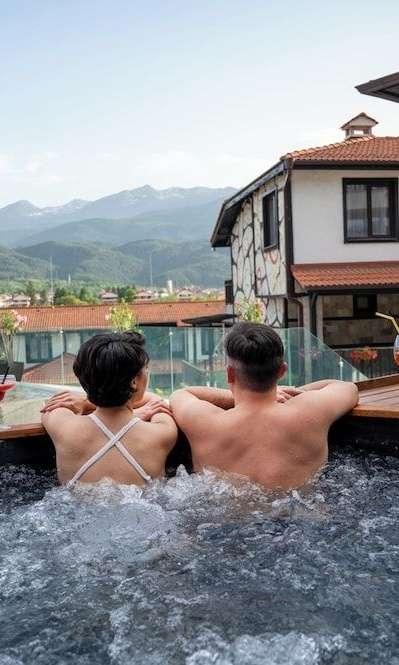
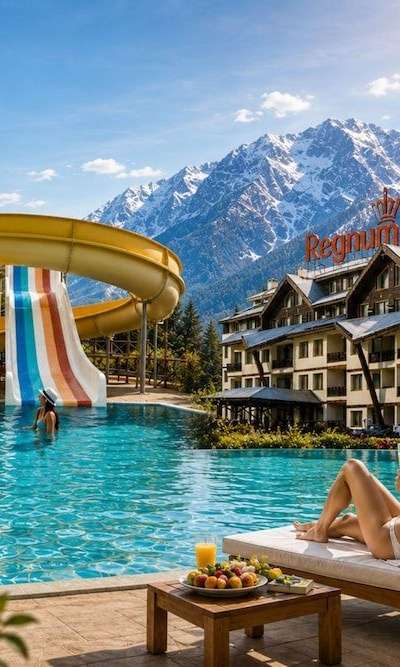
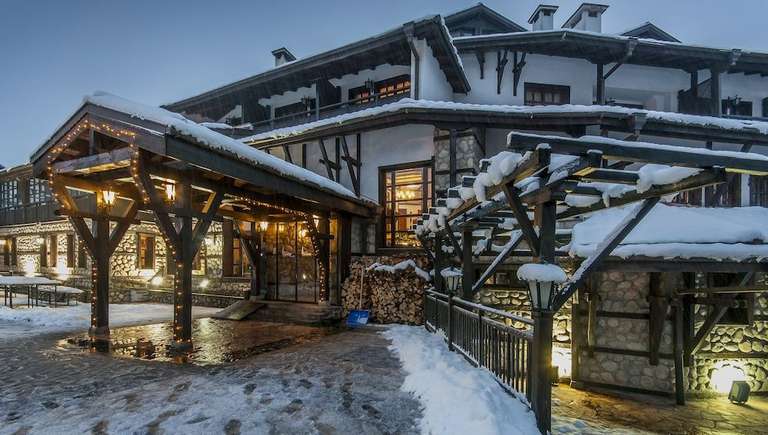
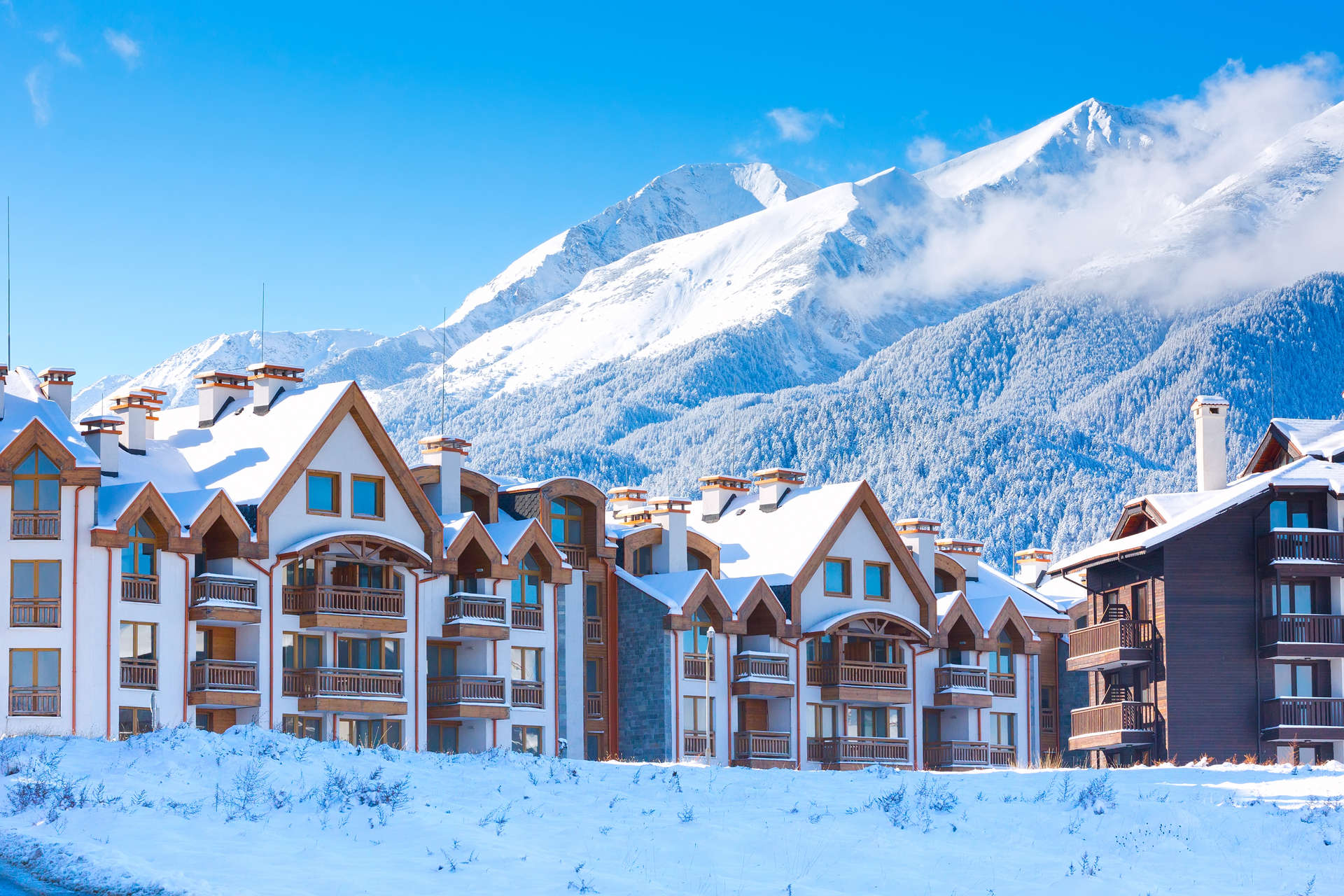
Bansko, nestled at the foot of the Pirin Mountains in Bulgaria, is an ideal destination for unforgettable holidays. Renowned for its exceptional skiing and snowboarding in winter, Bansko also boasts a variety of summer activities such as hiking, mountain biking, and cultural festivals. Discover the charming old town with its cobblestone streets, traditional taverns, and historic sites. Plan your travel to Bansko and enjoy the unique combination of natural beauty, outdoor adventure, and rich cultural heritage that this captivating town provides.
How does booking Flight + Hotel make travel even better?
Combine and Save
Enjoy access to special prices, only available on package deals.
Tailor-made trips
Choose from thousands of flights, hotels and stays.
Spread the cost
Book with a small deposit and pay the rest later.
Everything you need
Quickly add insurance, luggage, rental cars and more.
Flight time: There are no direct flights to Bansko. Flights to Sofia Airport take about 3 hours. There are also flights from other major UK airports, such as Manchester and Birmingham.
Transfer time: From Sofia Airport, it takes around 2 hours 30 minutes by taxi or private transfer to reach Bansko. Alternatively, you can take a combination of a bus and train, which takes approximately 3 hours 30 minutes.
Price: A taxi or private transfer from Sofia Airport to Bansko costs approximately 120-150 BGN (£55-£70). The bus and train option is more economical, with a combined fare of around 20 BGN (£9).
Weather and best time to visit Bansko
Timing when to take your holidays to Bansko will depend on the type of experience you’re looking for, whether that’s skiing, hiking or exploring the cultural sights.
April to June: This is one of the best times to visit, especially if hiking in the mountains is your goal, with mild and pleasant weather and temperatures ranging from 15°C to 25°C. Rainfall is moderate, and you can expect around 8-10 hours of sunshine daily.
July to August: Peak summer season with temperatures often reaching 25°C or higher, yet despite the heat it’s a great time for al fresco dining in the town’s many squares. There’s plenty of sunshine, with around 10-11 hours daily and minimal rainfall.
September to November: Autumn offers a more relaxed atmosphere, with temperatures cooling to a comfortable 15°C to 25°C, perfect for exploring minus the summer crowds. Rainfall is relatively low, and there are about 6-8 hours of sunshine.
December to March: Cold winters with lots of snow are the norm in Bansko, which is just as well given that it’s the country’s premier ski resort. Temperatures range from -5°C to 5°C, though it’s sometimes even colder.
Practical information
Spoken languages: Bulgarian is the official language, but as a major resort, English is widely understood here.
Local habits and customs: Bulgarians shake their heads when they mean “yes” and nod when they mean “no” Confusing? Absolutely. Dress modestly when visiting religious sites.
Health and safety: Bansko is safe, but the usual precautions against pickpocketing should be taken in crowded places. Healthcare facilities are good, and pharmacies are widely available.
Currency: Bulgaria uses the Bulgarian Lev (BGN). ATMs are plentiful, and credit cards are widely accepted.
Getting around: Bansko is a small town, compact and easily walkable. For exploring further afield, local bus services are reliable and cheap, with tickets costing around 1.50 BGN (£0.70). Taxis are available and reasonably priced. It’s fairly rural here, so consider renting a bike or a car for more flexibility.
Electricity and plug types: The standard continental 220 volts with two-pin plugs. UK travellers will need an adaptor.
Time zone: Bansko is in Eastern European Time (EET), which is 2 hours ahead of GMT and observes Daylight Saving Time.
Required travel documentation: UK travellers need a valid passport. No visa is required for short stays.
Read moreRead less
Best things to do in Bansko
The undisputed winter capital of Bulgaria, Bansko is the largest ski resort in the Balkans, but there’s a good dollop of culture here too, including some fabulous architecture.
Viewpoints and panoramas
Vihren Peak: There’s only one contender for best view and that’s from the summit of Vihren, Bulgaria’s second-highest peak.
The best districts
Old Town: With its numerous traditional pubs hidden away down labyrinthine cobbled streets, the Old Town is as attractive as ever and the perfect place to wind down after a hard day on the slopes.
Museums
Icon Museum: An absolute gem, showcasing the works of Dimitar Molerov and his contemporaries, who produced countless masterpieces for the merchants of the town who patronised the Bansko School.
Neofit Rilski House Museum: The childhood home of Neofit Rilski, a leading member in
the Bulgarian cultural revival of the 19th century, the house has been preserved to retain its original appearance; inside photographs explain Rilski’s career.
Parks and gardens
Bansko Central Park: If you’re seeking a break from the hordes of skiers and snowboarders - or just the crowds full stop - head for this lush green oasis in the centre of town.
Historical monuments
Church of Sv Troitsa: The largest church in the region, completed in 1835 when Bansko’s prosperity was at its height, with icons painted by Dimitar Molerov.
Velyanova House: A fortified house of the Bulgarian Revival period, this beautifully well-preserved dwelling offers a glimpse of 19th-century Bulgarian life - a truly fascinating step back in time.
Day trips in the area
Rila Monastery: A UNESCO World Heritage Site, this is the most celebrated of Bulgaria’s religious sites, famed for its fine architecture and mountainous setting. Unmissable.
Plovdiv: An easy day trip, Bulgaria’s second city possesses an old quarter stuffed with a wonderful mixture of National Revival mansions and classical remains.
Melnik: A living museum set gloriously amid steep slopes and crags, this is the smallest town in Bulgaria, known for its wine production and beautiful sandstone formations.
Activities for families in Bansko
Skiing is, of course, the big deal here, including for families, but slopes aside, which are ideal for beginners, many other pursuits tick the family-friendly box.
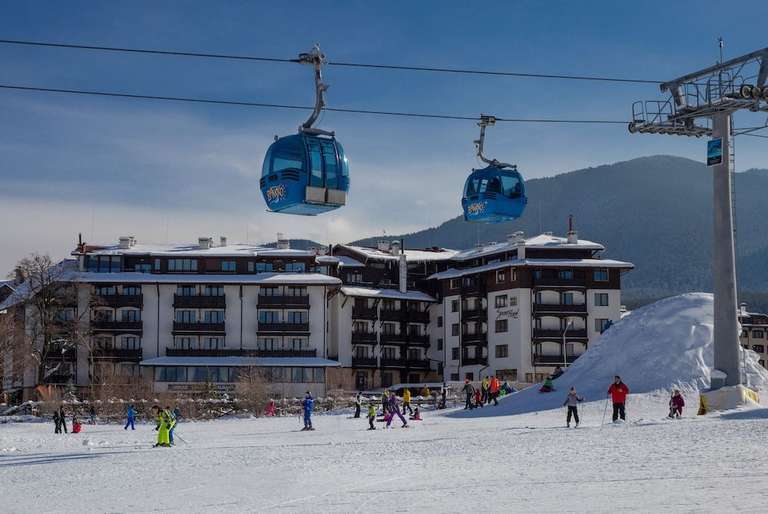
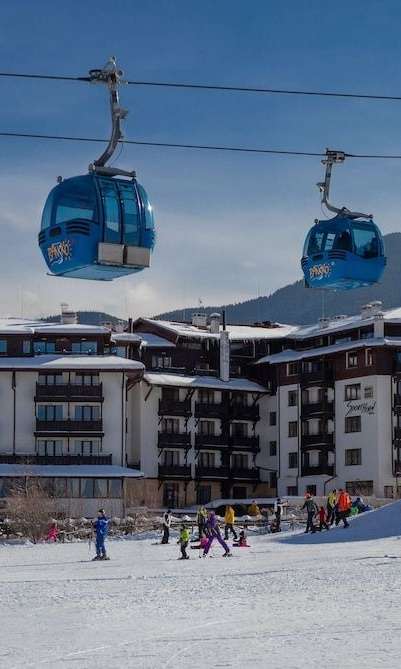
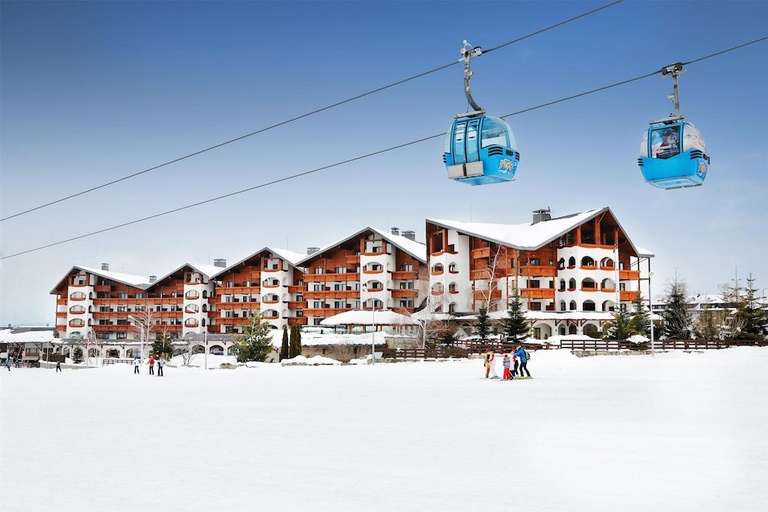
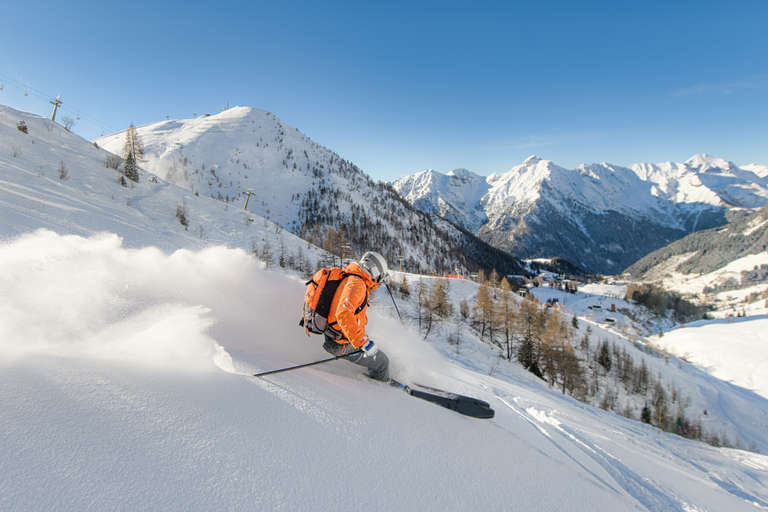
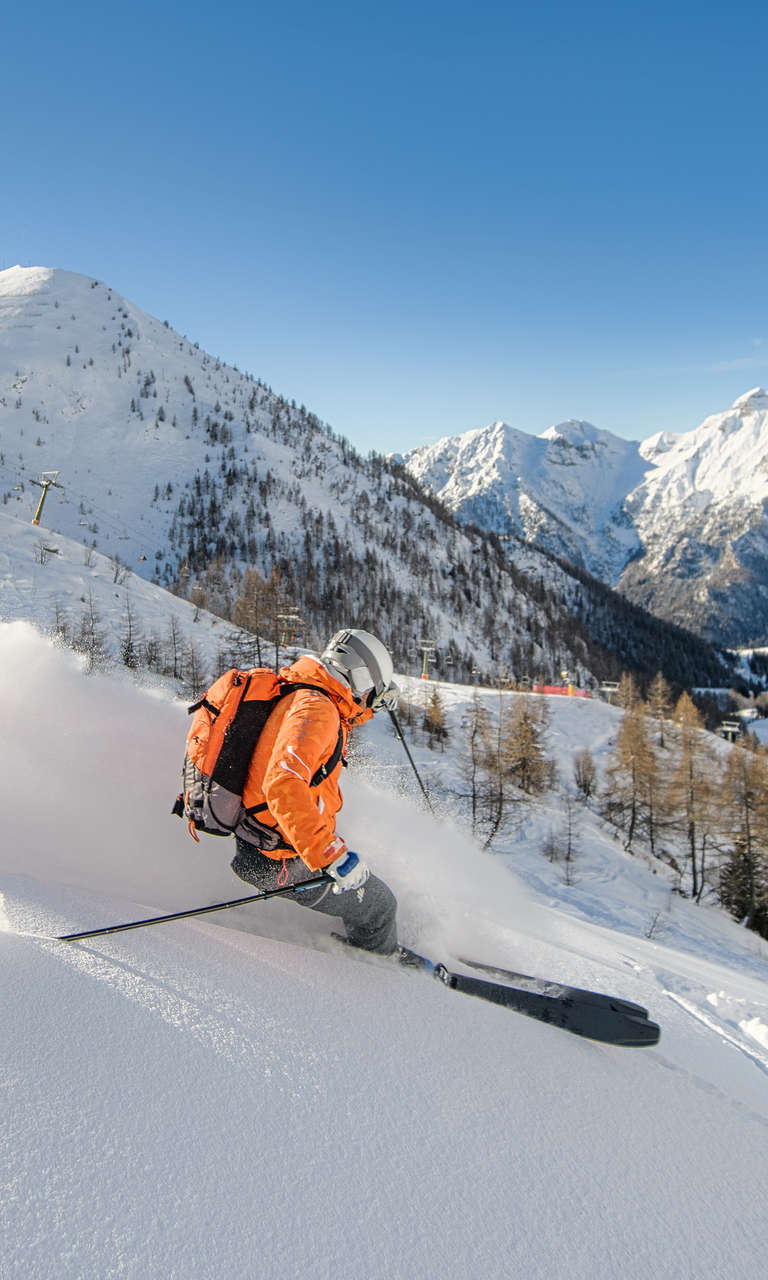
Skiing and snowboarding: A vast network of beginner and intermediate slopes, plus modern ski lifts (and a gondola lift direct from the city centre to the ski area) has ensured that this is one of the cheapest and most popular skiing destinations for families in Europe.
Narrow-gauge railway: One of the most scenic trips in the Balkans is this narrow-gauge that forges its way across the highlands - a slow but hugely enjoyable family day out.
Hiking and nature trails: Hiking doesn’t have to be a slog, and the beautiful Pirin Mountains possess dozens of family-friendly trails that might just tempt even the most walk-averse kids to get up off the couch.
Free things to do in Bansko
Look hard enough and you’ll find plenty of ways to keep yourself occupied without spending too much during your Bansko holidays.
Cultural events: Keep an eye out for local festivals and events, which often include free performances and activities; the Bansko Jazz Festival in August is one such event and has the occasional free gig.
Parks and gardens: Away from the slopes, spend time relaxing in the town's beautiful parks and gardens, such as Central Park - and bring a picnic too.
Nature and outdoor activities in Bansko
Surrounded by mountains, there’s little excuse not to go and explore, and even if skiing isn’t your thing, Bansko abounds in all kinds of other pursuits.
Skiing: The snow-sure skiing – almost all slopes are above 1,400m – a great selection of hotels and restaurants, and superb nightlife make Bansko an ideal choice for skiers and non-skiers alike.
Horse riding: Some of the trails in the nearby Rila Mountains pass through untouched forest areas and alongside staggering glacial lakes; there are also some seriously rocky options for experienced or adventurous riders.
Hiking: The eastern slopes of the Pirin mountains are the main attraction for walkers, with trails for all levels and abilities.
Cycling: Take advantage of the extensive network of cycle paths in and around Bansko and hire a bike. Whether it’s a leisurely ride along the river or a more challenging route through the mountains, there’s something for everyone.
Read moreRead less
Local dishes in Bansko
You’ll find all the meaty standards on menus in Bansko, although, being a mountain resort, the cuisine here is somewhat heartier and heavier than in most places.
Some typical dishes
Gyuvech: The best-known traditional dish is a rich stew comprising peppers, aubergines and beans, to which either meat or meat stock is added.
Kiselo mlyako: Bulgarians consider their yogurt the world’s finest, and hardly miss a day without consuming it. As well as being tasty, it’s renowned for its probiotic qualities.
Shopska salad: The combination of tomatoes, peppers, cucumbers, onions and feta, or Bulgarian sirene (white brine) cheese, is hard to beat - and a rare treat for vegetarians.
Meat dishes
Sarmi: Stuffed cabbage or vine leaves filled with minced meat, rice and spices, then slow-cooked to perfection.
Shkembe chorba: A hearty tripe soup that’s seasoned with garlic, paprika, and vinegar - a local favourite, it’s well known as a hangover cure.
Street food
Kebapcheta: Grilled minced meat rissoles usually served with a hunk of bread and pickles - popular variations include shishche (shish kebab) and kyofteta (meatballs).
Banitsa: A flaky pastry envelope with a filling – usually cheese – sold by bakeries and street vendors in the morning and evening.
Sweets and desserts
Bulgarian desserts tend to consist of very sweet Turkish derivatives, such as baklava or revane, while Halvitsa, a kind of nougat, is also popular. Ice cream sellers litter the city’s streets all summer long.
Local drinks
Rakia: This traditional fruit brandy, often made from grapes or plums, is strong and usually served as an aperitif - best sipped to avoid a sore head.
Bulgarian wine: The local wines are constantly improving, and among the best reds are the heavy, mellow Melnik and rich, dark Mavrud, while Dimyat is a good dry white.
Bulgarian craft beer: Produced in abundance, leading local brands are Boliarka from Veliko Tarnovo, Astika from Haskovo and Zagorka from Stara Zagora. Boliarka also produces a bizarre stout called Stolichno.
Your Bansko questions answered
What are the most popular places to visit while in Bansko?
The most popular places to visit in Bansko are: Vihren, Holy Trinity Church, Bansko Ski Resort.
What kind of holidays does Bansko offer?
Bansko is the ideal destination for ski trips.
How long does it take to fly from the UK to Bansko?
The exact flight duration to Bansko varies depending on the departure airport in the UK. It takes approximately 3h5m to fly from London to Bansko.
Why should I book a flight & hotel package to Bansko on lastminute.com?
Booking a flight + hotel package to Bansko with lastminute.com offers several advantages. By booking both services together, you can take advantage of exclusive deals and choose from thousands of flights and accommodations for the perfect combination. Additionally, you can secure your vacation with a deposit and pay the remaining amount later. You also have the flexibility to add other travel extras such as insurance, rental cars, and luggage to the flight + hotel package as per your preferences.
Do I need a Visa to go to Bansko?
Before travelling from the UK to Bansko, ensure your passport is valid for the duration of your stay. To get the latest Visa information for Bansko, please check travel advice on GOV.UK.