|
|
Variety is the spice of life when it comes to a Morocco holiday. From the souks of Marrakech to the staggering peaks of the High Atlas Mountains and from the laidback surfer’s mecca of Taghazout to the wetland nature reserves of the south coast, this alluring country has something for everyone. With warm hospitality and even warmer weather, it makes a welcome getaway with a surprisingly short flight time. Although it’s within touching distance of southern Spain, it feels a world away with its stunning Moorish architecture and the delicately spiced flavors of its cuisine, including the world-famous lamb tagine. With a melting pot of cultures encompassing French colonial customs, Spanish influence, and the Berber heritage of its indigenous communities, Morocco is an endlessly fascinating nation. This guide gives you all the info you need to know about what to see, eat, and do once you get there.
Find exceptional, limited-time savings on Flight + Hotel holidays, exclusive to lastminute.com
Enjoy access to special prices, only available on package deals.
Choose from thousands of flights, hotels and stays.
Book with a small deposit and pay the rest later.
Quickly add insurance, luggage, rental cars and more.
You are protected
Sand dunes of the Sahara meet the peaks of the Atlas Mountains.
Take home handwoven rugs and aromatic spices as perfect souvenirs.
Unwind with a traditional hammam and luxurious spa treatments.
Book the best deals on holidays to Morocco today!
The best time for a Morocco holiday depends on where you’re headed and what you want to do. Spring and autumn are ideal if you plan to visit the Sahara Desert or the Atlas Mountains, as the temperatures won’t be too extreme, making activities easier. In winter, you can ski in the mountains, catch the biggest waves on the coast, or enjoy epic Christmas and New Year celebrations in the cities.
It’s best to avoid Marrakech in the height of summer (July and August) due to the scorching heat – head for the cooling breezes of coastal Agadir or Essaouira instead. Lastly, Ramadan is an interesting time to visit, with many hospitality establishments closed during the day, creating a quiet and contemplative vibe.
Morocco is served by numerous airports, including Marrakech, Fez, Agadir and Casablanca, making it easy to fly directly to the city of your choice. Flights are available from UK hubs such as London, Manchester, Birmingham and Edinburgh, with a flight time of just under 4 hours.
If you’re planning an intercontinental trip, one adventurous option is taking a ferry from Spain. This can even be done as a day trip since the crossing from Tarifa (at Spain’s southernmost tip) to Tangier only takes an hour. For a truly epic journey, there’s also a 30-hour crossing from Barcelona to Tangier.
Once you’re in Morocco, getting around by train is your best bet if travelling between the major cities. The two main lines run from Tangier and Oujda, respectively, to Marrakech, covering Rabat, Casablanca and Fez along the way. The Tangier-Casablanca stretch is now a high-speed line operating at 300 km/h, covering the distance in just 2 hours and 10 minutes.
A popular and time-effective way to get from Tangier to Marrakech is the overnight train, where you’ll get a bed in a shared four-berth compartment. For those planning to rent a car, long-distance driving in Morocco is generally good, with nice road surfaces, long straight roads, and little traffic in most areas. However, accident rates in cities are high – be aware that other drivers may not follow the rules of the road when it comes to indicating lane discipline.
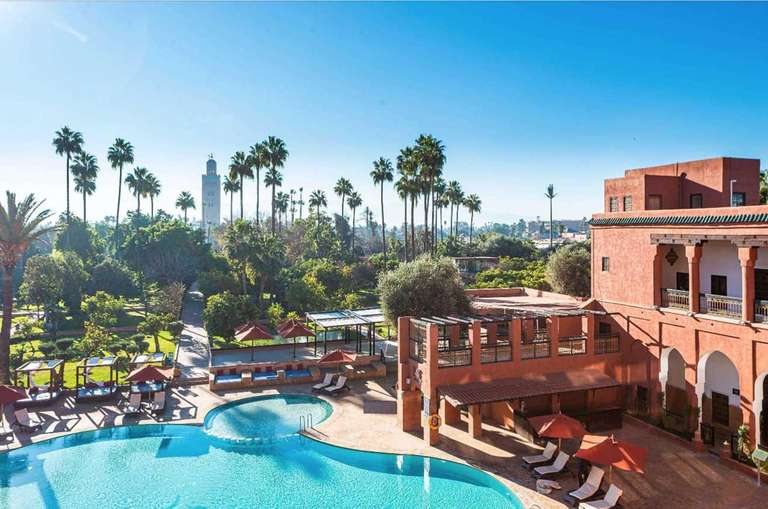
The number one stop on any first-time holiday to Morocco has to be the bustling city of Marrakech, home to many of the country’s top sights. Soak up the atmosphere in the vibrant Jemaa el-Fnaa square and visit the majestic Bahia Palace.
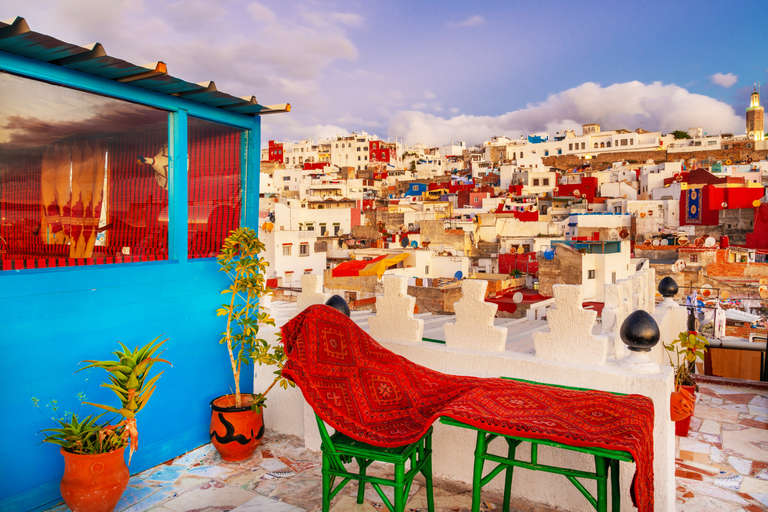
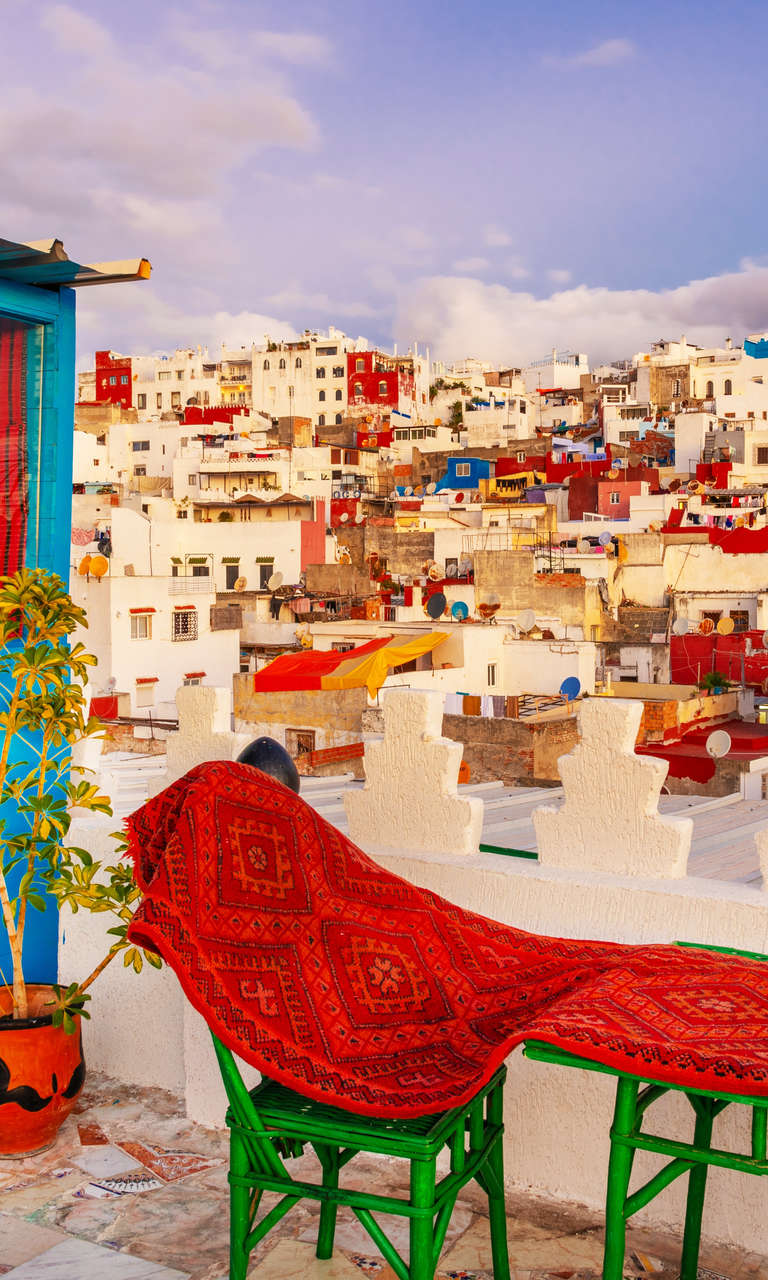
Fez is the country’s cultural capital and is home to the largest and oldest medina in North Africa. You can hit the beach in Essaouira or Agadir or straddle the Atlas Mountains and the Sahara Desert in the city of Ouarzazate, the perfect base to explore the fortified village of Aït Ben Haddou. For a more cosmopolitan feel, head to the port city of Tangier, where you can see Spain across the narrow Strait of Gibraltar.
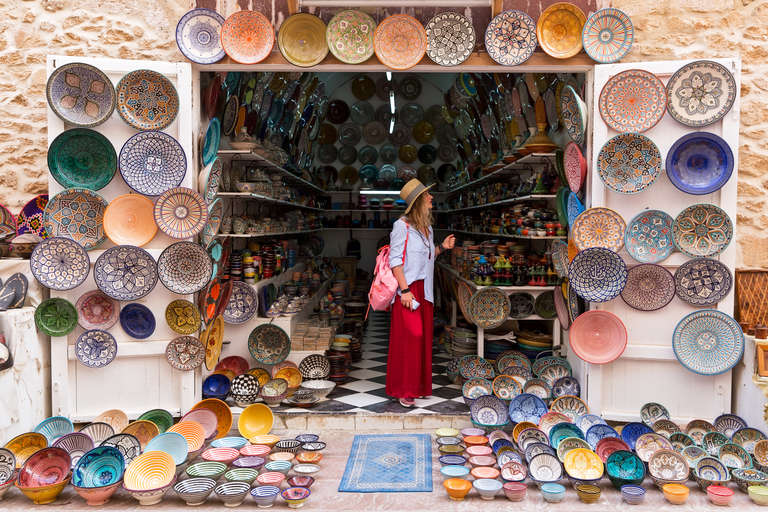
A great way to pass the time in Morocco’s cities is by visiting its souks or traditional markets, which offer all manner of goods. In Marrakech, the Place des Épices is a riot of colours selling all kinds of powdered herbs and spices. Also worth mentioning are Souk Zrabi (rugs), Souk Haddadine (ironmongery), and Souk Smata for shoes, including the traditional Moroccan babouche or slipper.
In Fez, Souk el Attarine is a historic market where some of the stalls are set up in beautiful old houses, allowing you to explore a traditional riad while you browse. Lastly, Essaouira’s open-air fish market is a fascinating place to look around, but be warned – it might leave you with a seafood craving.
Little ones and adults alike will love one of Marrakech’s best-known attractions, the Jardin Majorelle. Lovingly crafted by artist Jacques Majorelle, the avenues of the garden, lined with lush green cacti, palms and ferns, offer a welcome island of tranquillity among the hustle and bustle of the city centre.
Further afield, kids will be awed by the natural beauty of Ouzoud Falls, a popular destination that can be visited as a day trip from Marrakech. You can take a boat to the base of the falls, go for a refreshing dip, and hike up to a viewpoint that’s home to monkeys.
Morocco, with its extensive coastline, offers some of the most stunning beaches in North Africa, each with its unique charm and appeal. Whether you're looking to unwind on golden sands or indulge in water sports, Morocco's beaches are a highlight of any Moroccan holiday.
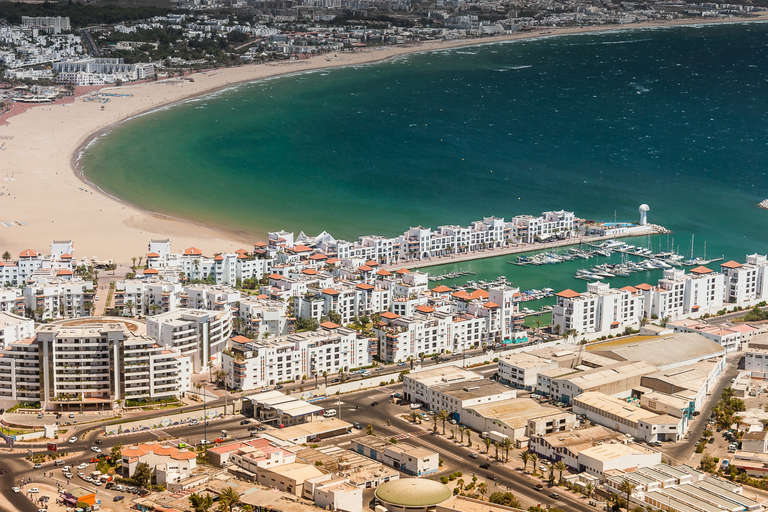
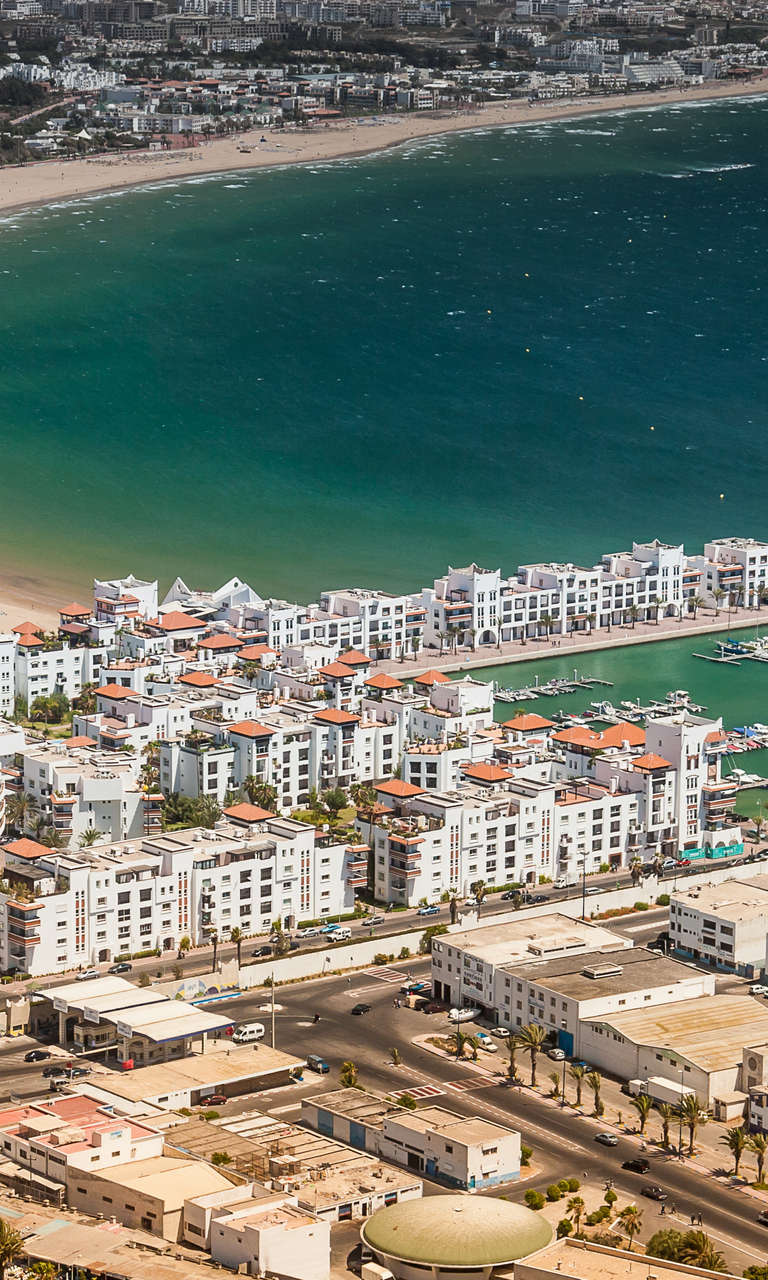
Agadir is Morocco's top seaside destination, boasting an impressive 11-kilometre-long beach. This vast crescent of golden sand offers ample space for relaxation and sunbathing, making it a perfect retreat. Sheltered from strong winds, it provides a more serene beach experience, though visitors should be mindful of the undertow.
Known for its breezy conditions, Essaouira is ideal for wind sports enthusiasts. The expansive beach here is a popular spot for surfing and kitesurfing, attracting thrill-seekers from around the world. The combination of wind and waves makes Essaouira a must-visit for those seeking an active beach day on their Moroccan holiday.
Legzira Beach is renowned for its breathtaking natural beauty, characterised by epic arches of red stone that stretch across the shore. This stunning geological formation, coupled with the beach's serene atmosphere, makes Legzira a spectacular and photogenic destination on Morocco's coastline.
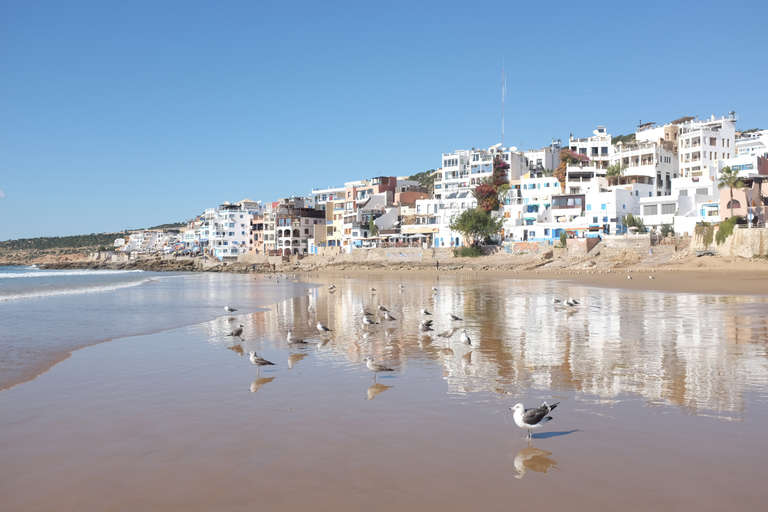
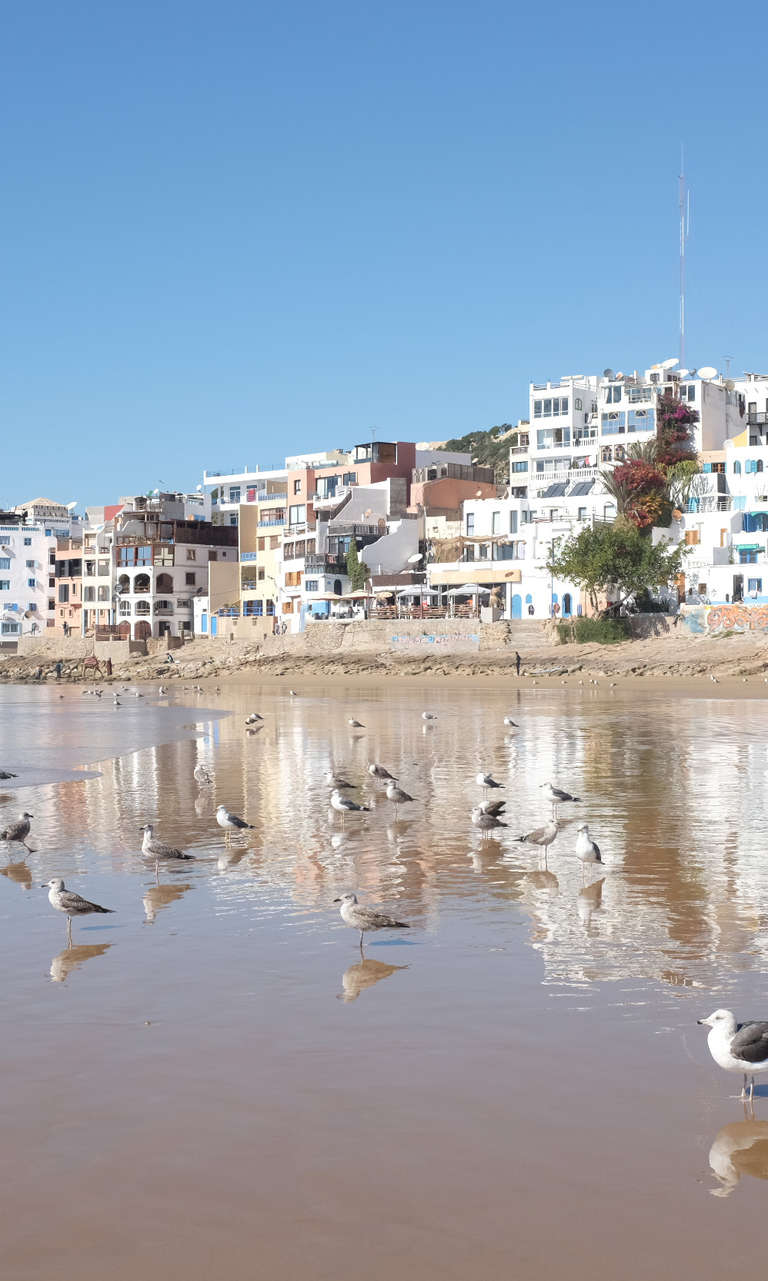
Taghazout offers a picturesque setting, blending the beauty of a bay with the charm of a former fishing village. Known for its relaxed vibe and beautiful views, Taghazout is a favourite among both beachgoers and surfers, adding a quaint charm to Morocco’s beach scene.
Morocco's beaches are as diverse as they are beautiful, offering something for every kind of traveller. From the bustling sands of Agadir to the windswept shores of Essaouira, and the natural spectacle of Legzira to the quaint charm of Taghazout, these coastal gems are essential for a complete Moroccan holiday experience.
Morocco's cuisine is an exquisite tapestry of flavours and aromas essential to the Moroccan holiday experience. A standout dish is the tagine, named after the cone-shaped pot it's traditionally cooked in. This slow-cooked savoury stew, a cornerstone of Moroccan gastronomy, can feature a variety of meats, including chicken, lamb, and beef. For vegetarians, there are delightful vegetable versions, richly seasoned with spices like paprika and chilli, making it a versatile dish for all palates.
The tagine, synonymous with Moroccan cuisine, is not just about the ingredients but also about the unique cooking method. The slow simmering process in the distinctive pot imparts an unparalleled depth of flavour to the dish, whether it’s meat-based or a vegetarian variant. It's a must-try for anyone on a Morocco holiday.
Equally important in Moroccan dining is couscous. Often cooked in the same vessel as a tagine, couscous in Morocco is traditionally served with vegetables or as a hearty stew with meat. This versatile dish showcases the simplicity and richness of Moroccan flavours and is a staple worth exploring during your stay in Morocco.
For a sweet indulgence, msemen, a square-shaped pancake, is a popular choice. Often served at breakfast or teatime, it's accompanied by honey, adding a delightful sweetness. Paired with Morocco's national drink – spearmint tea with plenty of sugar, affectionately known as “Berber whiskey” – msemen offers a glimpse into the Moroccan way of life.
Exploring Morocco’s culinary scene is a journey through a rich tapestry of tastes and traditions integral to any Morocco holiday. From the iconic tagine to the humble msemen, each dish tells a story of cultural heritage and culinary ingenuity, making 'What to Eat in Morocco' a key aspect of your travel experience.
Morocco, with its varied terrain and stunning landscapes, is rapidly becoming a go-to destination for cycling enthusiasts. Whether you're a seasoned cyclist or a casual rider, Morocco's routes offer an unparalleled experience.
The Atlas Mountains are a haven for cyclists, offering some of the most challenging and scenic routes. Passes like Tizi n’Tichka, Tizi n’Test, and Tizi n’Tacheddirt are renowned for their demanding climbs and breathtaking views. However, it's crucial to check weather conditions; summer can be scorching, and winter may bring snow and ice.
For gravel and mountain biking enthusiasts, the Agafay Desert, just 30 kilometres south of Marrakech, presents a multitude of gravel trails. The area around Takerkoust Lake makes for an excellent base, offering diverse trails and stunning desert landscapes.
Morocco’s North Atlantic Coast is a surfers' dream, boasting a mix of rocky and sandy bottoms and a variety of breaks. This region is perfect for both beginners and experienced surfers looking for their next big wave.
Taghazout and Tamraght stand out as a mecca for surfers, thanks to their legendary waves. These areas, nestled between Agadir and Essaouira, offer excellent conditions for surfers of all skill levels, particularly from September to March, when the swell is most consistent.
The cities of Agadir and Essaouira serve as great bases for a surfing holiday, offering ample amenities and proximity to some of the best surf spots. Their vibrant surf culture and community add to the appeal for surfers planning a Moroccan holiday.
Morocco's diverse landscape, from snow-capped mountains to golden beaches, offers hikers a variety of trails, each promising a unique adventure.
Mount Toubkal in Toubkal National Park, standing at 4,167 metres, is North Africa’s highest peak. The two-day trek to the summit is both challenging and rewarding, offering spectacular views and a sense of achievement for avid hikers.
For a different experience, Ifrane National Park in the Middle Atlas region offers dense forests and the chance to spot the endangered Barbary macaque on the Monkey Trail. This park provides a serene hiking experience amidst lush greenery.
Souss-Massa National Park, near Agadir, is perfect for coastal walking. The park is known for its rich birdlife, including the rare bald hermit ibis, and offers trails that meander through diverse landscapes, from beaches to wetlands.
From challenging mountain ascents to serene coastal walks, Morocco's hiking trails cater to all levels and preferences, making it a top destination for trekkers on a Moroccan holiday.

Morocco's vibrant cultural scene and love for sports are reflected in its diverse array of events throughout the year. These events offer a unique glimpse into the nation's traditions and provide exciting experiences for visitors.
Marrakech Marathon, held in January, is a world-class event attracting athletes globally. The cooler temperatures make it an ideal time for this challenging race. For the ultra-adventurous, the Marathon des Sables in late April tests endurance like no other, set in the harsh conditions of the Sahara Desert.
The Marrakech International Film Festival in late November is a highlight for cinema enthusiasts, showcasing global talents. Music lovers are drawn to the Gnaoua World Music Festival in Essaouira and the Fez Festival of World Sacred Music, both celebrating diverse musical genres from around the world.
Eid al-Fitr, marking the end of Ramadan, is a time of joyous celebrations in Morocco. Visitors during this period can witness the festive atmosphere, indulge in delicious sweet treats, and experience the warmth of Moroccan hospitality.
These events in Morocco, ranging from athletic challenges to cultural and religious festivities, offer something for everyone. Participating in or witnessing these events is a great way to enrich your Moroccan holiday, giving you a deeper understanding of the country's rich heritage and vibrant contemporary culture.
Dress modestly, especially in rural and traditional areas. Loose-fitting clothes that cover shoulders and knees are advisable. In more cosmopolitan areas like Marrakech, dress codes are more relaxed.
Key cities to visit on a Morocco holiday include Marrakech for its bustling souks, Casablanca for its modernity, Fez for its historical significance, and Chefchaouen for its stunning blue streets.
Morocco is generally a safe destination for tourists. However, it's important to follow standard travel safety precautions, like avoiding unlit areas at night and keeping valuables secure.
The ideal time for Morocco holidays is during spring (March to May) and autumn (September to November), when the weather is more temperate and comfortable for exploring.
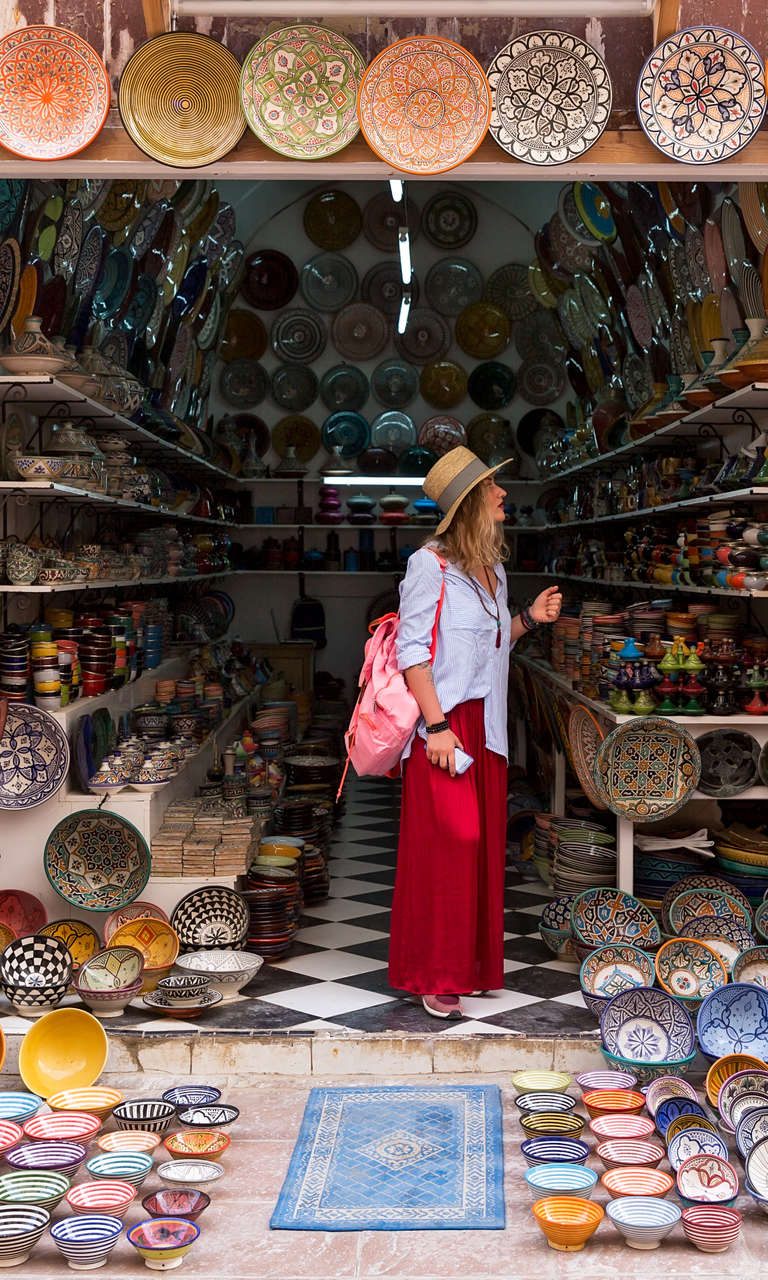
Popular souvenirs include Moroccan spices, argan oil, leather goods, Berber carpets, and handcrafted pottery. These items reflect the rich culture and craftsmanship of Morocco.
UK citizens don't usually need a visa for stays in Morocco up to 90 days. It's always advisable to check the latest travel advice before your trip.
It's recommended to drink bottled or filtered water in Morocco to avoid any potential stomach upsets.
The Moroccan Dirham (MAD) is the local currency. While credit cards are widely accepted in cities, it's good to carry cash for smaller purchases, especially in rural areas.
Don't miss trying traditional dishes like tagine, couscous, mint tea, and pastilla. Street food and local markets also offer a taste of authentic Moroccan cuisine.
Respect local customs and traditions. Public displays of affection are frowned upon, and during Ramadan, eating, drinking, and smoking in public during daylight hours should be avoided.
Booking a flight + hotel package to Morocco with lastminute.com offers several advantages. By booking both services together, you can take advantage of exclusive deals and choose from thousands of flights and accommodations for the perfect combination. Additionally, you can secure your trip with a deposit and pay the remaining amount later. You also have the flexibility to add other travel extras such as insurance, rental cars, and luggage to the flight + hotel package as per your preferences.
Morocco offers a range of stunning holiday spots for every type of traveller. Discover some of the best areas to stay in, like Marrakech, Agadir, Tangier, Casablanca, Taghazout .
Before travelling from the UK to Morocco, ensure your passport is valid for the duration of your stay. To get the latest Visa information for Morocco, please check travel advice on GOV.UK.
Travel with us
Secure payment