
Best for: One of the most impressive things to do in Turkey


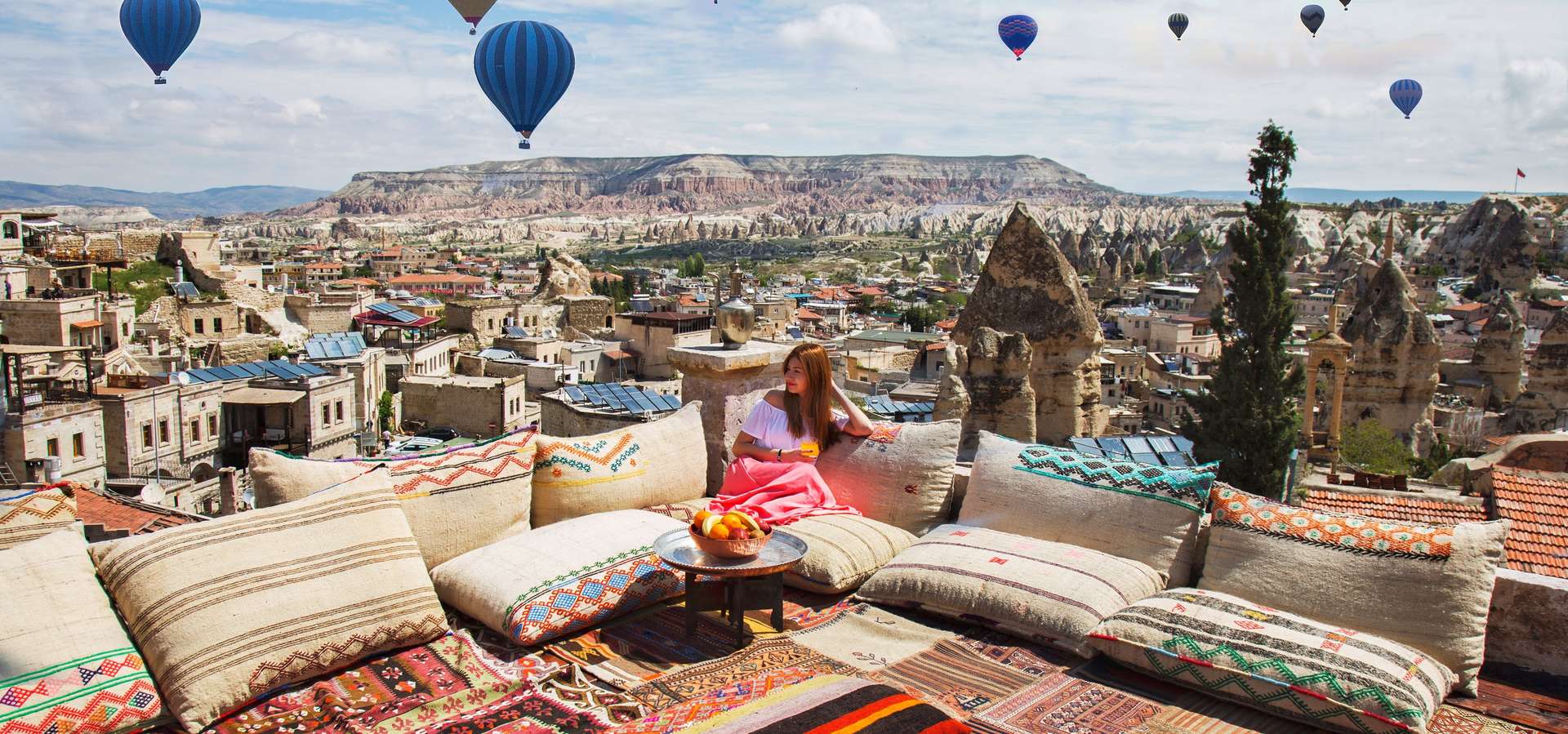

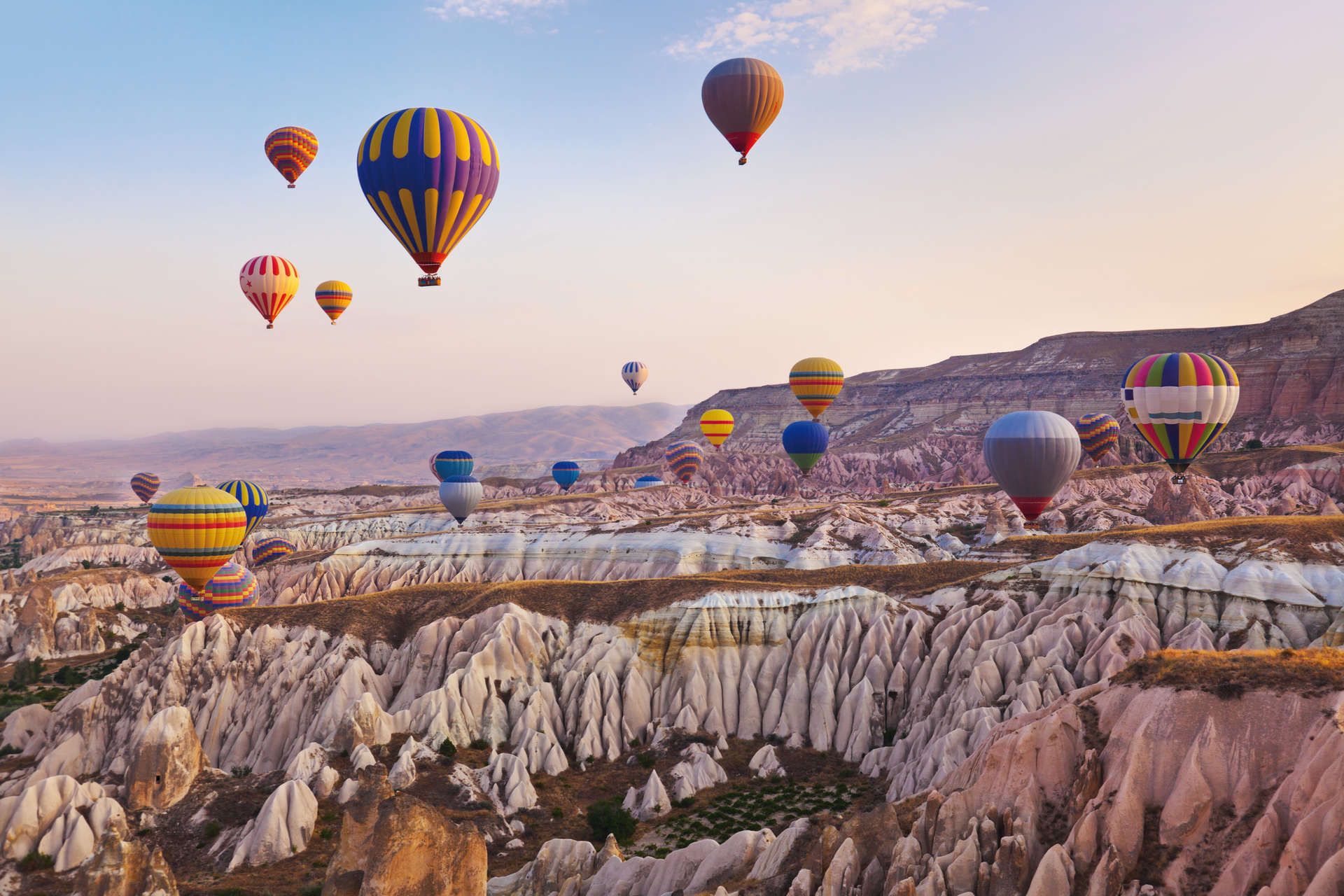
Best for: One of the most impressive things to do in Turkey

While you’re there: The city of Nevşehir acts as a transport hub for the region
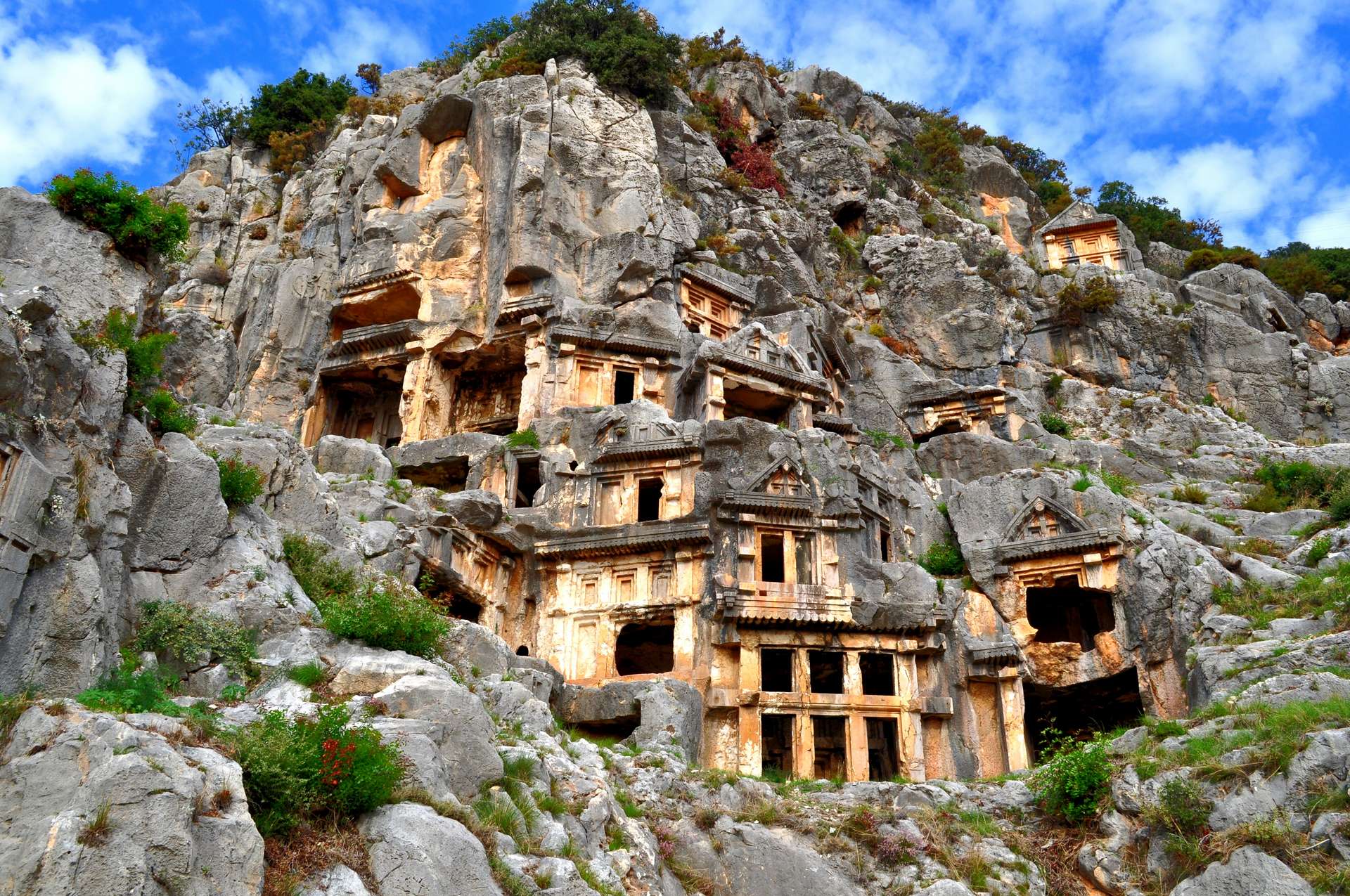
Best for: Mountain views
While you’re there: If you’re looking to explore somewhere a bit further out of Antalya, don’t miss the pretty Düden Waterfalls.
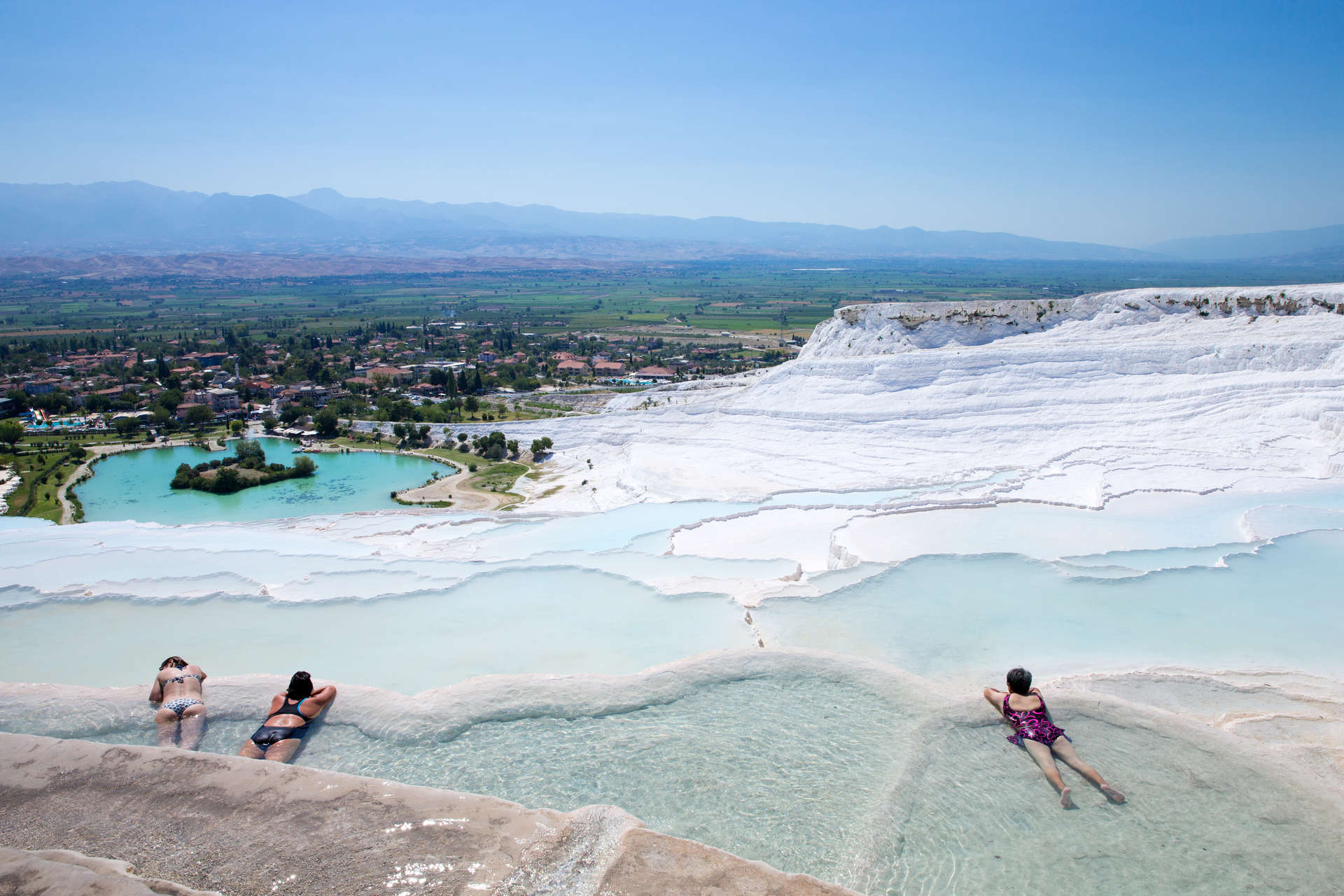
The rock formations of Pamukkale (literally “Cotton Castle”), 190km east of Selçuk, are well worth a detour, a series of white terraces saturated with dissolved calcium bicarbonate, bubbling up from the feet of the Çal Dağı mountains beyond. The spring emerges in what was once the ancient city of Hierapolis, the ruins of which would merit a stop even if they weren’t coupled with the natural phenomenon. Tucked in among the ruins is Pamukkale Thermal Baths, home to the sacred pool of the ancients, open for bathing in the mineral water.
Best for: Wonderful rock formations
While you’re there: Note that the water is 35°C - toasty!
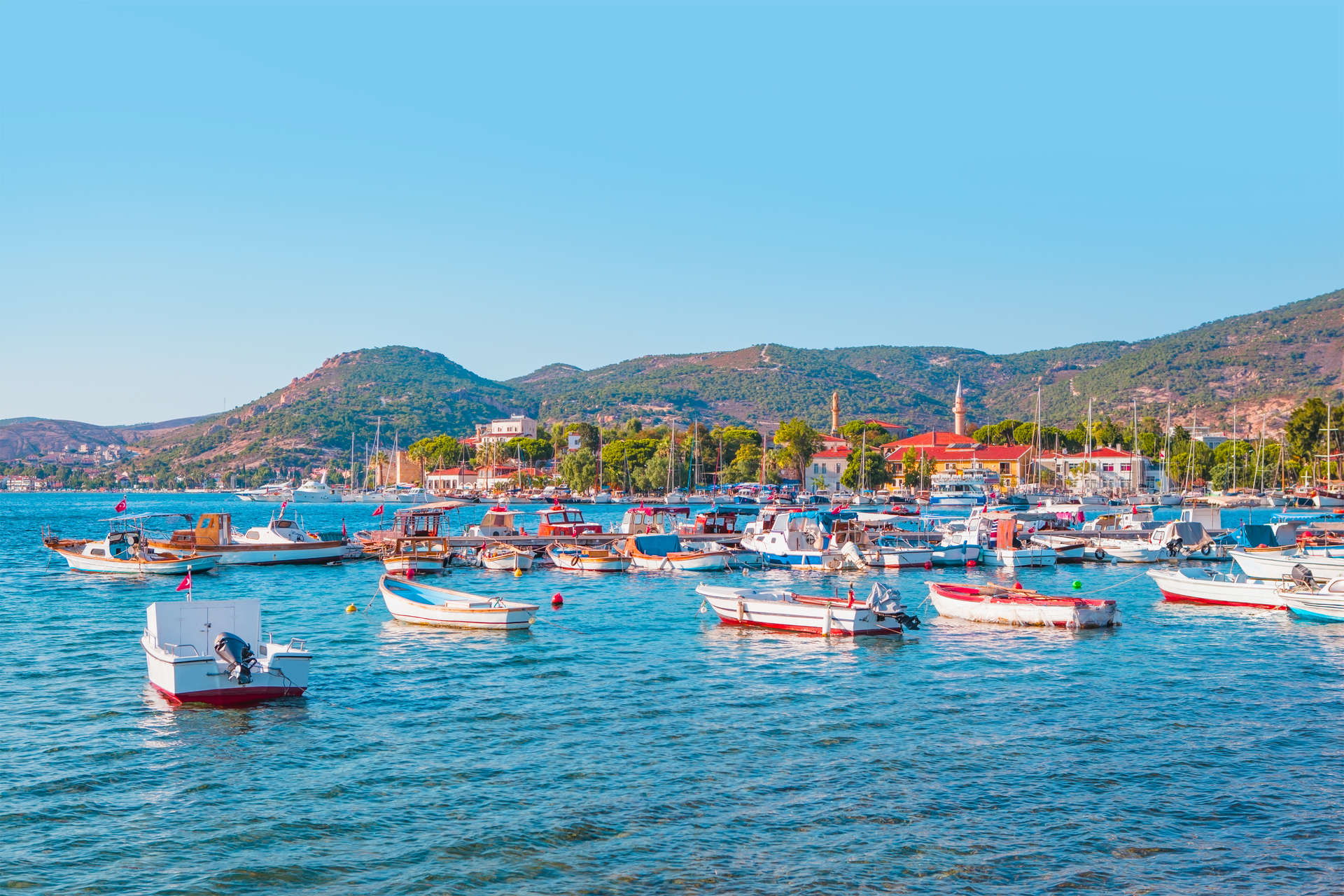
The Aegean coast is one of Turkey’s most enticing destinations, home to some of the best of its antiquities and the most appealing resorts. The city of İzmir serves as a base for day-trips to nearby sights and beaches. Visitors continuing south will be spoilt for sightseeing choices as the territory is rich in Classical, Hellenistic and Roman ruins, notably Ephesus and the remains inland at Hierapolis. The coast itself is better down south, too.
Best for: A gorgeous coastline
While you’re there: Note that Bodrum still has a certain charm despite the growing number of holidaymakers.
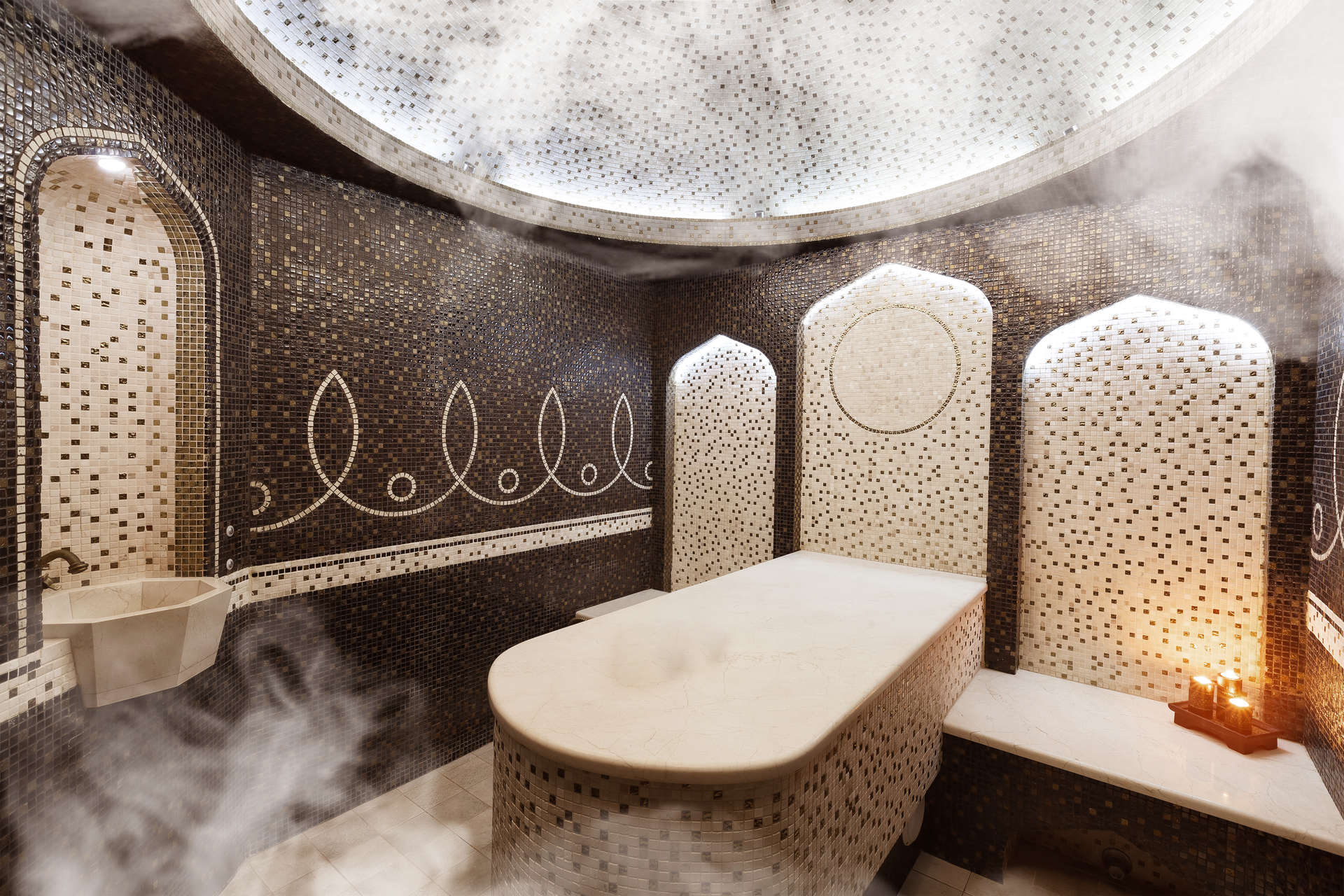
No trip to Turkey is complete without a trip to a traditional Turkish bath. At the entrance you’ll be given a peştamal (cotton towel) to wrap yourself in, and a scrubbing mitt; ladies will also be given disposable underwear. Men and women bathe in separate areas. Once you’ve changed and put any personal items in a locker you’ll be led into the sıcakılk, a hot room with a heated marble platform on which you lie down and relax for fifteen minutes or so until you start to sweat. If you’ve opted for a soap scrub, your attendant will wash, scrub and rinse you, removing grime and dead skin cells.
Best for: TLC
While you’re there: One of Istanbul’s finest historical public baths is Çemberlitaş Hammam at VezirHan Cad 8, Çemberlitaş.
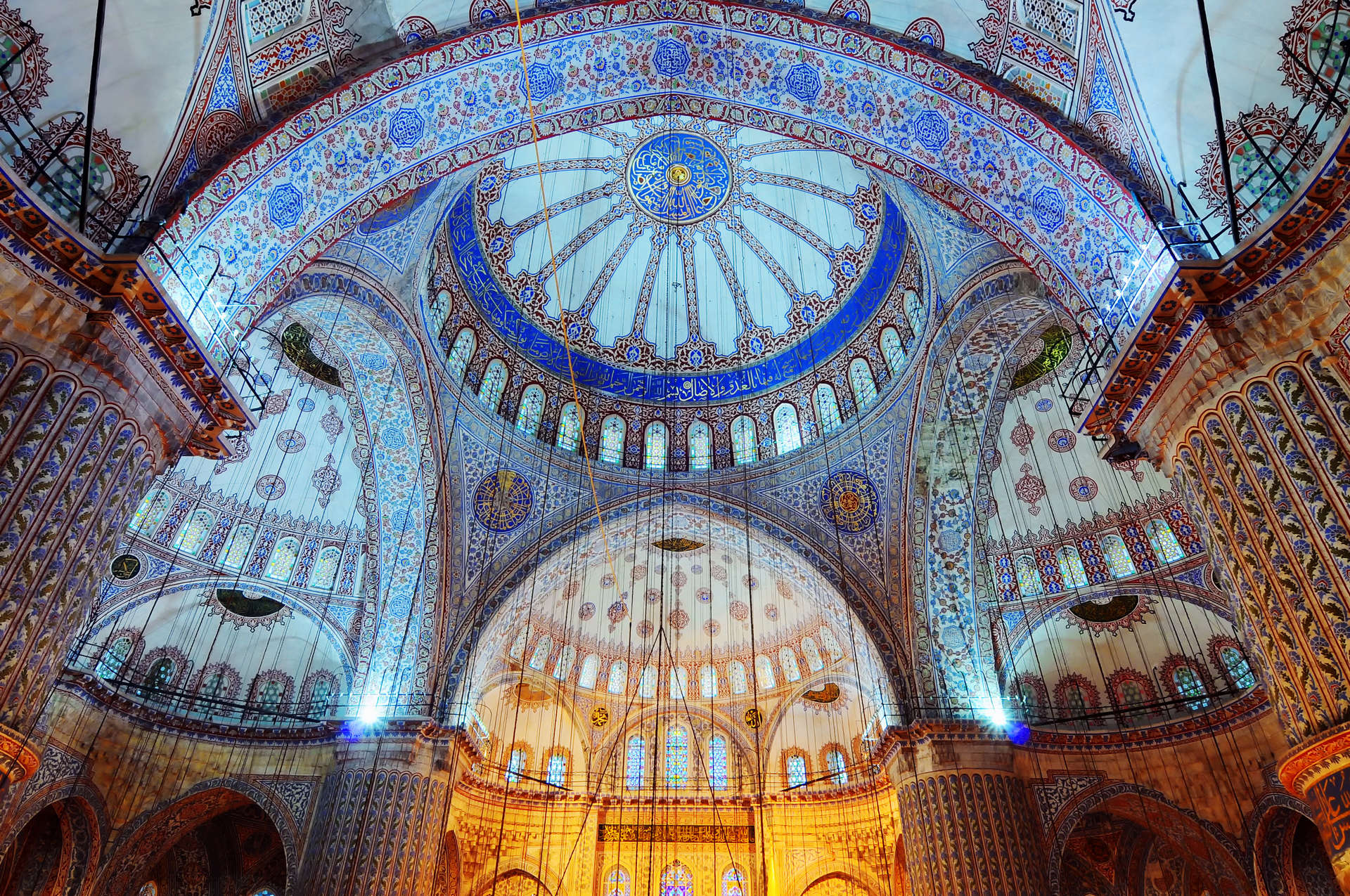
Arriving in Istanbul can result in sensory overload: backstreets teem with traders pushing handcarts, the smell of grilled food from roadside vendors lingers in the air and the call to prayer rings out from tall minarets. One of the best things to do in Turkey is to visit the Blue Mosque or Sultanahmet Camii. With its six minarets, the structure is instantly recognizable. Inside, its four “elephant foot” pillars obscure parts of the building and dwarf the dome they support. It’s the 20,000-odd blue tiles inside that lend the mosque its name. Outside the precinct wall is the Tomb of Sultan Ahmet, where the sultan is buried along with his wife and three of his sons.
Best for: Wonderful architecture
While you’re there: For more architecture head to the Süleymaniye Mosque Complex - absolutely incredible.
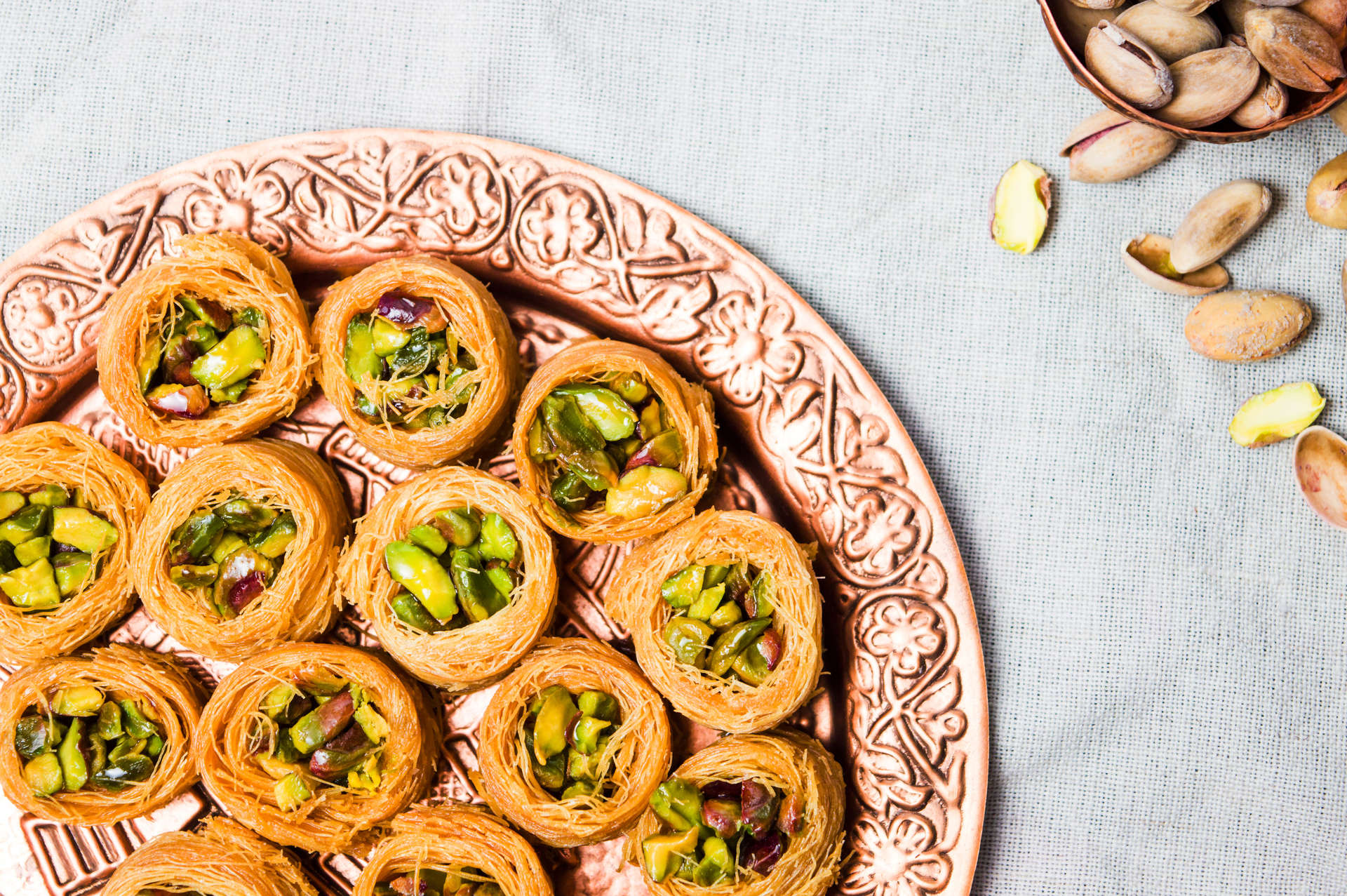
What to do in Turkey? Devour its fantastic food! At its finest, Turkish food is one of the world’s great cuisines, and prices are on the whole affordable. Breakfast (kahvaltı) served at hotels and pansiyons is usually a buffet, offering bread with butter, cheese, cucumber, tomatoes, olives, jam, honey and tea or coffee. Many workers start the morning with poça, pastries filled with meat, cheese or potato that are sold at bakeries, büfes (stall/café) or at street carts. Others make do with a simple simit (sesame-seed bread ring). Snack vendors hawk lahmacun, small “pizzas'' with meat-based toppings, and, in coastal cities, midye dolma (stuffed mussels). A more substantial option is pide, or Turkish pizza - flatbread with various toppings.
Best for: Food
While you’re there: For dessert at a pastane (sweet shop) try honey-soaked baklava and a variety of milk puddings most commonly sütlaç.
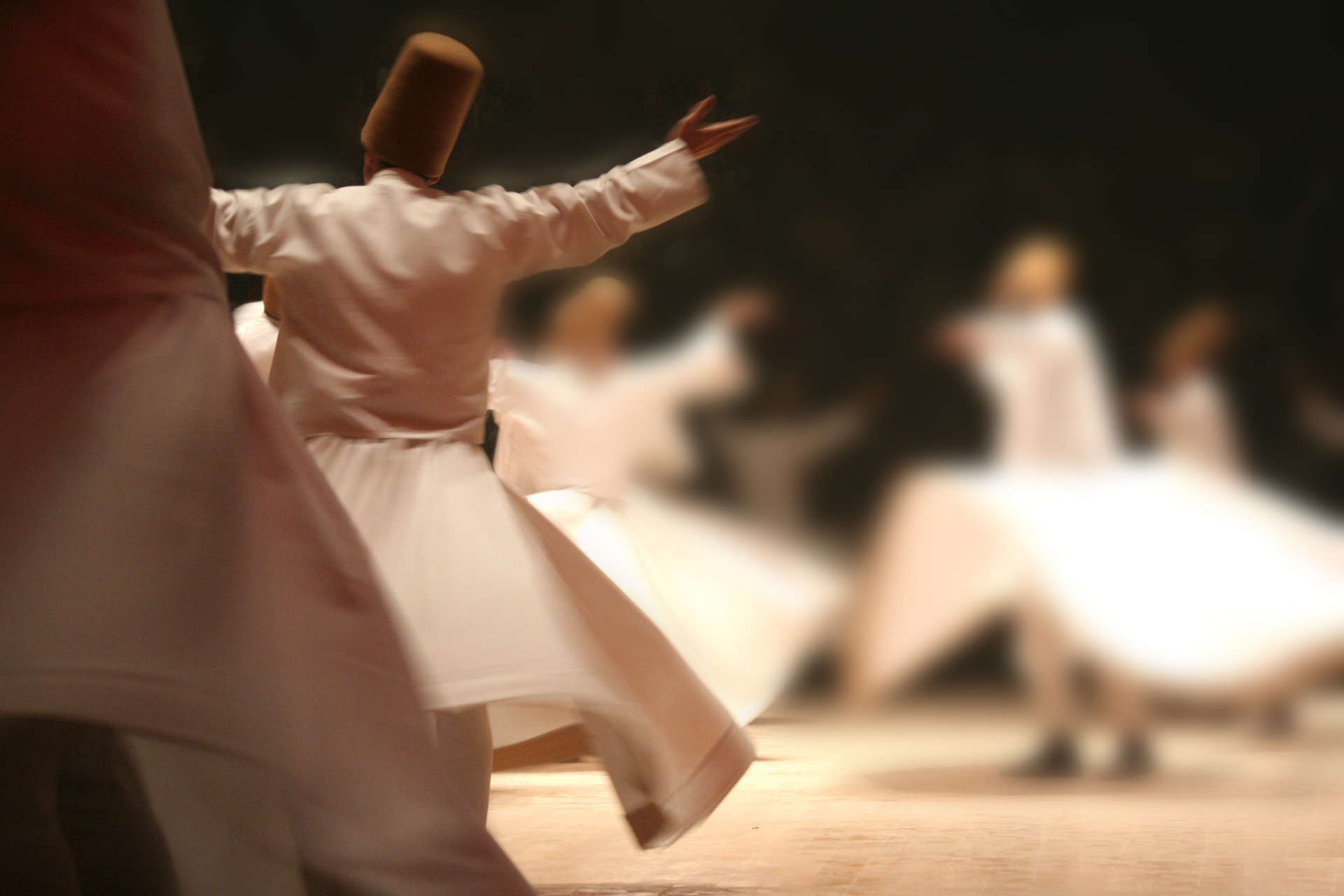
Roughly midway between Antalya and Nevşehir, Konya is an essential place of pilgrimage for the Muslim world - the home of Celaleddin Rumi or the Mevlâna (“Our Master”), the mystic who founded the Mevlevi or Whirling Dervish sect, making it a centre of Sufic mystical practice and teaching. This meditational ceremony, where worshippers spin around to draw closer to God, is held at the Mevlâna Cultural Centre near the museum.
Best for: Culture
While you’re there: The Karatay Tile Museum is a fascinating museum.