In collaboration with
Rough Guides


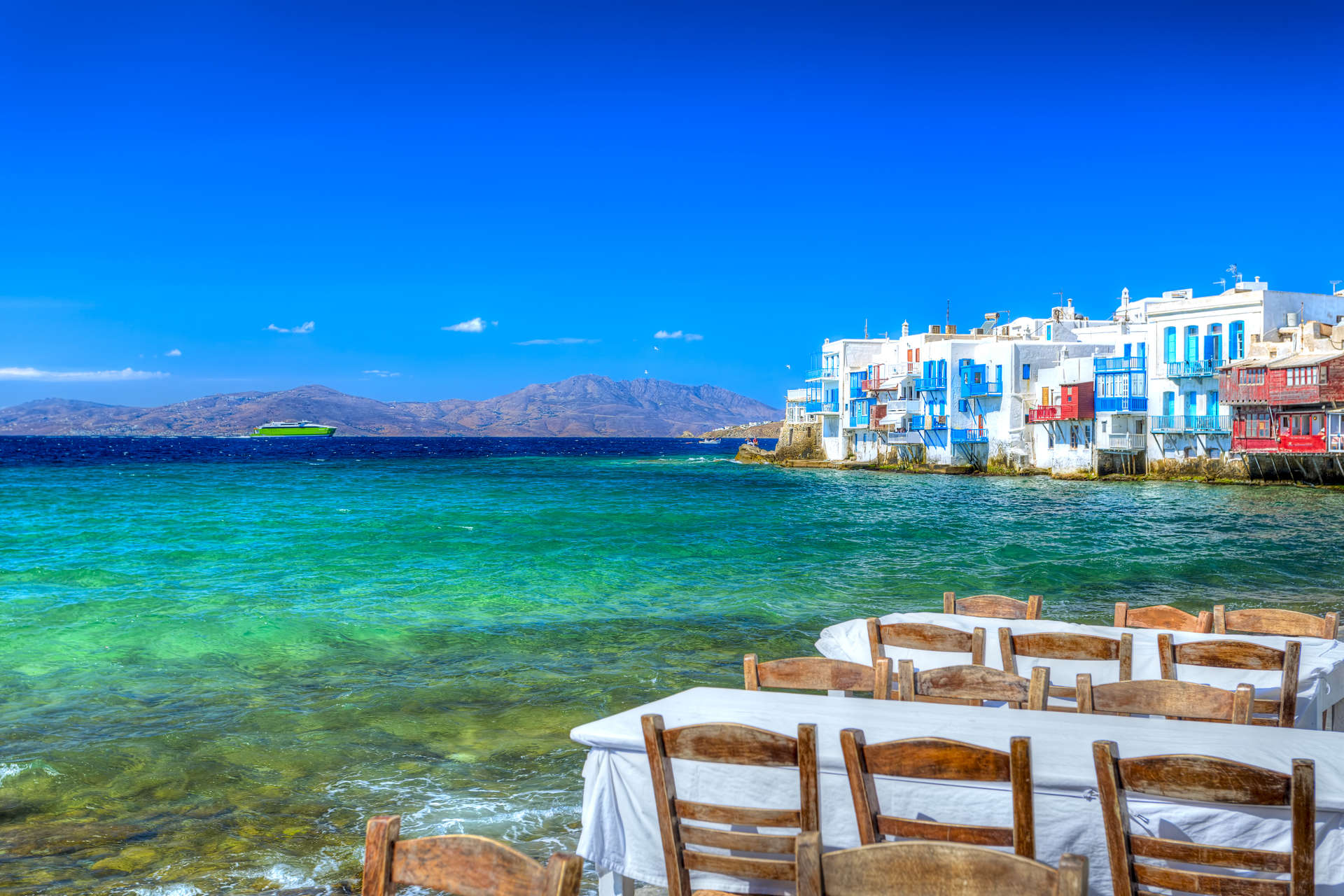
There’s much more to Mykonos than its dynamic nightlife – be it fascinating museums that display the island’s rich historical past, or trendy towns with photogenic white-washed houses, there’s plenty to explore with these great Mykonos holiday packages.
In collaboration with
Rough Guides
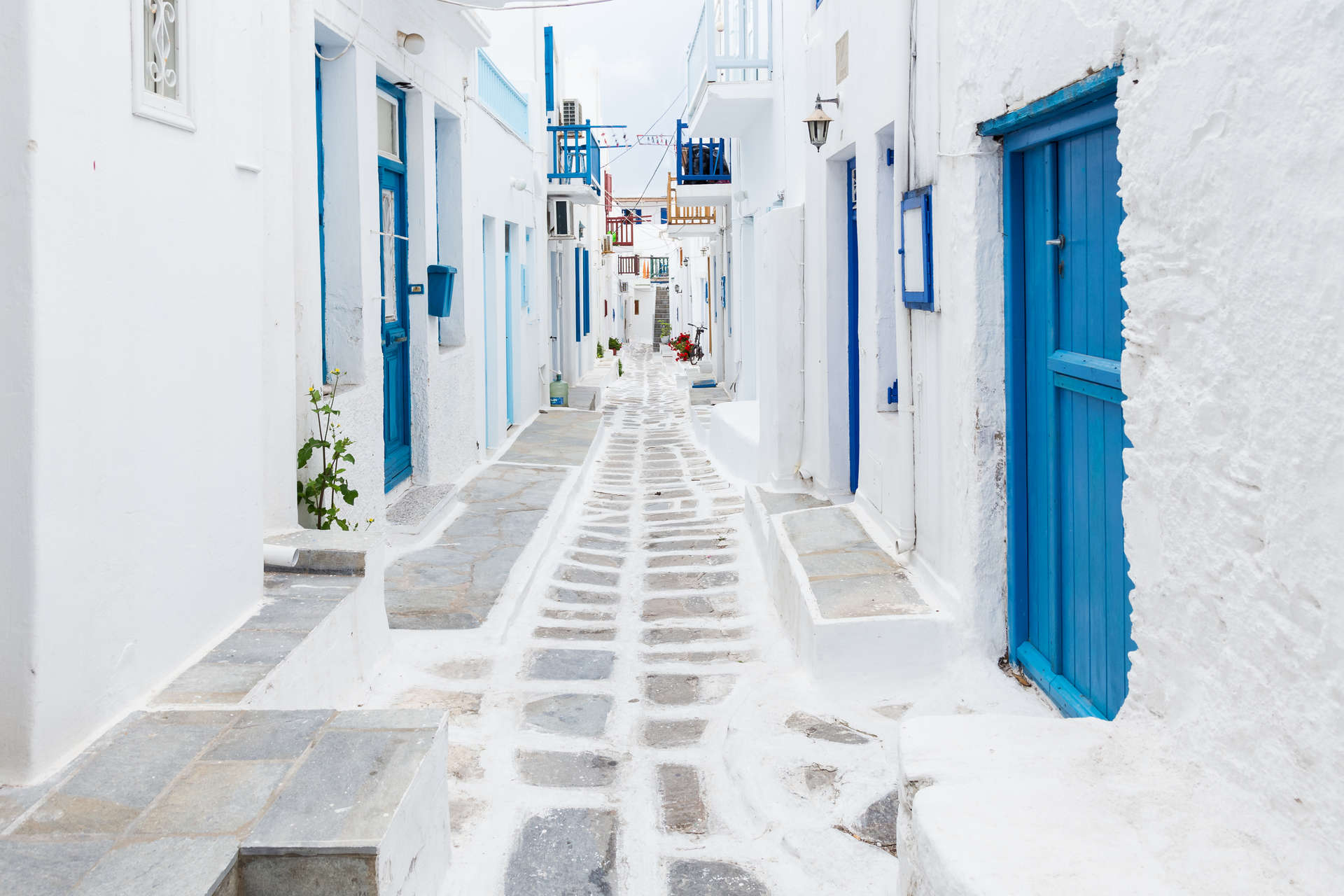
Don’t let the crowds put you off exploring Mykonos Town, a picturesque collection of pretty white houses and shops. In summer most people head out to the beaches during the day, so early morning or late afternoon are the best times to wander the maze of narrow streets. The labyrinthine design was supposed to confuse the pirates who plagued Mykonos in the eighteenth and early nineteenth centuries, and it has the same effect on today’s visitors.

Don’t miss: The waterfront’s cafes and restaurants provide the perfect pitstop after making it out of the maze-like streets.
Those wanting to learn more about the island’s place in history should visit the Archaeological Museum. Built in 1905 to exhibit artefacts from the cemeteries on Rineia, the museum is now home to many priceless objects from the ancient world. The age of some of these items is mind-boggling, with some of its pottery dating back to the 25th-century BC. Other noteworthy objects include funerary statues and stelae, clay figurines, jewellery and other small objects, all found on Mykonos and its surrounding islands.
Don’t miss: The museum regularly features stunning exhibitions which showcase the art and history of Mykonos and the Cyclades.
The Aegean has a rich maritime history, dating back to ancient Greece and beyond. This fantastic museum in the heart of the old town celebrates this historic sea through incredible artefacts and exhibitions. The museum’s vast collection includes models of ships from the pre-Minoan period to the current day, historical documents, rare engravings and maps, navigational instruments, equipment and tools. The museum’s luscious garden contains fascinating reproductions of ancient marble gravestones from the islands of Mykonos and Delos, each with an incredible story attached to it.
Don’t miss: The museum is particularly proud of the 1890 lighthouse lantern re-erected in the back garden, a beacon to visitors all over the island.
The Folklore Museum, housed in an eighteenth-century mansion, crams in a larger-than-usual collection of bric-à-brac, including a basement dedicated to Mykonos’ maritime past. One of the museum’s best attractions is a restored and furnished merchant’s home from the turn of the twentieth century. Named ‘Lena’s House’, after its last owner, Lena Skrivanou, this typically Mykonian residence is a gem inside and out; behind its picturesque white façade is an amazing collection of furniture, prints, embroideries, mirrors and decorative plates, as well as a copy of the famous Mykonos dovecote.
Don’t miss: In one of the display cases is a copy of an 18th-century Mykonian woman’s costume.
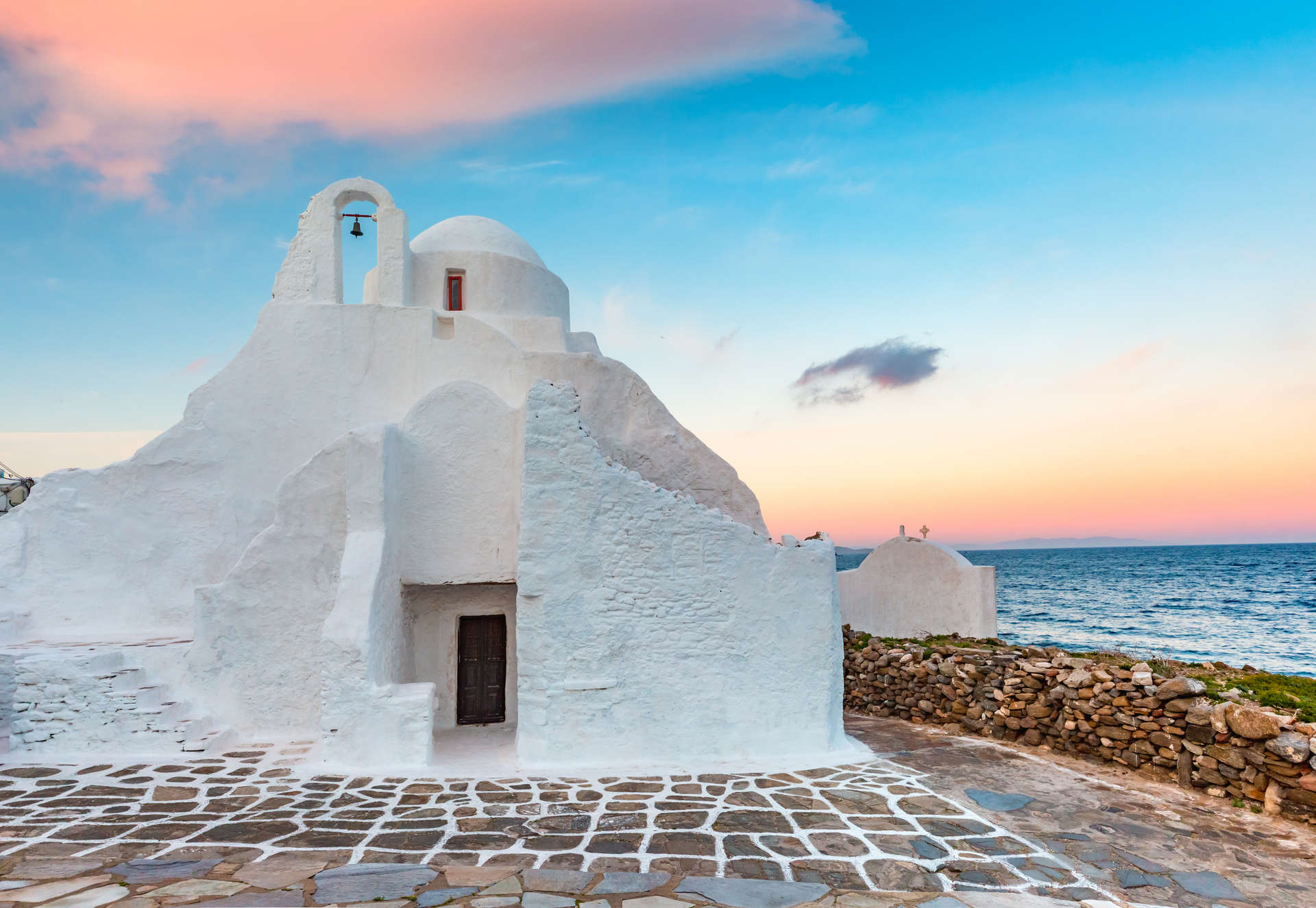
If you’re going to the museum, you have to visit Mykonos’ oldest and best-known church, Paraportianí, which is just next door. This fascinating asymmetrical hotchpotch of four chapels amalgamated is the most visited church on the island. Its wonderful white-washed walls, painted that colour to reflect the harsh summer sun, are the quintessential image of the Cyclades and ripe for a good photo opportunity or two.
Don’t miss: If the church itself isn’t enough to draw you in, the views out to sea are spectacular.

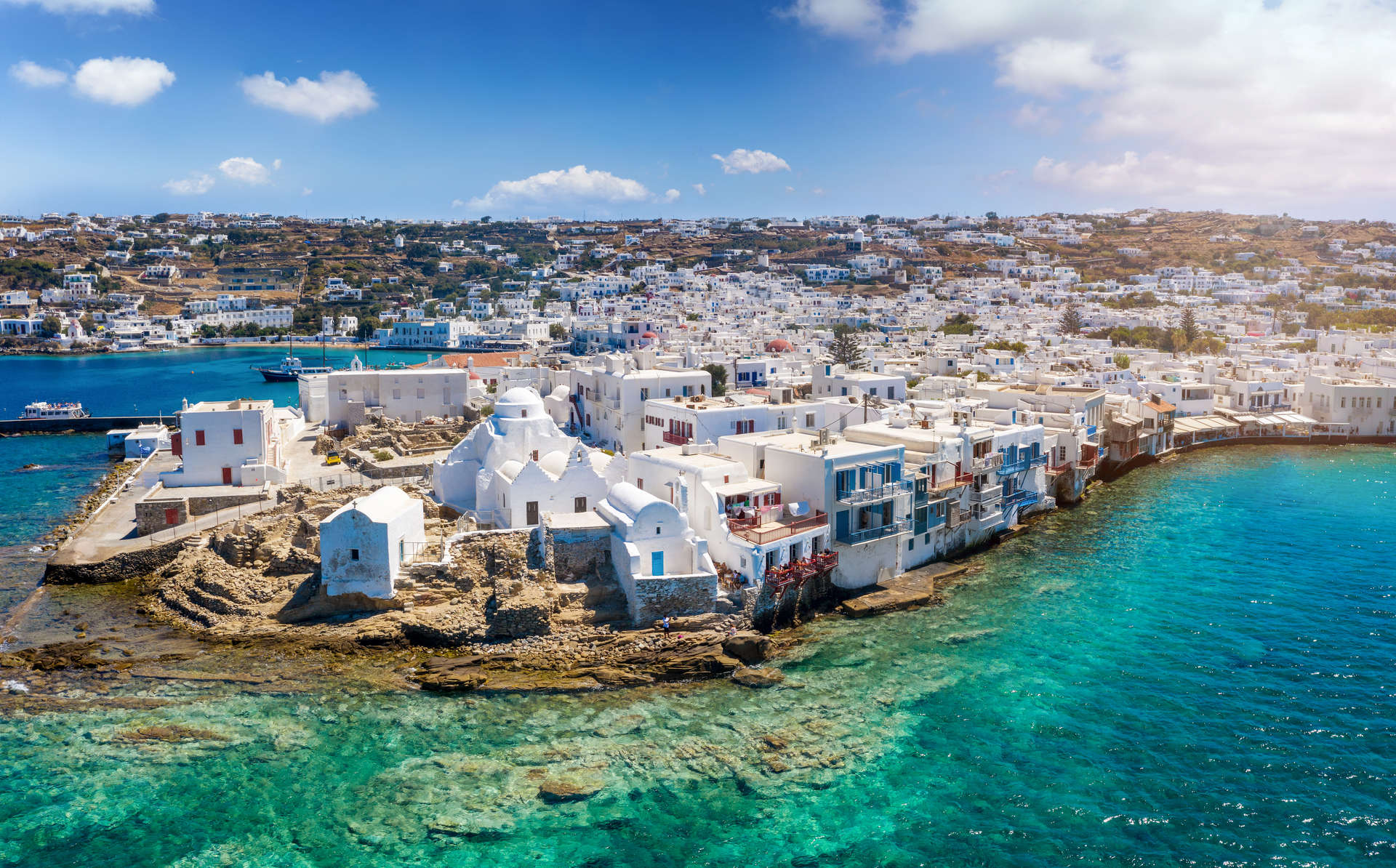
The most romantic spot in Mykonos, Little Venice got its name from the high, arcaded Venetian houses built right up to the water’s edge. Together with the adjoining Alefkandra district, this is a dense area packed with art galleries, trendy bars, shops and clubs. Beyond Little Venice, the famous windmills look over the area, renovated and ripe for photo opportunities.
Don’t miss: Make sure to visit the area during sunset when the views are out of this world.
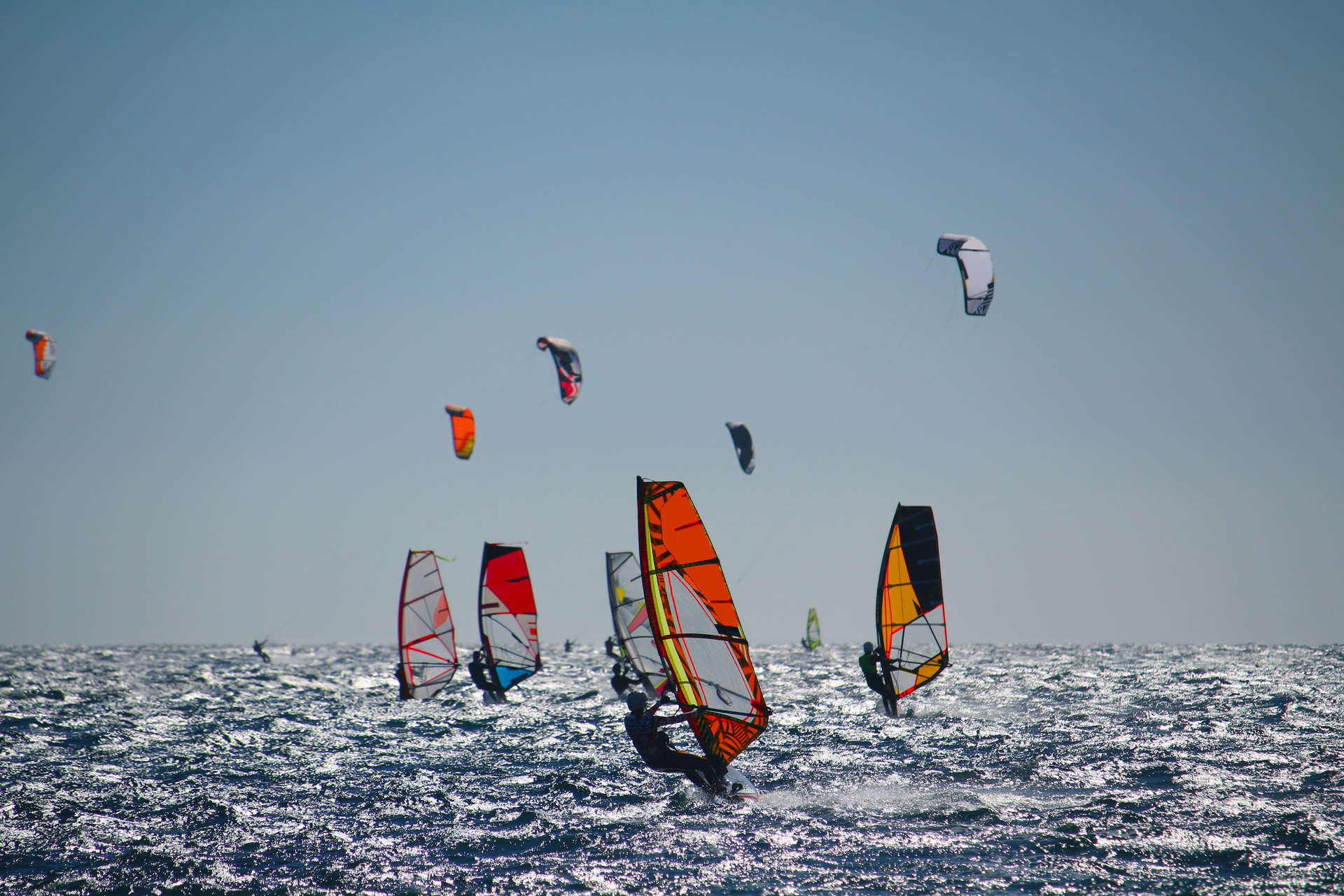
The attractive beach at Kalafáti is the island’s main hub for activities and watersports. It is one of Greece’s top windsurfing destinations, and it is also popular for sailing and scuba diving to nearby shipwrecks. There are plenty of bars, seafood restaurants and tavernas inland, and a rugged coastal trail connects it with nearby Agia Anna Beach.
Don’t miss: If windsurfing is not your scene, nearby Kaló Livádhi is long, sandy and, in short, perfect for sunbathers.
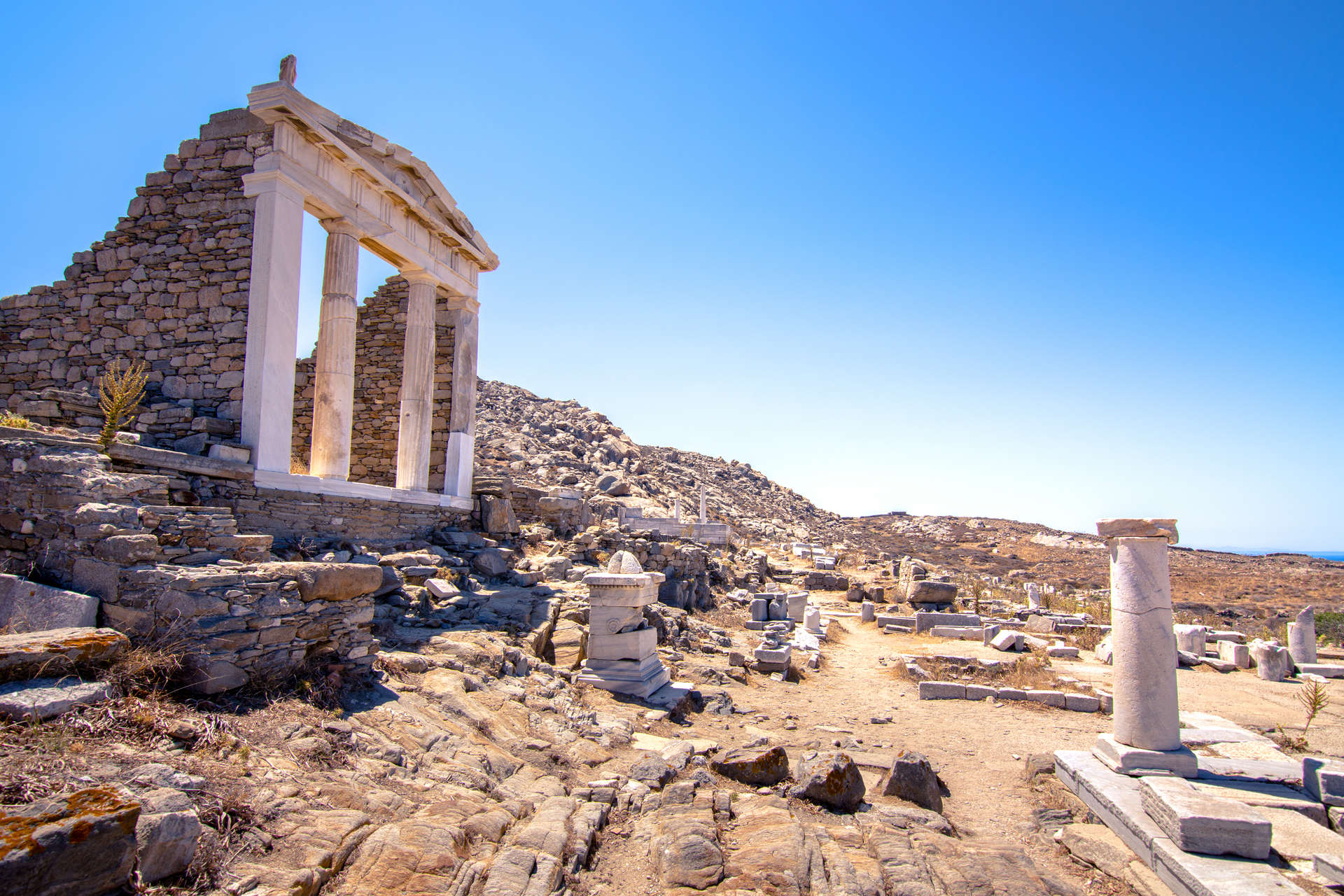
The remains of ancient Delos, the Cyclades’ sole UNESCO Heritage Site, manage to convey the past grandeur of this small, sacred isle a few kilometres west of Mykonos. The Sacred Way leads north from the far-left corner of the Agora of the Competaliasts and was formerly lined with statues and the grandiose monuments of rival kings. Three Temples to Apollo stand in a row to the right along the Sacred Way: the massive Delian Temple, the Athenian, and the Porinos, the earliest, dating from the 6th-century BC. To the east stands the Sanctuary of Dionysus with its colossal marble *checks notes* phallus.
Don’t miss: In 417 BC the Athenian general Nikias led priests across a bridge of boats from Rínia to dedicate a bronze palm tree.
The final sight worth visiting on Delos is the Theatre Quarter. Among the remains of impressive private mansions (now named after their respective main mosaics – Dionysus, Trident, Masks and Dolphins), the theatre itself seated no fewer than 5500 spectators, and just below it and structurally almost as spectacular is a huge underground cistern with arched roof supports. Behind the theatre, a path rises steeply up Mount Kynthos to the Sanctuary of Zeus and Athena with spectacular views out to the surrounding islands.
Don’t miss: Near its base, a small side path leads to the Sacred Cave – a Hellenistic shrine to Hercules.