|
|
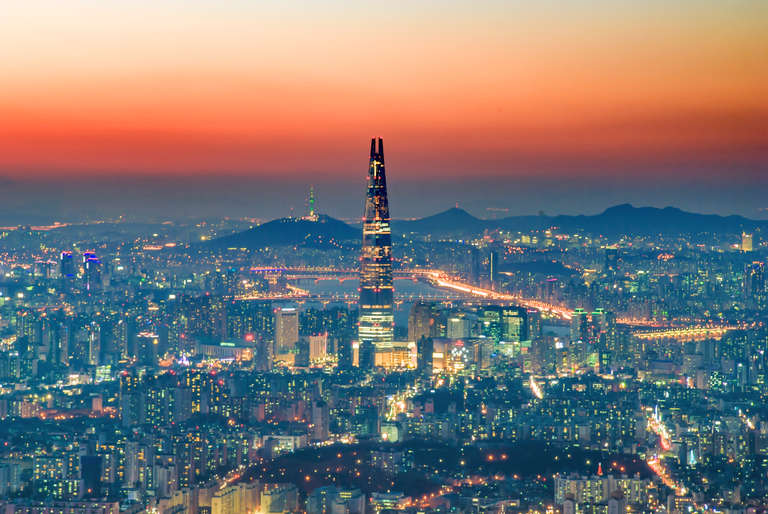
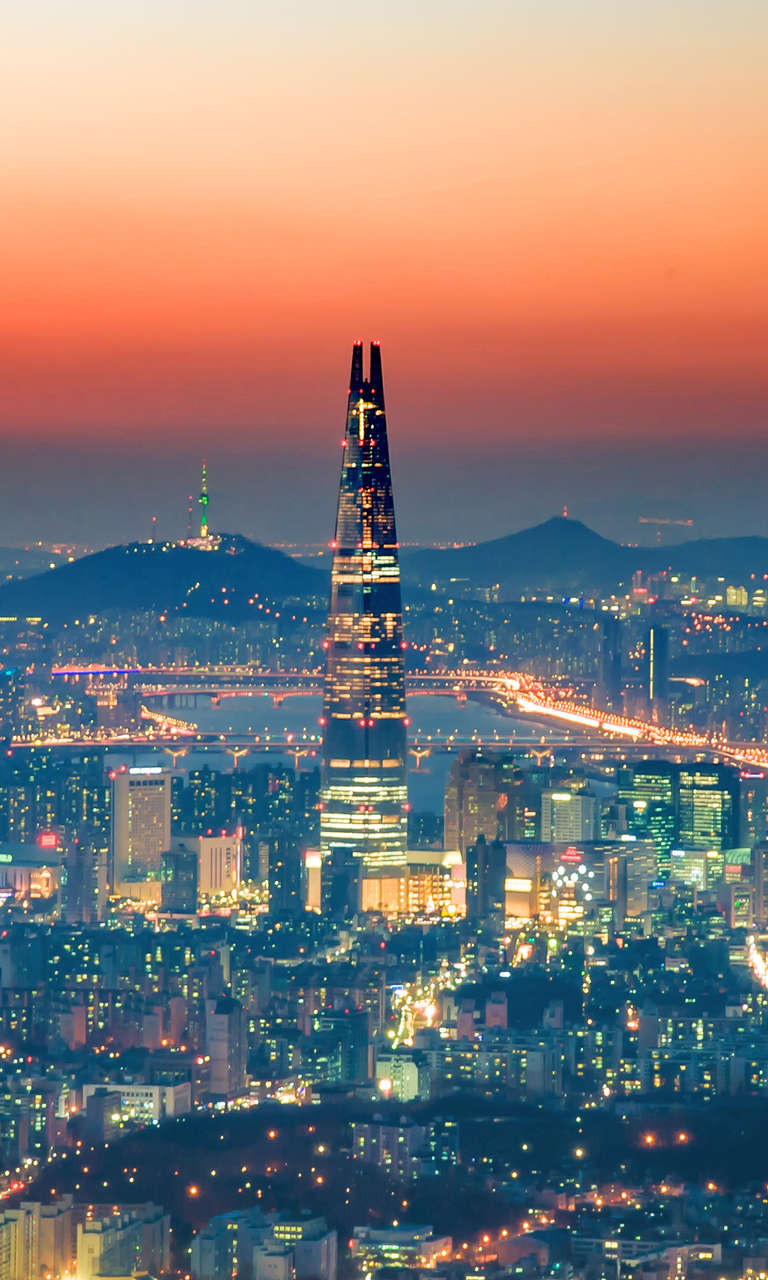
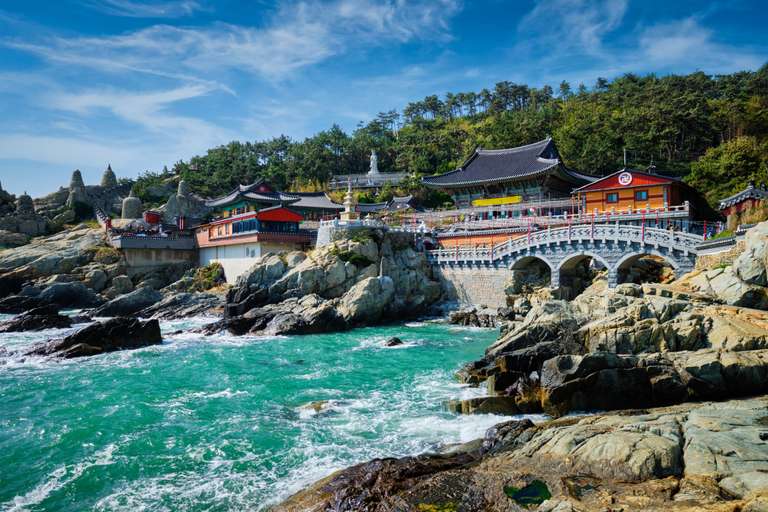
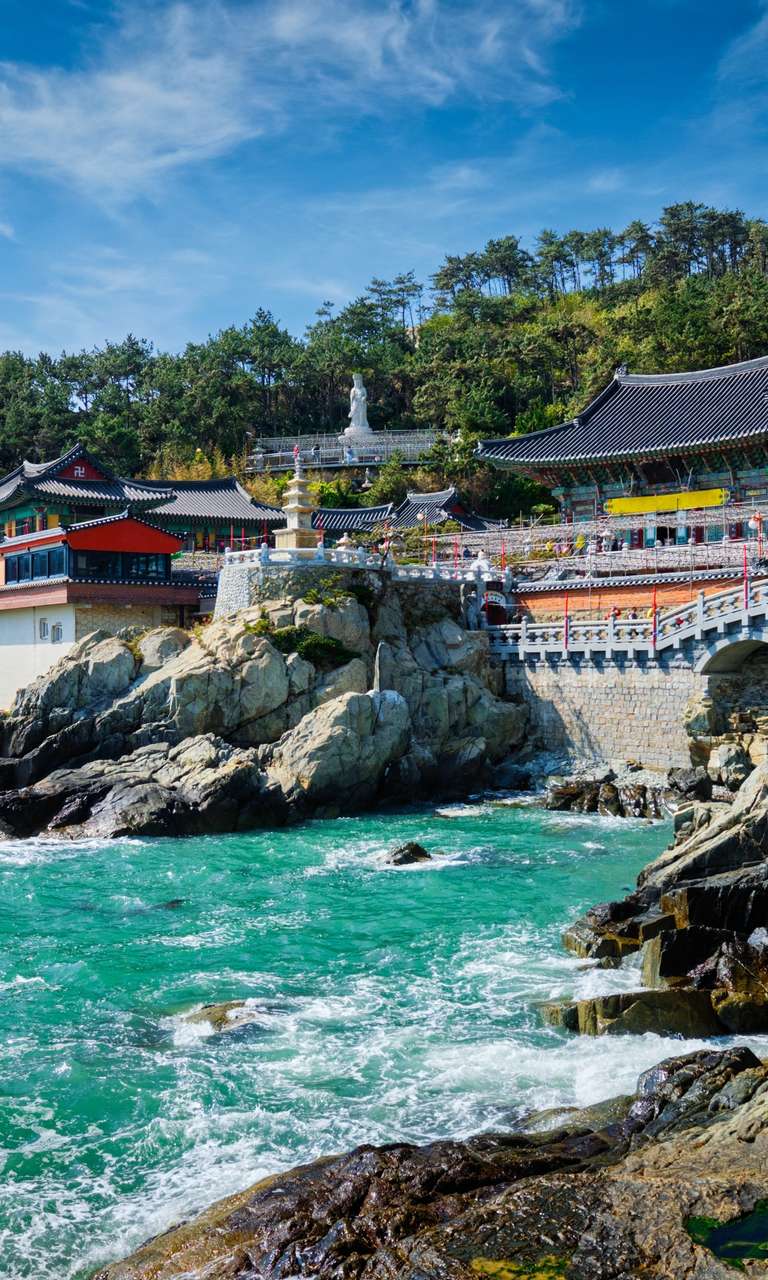
South Korea holidays offer a captivating mix of ancient history, modern innovation, and stunning natural landscapes. Explore the lively streets of Seoul, hike the peaceful mountains of Gangwon Province, and enjoy a variety of experiences. Discover rich cultural heritage in historic palaces, colorful festivals, and delicious cuisine. Whether wandering tech-driven cities or enjoying the serene countryside, South Korea provides an unforgettable journey with exciting contrasts and unique discoveries.
Enjoy access to special prices, only available on package deals.
Choose from thousands of flights, hotels and stays.
Book with a small deposit and pay the rest later.
Quickly add insurance, luggage, rental cars and more.
You are protected
Book the best deals on holidays to South Korea today!
Flight time:
Flights to South Korea from the UK usually take around 11 hours, although currently, it’s more like 13 hours due to restrictions over Russian airspace.
Direct flights to Seoul’s Incheon International Airport are available from London, but if you're flying from other airports, you're likely to connect via hubs such as Paris, Helsinki, Doha or Dubai.
Transfer time:
From Incheon Airport, you can take the AREX express train to Seoul Station in about 45 minutes or 1 hour for a regular train.
Many buses are also available, as well as taxis, Uber or the local KakaoT ride-hailing service, which all take around 1 hour, depending on traffic.
Price:
The AREX train into Seoul costs W11,000 (about £6), or around W4,750 (£2.70) for the non-express.
Fares for a taxi vary according to the time of day, route and traffic but will usually set you back W50,000–W70,000 (£28–£40).
Uber or KakaoT are slightly cheaper.
Airport limousine buses start at around W5,500 (£3).
South Korea’s diverse weather stretches from long, cold winters to hot summers, with spring and autumn offering plenty of their own charms. Here’s a breakdown of what to expect in all the seasons:
April to June is spring and the high season for tourists when flowers bloom, including a wave of cherry blossoms across the country. Temperatures are warm, with highs from 17 to 27°C and low rainfall, making it ideal for sightseeing and enjoying the many festivals.
July to August brings the summer heat and sticky humidity, while monsoon season sees half the annual rainfall arrive in about a month. Temperatures soar to around 30°C, although beachgoers still flock to places like Busan.
September to November is autumn and one of the best times to come, with mild, pleasant temperatures peaking between 15 and 25°C and low rainfall. The colourful foliage in the mountains is spectacular, and it’s a popular time for picnics under the trees, hiking, outdoor activities and more festivals.
December to March is winter, with temperatures dropping to between 5°C and below freezing, particularly in the north. However, there is minimal rainfall, and the skies are often clear. Winter sports enthusiasts will love South Korea’s ski resorts, and tourists can still enjoy visiting during this season.
Spoken languages: Korean is the official language, although many people in Seoul and major tourist areas speak some English. However, learning a few basic Korean phrases is appreciated.
Local habits and customs: Korean people are largely accepting of foreign visitors who may not be familiar with local customs and will often explain what is required in a situation. However, the Far Eastern concept of “face” is paramount, so getting angry is to be avoided. Removing shoes when entering a home and some traditional restaurants and not sticking your chopsticks upright in a bowl are key customs.
Currency: The currency in South Korea is the won. ATMs are widely available, especially in urban areas, and debit or credit cards are increasingly accepted in hotels, restaurants and shops.
Getting around: South Korea’s public transport system is comprehensive, efficient and affordable. Around the country, a mix of buses, trains and ferries will take you everywhere. In cities like Seoul, the metro system, taxis and ride-hailing services (Uber and the more dominant KakaoT) are easily accessed.
Electricity and plug types: South Korea’s electricity is 220V, and plugs are the European two-round-pin type, so UK visitors will need an adapter.
Time zone: South Korea is 9 hours ahead of GMT.
South Korea is a major upcoming travel destination, building on the buzz that is being spread worldwide by Korean food, music, TV, movies and culture. From lively modern cities and exciting food scenes to tranquil temples and breathtaking natural landscapes, here are some of the best things to do during holidays to South Korea:
Hongdae, Seoul: A vibrant district known for its youthful atmosphere, live music, quirky cafés and street performances. It's a great spot for shopping, dining and enjoying the dynamic art scene.
Insadong, Seoul: The city’s most popular tourist street is a cultural hub and a must-visit for traditional Korean art and antiques. Wander through its narrow alleys, crammed full of galleries, tea houses and craft shops.
Gyeongju: If you’re limited to just one place outside Seoul, this former capital during the Silla dynasty is the one to visit. The relaxed city is a bit like Korea’s version of Kyoto, with a rich collection of ancient treasures, superb temples and rural scenery.
Gyeongbokgung Palace: The oldest and grandest of Seoul’s palaces, Gyeongbokgung is an essential visit. Stroll through the expansive grounds, explore the folk and palace museums and witness the changing of the guard ceremony before heading for a wander in the trendy Samcheongdong area.
Changdeokgung Palace: Seoul’s best-preserved palace is a UNESCO World Heritage site famous for its impressive architecture and Secret Garden, a tranquil oasis hidden behind the palace where royalty once relaxed.
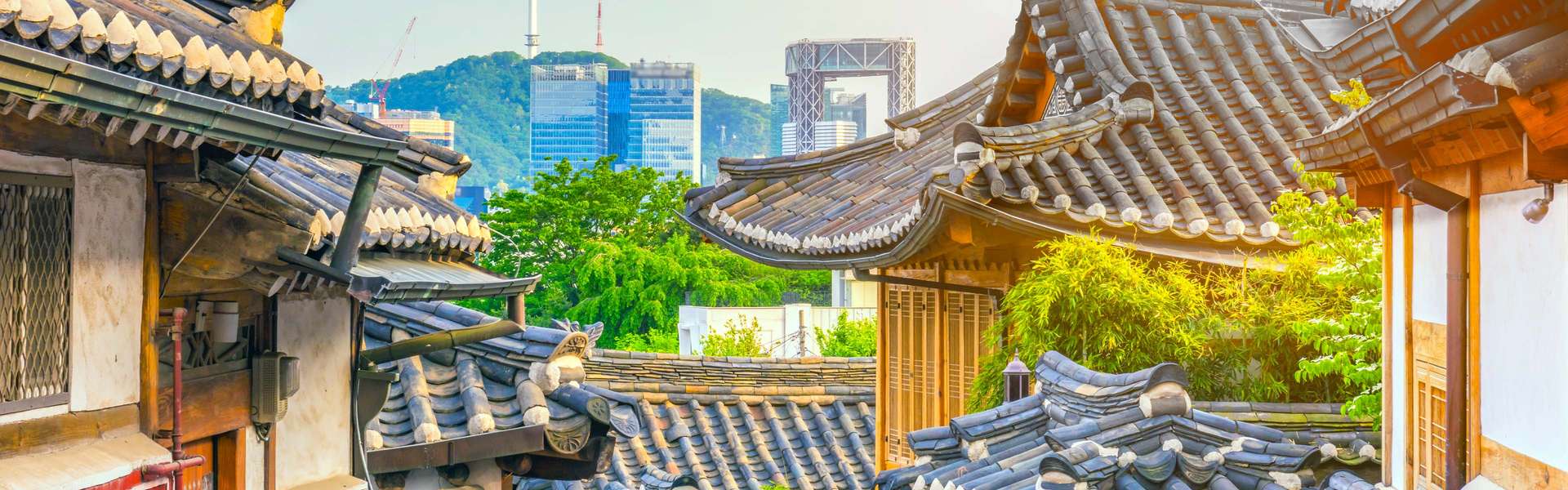
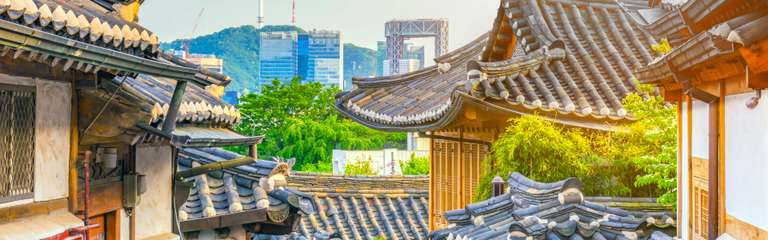
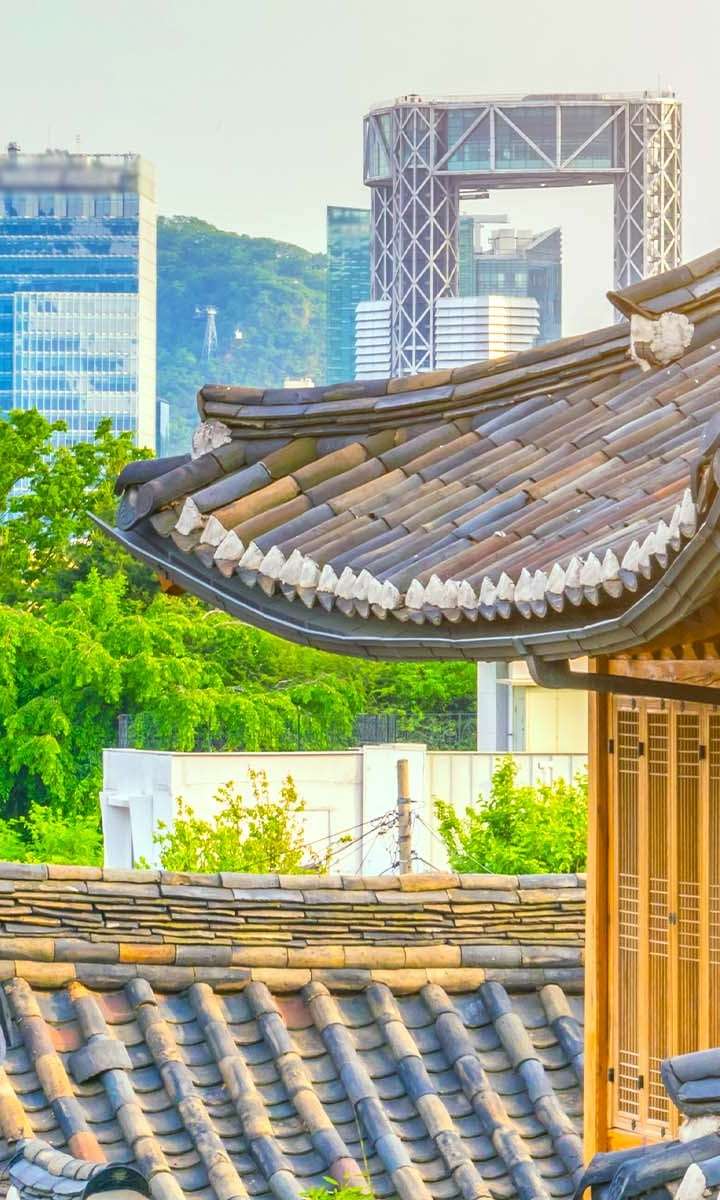
Hahoe Folk Village, Andong: Visiting the best-preserved folk villages like Hahoe is like stepping back in time to explore traditional, wooden hanok houses, relax by the river and learn about South Korea’s bygone days.
DMZ (Demilitarized Zone): A short way north of Seoul, the DMZ offers a fascinating look into the divide between South and North Korea. You can visit the Joint Security Area, explore tunnels dug by the North, and gaze across the border.
South Korea is a fantastic destination for families, offering a variety of fun activities that cater to kids and adults alike.
Theme parks: Everland, located near Seoul, is South Korea’s largest theme park, with rides, shows, animal exhibits and the Caribbean Bay water park. For a more immersive experience, head to Lotte World, a giant indoor and outdoor Disneyland-like park.
Aquariums: The COEX Aquarium in Seoul features a variety of marine life, while Busan’s Sea Life Aquarium offers interactive exhibits and impressive underwater tunnels.
Nature walks and parks: Seoul Forest park is a perfect spot for families to explore wildlife, ride bicycles and enjoy a day out in nature. Alternatively, the Olympic Park offers wide open spaces for running around and plenty of play areas.

South Korea offers plenty of free events and attractions, making it an excellent destination for budget-conscious travellers. Here are some of the best free things to do on your South Korea holidays:
Free events: Throughout the year, you can enjoy free events like the Seoul Lantern Festival, which illuminates the Cheonggyecheon Stream, or the Busan Fireworks Festival, which offers a dazzling display over Gwangalli Beach.
Free museums: Several museums offer free entry on specific days, while the fascinating collections at the National Museum of Korea are free to all visitors and provide an insightful journey through the nation’s history.
Jjimjilbangs: A quintessential Korean experience, a jjimjilbang is a bathhouse or sauna, offering everything from steam rooms to ice baths and even sleeping areas for those looking for a cheap night’s stay. Every city will offer plenty of choice, and there’s generally a better selection outside Seoul.
Hiking: With 19 national parks and plenty of picturesque mountainous areas, hiking is South Korea’s most popular national pastime. Popular trails include Bukhansan National Park near Seoul and Seoraksan National Park, which is particularly beautiful in the autumn.
Watersports: The crystal-clear waters and volcanic landscapes of Jeju Island make for a memorable experience, with excellent opportunities for activities such as kayaking, diving and windsurfing.
Although gaining in popularity around the world, South Korea’s food is still relatively unknown. Flavoured with copious amounts of spicy gochujang sauce and kimchi and accompanied by a variety of side dishes known as banchan, here are some recommendations to look out for:
Bibimbap: This classic Korean dish, often served in a heated bowl, consists of rice topped with a mix of leaves, shoots, vegetables, egg and beef or tofu, served with a spicy gochujang sauce.
Kimchi: South Korea’s famous fermented cabbage or radish dish, seasoned with chilli and garlic, accompanies almost every meal.
Barbecued meat: Restaurants serve plates of sliced meat, usually beef, to be grilled over charcoal at your table, either by staff or yourself.
Samgyeopsal: This grilled pork belly is a popular choice at Korean barbecues and is often eaten with garlic, chilli and dipping sauces.
Haemul Pajeon: A savoury pancake packed with fresh seafood and spring onions, perfect as a starter or side dish.
Tteokbokki: These spicy rice cakes with fish, cooked in a spicy pepper sauce, are one of the most popular street foods in South Korea.
Hotteok: A sweet, fried pancake filled with brown sugar, cinnamon and nuts, usually found in street markets during the colder months.
Pat-bingsu: A refreshing shaved ice dessert topped with red beans, condensed milk and various fruits or sweets. Variations include matcha or chocolate flavours.
Yakgwa: Traditional honey-soaked biscuits, often served during South Korean holidays and festivals.
Soju: South Korea’s most popular alcoholic drink, this clear rice wine tastes strong, although it is half the strength of spirits like vodka. It is traditionally consumed alongside barbecues.
Makgeolli: A milky, fermented rice wine, often enjoyed with Korean pancakes like pajeon. It’s slightly fizzy and has a light, sweet taste.
Booking a flight + hotel package to South Korea with lastminute.com offers several advantages. By booking both services together, you can take advantage of exclusive deals and choose from thousands of flights and accommodations for the perfect combination. Additionally, you can secure your trip with a deposit and pay the remaining amount later. You also have the flexibility to add other travel extras such as insurance, rental cars, and luggage to the flight + hotel package as per your preferences.
South Korea offers a range of stunning holiday spots for every type of traveller. Discover some of the best areas to stay in, like Seoul, Busan, Incheon, Jeju, Seogwipo City .
Before travelling from the UK to South Korea, ensure your passport is valid for the duration of your stay. To get the latest Visa information for South Korea, please check travel advice on GOV.UK.
Travel with us
Secure payment