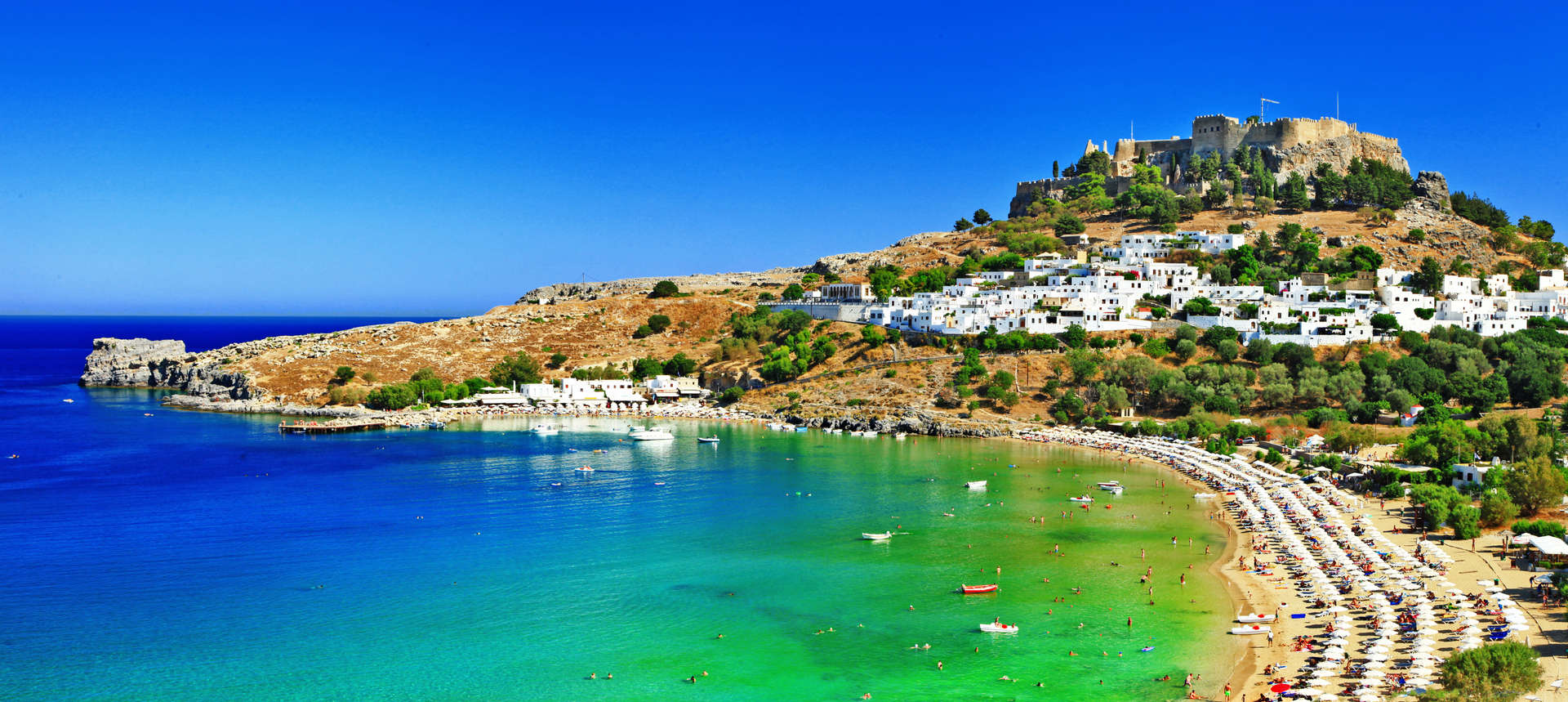
How to reach Rhodes Town
Flight time: Flights to Rhodes from London and other major UK airports take just over 4 hours.
Transfer time: Rhodes International Airport is within a 20-minute taxi or 40-minute bus ride of Rhodes Town.
Price: Taxiing from the airport to Rhodes Town costs around €30. A one-way bus ticket costs €2.50.
Best time to visit Rhodes Town
The best time for your Rhodes holiday depends on what you want to do when you get there.
April to June sees temperatures ranging from 18 to 25°C, around 8 to 10 hours of sunshine daily and minimal rainfall, making it ideal for outdoor activities.
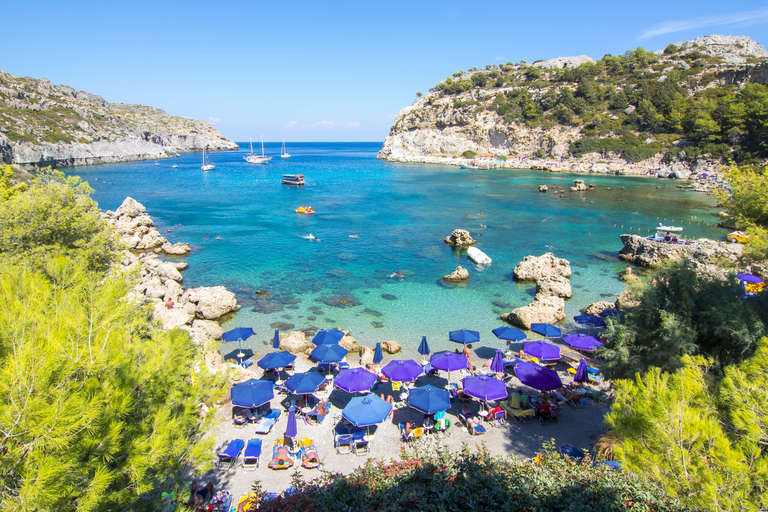
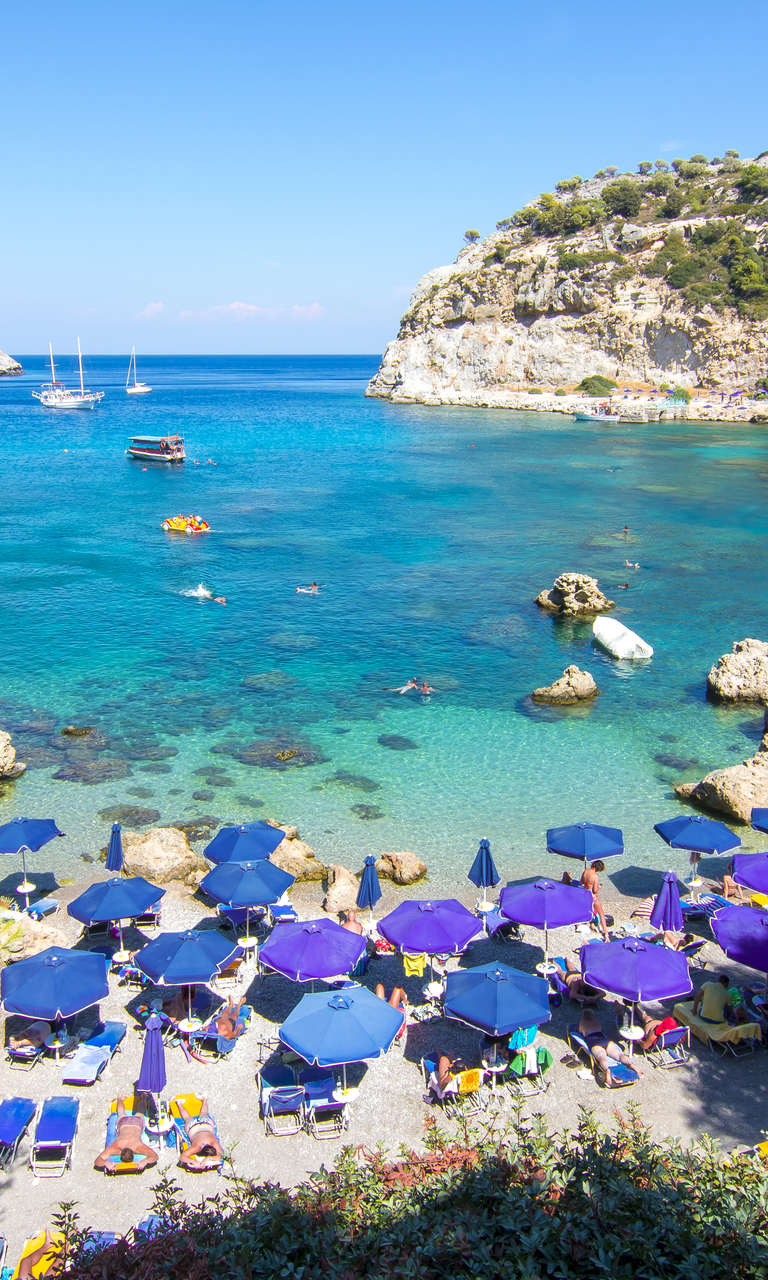
July to August is Rhodes’ peak tourist season. Expect dry, hot, sunny weather, with average temperatures around 28°C. This is the best time to enjoy the beaches and the island’s vibrant nightlife. However, it can be pretty crowded, and prices for accommodation and flights tend to be higher.
September to October is a great time for a more relaxed visit. The weather remains warm, with temperatures between 26 and 22°C. The sea is still warm enough for swimming, and there are fewer tourists.
November to March is Rhodes’ low season. Temperatures drop from 18°C in November to 12°C in January before climbing to 15°C in March. This period sees more rainfall, but it’s a quieter time to explore the island’s cultural and historical sites without the tourist rush.
Practical information
Spoken languages: Greek is the official language, but most locals can speak English.
Currency: Greece uses the euro (€). ATMs are widely available.
Getting around: Public transport is reliable, with buses connecting major towns and attractions. Bus tickets can be purchased at kiosks or from the driver (cash-only payments). Prices vary depending on the distance travelled; for short journeys, expect to pay around €2 for a single ticket. Taxis are also available and relatively affordable. For more freedom, consider renting a car or scooter.
Electricity and plug types: Greece uses the standard European 220-240V plugs with two round pins. UK travellers will need an adaptor.
Time zone: Greece uses Eastern European Time, 2 hours ahead of GMT (3 hours ahead during daylight saving time).