|
|
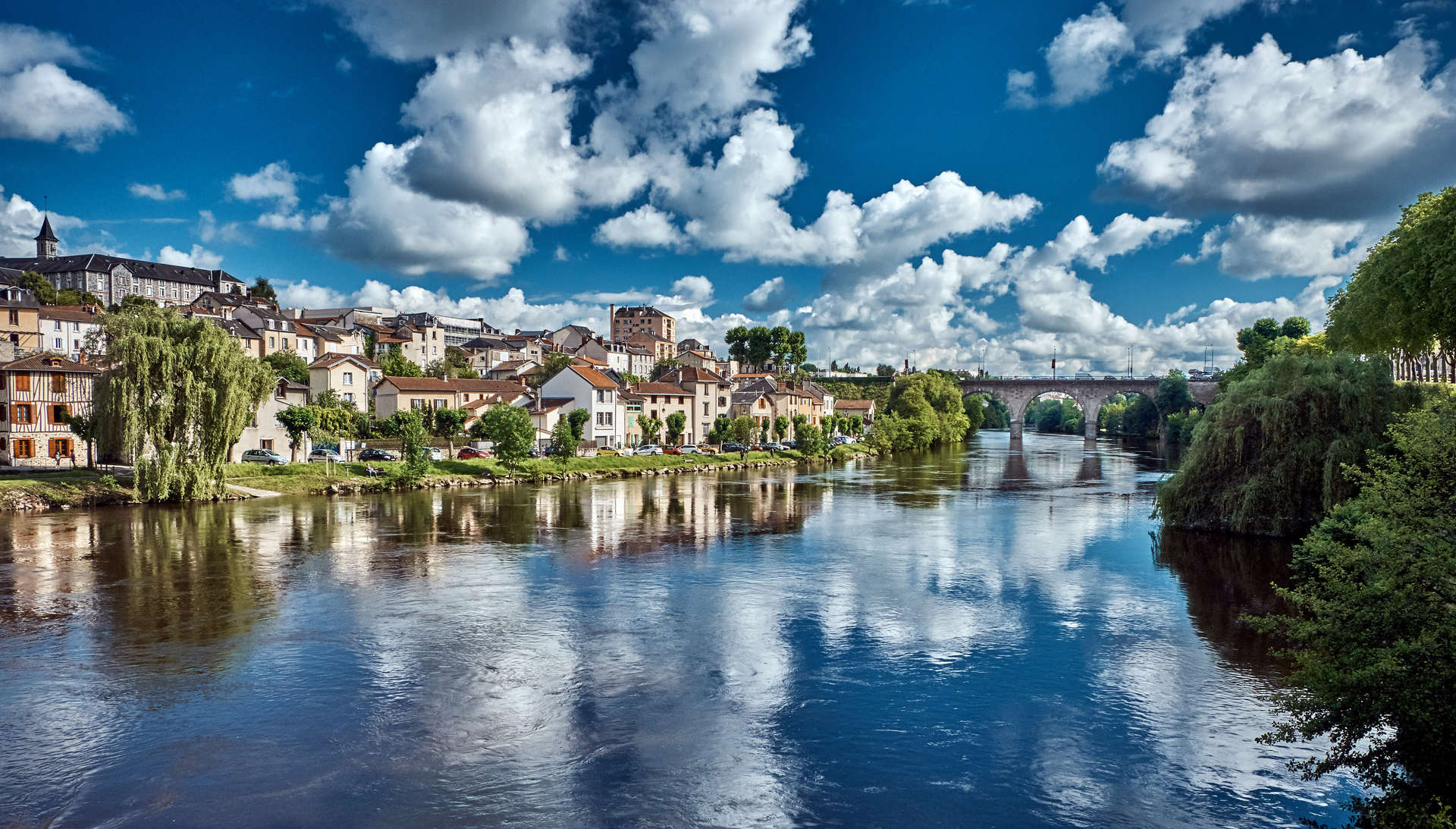
Limoges holidays offer a wonderful mix of history, craftsmanship, and relaxed French living. This picturesque city is famous for its exquisite porcelain, with workshops and museums dedicated to its centuries-old ceramic heritage. Stroll through the charming old town, admire the half-timbered houses, and visit the stunning Gothic cathedral. Limoges also boasts scenic riverside walks, beautiful parks, and fantastic local markets, making it a great destination for those who love culture and a laid-back atmosphere. Whether you're here for a weekend getaway or a longer escape, Limoges is full of surprises waiting to be discovered.
Enjoy access to special prices, only available on package deals.
Choose from thousands of flights, hotels and stays.
Book with a small deposit and pay the rest later.
Quickly add insurance, luggage, rental cars and more.
You are protected
Book the best deals on holidays to Limoges today!
Flight time: Flights to Limoges airport take around 1 hour 40 minutes from London.
Transfer time: From Limoges Bellegarde airport, 11km northwest of the city, it’s approximately 20 minutes from the city centre by car or taxi. Public buses are available but are few and far between, making taxis or car hire the most reliable options.
Price:
A taxi to the city centre costs roughly €25–€35, while bus tickets are around €1.40 per person.
Car hire prices start at around €45 per day, ideal for exploring the surrounding region.
Holidays to Limoges are delightful year-round, but the best time depends on your interests. With its rich history and beautiful natural surroundings, there’s always something to enjoy, whether you’re exploring museums or the nearby vineyards.
March to May:
Spring is usually the wettest period, although in general it remains quite warm.
Temperatures begin to pick up in April, peaking at around 20°C in May.
There's typically around 7–9 hours of sunshine daily.
June to August:
By far the busiest period is July and August, peaking in the first two weeks of August when hotels and campsites are bursting at the seams–but at the same time, these longer days are perfect for enjoying alfresco dining and evening strolls along the Vienne.
Temperatures can reach the mid-30s in high summer, though usually hover in the high 20s.
September to November:
Autumn is longer and drier than spring, bringing sunny weather until the end of October.
Temperatures range between 10°C and 20°C.
Rainfall increases slightly to around 60-80mm per month, but there are still 7–9 hours of sunshine daily.
December to February:
Winters are variable, but generally they are short and very dry - indeed, on sunny days it’s possible to sit outside even in December.
January and February, however, can see temperatures plummeting to around zero.
Limoges’ indoor attractions, such as its porcelain workshops and Gothic cathedral, make it an inviting winter destination.
Spoken languages: French is the main language, but many British expats live in the region so English is widely spoken.
Local habits and customs: Like most of the Dordogne, Limoges is a laid-back kind of place and folk are certainly in no hurry to get things done. Supper tends to be a late affair with few people dining much before 8 pm.
Currency: The Euro (€) is the currency used. ATMs are widely available, and credit cards are accepted in most places.
Getting around: The city is so compact that you’ll almost certainly have no call to use public transport, while bike rentals are available for those venturing further. Taxis are available but can be pricey for the short trips required.
Electricity and plug types: Voltage is officially 230V, using plugs with two round pins. UK travellers will need an adaptor.
Time zone: Limoges is in the Central European Time zone (CET), which is 1 hour ahead of GMT. Daylight Saving Time is observed.
A pleasant city, Limoges is famed for its crafts–enamel in the Middle Ages and, since the 18th century, exceptionally fine china–and in 2017 it was classed as a UNESCO Creative City.
Old Quarter: A charmingly jumbled mix of predominantly timbered buildings, this is the most enjoyable part of the city for a stroll.
Cité des Métiers et des Arts: Known as the City of Trades and Arts, this area is dedicated to Limoges’ rich heritage of craftsmanship, particularly porcelain.
Musée des Beaux-Arts de Limoges: The large, attractive exhibition space charts the progression from the simple Byzantine-influenced champlevé (copper filled with enamel) to 17th- and 18th-century work that uses a far greater range of colours and indulges in elaborate, virtuoso portraiture.
Musée National Adrien-Dubouché: An interestingly presented collection including samples of local products and china displays from around the world, as well as various pieces from celebrity services ordered for the likes of Abraham Lincoln, Queen Elizabeth and sundry French royals.
Botanical Garden: A tucked away gem, descending gracefully towards the River Vienne and split into three different sections, including the historic garden, which, unsurprisingly, is the oldest of the three, with around 1500 beautifully presented plants spread out in neat lines.

Cathédrale Saint-Étienne: This Gothic masterpiece is Limoges’ most iconic landmark; its most striking external feature is the 16th-century facade of the north transept, built in full Flamboyant style with elongated arches, clusters of pinnacles and delicate tracery in the windows and gallery.
Pont Saint-Martial: Dating back to Roman times, this historic bridge over the Vienne River provides a beautiful backdrop for photographs.
Church of St-Pierre-du-Queyroix: The interior, partly 12th-century, has the same slightly pink granite glow as the cathedral, as well as some fine stained glass, including an eye-catching window at the end of the south aisle depicting the Dormition of the Virgin.
Brantôme: This old abbey town, scenically set on an island in the middle of the Dronne, makes a great base for leisurely boat trips on the river.
Oradour-sur-Glane: A short drive from Limoges, this preserved World War II village is both haunting and fascinating, offering a powerful glimpse into history.
Aubusson: Known for its world-famous tapestries, watch the weavers at work on a Tolkien tapestry at this centre celebrating Aubusson’s high-quality needlework.
Limoges is bursting with all kinds of family-friendly possibilities, mostly of the active persuasion, but there are also a number of museums and workshops that the whole family can participate in.
Interactive museums: The little railway museum of Historail in nearby St-Léonard-de-Noblat is completely charming; run entirely by volunteers, it boasts a fun collection of both full-sized and model trains through the ages–one for all the family.
Animal parks: The Parc Zoologique du Reynou, just outside Limoges, is home to a range of exotic animals and offers a variety of fun and educational experiences.
Workshops: Porcelain painting workshops are a great way for families to create their own keepsakes while learning about Limoges’ artistic traditions.
The city lends itself to taking things slowly, and whether that’s cruising the local markets or strolling the banks of the Vienne, many of these things can be experienced for free on your Limoges holidays.
Free events: Limoges hosts a variety of free festivals throughout the year, none more lively than the Saint Martial Festival in June, which features parades, music and fireworks.
Explore the old town: Stroll through the Quartier de la Boucherie and soak up the medieval atmosphere of Limoges’ many historic buildings.
Churches and cathedrals: Entry to all of Limoges’ religious landmarks–of which there are many, such as the Cathédrale Saint-Étienne–is free.
The region around Limoges offers a terrific range of sports and outdoor activities, including hiking, cycling, trekking and many waterborne diversions.
Hiking and walking trails: The Monts d’Ambazac and the Millevaches Plateau are excellent for hiking, offering trails that range from leisurely walks to more challenging climbs.
Cycling: Limoges is a good base for cycling, with routes that take you through villages and fields, and along the Vienne River. Bike rentals are readily available, and there are both paved and off-road options for riders of all levels.
Fishing: The rivers and lakes around Limoges, including Lac de Saint-Pardoux, are perfect for those with an interest in angling; permits are widely available.
Water sports: Lac de Saint-Pardoux also offers a range of water-based activities, from paddleboarding to kayaking.
The cuisine of the region is predominantly simple, country cooking (cuisine de terroir), revolving around duck and goose, garlic, a host of mushrooms, walnuts and whatever else the land has to offer.
Foie gras: The region’s culinary star, foie gras is best eaten on its own in succulent slabs, though it’s also delicious pan-fried with a fruit compote.
Truffles: Evocatively known as the “black diamonds of the Périgord”, these expensive black fungi crop up in all sorts of dishes, from rich Périgourdin sauces to the humble omelette.
Walnuts: Walnuts have formed part of the Périgordin diet for more than 17,000 years, and these days are also incorporated into bread, cakes, tarts and ice cream, or served whole with salads and the local cheeses.
Pommes de Terre Sarladaises: Thinly sliced potatoes sautéed in duck fat with garlic and parsley, a comforting staple of the region.
Limousin beef: Renowned across France, the region’s tender beef is usually served grilled or in stews.
Petit Salé aux lentilles: Salted pork served with green lentils, combining rich flavours with a healthy dose of tradition.
Magret de canard: Duck breast cooked to perfection, often served with a sweet sauce made from orange or cherry.
Huitres: Fresh oysters from the nearby Atlantic coast are usually eaten raw with a squeeze of lemon and a splash of vinegar.
Two classic local puddings are pastis, a light apple tart topped with crinkled, wafer-thin pastry laced with armagnac, and tarte aux noix, walnut pieces bathed in a caramel dessert and baked in a walnut tart shell to produce a sweet, chewy confection. Tourtière Limousine, a sweet pastry pie filled with apples and flavoured with Armagnac is not half bad either.
Cider: Limousin cider is crisp and slightly sweet, often enjoyed alongside a slice of tourtière.
Vin Paillé: A sweet wine made from dried grapes, perfect for pairing with desserts or cheese platters.
Pineau des Charentes: Another sweet beauty, this fortified wine is made from grape juice and cognac, and typically drunk as an aperitif or with a dessert.
The most popular places to visit in Limoges are: Gare de Limoges, Central Market Hall, University of Limoges.
The exact flight duration to Limoges varies depending on the departure airport in the UK. It takes approximately 1h30m to fly from London to Limoges.
Booking a flight + hotel package to Limoges with lastminute.com offers several advantages. By booking both services together, you can take advantage of exclusive deals and choose from thousands of flights and accommodations for the perfect combination. Additionally, you can secure your vacation with a deposit and pay the remaining amount later. You also have the flexibility to add other travel extras such as insurance, rental cars, and luggage to the flight + hotel package as per your preferences.
Before travelling from the UK to Limoges, ensure your passport is valid for the duration of your stay. To get the latest Visa information for Limoges, please check travel advice on GOV.UK.
Travel with us
Secure payment