|
|
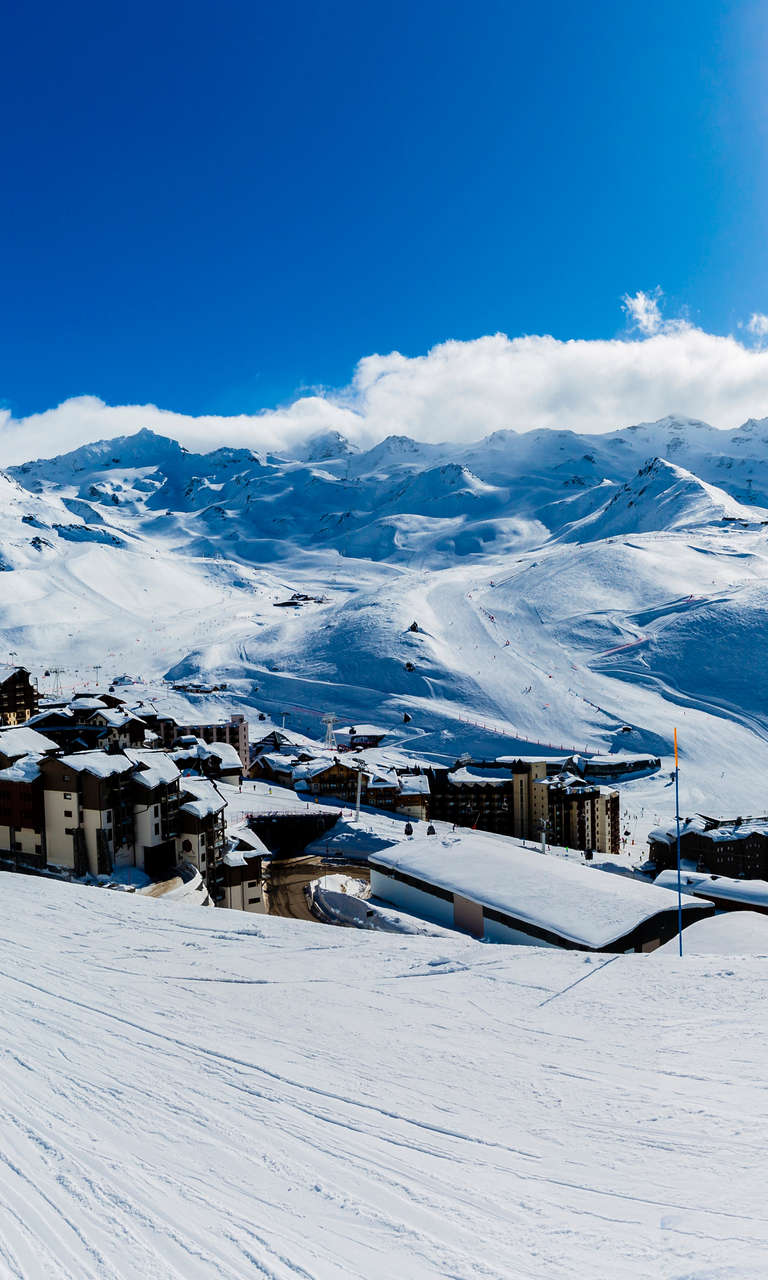
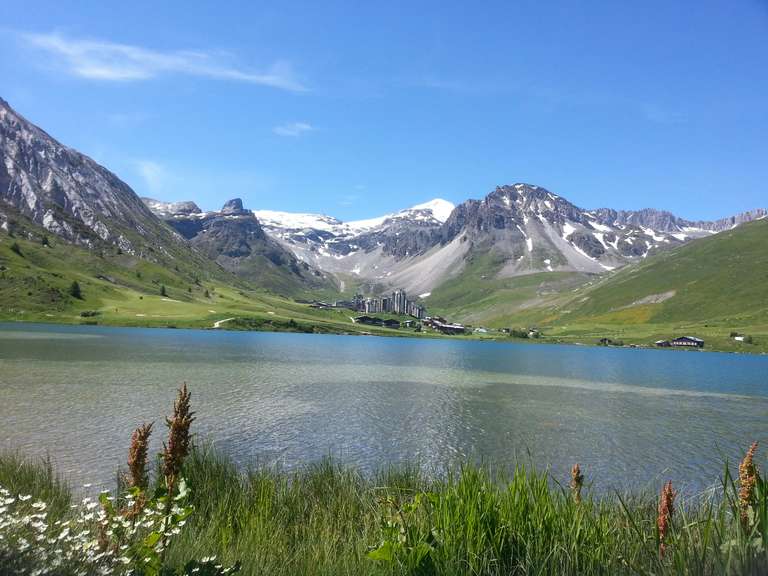
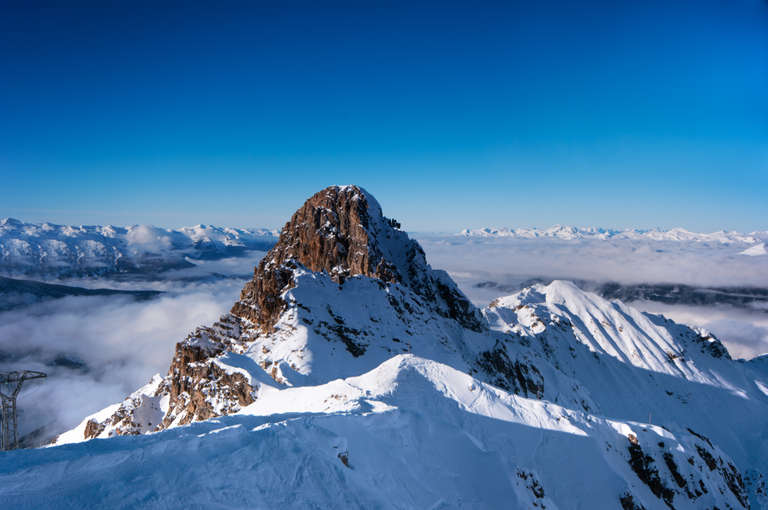
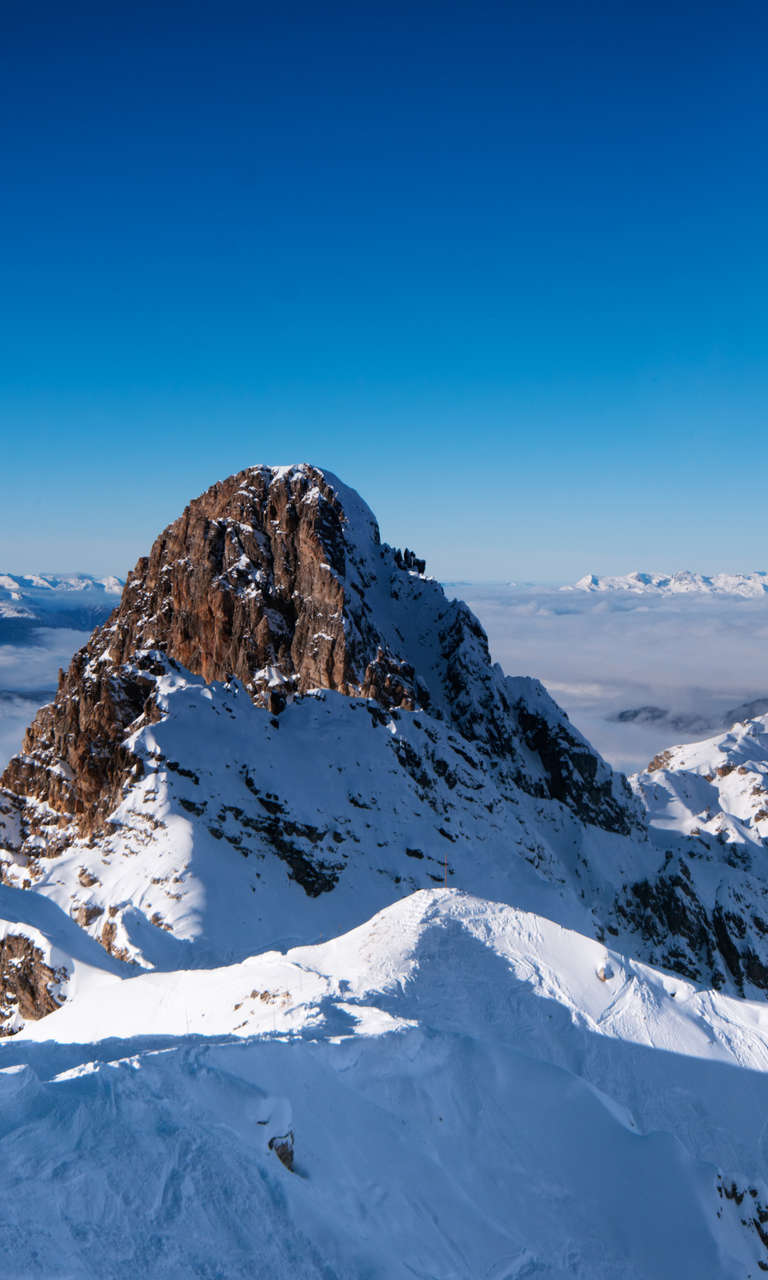
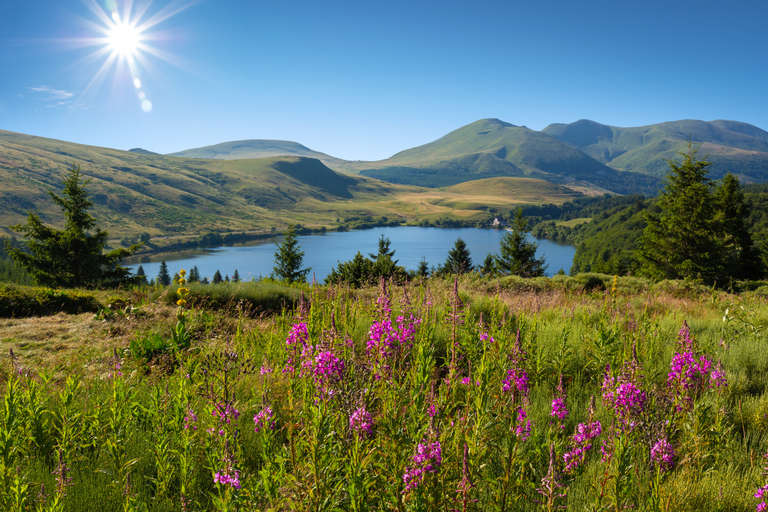
Experience the dynamic French Alps on your next holiday, where adventure meets relaxation. Picture skiing down powdery slopes, inhaling crisp mountain air, or lounging on a sunlit patio at an alpine café with a hot cocoa. Explore Mont Blanc's majestic icy slopes and the pristine waters of Lake Annecy, renowned for water sports. Feel the exhilaration of paragliding over Chamonix, absorbing stunning vistas, and savor the rich alpine cuisine. Let the French Alps entice you with a holiday full of excitement, tranquility, and breathtaking natural beauty.
Enjoy access to special prices, only available on package deals.
Choose from thousands of flights, hotels and stays.
Book with a small deposit and pay the rest later.
Quickly add insurance, luggage, rental cars and more.
You are protected
Book the best deals on holidays to French Alps today!
Flight time: Flights to the French Alps from London take about 1 hour 30 minutes. You can fly into Geneva, Lyon or Grenoble airports.
Transfer time:
From Geneva Airport, it takes about 1 hour 30 minutes by car or shuttle to reach popular resorts like Chamonix and Morzine.
From Lyon Airport, it’s around 2 hours by car or bus to resorts such as Les Deux Alpes and Alpe d'Huez.
Grenoble Airport is about 1 hour 45 minutes from most major ski resorts.
Price:
A shuttle from Geneva Airport to Chamonix costs around €30 per person one way.
A bus from Lyon Airport to Les Deux Alpes is about €45 per person one way.
Car rentals start at around €40 per day.
Deciding on when to take your holidays to the French Alps will depend on how you wish to spend your time—is skiing your priority? Or do you prefer hiking or mountain biking?
December to February: Winter is peak ski season in the French Alps, which means booking your holidays early in order to secure the best accommodation; ski buffs should, though, keep in mind the February school ski break. Expect oodles of snow of course, with temperatures ranging from -10°C to 5°C.
March to May: Typically the spring climate in the northern Alps is wetter, the southern Alps drier and warmer, with spring arriving sooner in the south. March and April are still good times for skiing at higher altitudes while the best time to hike is May. Temperatures range from -5°C to 10°C, with increasing hours of sunshine.
June to August: Summer transforms the French Alps into one big outdoor playground for hiking, mountain biking and climbing, among other pursuits. Temperatures range from 15°C to 25°C, with 10-12 hours of sunshine daily. Be aware, however, of sudden storms in the mountains.
September to November: Autumn offers much cooler weather, with temperatures ranging from 5°C to 15°C, although September is by far the best time of year to walk in the Alps. Rainfall is moderate, averaging 40-70mm per month, and you can expect 7-9 hours of sunshine.
Spoken languages: French is the main language, but English is widely spoken here.
Local habits and customs: You’re not obligated to leave a tip in France. Tipping is not expected in French culture as the service is already factored into the price of your meal.
Currency: The Euro (€) is used in France. ATMs are available in towns and resorts, and credit cards are widely accepted.
Getting around: Travelling around the Alps is relatively easy, with frequent trains between the major towns and resorts, while during the skiing season of December to April and the summer months of July and August, more bus services become available. Drivers should remember that some high passes in the east of the region, including the Col du Galibier and the Col de l’Iseran, can remain closed well into June.
Electricity and plug types: Voltage is officially 230V, using plugs with two round pins. UK travellers will need an adaptor.
Time zone: The French Alps are in the Central European Time zone (CET), which is 1 hour ahead of GMT. Daylight Saving Time is observed.

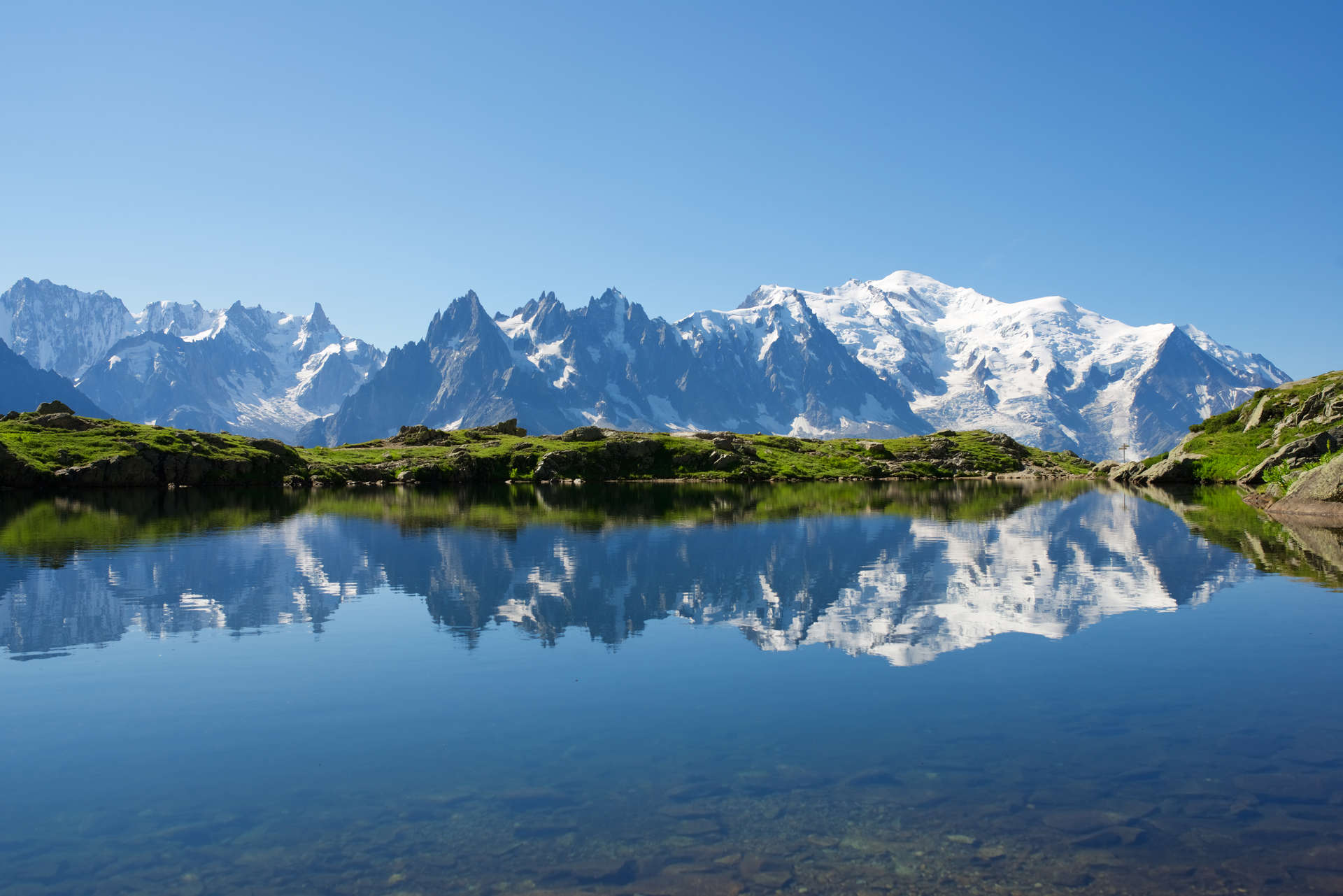
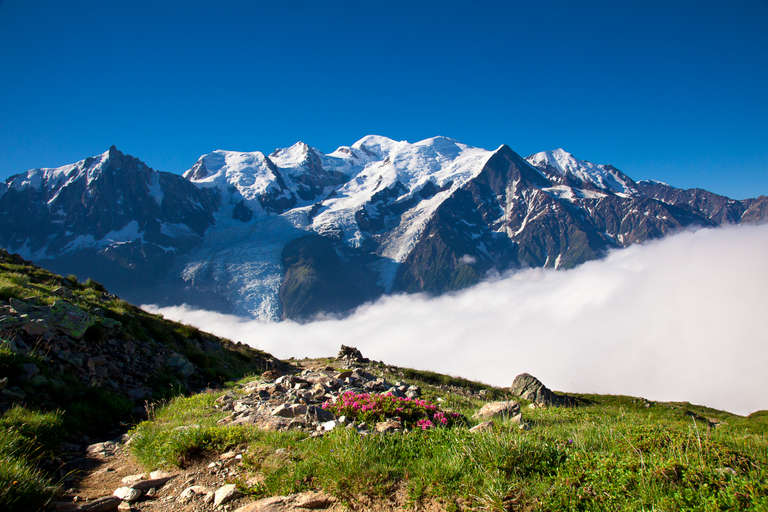
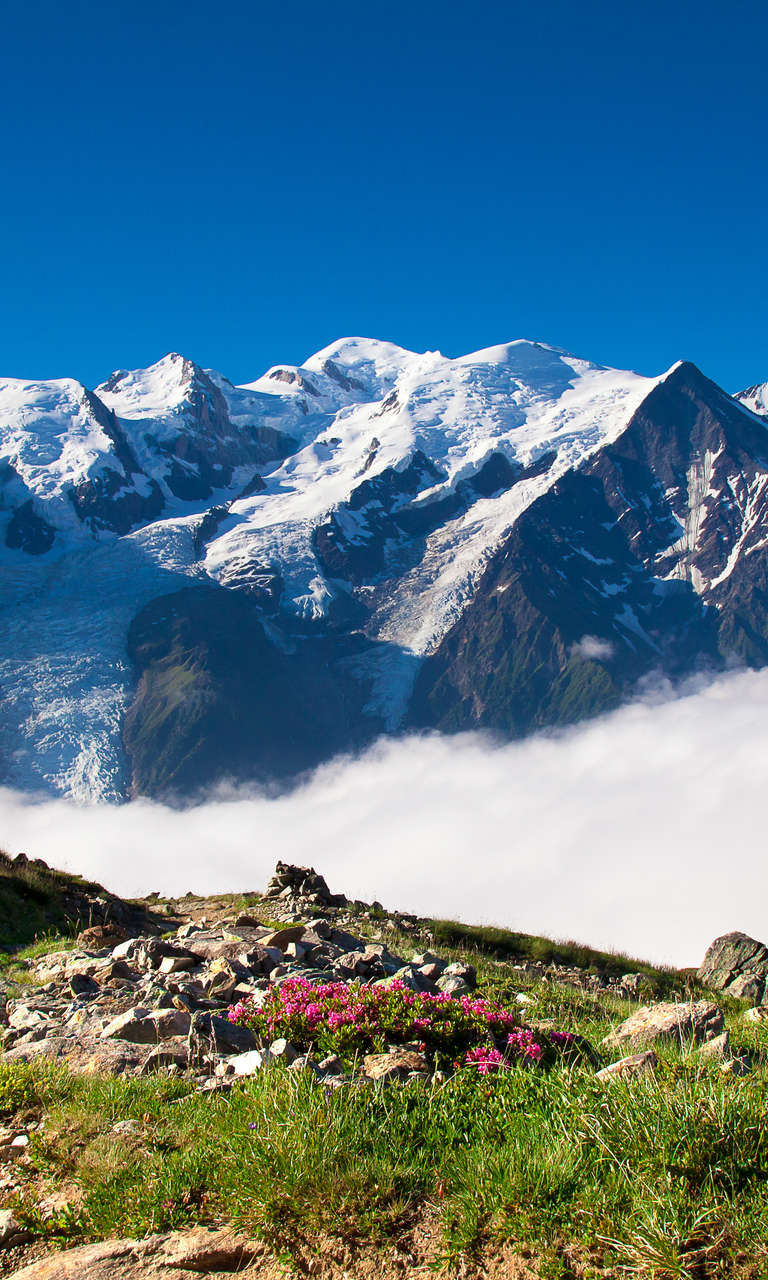
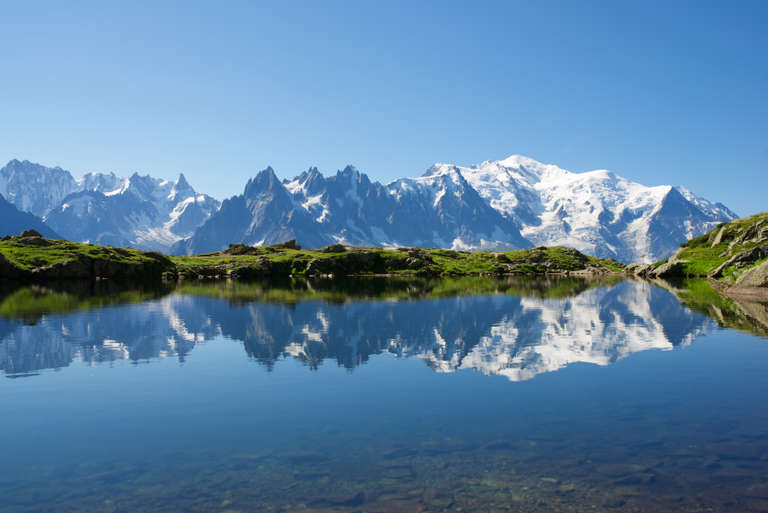
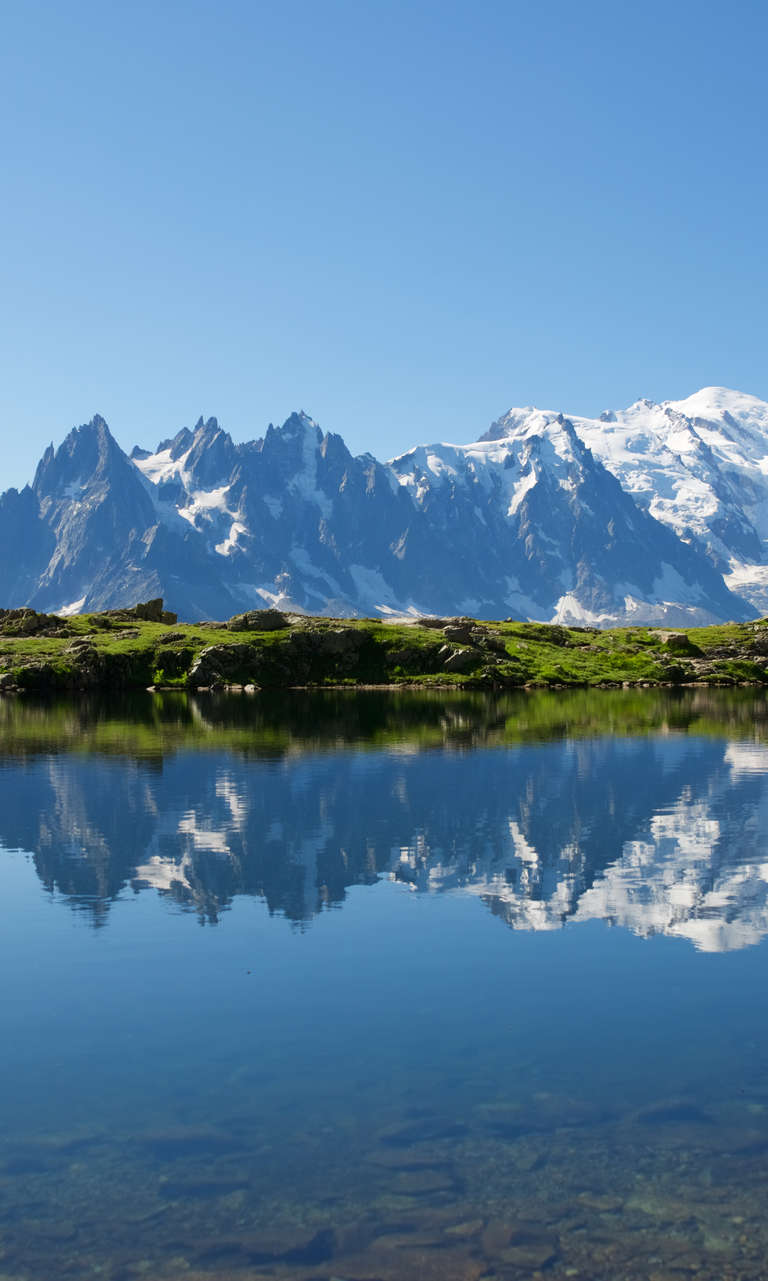
The wild and rugged landscape of the Alps contains some of Europe’s most stunning mountain landscapes, including Europe’s highest peak, Mont Blanc - yet you’ll also find plenty of charming villages and towns to explore.
Aiguille du Midi: Brave one of the world’s highest cable-car ascents for a spectacular view of Mont Blanc, Europe’s highest peak.
Col de l’Iseran: The highest pass with a paved road in the Alps, it goes without saying that the views from here are nigh on unbeatable.
Grenoble: The self-styled capital of the Alps, this is a vibrant and cosmopolitan place, its centre a quirky maze of streets, where modern and medieval buildings are packed close together.
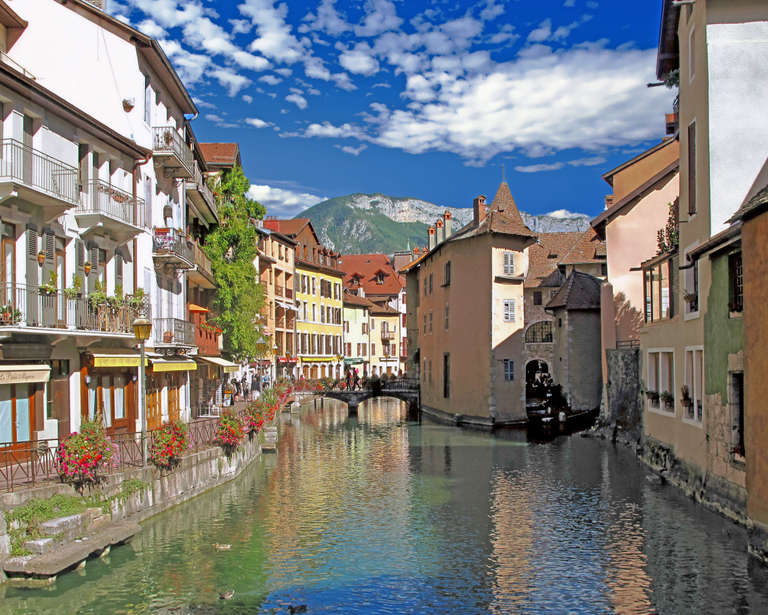
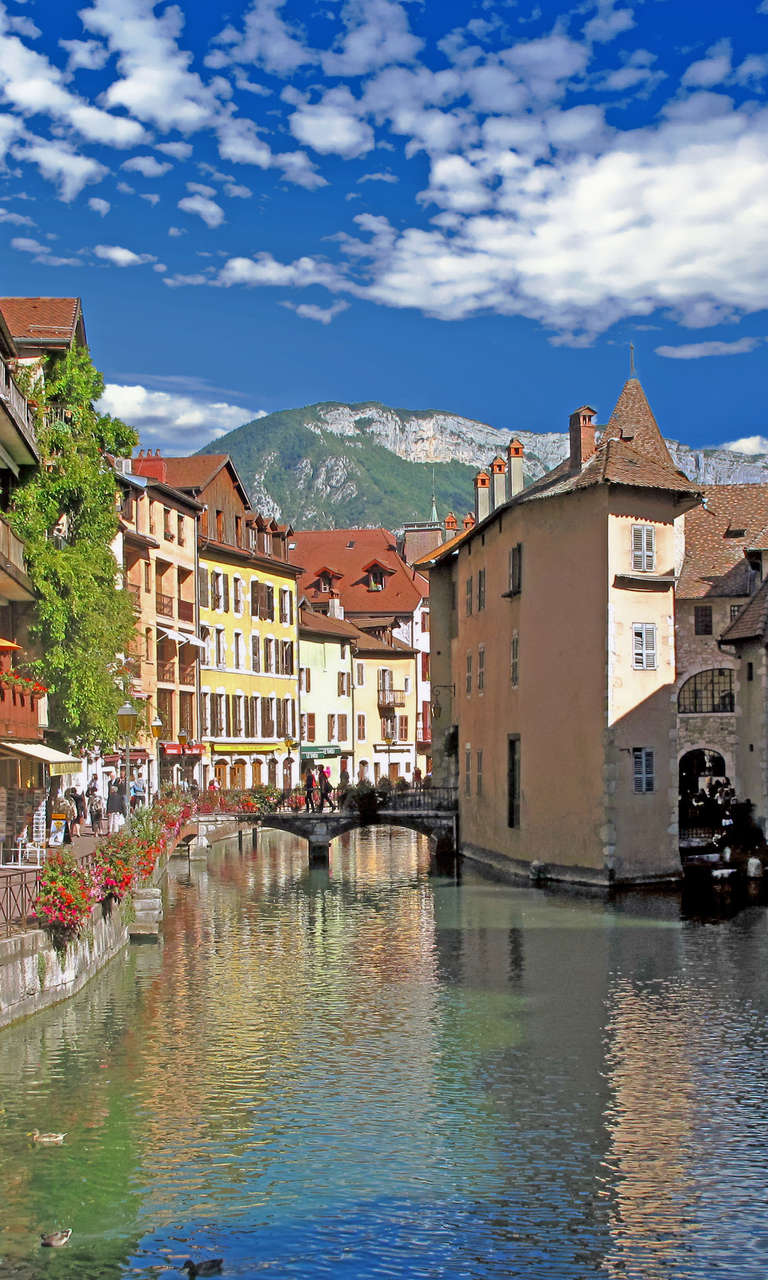
Annecy: Set on a sparkling turquoise lake, Lac d’Annecy is one of the most beautiful and popular resort towns of the French Alps.
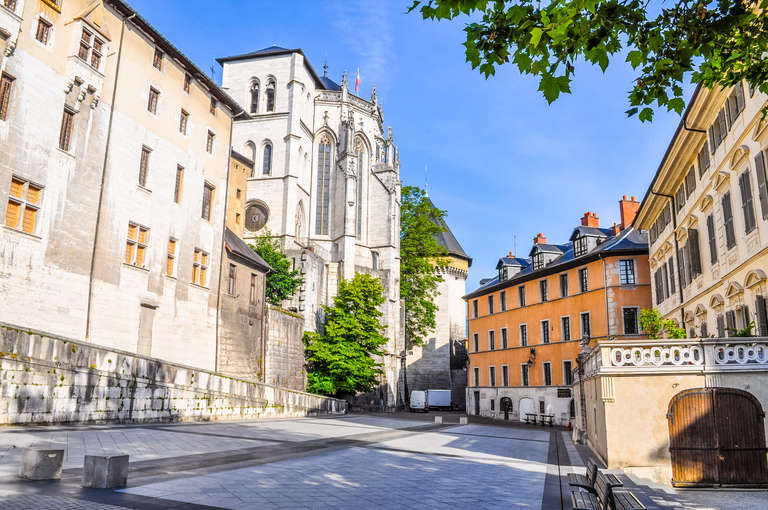
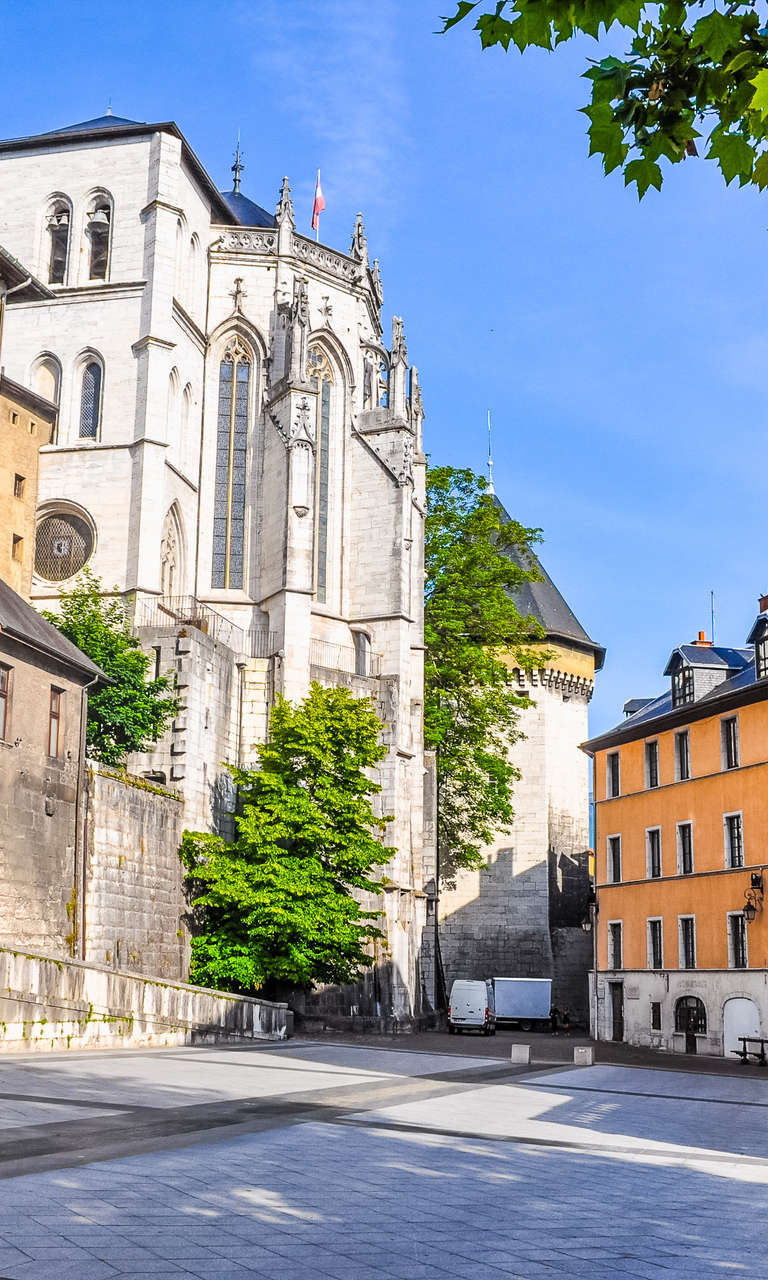
Musée des Charmettes, Chambéry: This country cottage is focused on Rousseau’s writing and domestic life - it's beautifully furnished in the style of the day, while the walls of the downstairs dining and music rooms manifest Italian-style trompe l’oeil painting.
Labyrinthe-Jardin des Cinq Sens: Wonderful display of immaculate formal gardens – incorporating some 1500 plant varieties – designed to stimulate each of the five senses, including fruit bushes that appeal to your taste buds.
Pré-Curieux water gardens, Evian: Set around a colonial-style house, these picturesque lakeside gardens are divided into various water-based ecosystems, each of which exhibits different forms of plant and animal life - and the best bit? You get there by boat.
Citadelle, Besançon: Vauban’s vast and spectacular citadelle lords it over the old town below. There’s much to see and do here, and you could quite easily spend several hours exploring the walls, turrets and ditches.
Lake Geneva: Enjoy the sedate pleasures of Évian and Yvoire on the French side of this huge and scenic lake, or hop on one of the frequent ferries to Switzerland.
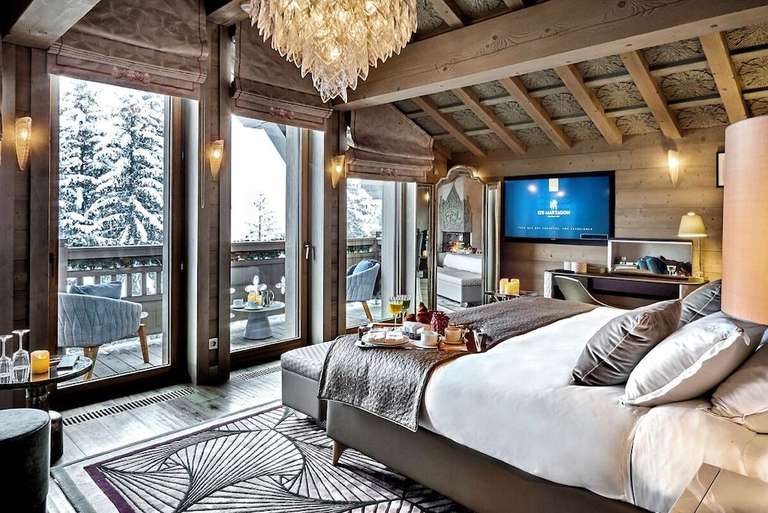
Parc Naturel Régional du Queyras: Walk or drive through the empty mountain landscapes of the Queyras to St-Véran, one of the highest villages in Europe.
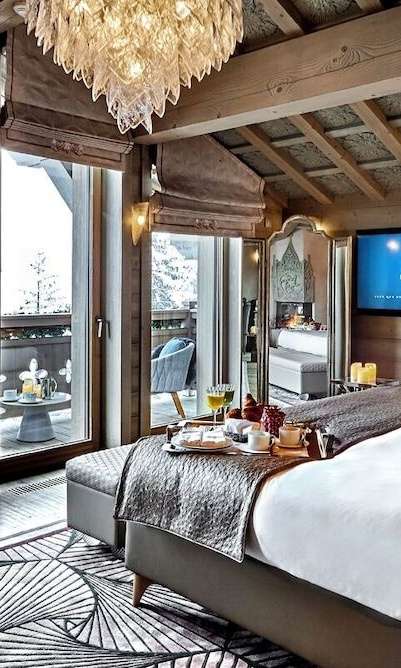
Whether it's tackling the mountains or exploring the region's many attractive towns and resorts, there's so much fun to be had in the French Alps as a family.
Montenvers rack railway: Taking around 20 minutes, the little red train chugs its way up to the “Sea of Ice”, which, at 7km long and nearly 2000m at its widest point, is by far the largest glacier in the Alps.
Lake cruises: On Lake Annecy, Compagnie des Bateaux run several boats daily from the quai Napoléon-III, including a one-hour trip, and a two-hour jolly which briefly stops off at various points around the lake.
Historical monuments: If mountains don’t do it for the kids, then maybe they'll enjoy a good fortress to poke around in - for example the Château de Miolans, a medieval fortress that offers guided tours and activities, or Vauban's splendid citadelles in Briançon and Mont-Dauphin.
Being at the heart of one of the world's great mountain ranges means that you can get away with spending the bare minimum on your French Alps holidays, for most of the time at least.
Hiking: A day in the mountains is by far the easiest, and most enjoyable, way to save money: trails everywhere of course, but the most popular are the Tour du Mont Blanc and the Sentier des Cascades.
Beaches: Yes, there are beaches in the Alps! So if you (or, as is more likely, the kids) have had enough of traipsing around town, then you might consider retreating to one of Annecy’s two excellent, albeit grassy, beaches - one of which, on the western shore just south of the port, is shallower and therefore much better suited to families.
Festivals: Inevitably, many of the Alps’ biggest annual events revolve around the mountains; the World Climbing Championships in mid-July sees some of the world’s finest alpinists roll into town to tackle a series of speed and technical climbs on an enormous artificial wall; and in mid-August, the Fête des Guides de Chamonix celebrates the work of the local guides, with live music, folklore events and climbing demonstrations.
Quite simply, on offer here are some of the most thrilling outdoor activities on the continent, from world-class skiing and mountain climbing, to superb road cycling and the most gentle of valley walks.
Hiking: All seven of the Alps’ national and regional parks contain gentle day walks and more demanding treks – not least classic long-distance paths like the Tour du Mont Blanc – which require one or two weeks’ walking - and no little stamina.
Via Ferrata: Hugely popular are via ferrata courses, in which wires and ladders are bolted onto the rock so that even inexperienced climbers (wearing harnesses and ropes) can make ascents which would otherwise be impossible for them.
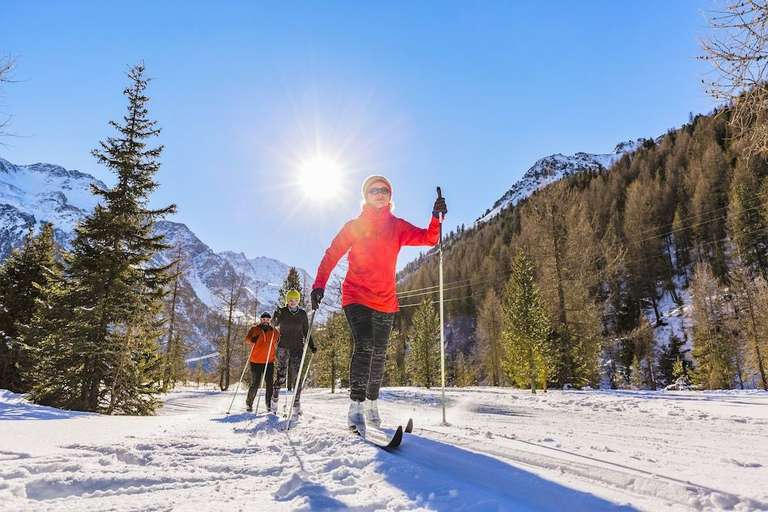
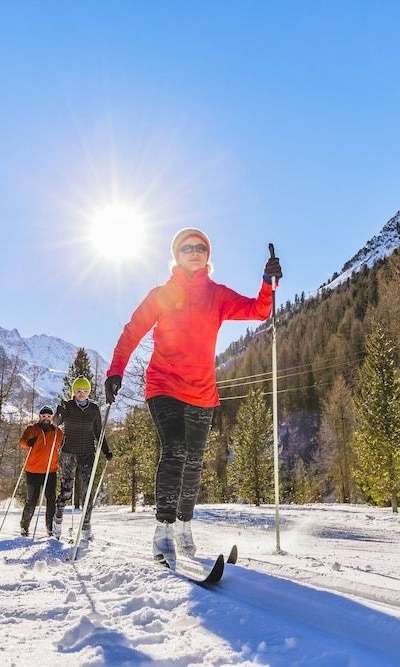
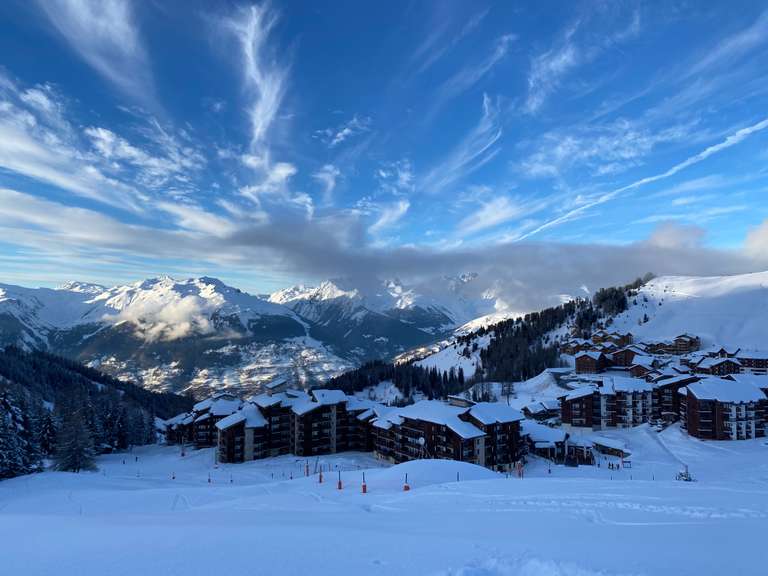
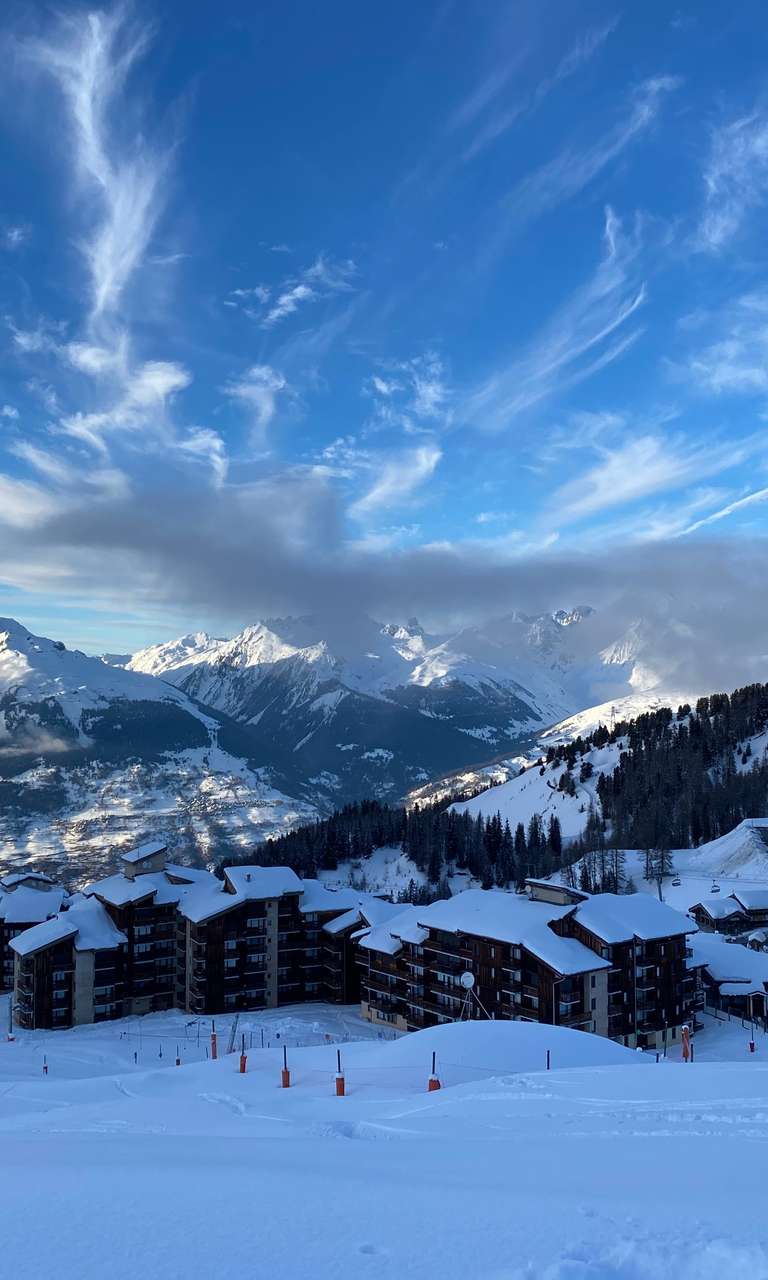
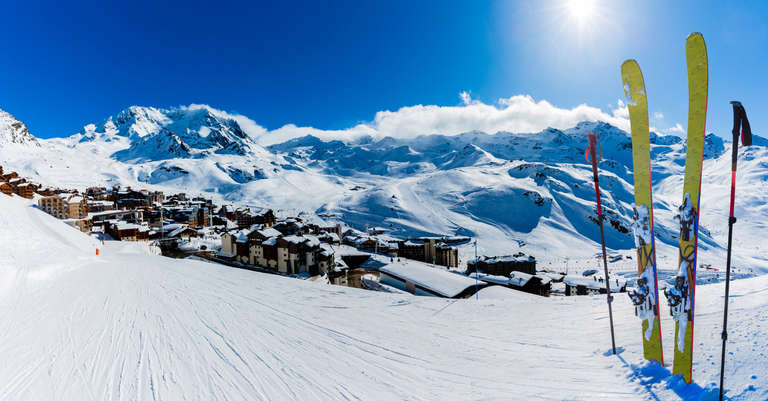
Skiing: With their long and varied runs, extensive lift networks, and superb après-ski, the French Alps offer some of the best skiing not just in Europe, but in the world. Cross-country or Nordic skiing has also become increasingly popular on gentler slopes (particularly around Morzine and in the Parc Naturel Régional du Queyras).
Water sports: For water-bound fun, the place to head to is Lac du Bourget, where options include sailing (including yachts and dinghies); waterskiing and wakeboarding; and kayaking and stand-up paddling.
Most characteristic of Alpine cuisine is the liberal amount of cheese made from the local cow, ewe and goat milk. These are found not just in the famous fondue, but also equally ubiquitous raclette and tartiflette.
Raclette: This lip-smacking dish involves melting Raclette cheese and scraping it over potatoes, pickles and cured meats; perfect after a day on the slopes.
Tartiflette: Another deliciously cheesy dish made with Reblochon cheese, potatoes, onions and lardons.
Fondue Savoyarde: A classic cheese fondue made with a blend of local cheeses, white wine and garlic; hunks of crispy bread are then dipped into the melted cheese.
Diots: Savoyard sausages cooked in white wine and served with polenta or potatoes.
Trout: Freshwater trout from the region’s rivers, often grilled or baked with herbs, is terrific and a lighter option compared to the usual meat-based dishes.
Croques monsieur or croques madame: You’ll find these variations on the toasted cheese-and-ham sandwich at many street stands.
Tarte aux myrtille is a blueberry tart made with wild blueberries from the mountains - there's also faisselle aux myrtilles, blueberries with a soft, creamy yoghurt-like cheese - while bugnes are light and crispy, deep-fried pastries dusted with powdered sugar.
Vermouth: Chambéry is famous for its high-quality vermouth, including the unique Chambéryzette, flavoured with strawberries.
Chartreuses: Powerfully alcoholic herbal elixirs ranging from the better-known green and yellow variants to a number of gentler fruit and nut liqueurs.
Génepi: A traditional alpine liqueur made from the génépi plant, which grows high in the mountains, and is usually taken as a digestif after a meal.
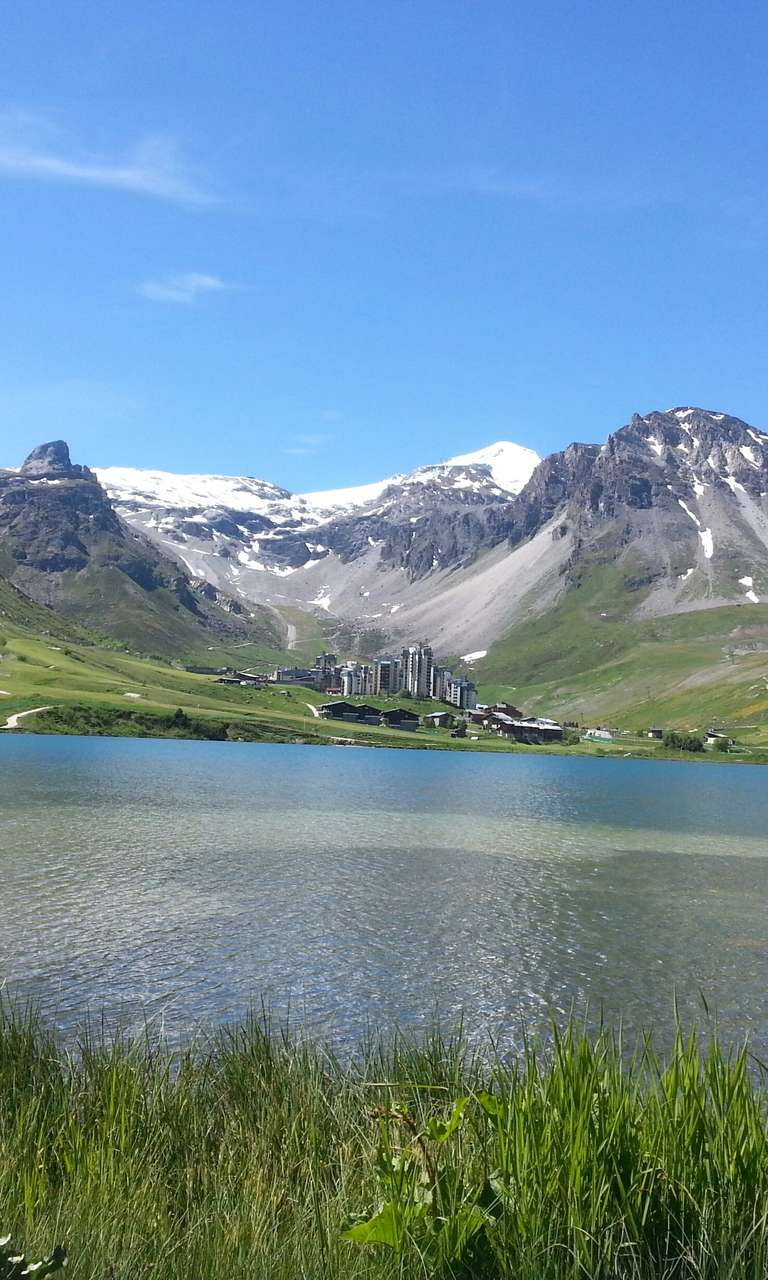
French Alps offers a range of stunning holiday spots for every type of traveller. Discover some of the best areas to stay in, like La Plagne, Annecy, Chambery, Chamonix-Mont-Blanc, Morzine, Val Thorens, Tignes, Val Claret, Méribel, Gap.
The most popular places to visit in French Alps are: Lake Annecy, Aiguille du Midi, Les Arcs.
Booking a Flight + Hotel package to French Alps with lastminute.com offers several advantages. By booking both services together, you can take advantage of exclusive deals and choose from thousands of flights and accommodations for the perfect combination. Additionally, you can secure your vacation with a deposit and pay the remaining amount later. You also have the flexibility to add other travel extras such as insurance, rental cars, and luggage to the Flight + Hotel package as per your preferences.
Before travelling from the UK to French Alps, ensure your passport is valid for the duration of your stay. To get the latest Visa information for French Alps, please check travel advice on GOV.UK.
Travel with us
Secure payment