|
|
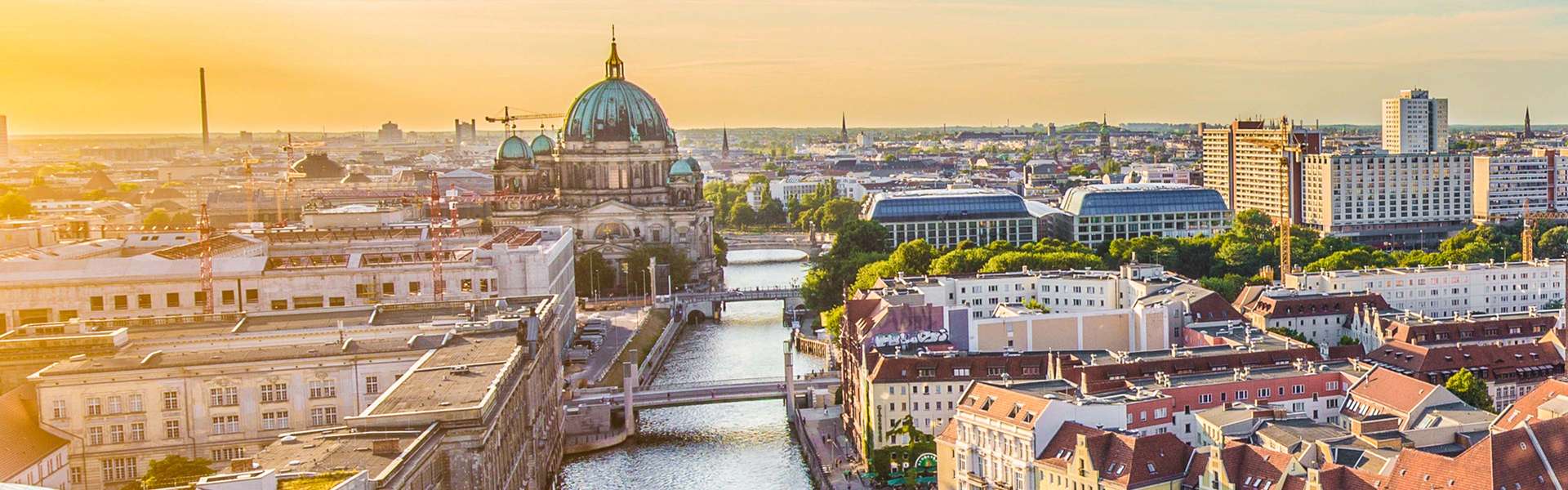
Immerse yourself in the rich culture and history of Germany during your upcoming holiday. Known for its fairytale-like castles that dot the countryside and cities, Germany offers an array of activities and attractions for every type of traveller. Explore the thriving art scenes in Berlin or tap into the upbeat rhythm of Munich's lively beer gardens and festivals. Navigate the romantic Rhine River via a relaxing boat cruise or challenge yourself with outdoor adventures in the Black Forest. Get a taste of the country's culinary traditions, whether it's hearty bratwursts in Franconia or fine wines in Mosel. Dive into Germany's poignant past with guided tours of iconic landmarks like the Berlin Wall or the awe-inspiring Cologne Cathedral. If relaxation is your goal, the tranquil beaches of the Baltic Sea or the tranquil thermal springs in Baden-Baden await. So embark on your holiday to Germany and make a lifetime of memories from its diverse and captivating offerings.
Find exceptional, limited-time savings on Flight + Hotel holidays, exclusive to lastminute.com
Enjoy access to special prices, only available on package deals.
Choose from thousands of flights, hotels and stays.
Book with a small deposit and pay the rest later.
Quickly add insurance, luggage, rental cars and more.
You are protected
Book the best deals on holidays to Germany today!
Flight time: Flights to Germany from London, as well as from many other UK airports, take between 1 hour 30 minutes and 2 hours.
Transfer time: Transfer times vary once you arrive in Germany. For example, from Berlin Brandenburg Airport, the Airport Express train (FEX) takes about 30 minutes to Berlin Hauptbahnhof (main train station); from Munich Airport, trains take about 40 minutes to the centre.
Price: A single journey from Berlin Airport to the city centre by train costs approximately €4.50, while a single ticket on the S-Bahn from Munich Airport to the city centre costs around €11.60. For taxis, expect to pay around €25 to €40, depending on the distance and traffic conditions.
With so many attractions year-round, deciding when to take your trip to Germany will depend on how you wish to spend your time and if any sights are seasonal.
April to June: For more settled weather with sunshine and comfortable temperatures, late spring is an ideal time for your Germany holidays. Temperatures start at around 10°C in April rising to 20°C in June, making it perfect for city walking. Rainfall is moderate, around 40–60mm, with 7–9 hours of sunshine daily.
July to August: Much of the country receives its maximum rainfall in midsummer, so although the weather in July and August can be very warm (averaging 20°C to 25°C), it can also be unpredictable. You’ll still enjoy up to 10 hours of sunshine. Inevitably, you should be prepared for crowds, especially in tourist hotspots, and higher accommodation costs in some places.
September to November: Weather starts to cool, with temperatures dropping from around 18°C to 10°C. However, autumn is the ideal time for exploring the country’s picturesque countryside, its towns and cities, and, of course, Oktoberfest (late September to early October). The Germans don’t call the harvest season “goldener Oktober” for nothing.
December to March: Generally speaking, winters are more severe further east. The city Christmas markets make this a magical time to attend, but be prepared for cold weather (-1°C to 5°C), and heavy snowfall, especially in the Alps; the ski season in the Alps runs between Christmas and the end of March.
Spoken languages: German is the official language, but you’ll find that English is widely spoken throughout the country.
Local habits and customs: To tip in a café, round your bill up to the next €0.50 or €1 and give the total directly to the waiter; at restaurants, you should leave around 10 percent of the bill. Jaywalking is illegal and you can be fined if caught.
Health and safety: Germany is as safe as any other European country, but always keep an eye on your belongings, especially in crowded cities and on public transport. In the event of an emergency, phone T112 for an ambulance (Krankenwagen).
Currency: Germany uses the Euro (€), with credit and debit cards accepted in most restaurants and shops.
Getting around: Germany has one of the finest public transport systems in Europe. Trains are mainly run by Deutsche Bahn; the fastest service is the InterCityExpress (ICE), with InterCity (IC) and EuroCity (EC) trains next in line. Buses are excellent value for cheap intercity travel and connect all major cities; prices are very low, for example Berlin to Munich (8hr) costs around €20. In cities, a single bus or tram ticket costs around €3, while day passes start from around €8.
Electricity and plug types: Germany uses 230 volts AC (50 Hz), and the plug type is the standard European two-pin plug. UK travellers will need a plug adaptor.
Time zone: Germany operates on Central European Time (CET), which is one hour ahead of GMT.
Required travel documentation: UK citizens can visit Germany without a visa for up to 90 days within a 180-day period.
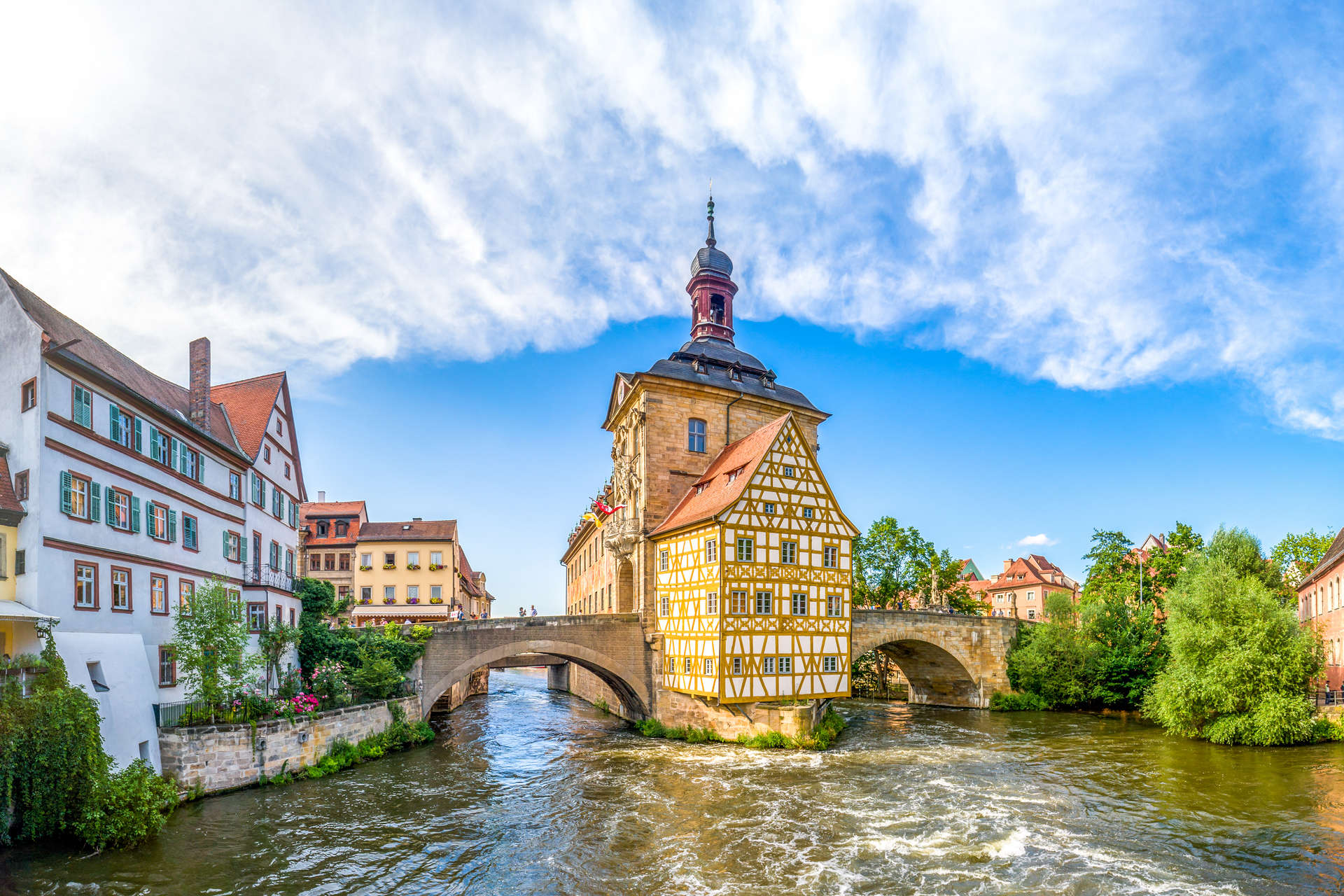
Germany is an underrated yet fantastic destination, boasting picture-postcard medieval villages, dynamic modern cities and swathes of idyllic countryside. Moreover, there are plenty of unique customs and festivals, not to mention lots of fantastic food and drink to indulge in.
Zugspitze: Germany’s highest peak, Zugspitze, offers awesome alpine views. Take a cable car to the summit where, on a good day, you’ll get views of four different countries.
Berlin TV Tower (Fernsehturm): Iconic landmark whose 203m-high observation platform and revolving café offer unbeatable views.
Altstadt, Stralsund: This Hanseatic port town is stuffed with compelling architecture from its peak as a medieval trading port.
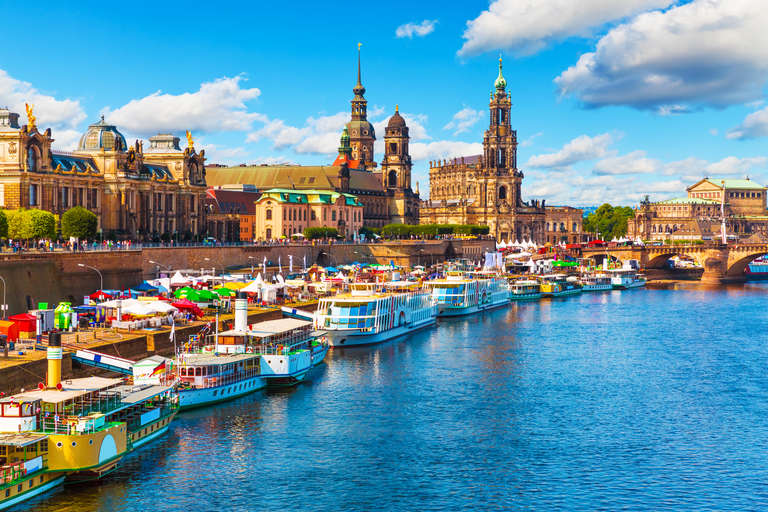
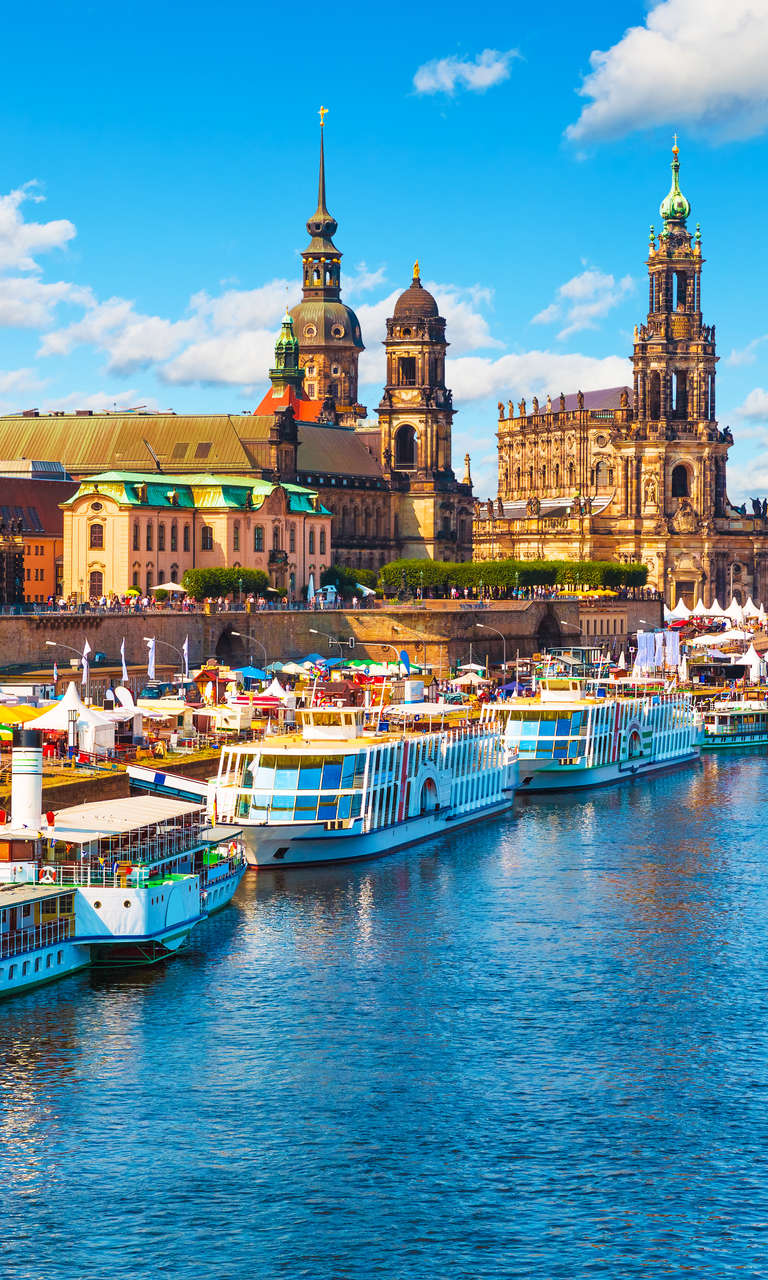
Dresden: After marvelling at the glorious architecture and dazzling artistry, go bar hopping in one of the most enjoyable Szene neighbourhoods in Germany.
Kreuzberg, Berlin: Soak up Berlin’s alternative spirit and bohemian vibe in Kreuzberg, full of street art, quirky cafés and lively markets.
Ostalgie, Berlin: Explore the mixed legacy of the old GDR at the DDR Museum, from a sinister Stasi listening station to the Eastern Bloc nostalgia fondly known as Ostalgie.
Mercedes Museum, Stuttgart: A superb motor museum by the inventors of the car – testament to the region’s engineering prowess.
Lenbachhaus, Munich: The masterpieces of Munich’s Blaue Reiter embody all the colour-saturated excitement of the time when European art turned towards abstraction.
Tiergarten: A huge swathe of peaceful green parkland smack in the middle of Berlin, the Tiergarten was originally designed by Peter Lenné as a hunting ground for Elector Friedrich III, but now provides a great antidote to city noise and bustle.
Neuschwanstein Castle, Bavaria: “Mad” King Ludwig’s maddest creation combines Wagnerian inspiration with a superbly dramatic Alpine site to create a romantic fantasy from the age of chivalry.
Brandenburg Gate, Berlin: This iconic neoclassical monument, once a symbol of division, now stands as a powerful symbol of reunification.
Cologne Cathedral: So iconic and so perfectly realised, Cologne’s awe-inspiring Dom is Germany’s most famous church and one of the largest cathedrals in Europe.
Saxon Switzerland National Park: The fantastical sandstone pinnacles in this national park appeal to hikers, climbers or just afternoon strollers.
The Mosel, Rhineland-Palatinate: Follow the Mosel River, with stops at the idyllic wine towns of Bernkastel-Kues and the hidden Burg Eltz.
The Deutsche Alpenstrasse: Head west from Berchtesgaden along the northern flank of the Alps through mountain resorts like Reit im Winkl, Bayrischzell and Walchensee.
Children and Germany are a good match. It’s the land of familiar fairy tales, traditional folk festivals, hills dotted with castles steeped in legends and commercial attractions and theme parks aplenty.
Christmas: Kids will be drawn to the carousel, a few games or rides and sometimes an ice rink. Other attractions often include street performers, nativity plays, puppet theatres and concerts; and there’s always a model nativity scene – sometimes populated by real sheep, donkeys and goats.
Zoos and aquariums: One of Europe’s most important zoos is Berlin’s Zoologischer Garten, whose highlight is the nocturnal Nachttierhaus, featuring a bat cave, a large glass-sided hippo-pool and Germany’s only pandas.
Theme parks: Located just outside Nuremberg, Playmobil FunPark does exactly what it says on the tin; from the Knight’s Castle to Mermaid Kingdom, it’s a riot. Another favourite is Phantasialand, near Cologne, with rides that cater to both younger children and adrenaline-seekers.
As well as dozens of museums that have free entry on certain days, the country is replete with year-round events which you can access for free on your holidays to Germany. And don't forget the beaches!
Free events: Banish the winter blues, Rhineland style, with costumes and ritual silliness at Cologne’s Karneval, and of course there’s Munich’s Oktoberfest which offers free access to the festival grounds so you can experience the lively atmosphere without spending a euro.
Christmas markets: Each December lights twinkle in the small wooden huts that spring up in marketplaces across the country selling and celebrating local seasonal handicrafts and delicacies. But it’s not just shopping: these markets are as much about the pleasure of splitting a bag of roasted chestnuts with friends and soaking up the Christmas spirit.
Beaches: Northern Germany has some wonderful beaches; head for Sylt, a North Sea watersports wonderland that’s also the most glamorous beach resort in the country.
From the soupy mudflats of the North Sea to the southern Bavarian Alps, there’s a lot to enjoy in Germany’s great outdoors, and the array of activities is just as varied.
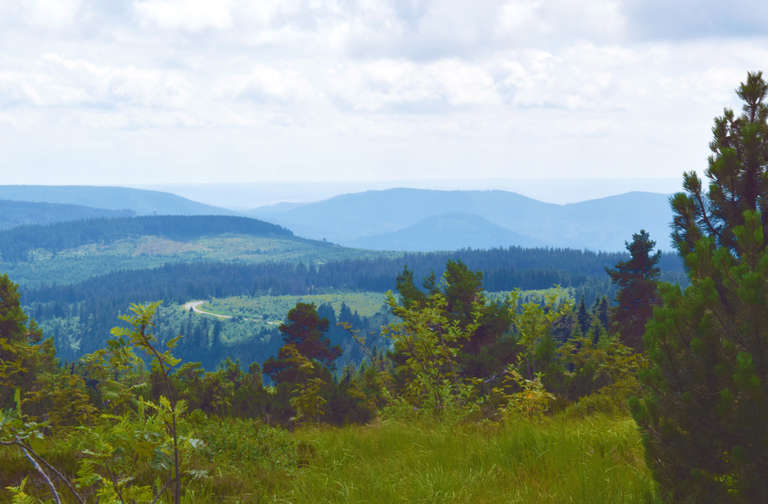
Hiking: Germany has an abundance of scenic walks and long-distance hiking routes. Popular destinations include the Harz, Black Forest, Bavarian Alps, Saxon Switzerland and the Thuringian Forest; the latter two are home, respectively, to arguably Germany’s most scenic long-distance walk, the 112km Malerweg, and its most popular, the Rennsteig (168km).
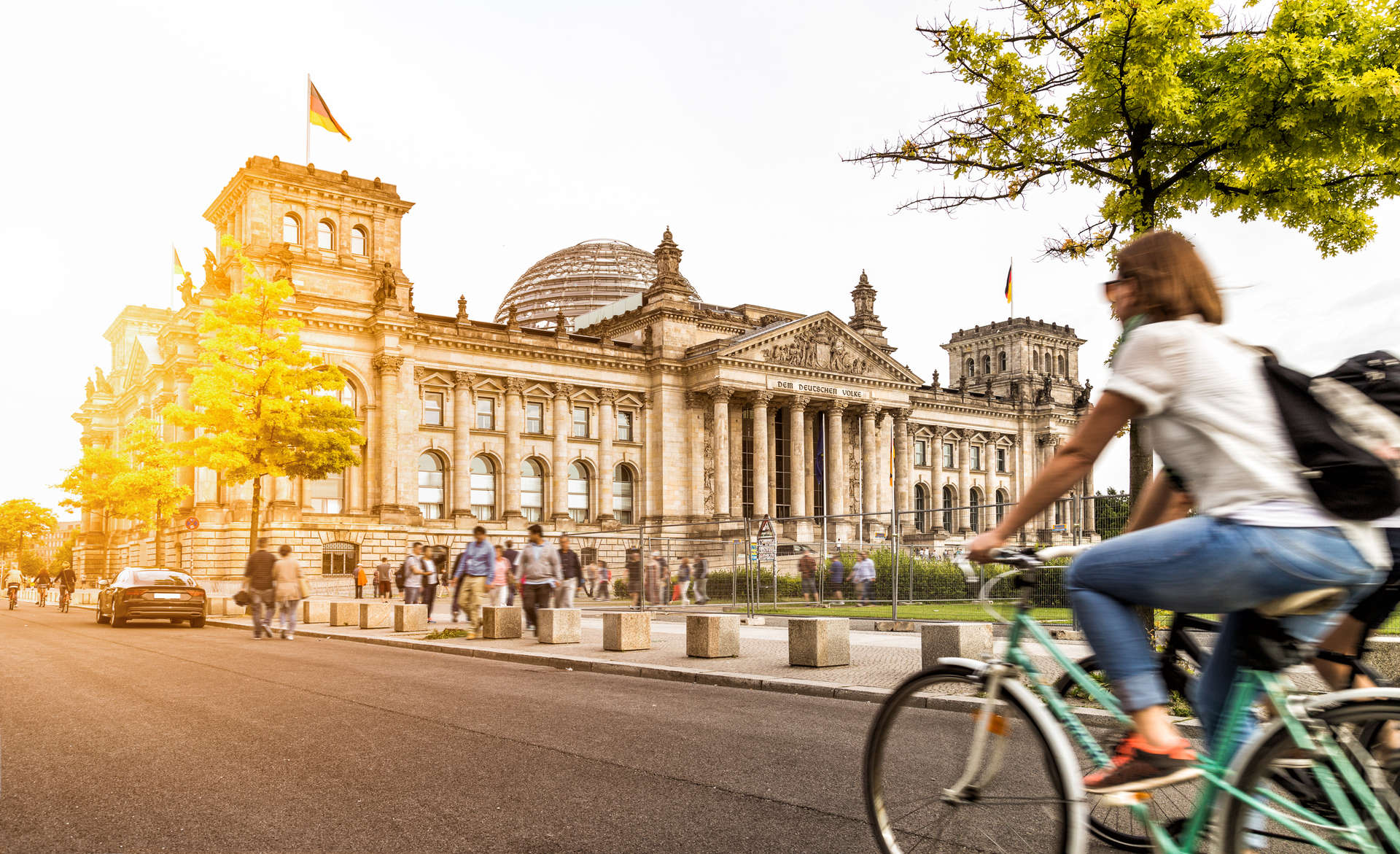
Cycling: Simply a joy. Over 200 long-distance cycle routes across the country provide 42,000km of excellent touring. Dedicated cycle paths off the main road typically follow alongside major rivers – one classic is the Elberadweg which follows the river for 860km as it slices northwest from Schöna in Saxon Switzerland to Cuxhaven on the North Sea.
Water sports: Germany’s lakes and rivers are ideal for water-based activities, for example Lake Constance for sailing, windsurfing or stand-up paddleboarding (SUP), and the Mecklenburg Lake District for kayaking and canoeing.
Skiing: Whether enjoying the views from the Zugspitze’s high-altitude pistes or cutting a dash on the Kandahar run, skiing at Garmisch-Partenkirchen, Germany’s biggest winter resort, is a memorable experience.

For most outsiders, German cuisine means Bratwurst (grilled sausage), cuts of pork and Sauerkraut, but this overlooks a foodie revolution that has rippled across the country over the last couple of decades. And of course, the country’s beer is legendary.
Wurst: Germany’s most iconic sausage, from pale, lemony Weisswurst to Currywurst with ketchup and curry powder. Aficionados say there are around a thousand regional varieties to sample. Good luck.
Sauerbraten: A pot roast marinated in a mixture of vinegar, water and spices, then slow-cooked until tender; served with red cabbage and potato dumplings.
Kartoffelsalat: A potato salad in many variations; some regions use a vinegar-based dressing, while others favour a creamy mayonnaise-based version.
Flammkuchen: A thin, pizza-like dish, Flammkuchen is typically topped with crème fraîche, onions and bacon.
Schweinshaxe: A huge crispy knuckle which could grace a medieval banqueting table, usually served with potato dumplings or sauerkraut.
Wiener Schnitzel: A Bavarian favourite, this breaded and fried veal or pork cutlet is usually served with potato salad or fries.
Labskaus: The traditional sailors’ dish, this is a filling mash of beef, pork, salted herring, potato, beetroot and gherkin, topped with a fried egg.
Aalsuppe: A piquant eel and vegetable soup with fruits such as pear and prunes, this one is for adventurous diners.
Black Forest cake: Known as Schwarzwälder Kirschtorte, layers chocolate sponge cake with cherries and whipped cream, finished with a generous splash of Kirsch (cherry brandy).
Apfelstrudel: Warm apple pastry, spiced with cinnamon and served with vanilla sauce or whipped cream.
Beer: Germany is world-famous for its beer, boasting innumerable regional brews. From the pale Pilsner to the dark and malty Dunkel, there’s a beer for every palate - but don’t pass up the opportunity to down a cold one in a traditional beer garden, especially in Bavaria.
Wines in Würzburg: Franconian wine, with its traditional rounded glass bottle and distinctive grape varieties, is a great delicacy unknown outside Germany.
Booking a flight + hotel package to Germany with lastminute.com offers several advantages. By booking both services together, you can take advantage of exclusive deals and choose from thousands of flights and accommodations for the perfect combination. Additionally, you can secure your trip with a deposit and pay the remaining amount later. You also have the flexibility to add other travel extras such as insurance, rental cars, and luggage to the flight + hotel package as per your preferences.
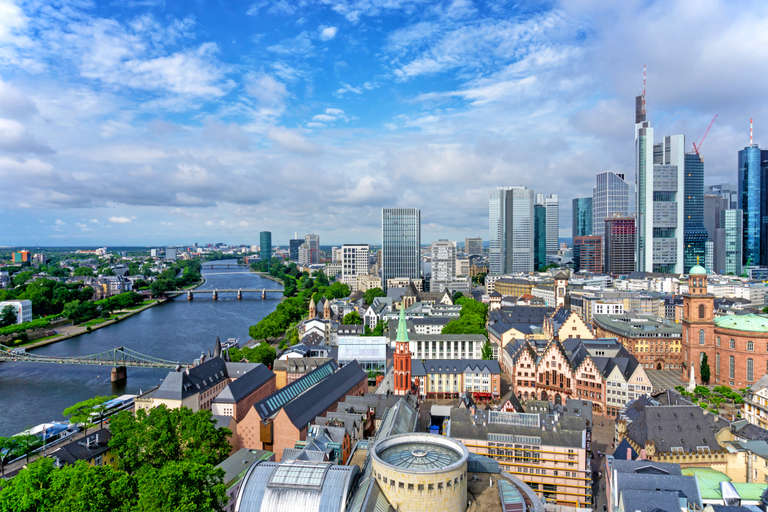
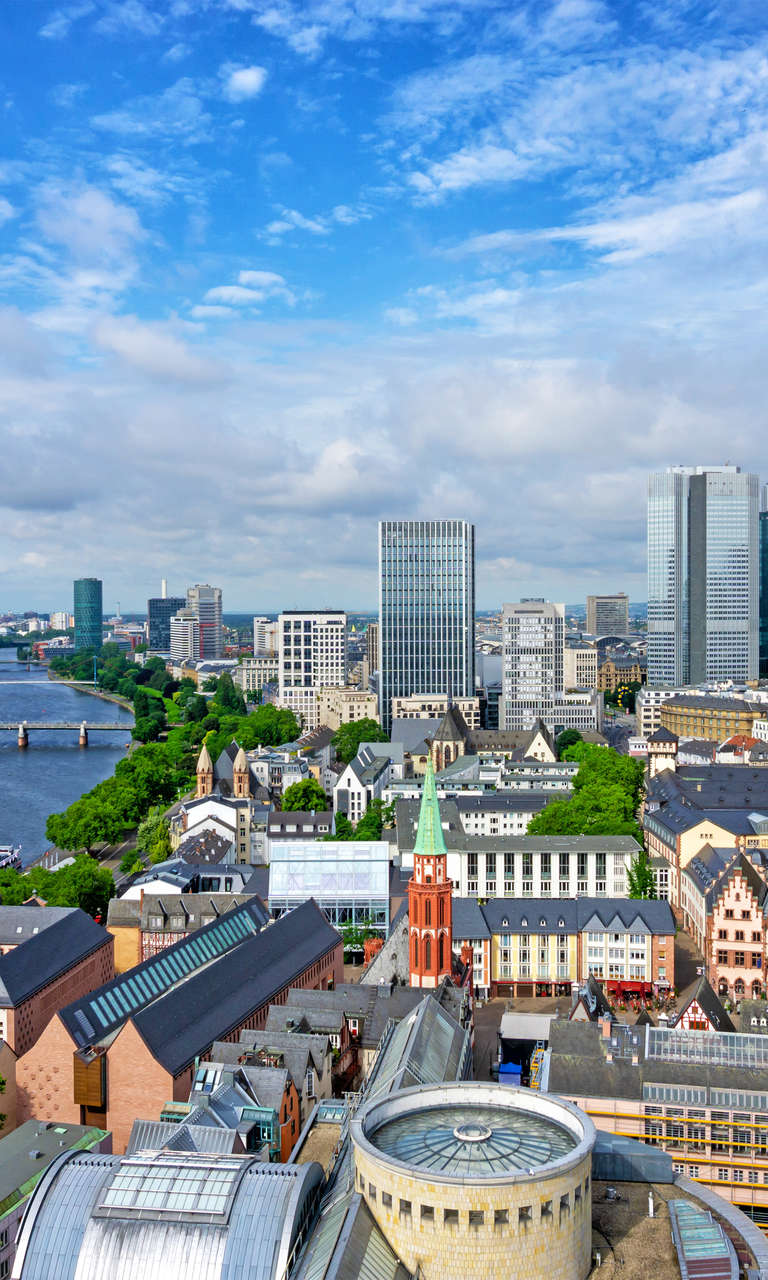
Germany offers a range of stunning holiday spots for every type of traveller. Discover some of the best areas to stay in, like Berlin, Munich, Hamburg, Cologne, Frankfurt am Main .
Before travelling from the UK to Germany, ensure your passport is valid for the duration of your stay. To get the latest Visa information for Germany, please check travel advice on GOV.UK.
Travel with us
Secure payment