|
|
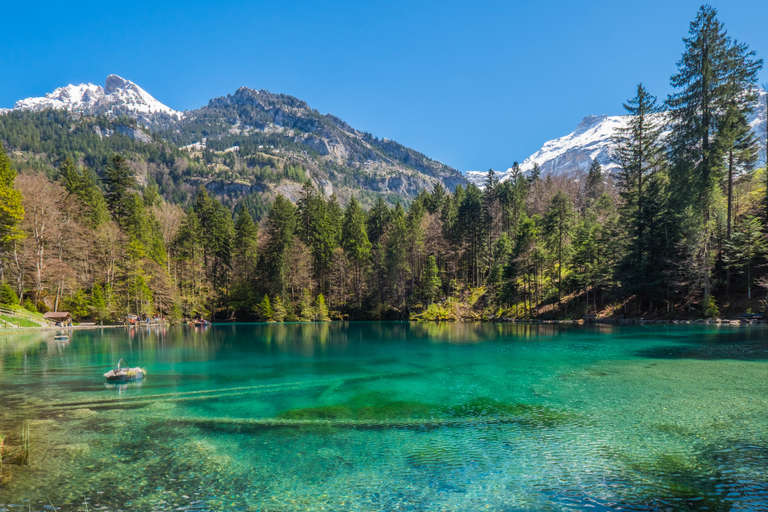
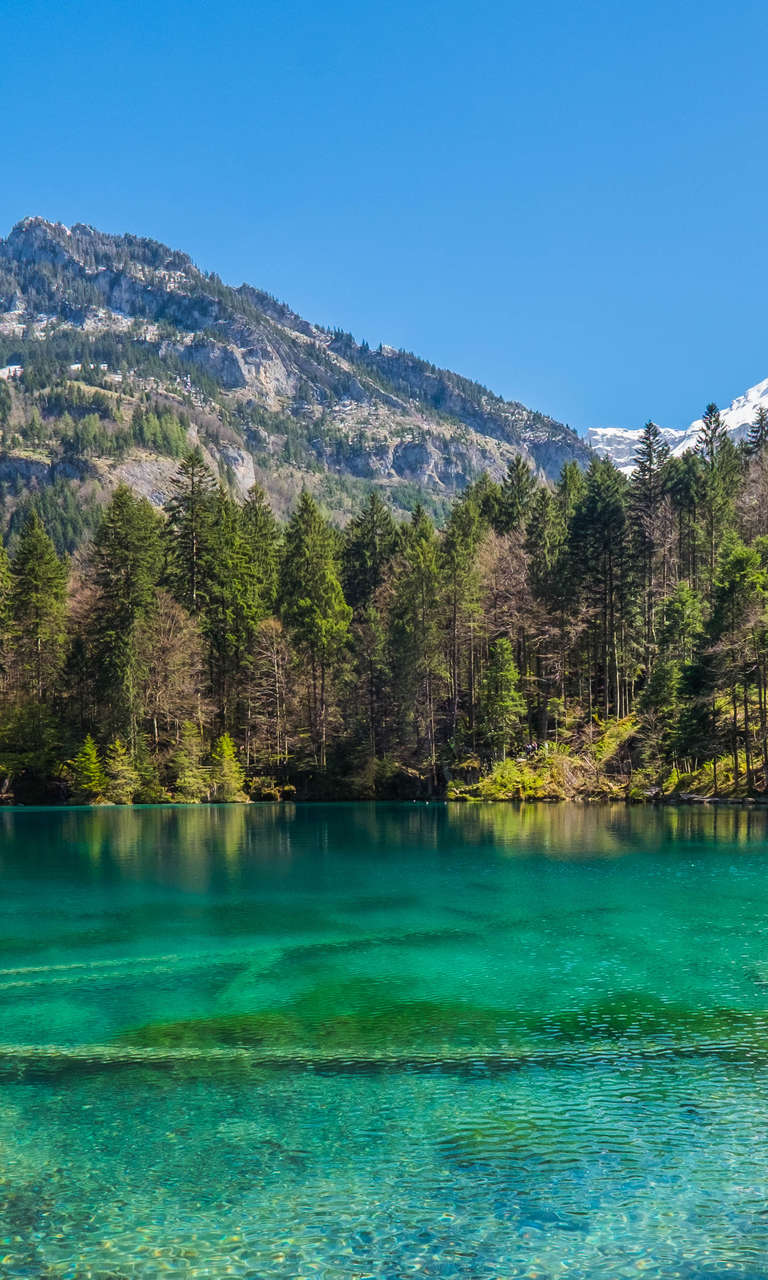
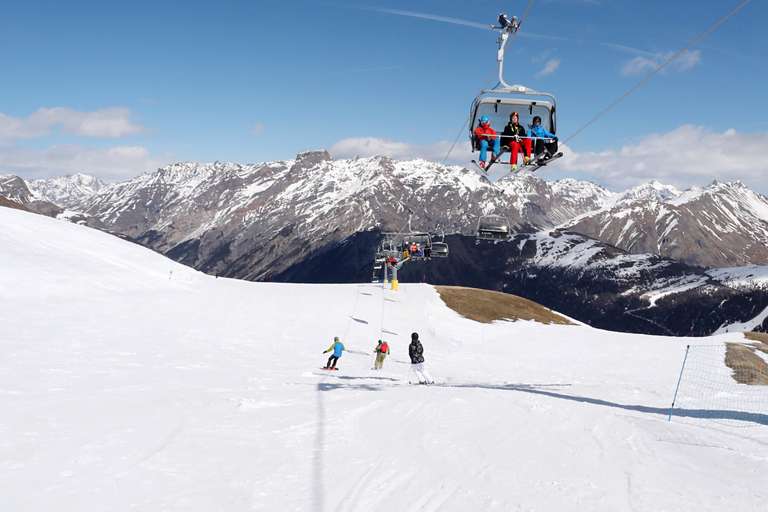
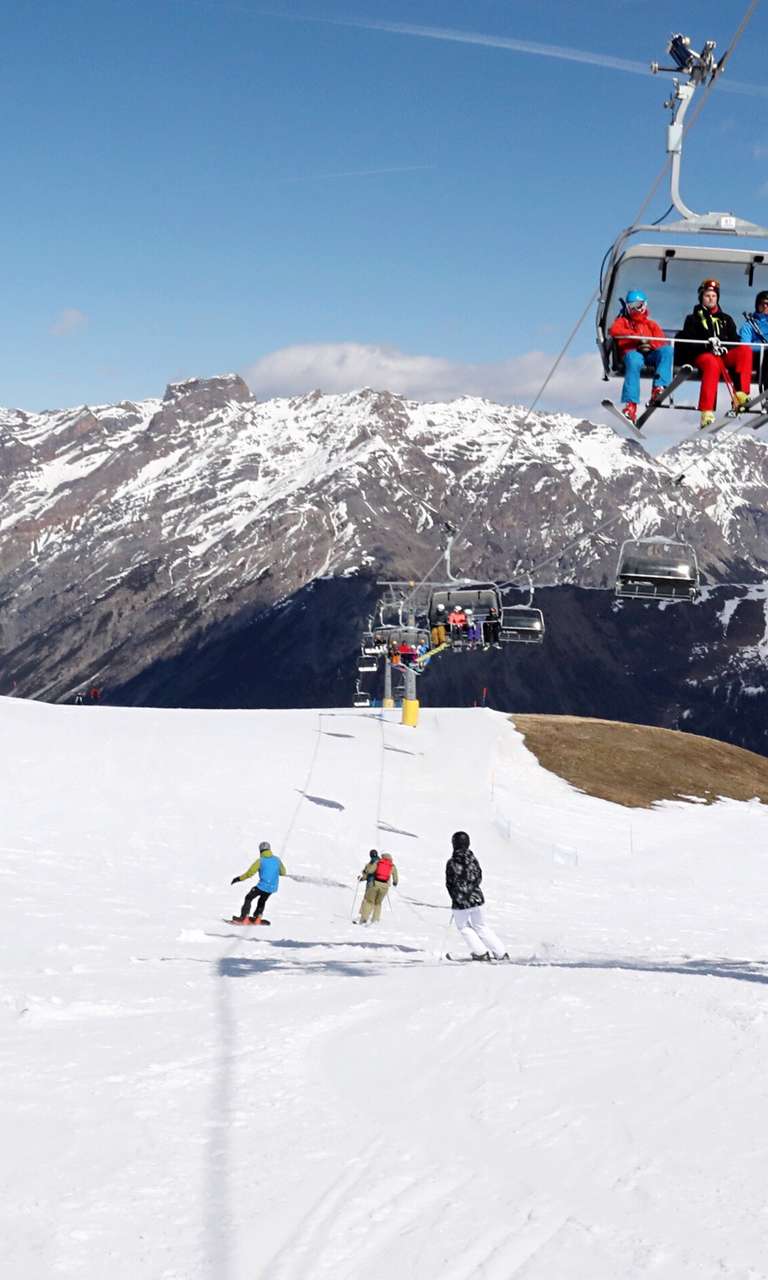
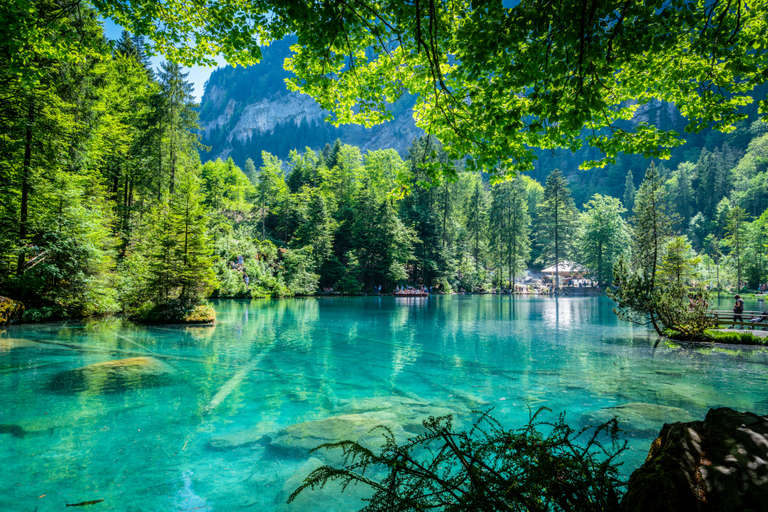
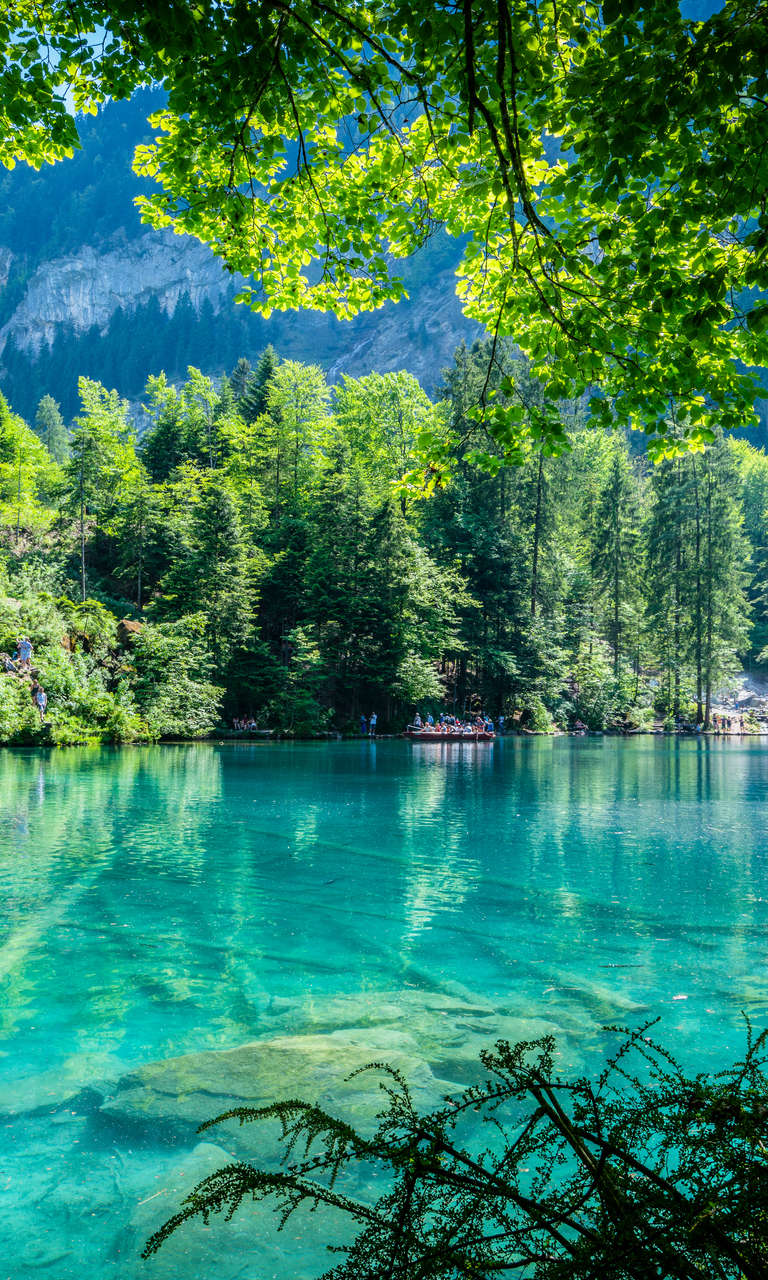
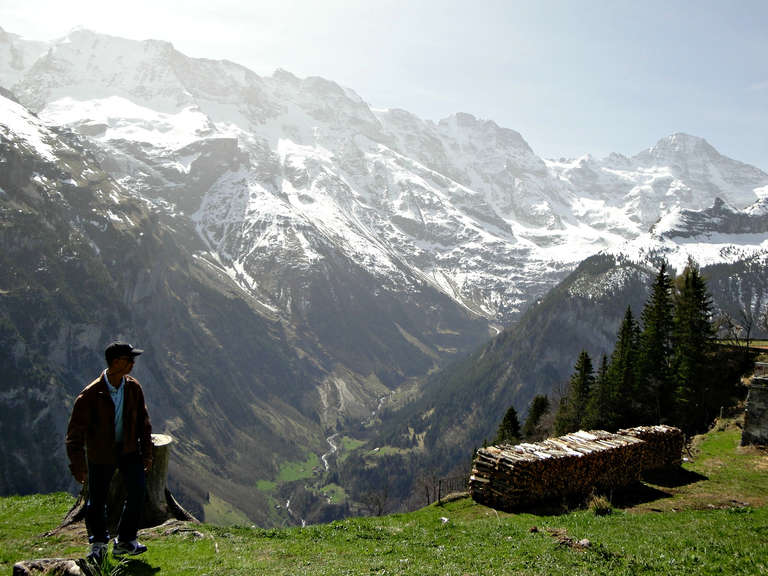
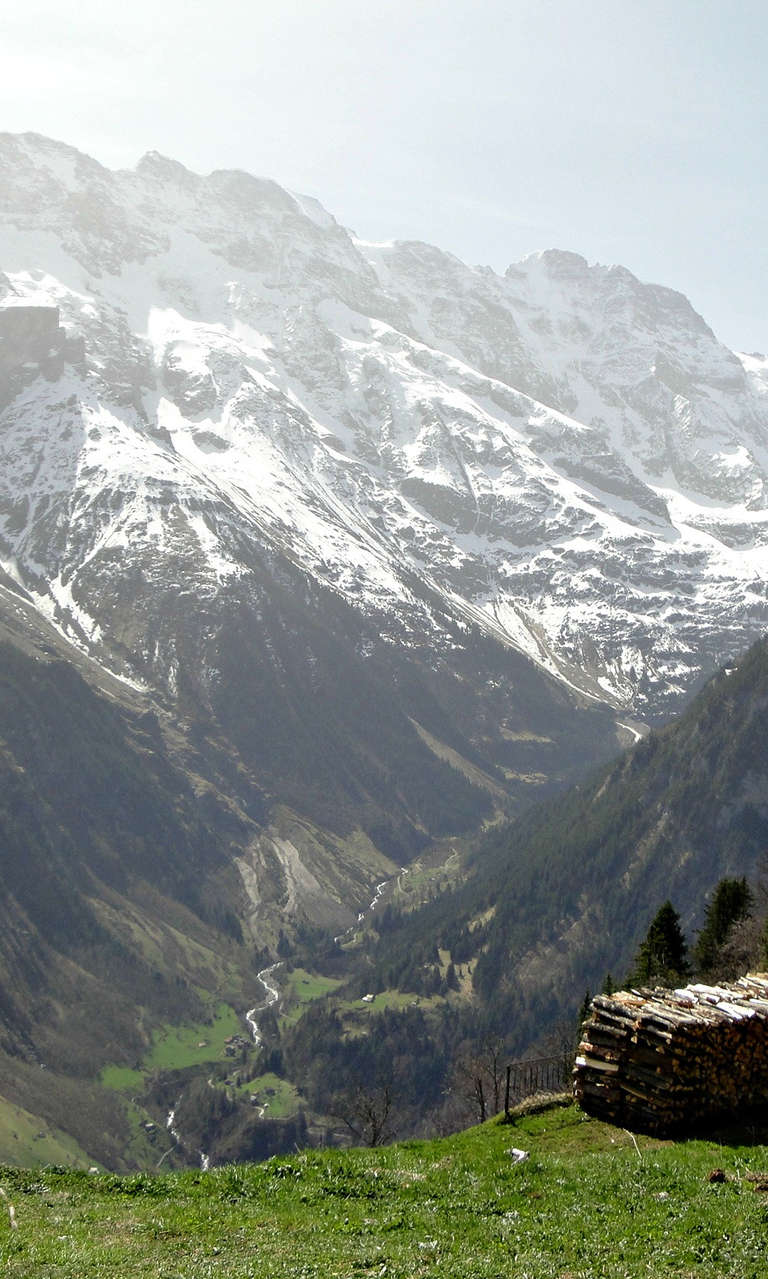
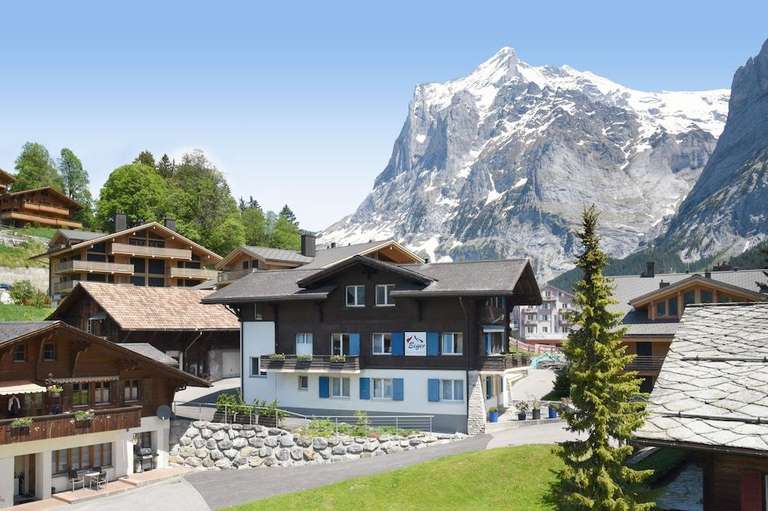
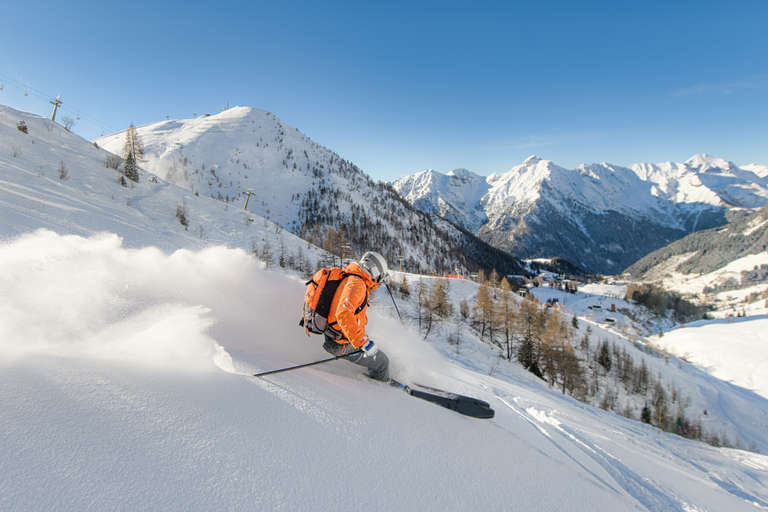
Escape to the sublime beauty of the Swiss Alps, a dream destination for every travel enthusiast and nature lover. This breathtaking paradise cradles some of the highest peaks in Europe, where winter sports fans can fly down globally renowned ski runs or swish through extensive cross-country trails. Stunning mountain landscapes meet crystal clear lakes, offering a host of boat trips and lakeside walks in mesmerizing surroundings. Adventurers can partake in numerous activities, such as hiking, mountain biking, and cable car rides. At the same time, explorers may find fascination in visiting precision watchmakers, dipping into Swiss culture, or sampling the indulgent Swiss chocolate and cheese. Exploring the cosy towns nestled in the mountain bases provides a picturesque experience resembling postcard perfection. The summer brings an explosion of colors, from wild Alpine flowers scattered across lush green meadows to ethereal views from panoramic train journeys like the Glacier Express. Swiss Alps holidays capture the serenity and beauty of nature in its rawest form, and the breathtaking spectacles at every turn ensure that every moment spent here truly becomes a cherished memory. Experience the sheer joy of Swiss Alps holidays, wrapped in the heart of Europe’s most stunning landscapes.
Enjoy access to special prices, only available on package deals.
Choose from thousands of flights, hotels and stays.
Book with a small deposit and pay the rest later.
Quickly add insurance, luggage, rental cars and more.
You are protected
Book the best deals on holidays to Swiss Alps today!
Flight time: Flights to the Swiss Alps usually land at Zurich or Geneva airports, with direct flights from London taking around 1 hour 30 minutes to 2 hours.
Transfer time: From Zurich, you can hop on a direct train to popular Swiss Alps destinations such as Zermatt, which takes about 3 hours, or Engelberg in 1 hour 45 minutes. If you fly into Geneva, train connections to ski resorts like Verbier or Chamonix take around 2-3 hours.
Price: From Zurich, expect to pay around CHF 50-100 for a one-way ticket to the Swiss Alps, depending on your final destination. Geneva to Zermatt is roughly CHF 70. Taxis are pricey, costing around CHF 400-500 wherever you go.
If skiing and snowboarding are the priority, then the winter months are an obvious choice, while spring and summer are best for hiking and other outdoor pursuits.
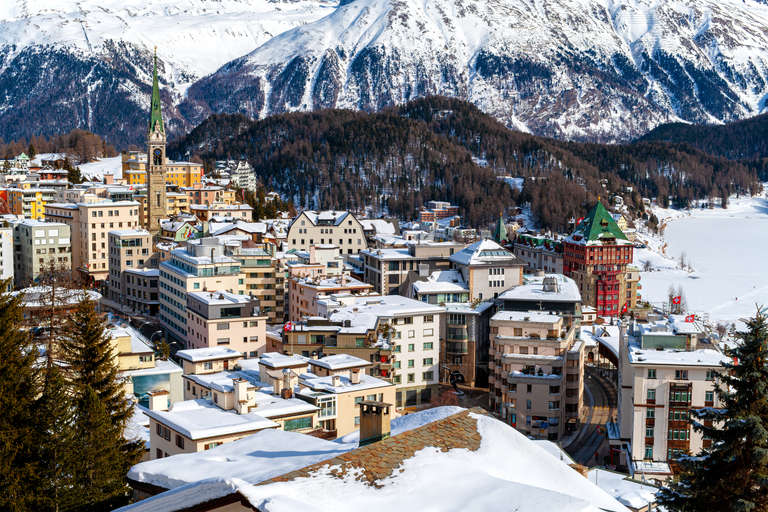
December to March: High season for mountain resorts like Zermatt, Verbier and St. Moritz, so expect large volumes of people and accommodation to be very pricey. Temperatures range between -5°C and 5°C, and there’s certainly plenty of snowfall.
April to June: The shoulder season, when many of the resorts close down, but it’s a fantastic time for hiking. The weather can be unpredictable, with temperatures ranging from 10°C to 20°C and occasional showers, so be prepared if heading into the mountains.
July to August: The ideal time for outdoor pursuits like hiking, mountain biking and lake swimming. The mountains offer a cool escape, with temperatures between 15°C and 25°C, while for those towns and villages at lower altitudes, the temperate summer months are particularly pleasant.
September to November: Expect cooler temperatures, from around 5°C to 15°C, more frequent rain (70–100mm) and about 4–7 hours of sunshine. September, and even October, are still great times to venture into the mountains for some hiking.
Spoken languages: In the Swiss Alps, the spoken language largely depends upon the region. German is common in most areas, while French is spoken closer to Geneva. English is widely understood everywhere.
Local habits and customs: All bar, restaurant and hotel bills are calculated with 15 percent service included; staff are on proper salaries and tipping is officially abolished. Sundays are a day of rest and most shops are closed.
Health and safety: An extremely safe country, Switzerland has only a small force of plain-clothes federal police (Polizei, police, polizia). You must carry your passport at all times.
Currency: Switzerland uses the Swiss Franc (CHF). Almost all Swiss banks have English-language ATMs which accept foreign debit and credit cards, and you can pay for most goods and services using plastic.
Getting around: Swiss public transport is excellent, with trains, buses and cable cars connecting most areas. Train timetables are well integrated with those of the postbuses, which operate on routes not covered by rail (including remote valleys). Cyclists are well served by the Swiss instinct for green thinking.
Electricity and plug types: Switzerland uses Type J plugs with a standard voltage of 230V. UK travellers will need an adaptor.
Time zone: The Swiss Alps are in Central European Time (CET), which is 1 hour ahead of GMT, and Daylight Saving Time is observed.
Required travel documentation: UK travellers don’t need a visa for stays under 90 days, but make sure your passport is valid for at least six months after your trip.
The Alps run in a band across the centre and south of the country, with resorts big and small throughout. Places like Interlaken, Verbier, CransMontana and Zermatt boast some of the best winter skiing and summer hiking in Europe.
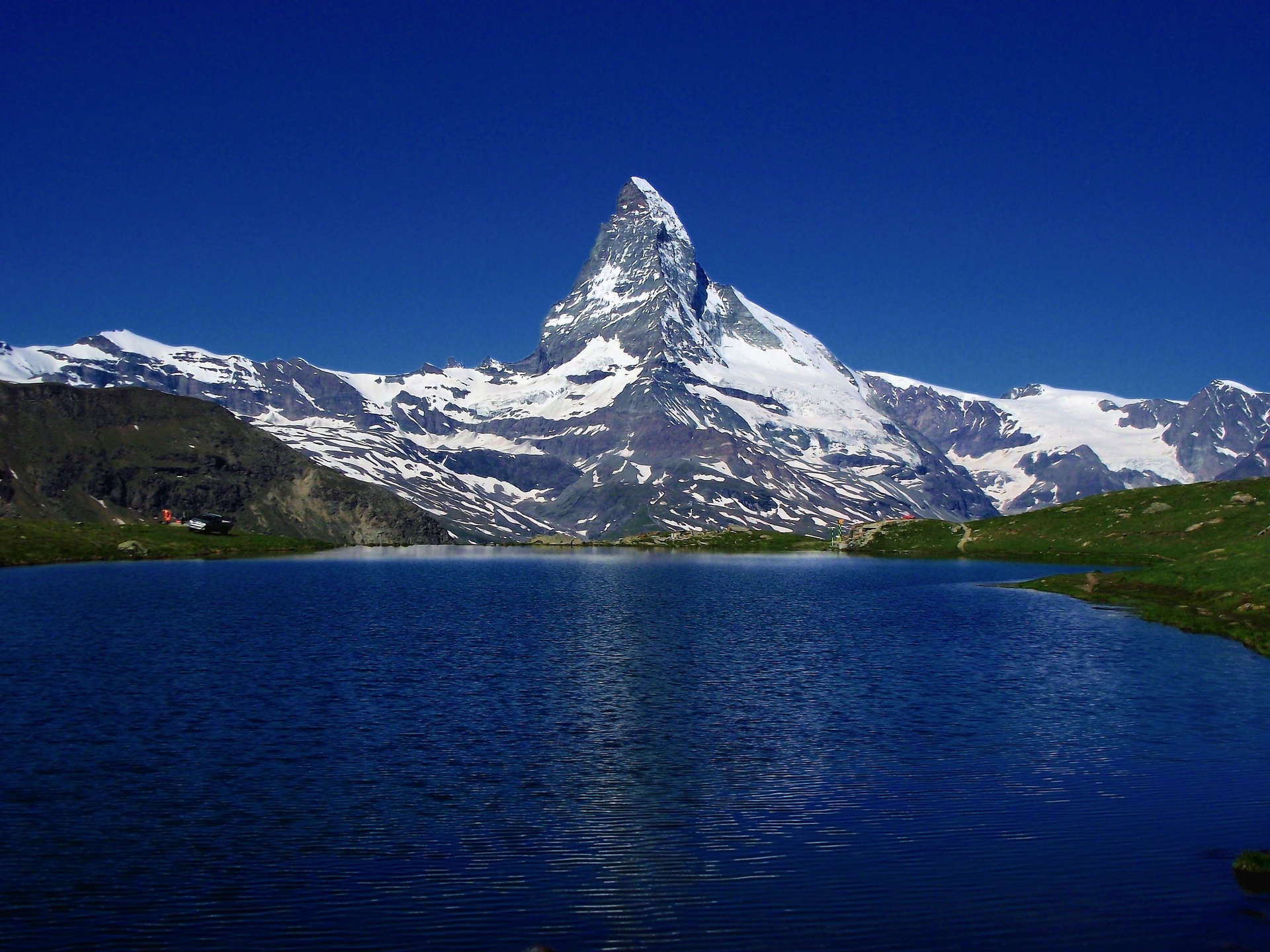
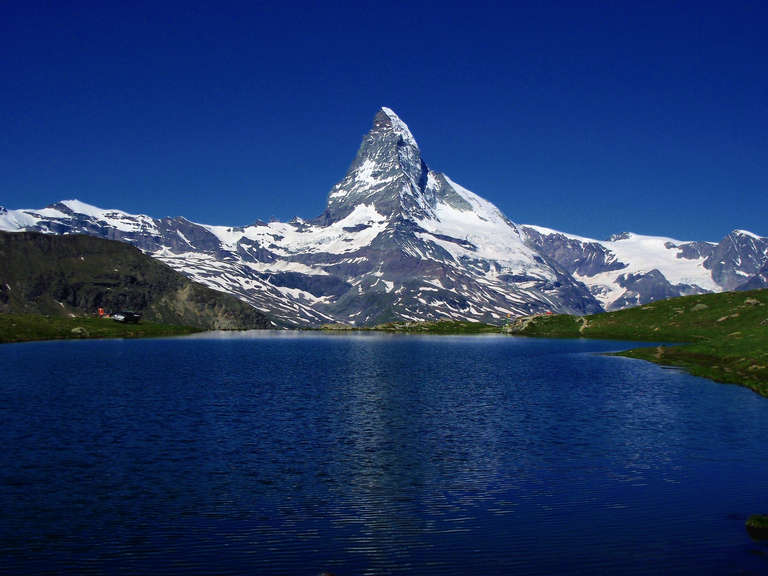
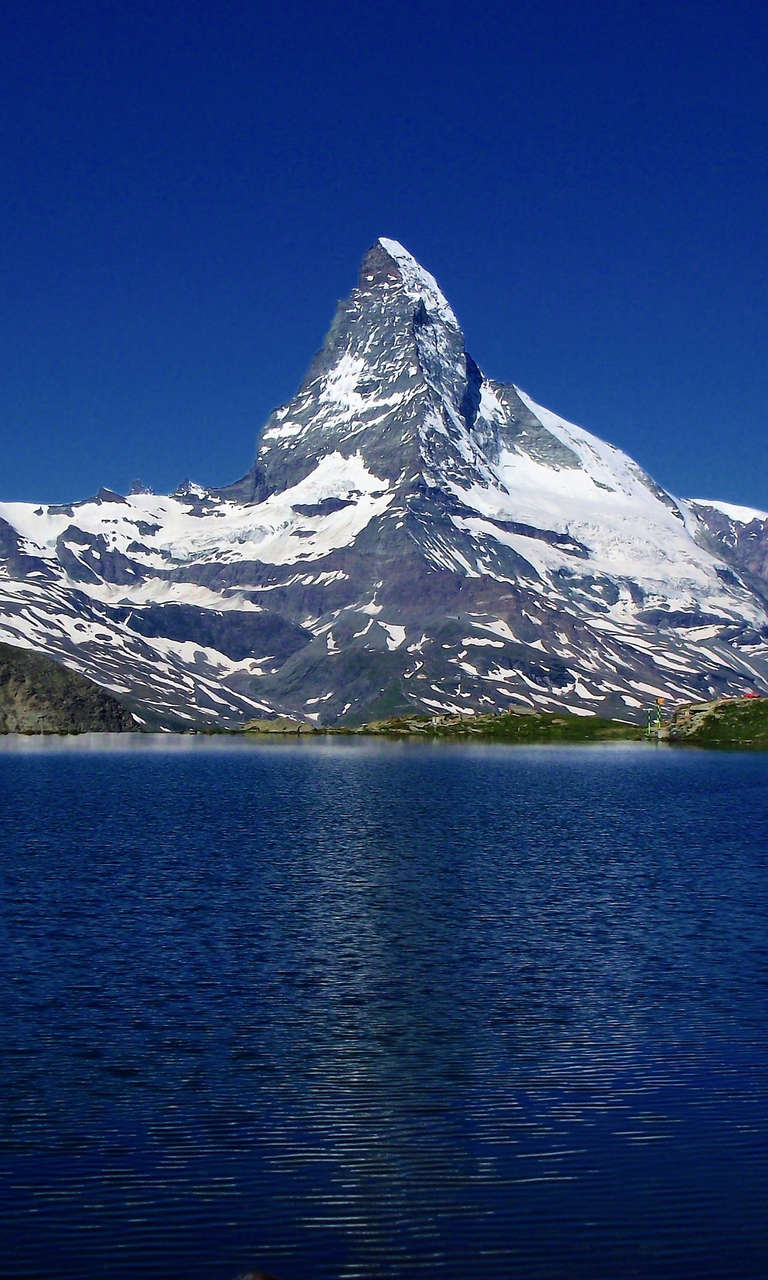
The Matterhorn: Instantly recognisable – if you make it to just one mountain during your Switzerland holidays, it should be this, the “Toblerone” peak. Travel via Brig or Visp to Zermatt, from where you can set out on the breathtaking cable car journey up to Klein Matterhorn.
Schilthorn, Mürren: For a Bond-worthy panorama, take the cable car up to Schilthorn. The revolving restaurant Piz Gloria, made famous by the James Bond film “On Her Majesty’s Secret Service”, offers 360-degree views of the Alps.
Gornergrat railway: The ever-popular GGB Gornergrat Bahn leads up from the village across the meadows of the Riffelalp to the Gornergrat itself (3130m) – sit on the right-hand side for magical Matterhorn vistas.
Gruyères: Medieval hilltop castle-village in the heart of cheese, chocolate and winemaking country.
Matterhorn Museum: The subterranean Matterhorn Museum features films and interactive displays on mountaineering, all set around a reconstruction of a 19th-century Alpine village.
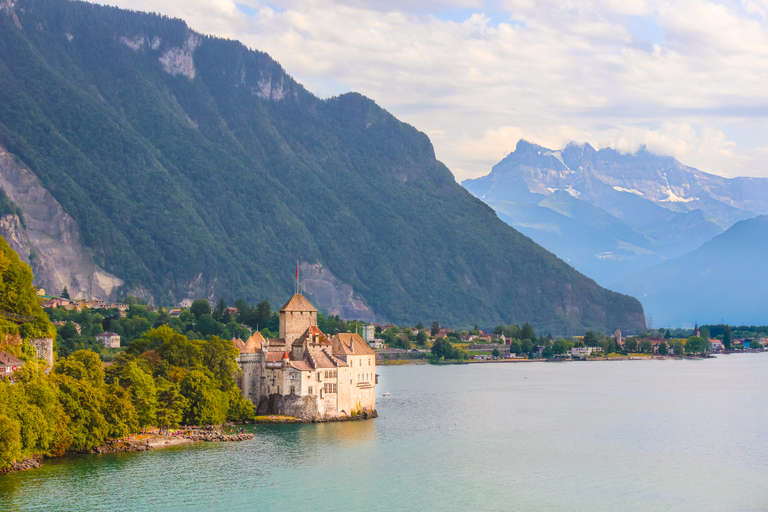
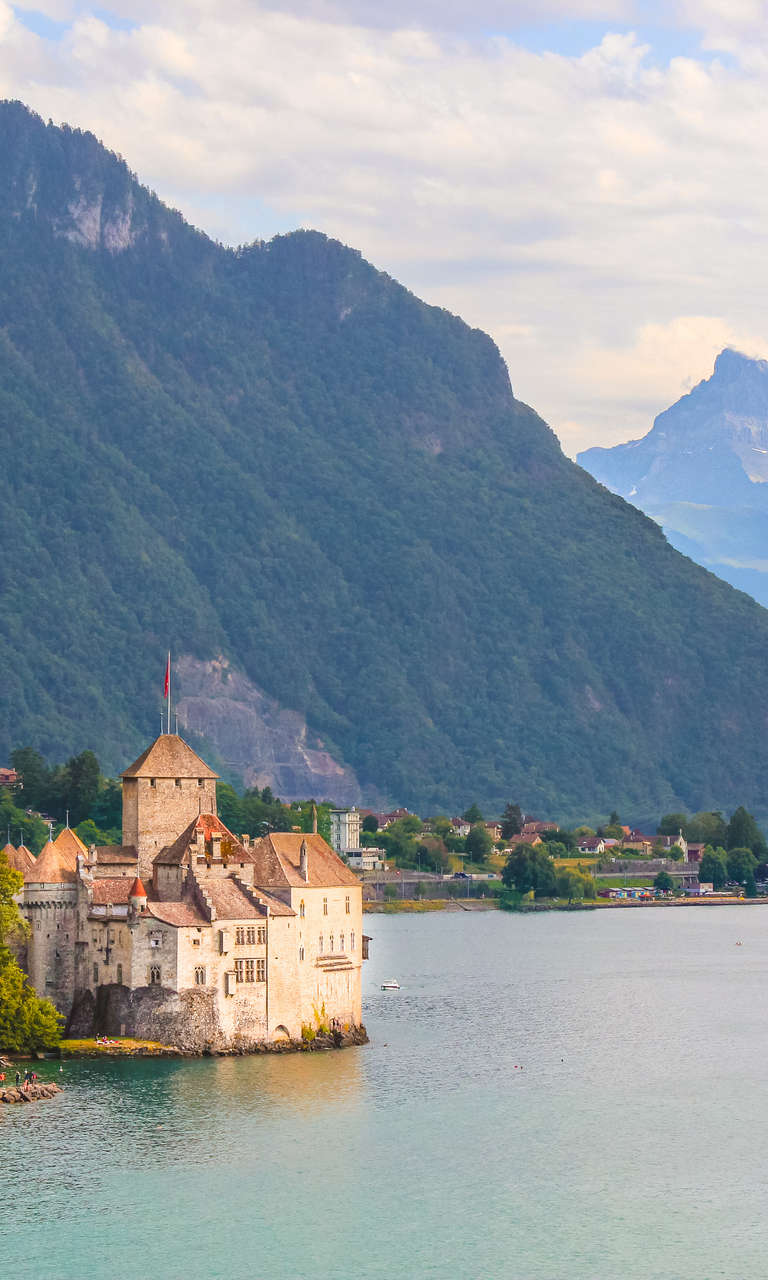
Château de Chillon, Montreux: Perched on the edge of Lake Geneva, this is one of the best preserved medieval castles in Europe, once an inspiration for the poet Byron.
Château de Grandson: Step back in time with a visit to one of Switzerland’s grandest castles in a fine lakeside setting.
Interlaken and Jungfrau region: If you’re a mountain completist, then travel on to Interlaken for the journey to Jungfraujoch, which has the highest train station in Europe. Stay overnight in one of the region’s small mountain villages such as Wengen or Mürren.
Zermatt: Switzerland’s most famous mountain resort offers a vast array of skiing and snowboarding, plus great summer walks – all watched over by the giant Matterhorn.
Engelberg: The sheer variety of adventure sports – and gentler excursions – on offer, along with the village’s huge Benedictine monastery, makes Engelberg well worth a visit.
The Alps are brilliant for kids, especially those for whom the great outdoors appeals. Be it summer or winter, there’s more than enough for families to do on their holidays to Swiss Alps.
Train rides: Switzerland has some of the world’s great train journeys. Take the ride up to Jungfraujoch, Europe’s highest station, perched at 3454m on a crag above the mighty Aletsch glacier; or there’s the Golden Pass, a superbly scenic train journey from Montreux into the surrounding mountains.
Adventure parks: Forest Fun park comprises three adventure circuits of varying difficulty, with zip lines and bridges strung between the trees. Some 300m further on is the Gorner Gorge where walkways lead down and around a narrow valley cut by a raging torrent.
Ski schools: Most resorts in the Alps offer ski schools for children, making it a great place to introduce them to winter sports; in particular Zermatt, Verbier and Davos are known for their excellent ski schools with English-speaking instructors.
Cable car rides: Kids will love the adventure of taking a cable car up into the mountains. Whether it’s the Gornergrat Railway in Zermatt or the First Cliff Walk in Grindelwald, the journey is half the fun.
While Switzerland is firmly on the pricey side, there are still plenty of free activities that allow you to enjoy the best of the Swiss Alps without spending much.
Hiking: The Swiss Alps are crisscrossed with well-maintained hiking trails, many of which are free to use. From easy walks around Lake Lucerne to more challenging hikes in the Jungfrau region, there’s a trail for every ability level.
Free events: Many alpine towns host free events throughout the year, from outdoor concerts to traditional festivals. Zermatt, for example, often has free classical music performances during the summer.
Free local transport: Some Swiss towns offer free public transport for tourists staying in local hotels. In places like Davos and Engelberg, you can explore the area on buses and local trains for free. In Davos, the guest card provides free transport on local buses, and it costs nothing extra to travel between the villages.
The Swiss Alps have played a profound role in forming Switzerland’s national identity, and are the favourite recreation grounds for summer hiking and winter skiing.
Hiking and trekking: The Swiss love hiking, and with over 60,000km of marked trails, most boasting stunning Alpine vistas, it’s easy to see why. The Jungfrau and Matterhorn regions are particularly popular, as is the legendary Bernese Oberland.
Skiing and snowboarding: For skiers and snowboarders, the choice is overwhelming: Verbier is renowned for its challenging off-piste skiing, while scenic Zermatt is suitable for all abilities. The picturesque resorts of the Jungfrau region – Grindelwald, Mürren and Wengen – are better suited for intermediates.
Via ferrata: For those seeking the ultimate adrenaline rush, the Swiss Alps offer several via ferrata (protected climbing routes) that combine hiking and rock climbing. One such is the Via Ferrata Mürren–Gimmelwald, but be warned - a head for heights is essential.
Whether you’re enjoying a hearty meal after a day on the slopes or relaxing with a drink by a warming fireplace, the Alps’ culinary offerings are quite superb.
Fondue: A communal pot of melted cheese served with bread cubes for dipping, the classic style is a moitiémoitié (“half-and-half”), using either Gruyère and Vacherin Fribourgeois, or Gruyère and Emmental.
Rösti: Shredded potato formed into a large patty and fried golden brown on both sides. This can either be an accompaniment to a main course or, with the embellishment of ham, melted cheese, a fried egg and/or bacon bits, be a comfortably affordable main course.
Raclette: A large half-round of cheese is held in front of a fire, and as it melts it’s scraped (raclé) onto a plate, and served with boiled potatoes, pearl onions and pickles.
Zürcher Geschnetzeltes: Diced veal in a creamy mushroom sauce often served with rösti.
Saucisson Vaudois: This pork and beef Vaud sausage is famous for its delicately smoked flavour, served boiled or steamed alongside papet vaudois, a purée of potatoes and leeks.
Bratwurst: A popular street food across Switzerland, these juicy, meat-packed sausages are typically served with a side of bread or mustard.
Pretzels (Brezel): Sold at markets and bakeries, these soft, salty breads are just the job for a quick bite on the run.
Chocolate: Today, more chocolate is sold in Switzerland per head of population than in any other country. The country has a long tradition of confectioners producing hand-filled luxury chocolates for special occasions, such as chocolate-covered chestnuts in autumn and chocolate bears, which are a Bernese favourite.
Meringues: Invented in or near Meiringen, most Emmental and Bernese Oberland villages offer their own cream-laden meringue creations.
Swiss wine: Switzerland’s wine industry is modest, but a couple of regions produce some impressive vintages, most notably Lavaux.
Kirsch: The country’s most famous distilled spirit or liquor, this is a cherry spirit from Zug and around Lake Lucerne.
Swiss beer: Beer (Bier, bière, birra) on draught (vom Fass, à la pression, alla pressione) comes as a flavourful lager-type brew, always served with a large head of foam.
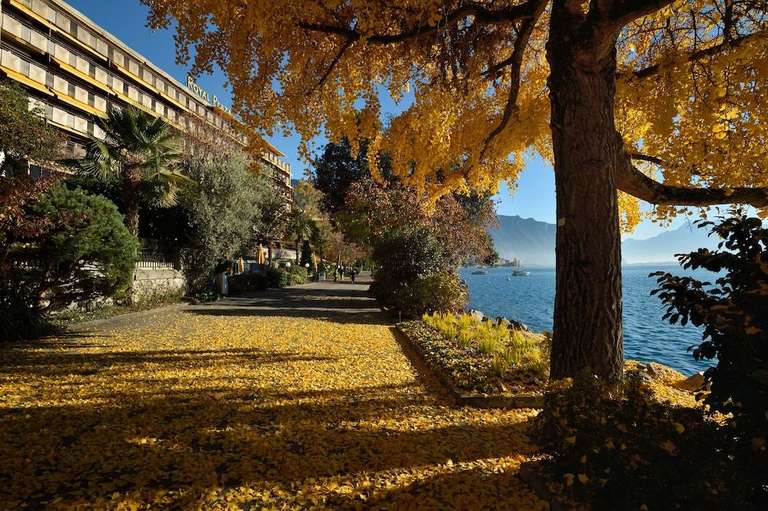
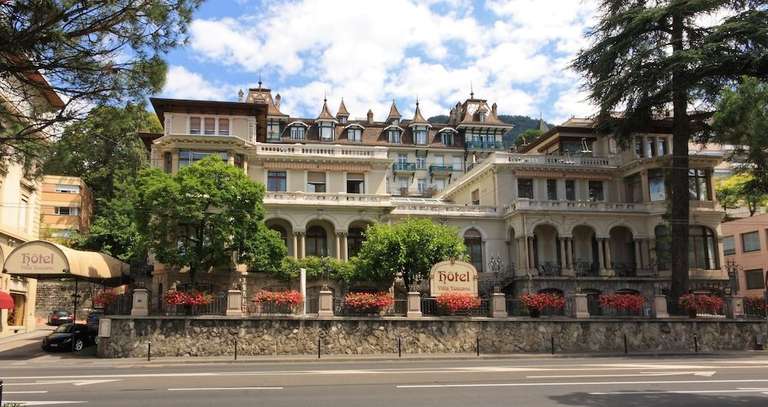
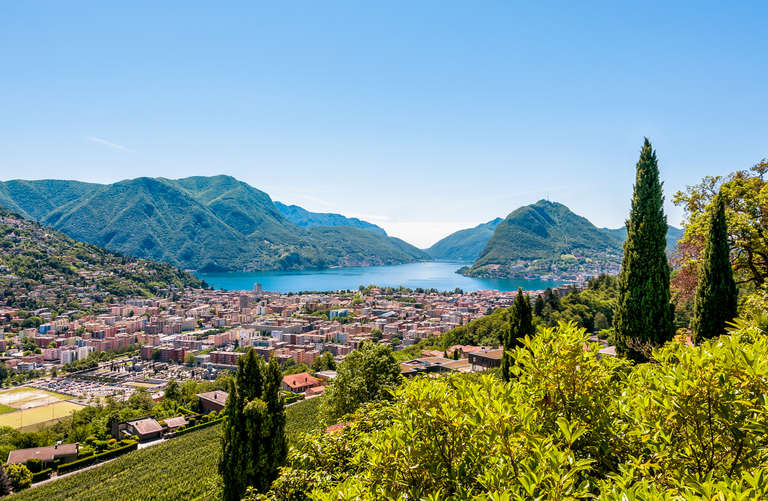
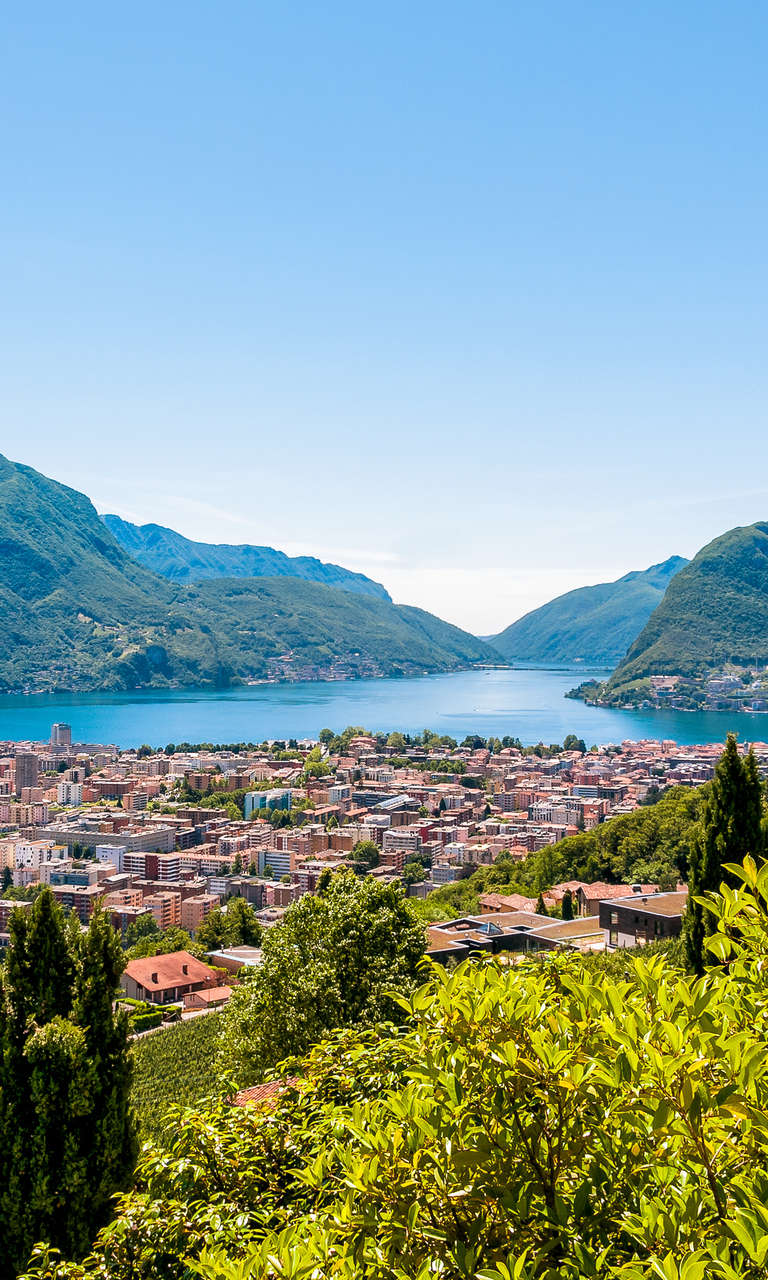
Swiss Alps offers a range of stunning holiday spots for every type of traveller. Discover some of the best areas to stay in, like Livigno, Chamonix-Mont-Blanc, Zermatt, Grindelwald, Montreux, Interlaken, St. Moritz, Wengen, Lugano, Verbier.
The most popular places to visit in Swiss Alps are: Inn, Rhine, Stelvio National Park.
Booking a Flight + Hotel package to Swiss Alps with lastminute.com offers several advantages. By booking both services together, you can take advantage of exclusive deals and choose from thousands of flights and accommodations for the perfect combination. Additionally, you can secure your vacation with a deposit and pay the remaining amount later. You also have the flexibility to add other travel extras such as insurance, rental cars, and luggage to the Flight + Hotel package as per your preferences.
Before travelling from the UK to Swiss Alps, ensure your passport is valid for the duration of your stay. To get the latest Visa information for Swiss Alps, please check travel advice on GOV.UK.
Travel with us
Secure payment