|
|
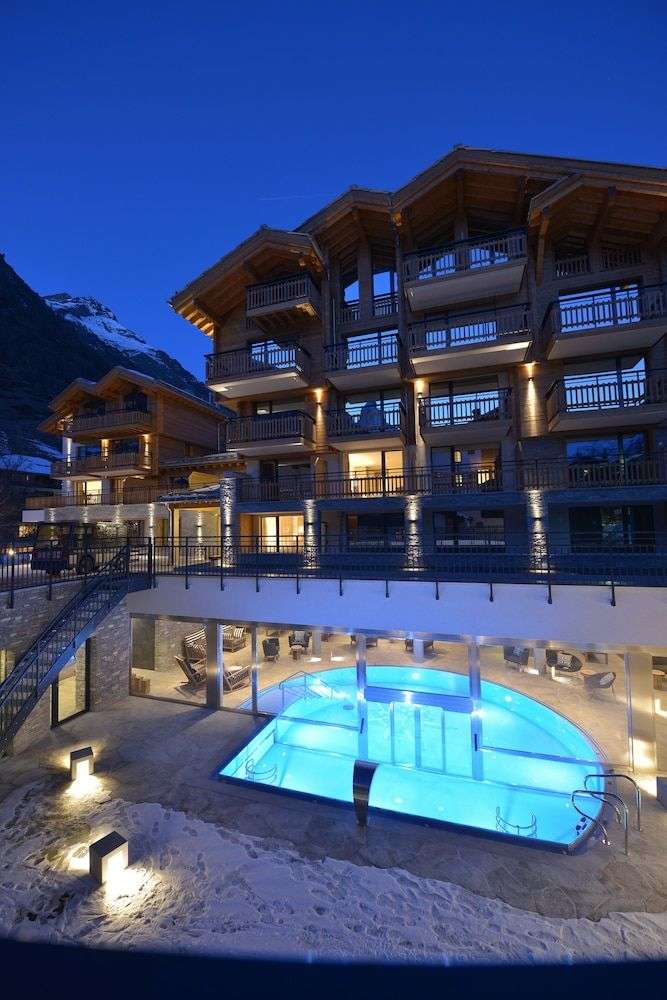
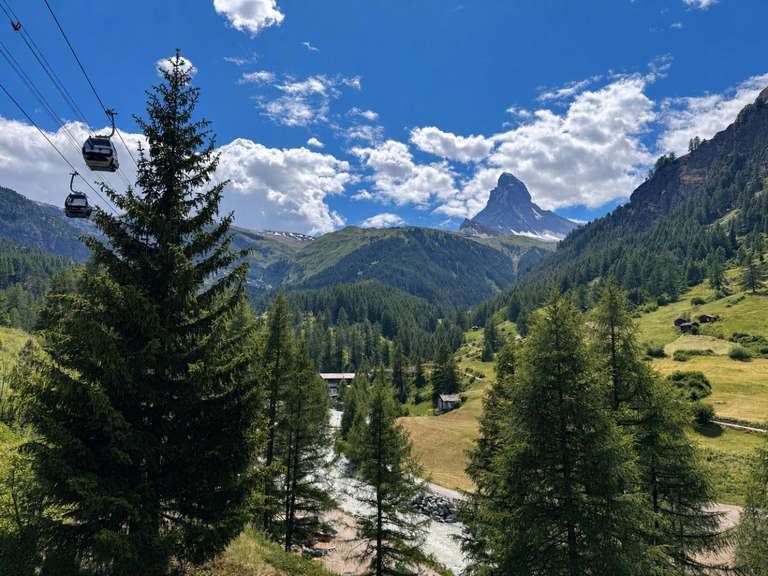
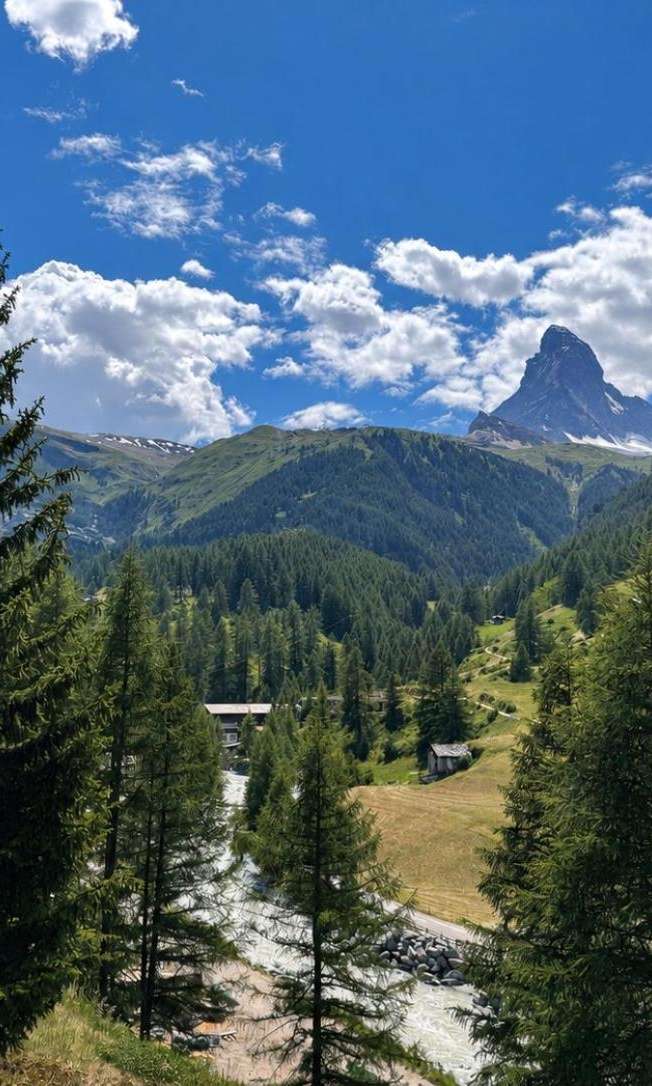
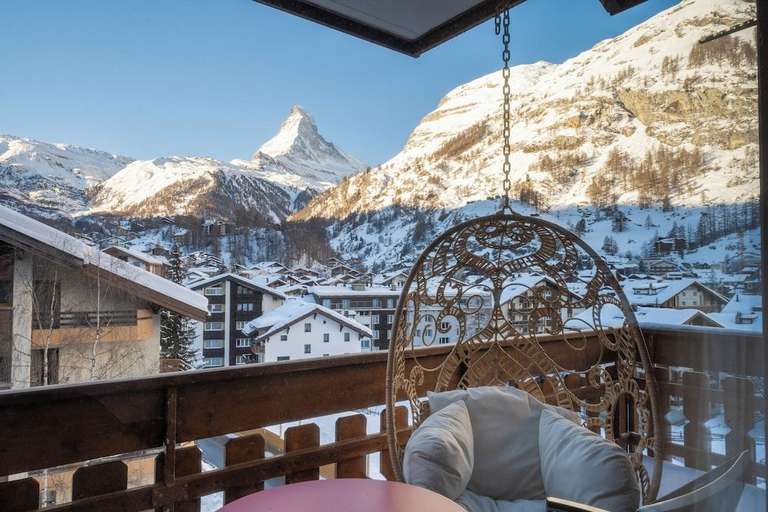
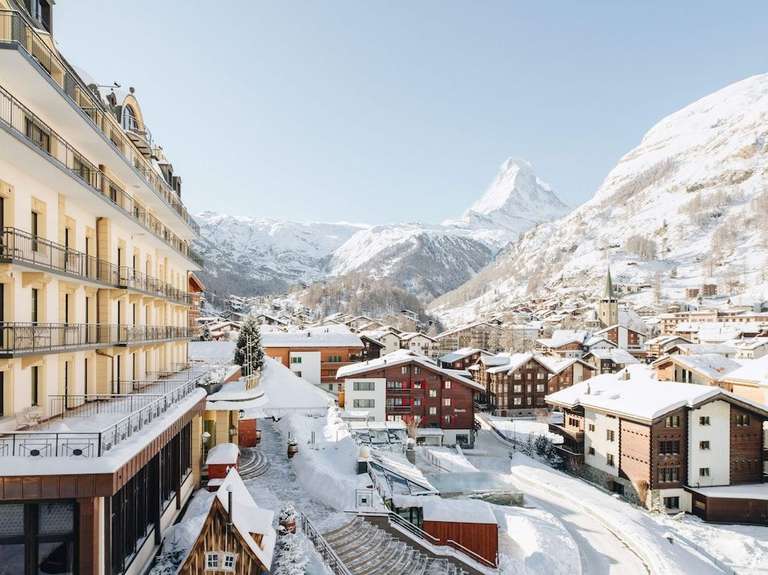
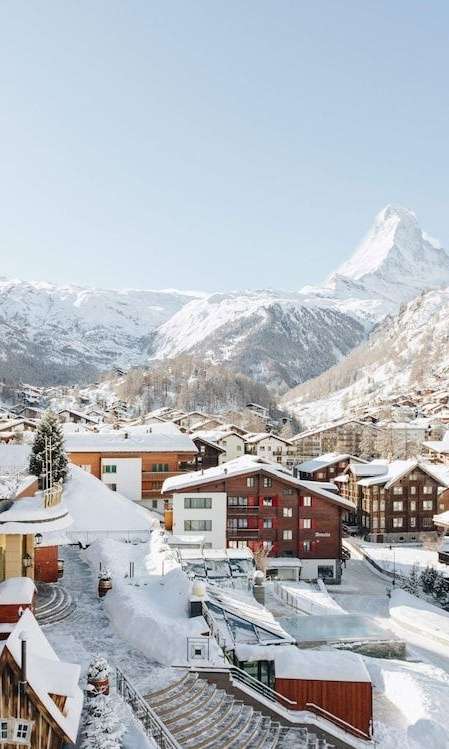
Escape to Zermatt, a picture-perfect Swiss village nestled at the base of the iconic Matterhorn in the heart of the Alps. Renowned for world-class skiing, snowboarding, and other winter sports, Zermatt transforms into an adventurer’s paradise as the snow melts, offering hiking, mountain biking, and paragliding. Explore the car-free village's shops, restaurants, and nightlife spots, perfect for delving into Swiss culture and cuisine. With luxury wellness centers, historic sites, and cultural events, Zermatt promises a captivating holiday experience where stunning natural beauty and vibrant local culture converge.
Enjoy access to special prices, only available on package deals.
Choose from thousands of flights, hotels and stays.
Book with a small deposit and pay the rest later.
Quickly add insurance, luggage, rental cars and more.
You are protected
Book the best deals on holidays to Zermatt today!
Flight time: There are no direct flights to Zermatt. Flights to Geneva or flights to Zurich airports take about 1 hour 40 minutes from London.
Transfer time: From Geneva Airport, the transfer to Zermatt is a scenic 3 hour 45-minute train ride, while from Zurich, the journey takes around 3 hours 20 minutes.
Price: A standard train ticket from Geneva to Zermatt costs around CHF 75–100 one-way, while a ticket from Zurich is about CHF 80–110. If you’re driving to Täsch, parking costs around CHF 14 per day, and the shuttle train to Zermatt from Täsch costs CHF 8 one-way.
If skiing and snowboarding are the priority on your Zermat holidays, then the winter months are an obvious choice, while spring and summer are best for hiking and other outdoor pursuits.
December to March: High season in Zermatt, so expect consistently large crowds and pricier accommodation, which will also need to be booked well in advance. Temperatures range between -5°C and 5°C, and you can expect consistent snow coverage on the slopes.
April to June: This is Zermatt’s shoulder season when many of the facilities close down, but it’s a fantastic time for hiking. Temperatures rise from around 10°C to 20°C, with moderate rainfall (40–80mm) and 6–8 hours of sunshine.
July to August: The ideal time for outdoor pursuits like hiking, mountain biking and lake swimming. Zermatt’s mountains offer a cool escape, with temperatures between 15°C to 25°C and around 8–10 hours of sunshine daily.
September to November: The second shoulder season, with cooler temperatures between 5C and 15°C, more frequent rain (70–100mm) and about 4–7 hours of sunshine. September, and even October, are still great times to venture into the mountains for some hiking.
Spoken languages: Switzerland has four official languages: German, French, Italian and Romansh. Otherwise, most people speak English to a very high level.
Local habits and customs: All bar, restaurant and hotel bills are calculated with 15 percent service included; staff are on proper salaries and tipping is officially abolished.
Health and safety: An extremely safe country, Switzerland has only a small force of plain-clothes federal police (Polizei, police, polizia). You must carry your passport at all times.
Currency: Switzerland uses the Swiss Franc (CHF). Almost all Swiss banks have English-language ATMs which accept foreign debit and credit cards, and you can pay for most goods and services using plastic.
Getting around: Zermatt is a car-free village, so you’ll be relying on the excellent public transport or walking. The square outside the station is generally full of little electric taxis (higher rates for extra passengers, luggage and journeys to the edge of the village), while the electric buses synonymous with Zermatt serve all points (charge or free with a ski pass).
Electricity and plug types: Switzerland uses Type J plugs, with a standard voltage of 230V. UK travellers will need an adaptor.
Time zone: Switzerland operates on Central European Time (CET), which is 1 hour ahead of GMT.
Required travel documentation: UK travellers do not need a visa for stays up to 90 days. You’ll just need your passport.
Switzerland’s most famous mountain resort offers a vast array of skiing and boarding, plus great summer walks – all watched over by the giant Matterhorn.
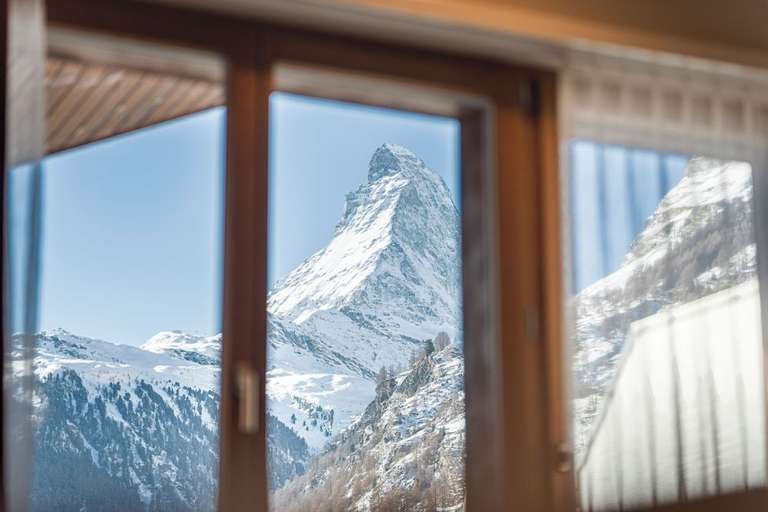
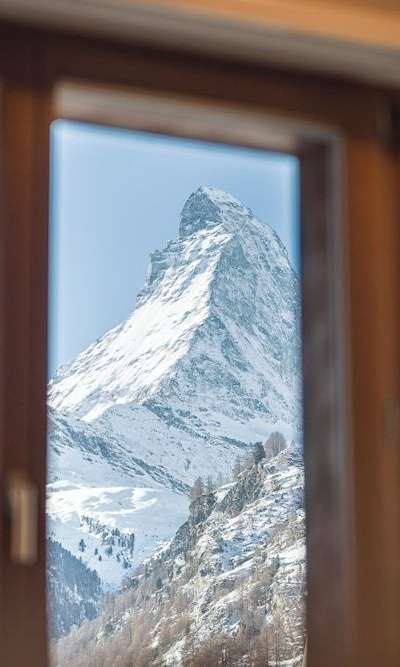
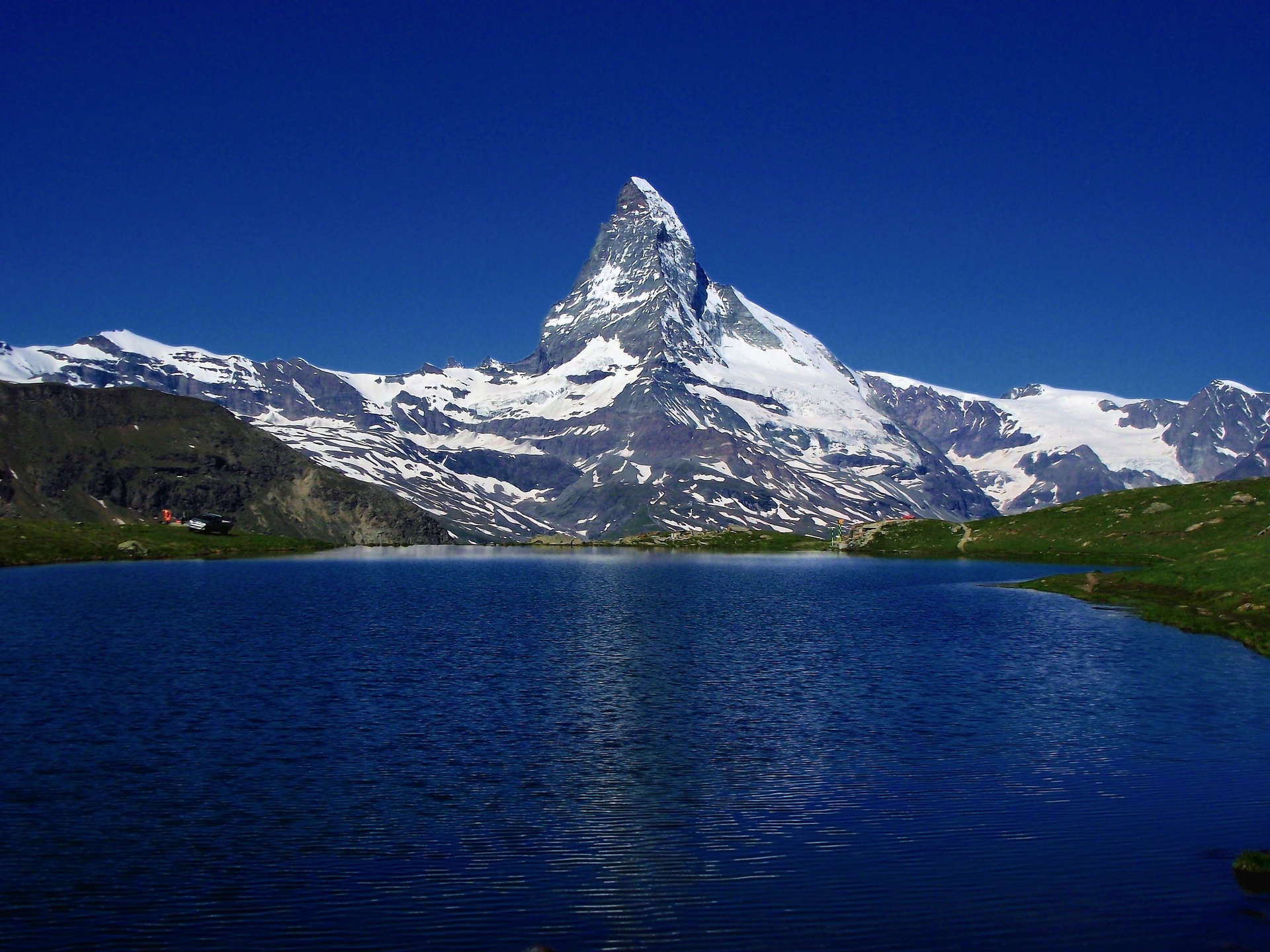
The Matterhorn: Instantly recognisable – if you make it to just one mountain in Switzerland, it should be this, the “Toblerone” peak. From Zermatt, you can set out on the breathtaking cable car journey up to Klein Matterhorn.
Gornergrat railway: The ever-popular GGB Gornergrat Bahn leads up from the village across the meadows of the Riffelalp to the Gornergrat itself (3130m) – sit on the right-hand side for magical Matterhorn vistas.
Sunnegga: A short funicular ride from Zermatt takes you to Sunnegga, a sunny terrace that offers superlative views of the Matterhorn.
Matterhorn Museum: The subterranean Matterhorn Museum features films and interactive displays on mountaineering, all set around a reconstruction of a 19th-century Alpine village.
Anglican church: Situated on a low ridge above the main street, the church is emblematic of Zermatt’s history as a climbing centre – and of a place traditionally favoured by British visitors, many of whom were climbers.
Mountaineers’ Cemetery: This small cemetery in Zermatt commemorates the sobering number of climbers who have lost their lives attempting to scale the Matterhorn and other surrounding peaks.
Saas-Fee: Beautiful village set in an amphitheatre of glaciers, ideal for sunny summer walks and gentle skiing and boarding.
Sion: The capital of Valais, this atmospheric valley-floor town possesses a fine old quarter and two ancient castles.
Schwarzsee: Situated at 2,583m, this stunning alpine lake can be reached by cable car or on foot. It’s the starting point for numerous hikes, including the Matterhorn Base Camp trek.
Zermatt is brilliant for kids, especially those for whom the great outdoors appeals. Whether summer or winter, there’s always plenty for families to do on their holidays to Zermatt.
Adventure parks: Forest Fun park comprises three adventure circuits of varying difficulty, with zip lines and bridges strung between the trees. Some 300m further on is the Gorner Gorge where walkways lead down and around a narrow valley cut by a raging torrent.
Carriage rides: A great way to see the area, and although most of the carriages you see jangling through the streets are usually full of guests from hotels, one or two can be ridden on by non-guests (ask the tourist office to book them by phone).
Cable car rides: From a station 500m south of the Catholic church, cable cars run to Furi and on up to Trockener Steg (2939m) overlooking the gigantic Theodulgletscher. From Trockener Steg, another cable car runs up to the crest of the Klein Matterhorn (“Glacier Paradise”) – which at 3820m is the highest cable-car station in Europe.
It may well be one of Europe’s priciest destinations, but plan ahead and you'll find that there are plenty of ways to keep expenditure to a minimum.
Matterhorn photography: While accessing some of the premium cable car routes requires a fee, the views of the Matterhorn from the village of Zermatt itself are completely free. You can capture some of the best shots from the Kirchbrücke bridge, especially at sunrise and sunset.
Free events: Zermatt hosts several free events throughout the year, including open-air concerts and local festivals.
Free guided tours: The Zermatt tourist office offers free guided walking tours in the summer, where you can learn about the village’s history, culture and the challenges of living in such a high-altitude area.
Zermatt offers fabulous skiing throughout the year, while guides can take visitors on heli-skiing or glacier-trekking jaunts. In summer you can set off from the village centre on anything from a challenging 10-day hike to a gentle stroll through the neighbouring forests.
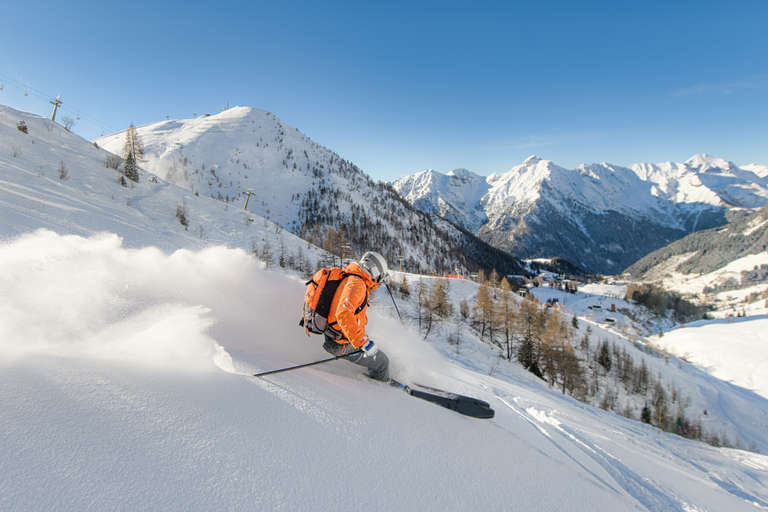
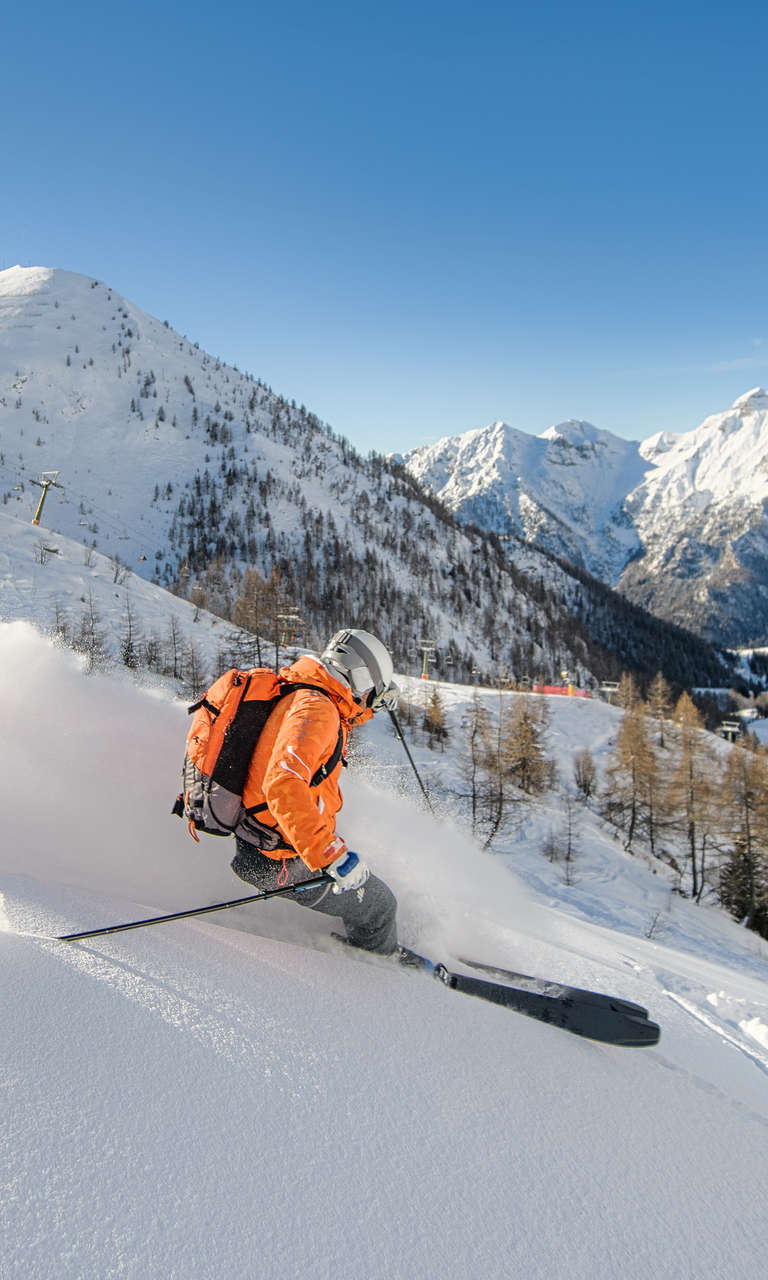
Skiing and snowboarding: There are three ski and board sectors, all connected but each accessed by its own transport route: pistes from Sunnegga/Rothorn link to the adjacent Gornergrat/Stockhorn, while the Schwarzsee/Klein Matterhorn sector, rising to 3900m, connects to the Italian resort of Cervinia. All of them offer satisfying runs at most levels of ability, with a healthy dose of blues and reds.
Hiking: Zermatt offers some of the most scenic mountain walks in the whole country within easy reach of the village. The Matterhorn itself is out unless you have mountaineering experience, although Zermatters runs daily guided excursions that are suitable for beginners, including a four-hour trek from Klein Matterhorn across glaciers to Trockener Steg.
Ice climbing: For a truly exhilarating alpine adventure, try ice climbing. Zermatt has numerous frozen waterfalls and ice walls, perfect for those looking to test their climbing skills.
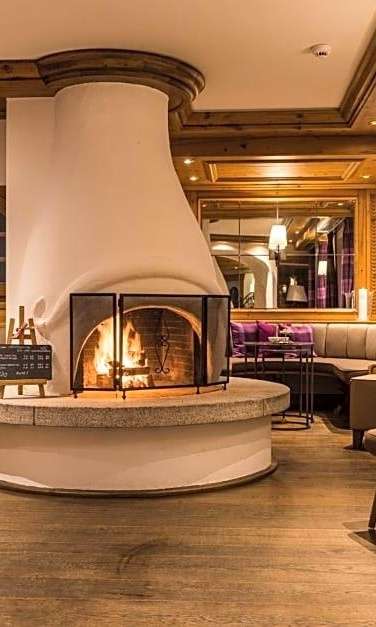
Whether you’re enjoying a hearty meal after a day on the slopes or relaxing with a drink by a warming fireplace, Zermatt’s culinary offerings are sure to impress.
Fondue: A communal pot of melted cheese served with bread cubes for dipping, the classic style is a moitiémoitié (“half-and-half”), using either Gruyère and Vacherin Fribourgeois, or Gruyère and Emmental.
Rösti: Shredded potato formed into a large patty and fried golden brown on both sides. This can either be an accompaniment to a main course or, with the embellishment of ham, melted cheese, a fried egg and/or bacon bits, be a comfortably affordable main course.
Raclette: A large half-round of cheese is held in front of a fire, and as it melts it’s scraped (raclé) onto a plate, and served with boiled potatoes, pearl onions and pickles.
Zürcher Geschnetzeltes: Diced veal in a creamy mushroom sauce often served with rösti.
Saucisson Vaudois: This pork and beef Vaud sausage is famous for its delicately smoked flavour, served boiled or steamed alongside papet vaudois, a purée of potatoes and leeks.
Bratwurst: A popular street food across Switzerland, these juicy, meat-packed sausages are typically served with a side of bread or mustard.
Pretzels (Brezel): Sold at markets and bakeries, these soft, salty breads are just the job for a quick bite on the run.
Chocolate: Today, more chocolate is sold in Switzerland per head of population than in any other country. The country has a long tradition of confectioners producing hand-filled luxury chocolates for special occasions, such as chocolate-covered chestnuts in autumn and chocolate bears, which are a Bernese favourite.
Meringues: Invented in or near Meiringen, most Emmental and Bernese Oberland villages offer their own cream-laden meringue creations.
Swiss wine: Switzerland’s wine industry is modest, but a couple of regions produce some impressive vintages, most notably Lavaux.
Kirsch: The country’s most famous distilled spirit or liquor, this is a cherry spirit from Zug and around Lake Lucerne.
Swiss beer: Beer (Bier, bière, birra) on draught (vom Fass, à la pression, alla pressione) comes as a flavourful lager-type brew, always served with a large head of foam.
The most popular places to visit in Zermatt are: Val d'Ayas, Matterhorn, Matterhorn Glacier Paradise.
Zermatt is the ideal destination for ski trips.
The exact flight duration to Zermatt varies depending on the departure airport in the UK. It takes approximately 1h58m to fly from London to Zermatt.
Booking a flight + hotel package to Zermatt with lastminute.com offers several advantages. By booking both services together, you can take advantage of exclusive deals and choose from thousands of flights and accommodations for the perfect combination. Additionally, you can secure your vacation with a deposit and pay the remaining amount later. You also have the flexibility to add other travel extras such as insurance, rental cars, and luggage to the flight + hotel package as per your preferences.
Before travelling from the UK to Zermatt, ensure your passport is valid for the duration of your stay. To get the latest Visa information for Zermatt, please check travel advice on GOV.UK.
Travel with us
Secure payment