In collaboration with
Rough Guides


In collaboration with
Rough Guides
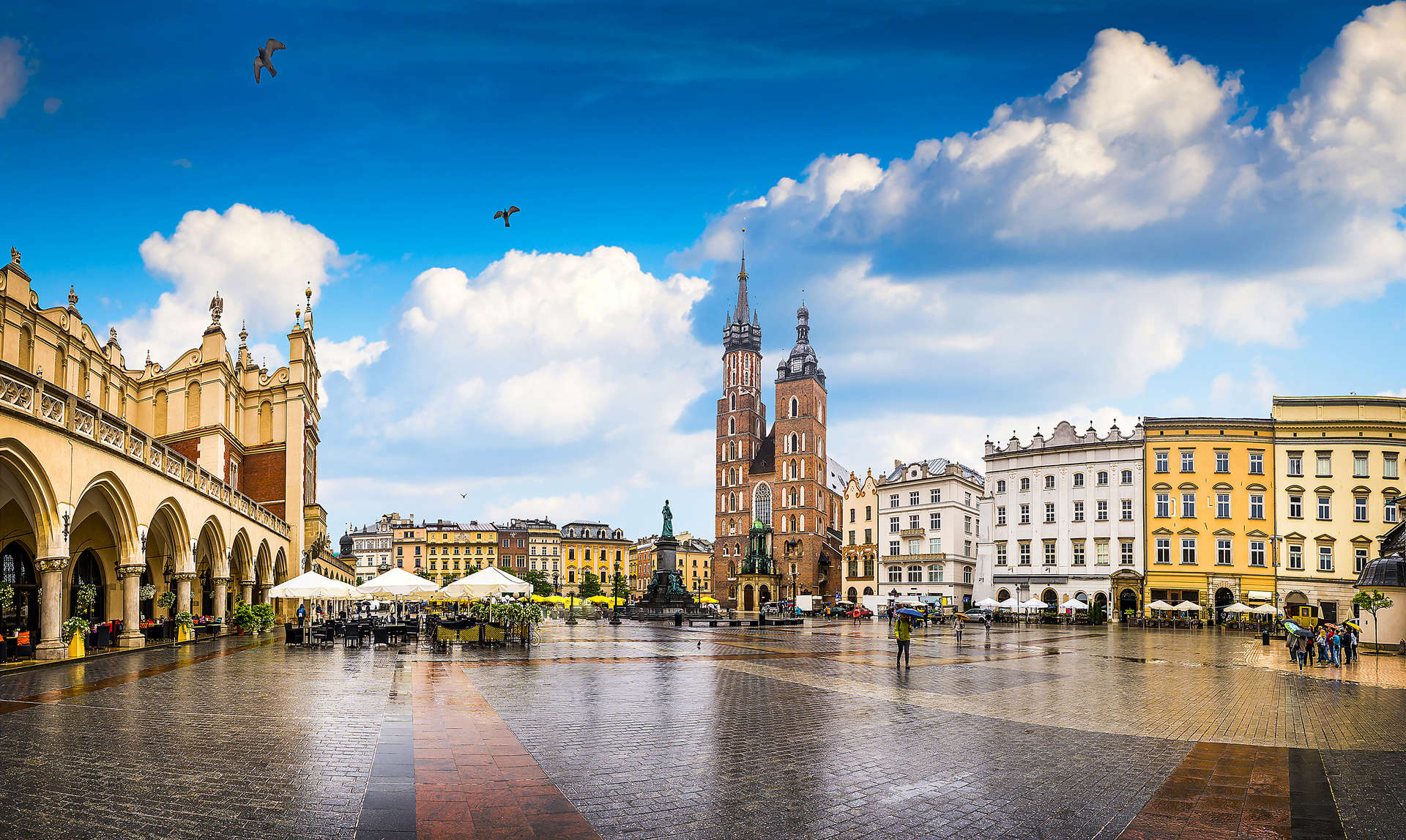
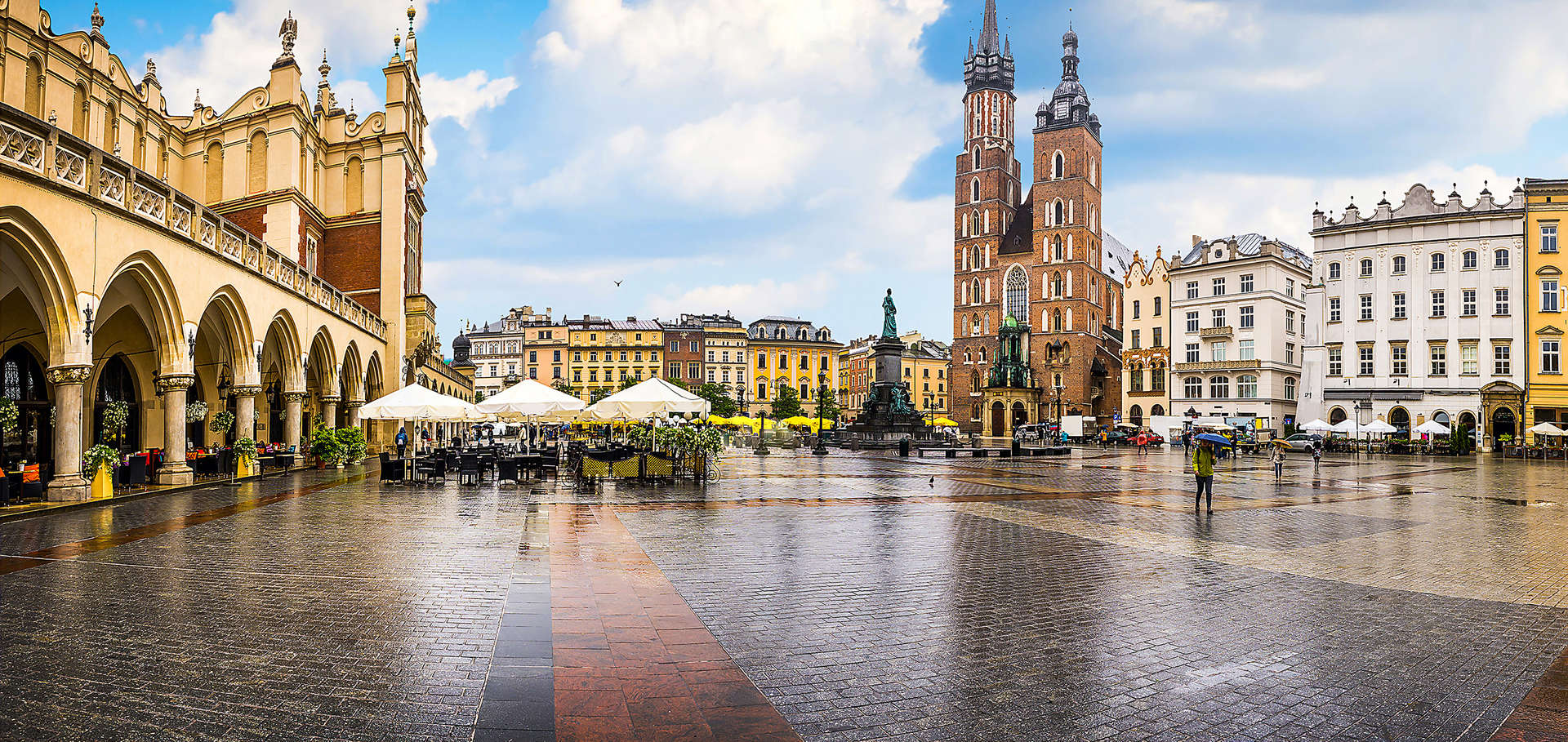
Overwhelmed by choice or just stuck for what to do in Kraków? Fear not. Whatever your age, taste or mood, start at the Main Market Square.
Kraków’s centre is a mass of flamboyant monuments centred on this set-piece square - Rynek Główny. Highlights include St Adalbert’s church and St Mary’s basilica, the Town Hall, Adam Mickiewicz monument and the magnificent Cloth Hall - a quintessential symbol of Kraków. Once a centre for the international textile trade, it now houses stalls selling a variety of wares. Passageways and courtyards radiate off the main square, riddled with shops, cafés and bars.

While you’re there:
Stop at the Adam Mickiewicz monument. Few poets have the honour of being declared a nation’s eternal poet: Adam Mickiewicz is unique in having had the honour bestowed on him in two countries: Poland and Lithuania.

Best for: An introduction to the city.
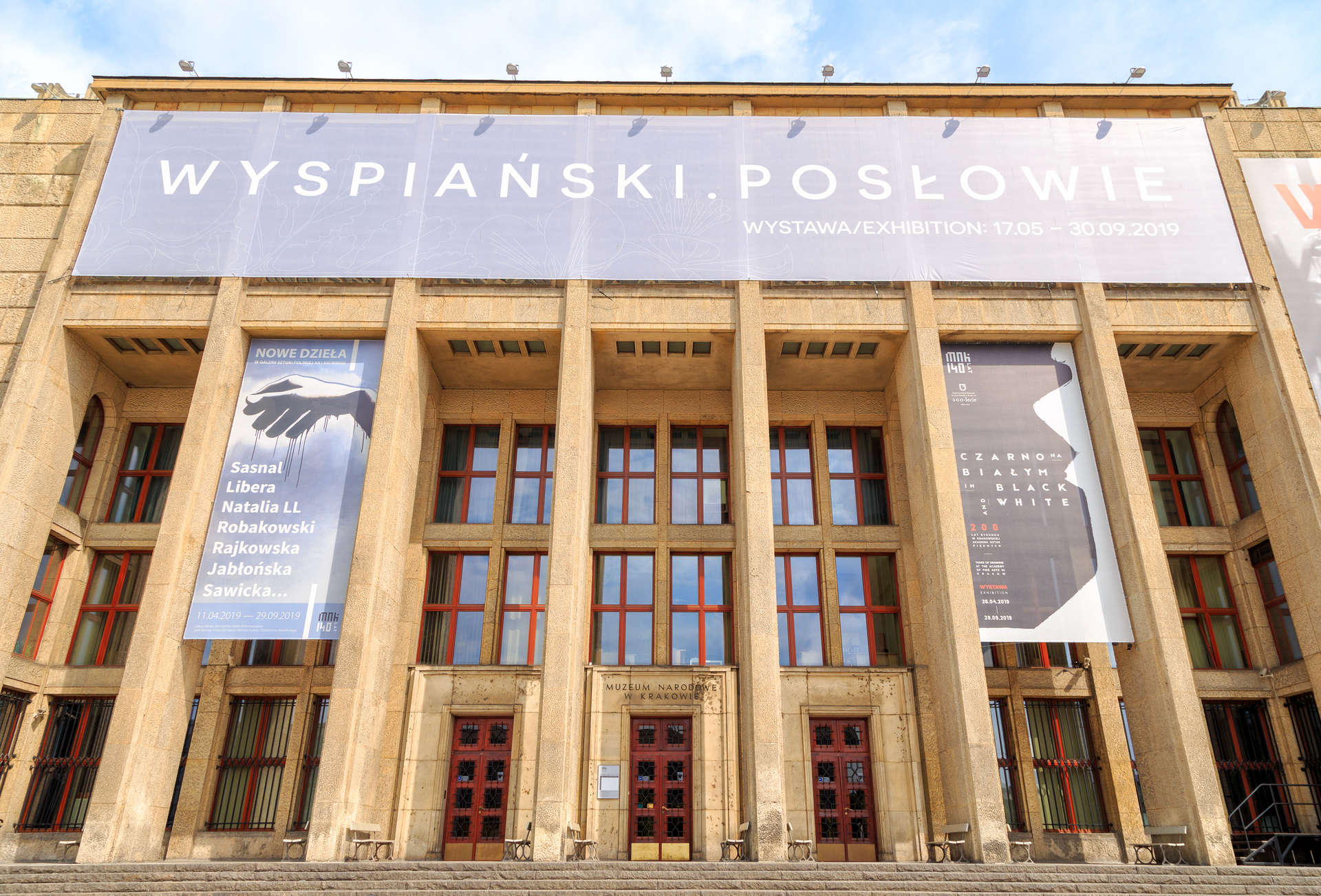
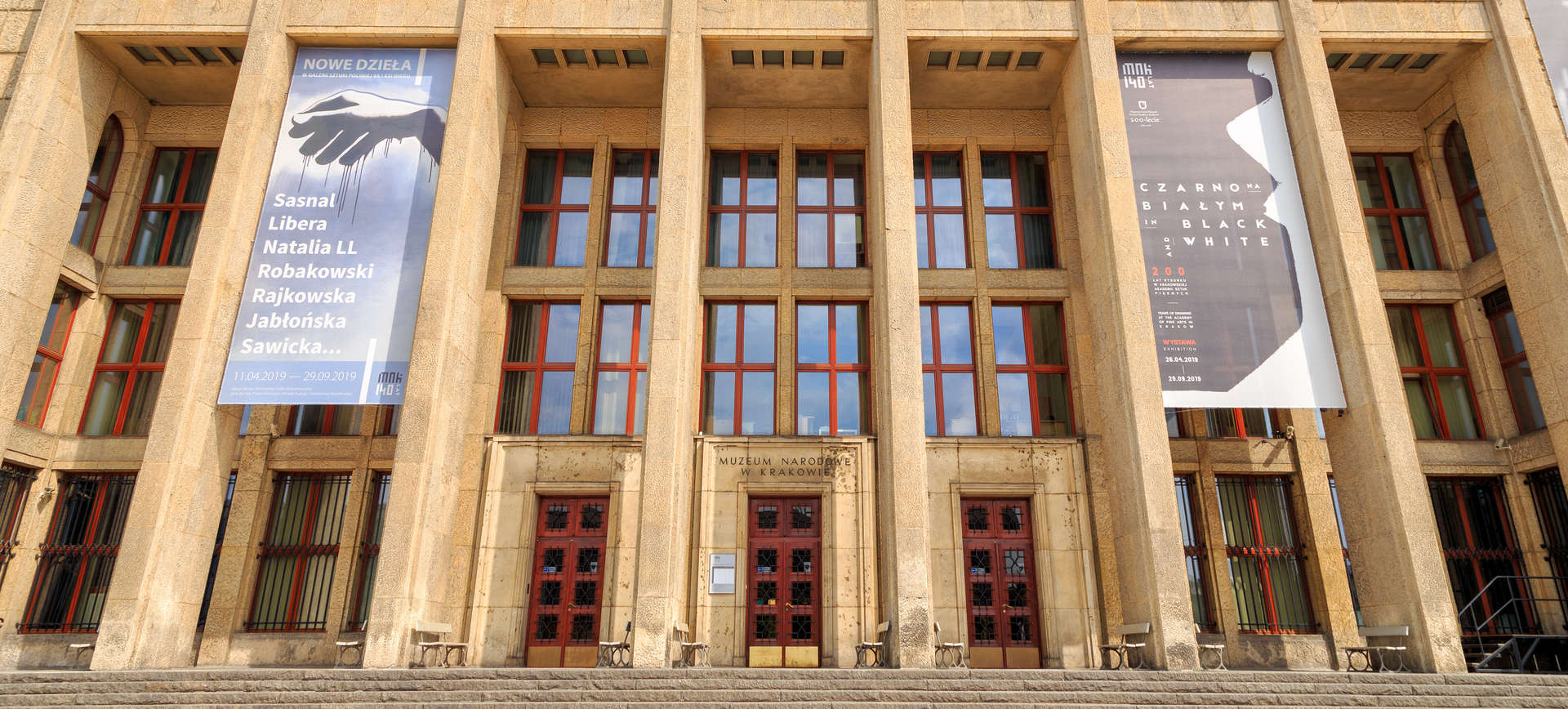
Why grapple with the queues to glimpse the Mona Lisa in Paris or The Last Supper in Milan when you can see a classic Leonardo da Vinci portrait in Kraków? The stunning Lady with an Ermine is on display at the National Museum in Krakow - the city’s largest and most comprehensive museum, housed in a rather stark 1930s’ Modernist edifice.
While you’re there:
Kraków’s largest park, Jordan Park, is nearby. It’s one of the few green spots in the city where picnicking is tolerated - so bring some grub with you.
Best for: Culture vultures.
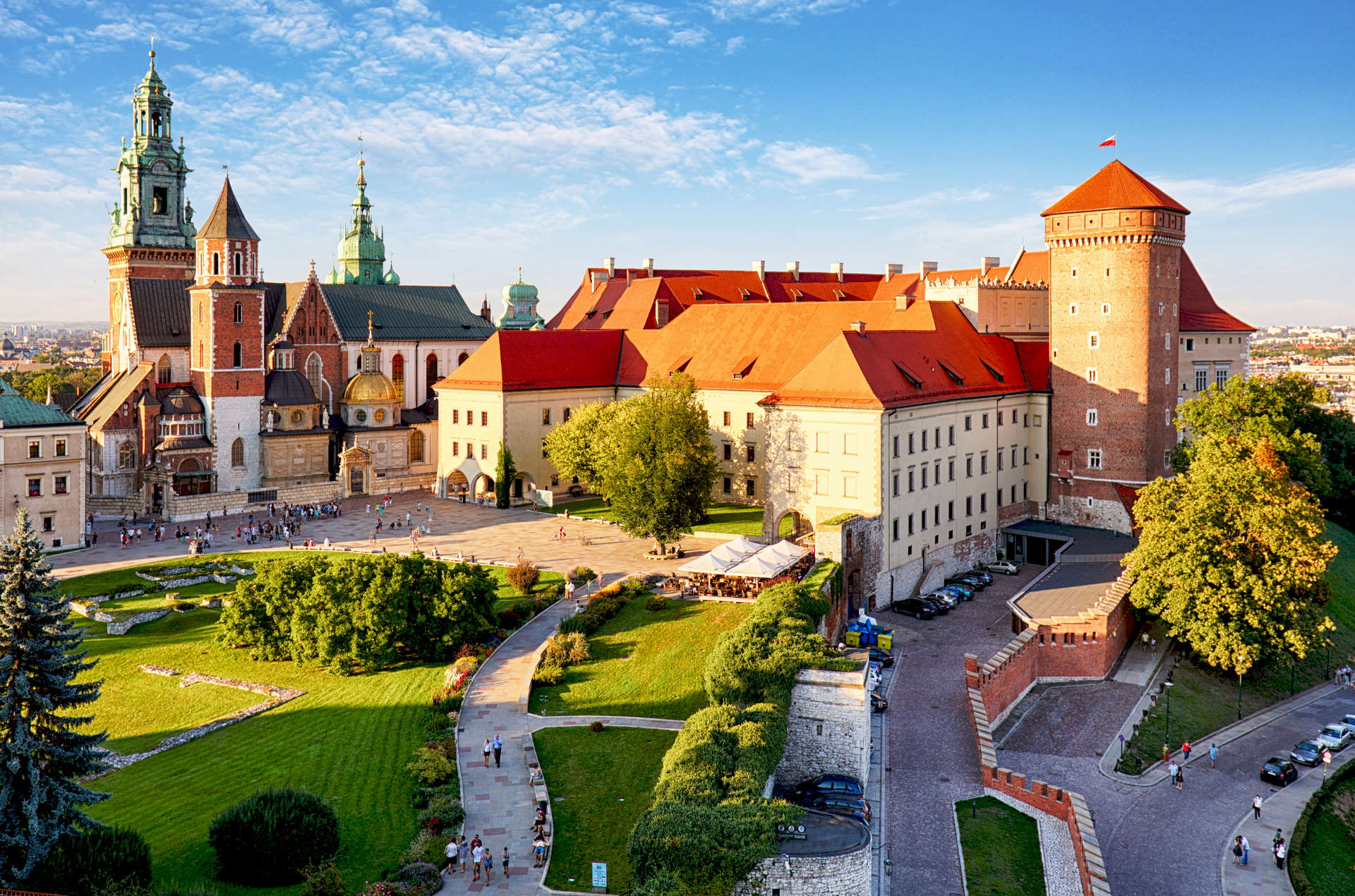
Kraków is a visual treat, with the Wawel - the hilltop castle and cathedral - the jewel in its crown. Inside you’ll find some of Europe’s finest artworks since medieval times. It’s an important symbol of the city, too: according to artist Stanisław Wyspiański, ‘the person who enters here becomes a part of Poland’. So get to the heart of things and revel in this opulent royal complex.
While you’re there:
Be sure to visit the Royal Private Apartments, which include the King’s Suite with rich sixteenth-century stucco decoration, and the Guest Bedroom, with the oldest tapestry in the castle.
Best for: Fine art and architecture.
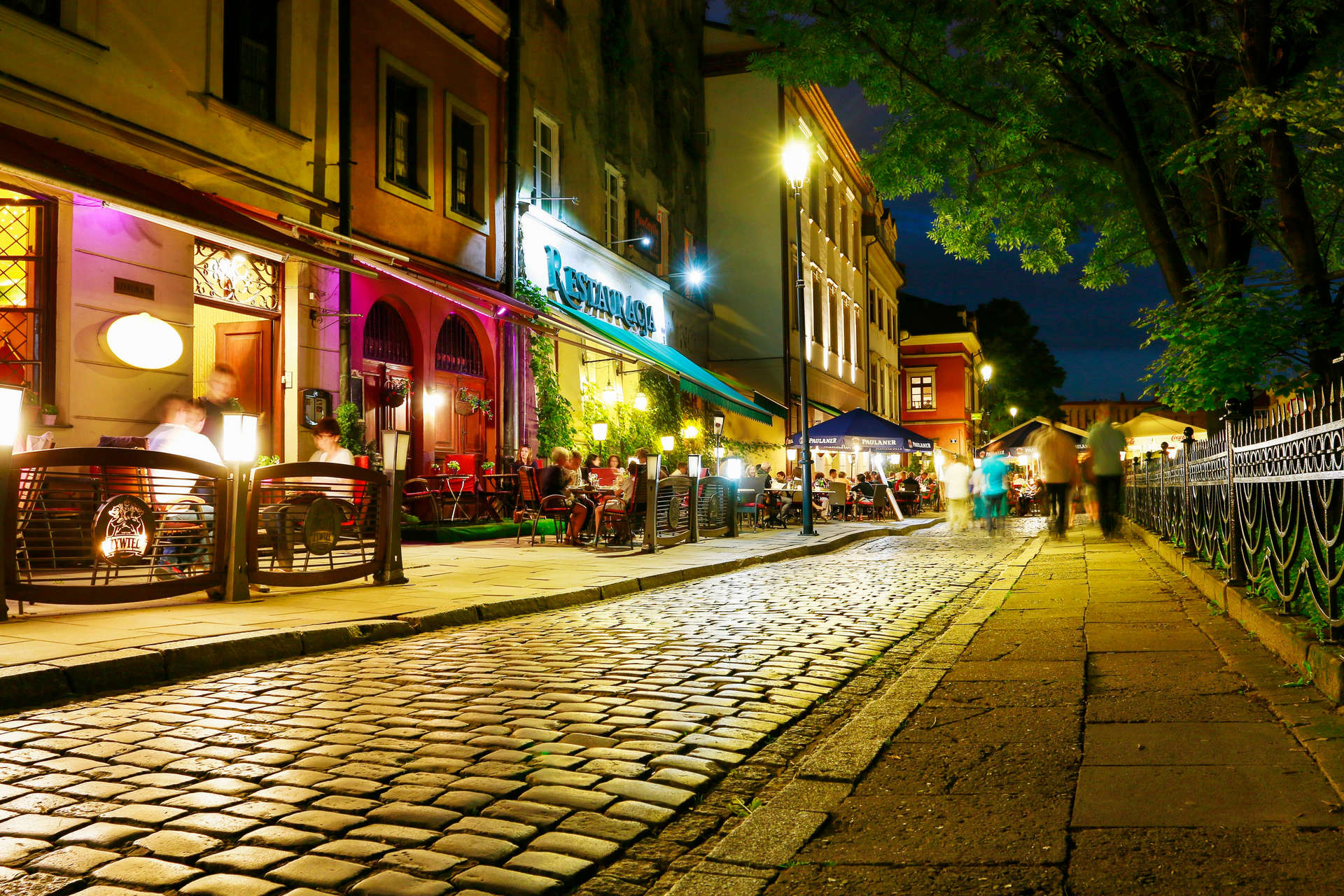
Kraków’s clubs and bars buzz with activity from dusk to dawn most nights of the week.
The old Jewish quarter, Kazimierz, is currently experiencing a renaissance as the city’s liveliest district and a popular haunt of students and bohemians, who throng its many bars and cafés. For hedonists and party people, a night out in Kazimierz is tough to top.
Searching for Kraków holiday packages? There are plenty of places to stay in Kazimierz for those who want to be close to the action.
While you’re there:
Think vodka, think Russia - but the Poles lay equal claim to the invention of the drink. Kazimierz has the best selection of vodkas in the city. When in Kraków…
Best for: 24-hour party people.
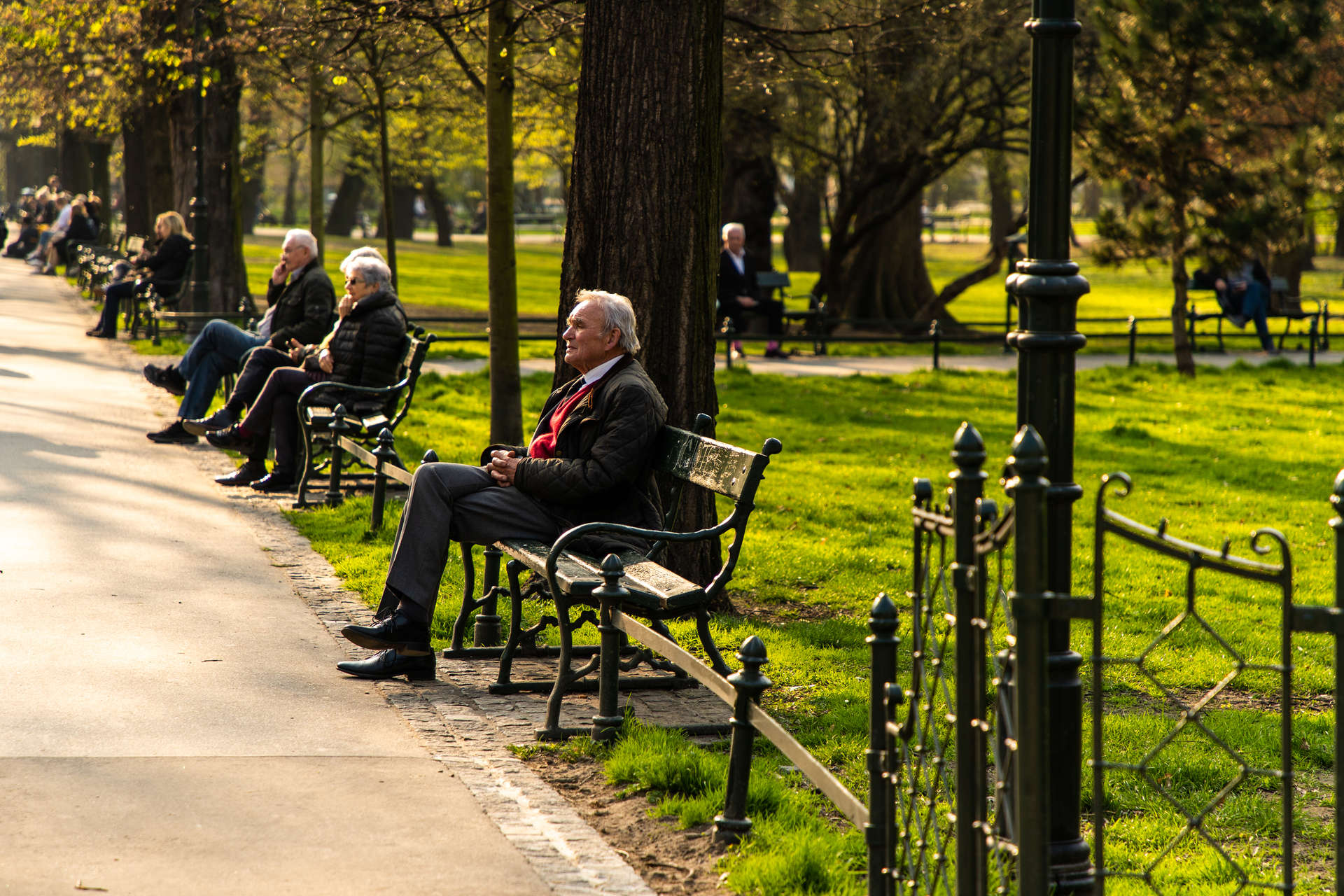
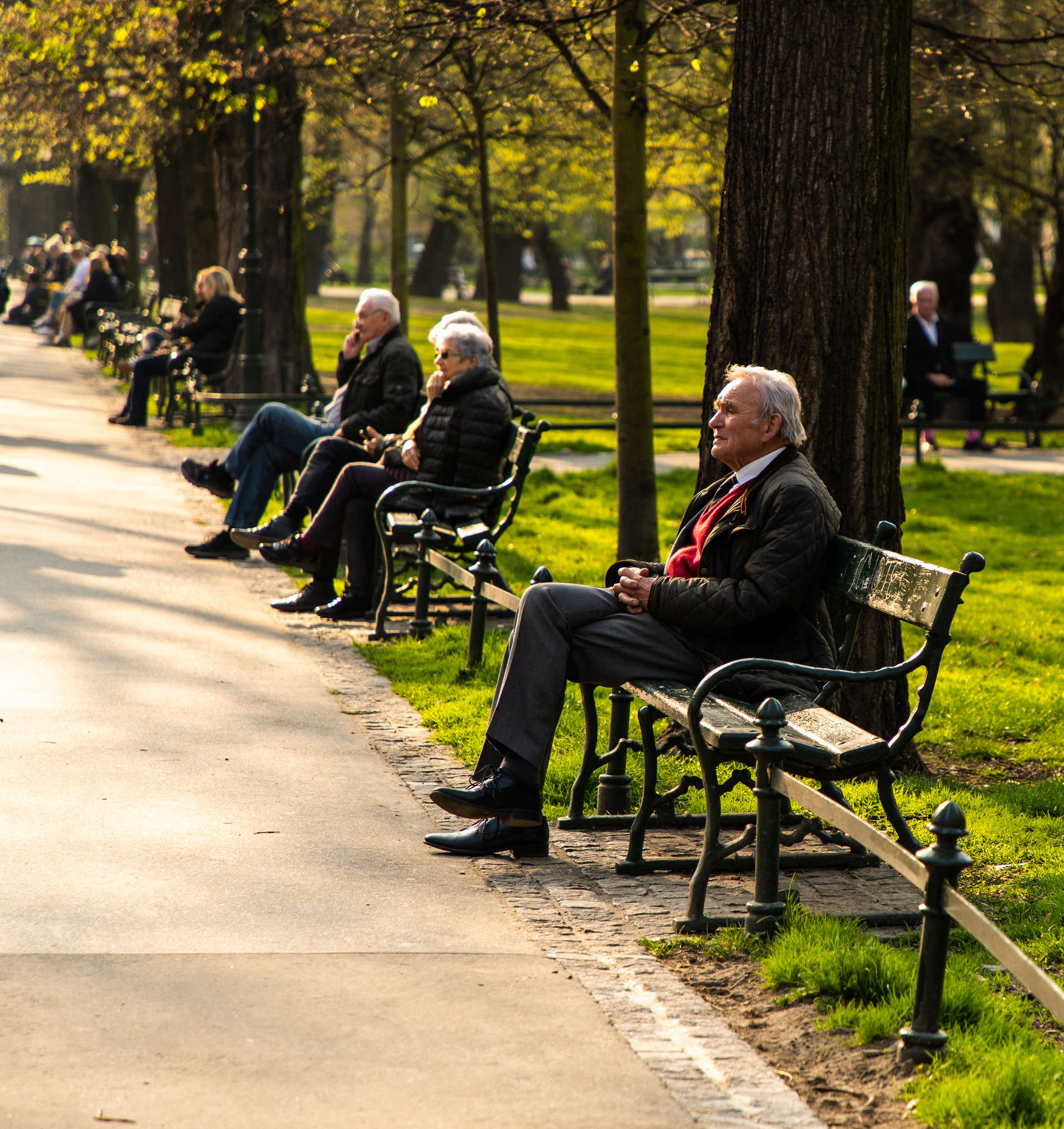
Tired of the tourists, sick of the selfies, bored of the bumbags? Escape the busy streets of the Old Town by circumnavigating Kraków’s green belt. It was laid out at the beginning of the nineteenth century to replace the by then redundant city walls. It’s short on flowers, but big on shaded avenues, lawns, water features and monuments.
While you’re there:
Head off-piste and explore the quirky little side streets next to the park.
Best for: Letting off steam.
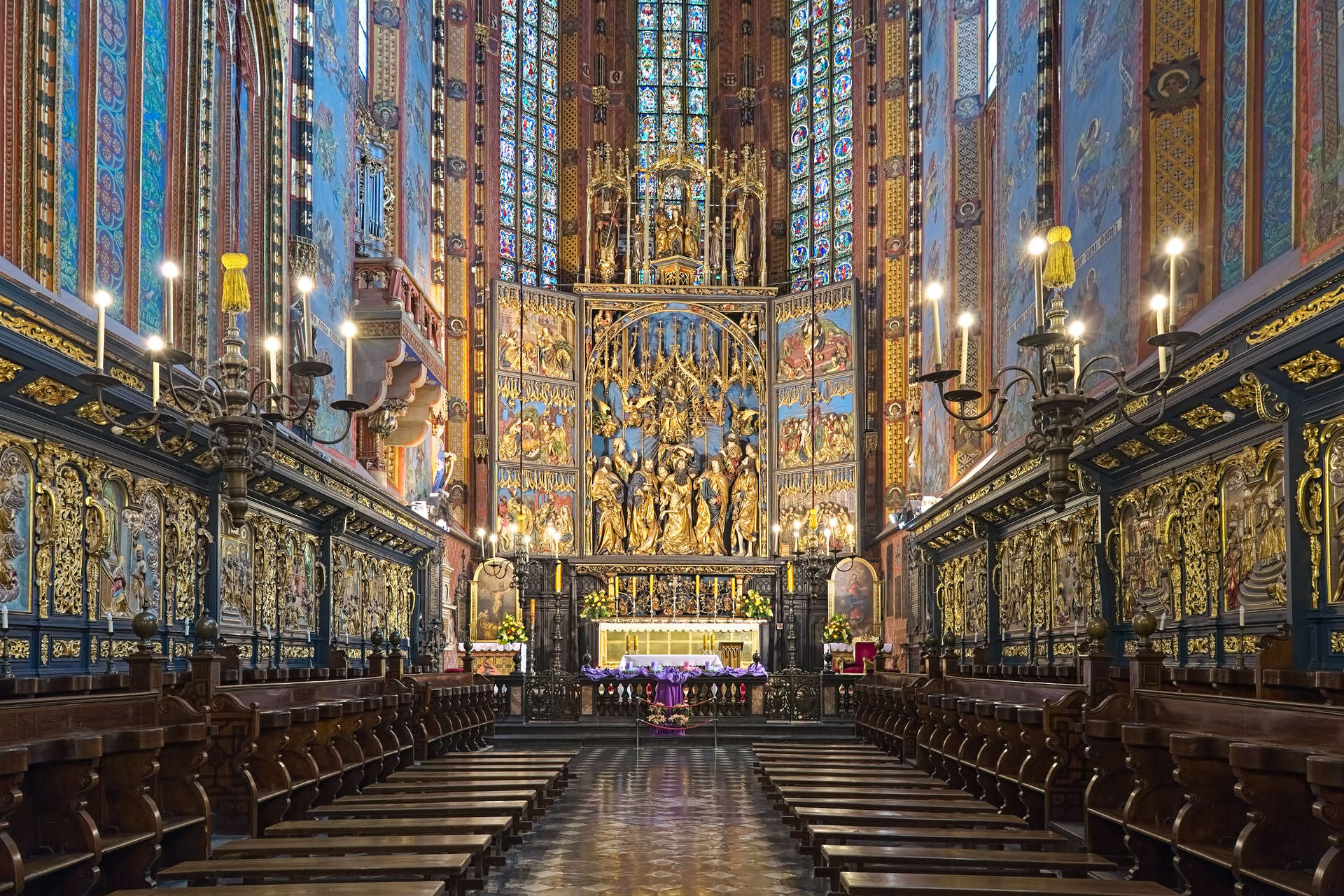
The city’s most famous landmark, and one of the best things to do in Kraków, is a visit to the twin-towered St Mary’s Basilica in Main Market Square. The interior will take your breath away. Construction of this tripled-naved Gothic basilica began in 1288, incorporating some fragments of an earlier Romanesque church that was burnt during the Tartar invasion of 1221.
While you’re there:
Don’t miss the remarkable altarpiece, the church’s most extraordinary work of art, The Lives of Our Lady and Her Son Jesus Christ.
Best for: Architecture buffs.
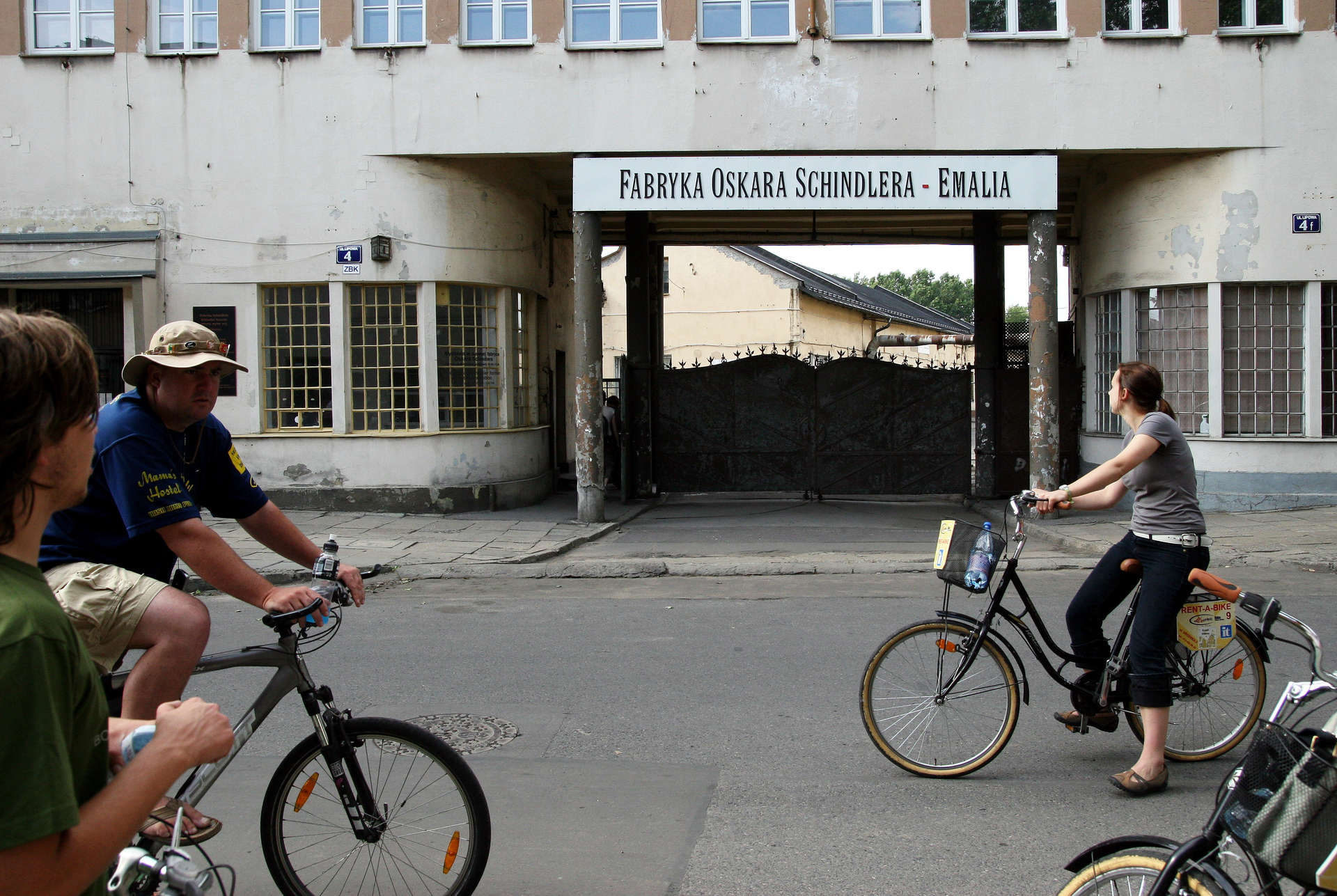
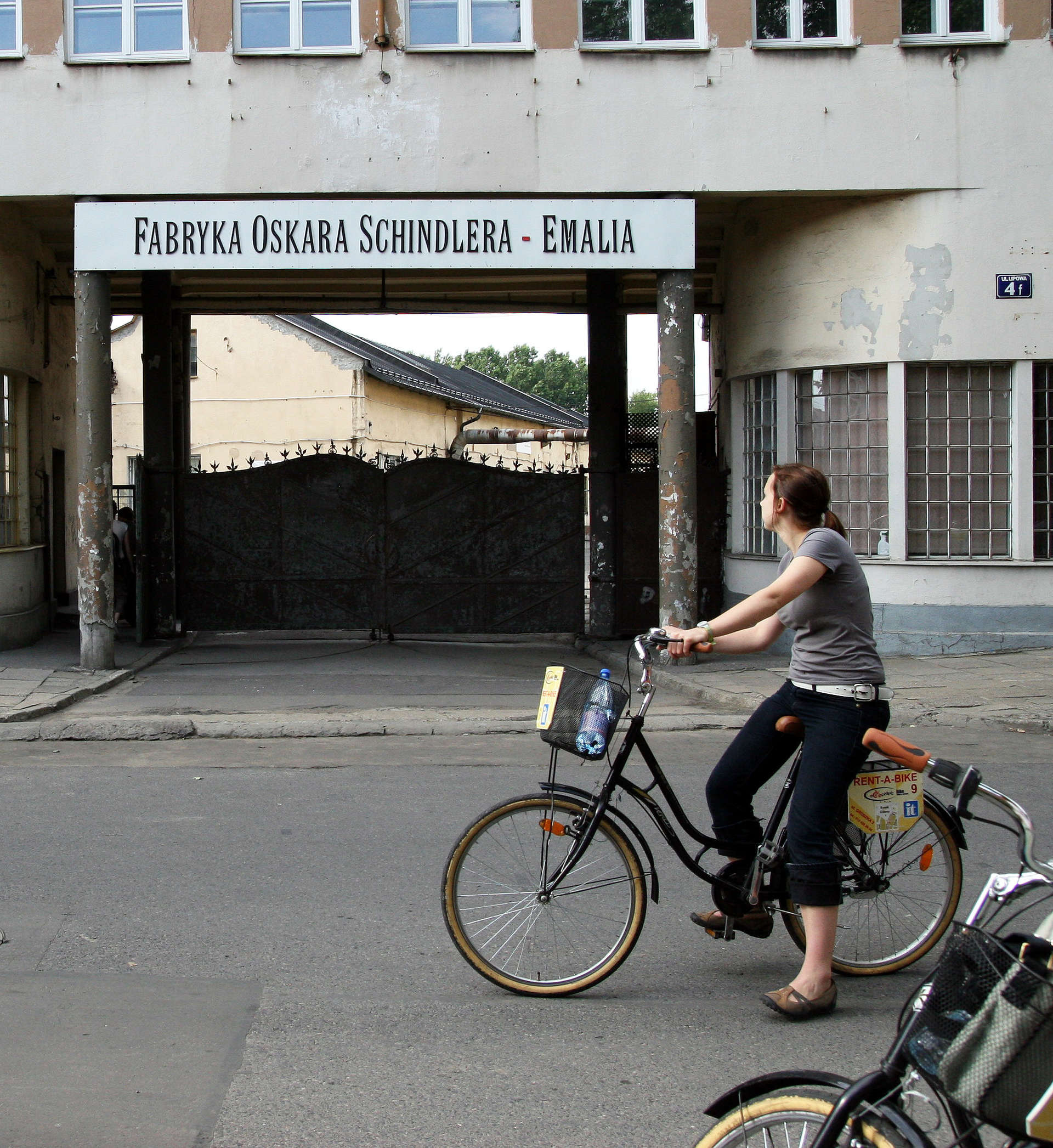
This former industrial suburb south of the Vistula is Kraków’s latest visitor hot spot, thanks to a clutch of fascinating attractions - the Oskar Schindler's Factory and the MOCAK Museum of Modern Art among them.
Podgórze was the city’s Jewish ghetto during World War II, a place of horrific suffering and brutality. The Oskar Schindler Factory is a reminder of the events that took place in Kraków, as is the memorial to the dead in Heroes of the Ghetto Square.
While you’re there:
Check what’s on at the MOCAK - home to temporary international art exhibitions.
Best for: Grappling with the past.
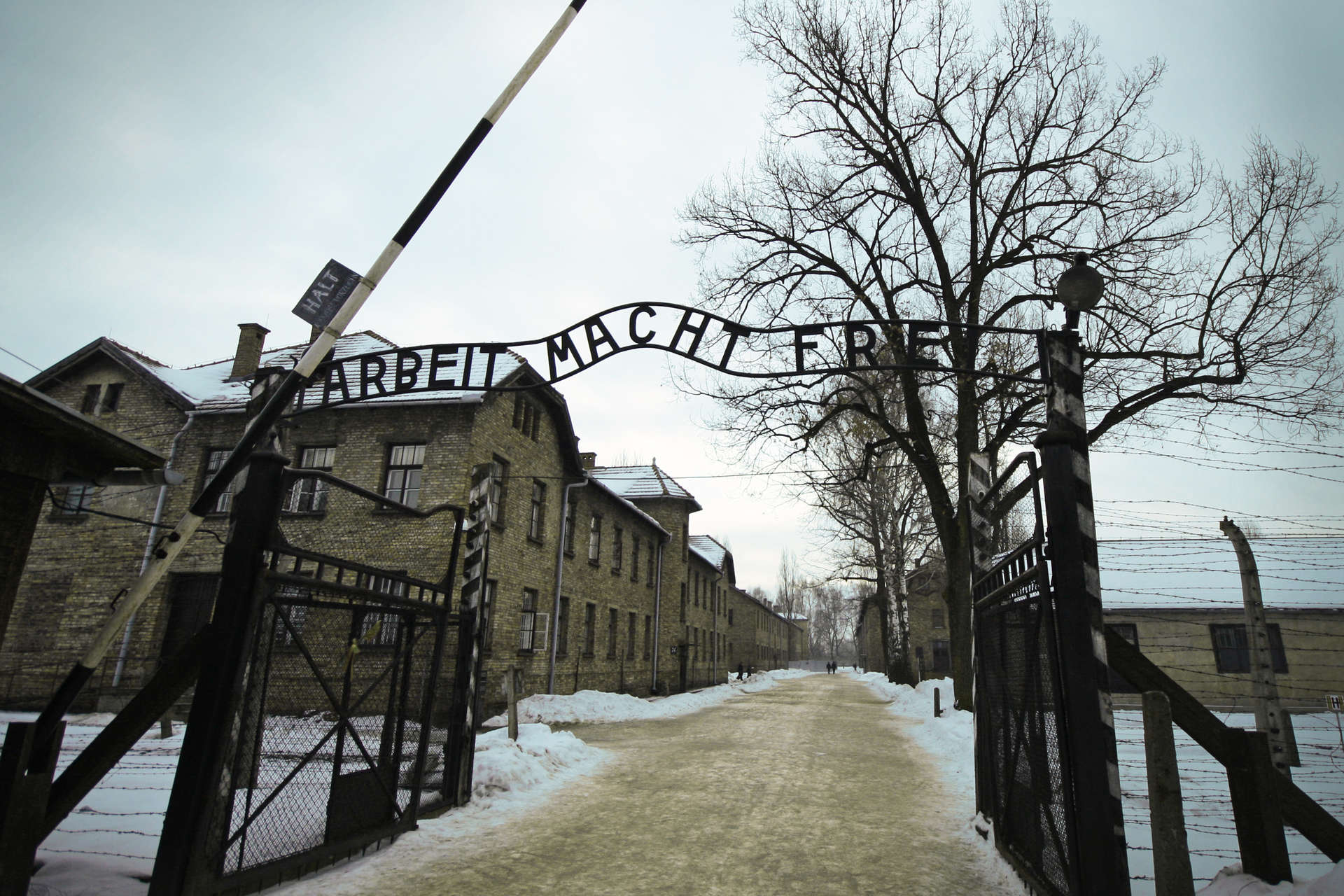
It might not be one of the most cheery things to do in Kraków, but the trip to Auschwitz-Birkenau is an important, harrowing and humbling one. The infamous Nazi death camp, on the outskirts of Oświęcim, is a compelling and iconic memorial to the people who lost their lives here.
While you’re there:
Blocks 6 and 7 cover daily life in Auschwitz: look out for the exhibitions of camp prisoner art.
Best for: A sobering history lesion.
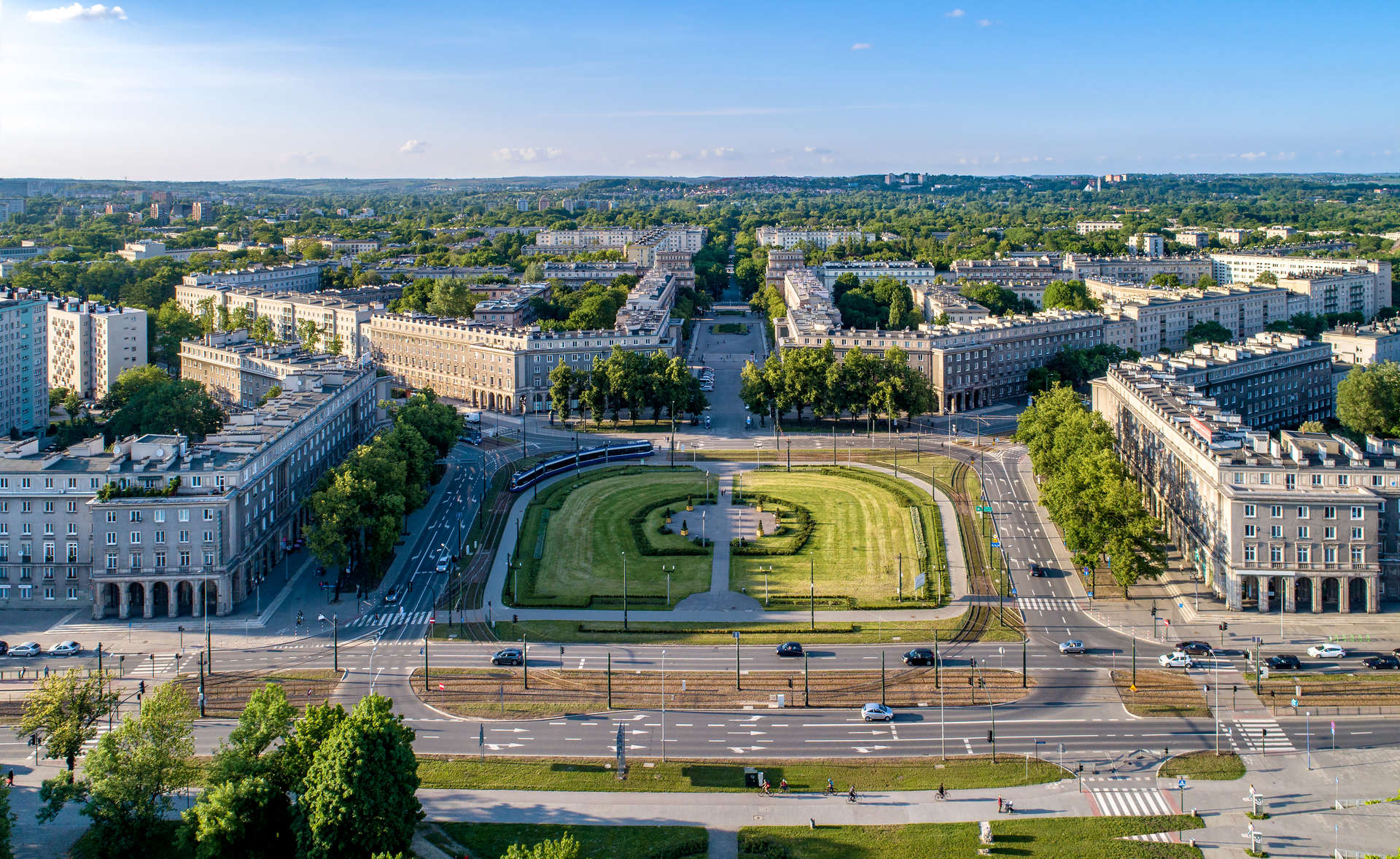
Gain insight into Poland’s communist years with a visit to the suburb of Nowa Huta, a 1950s’ experiment in social engineering. This town and steelworks built to an entirely Social Realist concept was devised to redress what the Soviet Union saw as Kraków’s ‘class imbalance’. Amid the monumental Socialist Realist architecture is a church built by locals to resemble Noah’s Ark - though the likeness is tentative at best.
While you’re there:
The Museum of the Armed Deed is a rather touching exhibition devoted to those from the Nowa Huta area who fought and died for Poland.
Best for: Red tourism.
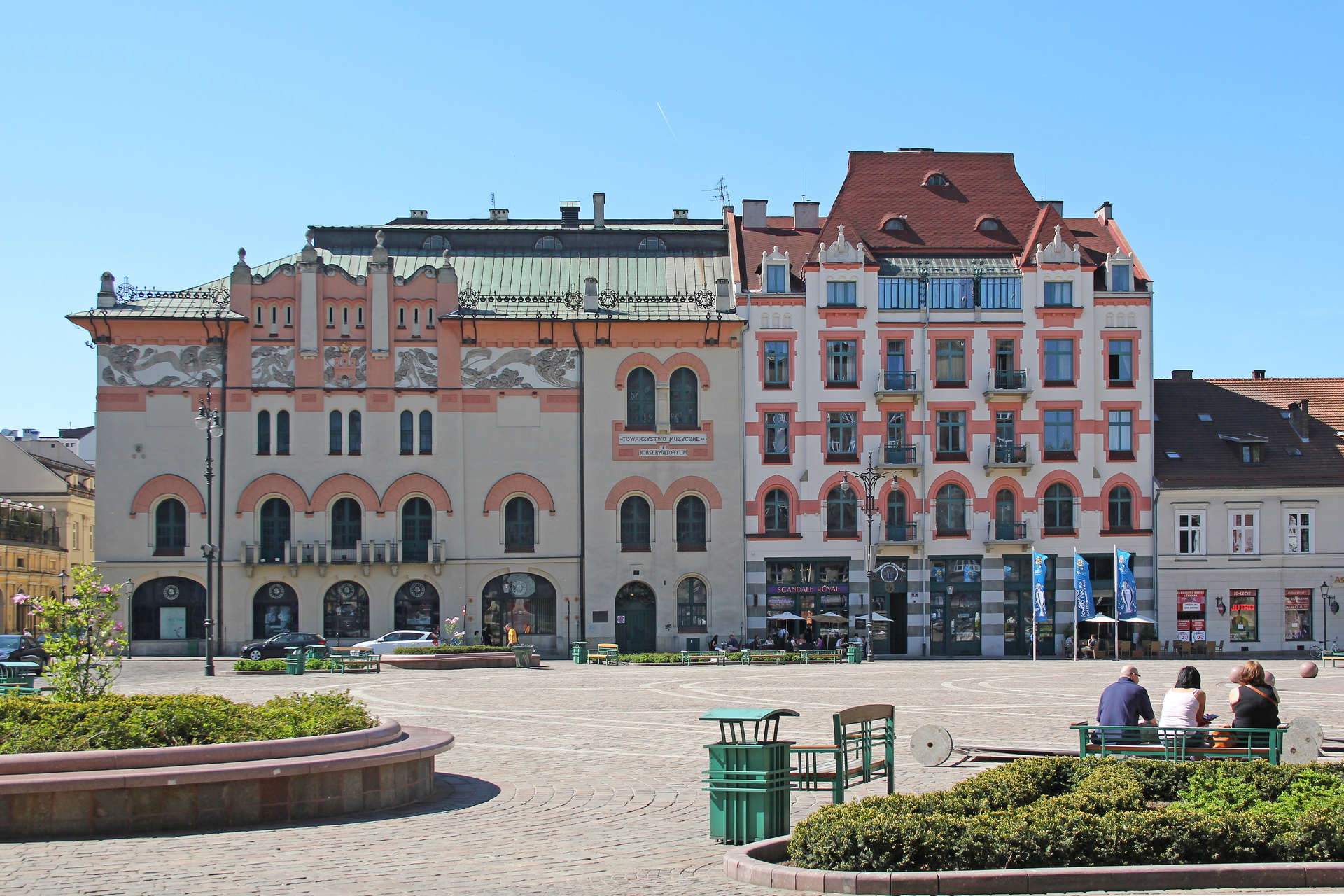
Polymath Stanislaw Wyspiański was at the heart of the Młoda Polska (Young Poland) art movement. You can check out his brilliance with his stained-glass work at St Francis and follow his style at a museum dedicated largely to his work, Szołaysky House. Here you’ll find works associated with the renowned Green Balloon Cabaret and other Polish Art Nouveau works.
While you’re there:
The Szołaysky House collection also includes pastel sketches and an iconic self-portrait.
Best for: Budding artists.

We'll send you exclusive offers and sneak peeks of our best deals,
plus travel tips and the latest advice on where you can go.