In collaboration with
Rough Guides


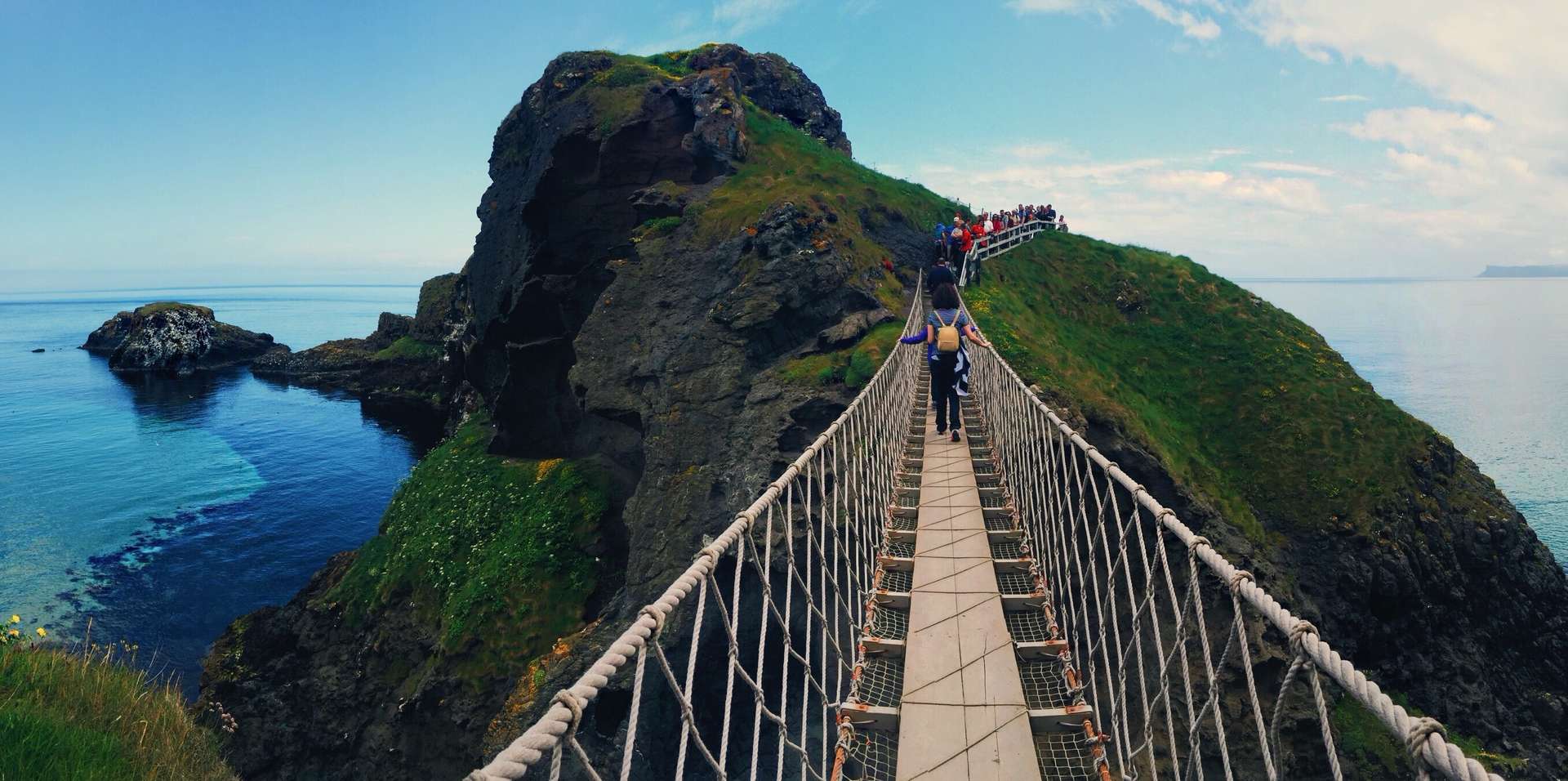
Travel to Ireland and you'll discover an astonishing diversity of terrain, its mountains and sweeping coast and lakes and primeval bogland all laced with folklore. Whether you want to party pubs and music venues, surf the giant Atlantic waves, visit prehistoric sites or swish around stylish Dublin, Ireland guarantees a good time.
In collaboration with
Rough Guides
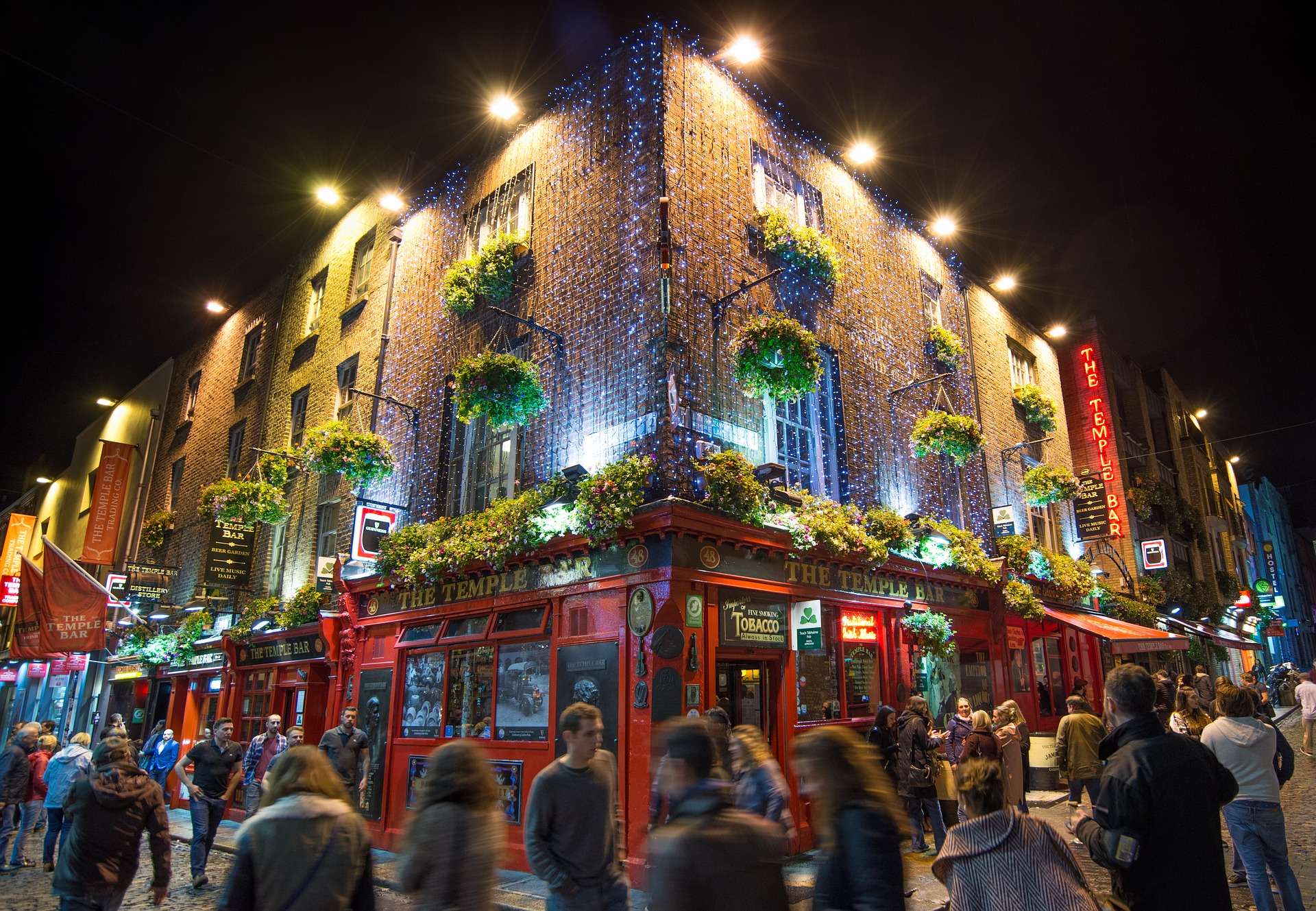
Pub life is at the heart of every Ireland holiday. The raucous sound of tin whistles, pipes and fiddles – often with spontaneous singing and dancing – isn’t just a tourist attraction, it’s central to Irish identity. Traditional Irish music played in bars is always popular but you may need to look around to find it in the small towns. Take a quick stroll around and there’ll usually be a sign in pub windows about what type of music is on. It’s also worth checking where local music festivals are taking place before your visit.

Best for: Toe tapping while you sip a pint of the black stuff.

While you’re there: Chat to the locals – they’re a great source of tips that you may not find in the guide books.
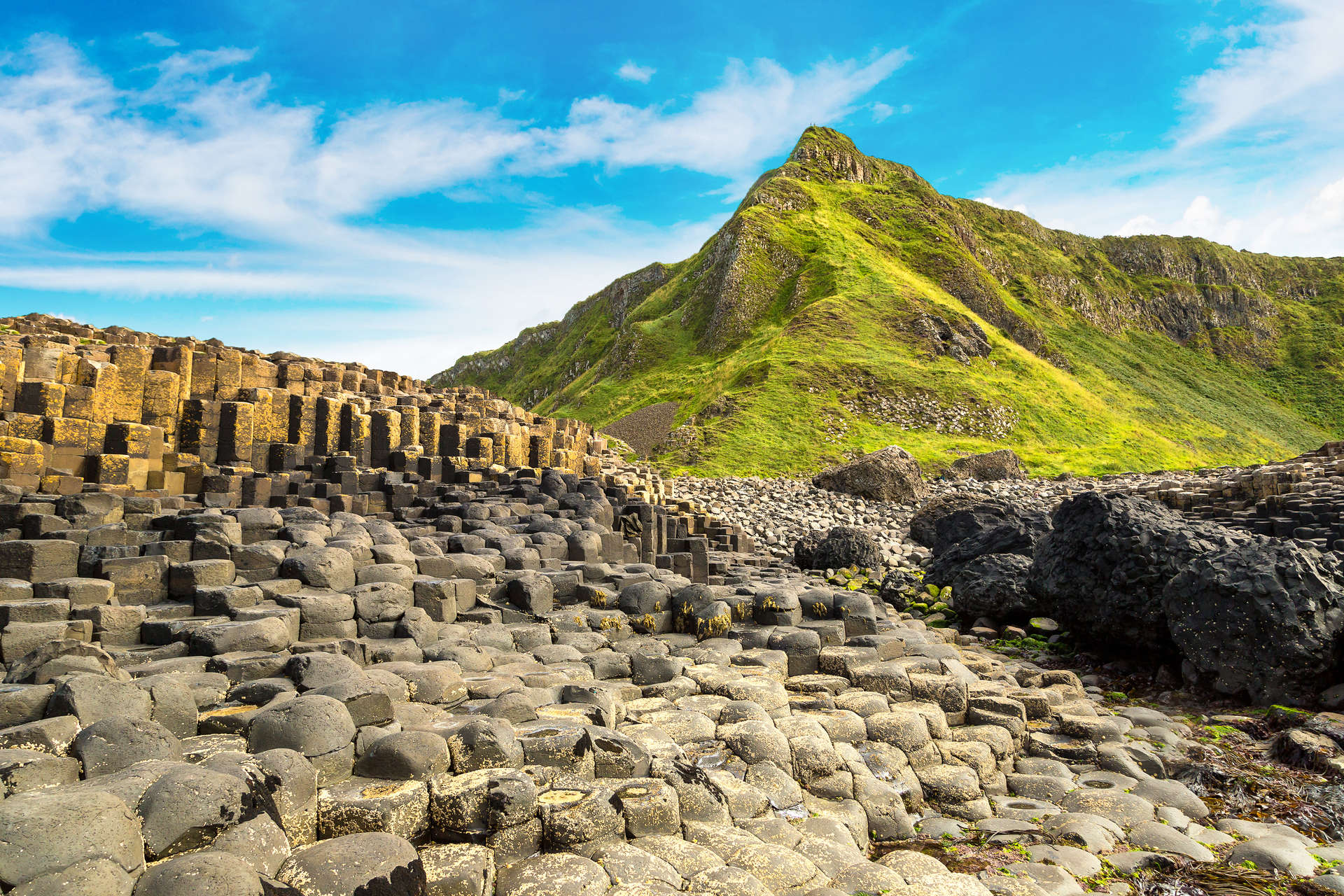
For sheer otherworldliness, the Giant’s Causeway on the County Antrim coast is one of the best things to do in Ireland. Made up of about 37,000 columns of black rock, mostly hexagon-shaped but some with up to ten sides, the Causeway is the result of a massive subterranean explosion, some 60 million years ago, that caused a huge mass of molten basalt was spewed out on to the surface. You can walk along the weird landscape formed by the stones, enjoying beautiful seascapes and local wildlife including seabirds, seals and dolphins.
Best for: An eerie but beautiful place to contemplate the power of nature.
While you’re there: See if you can spot a basking shark – they sometimes visit this coastline.
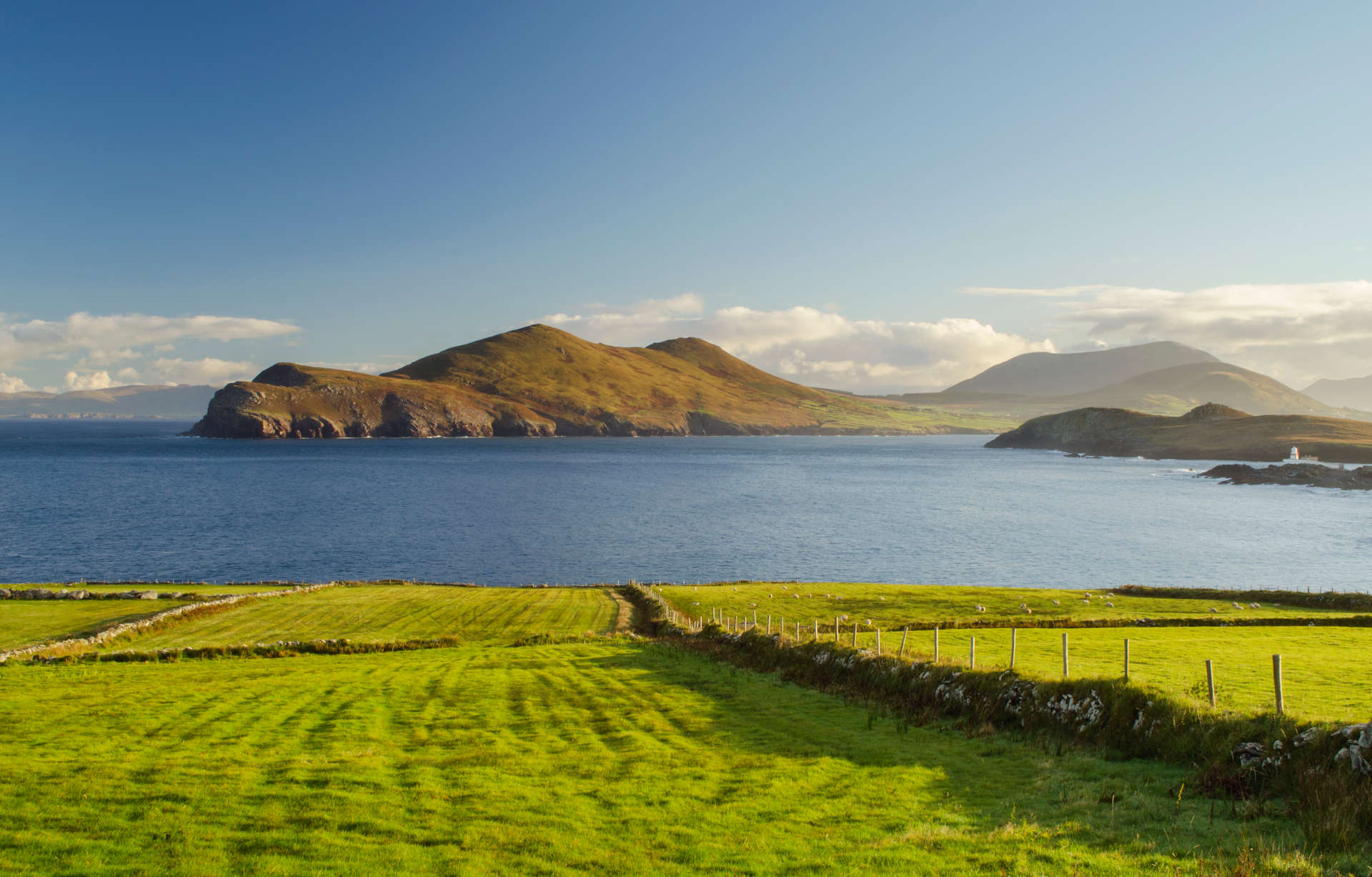
The windswept, rugged coastline makes watersports one of the most popular things to do in Ireland. Thunderous Atlantic waves are perfect for experienced surfers - and many places, like Ballybunion in County Kerry, have more sheltered spots for novices. Surfing schools abound at popular watersports centres like Rossnowlagh beach in Donegal. If you prefer more sedentary sports, there are plenty of places where you can windsurf, go sailing, kayaking or fishing. Ireland also offers some of the best scuba diving in Europe – and the sea is surprisingly warm.
Best for: Thrills and spills in the giant grey waves pounding an amazing coastline.
While you’re there: Visit the local bars to meet other suffers and pick up tips on where to find the best waves.
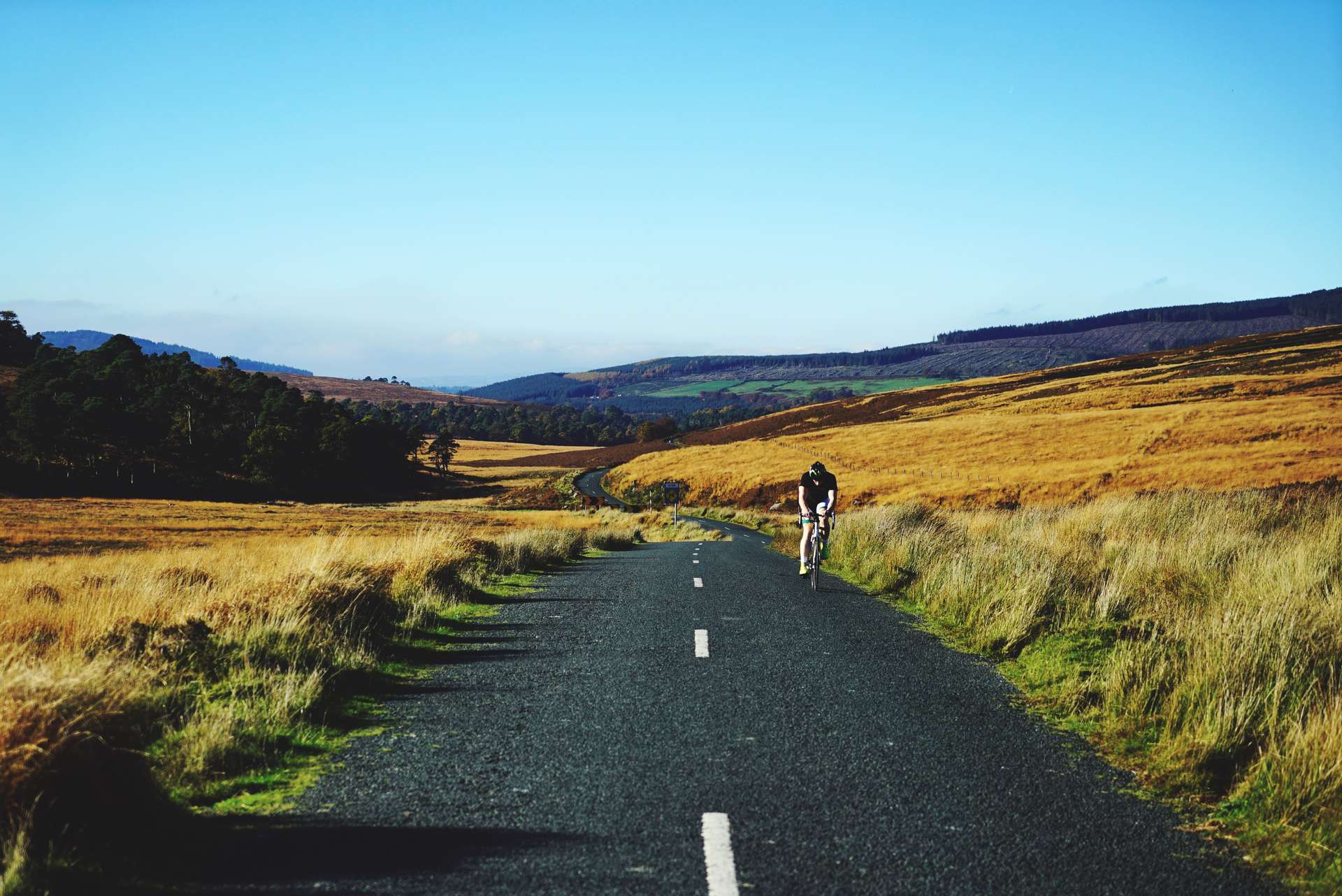
Weather permitting, leisure cycling is a great way to get out and about and see the gorgeous Irish countryside. You have the choice of energetically cycling across ruggedly beautiful landscapes like the mountains and lakes of Killarney, or appreciating the quiet tranquillity and pretty villages nestled among gently rolling hills. There are many cycle-routes in Ireland. A favourite with families is the Great Western Greenway – a 42km former railway track in glorious Mayo, broken down into three sections, the shortest at 11km.
Best for: Feeling the freedom of touring on two wheels.
While you’re there: Linger in a beauty spot as you fix that puncture.
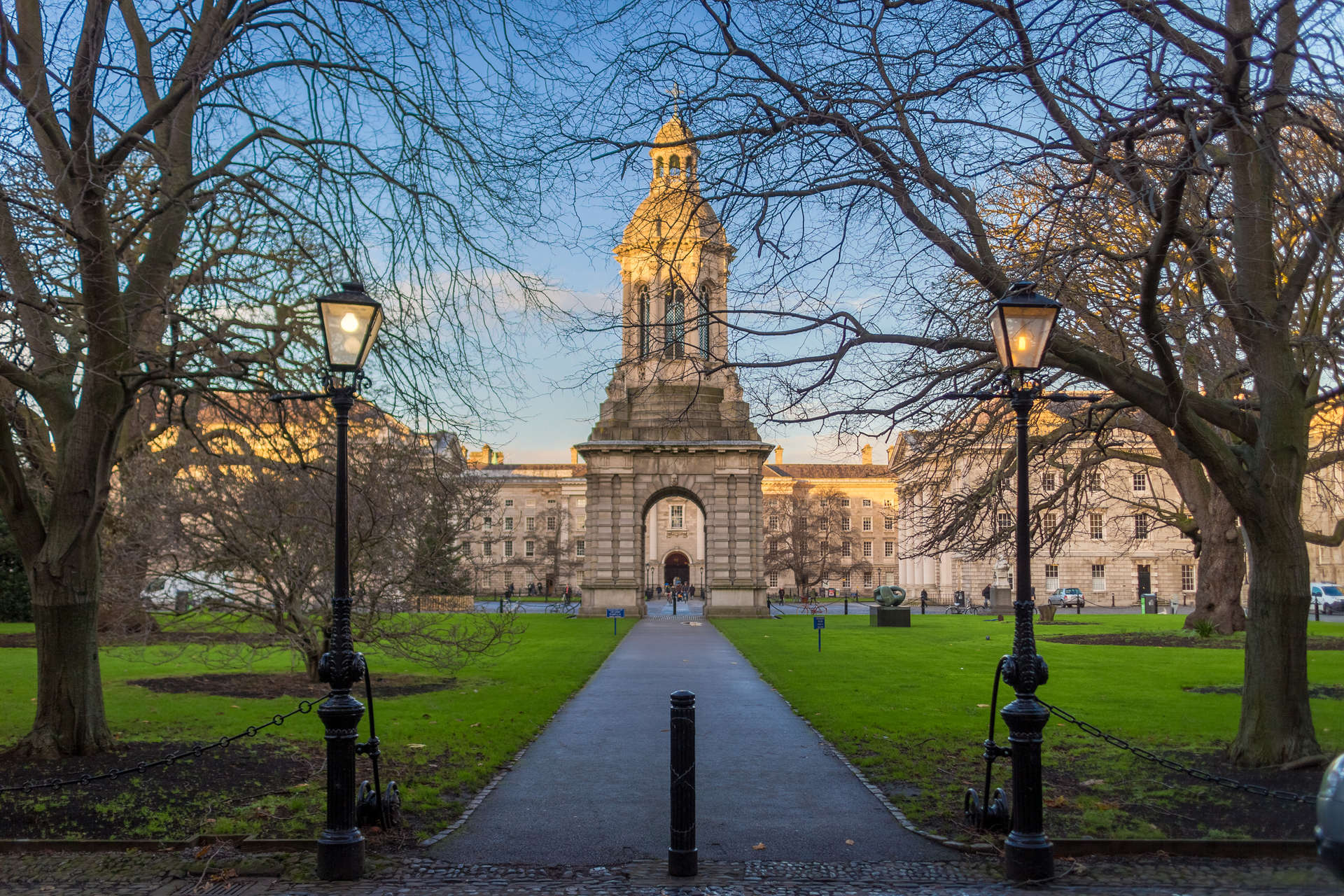
Ireland’s capital is a vibrant, dynamic place – a couple of fun-filled nights here is on most people’s list of what to do in Ireland. Alongside Dublin’s historic buildings – cathedrals and churches, Georgian squares and townhouses, castles and monuments – pubs and bars are everywhere, with all kinds of music, from traditional to modern. There’s a wealth of culture and history to discover at places like the National Museum, National Gallery and Trinity College. After, you can satisfy your thirst for knowledge by learning about brewing history at the Guinness Storehouse, a popular tourist attraction celebrating Ireland’s most famous beer.
Best for: Getting back to civilization after a few days in the wilds.
While you’re there: If you prefer the hard stuff to the black stuff, take a tour of the Old Jameson Distillery
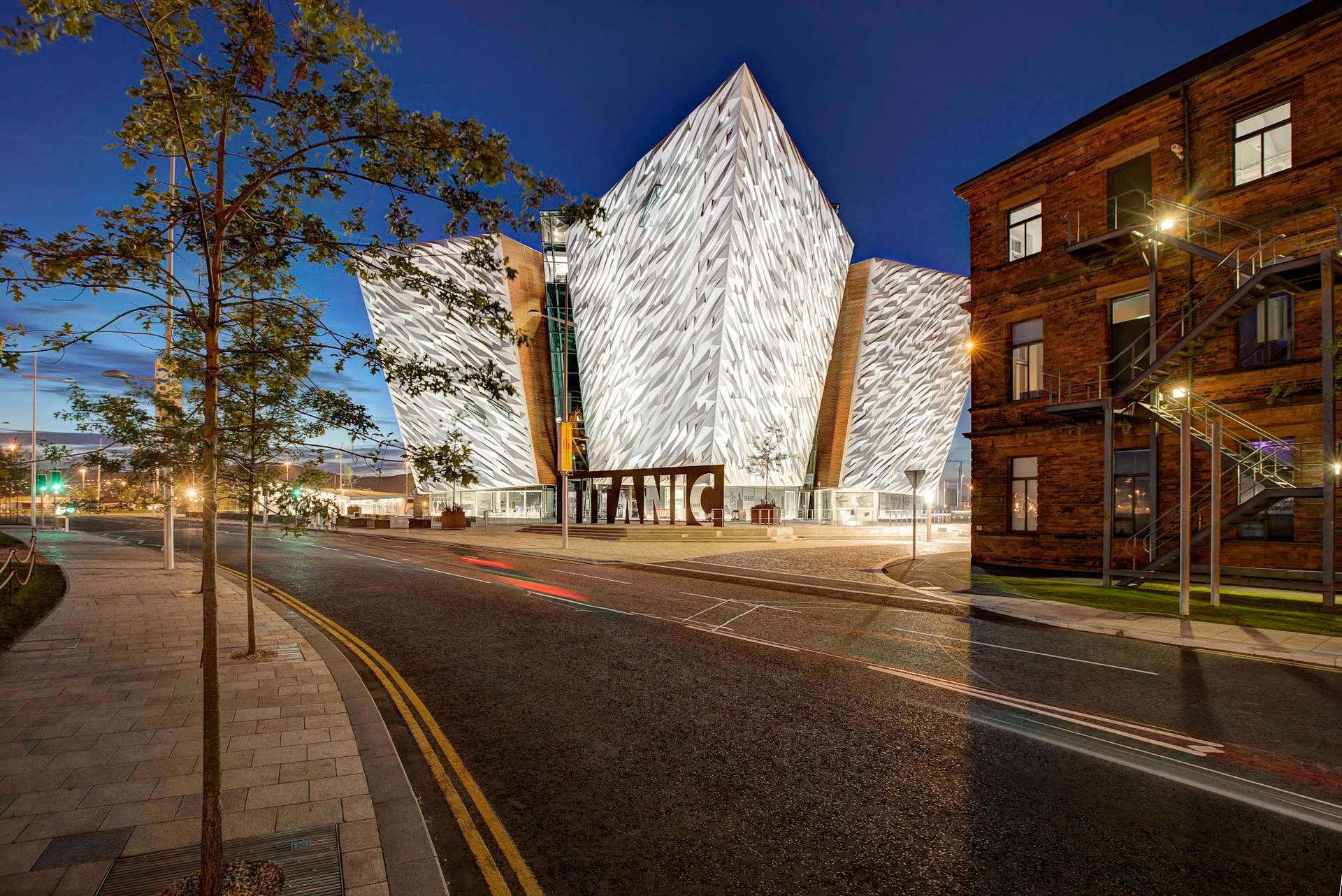
Just across the border in Northern Ireland’s capital, Belfast, you can voyage back in time and discover the full story of the ill-fated Titanic, the world’s most infamous ship. Titanic Belfast opened in 2012, a century after the disaster, and offers an immersive journey into Belfast’s maritime past. Nine galleries provide a multimedia experience from the ship’s conception and build through to the discovery of its decaying remains as they rest today on the Atlantic seabed.
Best for: An eerie era of Irish history.
While you’re there: Take the experience ride to sample the sights and sound of the old shipyard.
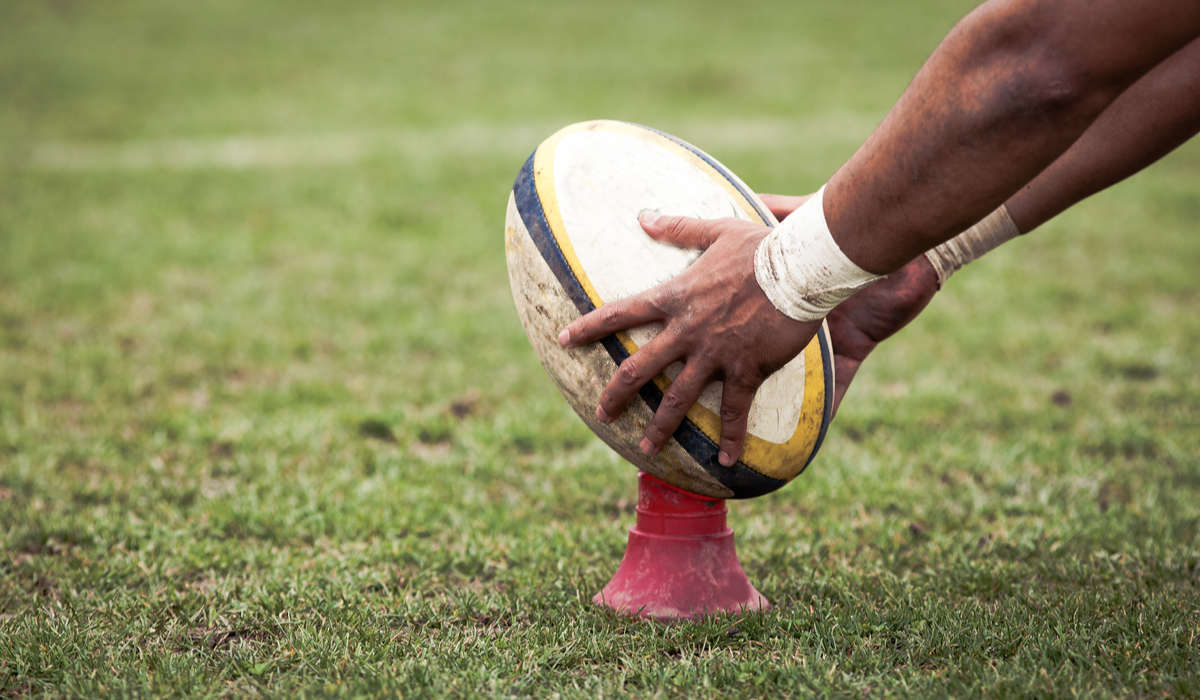
Yes you can see footy or rugby in Ireland but why not dare to be different and watch a hurling or Gaelic football match - Ireland’s two main indigenous sports. Fast and physical, they’re played on huge pitches and arouse lots of passion among players and fans alike. Hurling is played with a small leather ball that can be hit for prestigious distances or carried on the flattened end of a hurley, a broad stick that is curved outwards at the end. In Gaelic football the ball can be both kicked and caught. However, running with the ball is only permitted if a player keeps control by tapping it from foot to hand or by bouncing it.
Best for: Shouting encouragement to players when you know nothing about the sport.
While you’re there: Buy the kit to have a go when you get back home.