
|

|



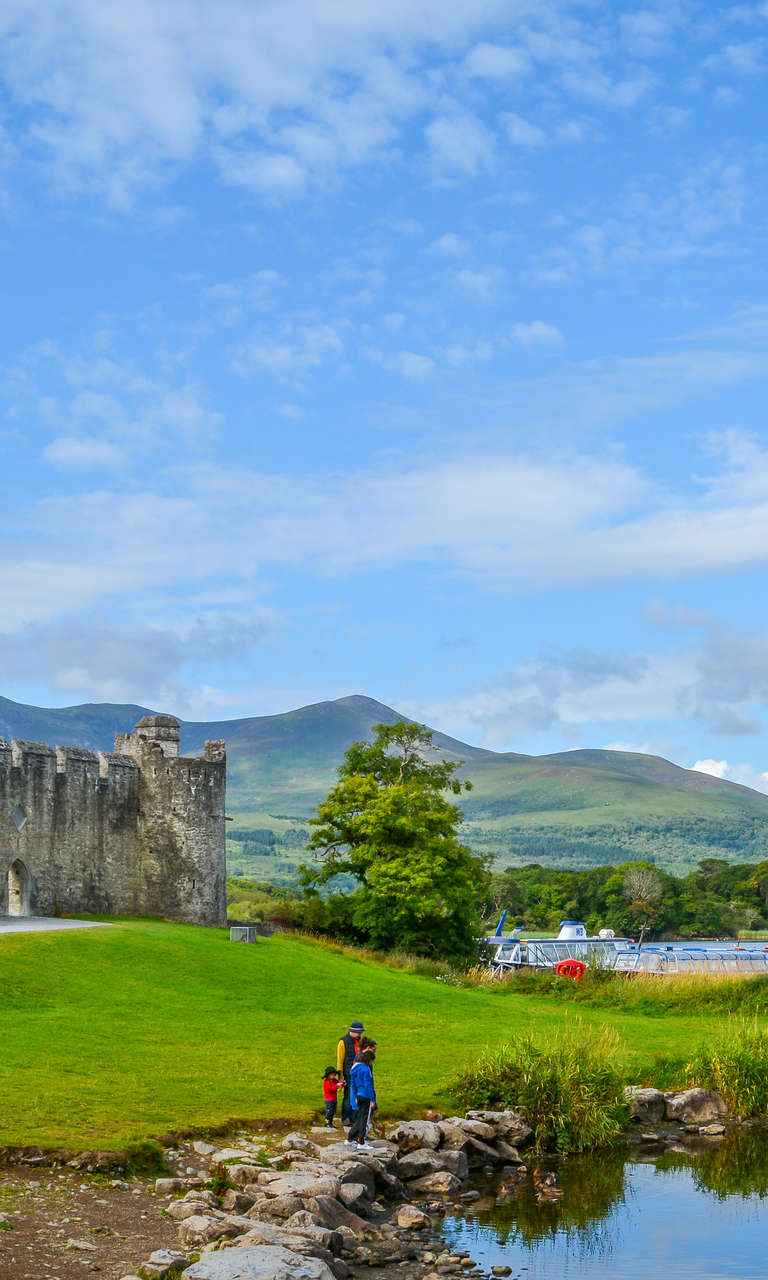
Explore Ireland's verdant hills, lush forests, and striking coastline, renowned for its dramatic beauty and historic cities. This Emerald Isle is perfect for walkers, cyclists, and road trippers. Discover epic scenery from stunning beaches to lush national parks, and immerse yourself in its unique local culture. From Dublin's international allure to charming small towns, each destination offers its own unique fascination. As our closest neighbor, Ireland guarantees diverse and endlessly captivating holidays.

Combine and Save
Enjoy access to special prices, only available on package deals.

Tailor-made trips
Choose from thousands of flights, hotels and stays.

Spread the cost
Book with a small deposit and pay the rest later.

Everything you need
Quickly add insurance, luggage, rental cars and more.
You are protected


Be captivated by the Emerald Isle's natural beauty.
Savour the flavours of Ireland's culinary traditions.
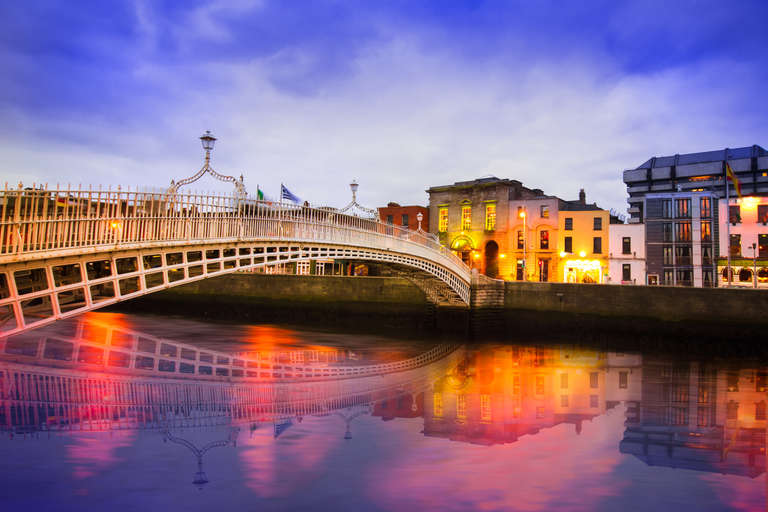
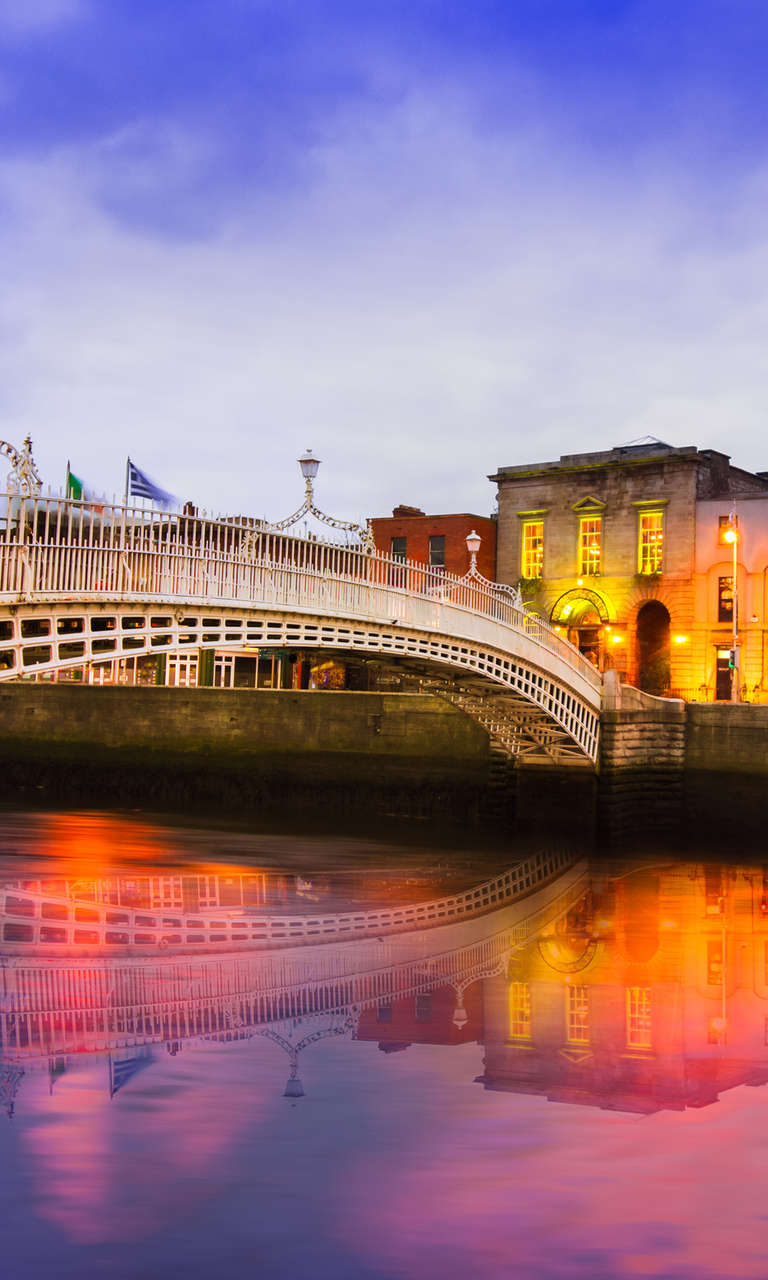
Explore Dublin's lively streets, and stop off for an iconic pint.
1,074 reviews
£163
pp
4,981 reviews
£270
pp
256 reviews
£245
pp
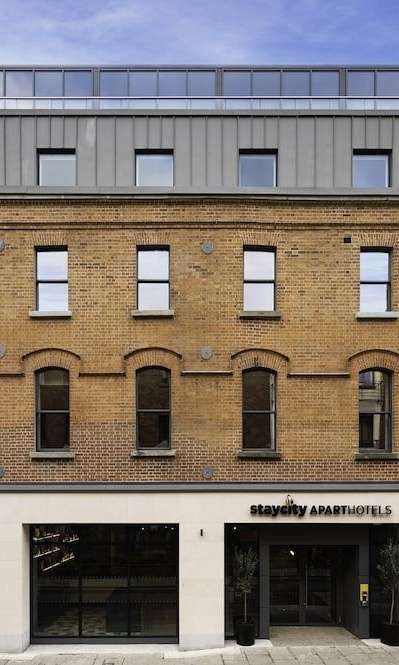
552 reviews
£186
pp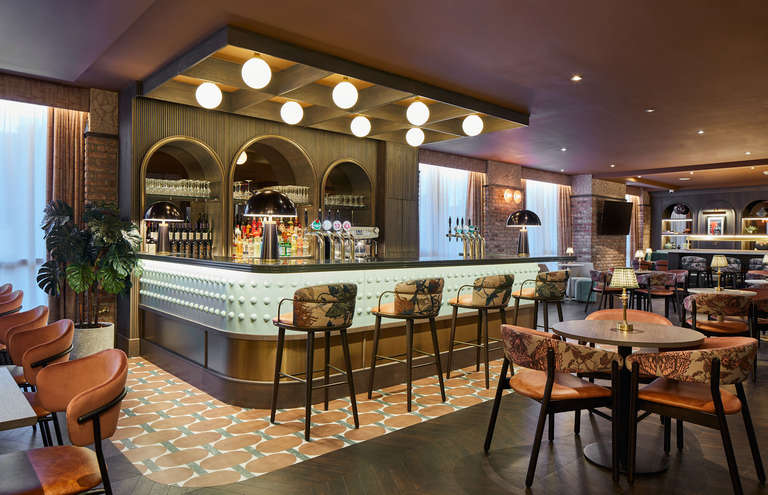
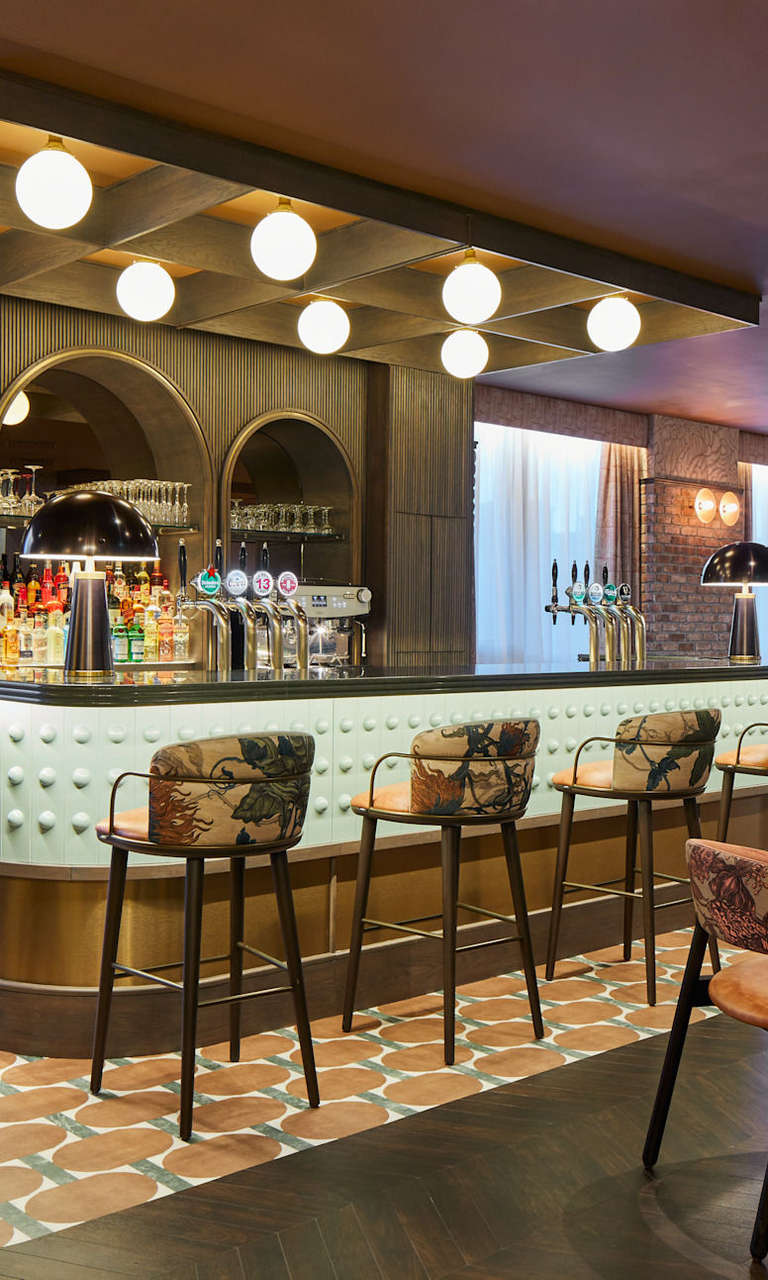
6,412 reviews
£183
pp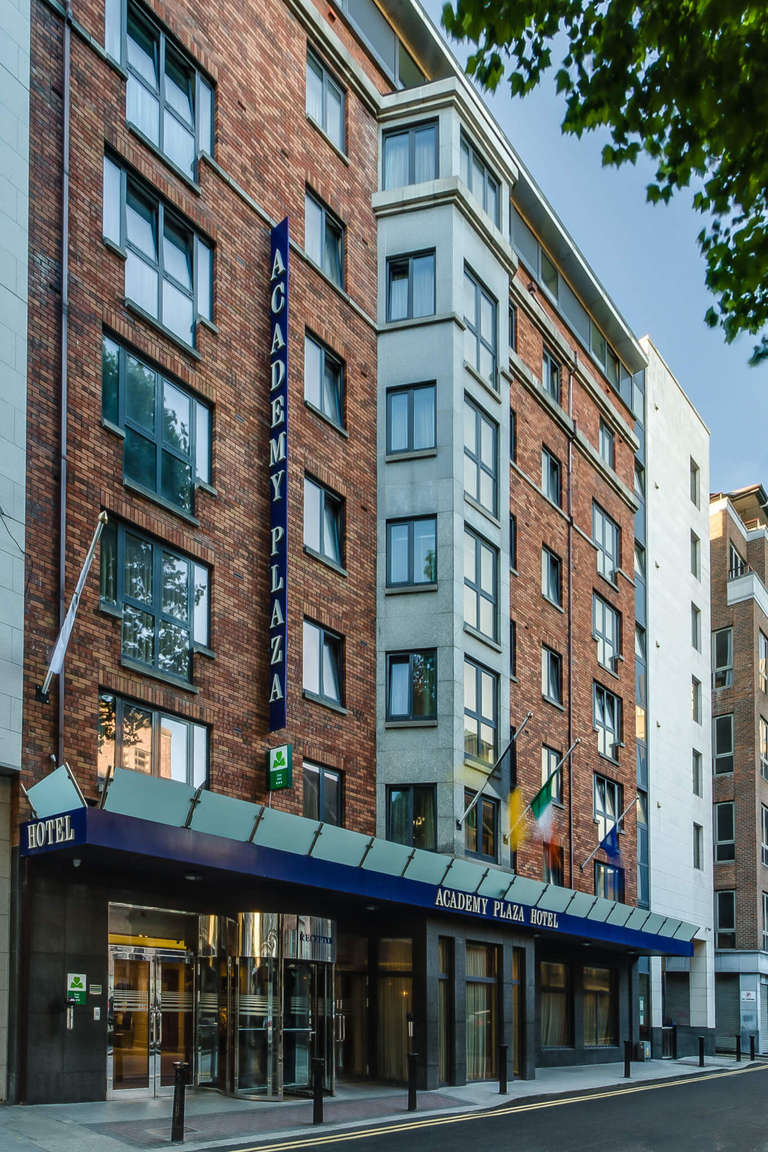
6,109 reviews
£222
pp
618 reviews
£266
pp
611 reviews
£215
pp
2,572 reviews
£393
ppBook the best deals on holidays to Ireland today!
27 reviews
3 reviews
£326
pp
1 reviews
36 reviews
70 reviews
72 reviews

296 reviews
7 reviews
62 reviews
33 reviews
327 reviews
117 reviews

22 reviews
572 reviews
443 reviews
236 reviews
Ireland is notoriously wet. This rain-drenched, wind-swept country is exceptionally beautiful precisely because of its weather, giving it a lush, green cloak almost year-round. The weather in the emerald isle is nothing if not unpredictable so, even in summer, it’s not uncommon to see all four seasons in one day. While it won’t affect a Dublin city break as much, it’s good to pack for any weather eventuality if you’re heading to the coast or the stunning countryside. November through to February is generally the coldest time; don’t expect the temperature to go much above 10 degrees. You can also expect storms, wind and possibly snow during the season. March and April can be a bit warmer with plenty of showers (and downpours) but sunshine too. The best weather really begins in June and lasts through to the end of August – this is your best chance of sunshine, beach days and temperatures reaching into the 20s. One of the best things about a trip to Ireland in the summer is that you’ll certainly not overheat, so it’s a fantastic place to go hiking, cycling or be generally active in the summer months.
You may also choose to travel to the Republic of Ireland – and Dublin specifically – for St Patrick’s Day on 17th March. This internationally renowned celebration is enjoyed by thousands of tourists, alongside the locals, every year and it’s a wonderfully joyous time to dip into Irish culture. That said, it’s one of the most expensive times you can choose to visit Dublin as accommodation and flights increase in price, but you will get to witness an amazing atmosphere.
One easy way to get right to the heart of Ireland, is to fly direct to Dublin. Most UK airports run direct flights to Ireland, from big-city airports like Manchester, Edinburgh, Birmingham and London as well as from smaller airports like Southampton, Leeds and Exeter. Most of these flights take around an hour, so it’s super-quick too. You can also find direct flights to Ireland West Knock airport from London, Manchester, Birmingham, Bristol, East Midlands, Liverpool and Edinburgh. For Limerick, choose Shannon Airport which is served direct by flights from London, Edinburgh, Manchester, Birmingham and East Midlands.
Another popular way to arrive in Ireland is by ferry. Holyhead to Dublin is the most common route, with four or five sailings running daily, including overnight ferries. This is a good option if you want to travel over with a car, for maximum freedom and no need to rent once you arrive.
One of the most popular ways to enjoy Ireland holidays is to hire a car and do a road trip. With its epic roads winding through the countryside and along the dramatic coast, the country really lends itself to road tripping. It gives you maximum freedom and flexibility, and the ability to explore really remote and rural locations. In Dublin, it’s easy to be car-free, with a well-connected network of buses, trams and trains at your disposal. Between major cities too – for example Dublin and Cork or Galway – trains are a great and affordable travel option. Buses are another easy way to get between major towns and even smaller, more rural towns in the Republic of Ireland. There are both public and private bus providers, so pricing is competitive (i.e. reasonable) and many of the very rural bus services are incredibly reliable, if not all that frequent. Private coach companies also run itineraries and themed tours, if you fancy the feel of a road trip without the hassle of driving yourself.
Where Green Meets Sky: Ireland's landscapes are a photographer's dream. Don't miss the Cliffs of Moher for an Instagram-worthy panorama that'll make your friends green with envy. For cityscapes, the view from Dublin's Guinness Storehouse offers a pint-sized perspective of the capital.
Stroll, Shop, and Savour in Ireland's Best Districts: From the lively Temple Bar in Dublin to Cork's English Market, each district tells its own story. Galway's Latin Quarter buzzes with artistic vibes and traditional music, perfect for those looking to soak in authentic Irish culture.
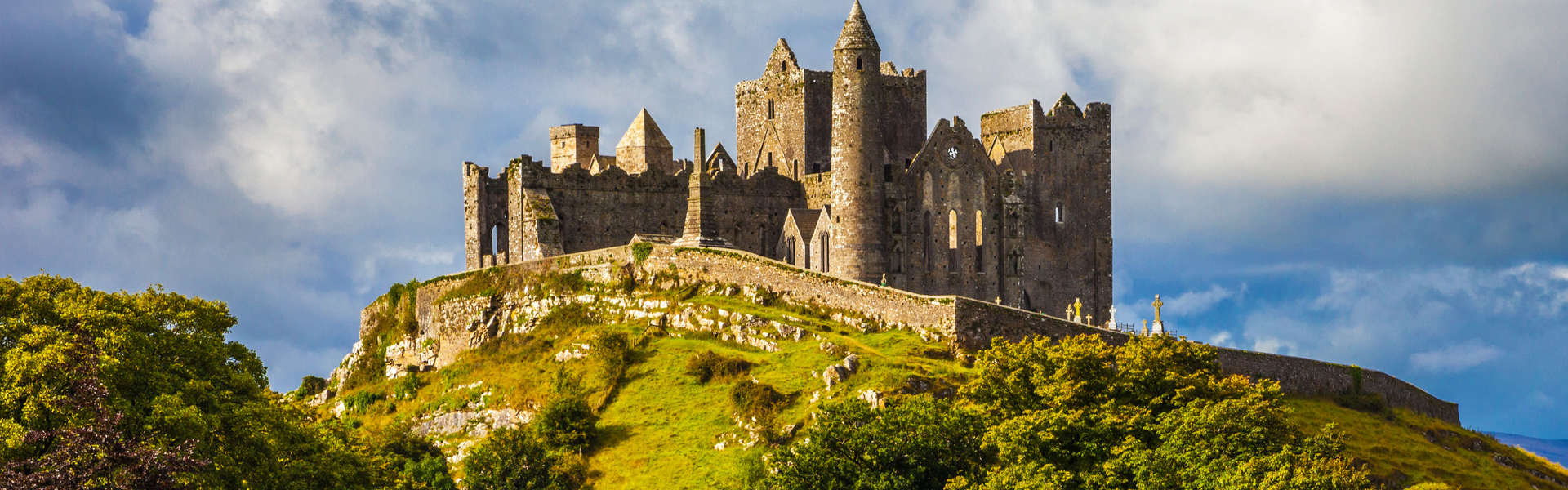
Nature's Finest, Just a Stone's Throw Away: Ireland's parks and gardens, like Dublin's Phoenix Park and Powerscourt Estate in Wicklow, offer tranquil escapes. For day trips, the mystical Giant's Causeway or the historic Blarney Castle are just a coach ride away.
Making Memories with the Wee Ones: Ireland is a playground for families. Dublin Zoo, Fota Wildlife Park in Cork, and Tayto Park offer adventures for all ages. Don't forget to explore the countless playgrounds dotted around the island.
Experience Ireland, Without Spending a Pot of Gold: Ireland's rich culture can be enjoyed for free, with numerous museums like the National Museum of Ireland offering complimentary entry. Free events, like St. Patrick's Festival, light up the calendar, providing entertainment for everyone.
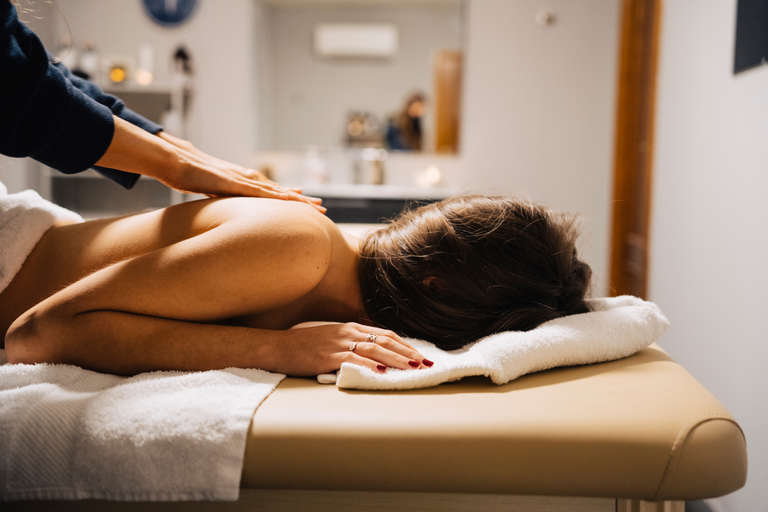
Rejuvenate in Ireland's Natural Spa: Ireland's natural landscape offers the ultimate wellness retreat. Indulge in seaweed baths along the Wild Atlantic Way or explore the serene walking trails of the Wicklow Mountains. For thrill-seekers, paragliding over the Kerry cliffs or SUP in Dingle provides an adrenaline rush.
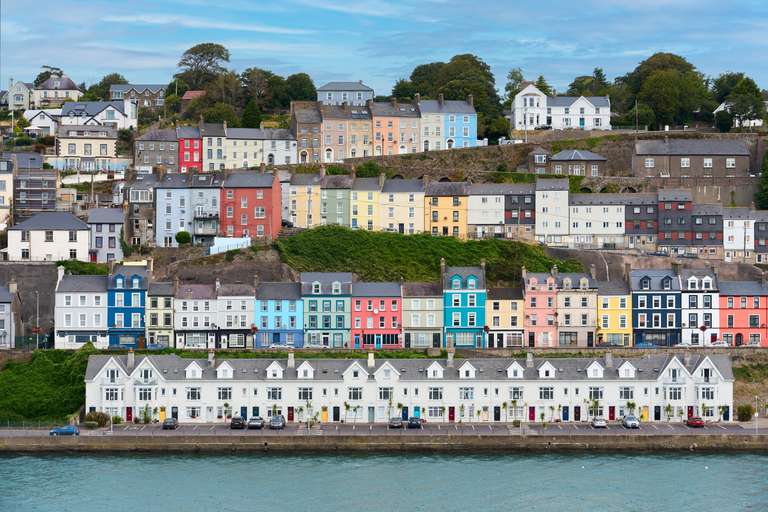
From City Lights to Countryside Sights by Public Transport: Ireland's public transport system offers a gateway to exploration. Hop on a train to discover the rugged beauty of Connemara or take a bus to the quaint villages of Cobh and Kinsale. Free guided tours, available in major cities, offer insights into Ireland's rich history and culture.
From panoramic views that stretch beyond the horizon to bustling districts filled with music and merriment, Ireland offers a holiday experience like no other. Whether it's connecting with nature, diving into the vibrant city life, or enjoying quality time with family, Ireland holidays promise memories that will last a lifetime. So pack your bags (and perhaps an umbrella), and get ready to explore the Emerald Isle!
With over 300 km of coastline to choose from, any list of the best, most beautiful or most popular beaches in Ireland is going to be highly subjective. Just know, you can’t go far wrong on the Atlantic coast of the Emerald Isle.
** Portmarnock Beach**: The bustling city of Dublin is flanked by so many stunning beaches you’re rather spoilt for choice. You can’t help but love Portmarnock Beach, with its expansive sandy shore, backed by grassy dunes and scattered with families enjoying games and picnics. Burrow Beach is another sandy family favourite close by.
Dog’s Bay: This horseshoe of white sand is tucked in a sheltered part of the coast in the stunning Connemara National Park. It’s popular for swimming in summer, thanks to its Caribbean-looking waters, and walking year-round.
Keem Bay: It’s a pretty scenic drive to reach Keem Bay on Achill Island, so it’s no shock that once you run out of road you reach the perfect beach at the end. The pristine, green backdrop gives way to a sandy shore and shallow entry to the sea. It’s exceptionally popular with scuba divers and snorkellers.
Keel Beach: Also on Achill Island, just before you reach Keem Bay, wind-lovers and wave-hunters will want to hop off the road at Keel Beach. This expansive sandy bay (where the tide retreats miles) is loved for its surfing, kitesurfing and kite-flying conditions. Its surroundings are beautiful, with sheep picking their way between the dunes.
Silver Strand, Malin Beg: This wide, sandy beach, sheltered by tall cliffs, is undoubtedly one of the best on this coast. It’s accessible only by a long, steep staircase but your reward is a still, calm sea and tropical colours in summer.
Coumeenoole Beach, Dingle Peninsula: The Dingle Peninsula is one of the most beautiful and wild places to visit in Ireland and while you’re there, make a beeline for pretty Coumeenoole Beach. It has a wild feel – being reasonably far-flung – with honey-coloured sand and shingle sandwiched between jagged cliffs – perfect for a walk and a picnic.
Inchydoney Beach: On a tiny island in West Cork, Inchydoney Beach is a popular summer haunt, thanks to its wide swathes of soft, white sand. In winter it’s popular for dog walking while in summer people flock here to swim, and when the wind is right, you’ll find yourself sharing the beach with dozens of surfers.
Curracloe Beach: This is one of the best-loved beaches in County Wexford, drawing far more Irish families than tourists. Seven miles of golden sands are backed by grassy dunes and a nature reserve and, in summer, you’ll see swimmers and young surfers and bodyboarders trying their hand in the waves.
Fanore Beach, County Clare: Between the popular holiday towns of Ballyvaughan and Doolin, Fanore Beach is a Blue Flag stretch that draws surfers, bodyboarders, swimmers and walkers. It’s particularly popular thanks to its high-season lifeguard patrol and easy access car park, while in winter it becomes a peaceful spot for a leg stretch.
Not being blessed by the hottest summers, Ireland is actually awash with quieter, lesser-known beaches that escape the notice of many tourists. There are nearly endless options if you want to avoid the crowds and get off the beaten track here. No list could possibly show them all, but here are a few gems:
Coral Strand, near Galway: You can’t go far wrong with any beaches on the Wild Atlantic Way, but Coral Strand is a truly pretty, rock-strewn shore with pools and shallows worth exploring and paddling in. In summer, this sunny, peaceful spot is ideal for a quiet swim.
Anchor Beach: This part of County Galway, near the Connemara National Park, is truly stunning whichever part you choose to explore. Anchor Beach, however, is a delightful hidden gem, reached by few. It boasts an azure sea reminiscent of the Caribbean (or the West Coast of Scotland), forming shallow pools sheltered by the jutting rocks.
Glassilaun Beach: Near to Galway, but far enough away to still feel utterly remote, Glassilaun Beach is a stunning cove for a walk or picnic at any time of year and, for the hardy, it’s a gem of a scuba diving spot. The water is bluest-blue, fascinating rock pools and causeways appear and disappear, and cows graze almost down to the shoreline – it’s nothing short of idyllic.
Ballycroneen Beach: This beautiful bay, left to nature, is the perfect place to escape the crowds while still being close to Cork. A few people in the know come here to fish, walk, paddle, swim or just to get away from it all.
Elly Bay Beach: This is a popular surf and swimming destination, jutting out into the North Atlantic on a peninsula in County Mayo. This wild peninsula is fairly under explored by tourists, so it’s a great option for escaping the crowds.
Bertra Beach: Bertra Beach is another County Mayo gem, chosen this time for its picture-worthy scenery and the beautiful walk. The road ends and gives way to a narrow spit of dune-y, pebbly land, extending into the sea. It’s an atmospheric walk on a summer’s day with the coastal flowers in bloom, in the sharp autumn sunshine, or the blustery spring weather.
Tra Ban beach: Beaches in Ireland don’t get much more far flung than Tra Ban beach on the Great Blasket island, dangling off the Dingle Peninsula Kerry. It’s accessible only via ferry (several per day) and you’ll find few pictures and little information about it on Google, but that makes it worth the adventurous trip. Once there you’ll find an uninhabited (or barely inhabited) island with vibrant colours, a calm, shallow sea for paddling and a true sense of calm.
Discover the heart and soul of Irish culture through its delightful food and drink offerings. Ireland, a land of lush landscapes and friendly faces, boasts a culinary tradition that's as rich in flavours as it is in history. From traditional dishes passed down through generations to the bustling street food scene, there's a taste of Ireland waiting for everyone. And let's not forget the drinks – from creamy stouts to smooth whiskies, Ireland's beverages are celebrated worldwide.
Dive into the essence of Irish cuisine with local dishes that tell a story of the island's heritage and natural bounty. Savour the classic Irish Stew, a comforting blend of lamb, potatoes, and carrots, slow-cooked to perfection. Another must-try is the hearty Full Irish Breakfast – a plate brimming with bacon, sausages, eggs, and black pudding, sure to fuel your day's adventures. For seafood lovers, the coastal regions offer sumptuous options like fresh salmon, oysters, and the traditional Smoked Salmon.
Ireland's culinary landscape features a variety of dishes that are as diverse as its regions. Boxty, a traditional potato pancake, is a beloved favourite, reflecting Ireland's deep-rooted connection to this versatile vegetable. For a taste of Irish comfort, nothing beats a plate of Colcannon, a creamy mix of mashed potatoes and kale or cabbage. And for those with a sweet tooth, the warm, whiskey-laced Irish Coffee is a delightful way to end any meal.
The street food scene in Ireland is vibrant and offers an eclectic mix of international and local flavours. Wander through the markets and food festivals to find artisanal cheeses, freshly baked goods, and inventive takes on traditional Irish recipes. Look out for food trucks and stalls serving up fish and chips with a twist, gourmet burgers, and tantalising vegan options that showcase Ireland's quality produce.
No visit to Ireland is complete without indulging in its world-famous drinks. The iconic Guinness Stout, with its creamy head and rich flavour, is a staple in pubs across the country. Whiskey enthusiasts can explore Ireland's distilleries, sampling smooth single malts and robust blends. For a non-alcoholic treat, Irish tea is a comforting choice, often accompanied by scones and clotted cream for a perfect afternoon delight.
Ireland's food and drink scene is a testament to its cultural richness and agricultural heritage. Whether you're tucking into a warming stew, enjoying the lively atmosphere of a local pub, or exploring the fresh tastes of street food, Ireland offers an unforgettable culinary journey. So, come and raise a glass to the flavours of Ireland – your taste buds will thank you!
Unsurprisingly, hiking is incredibly popular in Ireland and many of the country’s famous routes and national parks promise bucket-list walks.
Connemara: One of Ireland’s most iconic national parks, Connemara has plenty to recommend it, whether you’re tackling peaks, looking for lakes or rambling over moors. Keep an eye out for the wonderful wild horses that roam here. You can also wild camp in some parts of the national park.
The Dingle Peninsula: This stunning peninsula boasts a 179 km long-distance hiking trail all around its coastline.
The Wicklow Way: This long-distance path starts in Dublin but rolls through moor, mountain and woodland over its 131-km course.
The Kerry Way: You’ll need around a week, maybe longer, to tackle the entirety of the 215 km route that is the Kerry Way. You’ll pass through traditional villages, rolling moorland and glacial landscapes on your route.
Of course, there are hundreds of popular day hikes in Ireland too. Everyone has their own personal favourites, but some popular choices include Hare’s Gap, The Gap of Dunloe in Killarney National Park, Torc Waterfall, Galtymore peak and the iconic cliffs of Moher.
Many of Ireland’s best cycle routes are on ‘greenways’ – so if you see one signposted, be sure to turn your wheels in that direction. These are usually car-free routes, under 50–100 km and often utilise old railway lines. Some good examples include the Great Western Greenway in Mayo, Waterford Greenway, Limerick Greenway and the Carlingford Lough Greenway.
Many of the roads here also make fantastic longer cycling routes for road-riding enthusiasts. You could try the Dublin to Wicklow Loop (around 75 km), the Black Valley Loop (approximately 55 km) or make it a multi-day epic and attempt the 500 km Kingfisher Trail taking in Lough Erne, Lough Macnean and the caves at Marble Arch. For something truly once-in-a-lifetime, cycling fans can tackle the 2500 km Wild Atlantic Way. It’s a definite undertaking, taking some people a month and spanning the entirety of the Republic of Ireland’s Atlantic coast. It’s also popular as a road trip if your legs aren’t quite up to the challenge.
Ireland, a land where the craic is mighty and the calendar is as packed with events as a Dublin pub on St. Patrick's Day. Whether you're ringing in the New Year with a bang or searching for the quirkiest Christmas market, Ireland's seasonal events and festivals promise a grand time. Let's dive into the annual happenings that make Ireland a year-round destination for fun, frolic, and festivity – with a wee bit of humour sprinkled throughout, because in Ireland, we love a good laugh almost as much as a good party.
New Year's Eve: Kickstart the year with fireworks, festivities, and resolutions you'll likely forget by February. Dublin's countdown is legendary, but the real magic? Convincing yourself you'll start that diet "tomorrow".
Christmas Shopping: From Dublin's Grafton Street to Cork's Patrick Street, the hunt for Christmas presents turns shopping into an extreme sport. May the odds be ever in your favour – and your parcels light.
Christmas Markets: Mulled wine, crafts, and the sweet scent of seasonal treats. Ireland's Christmas markets are where diets go to die happily, surrounded by fairy lights.
Easter: It's not just about chocolate eggs (though, admittedly, that's a big part). Celebrate with traditional music, dance, and perhaps a visit from the Easter Bunny, who's been known to enjoy a pint of Guinness.
Gay Events: Pride parades and festivals light up the Emerald Isle, celebrating love in all its forms. Dublin Pride is a riot of colour, but smaller towns are giving Dublin a run for its money in the fabulous stakes.
Carnival: While not Rio, Ireland's take on Carnival before Lent features quirky traditions, pancake races, and the odd masquerade ball. It's like Halloween's less spooky, equally eccentric cousin.
Ireland's festival calendar is so packed, it's like the country is trying to set a world record for "most fun had per capita". Here's a bullet point list of major annual events you shouldn't miss:
St. Patrick's Day Festival: Not just a day, but a multi-day extravaganza of green. It's when the whole world wants to be Irish (and honestly, who can blame them?).
Galway International Arts Festival: A celebration of arts, theatre, music, and street performances. It's where creativity meets craic.
Electric Picnic: Music and arts festival that's like a gourmet feast for your senses – with actual gourmet food, too.
Cork Jazz Festival: Get jazzed up with one of the most renowned jazz festivals in Europe. Even if you don't like jazz, you'll love the atmosphere.
Lisdoonvarna Matchmaking Festival: Looking for love? This traditional festival in County Clare might sort you out. Or at least provide some amusing stories.
Bloomsday: Literary buffs unite to celebrate James Joyce's "Ulysses" in Dublin. It's like a pub crawl, but with more book references.
Puck Fair: One of Ireland's oldest fairs, where a wild goat is crowned king for three days in County Kerry. It's as baa-my as it sounds.
Halloween: Originating from the ancient Celtic festival Samhain, Ireland does Halloween like nowhere else. Think ghost tours, ancient sites, and lots of pumpkins.
All Ireland Fleadh: The biggest traditional music festival in the world. Bring your instrument, your dancing shoes, or just your ears.
The Rose of Tralee: A global celebration of Irish heritage, with a side of friendly competition. It's part beauty pageant, part talent show, and completely Irish.
From the hilarious to the downright bizarre, Ireland's events and festivals offer something for everyone. So pack your bags, bring your sense of humour, and prepare for an unforgettable journey through the Irish calendar. Just remember, in Ireland, the only thing more dependable than the rain is the guaranteed good time.
If you fancy avoiding a sea of brollies and prefer not to share your pint with a crowd, aim for March to May or September to November. The weather's decent (by Irish standards, so still bring a jumper), and you won't have to elbow your way through tourist throngs. Of course, Ireland's welcome mat is out all year round, so if you're into snug pubs and mystical misty landscapes, any time's a good time.
Given Ireland's famously fickle weather, pack as if you're expecting all four seasons in one day. Waterproofs, layers, and comfortable footwear are essentials. And don't forget your plug adaptor unless you fancy your gadgets going on an involuntary detox.
Your mobile should work just fine, but roaming can be a wallet-walloper. Consider grabbing a local SIM if your phone's unlocked, or check if your provider offers a roaming package that won't require a loan to afford.
Tipping isn't expected like a sunny day in Blighty (i.e., not very), but it's appreciated for good service. In restaurants, 10-15% is a nice gesture, but in pubs, keep your coins unless you're feeling particularly generous or have had table service. For taxis, rounding up or a quid or two is perfectly polite.
You'll want your camera ready for the Cliffs of Moher, the Burren, and the Ring of Kerry for starters. Don't skip a city break in Dublin or Galway for a taste of vibrant Irish culture and nightlife. And for something truly unique, try kissing the Blarney Stone – just don't think too hard about how many others have done the same.
Ireland loves the wee ones! With castles to storm, national parks to explore, and interactive museums, your kids might just learn something (don't worry, we won't tell them it's educational). Plus, Irish hospitality extends to all ages, so your family will be welcomed with open arms.
In an emergency, you can dial 112 or 999 in Ireland to reach the police, fire brigade, ambulance, or coastguard. These numbers are free to call and available 24/7.
For us Brits, popping over to Ireland is as easy as nipping to the shops. No visa needed for short jaunts, thanks to the Common Travel Area agreement. Just bring your charming self (and maybe a passport or ID for good measure).
Booking a flight + hotel package to Ireland with lastminute.com offers several advantages. By booking both services together, you can take advantage of exclusive deals and choose from thousands of flights and accommodations for the perfect combination. Additionally, you can secure your trip with a deposit and pay the remaining amount later. You also have the flexibility to add other travel extras such as insurance, rental cars, and luggage to the flight + hotel package as per your preferences.
Before travelling from the UK to Ireland, ensure your passport is valid for the duration of your stay. To get the latest Visa information for Ireland, please check travel advice on GOV.UK.