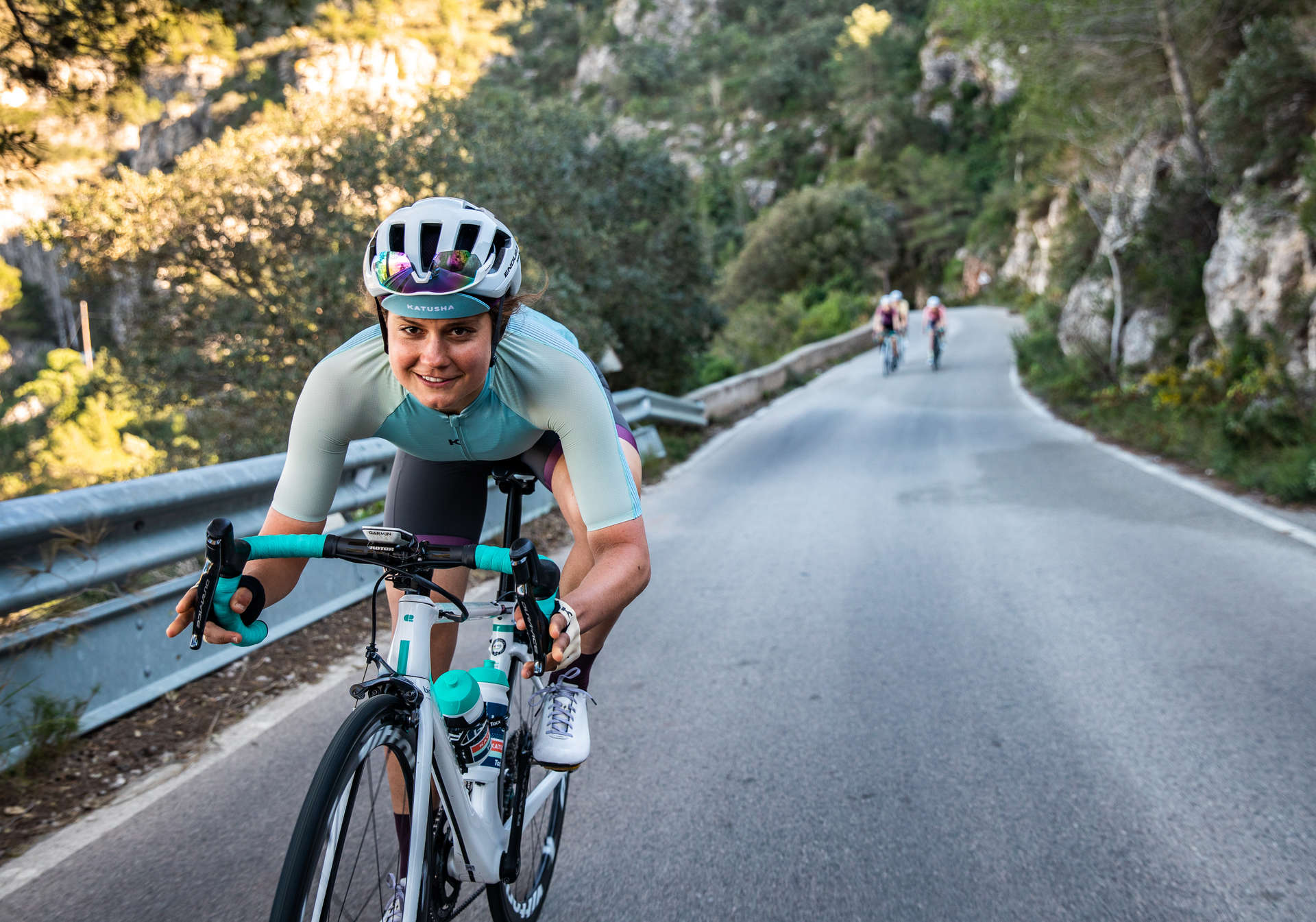
How to choose a cycling trip 

Dreaming about a cycling adventure? Thinking of the sunny coastal roads of Andalusia, or the mighty climbs of the Pyrenees? There are countless options when it comes to cycling routes but it can be a tough decision to work out which trip is right for you. 

Firstly, you need to decide if you are going to purchase an organised, fully supported and guided tour from a specialised cycling tour operator, or if you want to be your own boss and go by yourself. There are pros and cons to both so we’ve created this guide to help you understand what’s right for you.  

Laura Fletcher
Cycling journalist 

What will a cycling tour operator provide?

A guided and supported tour might mean that all you need to do is to show up to the agreed place and follow the instructions of your tour guide. Here is the list of services normally included in a fully supported tour, however this can vary greatly so pay attention when researching and booking. 
  • Accommodation: The operator books your hotel stays for the entire length of the trip. You will be offered a single or shared room. Sometimes you need to book additional nights if your flight arrives the night before the trip kicks off. 

  • Planned route: The entire route has been planned carefully, up to every turn between every night's stay. You don’t need to research on your own or plan the itinerary. 

  • Guidance and on-route support: This service will vary between operators, so make sure you understand before booking. Sometimes it's full support, which means a cycling guide rides by your side the whole time, shows you where to go and can help if you have any issues, including mechanical problems or a flat tyre. Some tours will also offer a support van which will be within reach all the time, in case you want to access your luggage, change your clothes, have a snack, refill your water. It can also take you back to the hotel if you feel too tired and want to finish the day’s riding early. However, many tours will offer a certain combination of the aforementioned services but not all of them. For example, you might have a support van within reach but no guide next to you. If this is the case, you are usually given a GPS device with the route uploaded and a tour guide’s phone number in case of any emergencies. 

  • Luggage transfer: A great benefit of an organised tour is that the operator will move your luggage between hotels every day, so you don’t need to carry everything. All you have to do is enjoy your riding. 

  • Bike/equipment rental: Most operators will loan you a bike for the entirety of the trip. This will save you money and effort as you won’t have to pack your bike, bring it to the airport, have it flown to the location and then assemble it when you arrive. However, it’s better if you bring your own helmet and other personal equipment. 

  • Airport transfers: Cycling tours do not usually start in the centre of the city you are flying into, so you will have to get to the start point. When the trip is over, the same applies, and sometimes you’ll need to fly back from the same airport. Operators tend to offer an airport transfer service which will save you a lot of time and energy, especially if you are travelling with your own bike. 
As you can see, a good cycling operator has a lot to offer! But that doesn’t mean you can’t go on your own. In fact, that can also be a lot of fun. Planning a fully independent cycling trip can be difficult as you will have to research the route, book the hotels, navigate your way and carry your own stuff, but there is a lot to enjoy about going solo too. For starters, it is usually cheaper, you have the freedom to decide where you want to go and you can move at your own pace.

Considerations for your cycling trip

Regardless of whether you choose to go on a guided or self-guided tour, here are some key things to consider when planning your perfect trip on two wheels. 

  • Trip duration: Cycling trips can vary from weekend getaways to two-week adventures across a country. Most are around one week, with a travel day on either end. (So, a seven-day trip might have five days of cycling.) For a first-timer, three days of cycling can be a great way to dip your toes in. For the more experienced riders or fitness gurus, a week or longer provides a good challenge, and you will get that bit further, with more ground covered and more places visited. 

  • Difficulty: Cycling holidays aren’t just for super fit, super experienced cyclists. Most tour operators will provide a difficulty level and an overview of the route. Look out for terrains described as flat, hilly or mountainous, and know that hills involve cycling up and down, while mountains can be 20km of climbing. (You will earn that lunch at the top!) Alongside the ups and downs, the distance covered each day is usually provided. An easy day's ride could be 20-40km, while a hard day might be over 100km. 

  • Surface: Look for details on what sort of surface you are riding. Is it all on the road? Most European roads are cycle-friendly, but there will be cars alongside you so make sure that is something you are comfortable with. Northern Europe has great networks of bike paths, and you can find some great routes away from the road – for example, canal paths, if you prefer that. Now more than ever, off-road cycling is gaining popularity, so if you are keen to be out in the woods, look for ‘gravel’ or mountain bike routes. 

  • Location: Yes, this one seems obvious. But you should take your trip to a place you want to visit! From Iceland to Indonesia, South Africa to Australia, cycling holidays can be found on every corner of the planet. It’s an easy way to cover a lot of ground at your dream destination, and if you choose a tour operator, an opportunity to explore with a friendly group and experienced local providers to arrange all the details. But of course, pay attention to the weather conditions and road conditions of where you are going too. 

  • Support: Do you have a bike or need one on arrival? Are you bringing the whole family? Some operators will provide alternative activities for kids or partners who aren’t so keen on long days in the saddle. If you need some extra support and structure, check your listing for this. Some operators also offer ‘unsupported’ packages where you show up, they provide you with bikes, maps, and an emergency contact and send you on your way: not for the faint-hearted, but a must-do for adrenaline junkies. 
With those five points in mind, get browsing through all the cycling holiday options, and rest assured, only adventure awaits on the other side of the arrivals gate.  

Bicycle tours and trips 

Incredible cycling holidays in Europe, Asia, the USA and beyond 

Book now →

You could also be interested in

Find your perfect destination

Search form is loading

Sign up to our newsletter

We'll send you exclusive offers and sneak peeks of our best deals,
plus travel tips and the latest advice on where you can go.



Secure payment


lastminute.com