|
|
Embark on a journey of a lifetime with holidays in Tanzania. Adventure seekers will revel in a range of activities, from conquering the heights of Mount Kilimanjaro to experiencing the stunning wildlife of the Serengeti and Ngorongoro Crater. Those seeking relaxation will find solace on the tranquil beaches of Zanzibar, while the Indian Ocean beckons with its vibrant corals and marine life. History and culture enthusiasts can explore Stone Town or the traditional villages of the Maasai. Culinary delights such as Ugali and Nyama Choma await food lovers. Tanzania offers unforgettable travel experiences for every interest.
Enjoy access to special prices, only available on package deals.
Choose from thousands of flights, hotels and stays.
Book with a small deposit and pay the rest later.
Quickly add insurance, luggage, rental cars and more.
You are protected
Book the best deals on holidays to Tanzania today!
Flight time: Flights to Tanzania from the UK take approximately 11 to 13 hours. While there are no direct flights, journeys to Dar es Salaam or Kilimanjaro usually stop at European or Middle Eastern hubs such as Istanbul or Cairo.
Transfer time:
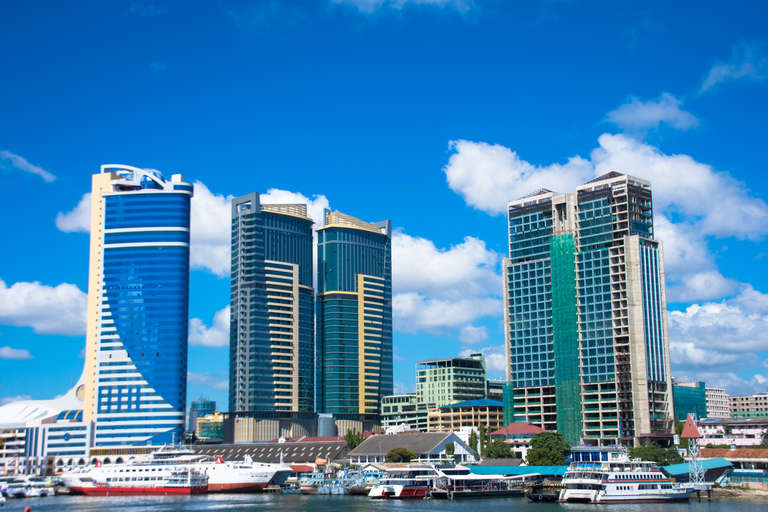
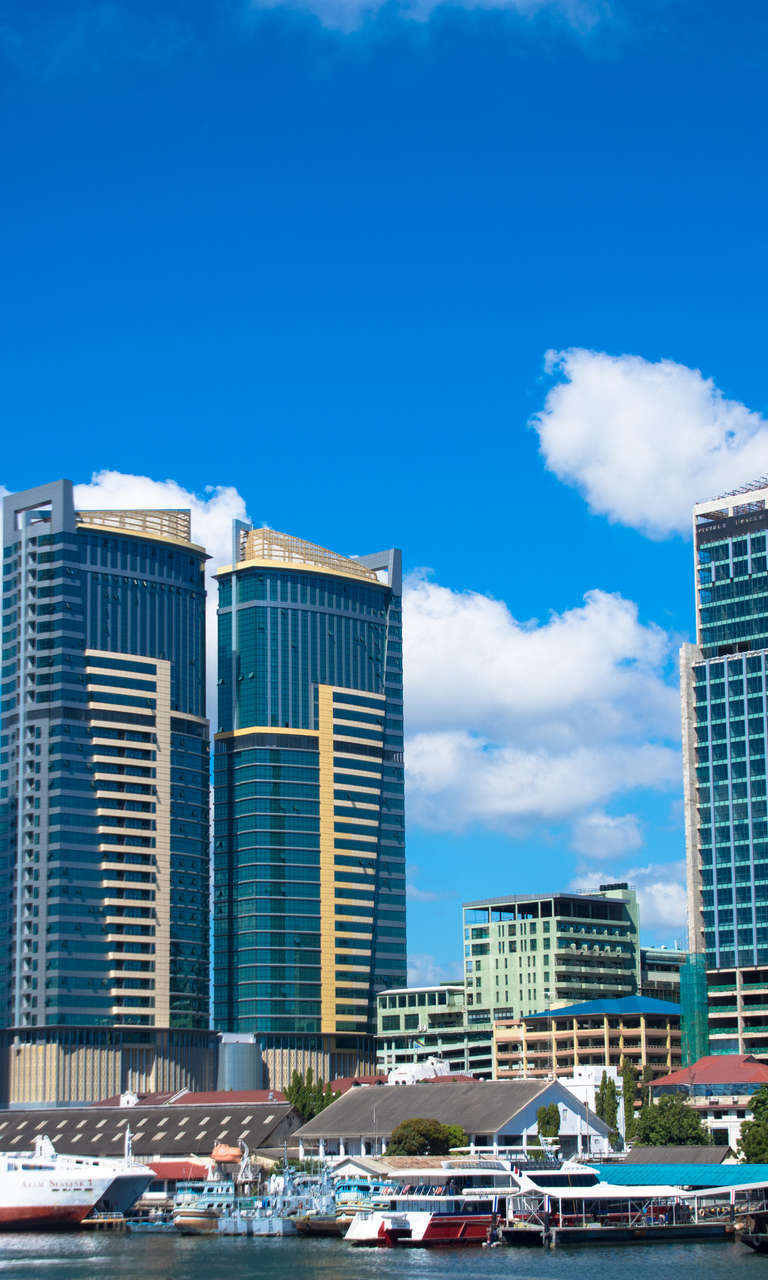
From the Julius Nyerere International Airport, the best way to reach Dar es Salaam city centre is by taxi, which usually takes 30 to 45 minutes – although it can take double this in extreme traffic.
If you’re landing at Kilimanjaro Airport, a transfer to the heart of Arusha takes 75 to 90 minutes, either by taxi or shuttle bus, both widely available.
Price:
A taxi from Julius Nyerere International Airport to central Dar es Salaam costs around TSh40,000–TSh60,000 (£11–£17).
Shuttle buses from Kilimanjaro Airport to Arusha typically cost TSh10,000 (£3), while taxis are around TSh80,000–TSh120,000 (£22–£34).
Located just south of the equator, Tanzania has a tropical climate with consistently warm temperatures – highs of 27°C to 32°C on the coast, and lows averaging 18°C to 23°C – and is humid. Inland and in the highland regions it can be cooler and drier, even feeling chilly in June and July.
January to February offers warm and mostly dry weather, ideal for visiting Zanzibar’s beaches or climbing Mount Kilimanjaro. It’s mostly dry, with just brief afternoon showers.
March to May is the low season due to the heavy “long rains”, especially in the coastal and northern safari regions. However, if you don't mind the rain and muddy roads, you’ll enjoy lush landscapes, fewer tourists and discounted accommodation. Zanzibar, however, is best avoided during this period.
June to September is the main dry season, not as humid, and is considered the high season for holidays to Tanzania. It's the best time for safaris, as animals gather around water sources, making them easier to spot.
October to December sees the second and lighter “short rains”, which are a little unpredictable but generally fall for a month during this time. It's a quieter time to visit with fewer crowds, and despite occasional downpours, it's a good time for bird-watching, especially around Lake Manyara. In the south, the rains sometimes arrive early, tagged onto the end of the long rains, increasing the length of the dry season.

Spoken languages: The official languages of Tanzania are Kiswahili (Swahili) and English. English is widely spoken in tourist areas, but a few words of Kiswahili will go a long way in making local connections.
Local habits and customs: Tanzanians are generally laid-back and welcoming. When greeting someone, a handshake is polite, and it’s customary to ask after their well-being. Always dress modestly, especially on Zanzibar or in predominantly Islamic areas, and at religious sites, and limit public displays of affection. During Ramadan, you shouldn’t eat, drink or smoke in public.
Currency: The local currency is the Tanzanian shilling (TSh), but US dollars are widely accepted, particularly in hotels and for tourist services, so it’s worth keeping a collection of different notes. ATMs are available in larger towns and cities, and credit or debit cards are accepted in most major hotels.
Getting around: Buses get you pretty much everywhere in Tanzania, but the country’s road safety is dire and standards vary widely, so try to pick a bus based on recommendations. In towns there are shared minibuses, known as daladalas, which run on set routes but can be crowded. Taxis are also available, though rarely metered, so you’ll need to haggle and agree on a fare beforehand; these are the best option at night.
Electricity and plug types: Tanzania uses 220V supply, but voltages can fluctuate and power cuts are frequent, so voltage stabilisers should be used for sensitive equipment. Plug types are British-style three-pin plugs, so UK travellers won’t need an adaptor.
Time zone: Tanzania operates on East Africa Time, which is three hours ahead of GMT and has no daylight saving time.
From the savannahs of the Serengeti to the idyllic palm-fringed coast of Zanzibar, Tanzania offers a wealth of amazing experiences. Whether you’re after wildlife encounters, stunning natural beauty, the challenge of Kilimanjaro, fascinating culture or just relaxing on a tropical beach, here’s the best of what Tanzania holidays have to offer.
Stone Town, Zanzibar: A maze of narrow streets, bustling markets and historic sites, Stone Town is the cultural heart of Zanzibar. Explore its spice-scented air, old Arab palaces and mansions, the grand waterfront and the darker history of the slave trade.
Moshi: At the foot of Mount Kilimanjaro, laid-back Moshi is a great base for outdoor enthusiasts, offering coffee tours, hot springs, superb mountain views and the opportunity to meet local Chagga communities.
Tanzania is a fantastic destination for families, offering a mix of wildlife adventures and cultural experiences that will captivate both young and old.
Wildlife safaris: Northern national parks such as Tarangire and Lake Manyara offer shorter game drives, perfect for children, and give families the chance to see elephants, lions and giraffes.
Cultural visits: Many lodges and cultural centres offer programmes where kids can learn traditional crafts, meet local communities or even learn about Tanzanian wildlife conservation.
From exploring local culture to immersing yourself in nature, there are plenty of activities in Tanzania that won’t cost you a penny.
Annual festivals: If your visit coincides with events like the Sauti za Busara music festival in Zanzibar, you’ll be treated to vibrant street parades and live performances, some of which are free to attend.
Local markets: Wander through bustling markets in places like Arusha, Moshi or Stone Town. The colourful stalls, local spices and crafts give you a real taste of Tanzanian life without spending a thing.
Serengeti National Park: Known for its incredible wildlife, especially during the famous annual Great Migration of wildebeest, these open plains are some of the most stunning natural landscapes in Africa. Serengeti offers exceptional game drives year-round, and is home to all of the Big Five.
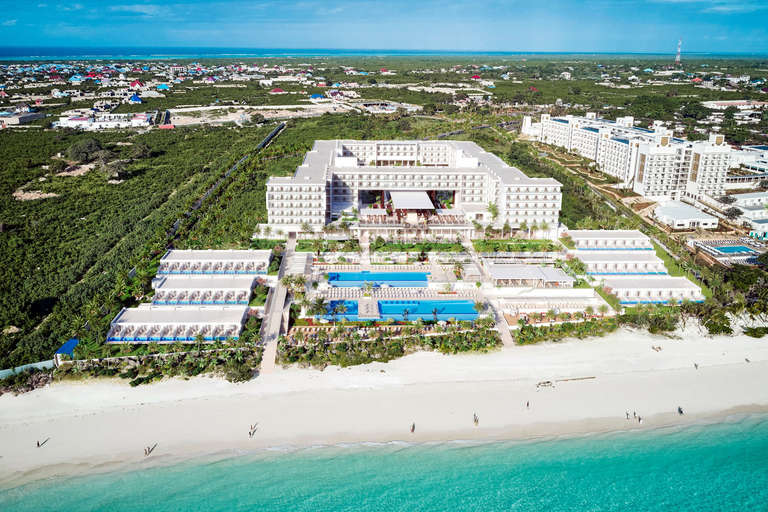
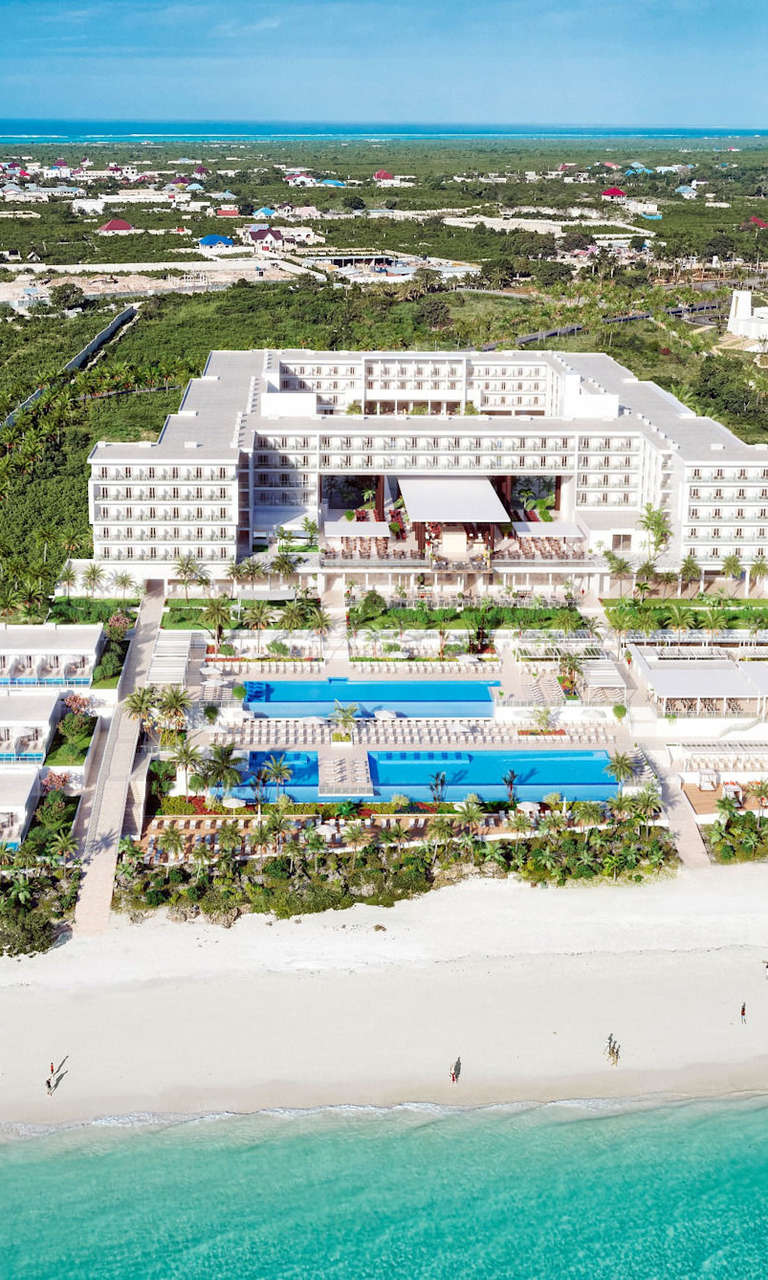
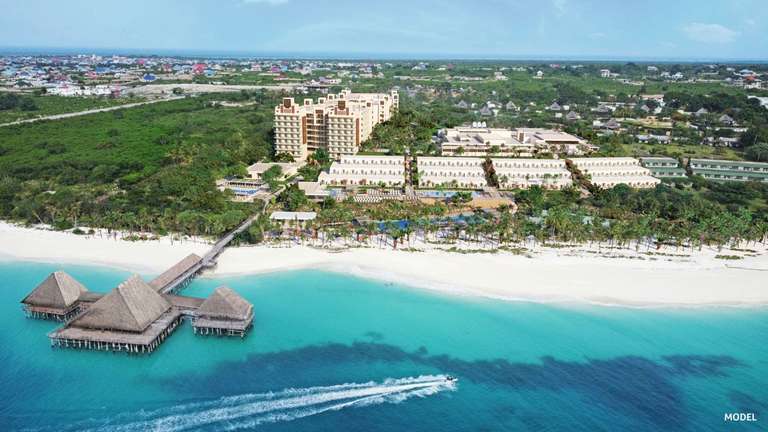
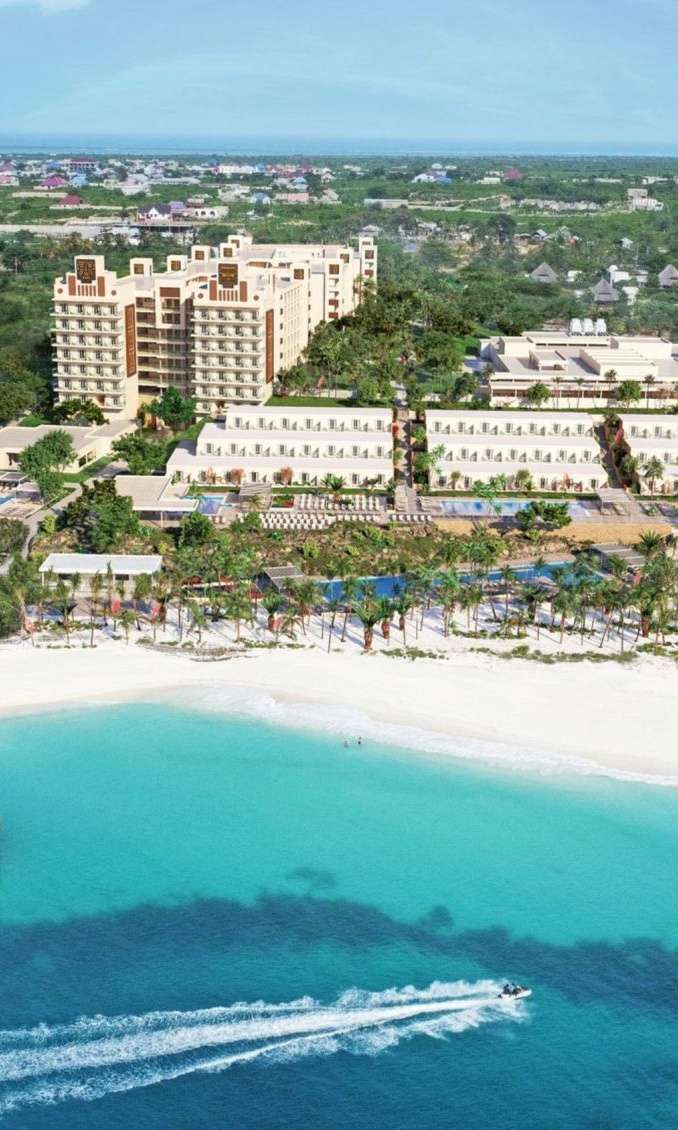
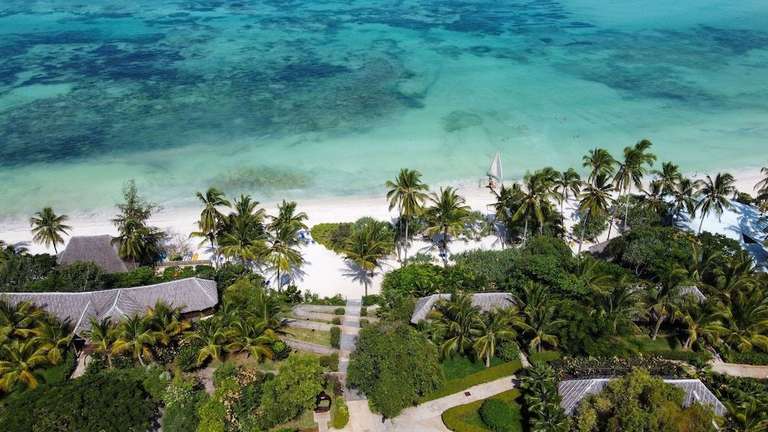
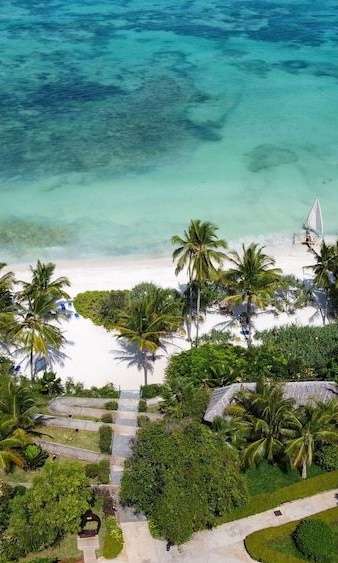
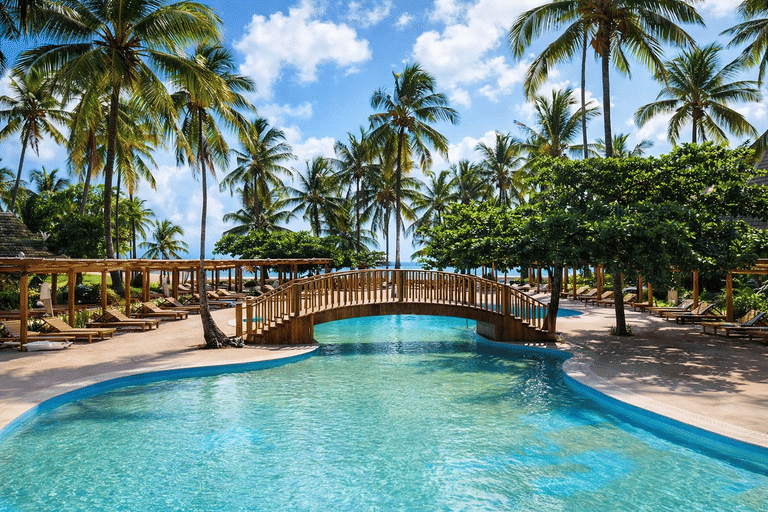
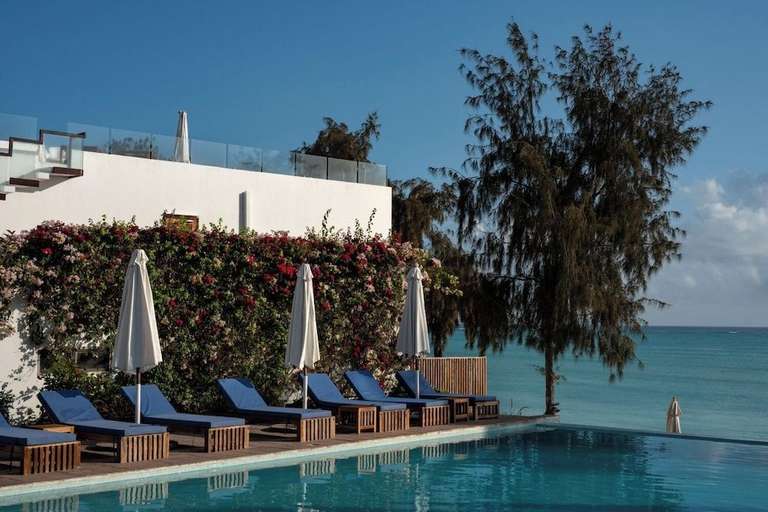
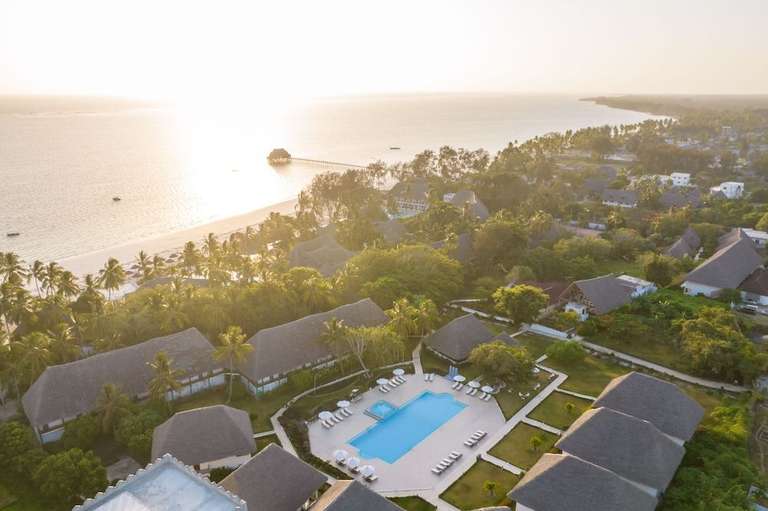
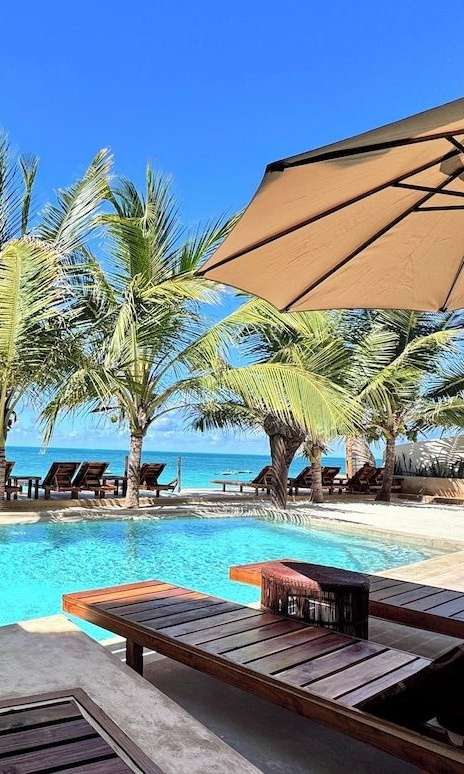
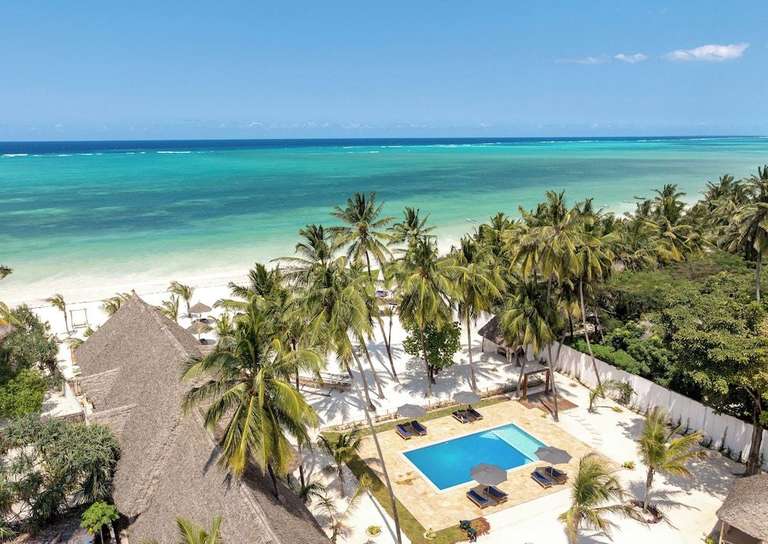
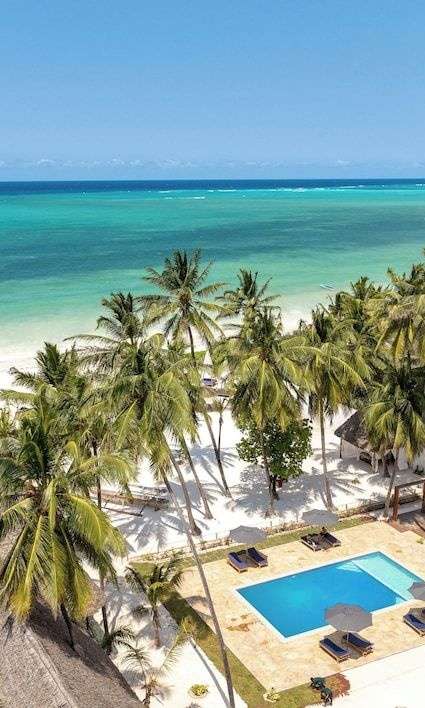
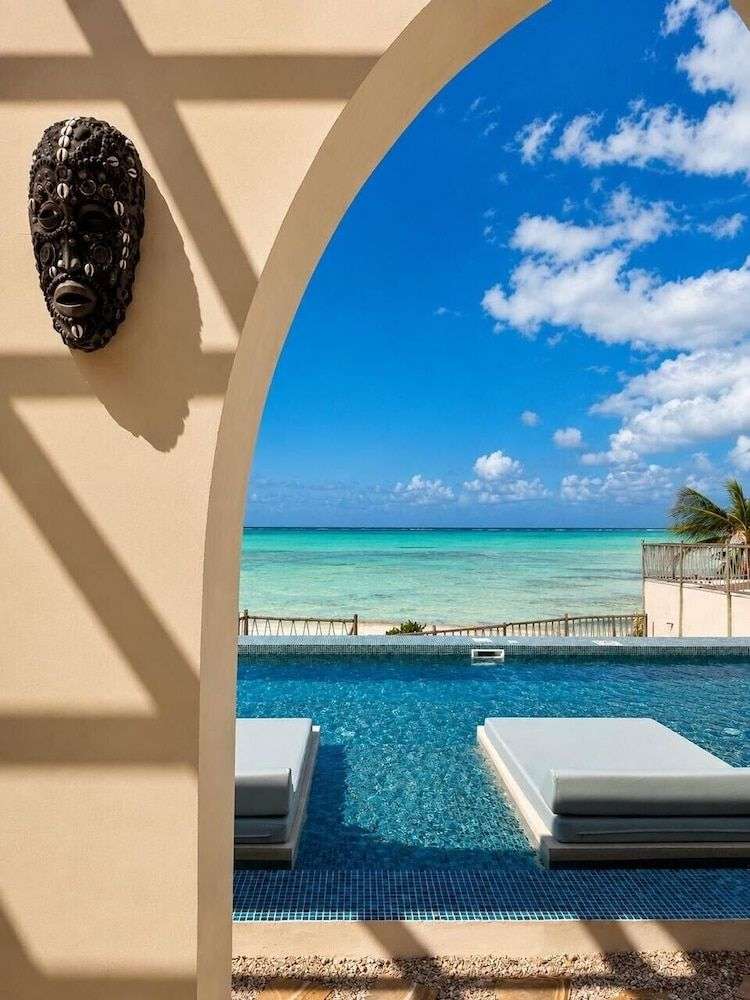
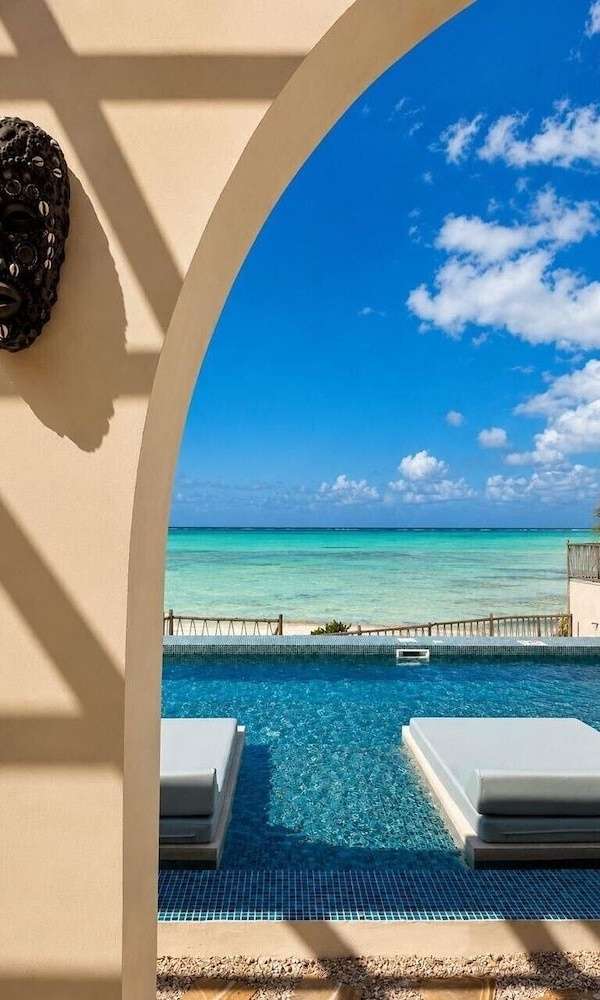
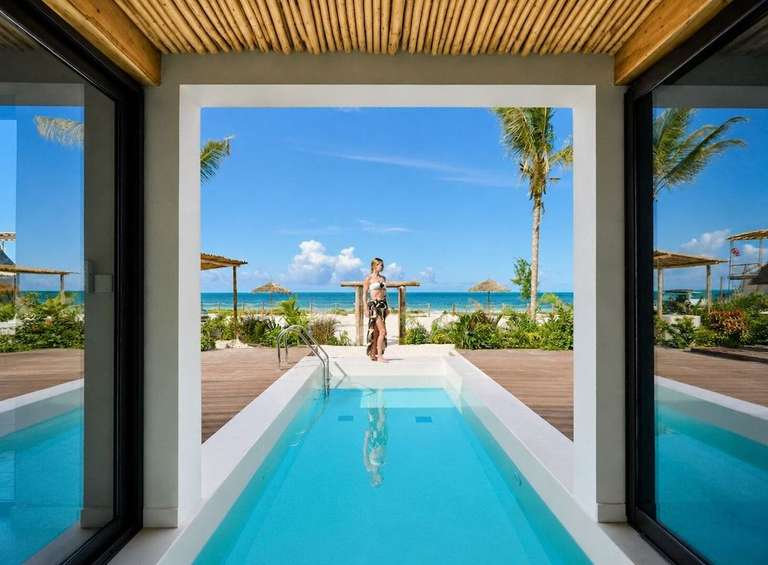
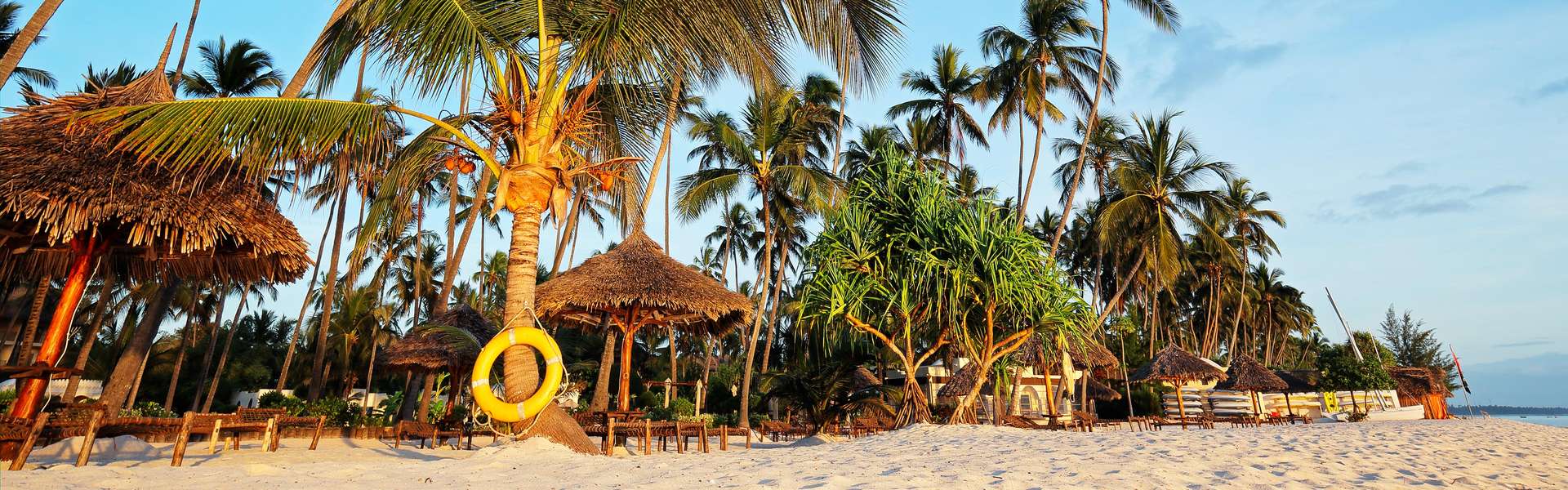
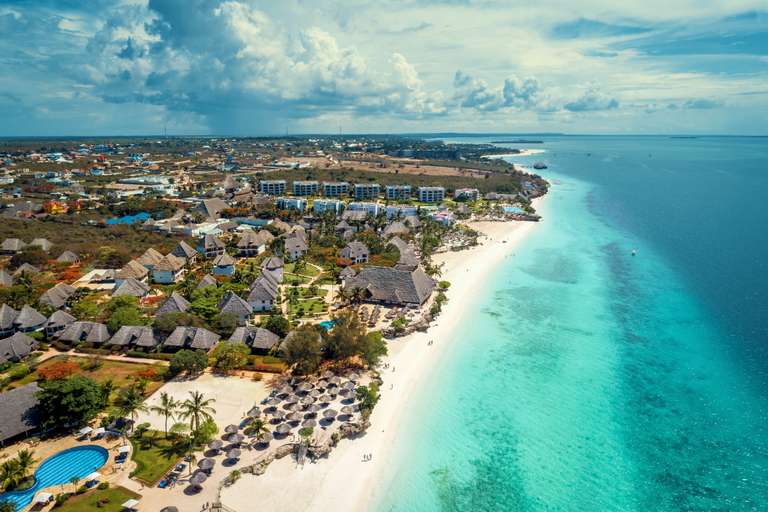
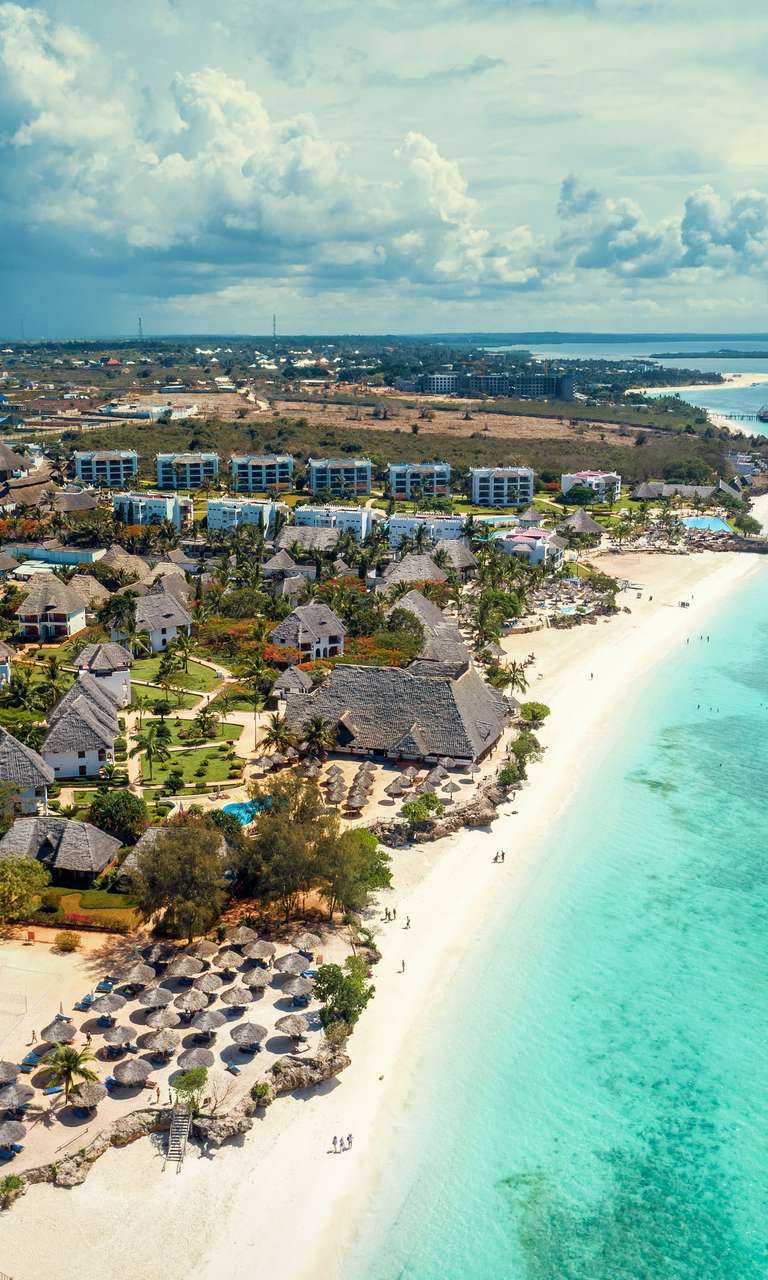
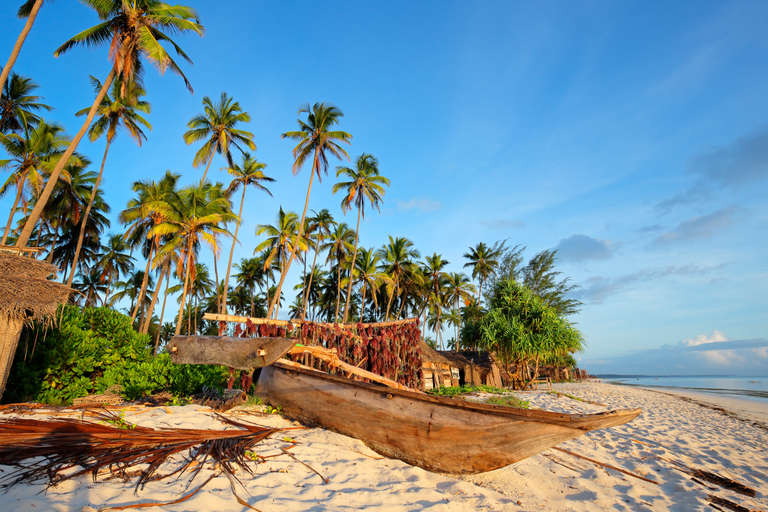
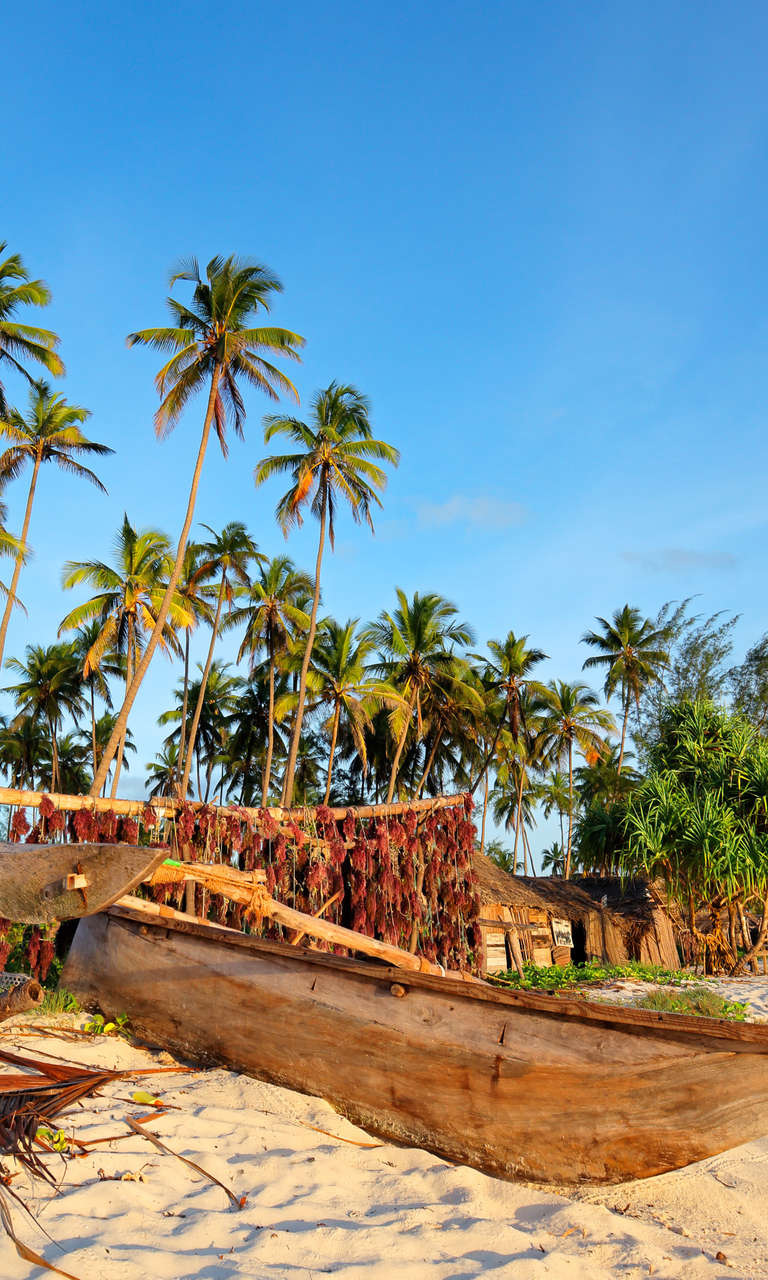
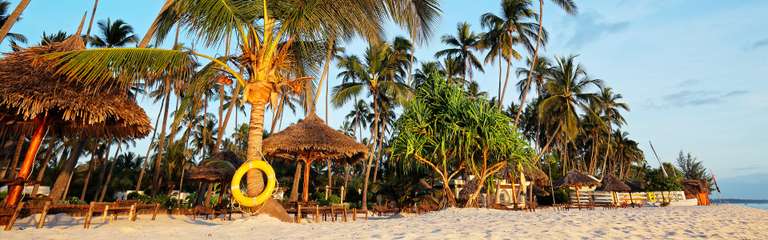
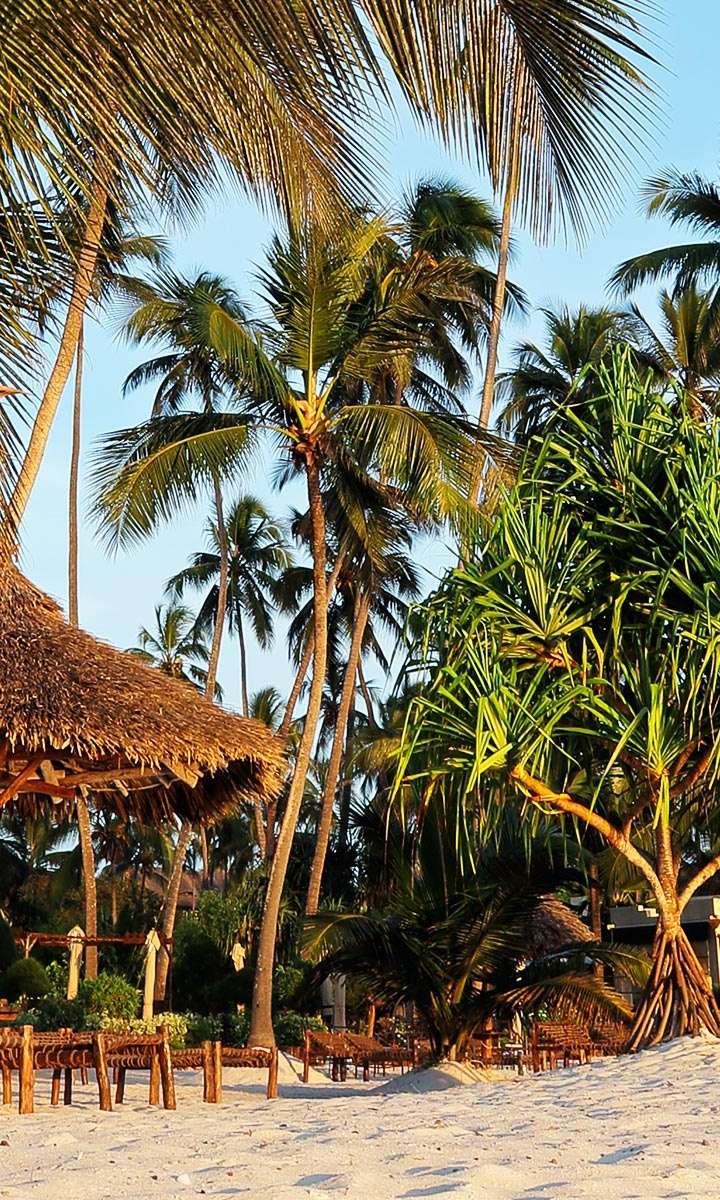
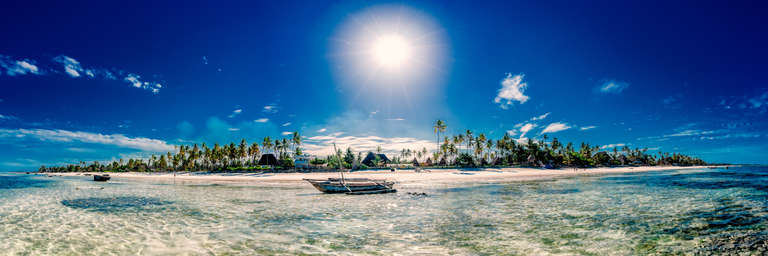
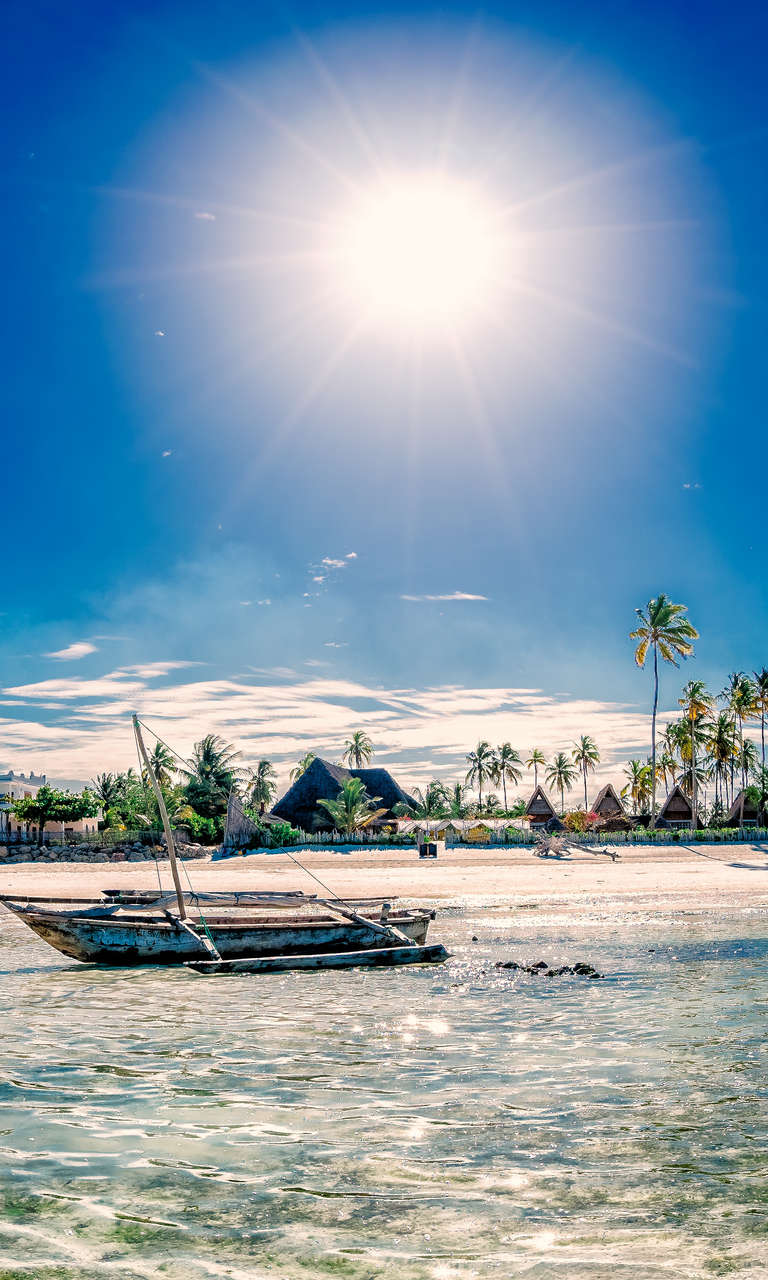
Zanzibar: The idyllic beaches of Zanzibar’s east coast, like Paje and Nungwi, are perfect for relaxing, swimming or snorkelling in the crystal-clear waters of the Indian Ocean. The coral reefs surrounding the island are teeming with marine life, making it a contender for the top diving destination in Africa.
Mount Kilimanjaro: For adventurous travellers, the opportunity to summit the highest mountain in Africa is a once-in-a-lifetime experience, with a range of routes to suit different abilities and jaw-dropping views from the summit. Even if you’re not a climber, the surrounding areas like Moshi provide excellent vantage points to admire this iconic peak.
Heavily influenced by its location on the Indian Ocean, Swahili cooking is a wonderful blend of African, Asian and Arabian flavours. Inland, staples include crops such as corn, rice, fruit, vegetables and meat. On the coast, there’s a wide variety of fish and seafood. Whether you’re in the heart of Dar es Salaam or relaxing on the beaches of Zanzibar, here’s what you can expect on your culinary journey.
Ugali: A staple across Tanzania, Ugali is a thick porridge made from maize flour, served alongside stews or vegetables.
Nyama Choma: Grilled meat, often goat or beef, seasoned and cooked over an open flame. It’s popular at street stalls and restaurants alike.
Wali na Maharage: Rice served with a savoury red bean stew, often flavoured with coconut milk, is a common dish in coastal areas.
Samaki wa Kupaka: Fresh fish, grilled or fried, with coconut sauce and spices, is a signature dish along the coast, especially on Zanzibar’s shores.
Octopus Curry: A creamy and spicy curry made with tender octopus.
Prawn Pilau: A fragrant rice dish cooked with prawns, spices and herbs, often served during celebrations.
Mantabali (Zanzibar Pizza): This street food favourite is a crispy, stuffed flatbread or chapati fried on a hot griddle. Fillings include minced meat, cheese, eggs or vegetables, or sweet varieties.
Katlesi: Found throughout the markets of Tanzania, these snacks can be all sorts of things fried, but are usually either minced meat or a whole egg wrapped in mashed potato and batter.
Mishkaki: Tanzania’s take on a kebab, these skewered and grilled chunks of beef, chicken, goat or fish are marinated in spices and cooked over charcoal.
Mahamri: Look out for the local version of a Mandazi – a sweet, puffy doughnut flavoured with cardamom, which is often enjoyed with milky chai at breakfast.
Kashata: Another popular sweet treat, this coconut and peanut brittle is crunchy and sugary – perfect for satisfying a sweet tooth after a hearty meal.
Chai: Tanzania’s spiced tea is a daily staple, especially in the morning. Often served sweet and milky, with variations such as Chai Tangawizi (ginger) or Chai Masala, you’ll find it sold in cafés and at street stalls.
Sugarcane juice: Freshly pressed and served cold, sugarcane juice is a refreshing drink, especially in the heat of Dar es Salaam.
Konyagi: This local spirit, similar to gin, is often mixed with tonic or soda for a refreshing sundowner by the beach.
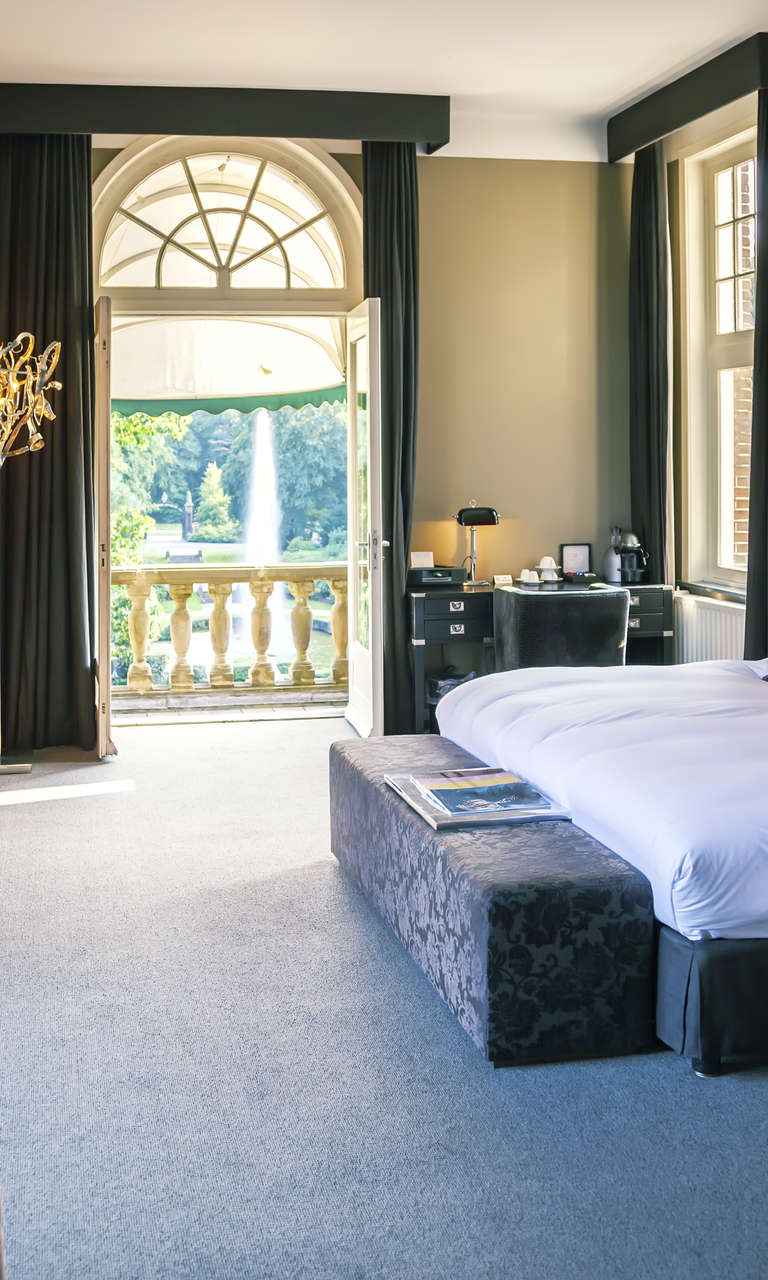
Booking a flight + hotel package to Tanzania with lastminute.com offers several advantages. By booking both services together, you can take advantage of exclusive deals and choose from thousands of flights and accommodations for the perfect combination. Additionally, you can secure your trip with a deposit and pay the remaining amount later. You also have the flexibility to add other travel extras such as insurance, rental cars, and luggage to the flight + hotel package as per your preferences.
Tanzania offers a range of stunning holiday spots for every type of traveller. Discover some of the best areas to stay in, like Nungwi, Kiwengwa, Zanzibar Town, Dar es Salaam, Ngorongoro .
Before travelling from the UK to Tanzania, ensure your passport is valid for the duration of your stay. To get the latest Visa information for Tanzania, please check travel advice on GOV.UK.
Travel with us
Secure payment