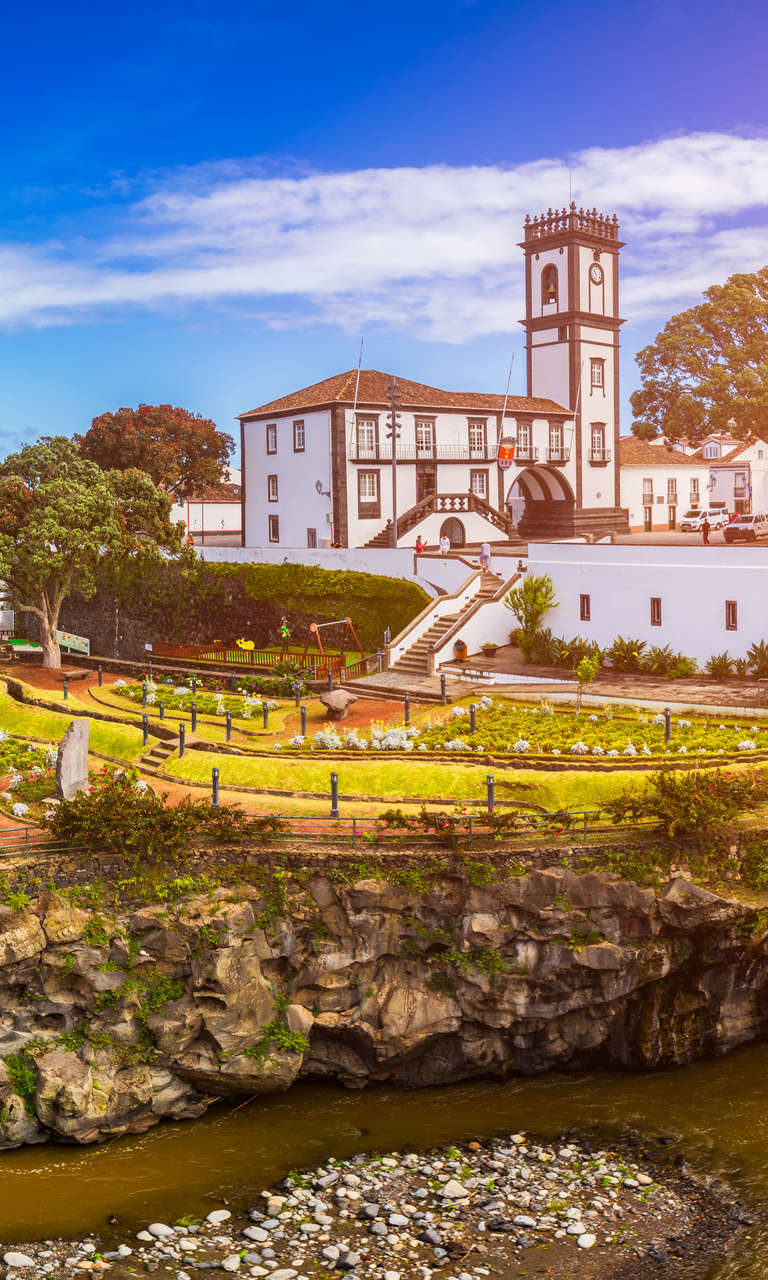
How to reach the Azores
Flight time: Flights to the Azores from London take around 4 hours, depending on which island you’re flying to. São Miguel, home to the capital Ponta Delgada, is the most accessible island with direct routes available.
Transfer time: Ponta Delgada Airport is just a 10-minute drive by car, taxi or rideshare from the city centre. Most other islands in the Azores have small airports close to their main towns.
Price: A taxi from Ponta Delgada Airport to the city centre will set you back around €10. The airport shuttle costs €5 one way. For those heading to other islands, interisland flights cost €50–€100.
Best time to visit the Azores
The Azores enjoy a mild, temperate climate year-round, so there’s no bad time to visit. However, your experience can vary depending on the season.
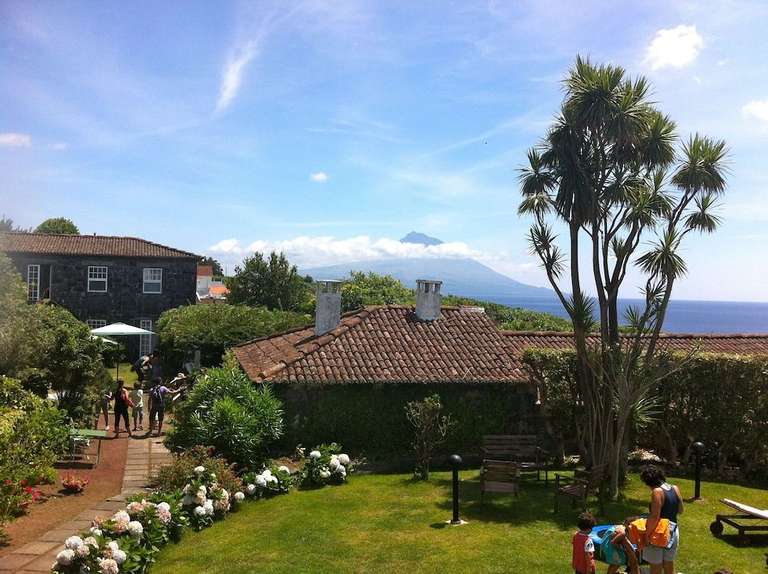
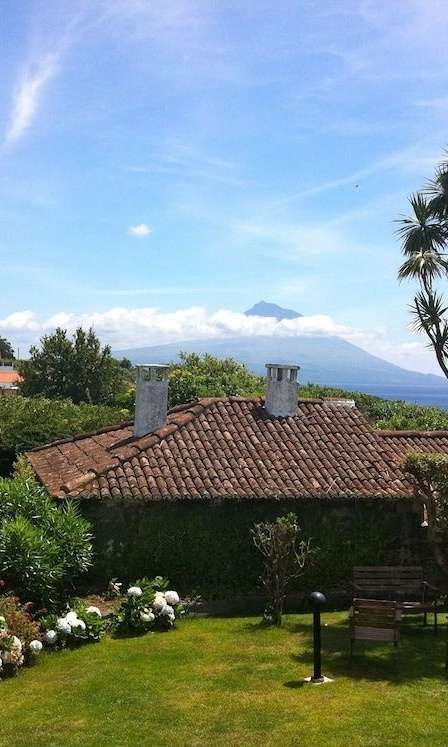
April to June: With hydrangeas blooming everywhere, spring is a charming season in the Azores. Temperatures increase from 16°C to 20°C, making it a fantastic time for exploring. Rainfall is sporadic, and you can expect about 7 to 9 hours of sunshine daily.
July to August: Summer is the peak season in the Azores, with temperatures reaching 24°C. With up to 10 hours of sunshine a day and minimal rainfall (20–50mm a month), it’s the best season for spending time on the beach and whale-watching tours.
September to November: Autumn, with temperatures dropping from 23°C to 19°C, is the shoulder season in the Azores. Rainfall increases slightly to 60–100mm. The sea is still warm enough for swimming, so it’s the perfect time for those who prefer to avoid the summer crowds.
December to March: Winter is cooler, with temperatures averaging 16°C and 4 to 5 hours of sunshine daily. It’s a lovely time to explore the islands’ hot springs and enjoy cultural events. Rainfall tends to be more frequent though (70–120mm per month), so bring a raincoat just in case.
Practical information
Spoken languages: Portuguese is the official language, though English is widely spoken in tourist areas.
Local habits and customs: Meals are leisurely, with dinner starting at 7 pm or later. Tipping is not mandatory but appreciated for good service (5–10 percent).
Currency: The Azores use the Euro. ATMs are readily available in towns and cities, and major credit cards are accepted at most businesses.
Getting around: Public buses are available on São Miguel and Terceira but can be infrequent, with fares starting at €2. Car hire is the best way to explore, costing around €40–€70 per day depending on the season. Interisland ferries are a budget-friendly option, with prices starting at €30 for a return trip.
Electricity and plug types: The standard voltage is 230V, with Type C and F plugs, so UK travellers need an adaptor.
Time zone: The Azores are on Azores Time, which is 1 hour behind GMT.