|
|
Holidays to Alentejo invite you to slow down and soak up one of Portugal’s most authentic regions, where time seems to stand still among whitewashed villages, sweeping vineyards, and sun-kissed coastlines. Perfect for food lovers, wine enthusiasts, and anyone seeking a peaceful escape, Alentejo blends rustic charm with rich history and unspoilt landscapes. From exploring medieval towns to unwinding on tranquil beaches, this is the ideal destination for a relaxed holiday with a genuine Portuguese feel.
Enjoy access to special prices, only available on package deals.
Choose from thousands of flights, hotels and stays.
Book with a small deposit and pay the rest later.
Quickly add insurance, luggage, rental cars and more.
You are protected
Book the best deals on holidays to Alentejo today!
Before setting off on your holiday to Alentejo, it helps to know a few essentials that can make your trip smoother and even more enjoyable. From the best time to visit to what to pack, these tips will help you travel like a pro.
Spring (April to June) is one of the best times to visit Alentejo, with fields full of wildflowers, mild temperatures and quieter towns.
Autumn (September to October) is another sweet spot, perfect for wine tastings and exploring medieval villages without the heat of summer.
July and August bring soaring temperatures inland, so if you visit in high summer, stick to coastal areas or plan activities for the cooler parts of the day.
Winters are mild compared to northern Europe, making this a peaceful time for countryside escapes and food-focused breaks.
Hiring a car is the easiest way to explore Alentejo. Public transport connects bigger towns like Évora, Beja and Elvas, but the most beautiful beaches, vineyards and small villages are tucked away off the main routes.
Distances can be longer than expected, so allow extra travel time when planning day trips.
If you’re travelling in peak season, book accommodation and restaurants in advance as smaller places can fill up quickly.
Lightweight clothes and layers, as days can be hot while evenings are cooler.
Comfortable walking shoes for exploring cobbled streets and countryside trails.
Sunscreen, sunglasses and a hat, as the Alentejo sun can be intense most of the year.
Swimwear if you’re heading to the coast or planning to cool off at a river beach.
When you know what to expect, holidays to Alentejo become even more rewarding. With the right timing, a bit of preparation and a willingness to slow down, you’ll discover a side of Portugal that feels authentic, warm and refreshingly unspoilt.
Alentejo really is the kind of place where you can pick your pace - whether you want to drift slowly over vineyards, wander through ancient villages, or soak up beachside serenity. Here are the top things to add to your itinerary to make the most of your holiday, with SEO-friendly ideas because who doesn’t want their holidays (and their photos) to rank high?
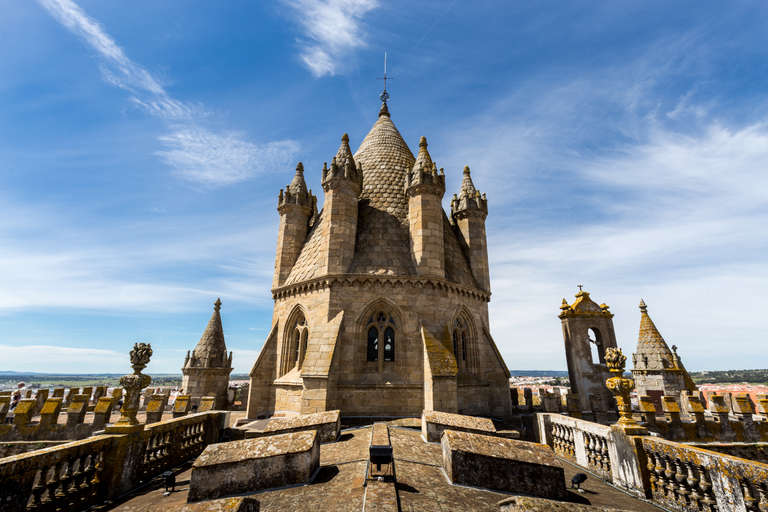
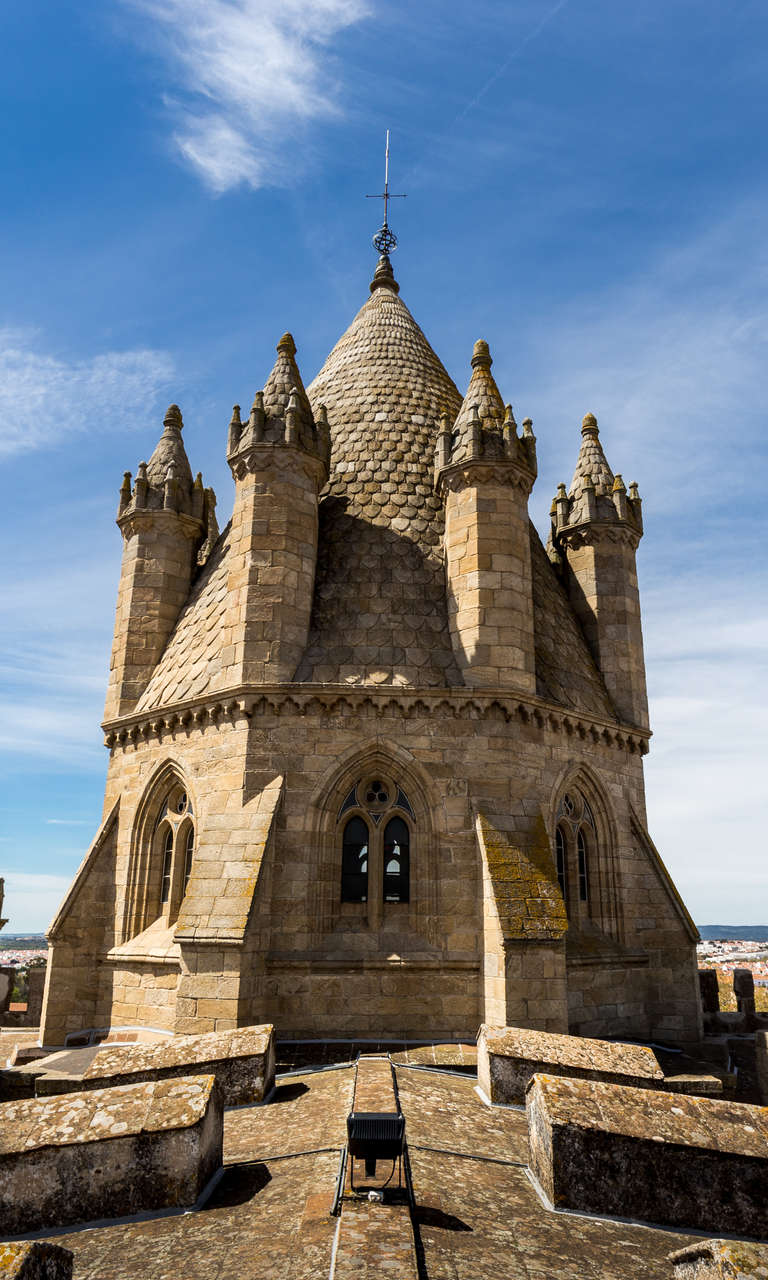
Évora: A UNESCO World Heritage city, packed with Roman ruins, medieval architecture, the striking Chapel of Bones, and a lively old town square full of cafés and history.
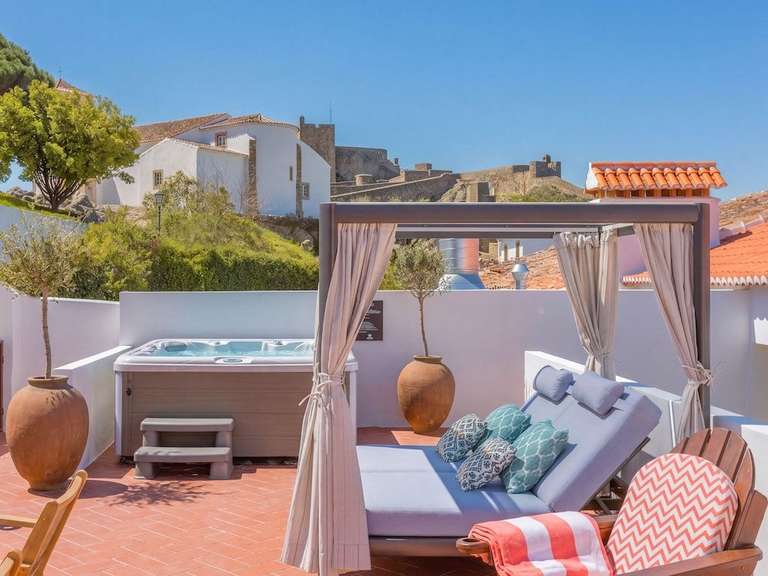
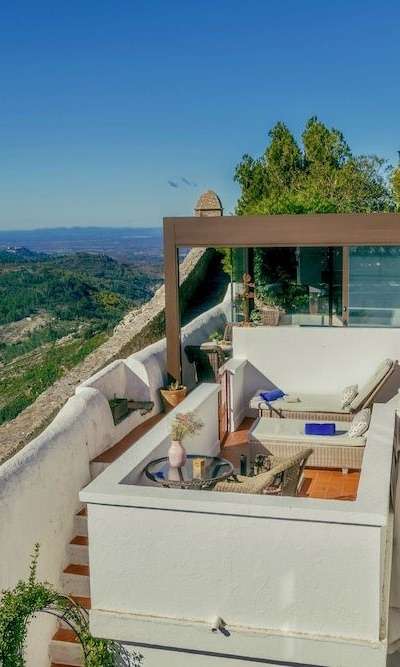
Monsaraz: Perched on a hill overlooking Alqueva Lake, this whitewashed village is perfect for cobbled streets, artisan shops, and sunsets from the castle ramparts.
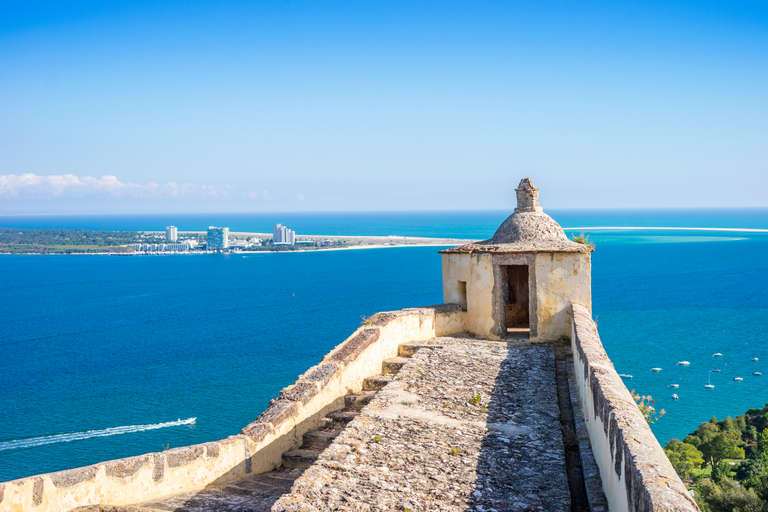
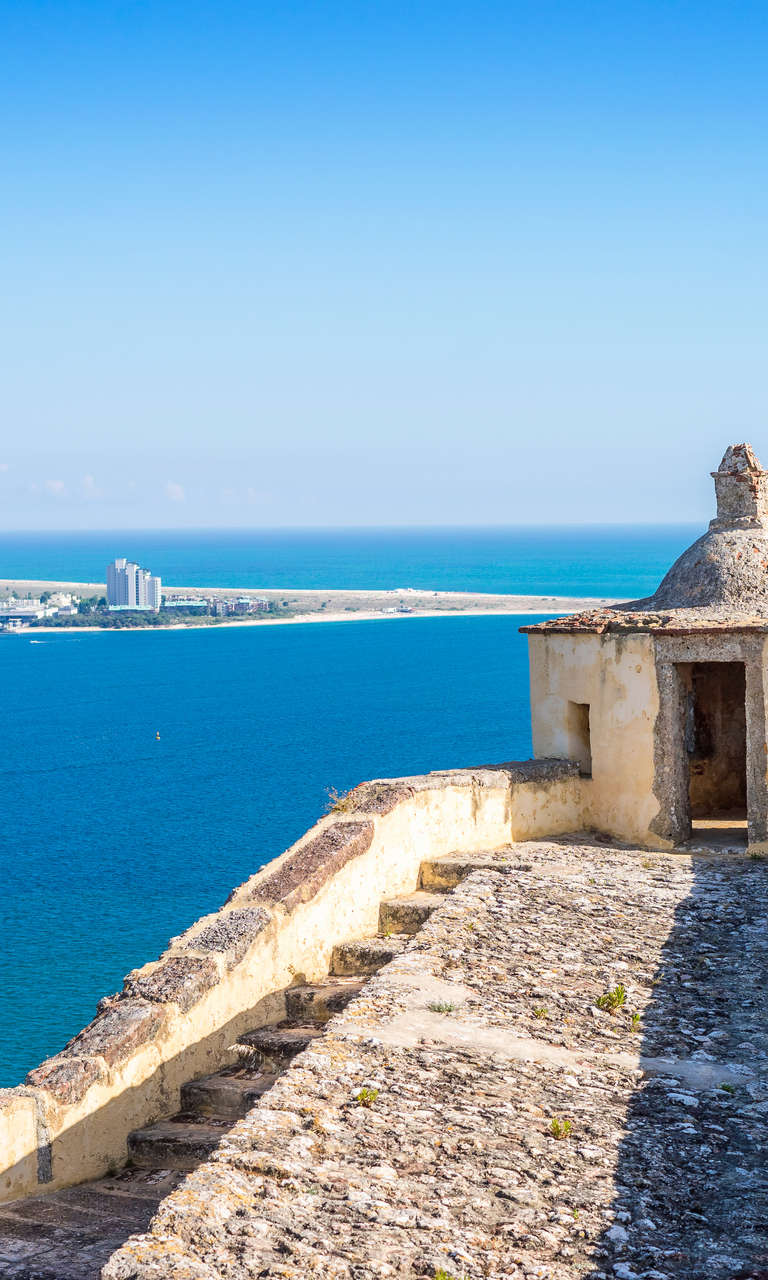
Elvas, Estremoz, Marvão: Fortified towns with striking castles, ramparts, and old walls that offer both sweeping views and a sense of stepping into another era.
Wine tasting at local vineyards: Alentejo’s wines are great value and full of character. Quinta do Mouro, Fitapreta and Herdade da Cartuxa are some of the names that often come up.
Sampling regional cuisine: Think soulful dishes like Açorda Alentejana, Migas à Alentejana, Ensopado de Borrego, Porco Preto, and the local cheeses from Serpa, Nisa, Évora.
Olive oil tastings and artisan food markets: especially in smaller towns like São Pedro do Corval, which is famous for its pottery as well as traditional food produce.
Beach hopping along the Costa Vicentina and Alentejo coast: wild, often less crowded beaches, dramatic cliffs, and surf spots.
Hiking & walking trails: coastal trails, nature reserves, or just exploring cork oak forests and open plains.
Water adventures: surfing, kayaking, maybe even scuba diving in certain spots along the coast.
Visit historical castles: including Alandroal Castle, Elvas’ fortifications, tiny castles around Viana do Alentejo.
Unique natural sites: Pulo do Lobo (a dramatic waterfall on the Guadiana River), Cabo Sardão lighthouse, and the lake and skies around Alqueva (especially good for stargazing).
Watch or take part in traditional crafts: for instance, rug weaving in Arraiolos, pottery in Corval.
Traditional music & festivals: look out for Cante Alentejano performances (a polyphonic singing tradition), local fairs and food festivals in small towns.
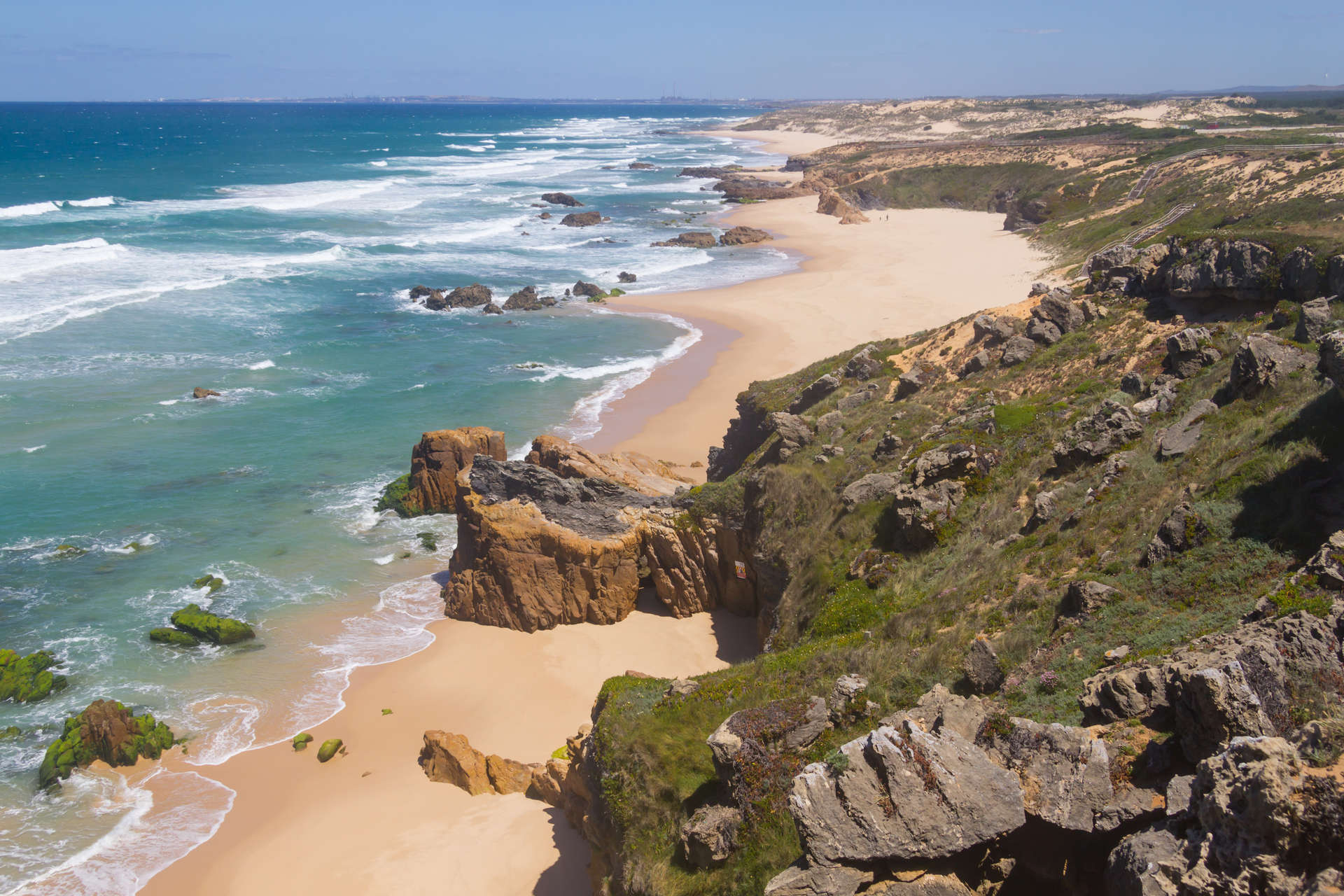
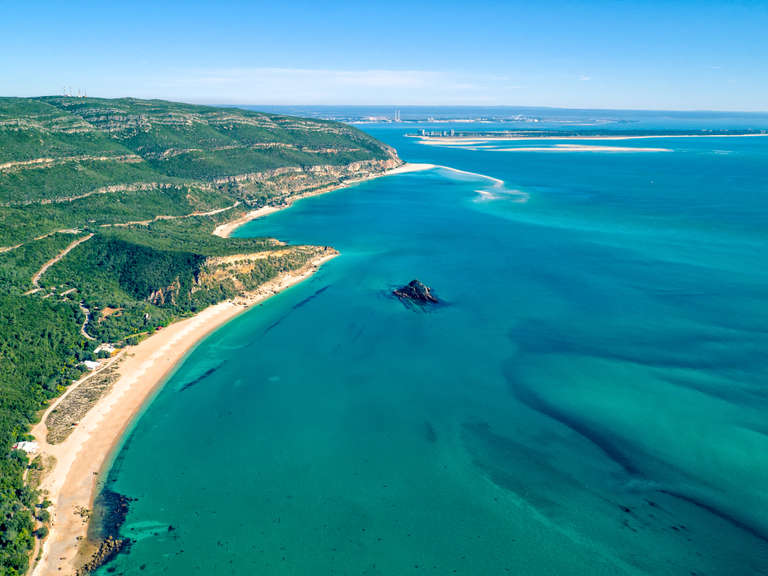
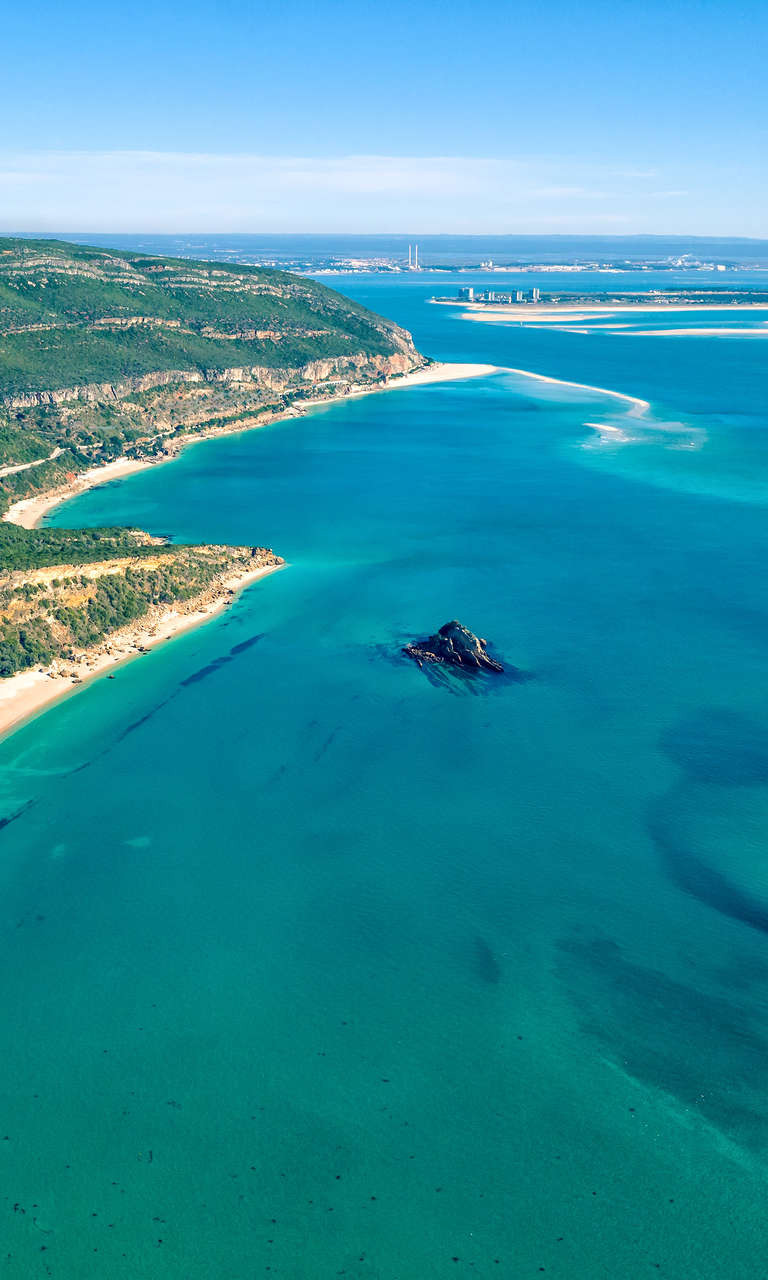
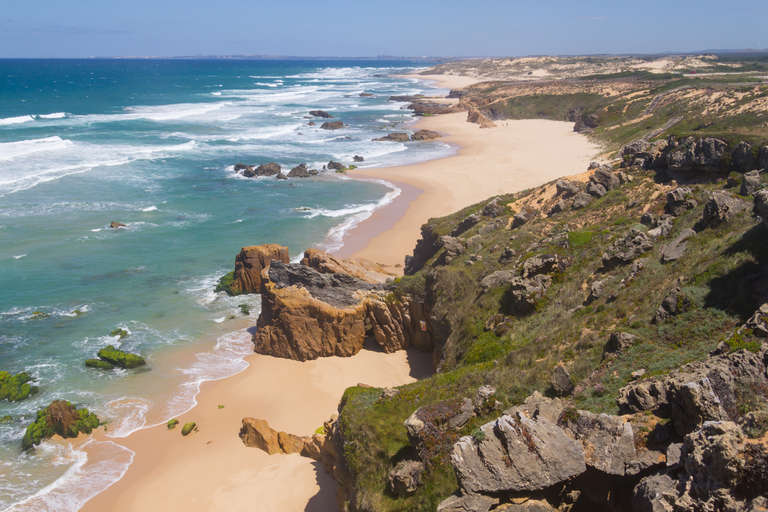
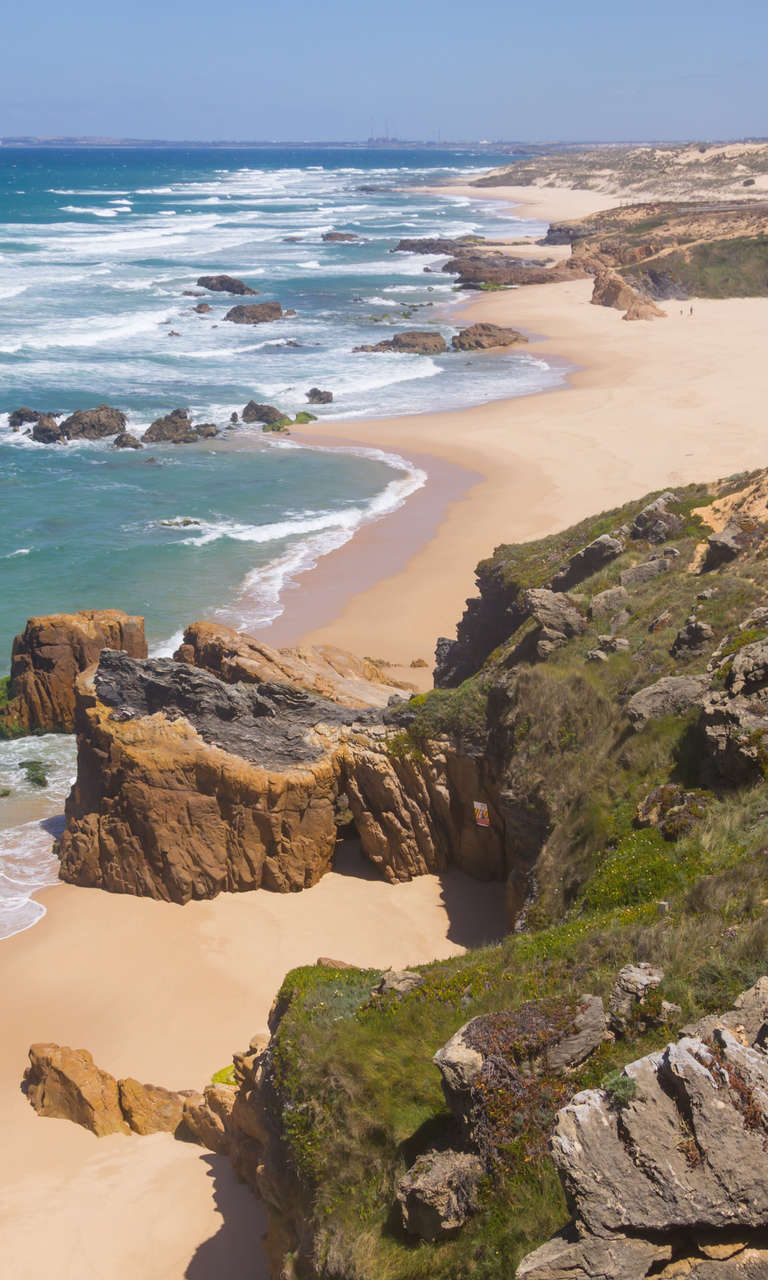
Alentejo’s coast is the sort of place that makes you wonder why it is not packed with tourists. Stretching along the Atlantic, it is wilder and more authentic than the Algarve, with golden sands, secret coves and waves that attract both surfers and daydreamers.
Porto Côvo: A picture-perfect fishing village with sandy beaches like Praia Grande and Praia da Samoqueira, ideal for swimming and watching the sun dip into the ocean.
Vila Nova de Milfontes: Perfect if you want variety. The beaches by the Mira River, such as Praia da Franquia, are calm and family-friendly, while the Atlantic side is great for surfing.
Almograve: Rugged and windswept, this beach is surrounded by dunes and offers a more off-the-beaten-track feel without losing basic facilities.
Zambujeira do Mar: Known for dramatic cliffs, small coves and spectacular sunsets, this is one of the most photogenic spots on the Alentejo coast.
Odeceixe: Unique because of its river mouth setting, offering shallow, gentle waters on one side and open surf on the other.
The Atlantic can be powerful, so stick to sheltered beaches near rivers if you prefer calm water.
Facilities vary. Some beaches have cafés and restaurants nearby, while others are completely wild and natural.
A car is useful for exploring, as many of the most beautiful spots are reached by smaller roads or footpaths.
Spring and autumn are the best seasons to visit, with warm weather, fewer crowds and a softer light that makes the landscapes even more stunning.
Beaches in Alentejo are about more than just sand and sea. They are about slowing down, connecting with nature and discovering a side of Portugal that still feels wonderfully untouched.
One of the real joys of Alentejo holidays is the food and drink. This is a region that takes its flavours seriously, with recipes passed down through generations and ingredients that come straight from the land.
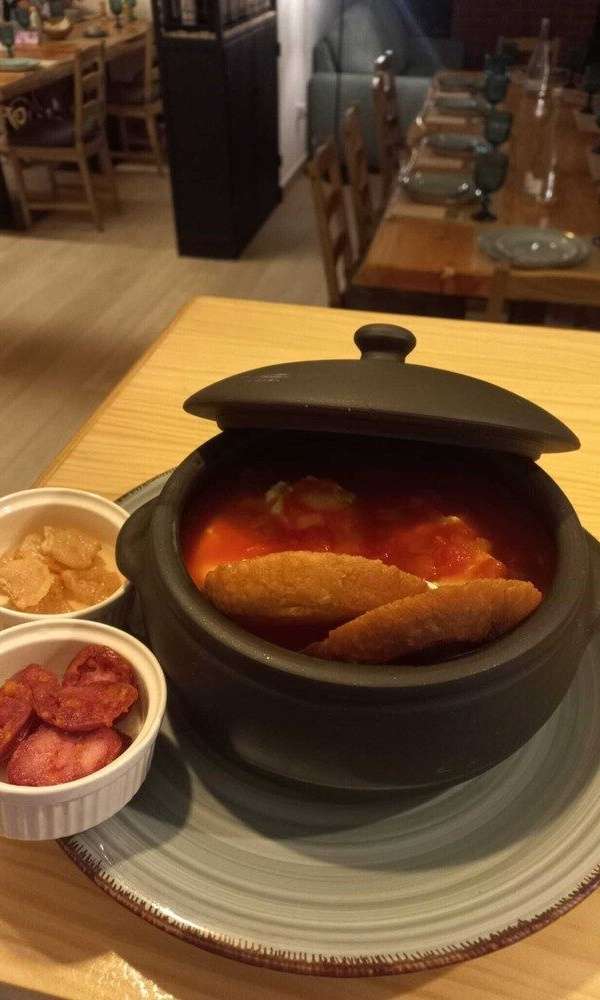
Expect rustic, comforting meals that reflect the rural lifestyle. Favourites include Açorda Alentejana, a simple bread soup with garlic, olive oil and poached eggs, and Migas à Alentejana, a dish of fried bread crumbs often served with pork. Lamb stews, black pork (Porco Preto), and freshwater fish also feature heavily on local menus.
Alentejo is famous for its cheeses, particularly those from Évora, Nisa and Serpa. Soft, tangy and often enjoyed with a drizzle of olive oil, they pair beautifully with the region’s charcuterie. Try chouriço and paio for a true taste of the countryside.
The region is one of Portugal’s most celebrated wine producers. Vineyards stretch across rolling plains, producing rich reds and crisp whites that are widely praised for both quality and value. Many wineries welcome visitors for tastings and tours, so it’s well worth setting aside time to sip and learn.
Locally produced olive oil is considered some of the best in the country, and you will find it on almost every table. For dessert, look out for convent-inspired sweets such as sericaia (a baked pudding with cinnamon) or encharcada (an indulgent egg-based treat).
Eating in Alentejo is not just about the food itself but the pace at which it is enjoyed. Meals linger into long conversations, accompanied by generous pours of wine and a genuine sense of hospitality.

Yes, Alentejo is home to some of Portugal’s most unspoilt beaches. Spots like Porto Côvo, Vila Nova de Milfontes, Almograve and Zambujeira do Mar offer golden sand, dramatic cliffs and far fewer crowds than the Algarve.
Yes, a car is the easiest way to explore Alentejo. Public transport connects major towns such as Évora and Beja, but many of the region’s highlights — from hidden beaches to charming hilltop villages — are best reached by car.
The most popular places to visit in Alentejo are: Capela dos Ossos, Temple of Diana, Roman Temple.
Booking a Flight + Hotel package to Alentejo with lastminute.com offers several advantages. By booking both services together, you can take advantage of exclusive deals and choose from thousands of flights and accommodations for the perfect combination. Additionally, you can secure your vacation with a deposit and pay the remaining amount later. You also have the flexibility to add other travel extras such as insurance, rental cars, and luggage to the Flight + Hotel package as per your preferences.
Before travelling from the UK to Alentejo, ensure your passport is valid for the duration of your stay. To get the latest Visa information for Alentejo, please check travel advice on GOV.UK.
Travel with us
Secure payment