|
|
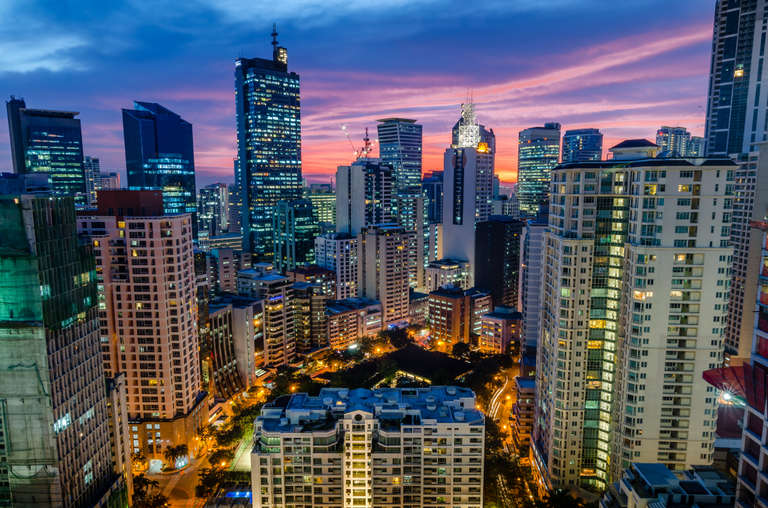
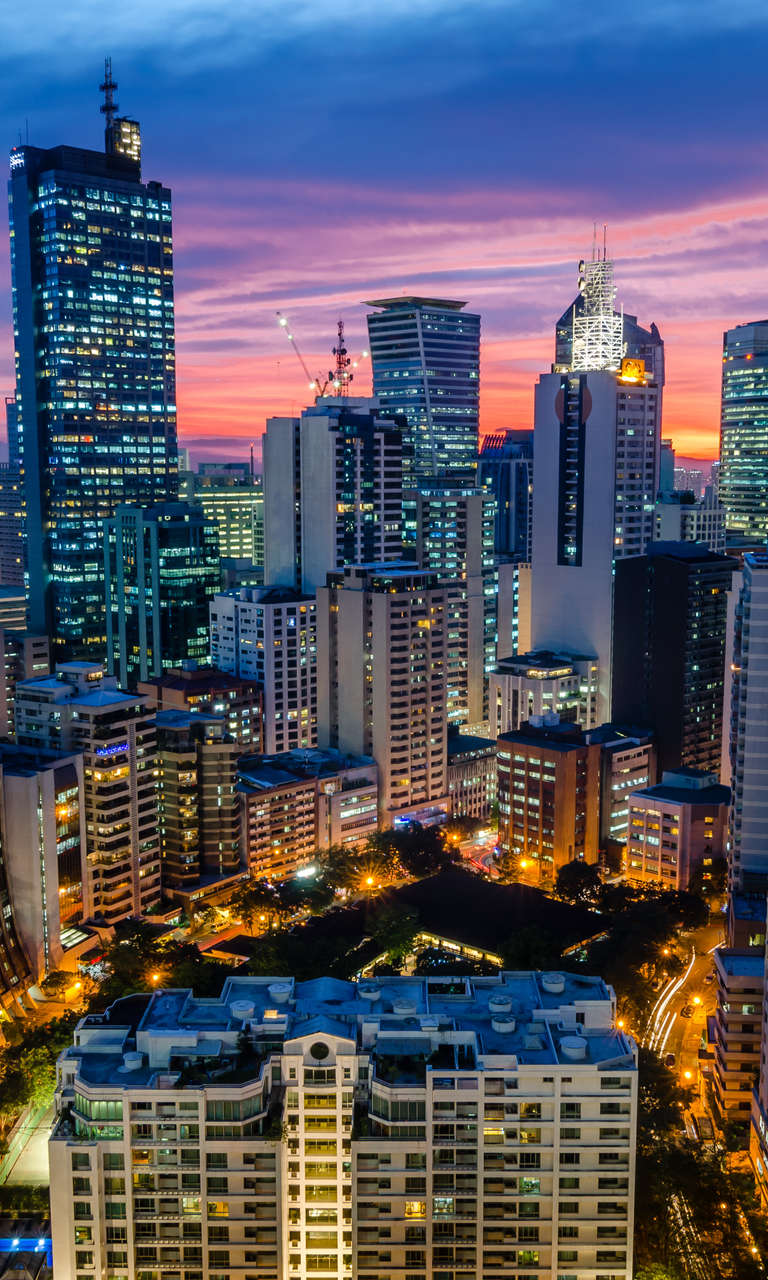
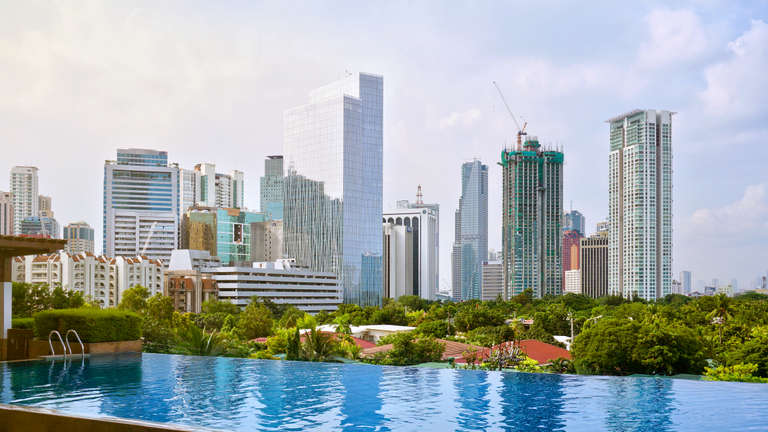
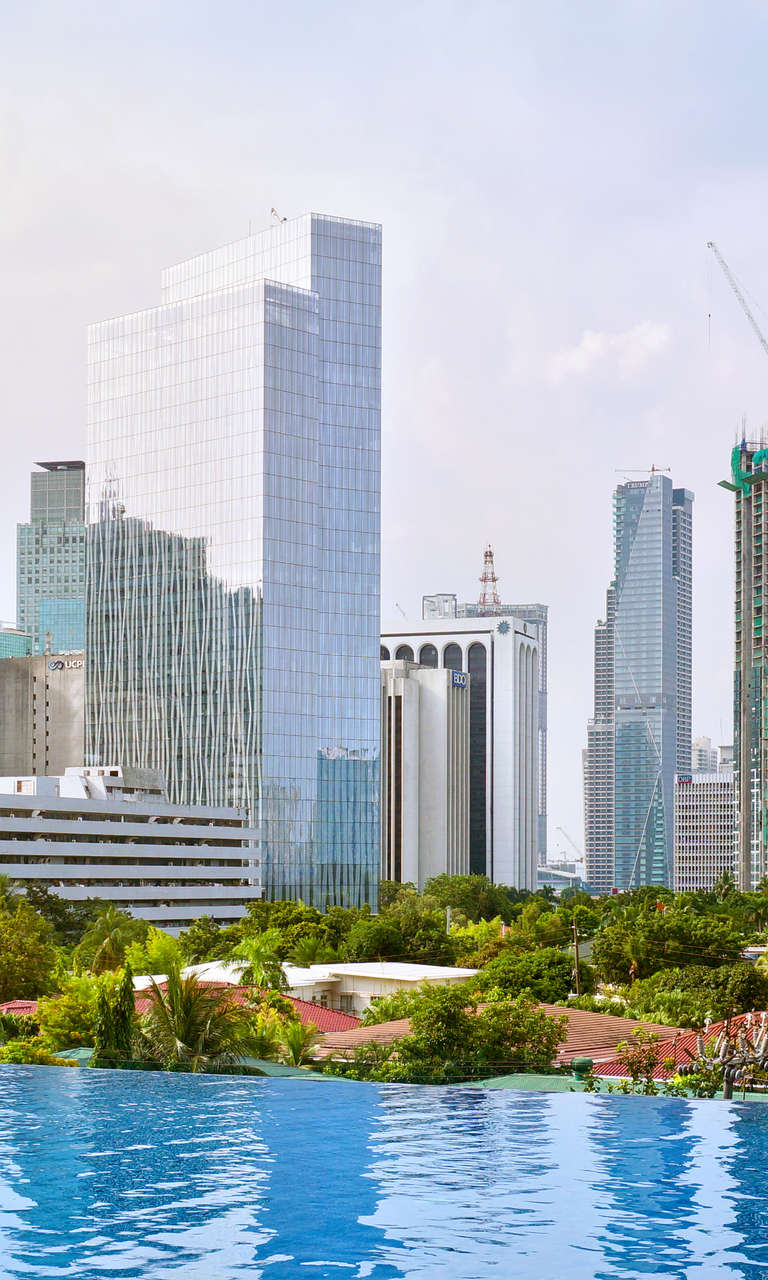
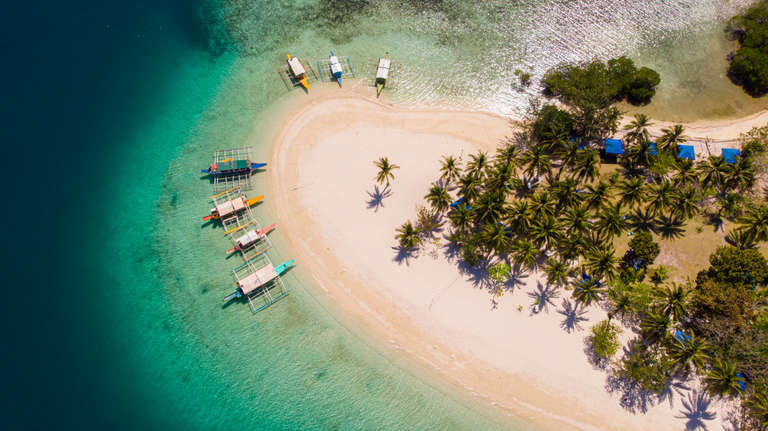
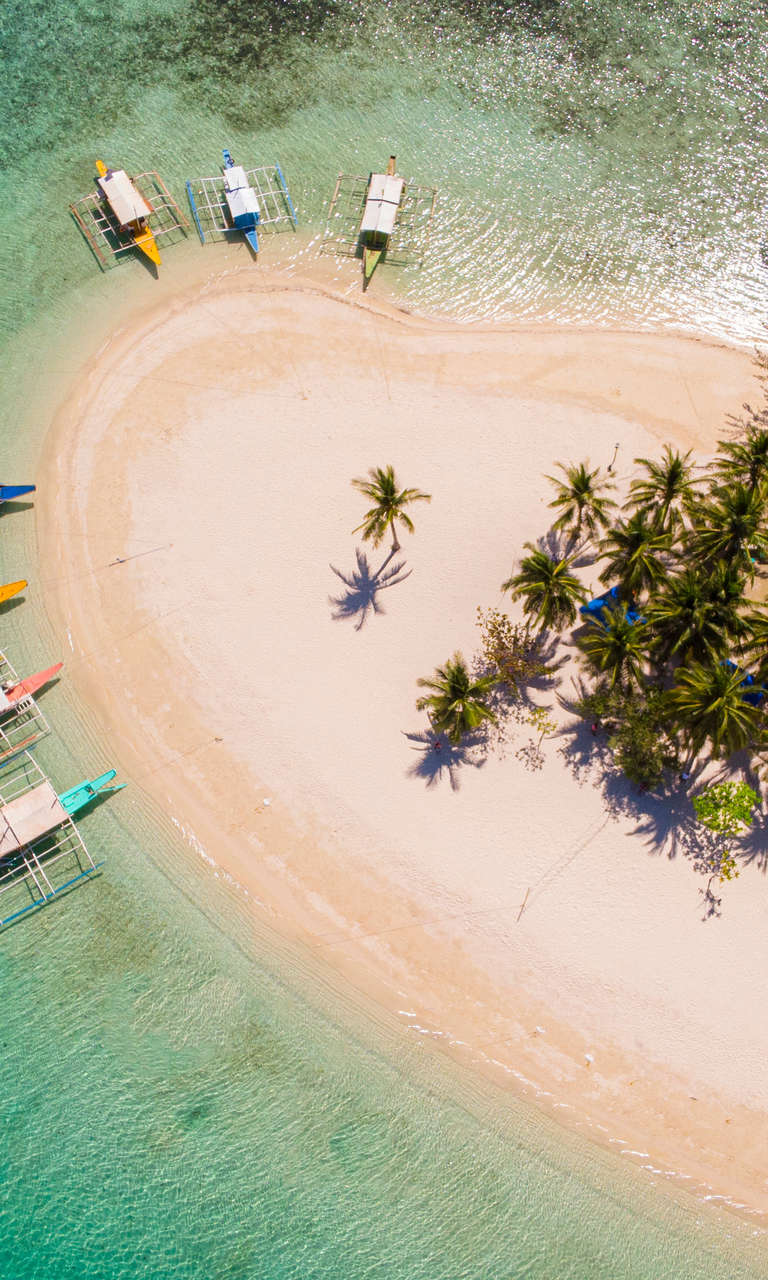
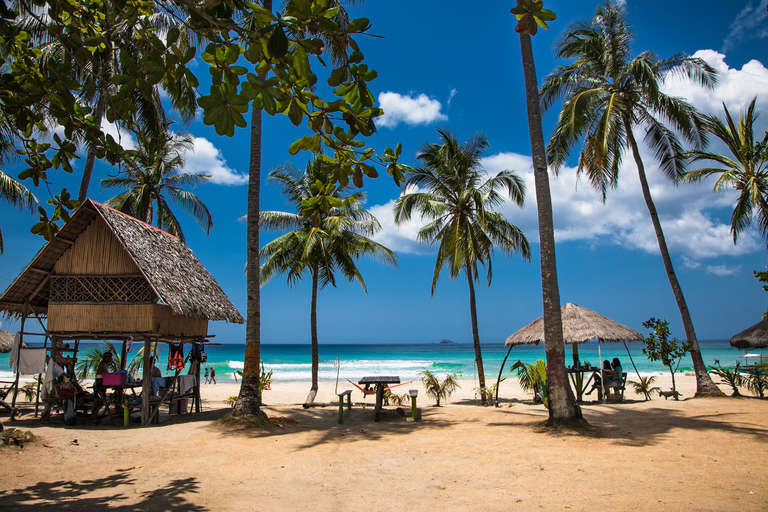
Embark on an unforgettable journey with holidays to the Philippines. This extraordinary destination is a treasure trove of adventure, beauty, and culture. Discover pristine beaches along the coastline, perfect for swimming in cerulean waters or lounging on golden sands. Explore diverse landscapes, from lush jungles to majestic mountain peaks. Experience vibrant urban life in Manila and Cebu, with bustling markets, delicious cuisines, and historic landmarks. Immerse yourself in rich cultures and traditions through local festivals, music, and dance. For wildlife lovers, the Philippines offers unique species in preserved habitats. Enjoy a Philippine holiday where East meets West under the tropical sun.
Enjoy access to special prices, only available on package deals.
Choose from thousands of flights, hotels and stays.
Book with a small deposit and pay the rest later.
Quickly add insurance, luggage, rental cars and more.
You are protected
Book the best deals on holidays to Philippines today!
Flight time: Flights to the Philippines from the UK will stop over in hubs such as Istanbul, Dubai, Doha, Singapore or Hong Kong, and take from 17 to 18 hours for the journey.
Transfer time: From Manila’s Ninoy Aquino International Airport, it takes 20 to 50 minutes to reach the city centre, depending on traffic, and the yellow airport taxis are the best option. Cebu and Davao airports also offer easy access to local destinations.
Price: A trip into Manila by taxi will cost P500–P900 (£6.50–£12).
The climate of the Philippines is tropical, hot and humid, with a wet and a dry season. Here's a breakdown of what to expect throughout the year:
November to April is the dry season, with average daytime temperatures of 25°C to 30°C. In March and April, however, it starts to get warmer, even up to 35°C. Sunshine is abundant, and while rainfall is low in most areas, some places can get a lot of rain until February. As the best time for holidays to the Philippines, this is the busiest period for tourists, although the shoulder months at the start and end of the season see slightly fewer visitors.
May to October is the wet season, with a higher chance of rain and also typhoons. Temperatures hover around 28°C, but the humidity and rainfall can be quite intense, and there are fewer hours of sunshine daily. Typhoons can start in May, but it's more commonly June when the rains kick in, and the wettest months are July to September. Saying that, this time of year does see some sunny days with just short, heavy showers around dusk, and some areas get less rain than others, such as the island of Mindanao.

Spoken languages: While over 170 languages are spoken across the country, both English and Filipino (a standardised version of Tagalog) are the official languages. English is widely spoken in urban areas and tourist destinations, though learning a few words in Filipino will be appreciated, especially in rural areas.
Local habits and customs: Filipinos are generally very welcoming and friendly, and personal space is often more relaxed than in the UK. Always greet with a smile and be respectful of local traditions, particularly in religious sites. Dressing modestly is recommended away from the beach, especially in more rural areas. Tipping is common: leaving a few coins is usually enough, while for good service in restaurants, go for around 10 percent.
Currency: The local currency in the Philippines is the peso (P). ATMs are widely available in cities and tourist areas, but cash is best when travelling to more remote areas. Credit or debit cards are accepted in most major hotels and establishments dealing with tourists, but smaller places prefer cash.
Getting around: Inter-island flights are the fastest way to hop between the major destinations, while ferries provide a slower but more scenic option. In urban areas, public transport includes buses, minibuses, jeepneys and tricycles. Taxis and app-based services like Grab are common in Manila and Cebu. In Manila, there are also the LRT/MRT trains.
Electricity and plug types: The voltage in the Philippines is mostly 220V, but can also be 110V in some rural areas, so it's best to check. Fluctuations or cuts in power are becoming less common, but they can happen, so if you're using sensitive equipment, take a voltage regulator. Plugs can be Type A, B and C, so UK travellers should take a multi-plug adaptor.
Time zone: The Philippines is 8 hours ahead of GMT.
The Philippines offers an incredible range of experiences, from breathtaking beaches and natural wonders to its rich, vibrant culture and plenty of historic sites. Here’s the best of what Philippines holidays have to offer.
Chocolate Hills, Bohol: These mysterious, rounded hills turn brown in the dry season, offering amazing panoramic views from the Chocolate Hills Viewing Deck. Best seen at sunrise or sunset, the scenery is like something from a dream.
Taal Volcano: Overlooking Taal Lake and one of the world’s smallest active volcanoes, the viewpoint in Tagaytay provides a stunning vista of a volcano in a lake in a volcano!
Mines View Park, Baguio: Famous for its scenic overlook of Benguet's gold and copper mines, this park also offers attractive views of the surrounding mountains.
Intramuros, Manila: Known as the Walled City, Intramuros is a historic district packed with Spanish colonial buildings, charming cobbled streets and notable landmarks like San Agustin Church and Fort Santiago.
Cebu City: Cebu offers a blend of modern attractions and historic sights, such as Magellan’s Cross and Fort San Pedro. The area around the old trading centre of Colon Street is teeming with heritage.
San Agustin Church, Manila: The oldest stone church in the Philippines, dating back to the 16th century, this UNESCO World Heritage Site showcases impressive Baroque architecture.
Fort Santiago, Manila: The ruins of this iconic fortress within Intramuros hold deep historic significance, as it was used by both the Spanish and Japanese during times of conflict.
Magellan’s Cross, Cebu City: This historic landmark marks the spot where Portuguese explorer Ferdinand Magellan planted the cross upon arriving in the Philippines, symbolising the beginning of Christianity in the country.
Entertaining children in the Philippines is a breeze, thanks to many family-friendly attractions. Here are some of the best.
Museums: Manila’s Mind Museum offers interactive exhibits on science and nature, perfect for inquisitive kids. For a deeper dive into the country's history, check out the capital's National Museum of Anthropology, with absorbing exhibits from just about all the regions and tribal groups of the Philippines.
Aquariums: Manila Ocean Park provides a fun day out with sea life exhibits, fish feeding and an impressive jellyfish display. Cebu’s large Oceanarium is another excellent option.
Zipline: If you’re seeking a thrilling adventure, head to Bohol for one of the longest ziplines in the country, soaring above the unique landscape of rolling chocolate hills.
For budget-conscious travellers, the Philippines has plenty of free experiences that won’t break the bank. Here are some things you can do without spending a peso.
Free festivals: Enjoy colourful cultural festivals such as Cebu’s Sinulog Festival, Ati-Atihan in Kalibo or Davao’s Kadayawan Festival. These vibrant celebrations are a great way to immerse yourself in Filipino culture.
Free museums: Some of the best museums in the country – Manila's National Museum of Fine Arts and the National Museum of Anthropology – offer free entry to their beautiful collections of art and natural history.
Spas: The Philippines offers a variety of luxurious spa experiences, from high-end resorts in Boracay and Palawan to traditional wellness retreats in cities like Manila and Cebu. Indulge in massages, body scrubs and other relaxing treatments that often utilise local ingredients such as coconut oil, banana leaves and herbs.
National parks: Visit Puerto Princesa Subterranean River National Park in Palawan for an unforgettable underground river tour. Or explore Mount Pulag National Park in Northern Luzon, famous for its “sea of clouds” and breathtaking sunrise hikes.
Hiking: The Philippines offers everything from easy coastal walks to challenging volcano treks. Mount Apo, the highest peak in the Philippines, is a must-do for serious hikers, while Mount Pinatubo offers a less demanding trek with a view of the stunning crater lake at the summit.
Watersports: Go scuba diving in the Tubbataha Reefs Natural Park, or try snorkelling in the clear waters around Cebu’s Moalboal, with the spectacular sardine run. The tranquil waters in the secluded lagoons of El Nido, Palawan, provide the perfect backdrop for paddleboarding or kayaking.
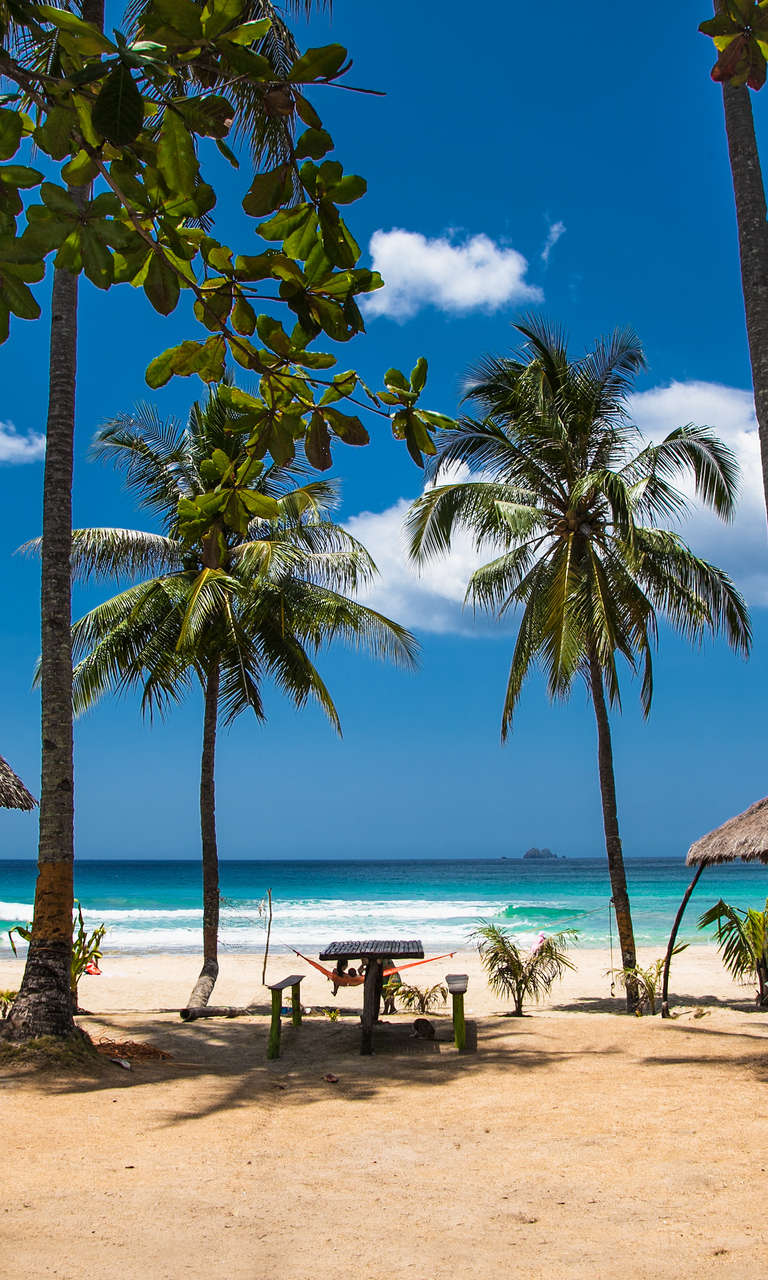
The Philippines is renowned for its breathtaking beaches, each offering a unique blend of natural beauty, crystal-clear waters, and vibrant marine life. Whether you seek relaxation or adventure, the country's diverse coastline has something for everyone. Here are some of the must-visit beach destinations that define the allure of Philippines holidays.
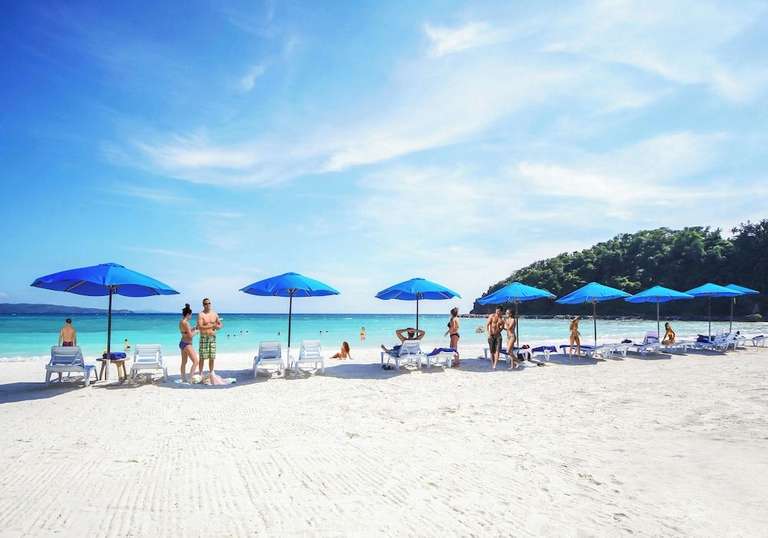
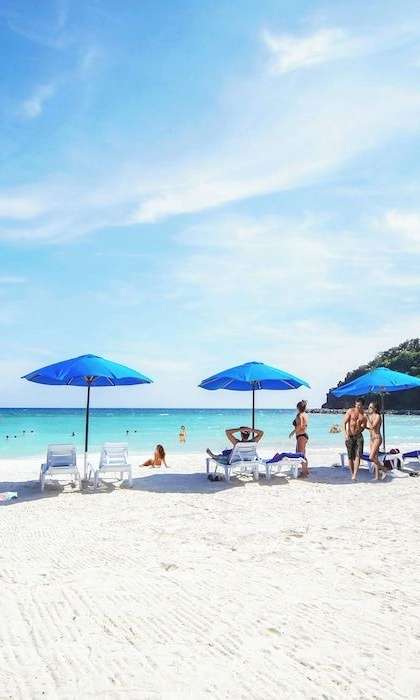
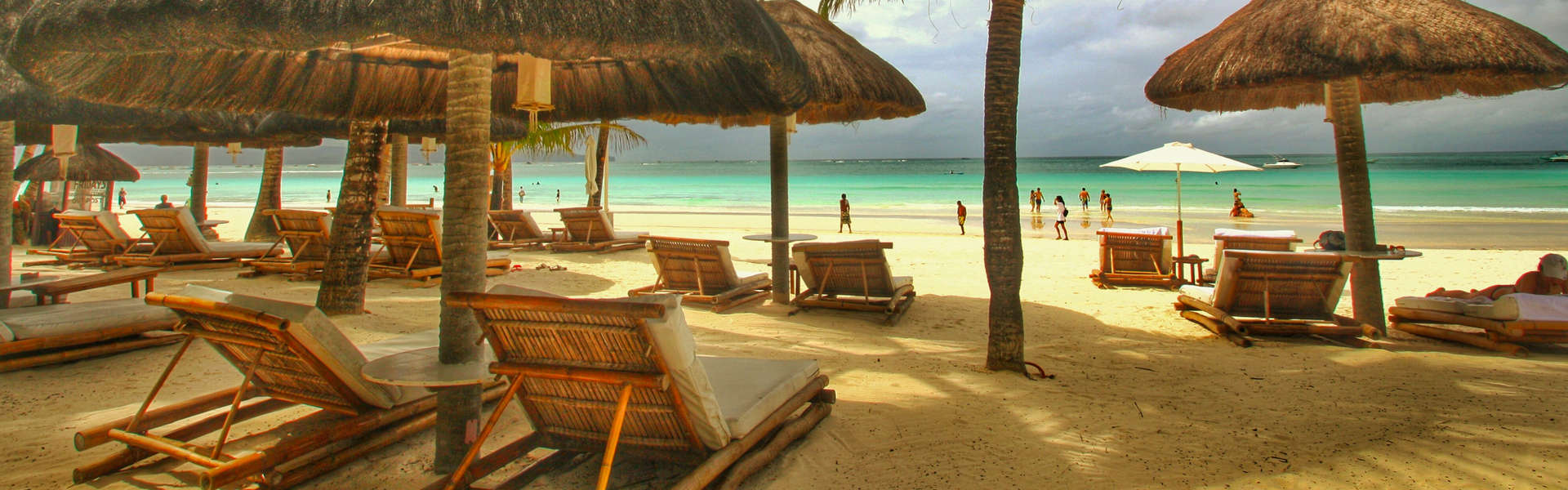
Boracay: Famous for its powdery white sands, Boracay's White Beach is often hailed as one of the best beaches in the world. This vibrant destination is perfect for sunbathing, water sports, and enjoying lively beach parties.
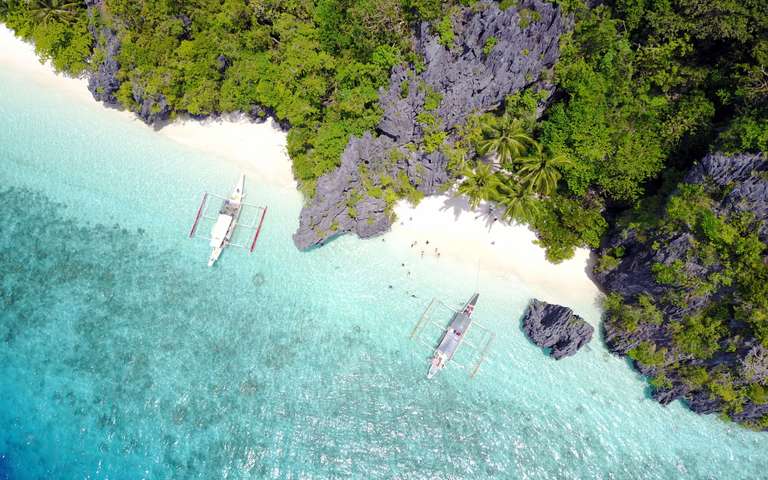
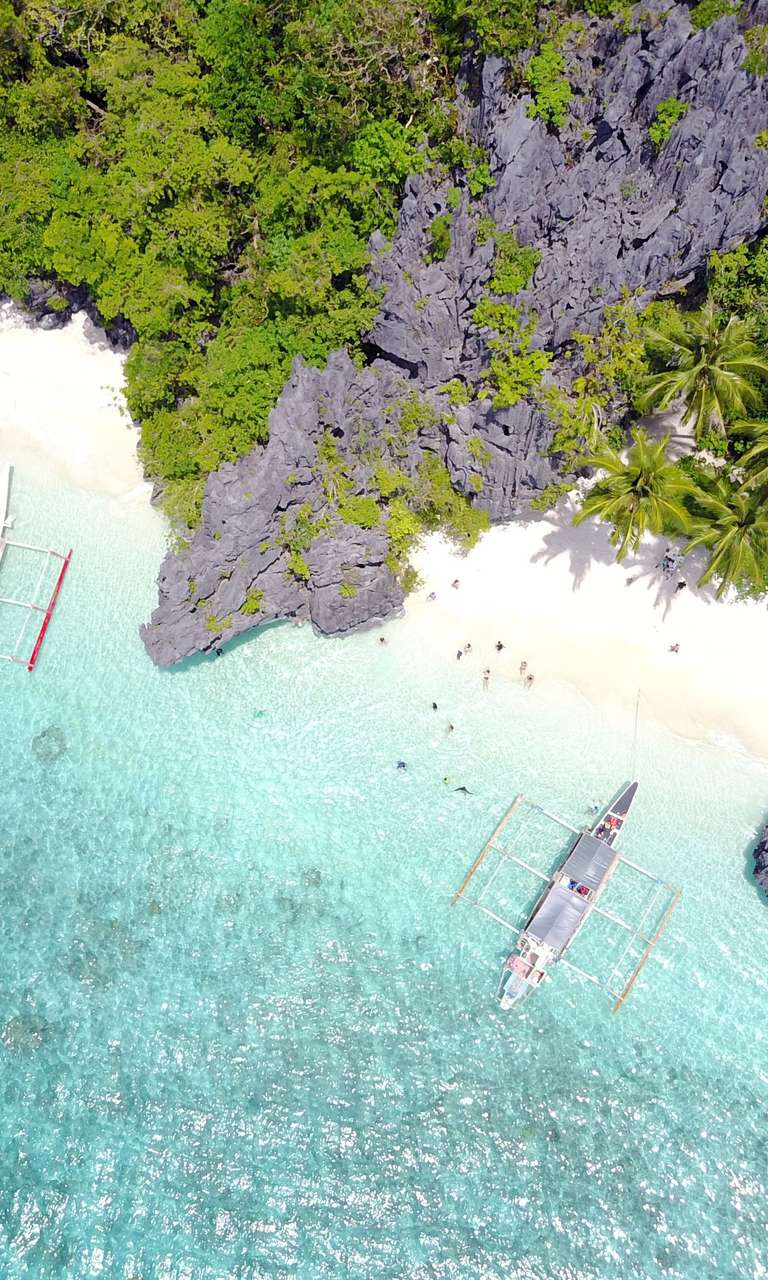
El Nido: With stunning limestone cliffs and hidden lagoons, the beaches of El Nido provide a picturesque backdrop for those looking to unwind. Snorkelling and diving are popular activities, offering glimpses of the region's rich marine biodiversity.
Malapascua Island: This small island is celebrated for its beautiful beaches and excellent diving opportunities, particularly for thresher shark sightings. Relax on the pristine shores or embark on a diving adventure to explore the vibrant coral reefs.
Camiguin: Known as the "Island Born of Fire," Camiguin features tranquil beaches away from the crowds. White Island, a sandbar with stunning views of Mount Hibok-Hibok, is perfect for sunbathing and picnicking.
Samar Island: For those seeking a more off-the-beaten-path experience, Samar Island offers hidden gems like Calicoan Island, where you can find unspoiled beaches and stunning surf breaks.
Siargao: Renowned as the surfing capital of the Philippines, Siargao boasts beautiful beaches and a laid-back vibe. Cloud 9, one of the most famous surf spots, attracts surfers from around the globe. The island also offers island-hopping tours, allowing visitors to explore nearby pristine beaches.
Bantayan Island: With its unspoiled beaches and clear waters, Bantayan Island is a haven for beach lovers and adventure seekers alike. Explore the vibrant marine life through snorkelling, or relax on the beach with a good book.
Best time to visit: The ideal time to explore the beaches of the Philippines is during the dry season, which typically runs from November to May. This ensures sunny weather and perfect beach conditions.
What to bring: Don't forget your sunscreen, a hat, and plenty of water to stay hydrated while soaking up the sun. If you plan to snorkel or dive, consider bringing your gear, though rentals are often available at popular beaches.
With its stunning beaches and inviting atmosphere, the Philippines is truly a paradise for holidaymakers looking to relax and enjoy the natural beauty of the islands.
An exotic blend of Malay, Spanish, Chinese and American cuisines, the variety of food in the Philippines is a surprise to most people who visit. From delicious fresh fish and seafood, roast pork and chicken to numerous sweet desserts and many tropical fruits and vegetables, here’s what you don’t want to miss on your holidays to Philippines.
Adobo: A Filipino staple, this savoury dish features pork or chicken stewed in soy sauce, black peppercorns and bay leaves until tender.
Sinigang: A refreshing sour soup made with tamarind, tomatoes and vegetables, typically served with pork, shrimp or fish.
Lechon: Often reserved for special occasions, Lechon is a whole roasted pig with crispy skin and tender meat, eaten with vinegar and special piquant sauces.
Kare-kare: A rich stew of oxtail and vegetables in a peanut sauce, usually served with shrimp paste (bagoong) on the side.
Tocino: Sweet, cured pork, typically served with garlic fried rice and a fried egg for a hearty breakfast.
Kinilaw: The Filipino version of Ceviche, made with raw fish marinated in vinegar, juice from calamansi (small limes) and spices.
Inihaw na Pusit: Grilled squid, often stuffed with tomatoes and onions, and marinated in a mix of soy sauce and calamansi juice.
Balut: Fertilised duck embryos, complete with beak and feathers, are considered a delicacy and a must-try for adventurous eaters.
Isaw: Skewers of the intestines of chickens or pigs, grilled to crispy perfection, and often served with a vinegar dipping sauce.
Halo-halo: A refreshing dessert made with shaved ice, evaporated milk and an assortment of sweetened fruits, beans and jellies, sometimes topped with ube (purple yam) ice cream.
Leche Flan: The Filipino take on caramel flan, this rich and creamy dessert is a favourite at fiestas and celebrations.
Fruit juices: Real fresh fruit juices are worth seeking out in good restaurants. These include watermelon, mango, papaya and coconut water served straight from the nut.
San Miguel beer: The most popular local beer, San Miguel is a crisp, refreshing choice for hot days, and is found everywhere.
Booking a flight + hotel package to Philippines with lastminute.com offers several advantages. By booking both services together, you can take advantage of exclusive deals and choose from thousands of flights and accommodations for the perfect combination. Additionally, you can secure your trip with a deposit and pay the remaining amount later. You also have the flexibility to add other travel extras such as insurance, rental cars, and luggage to the flight + hotel package as per your preferences.
Before travelling from the UK to Philippines, ensure your passport is valid for the duration of your stay. To get the latest Visa information for Philippines, please check travel advice on GOV.UK.
Travel with us
Secure payment