|
|
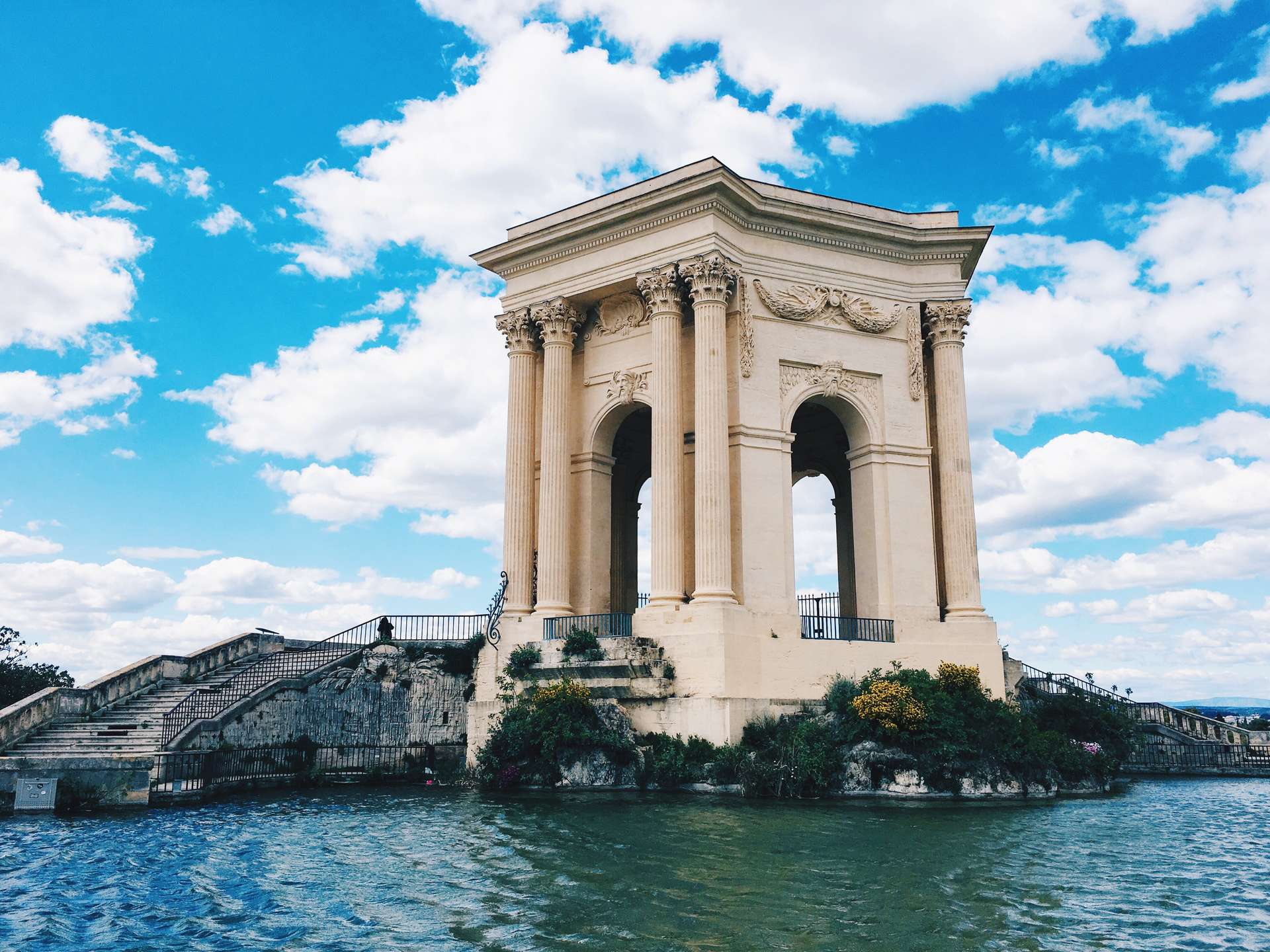
Consider a holiday to Montpellier for an experience filled with vibrant cityscapes, fascinating architecture, and a lively arts scene. This destination, rich in diverse cultural influences and historical significance, is perfect for a refreshing break in Southern France. Explore the Antigone District, a marvel of architecture inspired by Ancient Greece, and visit the Fabre Museum to delve into France's artistic heritage. Nature lovers will enjoy a stroll through one of France's oldest botanical gardens. Montpellier also offers world-class dining to satisfy any foodie, and as night falls, the Place de la Comédie illuminates with vibrant nightlife.
Enjoy access to special prices, only available on package deals.
Choose from thousands of flights, hotels and stays.
Book with a small deposit and pay the rest later.
Quickly add insurance, luggage, rental cars and more.
You are protected
Book the best deals on holidays to Montpellier today!
Flight time: Flights to Montpellier from London take about 1 hour 45 minutes. There are also direct flights to Montpellier from other major UK airports with similar durations.
Transfer time: From Montpellier-Méditerranée Airport, 8km southeast of the centre, the Montpellier Airport Shuttle (line 620) takes 25 minutes to Montpellier Sud station.
Price: A shuttle bus ticket costs €2 one-way. Taxis are also available and cost between €20 and €30 for a trip to the city centre.
You should take into account your tolerance for heat and crowds when booking your trip to Montpellier.
March to May:
Spring is a lovely time to visit Montpellier.
You’ll avoid the worst of the high-season traffic and you should also more or less have your pick of accommodation, which will generally still be available at low-season prices.
The weather is mild, with temperatures ranging from 10°C to 20°C and you can expect 8-10 hours of sunshine daily.
June to August:
Summer is the peak tourist season when you can count on long opening hours, as well as the widest selection of hotels and restaurants - albeit with larger crowds.
Temperatures range from 20°C to 30°C, with about 11-13 hours of sunshine daily.
September to November:
The best time to visit Montpellier is during the shoulder season (September and October), which offers a balance between tranquillity and action, although prospective swimmers might find the water a little chilly.
It’s still warm, with temperatures from 10°C to 25°C and lots of sunshine, around 7-9 hours daily.
December to February:
Winter in Montpellier is mild compared to the UK, with average temperatures ranging from 5°C to 15°C.
Rainfall is around 50-80mm per month, and there are 5-7 hours of sunshine daily.
There’s a lovely buzz about the city at this time as festivities kick into gear.
Spoken languages: French is the official language in Montpellier, although being close to the border with Spain means that Spanish/Catalan is widely spoken, as is English.
Local habits and customs: At restaurants you only need to leave an additional cash tip if you feel you have received service out of the ordinary, since restaurant prices always include a service charge.
Currency: The Euro (€) is the currency used. ATMs are widely available, and credit cards are accepted in most places.
Getting around: Montpellier’s four tramlines are the signature of its efficient and modern public transport system. Tickets valid on trams and buses (as singles or ten) can be purchased from machines at the stops, while passes (daily or weekly) are available at the TAM office, 27 rue Maguelone.
Electricity and plug types: Voltage is officially 230V, using plugs with two round pins. UK travellers will need an adaptor.
Time zone: Montpellier is in the Central European Time zone (CET), which is 1 hour ahead of GMT. Daylight Saving Time is observed.
With fine museums, a charming old centre and a bouncy rhythm of life, Montpellier works just as well either for a longer, relaxing stay, or a whirlwind two-day tour of its highlights.
Place du Peyrou: Fabulous park from where you can look down on the impressive monuments lining the promenade, including the fine equestrian statue of Louis XIV, and north towards the Cevennes Hills.
Ecusson (Old Town): Known as “l’écusson” as it is shaped like a shield, the Old Town is richly adorned by elaborate mansion facades and is home to a maze of medieval streets and a coterie of small museums.
Quartier Ste-Anne: The city’s old artisanal quarter, containing houses that survive from as early as the 13th century – look out for the outline of the (filled in) medieval arched windows, which were uncovered during restoration, as you wander around.
Musée Languedocien: Worth a look not only for its collection of medieval artefacts, which include 13th-century ceramics and a curious lead baptismal font, but also for the impressively vaulted Gothic interior of the main exhibition room.
MOCO Hôtel des Collections: This impressive exhibition space hosts works from the world’s leading public and private contemporary art collections – some of which are displayed in public for the first time.
Champ de Mars: A park with both a formal promenade and a network of paths and ponds which attract sunbathers and strollers in good weather.
Jardin des Plantes: Stroll orderly lines of botanical specimens, cool down beside the pond of its English garden, and wander among tropical and Mediterranean trees. Delightful.
Hôtel de Varennes: The ground floor is almost entirely Gothic in style, and includes the beautiful 14th-century salle de Pétrarque, a long hall vaulted with delicate stone ribs.
Arc de Triomphe: The arch, designed on the ancient Roman model, consists of a single, free-standing entryway, whose sides are covered with low-relief sculptures - all in all, quite spectacular.
Carcassonne: France’s most famous and evocative medieval citadel is a must-see while in Languedoc - but visit off-season to avoid the crowds.
Pont du Gard: 2,000 years old and still sublimely graceful, this towering Roman aqueduct just a short drive from Montpellier spans the Gard River a few kilometres west of the Rhône.
Families will have an absolute blast on their Montpellier holidays, with so many activities to choose from, both of the relaxing variety and the slightly more active persuasion.
Swimming: The superb Piscine Olympique d’Antigone is part of a massive indoor swimming and sports complex - the place to go if you can’t be doing with crowded beaches.
Cycling: Montpellier’s municipal Vélomagg stations around town rent bikes free for the first hour then a small charge per hour thereafter - a cheap and fun activity for all the family.
Aquariums and zoos: An action-packed day out is guaranteed at Parc Zoologique de Lunaret, home to more than 120 species in zones split into their continents of origin; here too is France’s largest Amazonian greenhouse.
Indoor parks: Odysseum (a good destination in bad weather) is where you’ll find a shopping mall, cinema complex, bowling alley, ice rink, planetarium, restaurants and Planet Ocean, where you can explore the world’s seas – the recreation of being caught in a storm is actually quite scary.

Exploring this lovely city is easily done on a minimum spend, with just a few ways you can do this outlined here.
Festivals: Most of the action in Hérault département is centred on Montpellier, which is renowned for its cultural vitality, hosting a range of annual festivals. Le Festival de Radio-France et Montpellier in July is a music festival representing styles from classical to jazz - and half the concerts are free.
Visit the markets: There are covered and outdoor markets galore here: Castellane, on rue de la Loge, is the pick of the former, while Marché des Arceaux is the pick of the latter.
Water jousting: Invented centuries ago in Sète by soldiers training for the Crusades, this good-natured sport is a symbol of traditional Languedoc culture - the kids’ll love it.
The area surrounding the city is one vast natural playground, and whether you just fancy a quick pedal or want to observe wildlife, spending time in the countryside is all part of enjoying holidays to Montpellier.
Cycling: One great ride starts in Port Marianne and runs for 12km to Palavas, a mostly flat path following the Lez River.
Water sports: The sea here is warm and placid and there are plenty of places where you can rent equipment, be it for scuba diving, snorkelling, kayaking or stand-up paddleboarding; the beaches of Palavas-les-Flots and Carnon are excellent spots for these activities.
Nature reserves: The Camargue Gardoise, formerly known as the “Petite Camargue”, is an open expanse of saltpans and marshes, populated by horses, bulls and birdlife, while the Étang de Thau is a protected area known for its rich biodiversity, which includes some fantastic birdlife.
Hiking: The trails in the Pic Saint-Loup provide stunning vistas of the countryside, but for a more challenging hike, head to Cévennes National Park.
No other city in Languedoc and Roussillon can compete with Montpellier in terms of dining possibilities. Eating in Montpellier is a pleasure, with local cuisine combining the bounty of the sea, the rich garden produce of the plain and the meats of the hills and Camargue.
Tielle: A speciality from nearby Sète is tielle, a spicy octopus pie - possibly the most unusual pie in the world - embellished with tomato sauce.
Black truffles: Among the most desirable natural products in the world, just modest quantities of black truffle can raise a pasta, rice, egg or meat dish from quotidien to extraordinaire.
Cassoulet: This local bean stew from Castelnaudary, made with white beans, sausage and various meats such as duck and pork, has colonised the whole of Languedoc.
Magret de canard: Duck breast served with a sweet sauce made from orange or cherry, this is irresistible.
Bouillabaisse: This fishermen’s stew from Marseille is the superstar of the coast’s seafood dishes – at its best it’s utterly delicious.
Huitres: Fresh oysters from the nearby Étang de Thau are as good as any in France; enjoy raw with a squeeze of lemon or a splash of vinegar.
Brik à l’oeuf: Of Tunisian origin, you’ll find this filo pastry snack stuffed with soft-set egg, spicy merguez sausages and falafel all over the city.
Pain fougasse: A finger-shaped bread that may contain olives, anchovies, sausage, cheese or bacon.
Fougasse is a sweet bread flavoured with orange blossom and studded with dried fruit or nuts, while Canelés are small, caramelised cakes with a soft, custardy interior flavoured with vanilla and rum.
Noilly Prat: Pronounced “nwah-lee prah” this vermouth, created in 1813 with white Languedoc wine, is aged in vats for eight months, and then for a further year outdoors in oaken barrels.
Pastis: The generic name of aniseed drinks such as Pernod or Ricard and a favourite throughout Languedoc, this is served diluted with water and ice (glaçons).
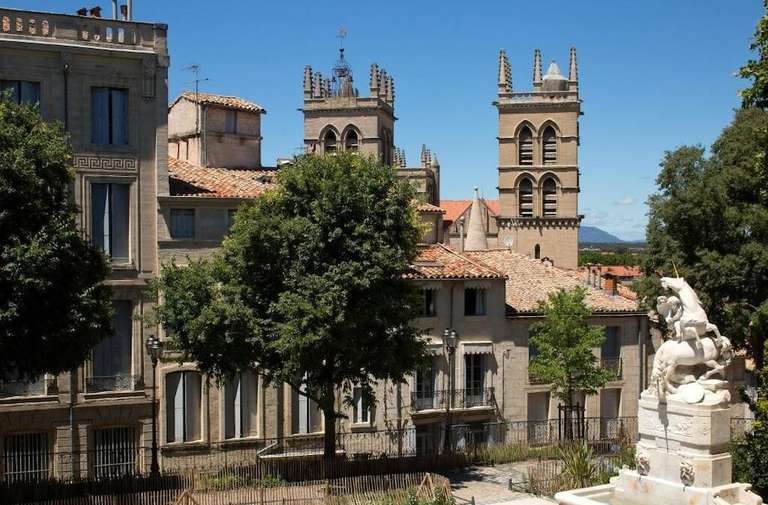
The most popular places to visit in Montpellier are: Montpellier Zoo, Montpellier Cathedral, Jardin des plantes de Montpellier.
Montpellier is the ideal destination for City break.
The exact flight duration to Montpellier varies depending on the departure airport in the UK. It takes approximately 1h55m to fly from London to Montpellier.
Booking a flight + hotel package to Montpellier with lastminute.com offers several advantages. By booking both services together, you can take advantage of exclusive deals and choose from thousands of flights and accommodations for the perfect combination. Additionally, you can secure your vacation with a deposit and pay the remaining amount later. You also have the flexibility to add other travel extras such as insurance, rental cars, and luggage to the flight + hotel package as per your preferences.
Before travelling from the UK to Montpellier, ensure your passport is valid for the duration of your stay. To get the latest Visa information for Montpellier, please check travel advice on GOV.UK.
Travel with us
Secure payment