Medieval churches
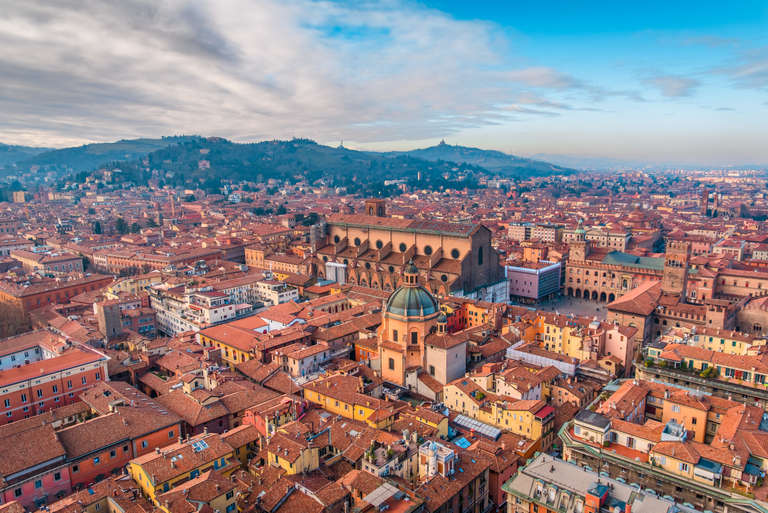
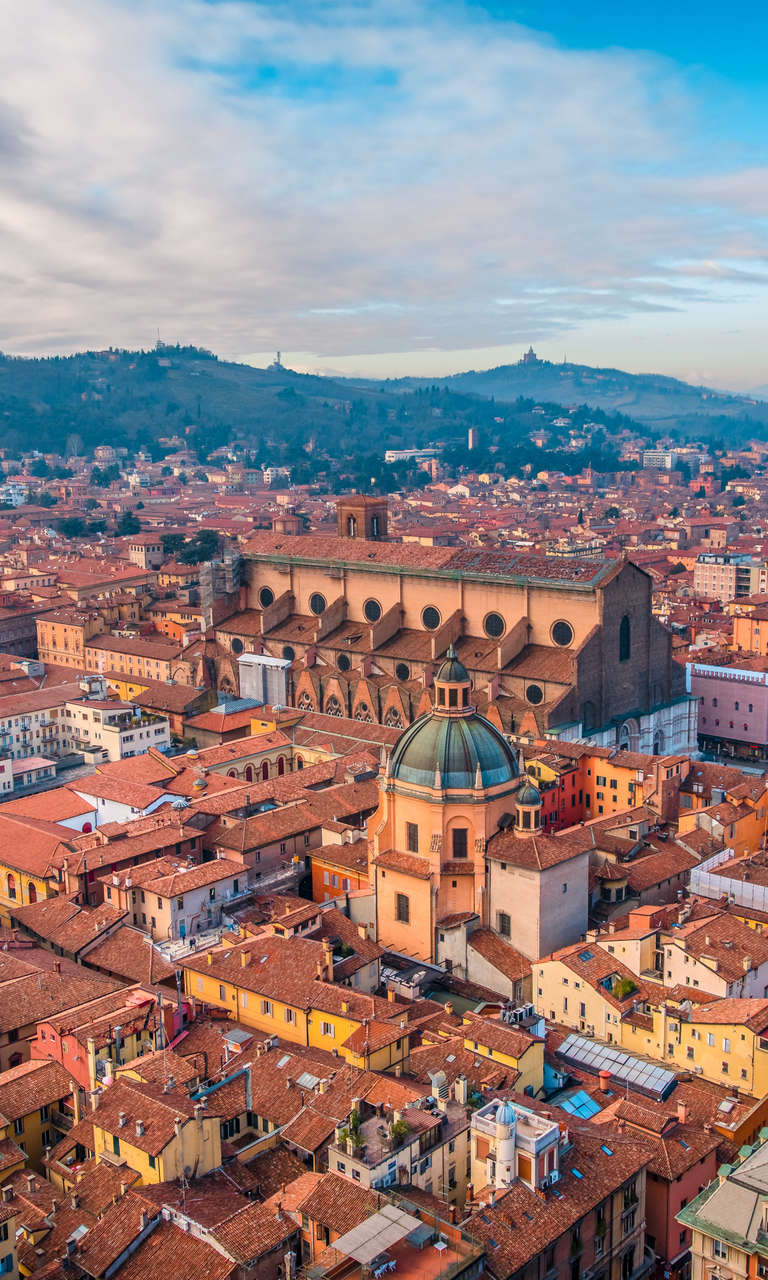
Bologna has a heritage reaching back to the 9th -century BC, and there are therefore plenty of historical attractions to enjoy during your stay in the city. It’s hard to miss the 14th-century Basilica di San Petronio, the fifth-largest church in the world. When visiting the church, make sure you look out for the 67.7m sundial, dating from 1656 and vital to the discovery of anomalies in the Julian calendar, which led to the establishment of leap years. Another key religious site in Bologna is Abbazia di Santo Stefano, a complex of four churches including the city’s oldest, Santi Vitale e Agricola, which features masonry that can be dated to the Roman period.
History and scholarship
The University of Bologna is the oldest in the world, originally founded in 1088. You could very easily spend an hour or two simply wandering around this stunning historical complex, and there are a number of interesting museums to find along the way, including the Museo Navale and the Museo della Specola, set in an 18th-century astronomical tower. If you’re looking for more history, Bologna has many excellent museums. The Museo della Storia di Bologna features a number of engaging interactive exhibitions that cover 2,500 years of history.
Iconic Landmarks
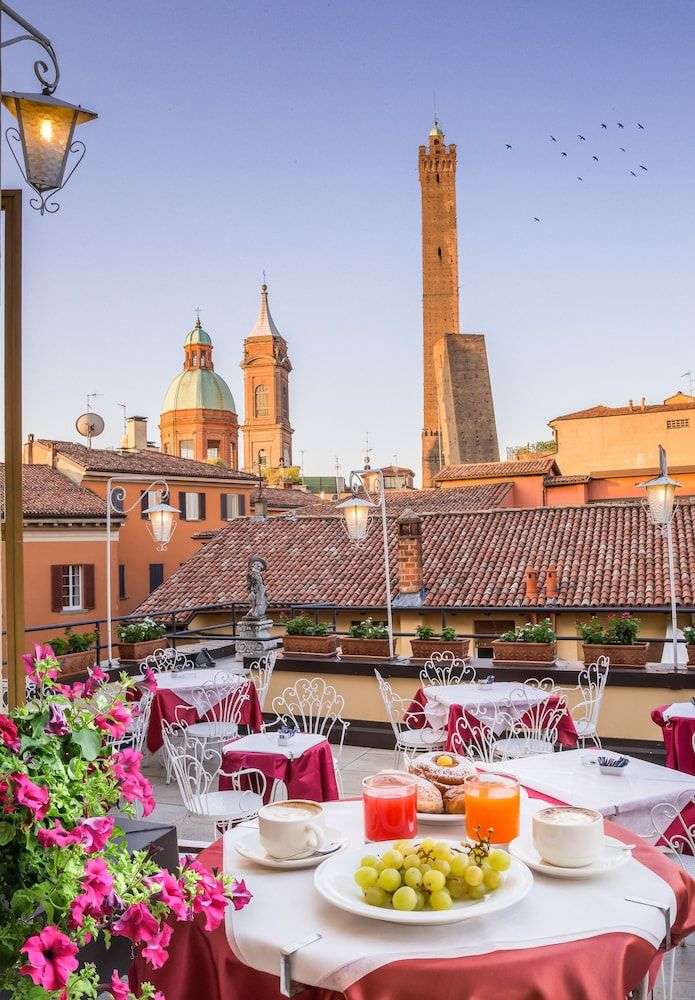
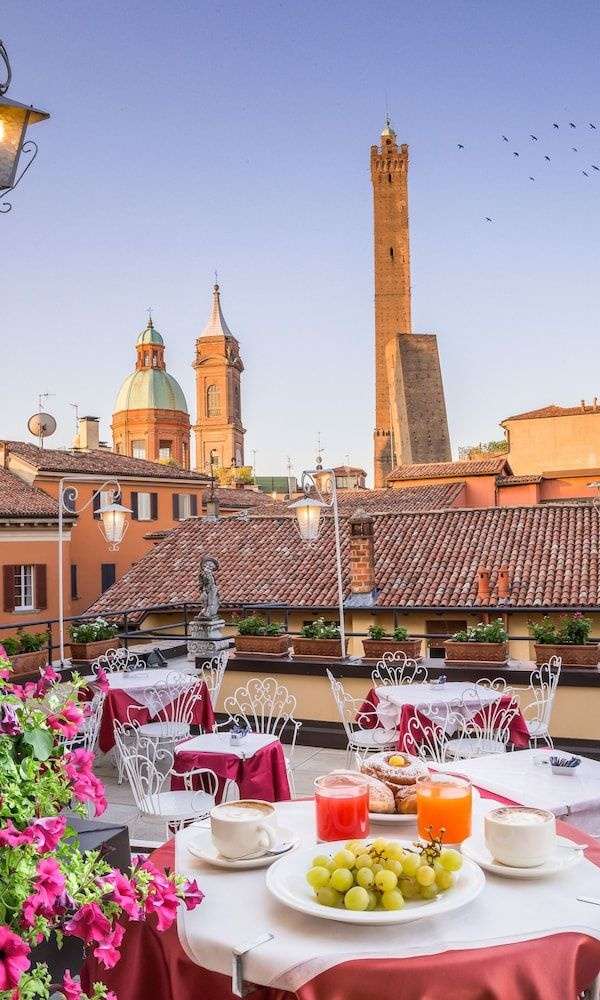
Bologna’s most famous landmarks are the Le Due Torri (The Two Towers). Climbing the Asinelli Tower offers panoramic views of the city, a highlight of any city break. Nearby, Piazza Maggiore and Piazza del Nettuno are must-visit spots, featuring the Fountain of Neptune and historic buildings like Palazzo d’Accursio.
For a peaceful retreat during your weekend gateway, visit the Santuario di Madonna di San Luca, accessible via a scenic portico walk.
Historical and Cultural Sites
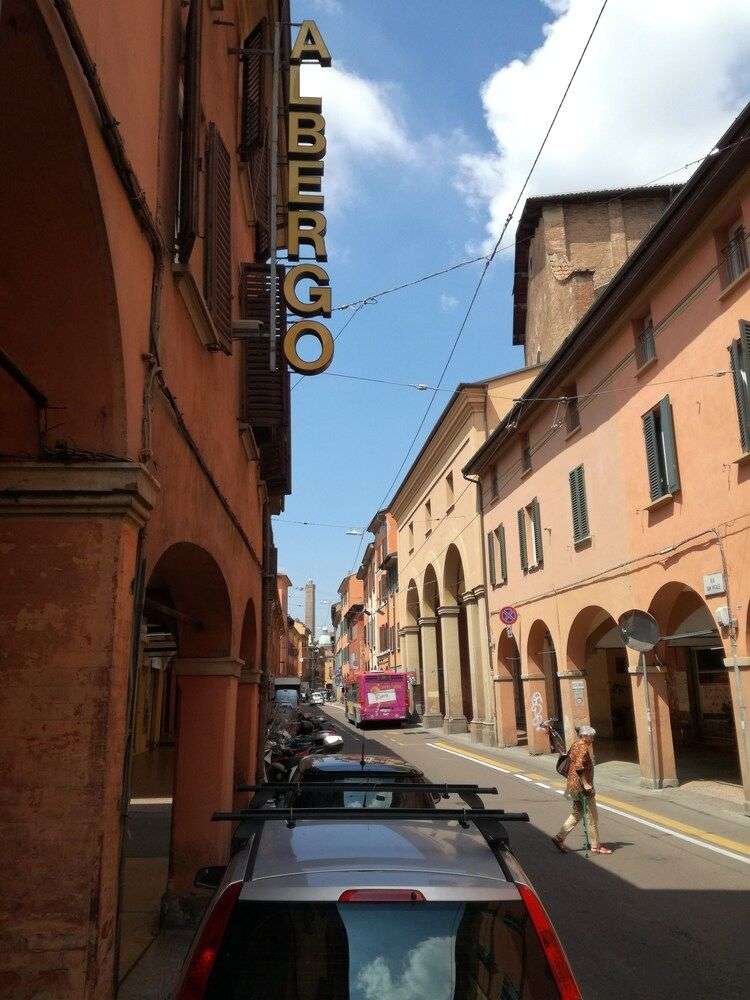
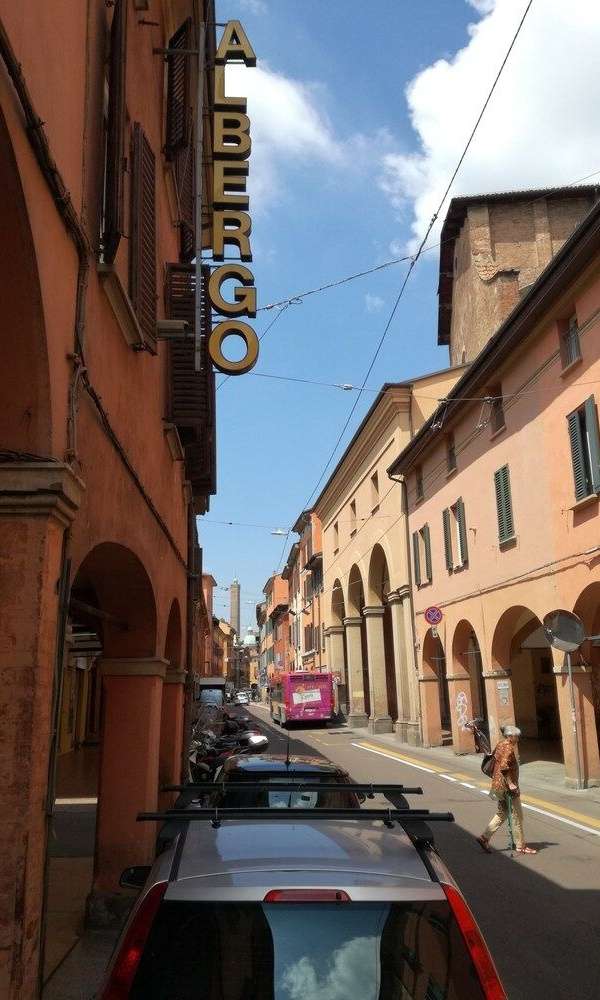
The Archiginnasio Library, a must-see during your city break, houses ancient manuscripts and stunning frescoes, with its Anatomical Theatre serving as a fascinating highlight for history enthusiasts. Equally impressive are Bologna’s porticoes, a UNESCO World Heritage Site stretching over 38km, offering a unique and sheltered way to explore the city, rain or shine. For culture lovers, the Teatro Comunale di Bologna provides world-class opera performances, adding a touch of elegance to your weekend gateway.
Renaissance Art
No trip to a great Italian city is complete without witnessing sublime Renaissance art. The Pinacoteca Nazionale is the city’s main gallery space, and here you’ll find work by Bolognese artists from the 14th century onwards. As well as Renaissance works, there are also important Baroque pieces here by the late-16th-century Carracci cousins. Or if you’d rather see something a little more contemporary, MAMbo is an avant-garde art space housed in a former bakery complex.
Spaghetti Bolognese
For many, Bolognese is synonymous with the rich tomato sauce used in Spaghetti Bolognese. This is partly why the city has the nickname of La Grassa, or The Fat One. You can learn how to make authentic Bolognese cuisine at Cook Italy or the Culinary Institute of Bologna, which both offer short lessons for beginners through to advanced chefs. If you’d rather just enjoy eating the food, Bologna is home to a staggering variety of world-class restaurants, such as the unpretentious Osteria dell'Orsa and the rustic Trattoria dal Biassanot.
Food and Markets
The Quadrilatero Market and Mercato di Mezzo are perfect for experiencing Bologna’s renowned food culture. Try local dishes like Tagliatelle al Ragù, tortellini in brodo, and mortadella, or take a cooking class to enhance your short break with an authentic culinary experience.