In collaboration with
Rough Guides


In collaboration with
Rough Guides
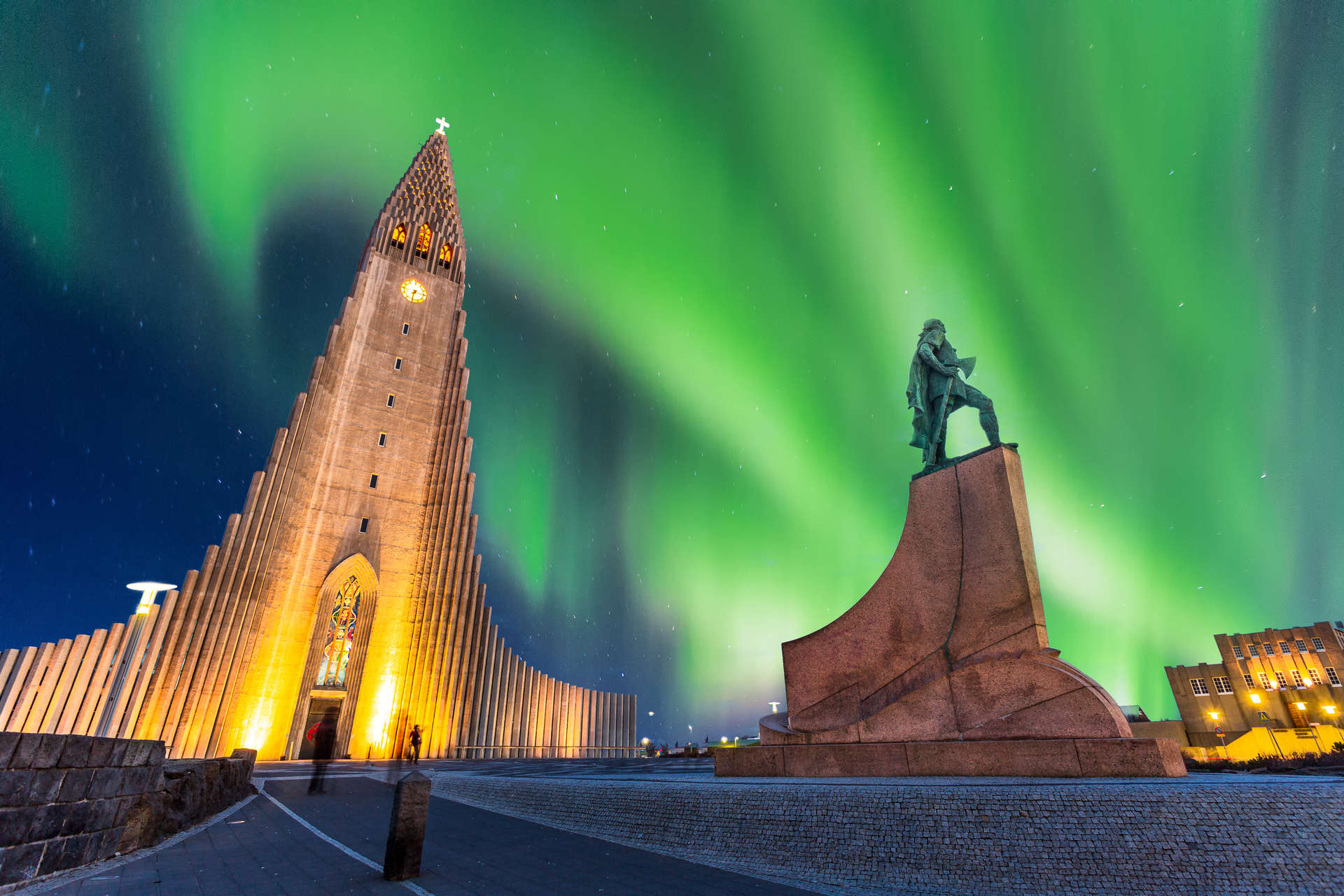
The modern concrete Hallgrimskirkja Church looks more like a rocket sat on a launchpad in the centre of Reykjavik, and it perhaps goes without saying that it dominates the skyline. As you march up the hill towards it, take time to admire the galleries and boutiques that line both sides of the road, reflecting on how much artistic talent such a small country has produced... that is, if you can tear your eyes away from the gleaming white church.

Best for: Going green in Garda.

While you're there: The town is also renowned for its excellent restaurants and Saturday market.
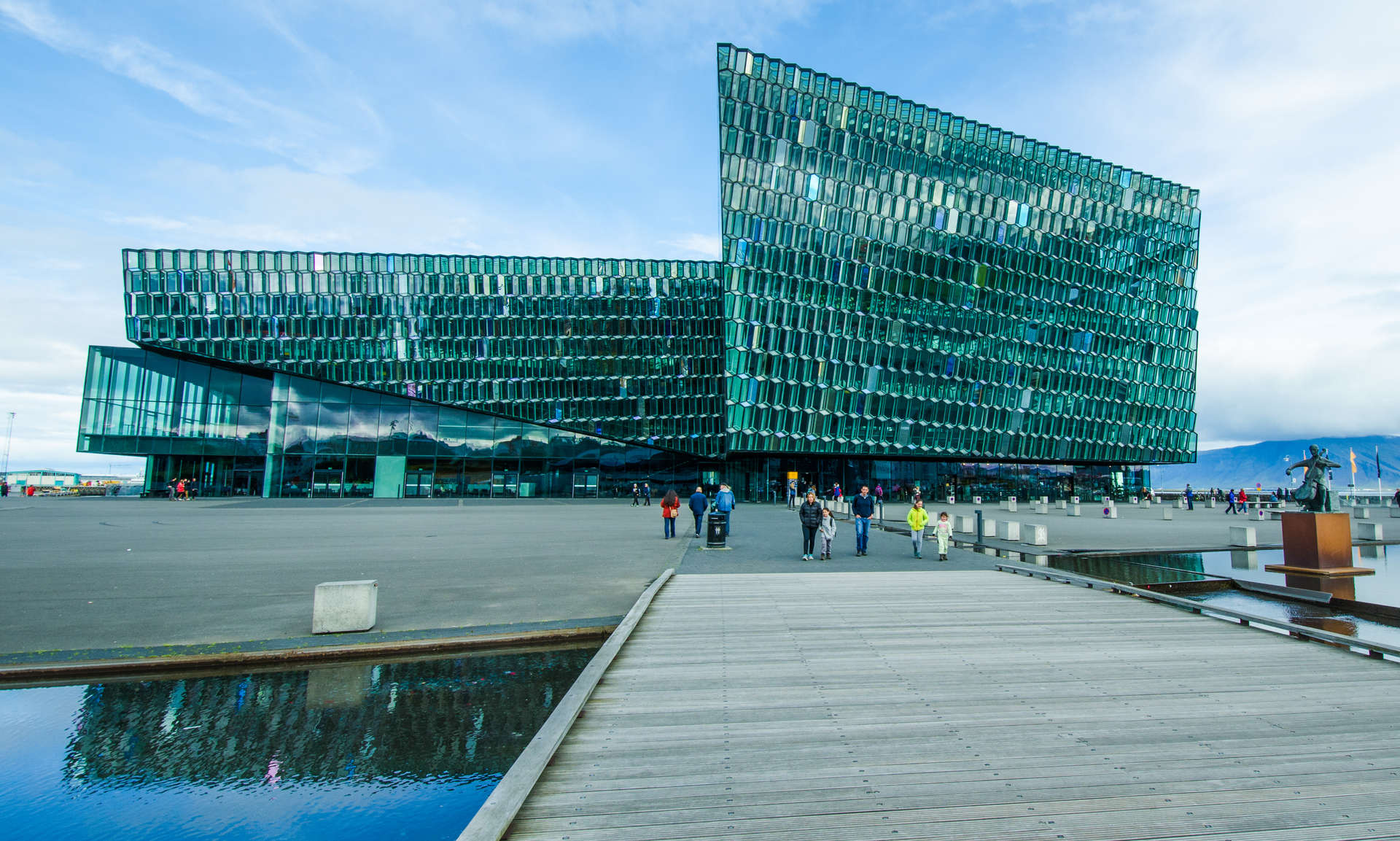
At the end of Ingólfsstræti, standing before you at the water’s edge, is Iceland’s latest cultural masterpiece, Harpa. Whether you’re into architecture or the arts, Harpa won’t disappoint culture vultures wondering what to do in Reykjavik. It’s one of the city’s highlights; pay attention to its award-winning exterior, with its steel and multicoloured glass reflecting the city, sea and sky in a kaleidoscopic light show, which changes constantly with the daylight, weather and seasons. Inside are four concert halls, and guided tours are held between June and August. It’s well worth adding to your itinerary if you're looking for cheap holidays to Reykjavik.
Best for: a night at the opera.
While you're there: For more information, and the box office, visit http://en.harpa.is.
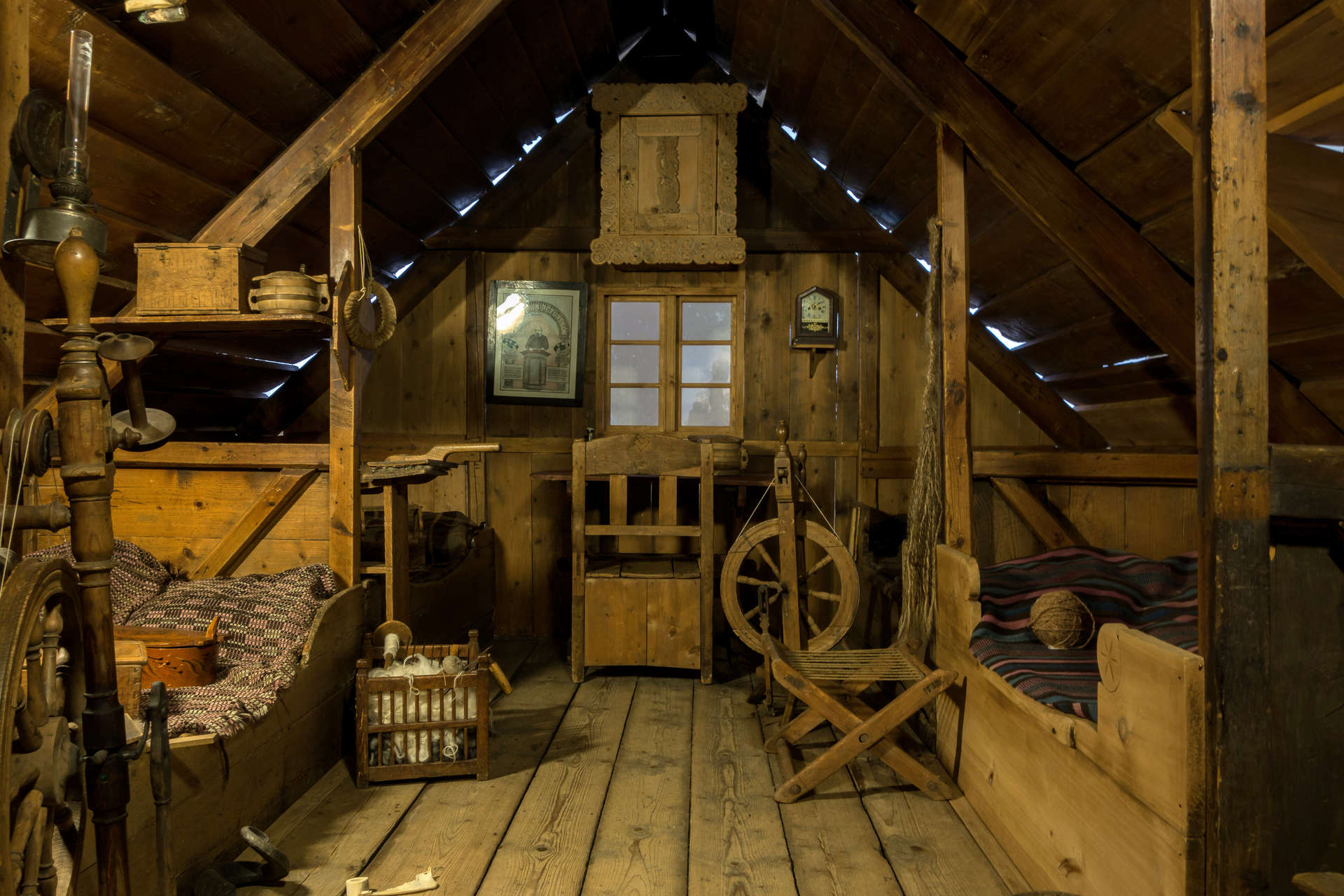
Even if you’re not usually a fan of museums, the National Museum of Iceland is one of the most interesting things to do in Reykjavik. The museum’s permanent exhibition, ‘The Making of a Nation’, is gripping stuff, tracing Iceland’s history from the Viking settlement to the present day. It begins with the ship in which the First Settlers crossed the ocean to their new home, and ends upstairs in a modern airport. Particularly interesting is the census of 1703, the first to record the entire population of Iceland, along with their livestock and details of their living conditions.
Best for: Seeing early medieval artefacts.
While you're there: As well as thousands of historic artefacts on display, there’s also a history of fashion gallery, too.
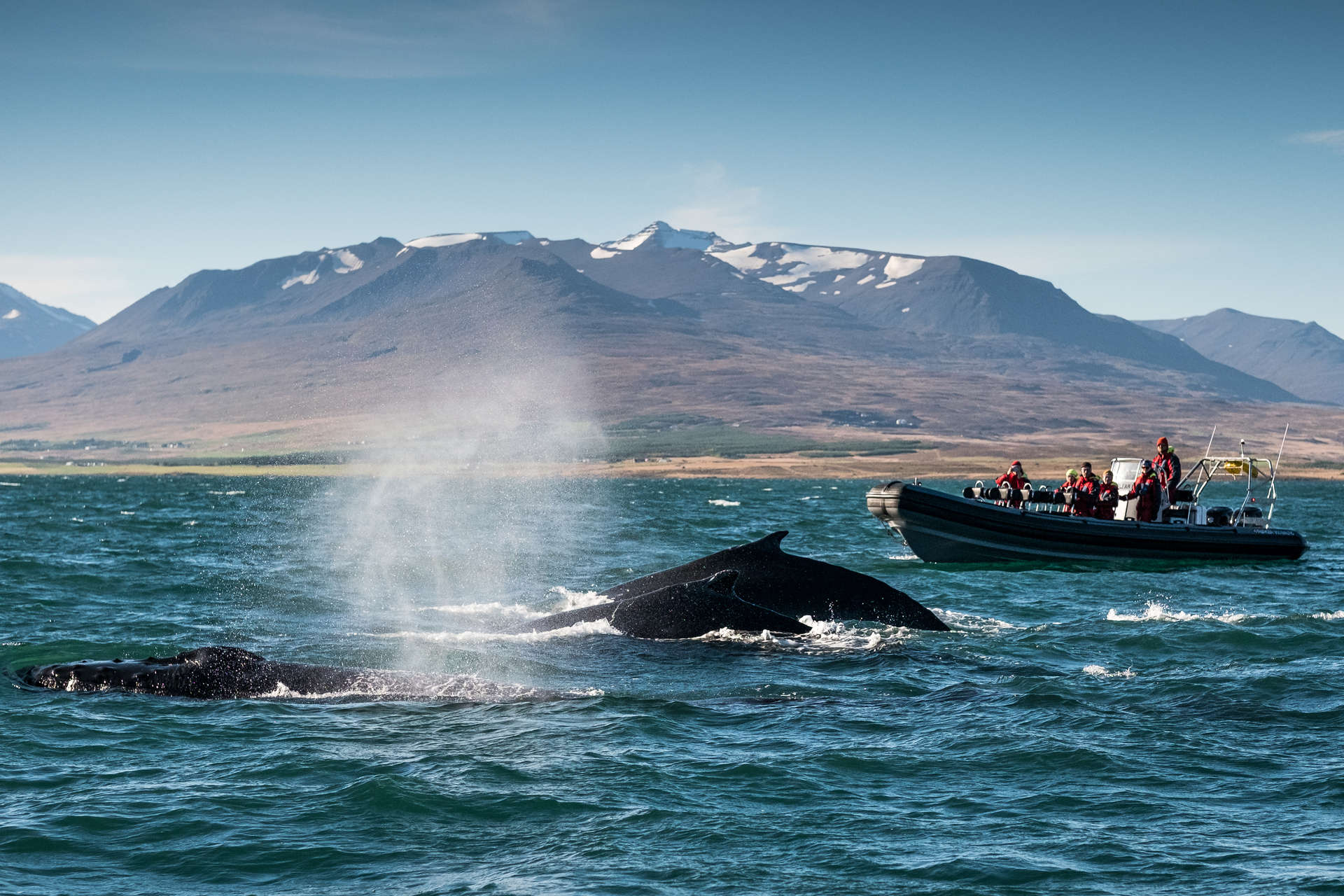
Reykjavik’s ‘Old Harbour’ is busy with boats and activity, but you can head out on your very own water safari. Whale-watching tours are hugely popular here and rivals Northern Lights tours as one of the best things to do in Reykjavik. While you can choose from different boats, from smaller vessels to rib boats, you’ll see the same dolphins, humpback whales and porpoises either way. The best time to visit varies depending on what you want to see; for whales, aim for March to October, dolphins June to September and, also during the summer months, some tours sail past tiny islands where you can get a good look at the puffins.
Best for: Getting out on the water.
While you're there: The nearby Sculpture and Shore Walk path has a great choice of cafes and seafood restaurants.
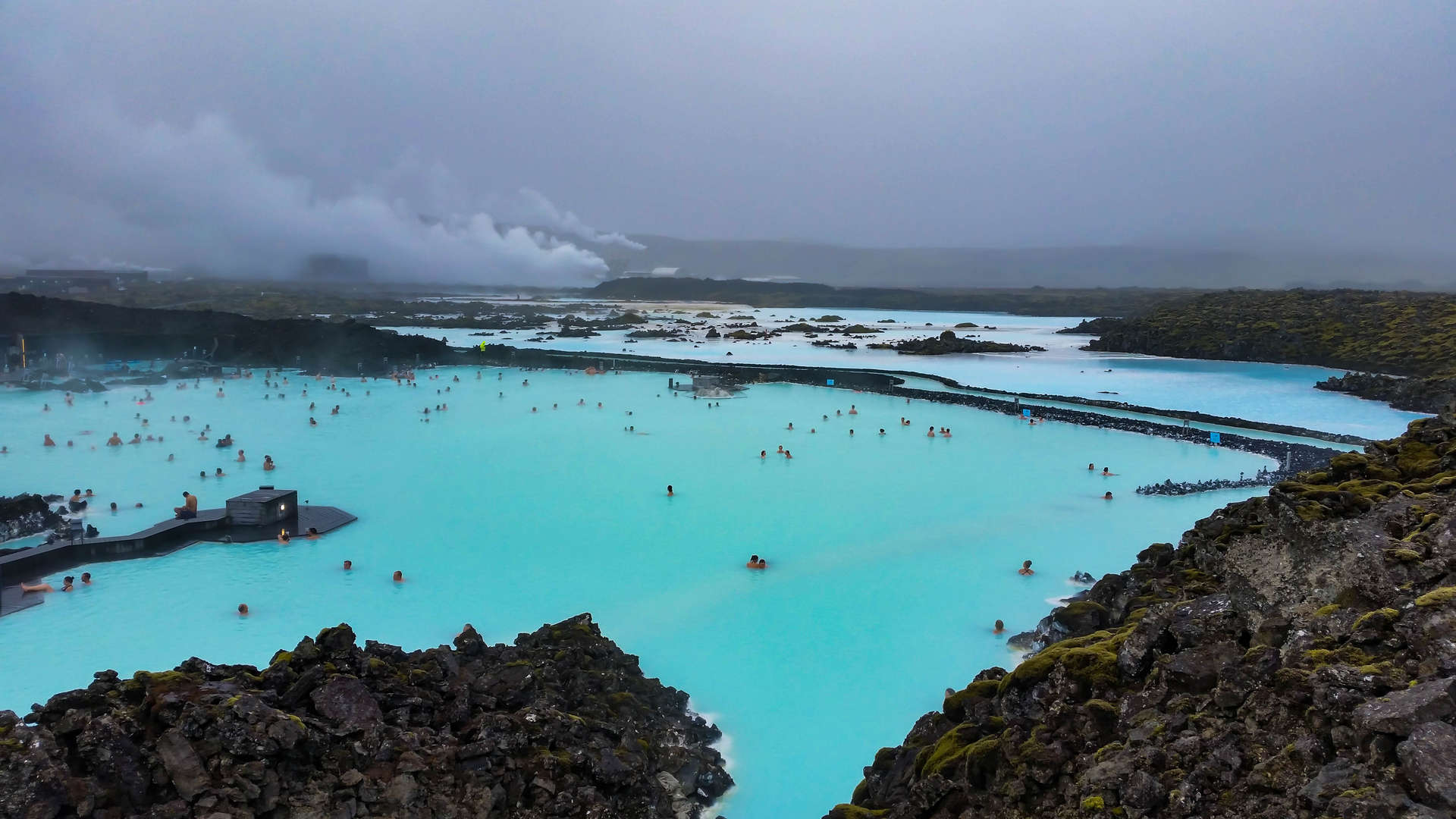
Iceland’s most famous tourist attraction, the Blue Lagoon, is a dreamy, steamy outdoor spa complex with little wooden bridges that criss-cross its blue-white waters. And talking of the waters, they’re a rather toasty 37–40°C (98–104°F) all year round. The complex was expanded in 2018 and also contains a spa treatment area, two restaurants, two hotels and a shop selling Blue Lagoon products.
Best for: Spa treatments or simply kickin’ back.
While you're there: The Blue Lagoon is positioned between the airport and the city centre, so it makes more sense to hop off at the spa either at the start or end of your trip.
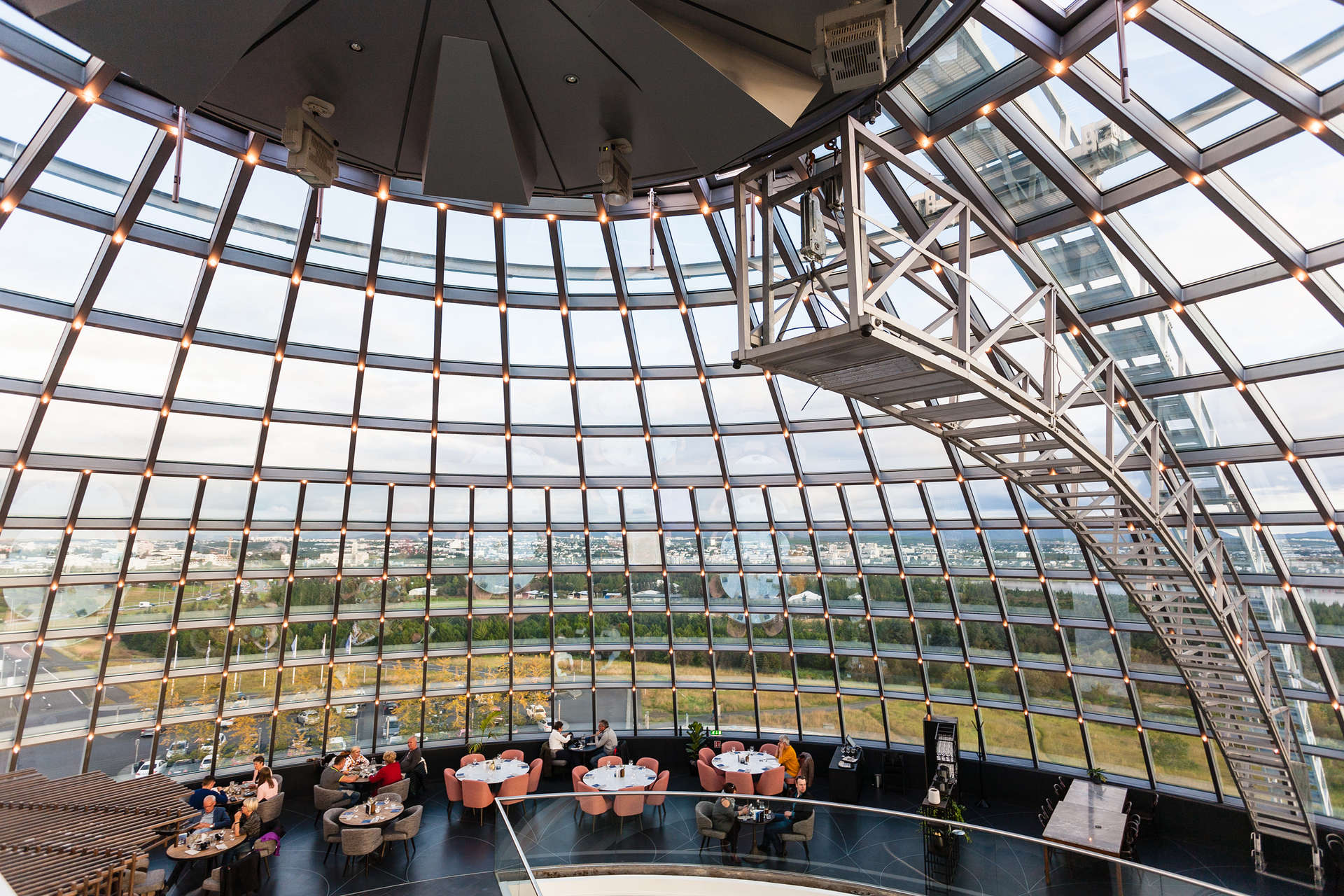
When you first drove from Keflavík airport into the capital, you may have caught sight of a bizarre futuristic-looking structure with a glittering dome, perched on top of a hillside on the south side of the city. This is Perlan (The Pearl), and it houses the city’s hot water supply. But it’s also a visitor destination in its own right, with a high-tech science museum and planetarium showcasing the power of volcanoes, earthquakes and glaciers.
Best for: A break from urban life.
While you're there: Before you venture inside, be sure to take a few snaps of the building from the outside; there’s nothing else like it!
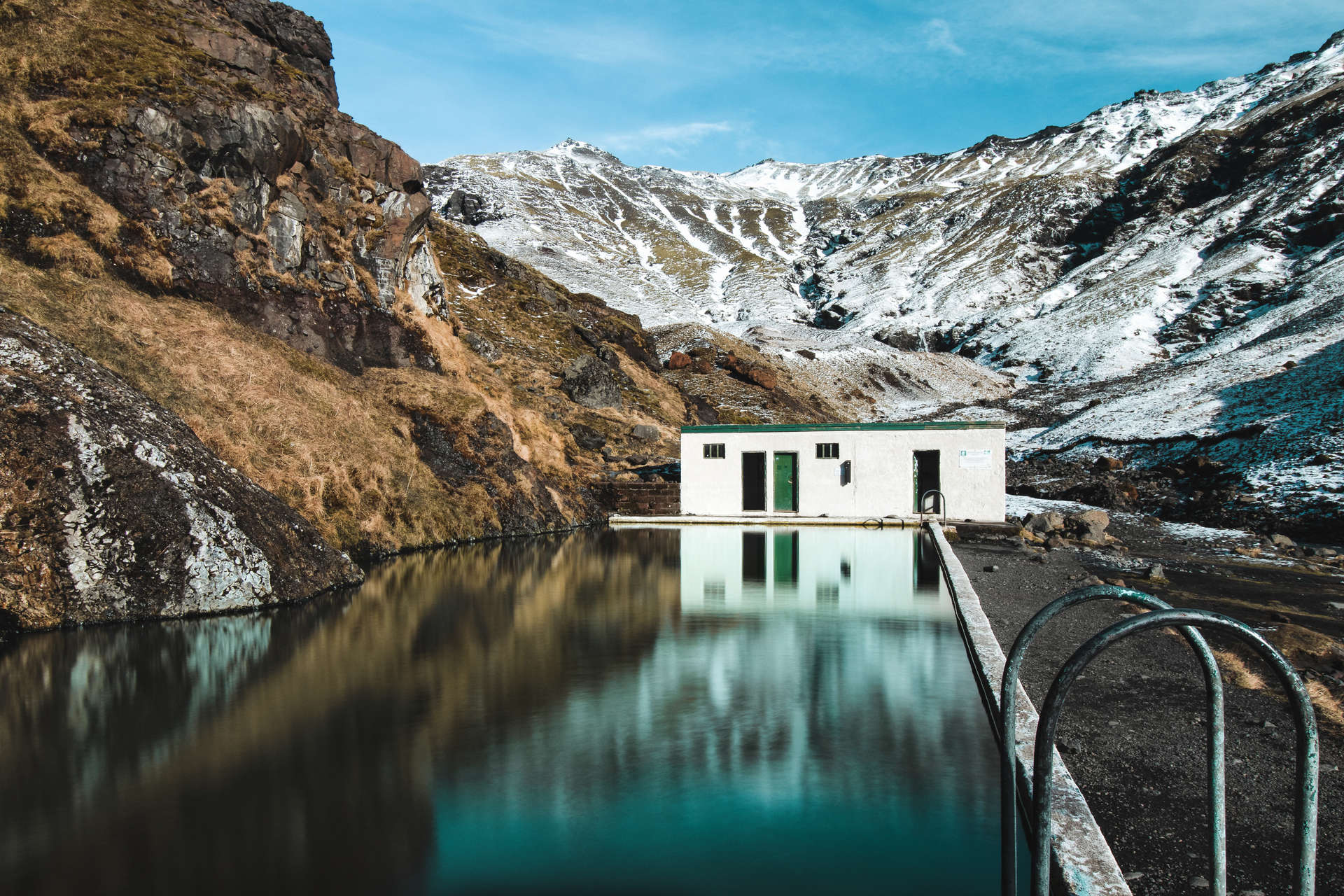
More than just a sport in Iceland, swimming is a social activity for all the family. There are seven geothermally heated outdoor pools in the capital. The biggest is Laugardalslaug, with a 50-metre (160ft) pool, hot pots, a Jacuzzi, steam room, sun lamps and children’s pool with a waterslide. Even if you’ve forgotten to pack for it, you can rent swimming costumes and towels for a small charge. For other city pools, see the Reykjavík City website.
Best for: A very Icelandic pastime.
While you're there: Wanna stick to dry land? There’s a mini-golf course, too.