
Best for a classic resort holiday: Blanes or Lloret de Mar main beach


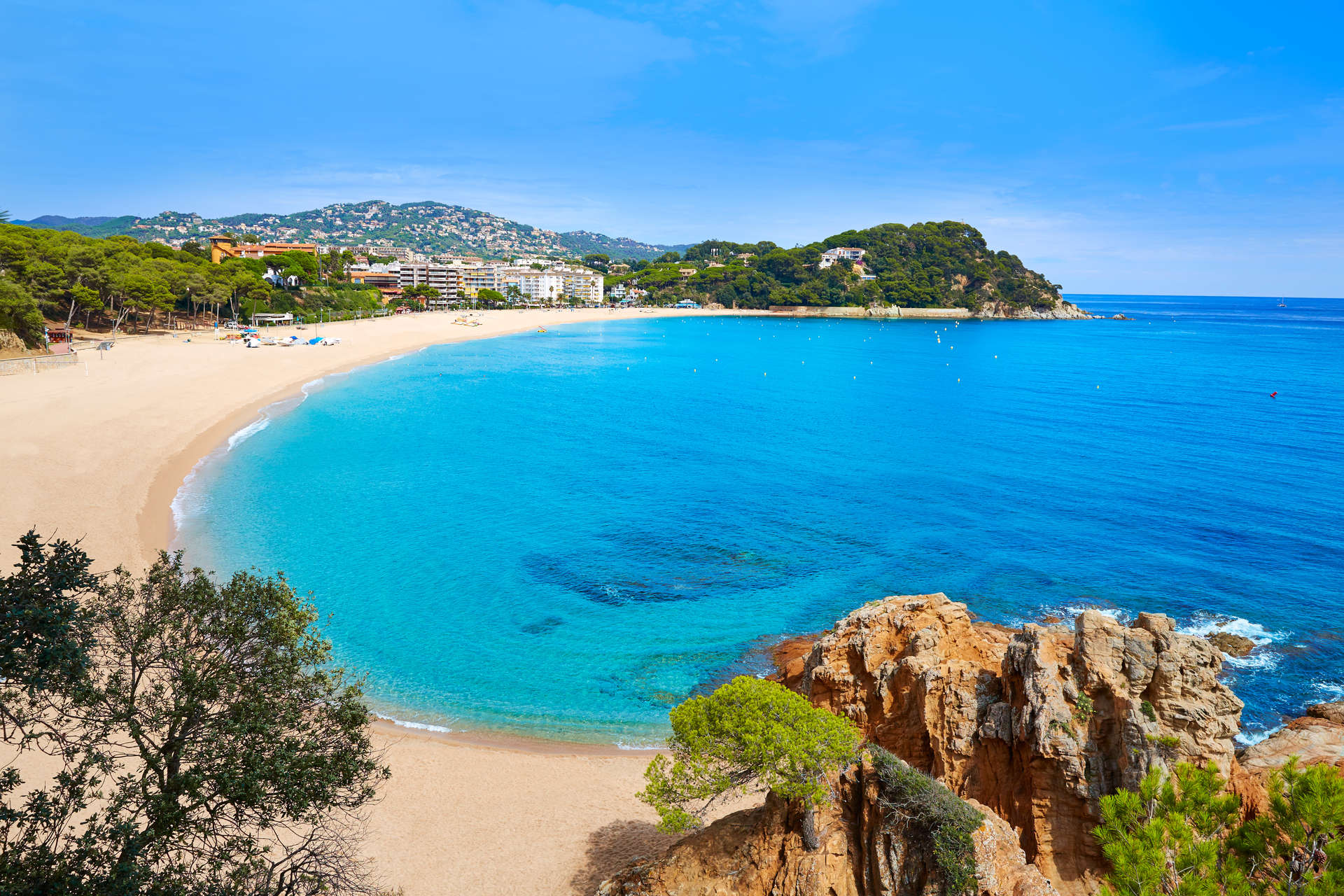
Pick a hotel in Costa Brava and explore this fascinating coast. The intricate nature of the coastline means you can visit a new cala every day if you choose, heading out on an epic road trip or journeying by foot or bus. Start planning your trip and dip into the azure waters on some of the best beaches in the Costa Brava.
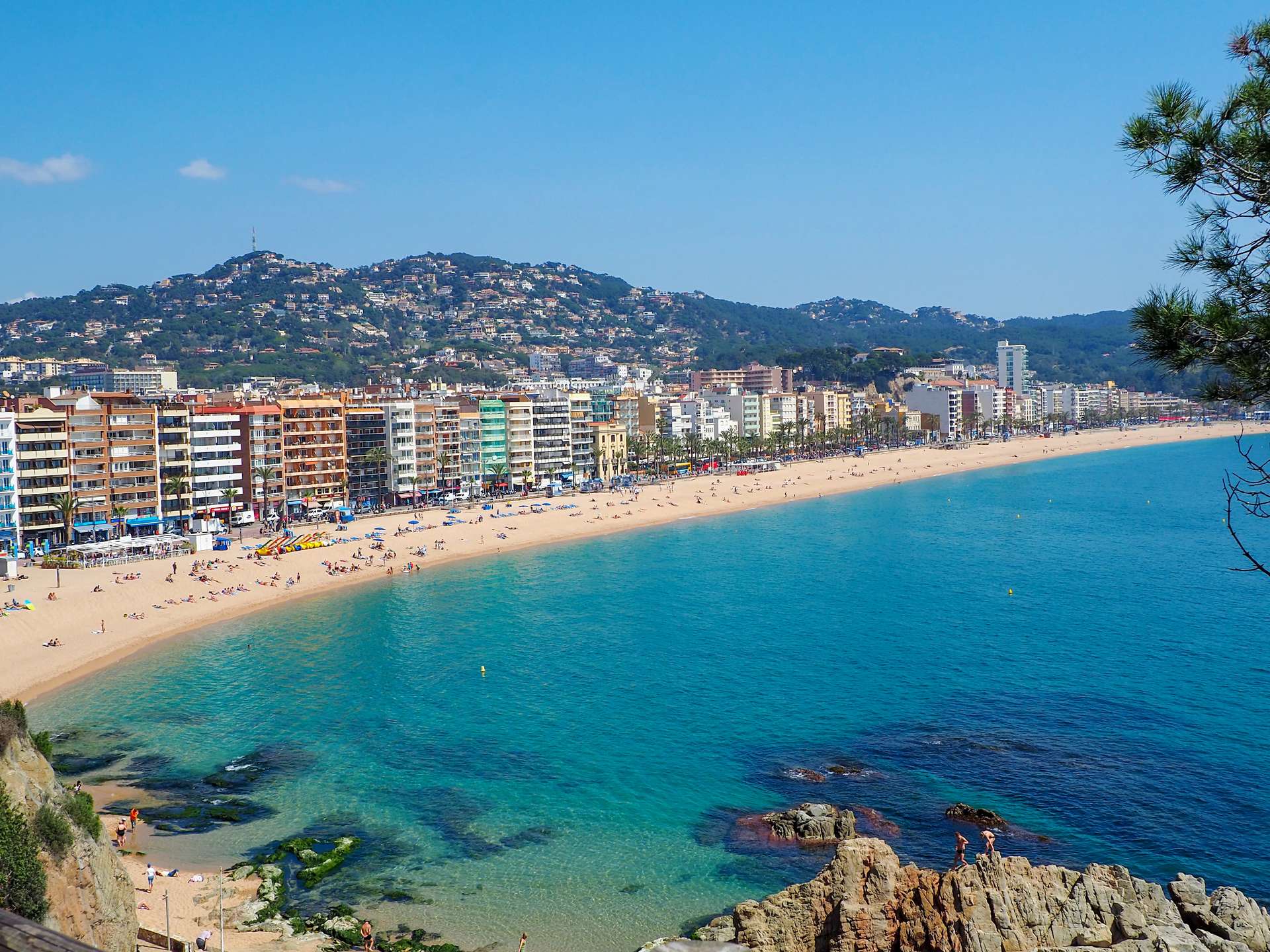
The southern stretch of the Costa Brava coastline promises sensational weather in the high and shoulder seasons, with glorious sea temperatures for swimming. You’re spoilt for choice of beaches here as well as fantastic places to stay. Here are a few of our top beaches in southern Costa Brava.
Blanes is in a prime spot on the coastline between Girona and Barcelona, conveniently located on the train line between the two cities if you’re planning on visiting Costa Brava without a car. There are technically two long, sandy beaches to choose from, but they blend almost seamlessly into one another. As with most Spanish beaches, the promenade runs for miles, promising a scenic walk with plenty of places to eat and drink along the way. On the sands you’ll find all the usual facilities like loungers, shade, pedalos and kayaks.
Lloret de Mar is the jewel in the crown of the Costa Brava; one of the most popular resorts to visit most due to its stunning beaches. Platja de Lloret de Mar is the main beach, with a golden shore and a lively promenade with myriad places to eat, drink and stay. The sea is usually calm and glistening azure. You can hire loungers and umbrellas or there’s plenty of space to have your own set-up. There are dozens of pretty coves within a few minutes’ drive or short walk of the town. Cala Banys is a secluded cove where you can swim directly from the rocks. Cala sa Bodella and Cala Treumal are two nearby beaches with a paradisical feel; think honey coloured sand and crystal-clear sea against a verdant backdrop.
Just around the headland from Lloret’s main beach, Platja Fenals is slightly quieter and backed by greenery. It’s a popular spot with families, thanks to its dream-like swimming conditions and sugar-soft sand. There are quite a few options for snacks and light bites, as well as renting loungers. At one end of the beach, there are some rocks for snorkelling and you can rent a kayak here too. A coastpath, or cami de ronda, leads from Fenals, over the small headland to secluded Cala Banys and round to the main town beach.
Best for a classic resort holiday: Blanes or Lloret de Mar main beach

Best for a quiet day: Platja de Fenals
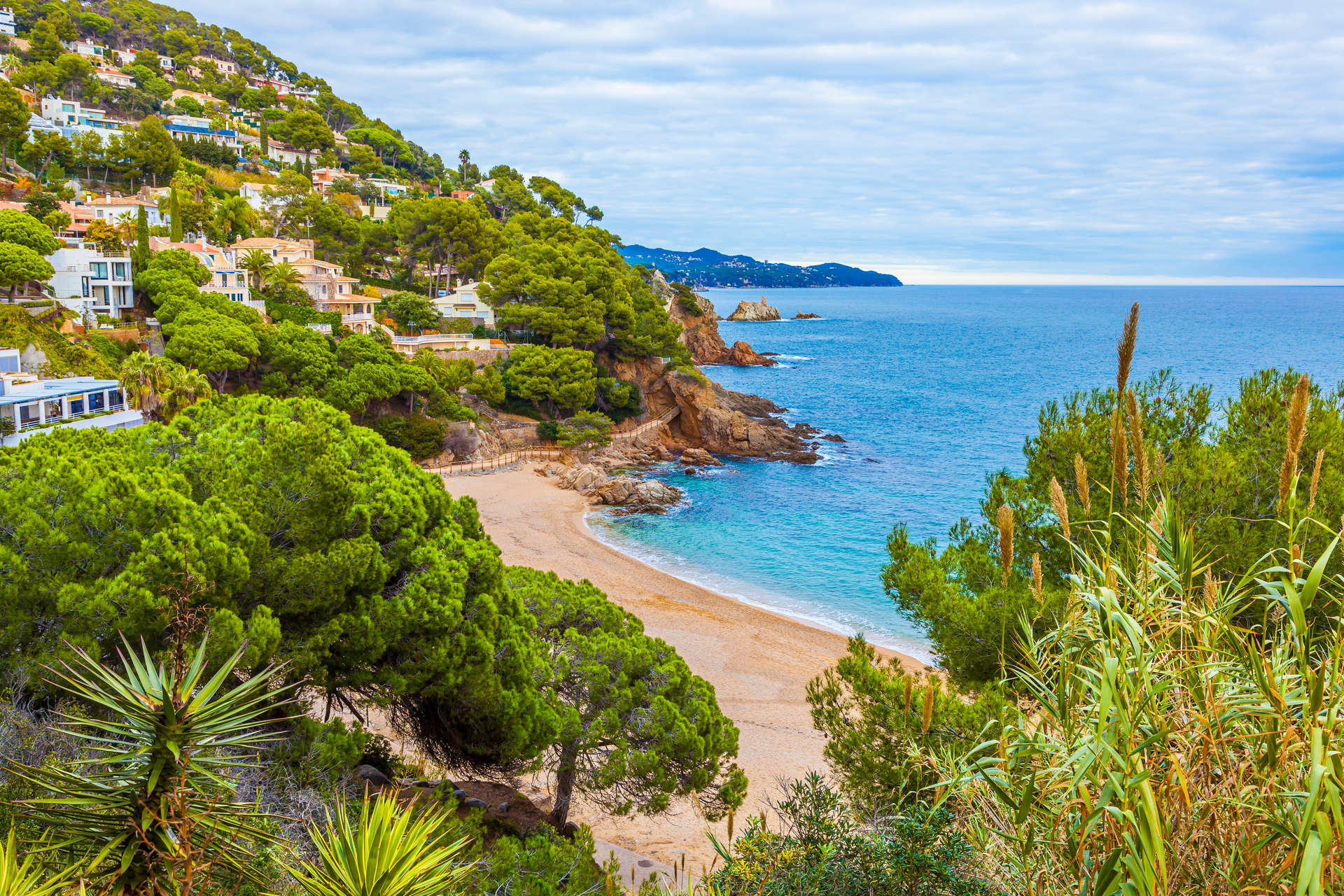
The entirety of the Costa Brava is speckled with beautiful beaches and the water conditions are fantastic. Here are our top favourite beaches in the central part of Costa Brava for families, couples and solo travellers seeking sand, sea and sunshine.
Platja de Sant Pol is a crescent-shaped, sandy beach that’s the recipe for a perfect beach day. Its shallow, super-clear waters and relaxed vibe appeal to families with young children especially. But it’s also popular with kayakers and SUPers, thanks to the glassy calm sea. The area of Sant Feliu de Guíxols behind the beach is charming too, with dozens of restaurants and cafes with fabulous outdoor spaces.
If you’re craving a beach day closer to nature, Platja Castell is the spot for you. This golden crescent is just ten minutes’ drive from the nearest town, Palamós, but it feels a million miles away, surrounded by trees and greenery. There’s a calm, sheltered sea and a very laid-back vibe, with next-to-no facilities (although there is a car park). You can even take the cami de ronda coast path from Palamós and reach the sandy shore on foot. It’s also surrounded by atmospheric ruins and the headlands are begging to be explored by kayak.
Platja Gran in Tossa de Mar is a beautiful beach that ticks all the boxes. Golden sand? Check. Shallow, calm sea? Check. There are loungers and shade as well as space to pitch your own towel. You can rent a kayak or boat and take a boat trip from the shore. The scene is made even more perfect by the picturesque castle overlooking one end of the bay.
Best for families: Platja Gran
Best for couples: Platja de Castell
Many of Costa Brava’s best-loved beaches are the big sandy bays in the major resort towns. However, what this coast is really known for is its quiet calas and secluded swimming spots – the preserve of adventurous travellers, hikers and kayakers.
Cala Pola is one of the best-loved calas on this coast. It’s just secluded enough to feel special, but accessible enough that most people can experience it (and it can get busy in high season). This sandy slice of heaven is sheltered between two rocky headlands, creating a calm and clear space to swim. You can reach the cove by car and park just behind the cafe here. Better yet, embrace the somewhat-challenging cliff path running between Tossa de Mar and Cala Pola. It’s a relatively rocky, steep path that passes through forests on the cliffside, leading you via the petite-but-charming Cala Bona. It’s less than 5 km and, although it can feel further on a hot day, it’s definitely worth the effort.
Just a fifteen-minute drive from Roses, the secluded cove of Cala Montjoi has an intriguing history. It was once home to the world-famous El Bulli restaurant, which earned two Michelin stars in its heyday and has since been turned into a museum. The beach itself is stunning; a pebble-and-sand crescent with crystal-clear water that’s popular for kayaking and snorkelling. You can rent kayaks from the shore and eat in the chiringuito. You could even venture on the small footpath just along the coast to the even quieter Platja Calís.
Best for a hike and swim: Cala Pola
Best for snorkelling: Cala Montjoi
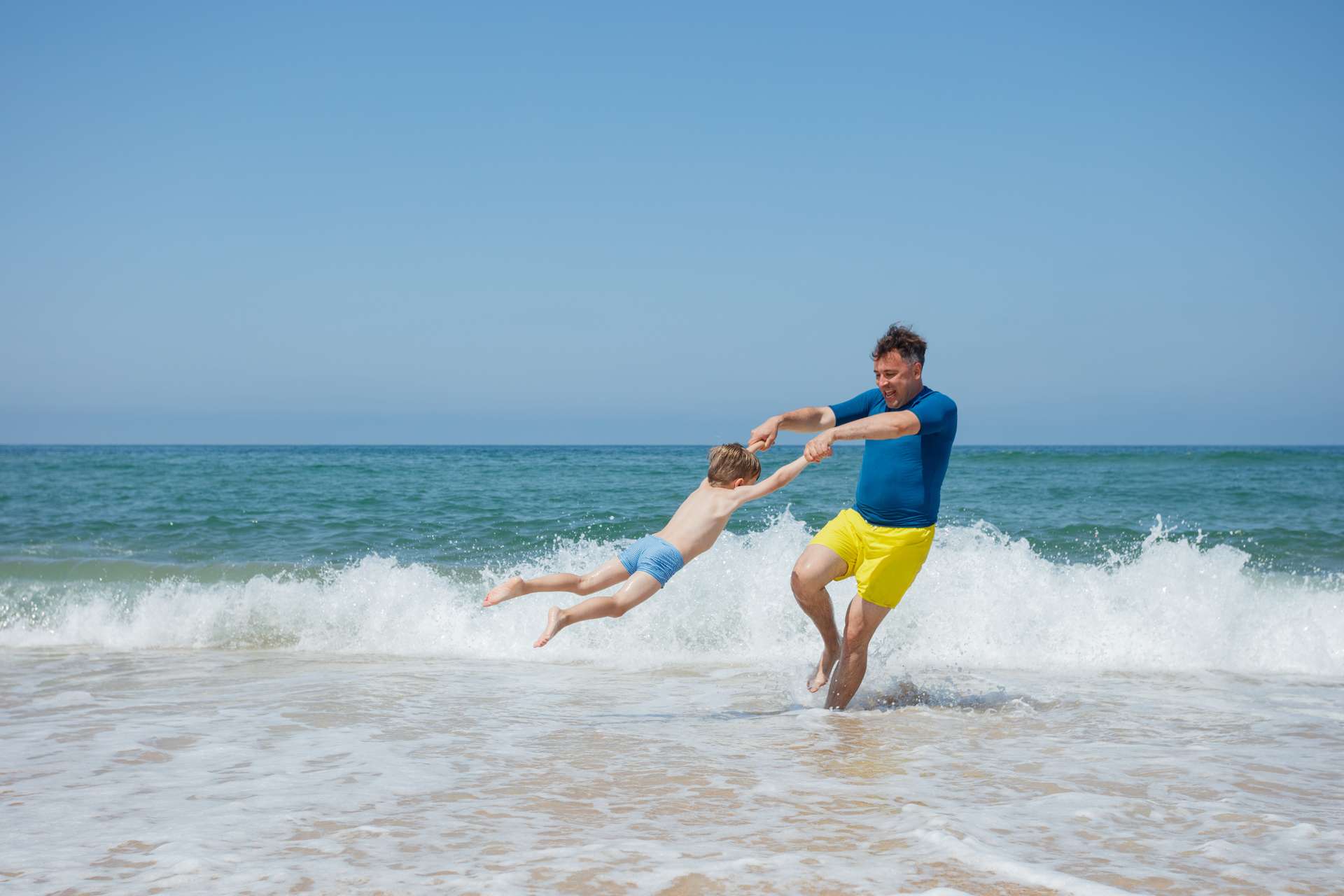
Costa Brava is home to dozens of spacious, sandy beaches with all the facilities you need for a family day out. Much of the sea here is calm and many beaches are shallow at the point of entry. If you’re seeking a family adventure – but nothing too challenging – many of the towns have well-paved, fairly short walking paths leading you to a more secluded beach.
Low sand dunes back the miles-long stretch of cream-coloured sand at Platja de Pals. Swimmers, sunbathers and watersports enthusiasts enjoy the spacious and not too developed beach. There are spots where you can rent loungers or shade and you’ll find several beach cafes and chiringuitos on the sands. There’s a path through the dunes behind the beach for a leg stretch. Be sure to stay to witness a dramatic sunset before heading back to your hotel in Pals.
Platja d’Aro is a paradise for families, with a sandy beach that feels almost endless and a calm, shallow sea. Plus, there are few motorised watersports here, so it’s a calm and quiet place to relax with your family. The popular resort also has access to several smaller, sandy coves as you move up the coast, like Cala Rovira and Cala sa Cova. Both can be accessed via a coastpath – ideal for adventures with older kids. Behind the main beach, the long promenade is perfect for strolling with your pram and there are several playgrounds.
Platja de Sant Antoni and Platja de Torre Valentina are the two main beaches in Sant Antoni de Calonge, joining almost seamlessly with Palamós main beach. Expect swathes of golden sand backed by a long, wide promenade which is lined with hotels and restaurants. The sea is usually calm, with a sandy bottom and a shallow entry, making it perfect swimming conditions for little ones. The sheer amount of space to spread out also makes it perfect for a family day out.
Best for beachfront hotels: Platja d’Aro and Sant Antoni de Calonge
Best for water activities: Sant Antoni de Calonge inflatable play area and Platja de Pals
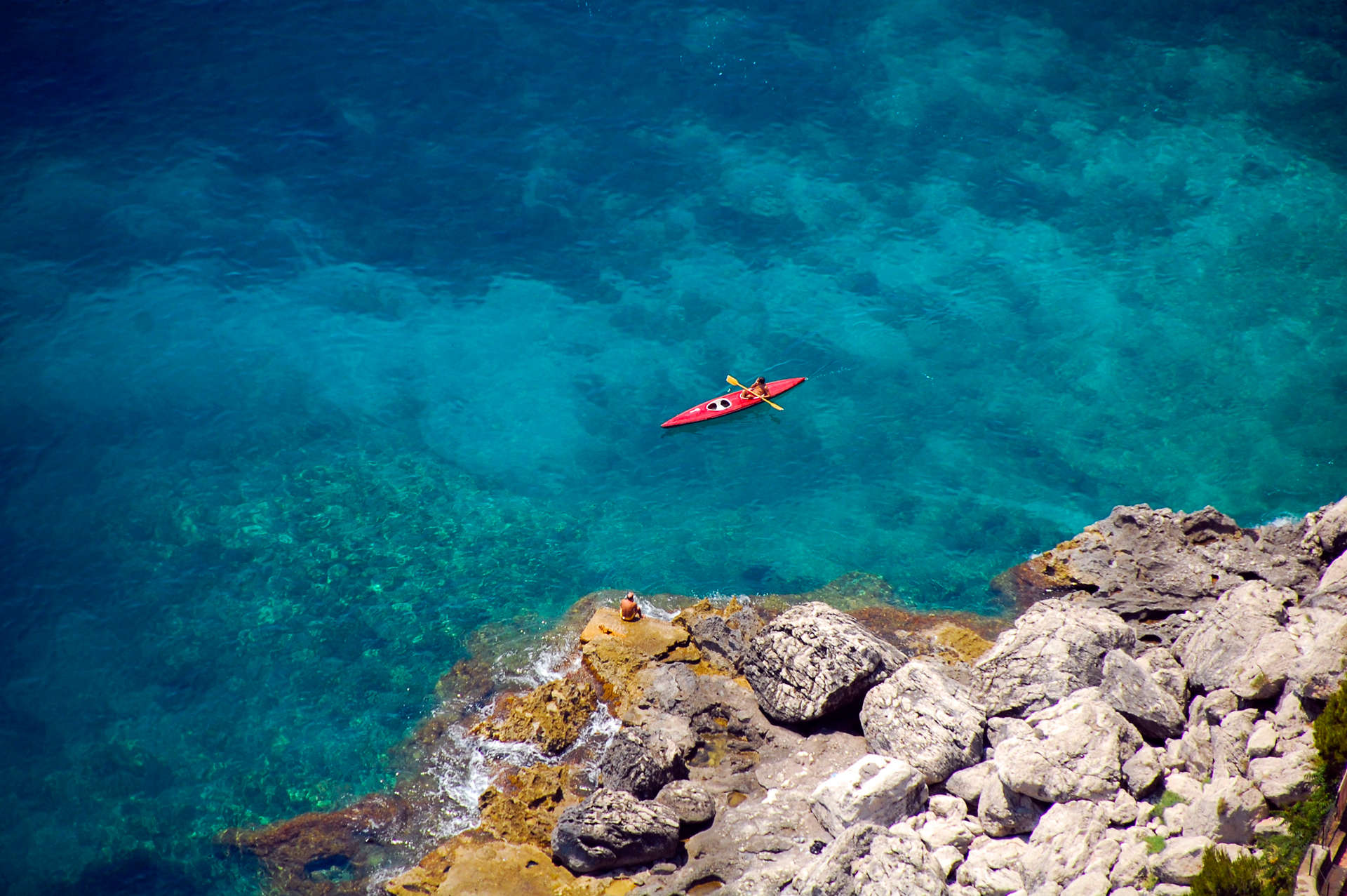
Costa Brava is maybe best known for its sedate beaches and clear swimming waters, but it’s also a great place for water activities. The crystal-clear and usually calm seas lend themselves to snorkelling, kayaking and SUP. The coast is also home to scuba-diving opportunities and even a few spots for windsurfing.
Empuriabrava is the largest residential marina in Europe, with over 20 km of inland waterways in addition to its sandy beach. If you’re not cruising up and down the waterways on a boat, enjoying the beautifully manicured ‘streets’ and properties lining the way, you might be swimming or wave-jumping at one of the large beaches. Many people come here to catch some of the best waves of this coastline. You can windsurf, kitesurf and wingfoil with companies in the local area.
The beach at L’Estartit is a sandy expanse with a particularly beautiful view of the Medes Islands in the bay. The seven rocky islets are surrounded by one of the most important marine reserves in the Mediterranean and offer possibilities for many water-based adventures. Diving is the most popular activity in the archipelago with dive trips running multiple times a day for various levels of qualification. You can also snorkel, kayak or SUP around the islands to explore them from a different angle.
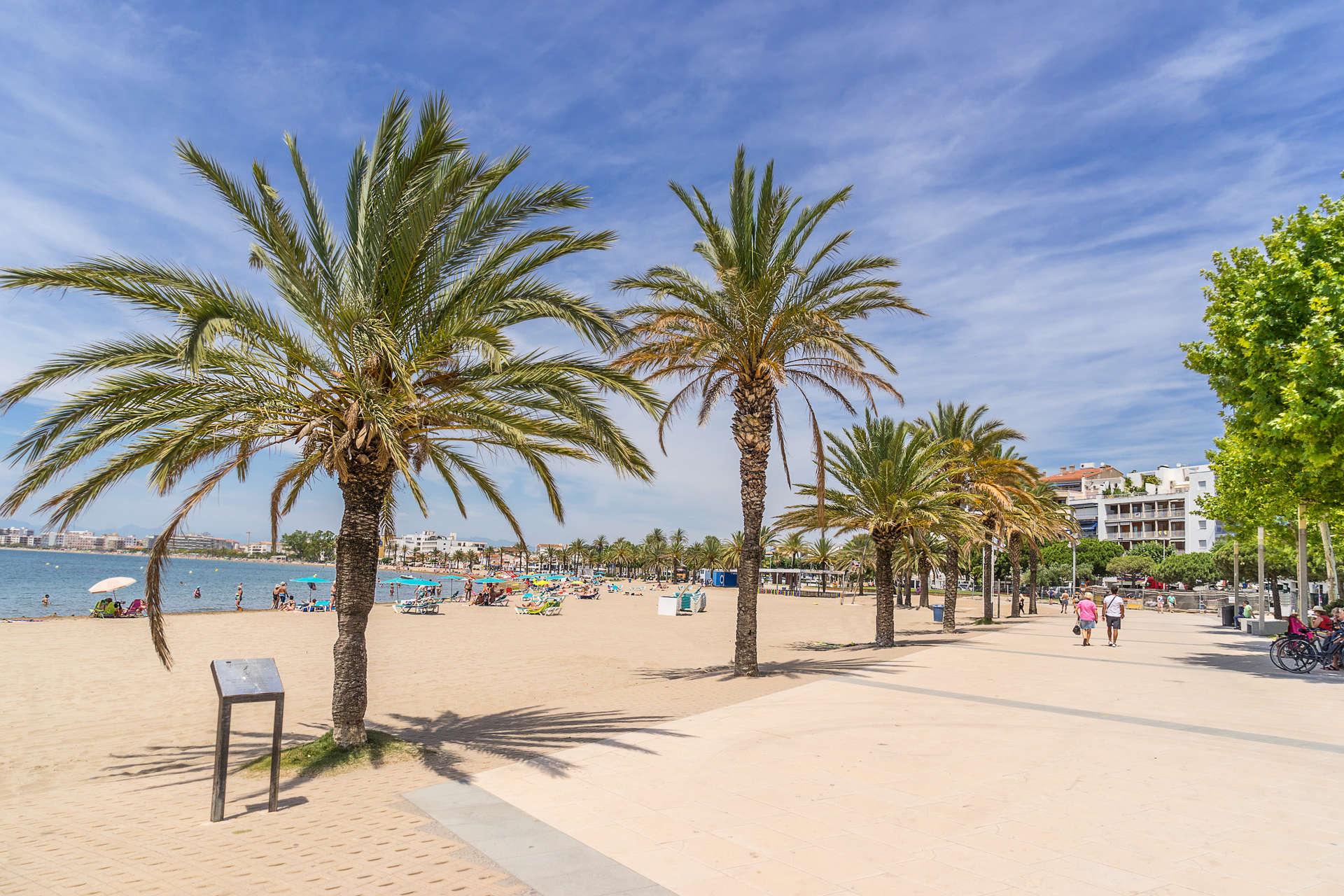
Roses is a popular destination, promising everything you love from a Costa Brava beach town. There’s the long, sandy shore, the calm, sheltered sea and the miles-long promenade for sunset strolls. Besides swimming and sunbathing, there’s also plenty of opportunity to get out on the water. Sailing is a popular activity thanks to the large marina and you can rent small boats without a license, as well as larger motorised vehicles if you’re qualified. Alternatively, if piloting the boat yourself seems like a lot of effort, you can join a boat trip or hire a captained boat for the day. Kayaking and SUP are also popular, since the water is so glassy, it’s easy even for beginners.
Best for underwater adventure and nature: L’Estartit
Best kayaking day trips: To nearby coves from Roses
In a rush? Here’s a quick run-down of the best beaches in Costa Brava for every kind of traveller.
Pals, Platja d’Aro and Sant Antoni de Calonge are the three top options for families seeking a classic beach holiday with all the facilities. If you’ve got teens in tow and are looking for an adventurous break, consider staying in Roses for sailing and hiking opportunities.
Lloret de Mar and Platja d’Aro are two great options for combining beachy days with fun nights out. Both towns promise plenty of beachside bars and evening entertainment. Tossa de Mar also has plenty of fun options for drinks and cocktails,.
If the aim of your holiday is to escape the crowds and be at one with nature then Cala Pola, tiny Cala Bona and Platja Castell could be for you. Wherever you’re staying, don’t forget that the Costa Brava has hundreds of tiny, secluded coves tucked in along its coast paths. All you need to do is hunt for them. Cala Banys in Lloret de Mar is a perfect example.
Top tip: Wherever you’re staying, you can (almost) always find a quieter beach by striking out on foot along the coast path
Transport: If you don’t want to hire a car, the Costa Brava is well connected by train and bus

We'll send you exclusive offers and sneak peeks of our best deals,
plus travel tips and the latest advice on where you can go.
