
|

|



Budapest holidays offer an unforgettable experience enriched with history, stunning architecture, and vibrant culture. As Hungary's capital, Budapest showcases attractions like the majestic Buda Castle and tranquil thermal baths ideal for relaxation. Wander along the Danube River, explore the historic Jewish Quarter, or savor Hungarian cuisine at a local bistro. With a myriad of activities and experiences, your holidays in Budapest promise lasting memories and thrilling adventures.

Combine and Save
Enjoy access to special prices, only available on package deals.

Tailor-made trips
Choose from thousands of flights, hotels and stays.

Spread the cost
Book with a small deposit and pay the rest later.

Everything you need
Quickly add insurance, luggage, rental cars and more.
112 reviews
£143
pp
1,252 reviews
£159
pp
3,781 reviews
£156
pp
2,375 reviews
£207
pp
18 reviews
£118
pp
629 reviews
£120
pp
9,937 reviews
£210
pp
303 reviews
£186
pp
6,065 reviews
£184
ppYou are protected


Book the best deals on holidays to Budapest today!
1 reviews
£142
pp
8 reviews
£122
pp
7 reviews
£144
pp
72 reviews
£187
pp
3 reviews
£117
pp
£151
pp
7 reviews
8 reviews
£135
pp
3 reviews
11 reviews
£195
pp
4 reviews
£178
pp
16 reviews
£193
pp
6 reviews
£149
pp
34 reviews
£204
pp
6 reviews
£162
pp
13 reviews
6 reviews
£120
ppArriving in Budapest from the UK is convenient, with direct flights to Budapest taking around 2.5 hours. Budapest Ferenc Liszt International Airport serves as the gateway to the city, located about 16 km southeast of the city centre. Transfer options include:
Public Transport: The 100E bus takes you directly to the city centre in about 30-40 minutes, costing approximately €3.
Taxi: A taxi to the city centre can take around 20-30 minutes, depending on traffic, with fares typically around €25-€30.
Airport Shuttle: Various companies offer door-to-door services, with prices depending on the destination and number of passengers.
Choosing the best time for your Budapest holiday depends on your expectations, as each season offers a unique experience:
Spring (March to May) sees the city bloom, with temperatures ranging from 10°C to 22°C. It's ideal for outdoor activities with fewer crowds.
Summer (June to August) is warm and vibrant, with temperatures between 20°C and 30°C. This is the peak tourist season, perfect for festivals and outdoor dining.
Autumn (September to November) offers mild weather (15°C to 25°C) and fewer tourists, making it a great time to explore the city's cultural offerings.
Winter (December to February) is cold (0°C to 5°C) but magical, especially during the Christmas markets. Days are shorter, and there's a chance of snow.
Spoken languages: Hungarian (Magyar) is the official language, but English is widely understood here.
Local habits and customs: Never say “thank you” when paying; this is understood in Hungary as “keep the change”. If you want to leave a tip, 10 percent will do, and, in restaurants, is expected. Hungary’s dominant religion is Catholicism but there are many Protestant churches. Respectful clothing is expected in places of worship.
Currency: The local currency is the Hungarian Forint (HUF). ATMs are widely available, and credit/debit cards can be used in most urban establishments.
Health and safety: Petty theft is common, with downtown Budapest a prime area for pickpocketing. It is advisable not to take valuables to the baths, as lockers are sometimes targeted by thieves.
Getting around: The metro has four lines (yellow, red, blue and green); services run every 2–15 minutes. Buses (busz) generally run every 10–15 minutes. Express buses, with the red “E”, go nonstop between termini. Trams (villamos) and trolleybuses (trolibusz) run regularly throughout the day.
Electricity and plug types: Hungary uses standard European 230 volts with two-pin plugs. UK travellers will need an adaptor for their devices.
Time zone: Budapest is on Central European Time (CET), which is 1 hour ahead of GMT, and observes Daylight Saving Time.
Required travel documentation: UK travellers can visit Budapest without a visa for up to 90 days within a 180-day period.
This practical information will help ensure your Budapest holiday is as enjoyable and smooth as possible, letting you focus on experiencing the stunning beauty and rich culture of Hungary's capital.
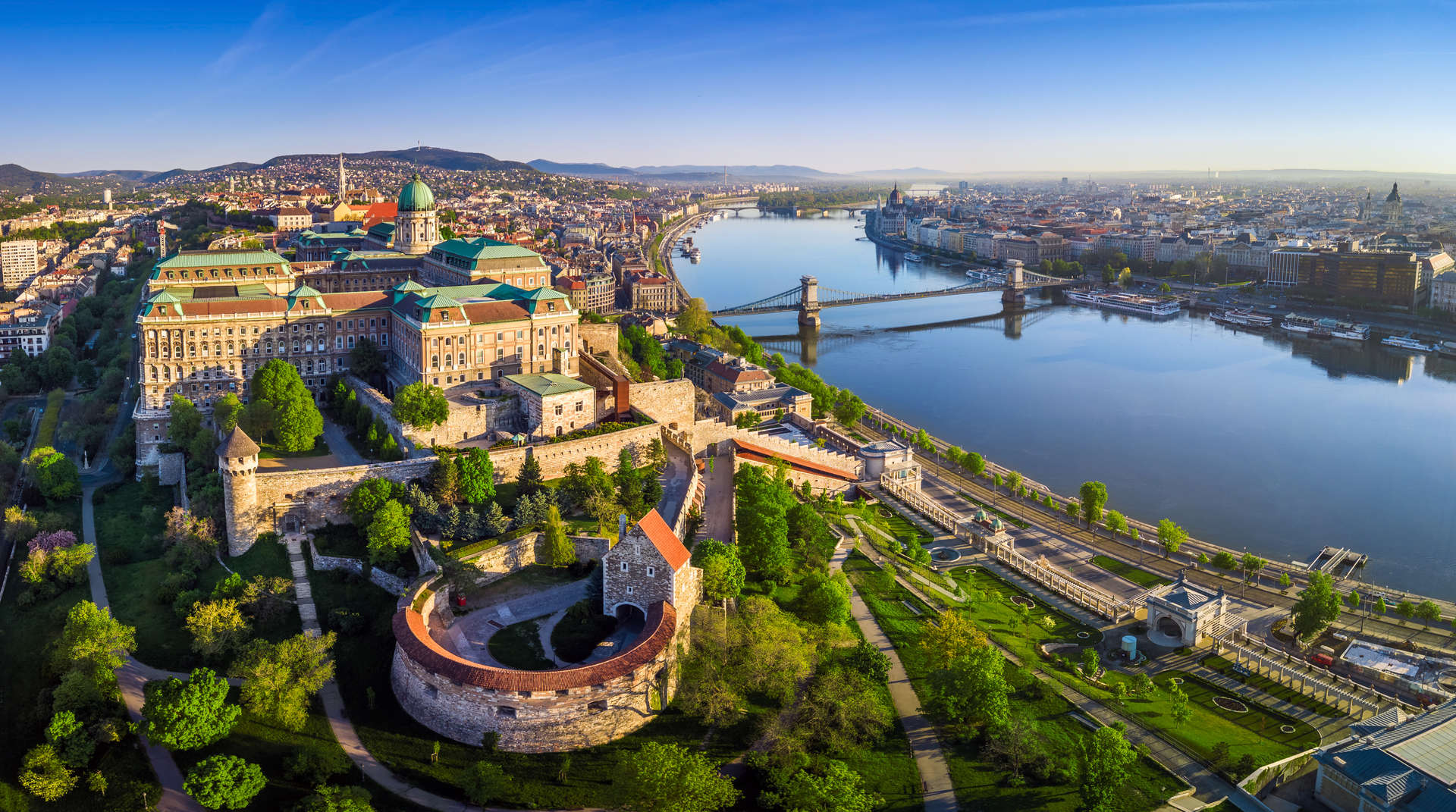
Budapest is a city of imposing scale and wide Danube vistas. It is split by the river into historic Buda and buzzy Pest and offers both the old (imperial-era boulevards, Art Nouveau coffeehouses, bubbling Turkish baths) and the new (quirky warehouse bars and summer riverboat clubs).
Fisherman's Bastion: Constructed in 1902 on the spot supposedly defended in the past by the guild of fishermen against would-be invaders, it’s an excellent place for looking out across the river to the splendid Parliament building.
Gellért Hill: A short hike up here brings you to some breathtaking views of Budapest, including the magical sweep of the Danube.
Castle District: The crowning feature of the Buda side, this 1.6km long plateau rises steeply from the Danube bank, bearing the imposing Buda Palace, a web of cobbled streets and the Mátyás Church, symbolic of Hungarian nationalism.
Pest: Thick with hip cafés and bars, as well as being home to the historic Belváros (central old town) and the intimate Jewish district.
Gozsdu Udvar: Magical complex of six interconnecting courtyards, Gozsdu Udvar houses an antiques market, cocktail bars, American diner-style restaurants, pull-your-own-pint pubs, cafés, handicraft stalls, Latin-themed bars and penny arcades.
Statue Park: Housing statues of Marx, Engels, Lenin and friends, as well as heroic scenes from Communist legends, this park also gives a lively glimpse into Hungary’s Communist past for the uninitiated.
House of Terror: A dramatic memorial museum to the victims of state repression, occupying the former headquarters of the secret police.
Hungarian National Gallery: Showcased in the imposing Royal Palace, this is Hungary’s premier collection of home-grown art, from Gothic altarpieces to Art Nouveau and Abstract Expressionism.
St Stephen’s Basilica: An assertive 19th-century cathedral whose heavy ornamentation inspires awe more than contemplation.
Great Synagogue: The world’s second-largest synagogue and the central place of worship for what remains – despite the devastation of the Holocaust – of Central Europe’s largest Jewish community.
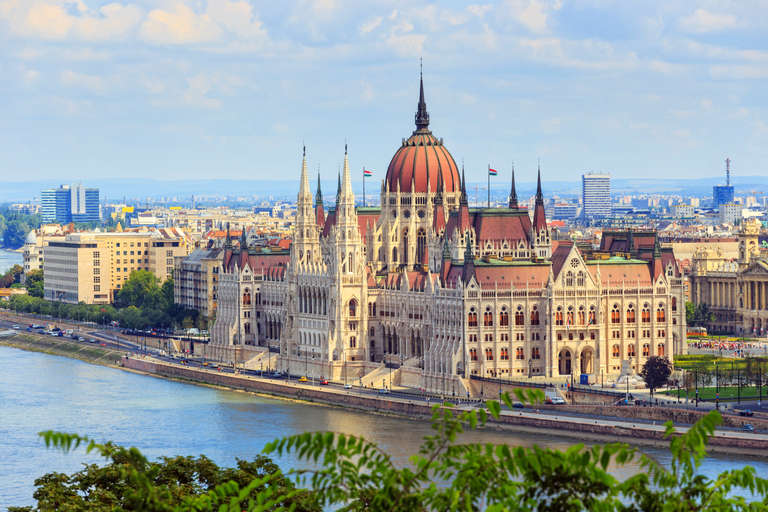
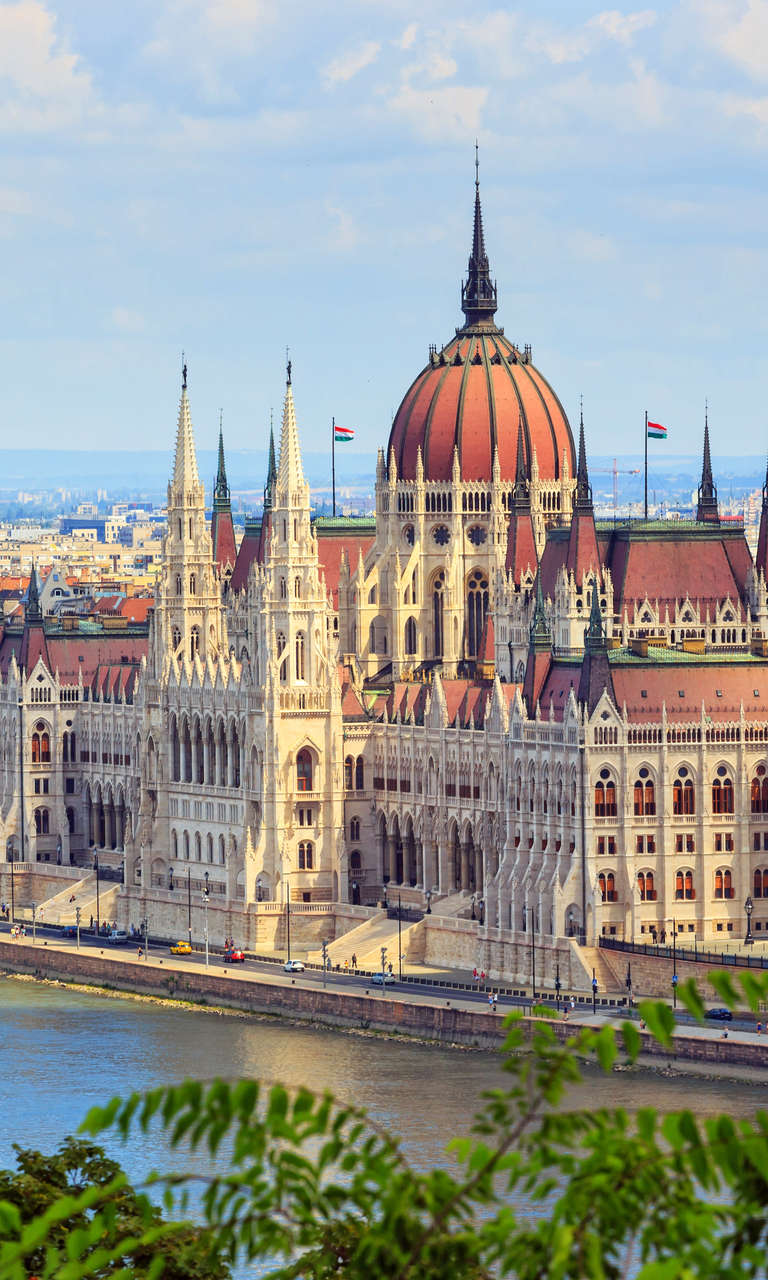
Parliament Building: The most unmissable sight in Pest by far, this is Hungary’s biggest and arguably most beautiful building.
Margaret Island: A green oasis in the middle of the Danube, the island has a lovely rose garden, a mini zoo and a musical fountain that plays popular tunes.
City Park (Városliget): Vast green acres girdled by an artificial lake that’s used for boating in the summer and transforms into a splendid outdoor ice rink in winter.
Szentendre: On the west bank of the Danube Bend, this is a popular day trip from Budapest, a picturesque if rather touristy “town of artists” with narrow cobbled streets and quaint houses.
Lake Balaton: Dubbed the “Hungarian sea”, its built-up southern shore features loud resorts such as Siófok, which brands itself as the “capital of summer”, while gentler Keszthely perches on the western tip.
The city has many kid-centric attractions, from the wonderful zoo carousel and the Houdini Museum’s magic displays to the interactive Centre of Scientific Wonders and the Railway History Park.
Zoos and parks: As famous for its architecture as its animals, the city’s fabulous zoo will entertain kids and parents alike – don’t miss the elephant house.
Cogwheel and Children’s Railways: Kids and adults alike will love this 3km climb up into the Buda Hills; and once you’ve reached the upper terminus, you can board the narrow-gauge railway, which runs for a further 11km through deep woods.
River cruises: What better way to appreciate the not-always-so-blue Danube than on a lazy afternoon cruise?
Budapest is a city where you really don’t need to spend much to enjoy the best of it.
Free walking tours: Budapest Tours offers various free excursions, the most popular of which is the Orientation Tour (daily 10.30 am from Deák tér; 2hr 30min).
Explore the city by tram: The iconic tram 2 route runs along the Danube and provides fantastic views of the Parliament Building, Buda Castle and the Chain Bridge. It’s a budget-friendly way to sightsee, with a single ticket costing just HUF 350.
Annual festivals: Budapest’s festivals are a delight. The Budapest Spring Festival and the Festival of Folk Arts in Buda Castle both feature free performances, music and craft demonstrations. There’s also the festive Christmas market at Vörösmarty Square, where you can enjoy the atmosphere without spending a penny, though you’ll be sorely tempted to.
Budapest is not just about urban delights; it also offers plenty of green spaces and activities for those who want to reconnect with nature.
Hiking: The Buda Hills are as close to nature as you can get within the city limits, and are a favourite place for walking in all seasons, with trails marked with distance or duration.
Water sports: Taking a canoe or kayak out on the Danube can be exhilarating. The Béke Boathouse is a 10-minute walk from the Rómaifürdő HÉV station.
Caving: Óbuda offers the opportunity to explore a couple of fascinating cave systems. You can walk around them without any special equipment, or you can go on more adventurous visits with Caving under Budapest – you don’t need caving experience, but you do need to be fairly fit and agile, as you’ll be climbing on walls and squeezing through passageways.
For foreigners, the archetypal Magyar dish is still goulash, although various foreign influences have helped diversify the country’s cuisine. Hungary’s Slav visitors introduced native cooks to yoghurt and sour cream, while the influence of the Turks, Austrians and Germans is apparent in a variety of sticky pastries and strudels, as well as in recipes featuring sauerkraut or dumplings.
Goulash (Gulyás): The classic Magyar dish, this thick soup comprises hunks of beef along with paprika and vegetables.
Paprika: An ingredient as opposed to a dish, paprikás is a general name given to dishes seasoned with paprika and served with sour cream sauces, especially fish, fowl and veal dishes.
Pörkölt: Similar to a stew, this is a slow-cooked dish made with meat (often beef or pork), onions, paprika and spices and served with nokedli (small dumplings).
Chicken paprikash (Paprikás Csirke): Classic Hungarian comfort food, tender chicken pieces cooked in a creamy paprika sauce and served with dumplings or rice.
Pike-perch (fogas): This firm, almost boneless white flesh is best tasted fresh on the shores of Lake Balaton.
Fish soup: The fish (catfish, carp and either sturgeon or pike-perch) is layered in a big pot, then simmered with onions, paprika and water.
Lángos: Deep-fried dough topped with sour cream and cheese, though you can find versions with garlic, ham and other toppings.
Kürtőskalács: Also known as chimney cakes, these spiral-shaped pastries are coated with sugar and cinnamon, and sometimes ground walnuts or chocolate.
Dobos Torte: Named after its creator, József Dobos, this layered sponge cake is filled with chocolate buttercream and topped with caramel.
Pálinka: Potent fruit brandy made from plums, apricots or other fruits, this has to be sampled at least once.
Tokaji wine: The "king of wines, the wine of kings," Tokaji is a sweet, and very moreish, dessert wine that’s been produced in Hungary for centuries.
Immersing yourself in Budapest's local sports scene is a thrilling way to experience the city like a local. Catch a football match at the Puskás Aréna or experience the atmosphere at Groupama Aréna, home to Ferencvárosi TC, Hungary's most celebrated football club. For water sports enthusiasts, the Danube hosts exciting rowing and canoeing events, reflecting Budapest's strong connection to river sports.
Budapest offers a wealth of sports facilities that cater to travellers looking to maintain their fitness regime or try something new. The city is renowned for its historic thermal baths, such as Széchenyi and Gellért, which include swimming pools with varying temperatures. Modern gyms and studios across Budapest offer yoga, fitness classes, dancing, and tennis, providing ample options for active relaxation.
Exploring Budapest by bike offers a unique perspective of the city's stunning architecture and scenic beauty. Numerous bike rental services make it easy to embark on a cycling adventure along the Danube or through the city's leafy parks. Popular cycling routes include the path along the Danube River, offering picturesque views of Buda and Pest, and the circuit around Margaret Island, a peaceful retreat in the heart of the city.
Budapest is surrounded by natural beauty, with the Buda Hills providing a perfect backdrop for hiking enthusiasts. Trails of varying difficulty lead to panoramic views over the city. Normafa is a popular starting point for many hikes, offering routes that cater to all levels and showcasing the lush landscape that defines the region.
The Danube River and surrounding lakes offer numerous opportunities for water sports, from kayaking and canoeing in the heart of Budapest to more tranquil pursuits like stand-up paddleboarding on Lake Balaton, a short journey from the city. These activities offer a refreshing escape from the urban environment and a different angle from which to appreciate Hungary's natural beauty.
While Budapest itself may not be known for traditional winter sports, the city transforms several of its parks into ice skating rinks during the colder months, with the rink in City Park being one of the largest and most picturesque in Europe. For skiing and snowboarding enthusiasts, the nearby Mátra and Börzsöny mountains offer slopes suitable for a day trip.
Golfing is a growing sport in Hungary, with several courses around Budapest catering to all skill levels. The Budapest Highland Golf Club & Academy is conveniently located, offering a challenging course with stunning views of the city, while the Pannonia Golf & Country Club provides a more extensive golfing experience amidst rolling hills and beautiful natural surroundings.
Budapest's calendar is rich with seasonal festivities that offer visitors a unique way to experience the city's vibrant culture and traditions.
New Year: Budapest rings in the New Year with grand fireworks over the Danube and lively celebrations in bars and public squares.
Christmas Shopping & Markets: The festive season transforms Budapest into a winter wonderland, with the Christmas market at Vörösmarty Square being a highlight for both shopping and traditional Hungarian holiday treats.
Easter: Easter in Budapest is celebrated with traditional crafts, foods, and folk dancing, particularly noticeable at the Castle District, where Hungarian Easter traditions come to life.
Gay Events: Budapest Pride, taking place in July, is a colourful and vibrant celebration of the LGBTQ+ community, featuring a parade and various cultural events.
Carnival: While not as famous as its counterparts in other countries, the Farsang (Carnival season) in Budapest is marked by costume balls and traditional Hungarian festivities leading up to Lent.
Budapest's festival scene is as diverse and dynamic as the city itself, with an array of events celebrating culture, music, food, and more throughout the year.
Budapest Spring Festival: A major cultural event in April, showcasing classical music, opera, ballet, and theatre performances across the city.
Sziget Festival: One of Europe's largest music and cultural festivals, taking place on Óbudai Island in August, drawing international acts and festival-goers from around the globe.
Budapest Wine Festival: Held in September in the Buda Castle, a celebration of Hungarian wines and winemaking, complete with tastings and culinary delights.
Budapest International Documentary Festival: Offering a platform for innovative and thought-provoking documentaries from around the world.
Danube Carnival: Mid-June sees a mix of traditional and contemporary dance performances, culminating in a grand parade.
Jewish Cultural Festival: Celebrating Jewish culture, music, and food, this festival highlights Budapest's rich Jewish heritage.
Budapest Christmas Market and Winter Festival: Starting in late November, the city centre glows with festive lights, stalls, and ice skating rinks, creating a magical holiday atmosphere.
These seasonal events and festivals are key highlights of Budapest holidays, offering visitors a chance to immerse themselves in the city's festive spirit and rich cultural tapestry.
Budapest boasts an efficient public transport system, including buses, trams, and a metro system, making it easy to navigate the city. Tickets are affordable and can be purchased at stations, from vending machines, or on board for certain services.
The best time to visit Budapest is during the spring (March to May) and autumn (September to November) seasons. During these months, the weather is pleasant, and the city is less crowded, offering a perfect balance for sightseeing and exploration.
The currency used in Budapest is the Hungarian Forint (HUF). Credit cards are widely accepted in hotels, restaurants, and shops, but it's a good idea to have some cash for smaller establishments and local markets.
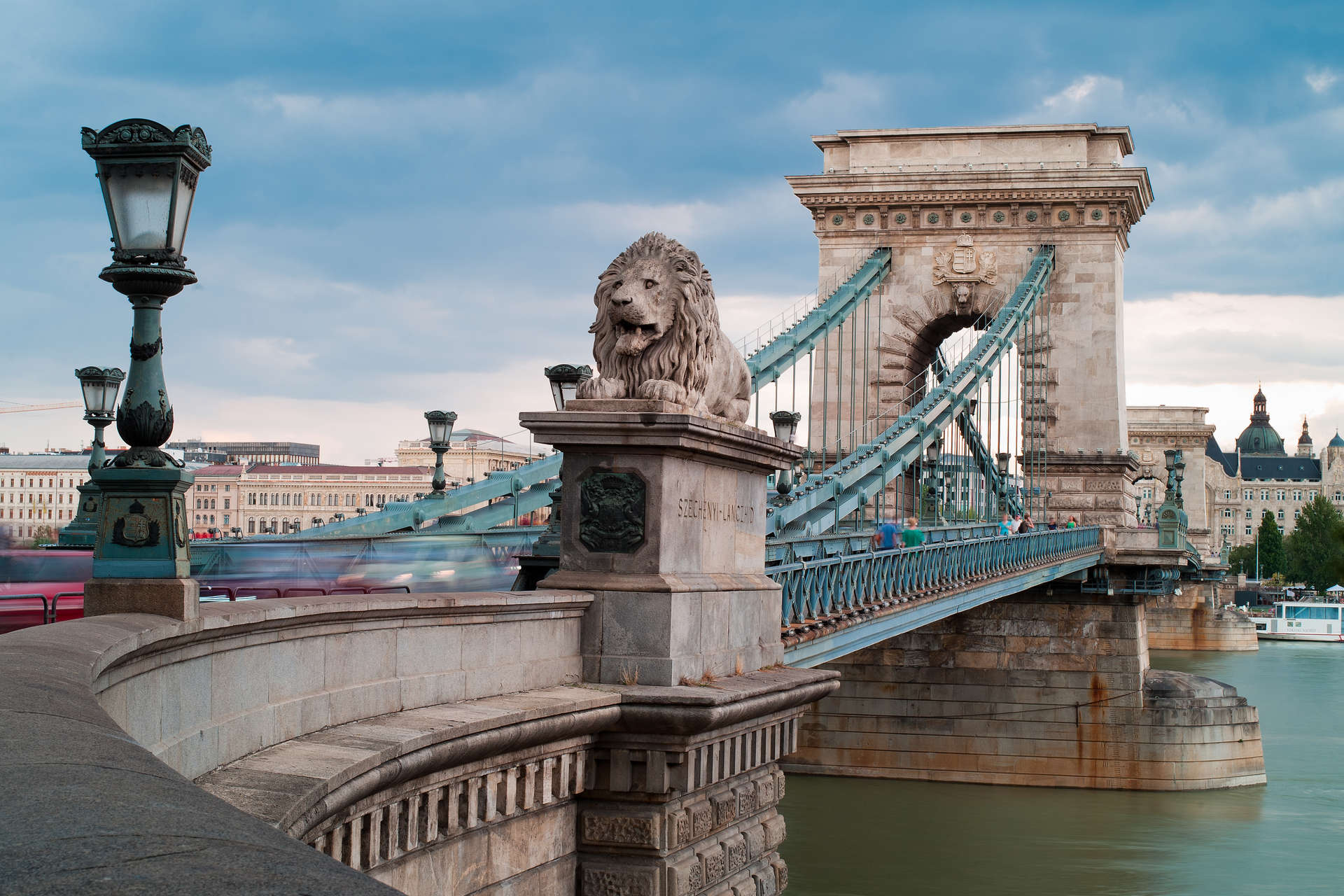
Budapest is renowned for its stunning architecture and rich history. Top attractions include the Buda Castle, Parliament Building, St. Stephen's Basilica, the Chain Bridge, and the thermal baths, such as Széchenyi and Gellért.
Yes, tap water in Budapest is safe to drink. However, if you prefer bottled water, it's readily available in stores and restaurants.
When in Budapest, be sure to try Goulash, a traditional Hungarian stew made with meat, vegetables, paprika, and other spices. Other must-try dishes include Lángos (fried dough with various toppings) and Kürtőskalács (chimney cake).
Tipping is customary in Budapest, especially in restaurants and cafes where 10% of the bill is appreciated if the service is not included. It's also polite to tip taxi drivers, tour guides, and hotel staff for good service.
The most popular places to visit in Budapest are: Buda Castle, St. Stephen's Basilica, Fisherman's Bastion.
Budapest is the ideal destination for city breaks.
Booking a flight + hotel package to Budapest with lastminute.com offers several advantages. By booking both services together, you can take advantage of exclusive deals and choose from thousands of flights and accommodations for the perfect combination. Additionally, you can secure your vacation with a deposit and pay the remaining amount later. You also have the flexibility to add other travel extras such as insurance, rental cars, and luggage to the flight + hotel package as per your preferences.
Before travelling from the UK to Budapest, ensure your passport is valid for the duration of your stay. To get the latest Visa information for Budapest, please check travel advice on GOV.UK.
Belváros - Lipótváros
800+ hotels nearbyBudapest city centre
3700+ hotels nearbyInner City Budapest
900+ hotels nearbyDistrict VII
2100+ hotels nearbyJozsefvaros
1000+ hotels nearbyTerezvaros
400+ hotels nearbyErzsebetvaros
2000+ hotels nearbyDistrict VI
400+ hotels nearbyCastle Hill
400+ hotels nearbyBudavár
200+ hotels nearbyUjlipotvaros
500+ hotels nearbyLipotvaros
300+ hotels nearbyDistrict XIII
500+ hotels nearbyVíziváros
200+ hotels nearbyDistrict IX
500+ hotels nearby