In collaboration with Rough Guides


In collaboration with Rough Guides
In collaboration
with Rough Guides
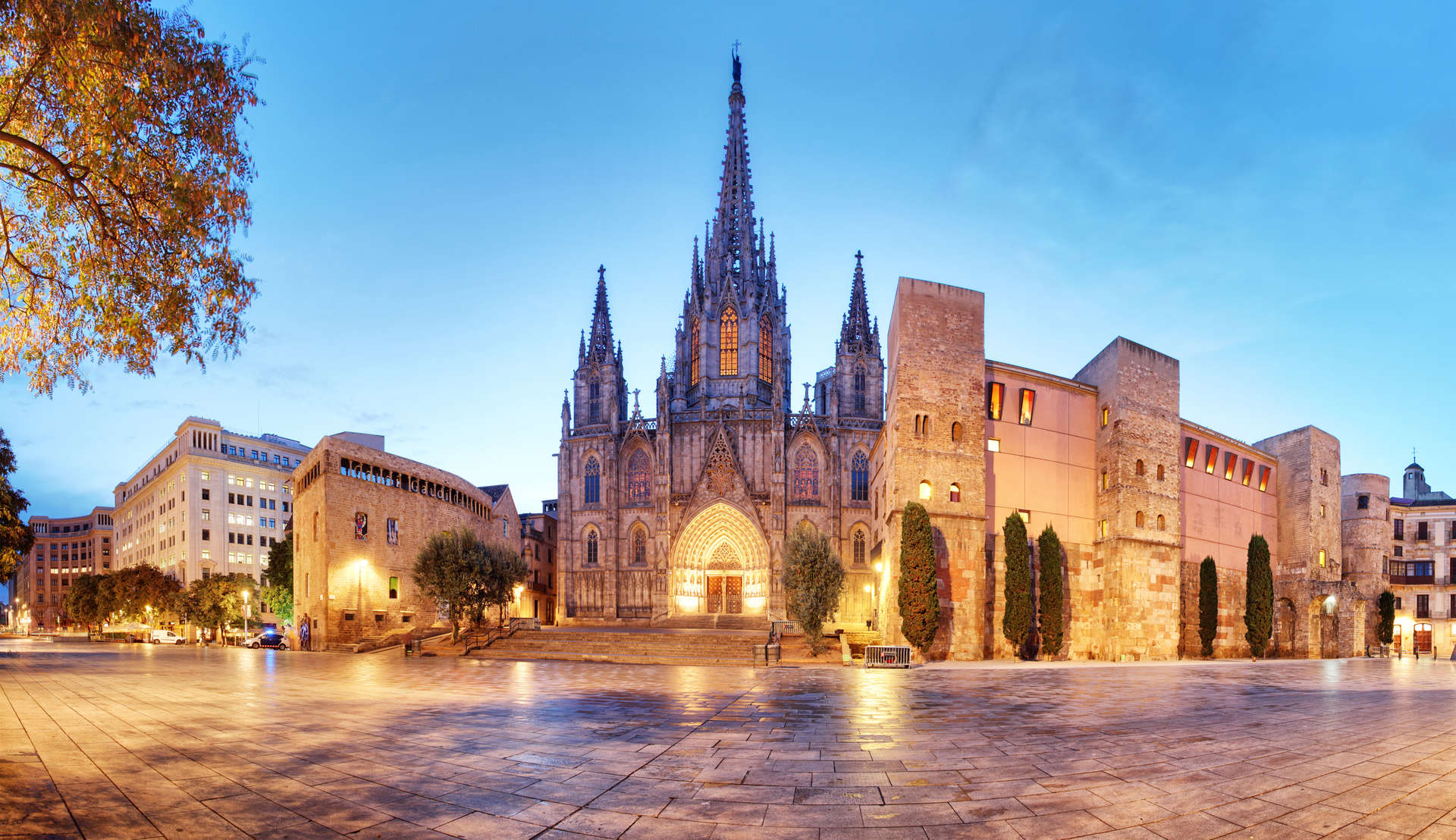
Feel a little bit virtuous and start your tour of the neighbourhood at the superb Catedral, the Gothic Quarter’s focal point. There is something distinctively Southern European about exiting the hot sun and noise of the streets to duck into a cool, hushed Catholic church where you can marvel at the wealth of historic devotion on display.
Barcelona’s cathedral was begun in 1298 on the site of earlier churches going back to the times of the Visigoths. The final touch – the florid Gothic facade – was not completed until the end of the 19th century. Steps under the altar lead to the alabaster tomb of Santa Eulàlia, one of the city’s two patron saints, martyred in the 4th century and celebrated with a Festa Major in February. Watch where you walk, as the leafy cloister is paved with tombstones, badly worn, but many still bearing the ancient emblems of the bootmakers’,tailors’ and other craft guilds whose wealth helped pay for the cathedral.
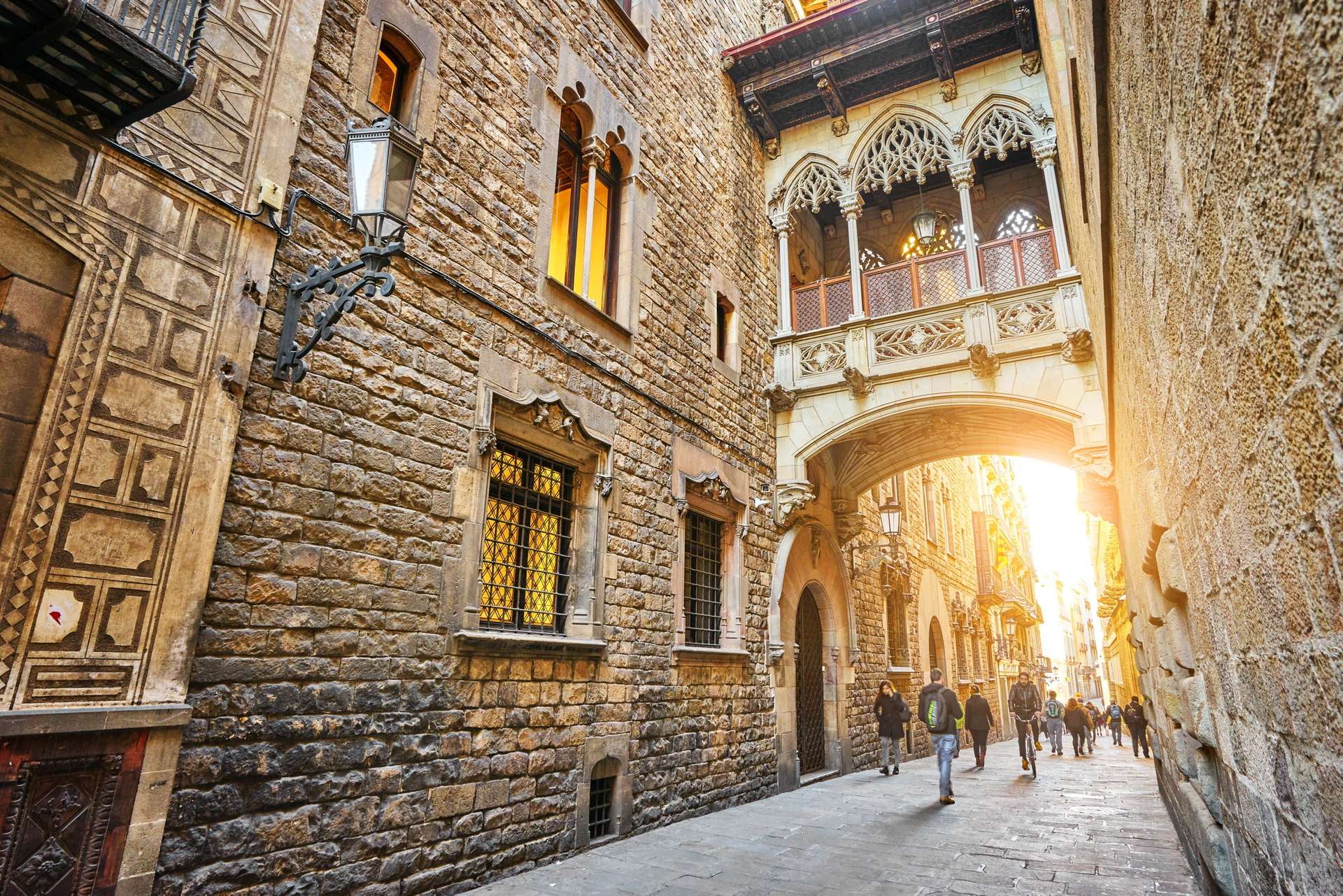
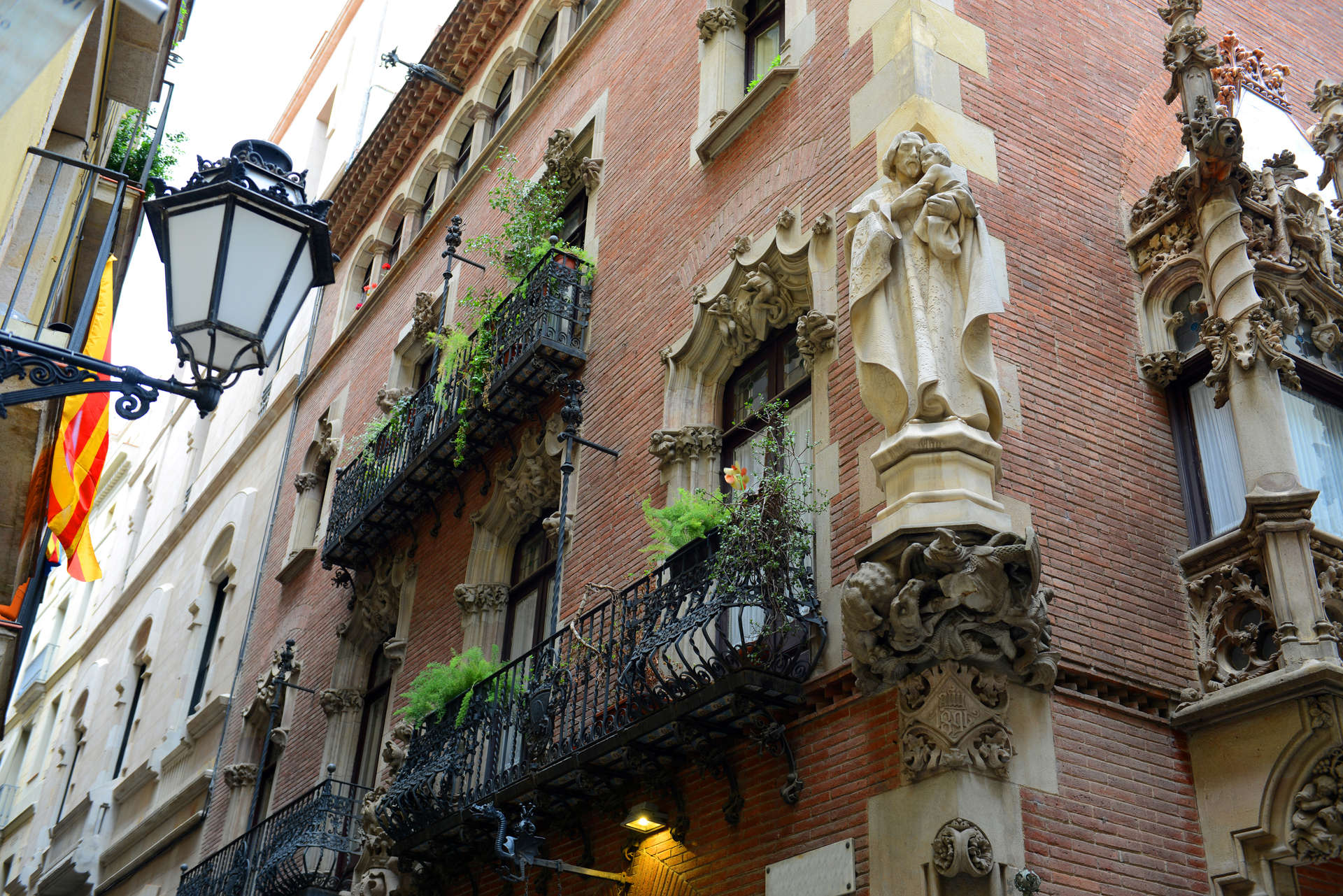
Leaving the chapel by its front entrance, turn left into Carrer del Bisbe. Look up as you walk through the old town to take in the details – a curious hanging sign, a lantern, an unusual sculpture or plants trailing from balconies – the stuff that makes you thrill at being exactly where you are.
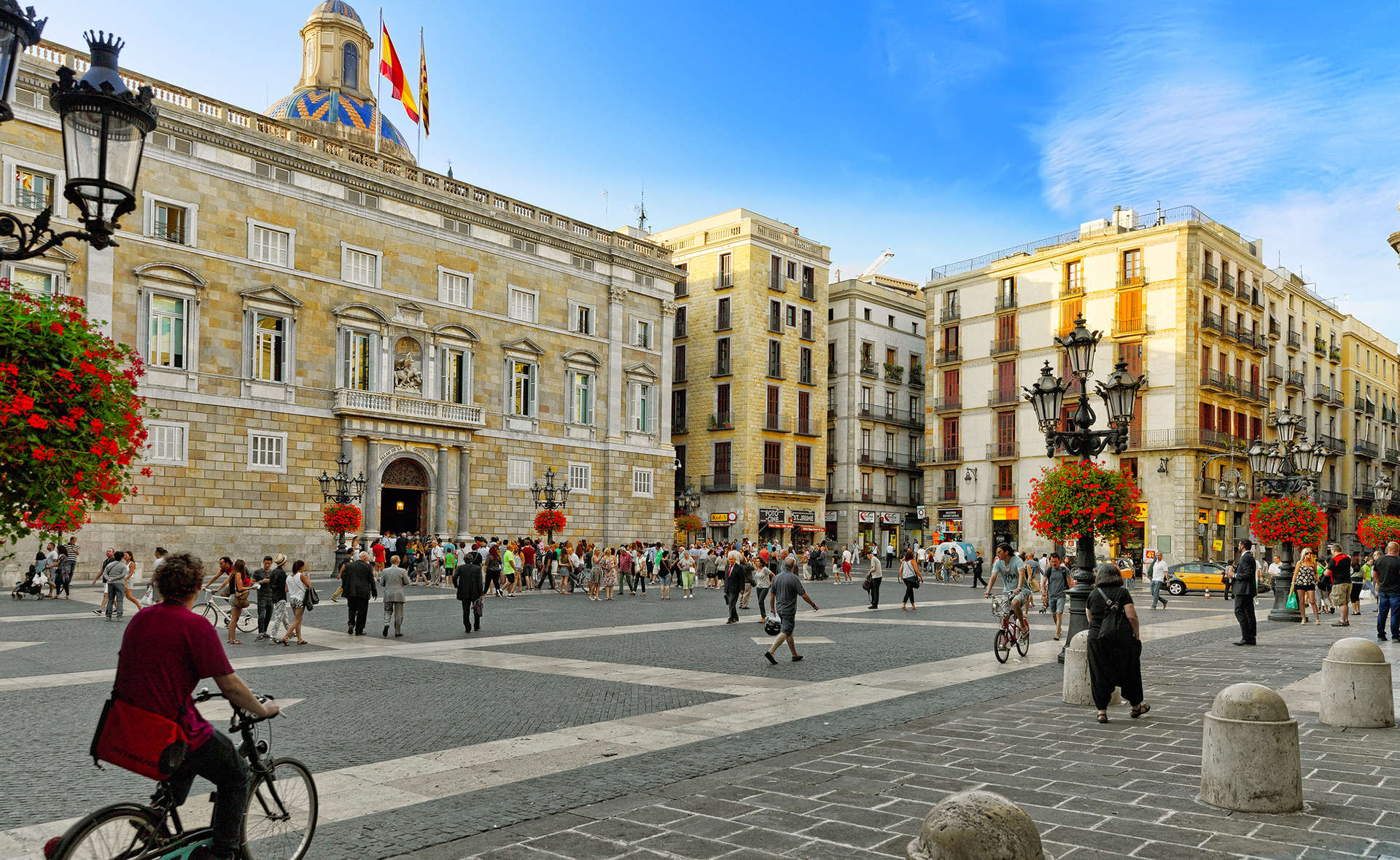
Just ahead is the Plaça Sant Jaume, the heart of the Barri Gòtic and a valuable open space in the area in which to soak up some sunshine. It’s also the centre of Barcelonian politics, where the Government of Catalonia, the Generalitat, faces the Casa de la Ciutat (city hall, or Ajuntament). The Palau de la Generalitat, on the north side of the square, is the more interesting of the two. It dates from 1359 and the star feature here is the flamboyant Gothic facade of the Capella de Sant Jordi. The Ajuntament, across the plaza, has held Barcelona’s city hall since 1372.

Book your dream trip to the Catalan capital by discovering our amazing deals. Whether you are looking for a romantic getaway or something for all the family, we have the perfect package for you.
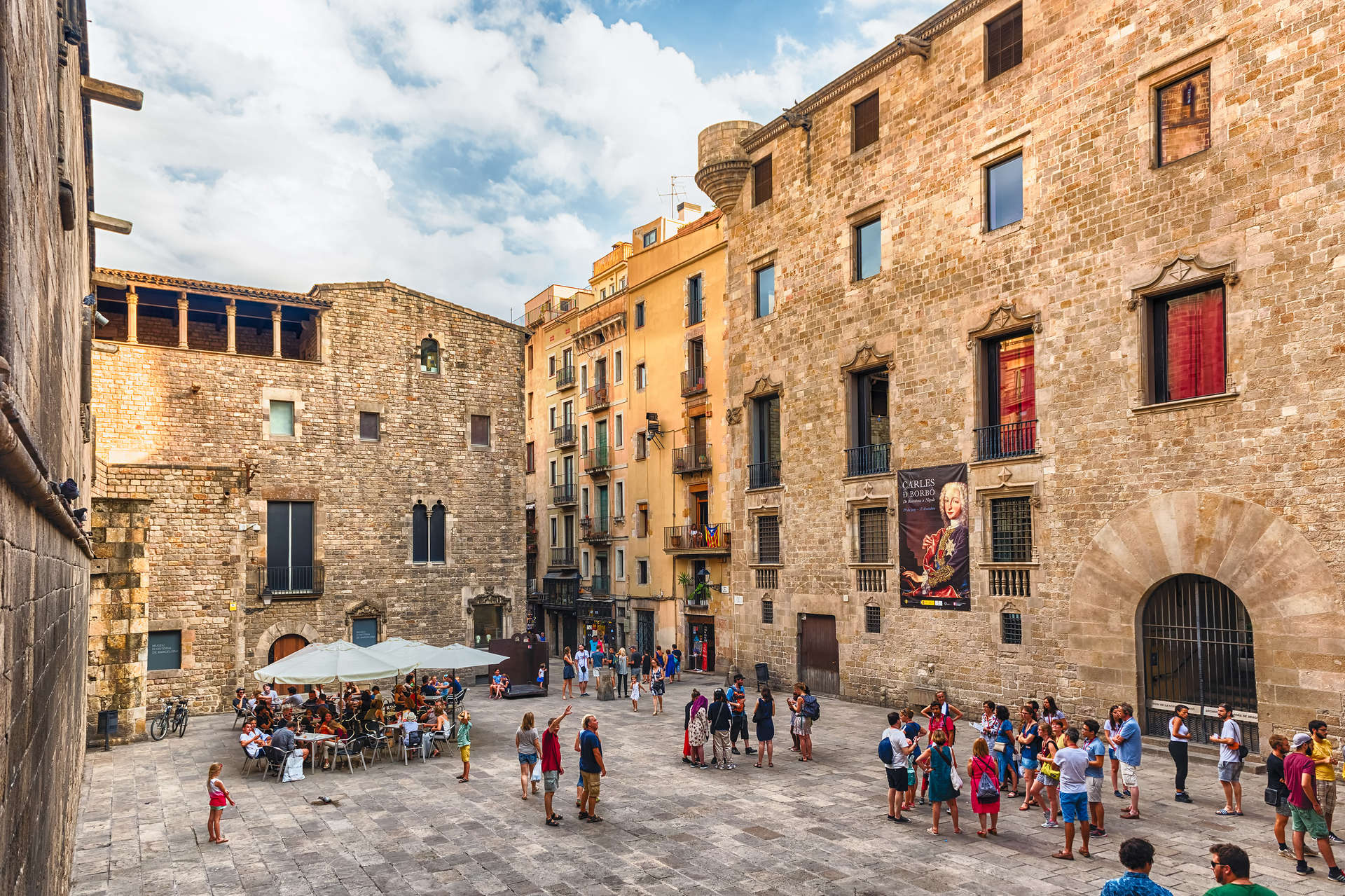
If you’re feeling in need of caffeination, hunt down one of Barcelona’s oldest and tiniest coffee shops, El Mesón del Café, on Baixada Llibreteria. One block down on the left is Veguer, which leads to the Plaça del Rei and the Museu d’Història de la Ciutat de Barcelona (MUHBA; City History Museum). The building is a Gothic mansion that was moved stone by stone to this location. Above them is the Palau Reial Major (Royal Palace), which acted as the residence for the Kings of Aragón. The main buildings here are the chapel, tower and great hall.
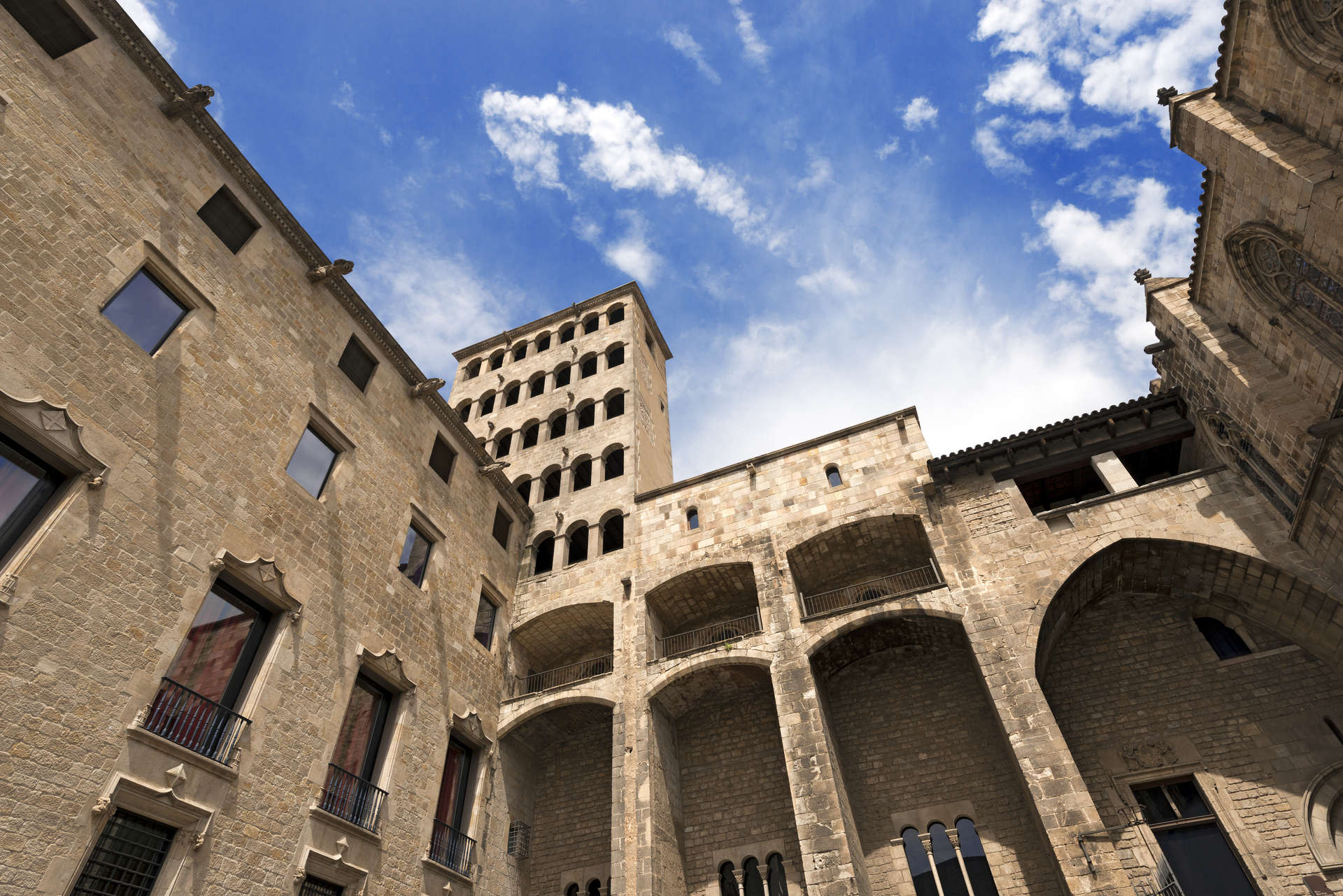
While you’re in the zone for grand historic buildings, check out the vast Saló del Tinell, which was built for royal audiences. Fun fact: this is where Ferdinand and Isabella supposedly received Columbus in 1493 on his return from his first voyage to the Americas. It was later used as a church, and by the Inquisition, whose victims were burned at the stake in the square (a less fun fact). Concerts are held in the square in summer, notably during the La Mercè fiesta.
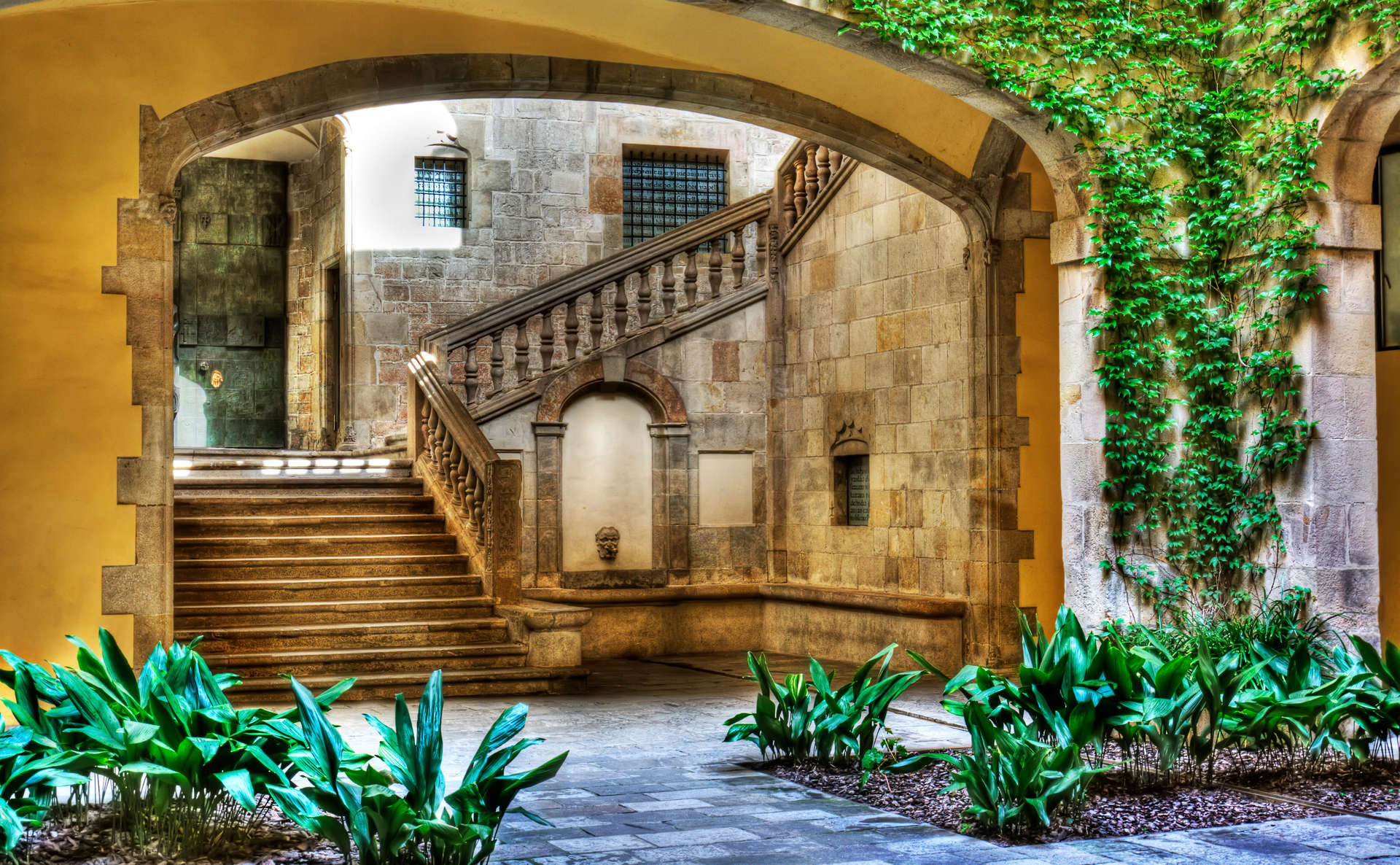
Just beyond the Palau del Lloctinent (Palace of the Lieutenant) is the Museu Frederic Marès, which has a beautiful courtyard with an attractive café in the summer months. Marès, a 20th-century sculptor of civic statues, was a compulsive collector who bequeathed to Barcelona an unusually idiosyncratic collection of art consisting of work from the ancient world up through the 19th century. You can really get lost in the ‘museum within a museum’ – set aside a bit of time to explore.
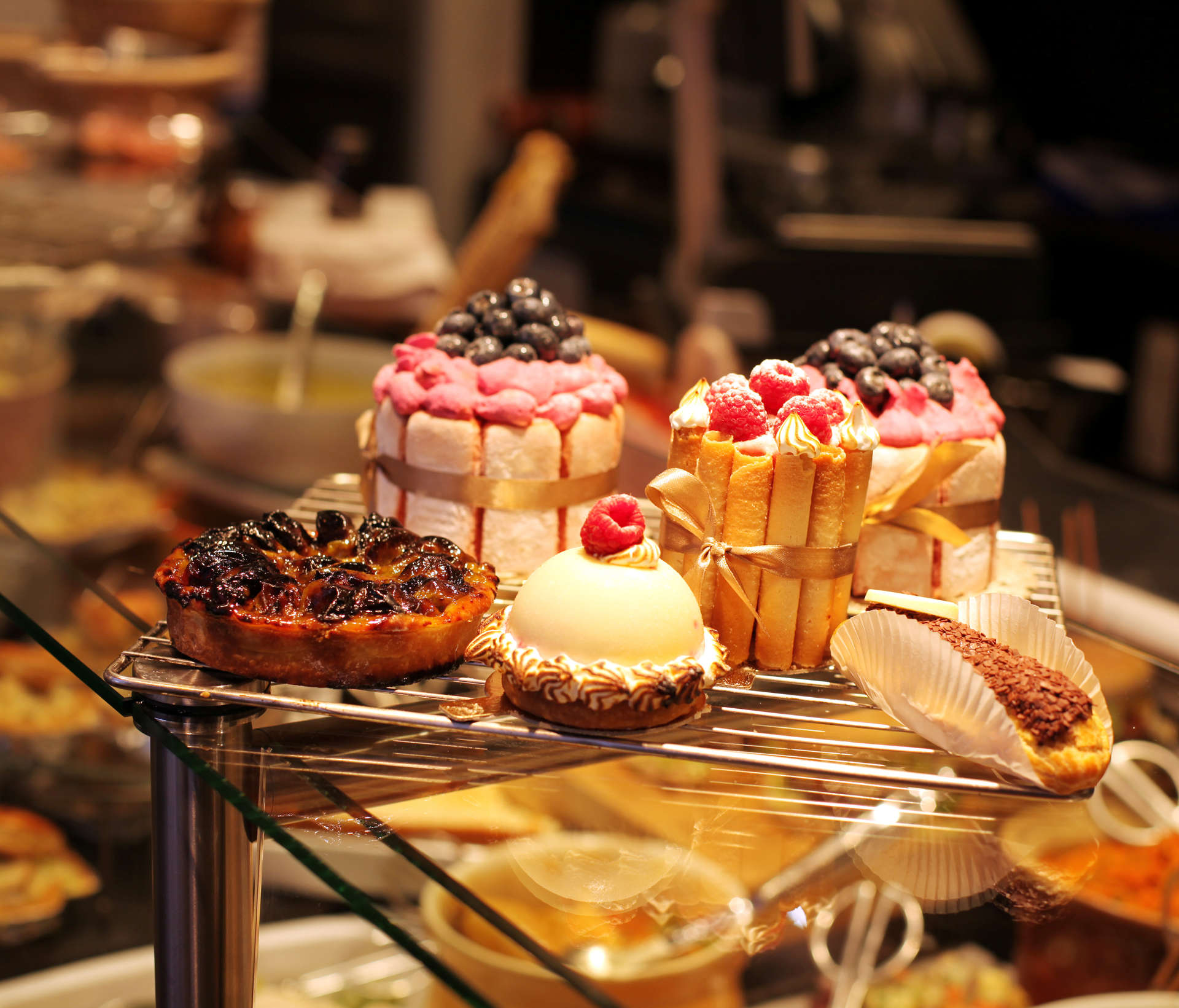
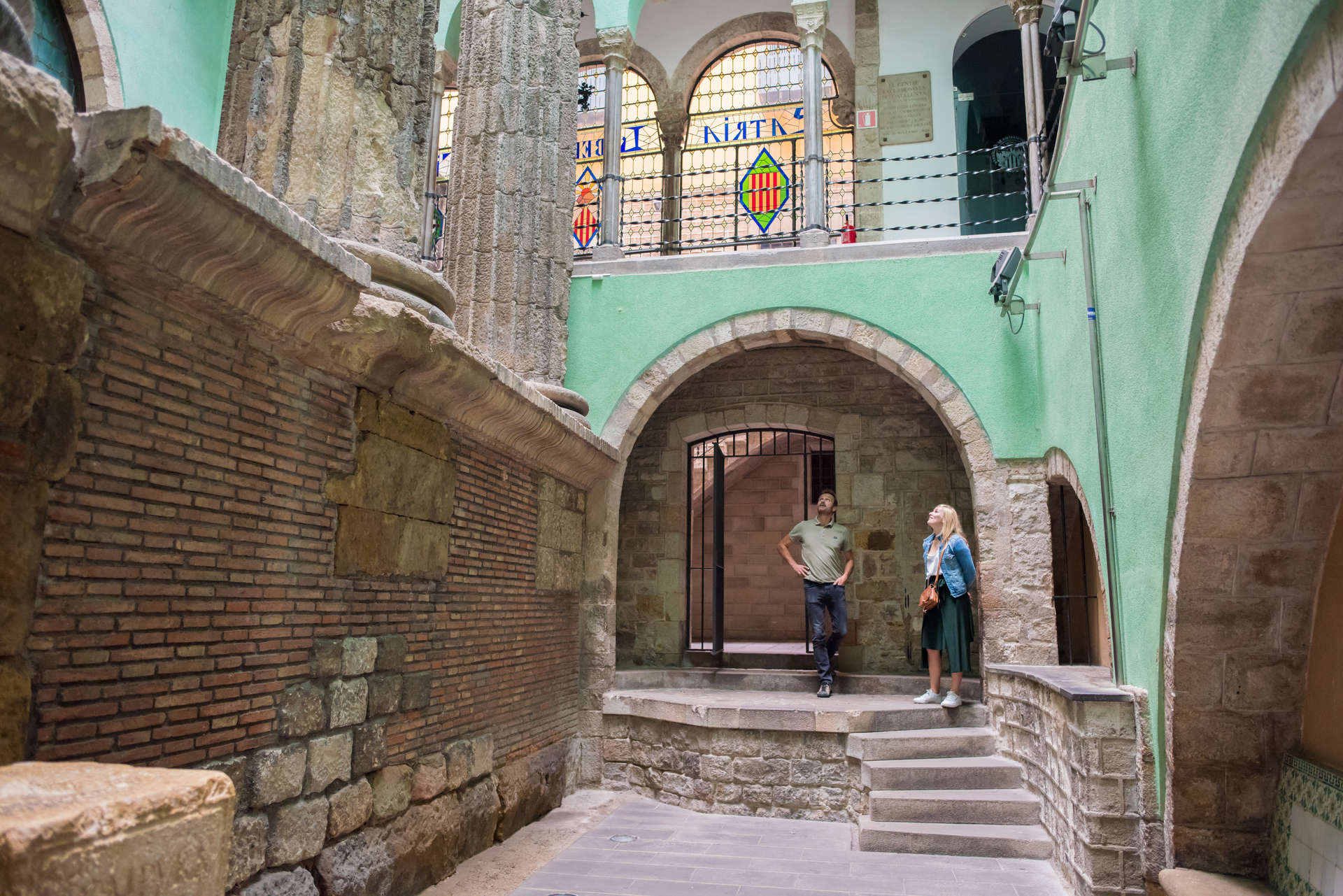
Today the El Call quarter bustles with antiques shops and dealers of rare books, plus bars and restaurants frequented by antiquarians and artists. Duck into the narrow Carrer del Paradís, a shady break from the sun. Here, just inside the doorway of the Centre Excursionista de Catalunya, four columns of the Roman Temple of Augustus are embedded in the wall. This narrow lane takes you back into Plaça Sant Jaume. Streets radiate in all directions, each an invitation to explore the Barri Gòtic and recall its immense history. The Carrer del Call leads into the labyrinth of narrow streets that was the Jewish Quarter until the late 14th century, when the Jewish population was ultimately expelled. The Centre d’Interpretació del Call, a branch of the history museum, is an information centre on this fascinating area.
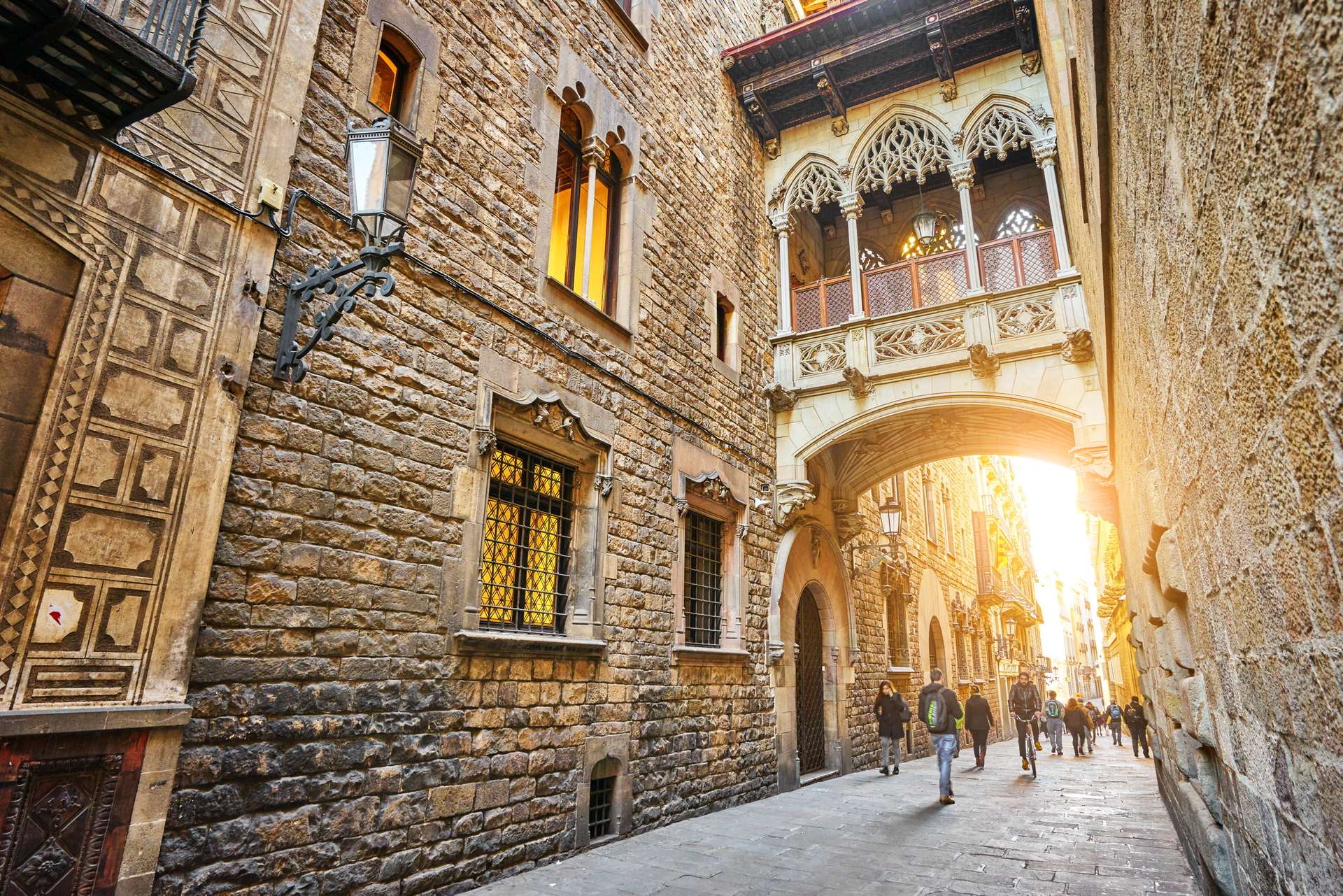
The Baixada de Santa Eulàlia descends to Carrer de Banys Nous, named for the long-gone 12th-century ‘new’ baths of the ghetto. This winding street, which more or less follows the line of the old Roman wall, is the unofficial boundary of the Barri Gòtic. It is also known as the Carrer dels Antiquaris – the street of antique dealers. Keep your eyes peeled for unusual hand-painted shop signs, the fretwork of Gothic balconies, and dusty treasures in the shop windows. You will also notice the old tile signs with a cart symbol high on the walls, the indication of one-way streets.
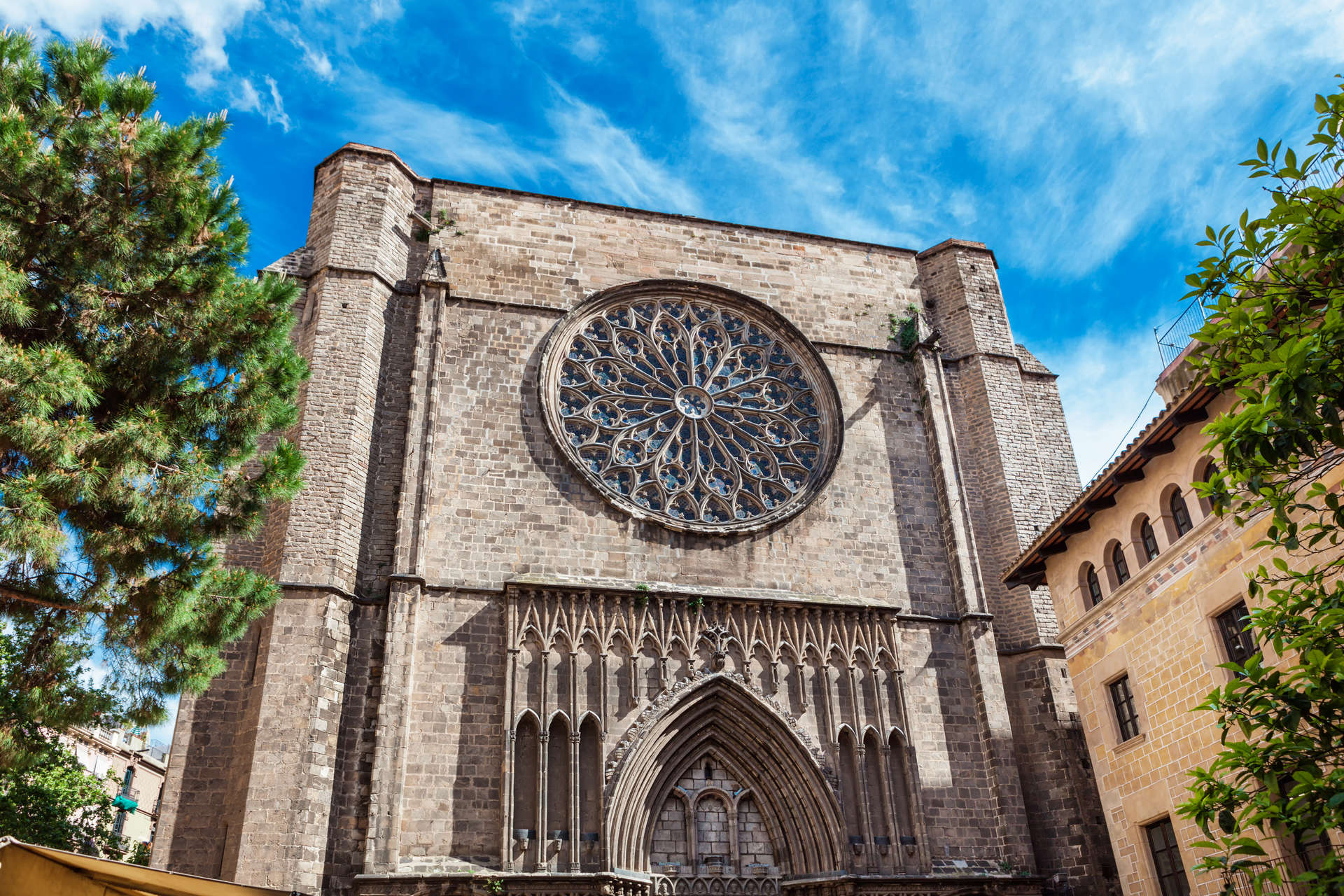
Around the corner is a trio of impossibly pretty plazas. If you want to soak up the ultimate Barri Gòtic vibe, this is where you need to be. Plaça Sant Josep Oriol adjoins Plaça del Pi, on which sits Santa Maria del Pi, a handsome Catalan Gothic church. Buildings in the plaza display an early type of graffiti – the sgraffito technique of scraping designs in coloured plaster, imported from Italy in the early 1700s. If you’re so inclined, these make a striking backdrop for a selfie!
These adjoining squares, together with the smaller Placeta del Pi to the rear of the church, are the essence of old Barcelona and a great place to while away the hours. The bars with tables spread out under a canopy of leafy trees in each of the squares are a magnet for young people and visitors, all entertained by roving musicians. On Saturdays and Sundays, artists typically offer their canvases for sale at the market in lively Plaça Sant Josep Oriol, where the Bar del Pi is a popular meeting place. At weekends, a farmers’ market selling cheeses, bread and honey is set up in the Plaça del Pi. The street that leads north from Plaça del Pi, Carrer Petritxol, is one of the Barri Gòtic’s most traditional. The narrow alley is lined with art galleries, framing shops and traditional granjas – good stops for pastries and hot chocolate. Barcelona’s oldest (open since 1877) and most famous art gallery is Sala Parés at No. 5.
Look for little Carrer Montsió, which leads to Els Quatre Gats (The Four Cats), a bar and restaurant that became famous when Picasso and a group of young intellectuals – painters Ramón Casas and Santiago Rusiñol among them – frequented it. Picasso had his first exhibition here in 1901, and the bar, one of the first commissions for the modernista architect Puig i Cadafalch, preserves its turn-of-the-20th-century ambience and is, understandably, a great favourite with visitors to Barcelona.

Sign up to receive weekly offers and travel inspiration. You’ll also get the gift of a dedicated Barcelona travel guide, created in collaboration with Rough Guides.