Spoken languages: Nepali is the official language, but English is widely spoken in tourist areas. Learning a few basic Nepali phrases can be helpful and is always appreciated.
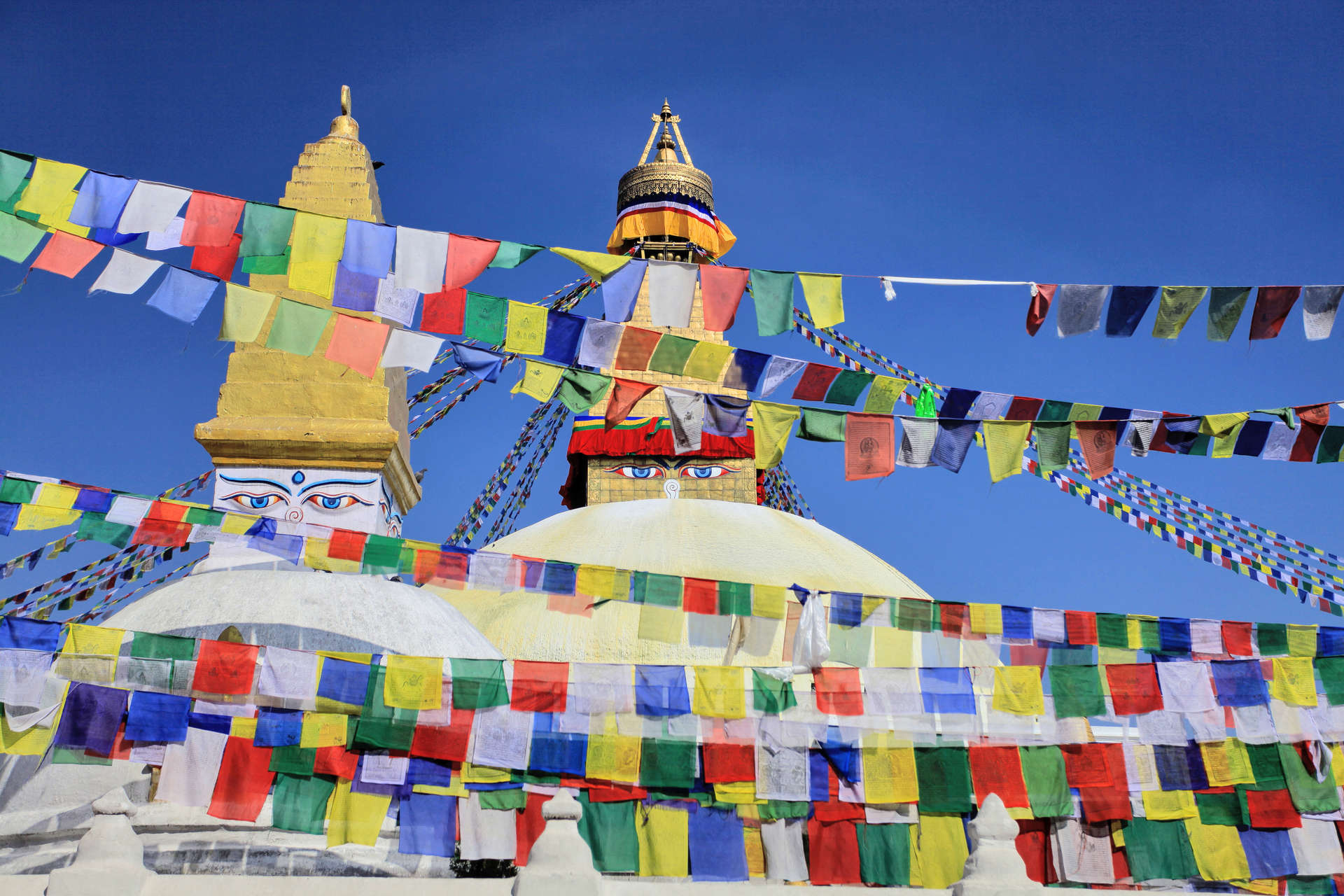
Local habits and customs: People in Nepal are amiable and curious, but society, in general, can still be somewhat conservative, so modest dress is encouraged, particularly when visiting religious sites. Always remove your shoes before entering a temple and avoid touching anyone with your feet, as it is considered rude.
Currency: The Nepalese rupee (Rs) is the local currency. ATMs are available across the city, and most places dealing with tourists accept credit or debit cards, though there are sometimes charges for payments. It’s also wise to carry some cash for other types of places and smaller purchases, and US dollars are sometimes better received than rupees.
Getting around: The old city is best explored on foot, but taxis, minibuses and microbuses (or tempos) are widely available for travelling further afield. Standard taxi fares start at Rs300 (£1.75) for short rides, and you can expect to pay Rs800–Rs1,000 (£5–£6) for longer journeys across the city. You can also use ride-hailing apps like Pathao or Tootle.
Electricity and plug types: Nepal electricity is 220V and uses a mix of plug types, including mainly European-style two-pin plugs. UK visitors should take a universal adapter. Power cuts are common when generators often kick into action, so use stabilisers for sensitive equipment.
Time zone: Kathmandu operates on Nepal Time (NPT), 5 hours 45 minutes ahead of GMT.