|
|
Holidays to Stavanger offer a perfect mix of natural beauty, history, and adventure. This charming city on Norway’s southwest coast serves as an ideal base for exploring the stunning Lysefjord, including the iconic Preikestolen (Pulpit Rock). Wander through the cobbled streets of Gamle Stavanger, visit fascinating museums, or relax by the scenic harbour. Whether you're seeking outdoor adventures or cultural experiences, Stavanger has something for everyone. Book your holiday to Stavanger now and discover one of Norway’s most beautiful destinations.
Enjoy access to special prices, only available on package deals.
Choose from thousands of flights, hotels and stays.
Book with a small deposit and pay the rest later.
Quickly add insurance, luggage, rental cars and more.
You are protected
Book the best deals on holidays to Stavanger today!
Flight time: Flights to Stavanger take approximately 1 hour 45 minutes from London.
Transfer time: Stavanger Airport Sola is just 14km from the city centre. Buses run frequently, taking about 25 minutes to reach the main bus terminal, while taxis take just 15 minutes.
Price: The airport bus costs NOK 120 (£10) for a single ticket. Taxis to the city centre range from NOK 350–450 (£30–38), depending on traffic.
If your focus is the great outdoors, spring and summer are probably your best bet; cultural attractions can be enjoyed year-round.
March to May: Spring brings unpredictable weather, with temperatures fluctuating from just a few degrees to as high as 15°C. Days start to lengthen, with around 15 hours of daylight by May, which is the ideal time for heading out into the mountains and fjords.
June to August: Long days mean up to 18 hours of daylight for your holidays to Stavanger, ample time to enjoy the city's gardens and parks, festivals and outdoor concerts - and a good time for boat trips to the Lysefjord. In midsummer, the average daily temperature is around 15°C, but on hot days it may reach 20°C, with 200–250mm of rainfall monthly.
September to November: Autumn in Stavanger brings cooler temperatures, ranging from 14°C in September to 6°C by November, accompanied by frequent rain showers and occasional gusts. As the days draw in, this is a lovely time to explore the city’s many museums and cosy up inside restaurants.
December to February: Winter in Stavanger brings chilly temperatures hovering around 0°C, often accompanied by light snowfall but often not much in the city itself. Expect about 5–6 hours of daylight in December.
Spoken languages: Norwegian is the main language, but English is widely spoken.
Local habits and customs: Norwegians value nature and simplicity; be punctual, respect their love for the outdoors, and prepare to embrace friluftsliv – the concept of open-air living. Few Norwegians tip at cafés, but rounding your bill up by a few kroner is pretty standard and considered polite.
Currency: Norway uses the Norwegian Krone (NOK). Credit and debit cards are widely accepted, but having a little cash for smaller purchases is advisable.
Getting around: Stavanger is readily explored on foot – all the key attractions are close together in the centre – but the tourist office does rent out bikes and issues free cycling maps. Public transport includes buses and ferries. A single bus ticket costs NOK 40 (£3.50), and day passes are available for NOK 117 (£10). Tickets can be bought via the Kolumbus app.
Electricity and plug types: Norway uses 220-volt power with Type C and F plugs. UK travellers will need a two-pin adaptor.
Time zone: Stavanger operates on Central European Time (CET), which is 1 hour ahead of GMT, with daylight saving observed from late March to late October.

Stavanger is an excellent place to start a visit to Norway, possessing an especially attractive harbour, some unusual museums and several excellent restaurants.
Preikestolen (Pulpit Rock): A geological oddity near Stavanger, this great hunk of rock offers staggering views down to the Lysefjord on three of its sides.
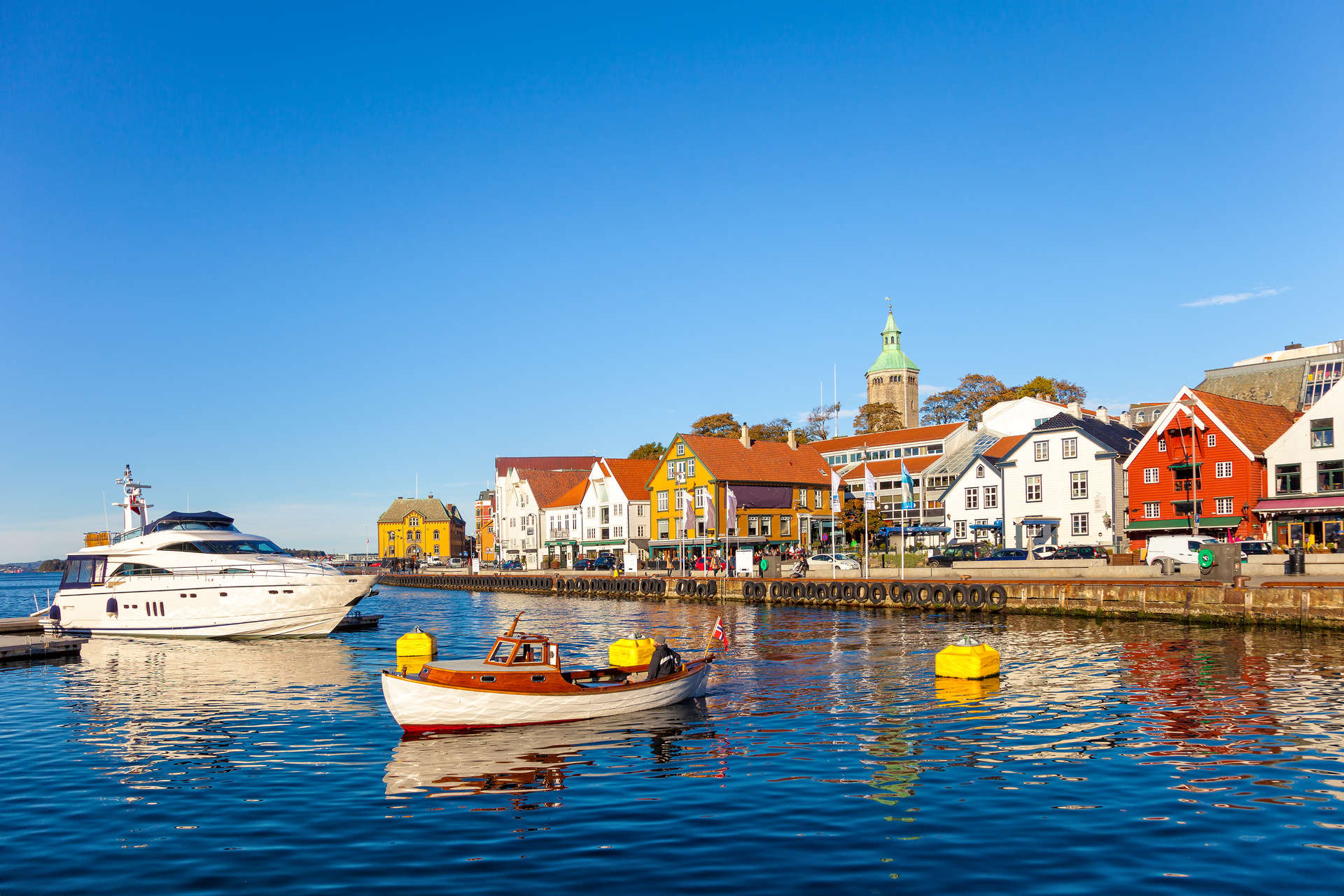
Torget: From the top of the main square, there is a fine view of Stavanger’s principal harbour, Vågen, a tapering finger of water that buzzes with cruise ships, yachts, ferryboats and catamarans.
Valbergtårnet: A 19th-century fire watch sitting atop Skagen’s highest point, the Valberg Tower offers sweeping views of the city and its industry.
Gamle: The most appealing part of Stavanger, comprising a network of lovely old clapboard houses with picket fences and perfectly manicured gardens.
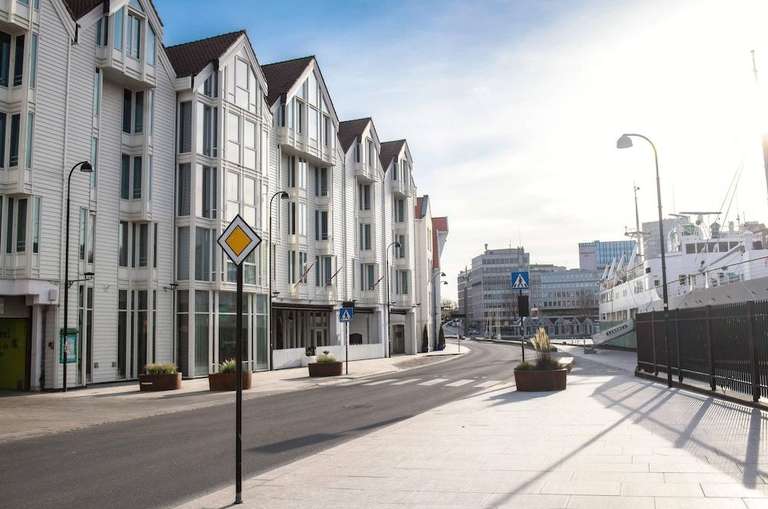
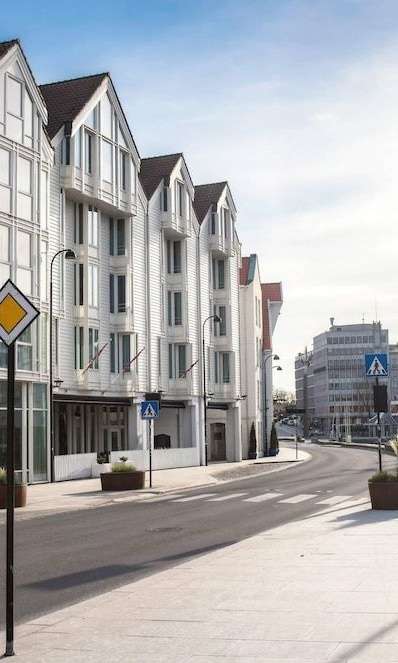
Skagen: After years in the doldrums, this bumpy promontory on the east side of the main harbour is on the up, its old, bright-white wooden houses now holding some of the city’s best bars and cafés.
Norsk hermetikkmuseet: The quirky but fascinating Canning Museum delves into Stavanger’s history as a centre of sardine production, the highlight of which is the collection of sardine tin labels, called iddis. A couple of hundred labels have survived, in part because they were avidly collected by the town’s children.
Stavanger Sjøfartsmuseum: Recently upgraded, the Maritime Museum is jam-packed with all things nautical, from replica offices and stores to archaeological finds, paintings of ships and model boats.
Norsk oljemuseum: The excellent Petroleum Museum displays scale models of oil rigs, explanations as to how oil wells are sunk and a few mechanical bits and pieces – drill bits, diving bells and so forth.
Stavanger Botanical Garden: Located near Ullandhaug, this free garden showcases native and exotic plants, with sections dedicated to herbs and medicinal flora.
Domkirke: The principal relic of medieval Stavanger, the cathedral’s squat pillars, dog-tooth arches and rough stonework of the narrow, three-aisled nave are the Romanesque heart of the church.
Swords in Rock (Sverd i Fjell): This striking monument - three giant swords planted in the ground near the fjord’s edge - commemorates the Viking Battle of Hafrsfjord, where Harald Fairhair gathered Norway into one kingdom in 872.
Kjeragbolten: For the adventurous, hike to this famous boulder wedged between two cliffs. The trek is challenging but rewards you with incredible views and bragging rights.
Lysefjord: The most diverting day trip is to the blue-black Lysefjord, famous for its precipitous cliffs and an especially striking rock formation, the Preikestolen, unquestionably one of Norway’s most iconic sights.
The city is a worthy destination for families on their Stavanger holidays, offering plenty of activities - typically in the great outdoors - that kids and parents alike will enjoy together.
Beaches: Heading south from Stavanger, pristine sandy beaches lie in wait, best of all those at Jæren.
Fjord Cruises: Millions of years of glacial activity have blessed Norway with an astonishing coastline of more than 1,000 fjords. From Stavanger, you can enjoy the natural beauty of Lysefjord on a two-hour cruise.
Exploring Stavanger doesn’t necessarily have to entail spending lots of money, and there are many ways in which you can spend your time for free or at very little cost at all.
Sculpture trail: British artist Antony Gormley’s Broken Column illustrates the many facets of the city by means of 23 sculptures. Each and every sculpture is a blank-faced human figure made of cast iron. All are 195cm high, the same height as – and apparently modelled on – Gormley himself, with some partly sunk into the ground. Go seek ‘em out.
Street art: Surprisingly, perhaps, Stavanger is one of Europe’s leading destinations for street art, and this culminates in the fantastically colourful Nuart Street Art Festival each September.

Cultural events: Check the calendar for free concerts and festivals, especially during summer; one such is the Gladmat Food Festival, where you can enjoy free tastings and cooking demos.
Surrounded by mountains, fjords and sandy beaches, outdoor enthusiasts certainly won’t want for things to do.
Hiking trails: Stavanger’s location provides easy access to world-class hikes. The trek to Preikestolen (Pulpit Rock) is a highlight, offering jaw-dropping views over Lysefjord. Somewhat easier is the hiking trail from east Stavanger along the Gandsfjord via Emmausbukta and Goddalen, down to the harbour in the area Paradis in Storhaug.
Surfing: Fancy a spot of surfing? Some of Norway’s best rollers are found off the beaches of Jæren, hence its growing popularity among the world’s top surfers.
Wildlife and birdwatching: Rogaland Arboretum and the wetlands near Stavanger will appeal to twitchers; in particular keep an eye out for swans, herons and the occasional seal along the fjord.
Surrounded by the sea and high mountains, the region boasts first-rate produce from both sea and land.
Fårikål: Norway’s national dish, a hearty lamb and cabbage stew that’s especially popular in autumn.
Komle: Also called raspeballer, these potato dumplings are served with salted meat, sausages and a side of mashed swede.
Lapskaus: Pork, venison (or other meats) and vegetable stew, common in the south and east, using salted or fresh meat, or leftovers, in a thick brown gravy.
Fenalår: Marinated mutton that is smoked, sliced, salted, dried and served with crispbread, scrambled egg and beer.

Skrei: Arctic cod served grilled or poached to highlight its delicate flavour.

Fiskesuppe: A creamy soup packed with fresh fish, shellfish and vegetables, topped with a generous helping of dill and cream.
Gravetlaks: Salmon marinated in salt, sugar, dill and brandy.
Riskrem: Rice pudding with whipped cream and sugar, usually served with frukt saus, a slightly thickened fruit sauce.
Multer: Cloudberries – wild berries mostly found north of the Arctic Circle and served with cream (med krem).
Aquavit: A bitter concoction which, at 40 percent proof or more, is real head-banging stuff, arguably made more palatable with beer chasers. Linie aquavit, made in Norway from potatoes, is one of the more popular brands.
Craft beer: Stavanger has a thriving craft beer scene, for example Lervig, which produces a variety of crowd-pleasing ales and lagers.
The most popular places to visit in Stavanger are: University of Stavanger, Swords in Rock, Stavanger Domkirke.
Stavanger is the ideal destination for City break.
The exact flight duration to Stavanger varies depending on the departure airport in the UK. It takes approximately 1h51m to fly from London to Stavanger.
Booking a flight + hotel package to Stavanger with lastminute.com offers several advantages. By booking both services together, you can take advantage of exclusive deals and choose from thousands of flights and accommodations for the perfect combination. Additionally, you can secure your vacation with a deposit and pay the remaining amount later. You also have the flexibility to add other travel extras such as insurance, rental cars, and luggage to the flight + hotel package as per your preferences.
Before travelling from the UK to Stavanger, ensure your passport is valid for the duration of your stay. To get the latest Visa information for Stavanger, please check travel advice on GOV.UK.
Travel with us
Secure payment