|
|
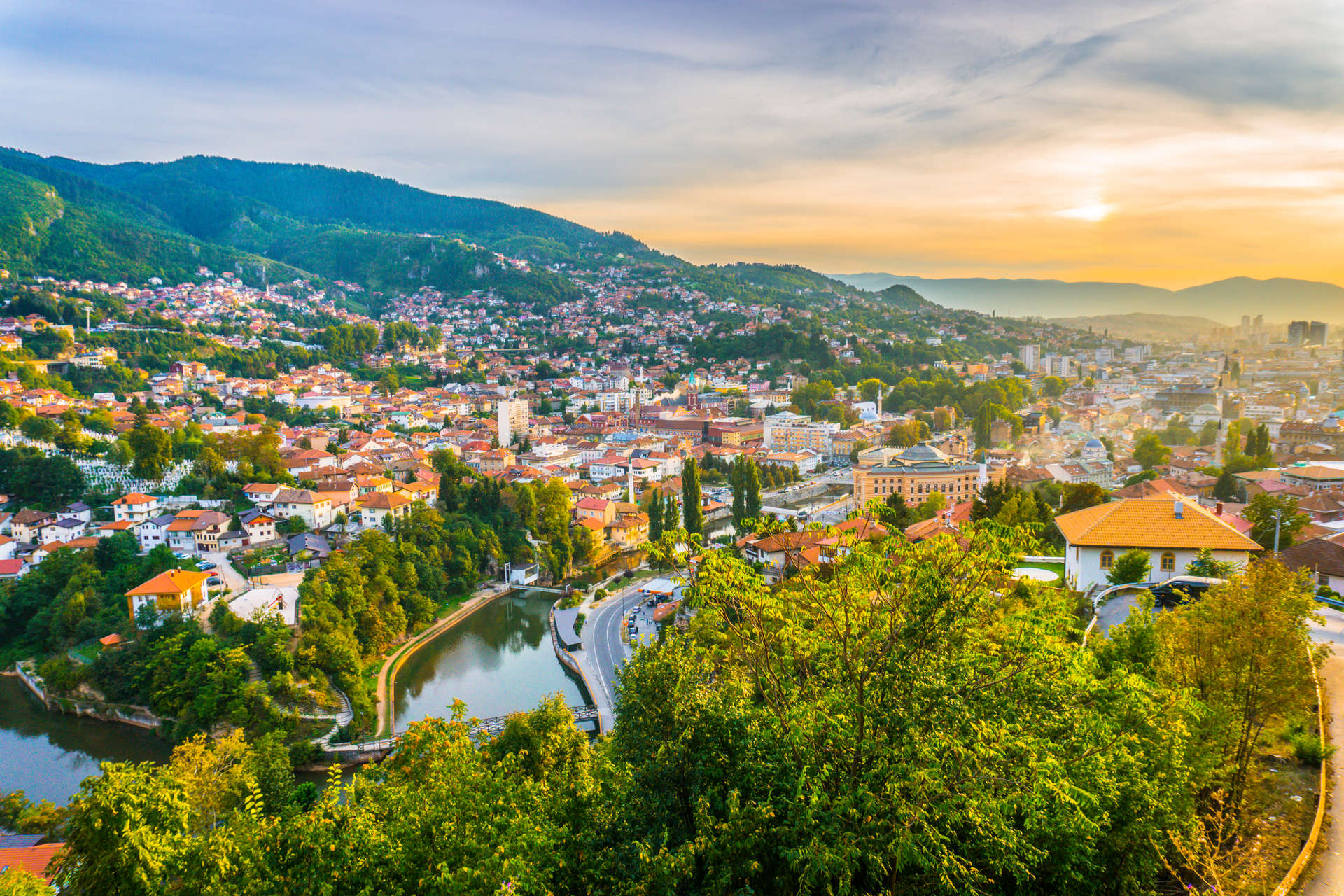
Sarajevo holidays offer an ideal blend of culture, history, and natural beauty. Known for its remarkable architecture and vibrant atmosphere, the city promises an unforgettable experience. Explore the Ottoman-influenced old town of Baščaršija and the impressive Sarajevo Tunnel Museum. Whether you're wandering the historic streets, enjoying the renowned coffee culture, or delving into its rich heritage, Sarajevo provides a memorable journey for every traveler.
Enjoy access to special prices, only available on package deals.
Choose from thousands of flights, hotels and stays.
Book with a small deposit and pay the rest later.
Quickly add insurance, luggage, rental cars and more.
You are protected
Book the best deals on holidays to Sarajevo today!
Flight time: Flights to Sarajevo from London take around 2 hours 45 minutes.
Transfer time: From Sarajevo’s Butmir International Airport, 12km from the city centre, take tram #3 to the final stop, then hire a cab. There is also a shuttle bus service that connects the airport to the main bus station, which takes around 30 minutes.
Price:
A taxi ride from the airport to the city centre typically costs between BAM 25 (about £11) and BAM 30 (around £13).
The shuttle bus is cheaper, costing approximately BAM 5 (£2) one way.
This will depend on what you want to do during your Sarajevo holidays; some events are seasonal, and the weather may also play a part in your decision.
April to June:
Spring is one of the best periods to visit the city, as temperatures range from 15°C to 25°C, making it perfect for exploring outdoor sights.
Rainfall is moderate, with about 40–70mm per month, and there are 7–9 hours of sunshine daily.
July to August:
Summers get extremely hot with temperatures climbing to around 30°C or higher, so pack appropriate protection.
Expect plenty of sunshine (up to 11 hours a day) and very little rain.
September to October:
Autumn sees milder weather, with temperatures cooling from 24°C to around 15°C, still plenty warm enough for sightseeing.
Rainfall averages 40–80mm a month, and there are 6–8 hours of sunshine daily.
November to March:
Winters can be very cold, with temperatures ranging from -5°C to 5°C, so pack plenty of layers.
Rain and snow are to be expected - the surrounding mountains are popular with skiers - and there are around 3–6 hours of sunshine each day.
Spoken languages: The Bosnian language is essentially the same as Serbian, which in turn is essentially the same as Croatian, and all three are listed as official languages in Bosnia-Herzegovina. Note that the Republika Srpska uses the Cyrillic alphabet, which may cause some problems with street signs, menus and timetables.
Local habits and customs: There are three distinct ethnicities in Bosnia-Herzegovina – Bosnian Serb, mostly Orthodox; Bosnian Croat, mostly Catholic; and Muslims known as Bosniaks. All were constituent parts of the bloody war of the mid-1990s, and whilst some locals are more than willing to talk about their experiences, it’s best to let them make the first move. Dress conservatively around religious buildings, and leave small change or a little more as a tip in a restaurant.
Currency: The official currency is the Bosnian Convertible Mark (BAM). ATMs are widely available, and credit/debit cards are accepted in most places.
Getting around: An efficient system of buses, trams and trolleybuses operates throughout the city from 5 am to 1 am. Tickets can be bought from a kiosk for BAM 1.60, or BAM 1.80 from the driver; validate your ticket on board – fines are steep and ticket inspectors strict.
Electricity and plug types: The standard is 220 volts, and sockets use the continental-style two-pin plugs. UK travellers will need an adaptor.
Time zone: Sarajevo is in Central European Time, 1 hour ahead of GMT, and observes Daylight Saving Time.

A Slavic mini-Istanbul, Sarajevo’s Ottoman notes are most prominent in Baščaršija, the city’s delightful Old Town, which is home to umpteen mosques, bazaars, kebab restaurants and cafés.
Yellow Fortress: Locals enjoy the evening walk up here for stunning sunset views of the city and surrounding bowl of mountains.
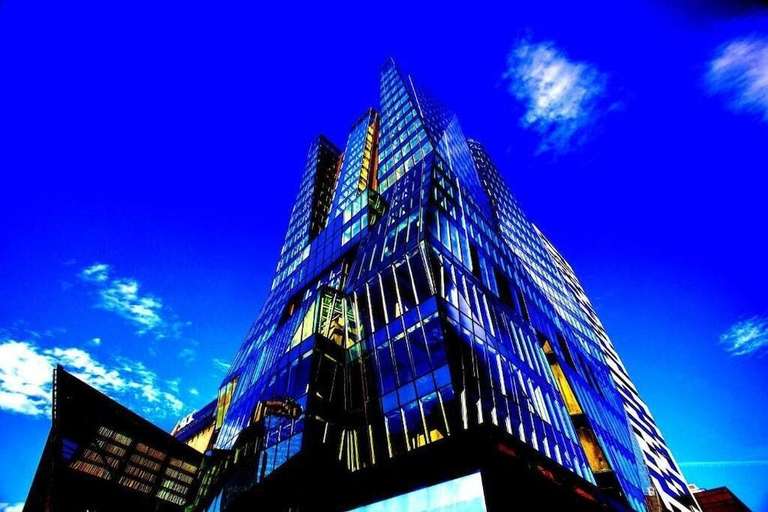
Avaz Twist Tower: Sarajevo’s tallest building, with a spiralling glass exterior, has an observation deck offering 360-degree views of the city - a viewpoint that’s especially impressive at night.
Baščaršija: Perched on the steep slopes of the Miljacka Valley, Sarajevo’s old bazaar is a noisy, hectic and smoky neighbourhood that’s quite unlike anywhere else in the Balkans.
1878–1918 Museum: The small, one-room museum commemorates the assassination of Archduke Franz Ferdinand at the start of World War I, its most significant exhibits being the pistol used by the assassin, Gavrilo Princip, and the subsequent indictment against the perpetrators.
Museum of Sarajevo: Located inside the old Brusa Bezistan bazaar, just off the main square, this delightful museum features a whole host of historical relics, all beautifully presented.
Tunnel Museum: During the siege, Sarajevo’s UN-held airport was the only break in the city’s surrounding ring of Serb forces – an 800m-long tunnel underneath the runways provided, for most locals, the only way into or out of the city. At the museum, you’ll be played a home-movie-style DVD that describes the tunnel’s creation before being led through a small section of the now-collapsed route.
Latin Bridge: Modest in appearance, the Latin Bridge has some weighty history – this was the scene of the assassination of Archduke Franz Ferdinand and, by extension, the start of World War I; a plaque on the wall indicates the exact spot where Ferdinand met his fate.
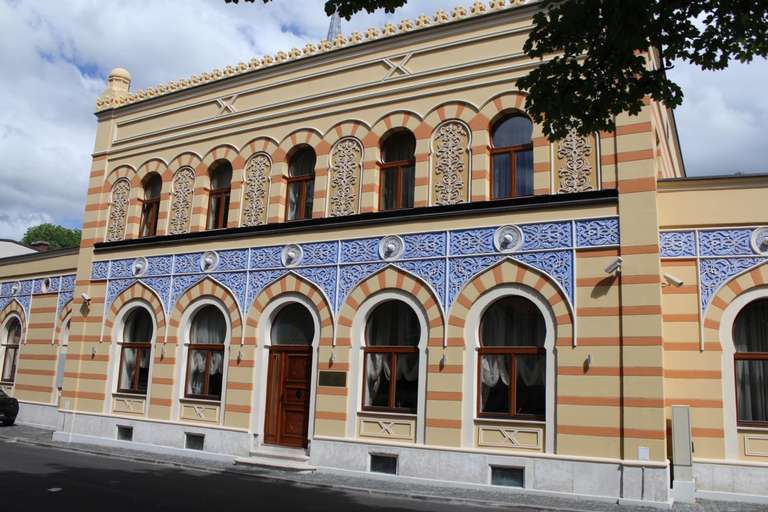
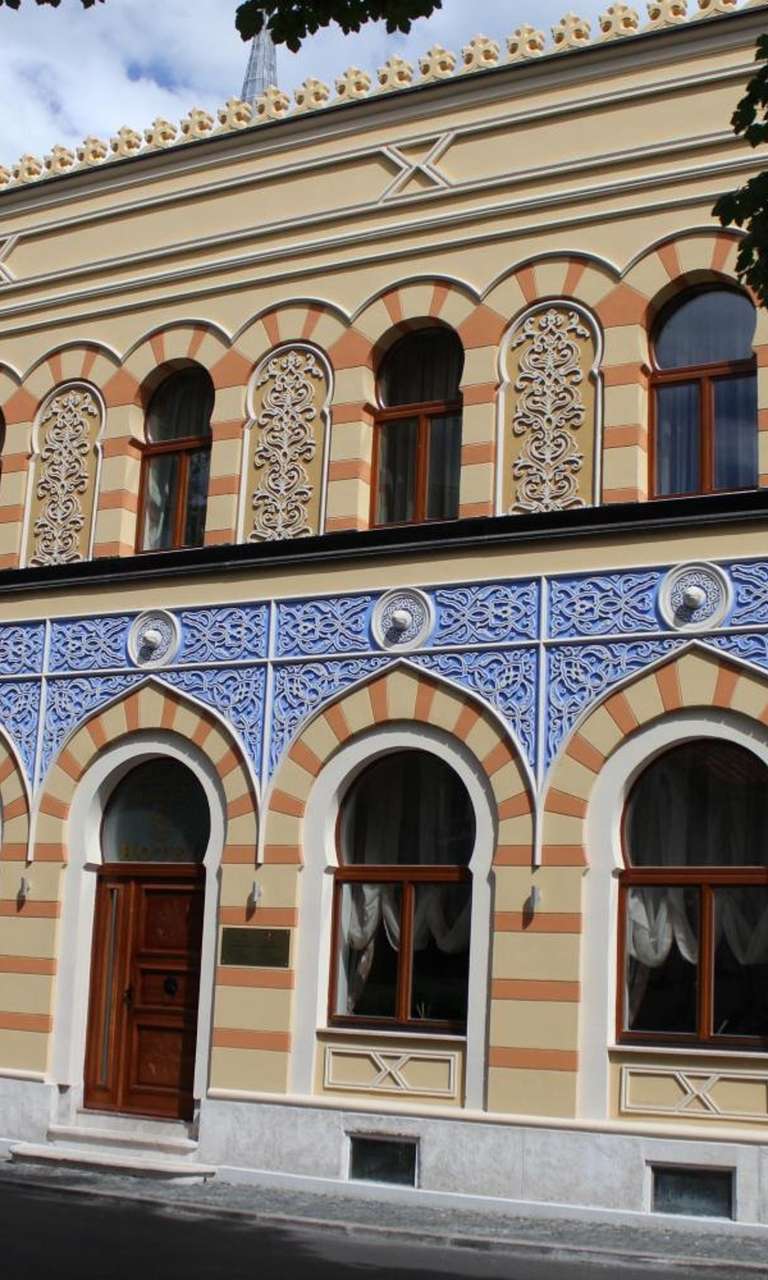
National Library: In 1992, a single day’s shelling destroyed over three million books, but reconstruction of this stunning pink-and-yellow cream cake of faded beauty is now complete.
Gazi Husrev-bey Mosque: Built in the 16th century, the Gazi-Husrev Beg Mosque remains the city’s most spiritually important mosque, its peaceful courtyard and decorative arches making it a unique place for learning about Bosnia’s Islamic heritage.
Mostar: This delightful city is focused on an Old Bridge that, meticulously rebuilt after destruction during the war, must be the most photographed object in the Balkans; don’t miss the Speedo Clad mostari – the brave gents who dive from the apex – as they tumble into the waters below.
Travnik: Just a couple of hours out of Sarajevo, this is a good day-trip target, its majestic 15th-century castle built to hold off Ottoman forces but completed a few years too late.
Families visiting Sarajevo will find a range of activities that mix history, culture and outdoor fun.
Interactive museums: The War Childhood Museum offers a sensitive introduction to Sarajevo’s recent history, with exhibits curated to help younger visitors understand life during the 1990s conflict. For science-minded kids, the Sarajevo Science and Robotics Museum has hands-on exhibits and workshops.
Adventure parks: Up on Mount Trebević is Sunnyland, a family-oriented amusement park whose main attraction is the adrenaline-pumping Alpine Coaster, which was installed on the slope facing Sarajevo.
Sarajevo is one of Europe’s cheapest cities to visit, permitting visitors to indulge in a range of budget-friendly activities.
Explore Baščaršija (Old Bazaar): Pick your way through the maze of narrow alleys, bursting with ancient Ottoman monuments, sweet-smelling ćevabdžinica and street corner cafés, and a motley assortment of stalls selling all manner of goods, from slippers and sandals to coffee sets and copperware.
Ride the tram on the cheap: A leisurely tram ride around Sarajevo provides a low-cost opportunity to view the major sights. A one-way ticket on Line 1, which loops around the main attractions, is approximately BAM 1.80, making it both affordable and scenic.
Sarajevo’s natural surroundings make it an outdoor lover’s paradise, with the Dinaric Alps, forested slopes, and clear rivers providing countless activities for all seasons.
Winter sports: Sarajevo was the host of the 1984 Winter Olympics, and today, Bjelašnica, Jahorina and Igman mountains remain first-rate winter sports destinations. Each mountain has facilities for skiing, snowboarding and even sledging, and you’ll find a good mix of slopes for all abilities.
Hiking: Sarajevo is surrounded by trails that lead through pine forests and up to rewarding viewpoints over the city and mountains. The nearby Skakavac Waterfall is an ideal day hike, featuring a 98m cascade enveloped by forest, while Kozara National Park offers numerous well-marked trails.
White water rafting: Rafting in the Bihać area is possible year-round; Una Kiro is the best-established company for foreigners, offering three main rafting routes; but if you fancy something a little gentler, they also do a kayaking trip, which follows a 9km course over 2 hours.
One of the great delights of holidays to Sarajevo is sampling the diverse dishes that make up Bosnia’s rich culinary scene, combining Ottoman, Austro-Hungarian and Balkan influences.
Begova čorba: A classic Bosnian soup known as “Bey’s soup,” made with chicken, vegetables and okra in a thick, comforting broth.
Sogan-dolma: This dish comprises onions stuffed with minced meat and spices, slow-cooked in a rich sauce.
Sarma: Popular throughout the Balkans but especially so here in Sarajevo, this is cabbage leaves stuffed with minced meat and rice, cooked slowly in a tomato-based sauce.
Ćevapi: Sarajevo’s most popular street food, these small, seasoned sausages are made from minced beef or lamb and served with somun, a warm, spongy bread. Add raw onions and kaymak (a creamy spread) for the full Bosnian experience.
Burek: Stands all over the city sell these greasy pastries filled with meat, spinach, cheese and sometimes pumpkin or potato; indeed, Sarajevo is often rated as the best burek city in the Balkans.
Bosnian desserts are deliciously indulgent and often heavily influenced by Turkish sweets. Baklava, made with layers of filo, nuts and syrup, is a popular choice, along with hurmašice, sweet pastry fingers soaked in syrup, and tufahija, marinaded apple topped with walnut and cream.
Bosnian coffee: A staple in Sarajevo, Bosnian coffee is strong and rich, traditionally served in small copper pots with a sugar cube on the side - it’s as much about enjoying the process as it is about having a caffeine fix.
Rakija: A potent fruit brandy, usually made from plums or apricots, rakija is commonly sipped during social gatherings.
The most popular places to visit in Sarajevo are: Eternal Flame, Sacred Heart Cathedral, Gazi Husrev-Beg Mosque.
Sarajevo is the ideal destination for City break.
The exact flight duration to Sarajevo varies depending on the departure airport in the UK. It takes approximately 2h44m to fly from London to Sarajevo.
Booking a flight + hotel package to Sarajevo with lastminute.com offers several advantages. By booking both services together, you can take advantage of exclusive deals and choose from thousands of flights and accommodations for the perfect combination. Additionally, you can secure your vacation with a deposit and pay the remaining amount later. You also have the flexibility to add other travel extras such as insurance, rental cars, and luggage to the flight + hotel package as per your preferences.
Before travelling from the UK to Sarajevo, ensure your passport is valid for the duration of your stay. To get the latest Visa information for Sarajevo, please check travel advice on GOV.UK.
Travel with us
Secure payment